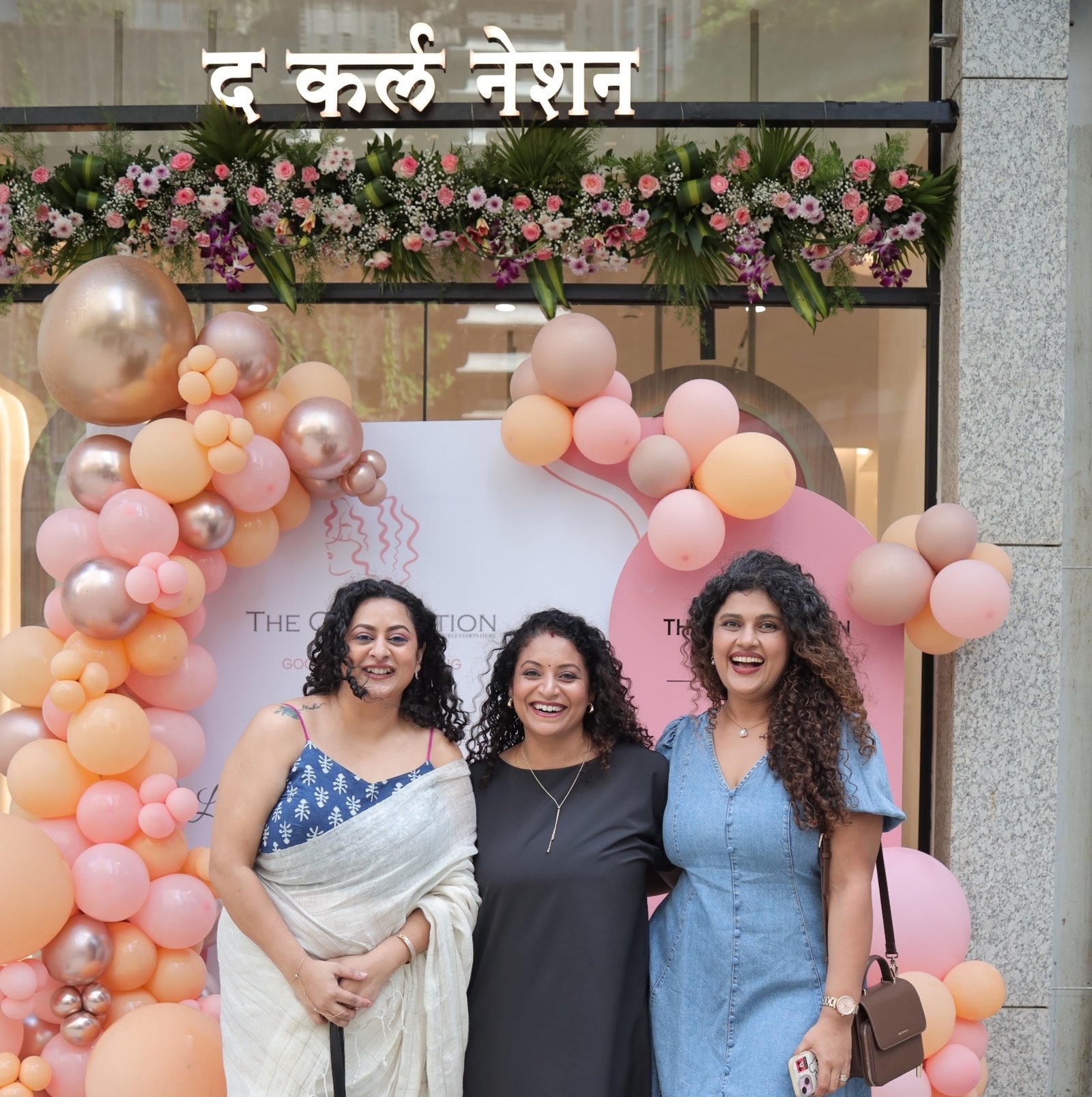
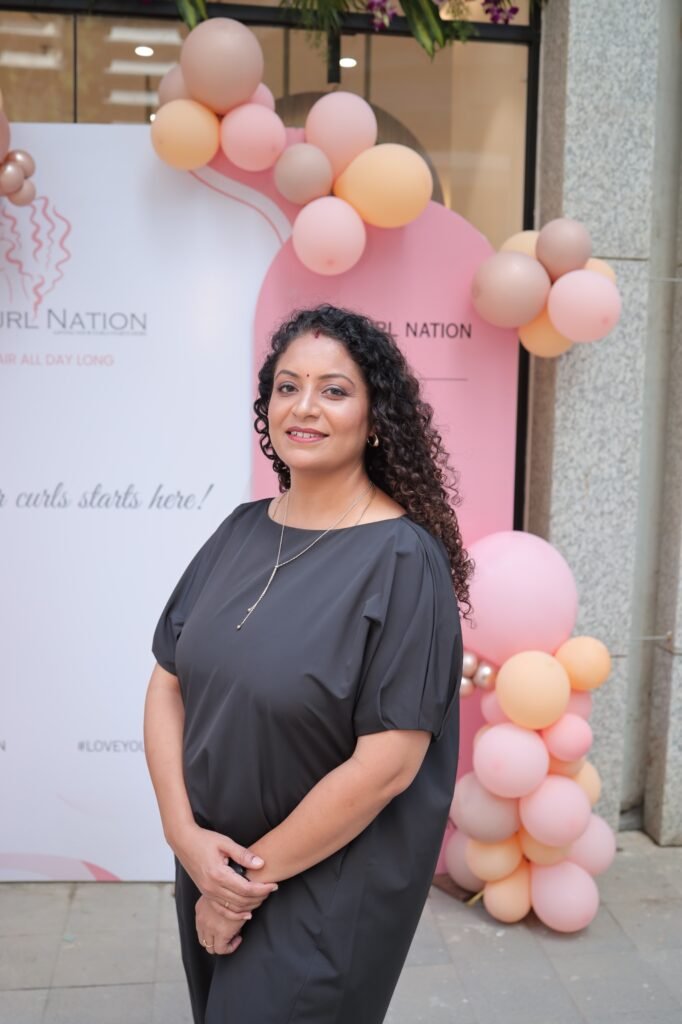
Vijai Vadivu Rangasamy, Founder & CEO, The Curl Nation and Curlsense
For years, curls were coaxed into submission, blow-dried into oblivion and often treated as a beauty problem waiting to be solved. But Vijai Vadivu Rangasamy, Founder & CEO, The Curl Nation and Curlsense believed in curls and felt they deserved a far better story.
She founded and became the CEO of The Curl Nation and Curl Sense, turning a deeply personal struggle finding the right products for her naturally curly hair into a business that champions curl confidence, education and inclusivity.
What began as a quest to find products that worked for her own hair evolved into a specialised ecosystem encompassing curly-hair products, salon expertise, consumer education and a growing entrepreneurial vision.
From building Kuwait’s first dedicated curly-hair e-commerce platform to setting her sights on India’s diverse textured-hair market, Vijai Vadivu Rangasamy’s journey is as much about dismantling beauty stereotypes as it is about building a business. Her message is refreshingly simple: curls aren’t something to fix; they’re something to celebrate.
In an exclusive conversation with Sumita Chakraborty, Founder and Editor-in-Chief, TheGlitz, Vijai Vadivu Rangasamy, Founder & CEO, The Curl Nation and Curlsense, opens up about the deeply personal beginnings of The Curl Nation, the challenges of building a niche beauty business, the evolving curly-hair conversation in India, and why she believes the future of beauty lies not in conformity, but in embracing one’s natural individuality.
Over To Vijai Vadivu Rangasamy, Founder & CEO, The Curl Nation and Curlsense
The Curly-Hair Revolution
Spotting an Opportunity Others Missed– Nearly a decade ago, when textured and curly hair were largely overlooked by the mainstream beauty industry in the Gulf, you recognised an opportunity. What made you realise that curly-haired consumers were an underserved community waiting to be heard? Was there a particular experience that sparked the idea of Curl Nation? And how difficult was it to challenge the perception that curls were something to be controlled rather than celebrated?
Honestly, Curl Nation started from a very personal pain point. I started working in the Gulf in 2004, and for almost four years, I blow-dried my hair straight every single day, simply because I had to look professional, and that meant keeping my hair sleek and straight. In 2008, when I got pregnant with my daughter, I just didn’t have the energy to blow-dry my hair every morning. So I started leaving my curls natural, and to my surprise, I absolutely loved them!
Then came the real challenge: there were literally no products available to keep curls defined throughout the day. Every time my husband travelled to the UK or US, I would give him a list of products to bring back. I would experiment with them, keep what worked and discard what didn’t. It was a lot of trial and error. That’s when I understood that not every curly girl gets this opportunity. So the idea of making things easier for people like me was always at the back of my mind. But what really pushed me was watching my daughter grow up with her beautiful curls. I didn’t want her to grow up feeling that she had to straighten her hair to look beautiful or professional. I wanted her to grow up embracing her natural hair and feeling confident about it.
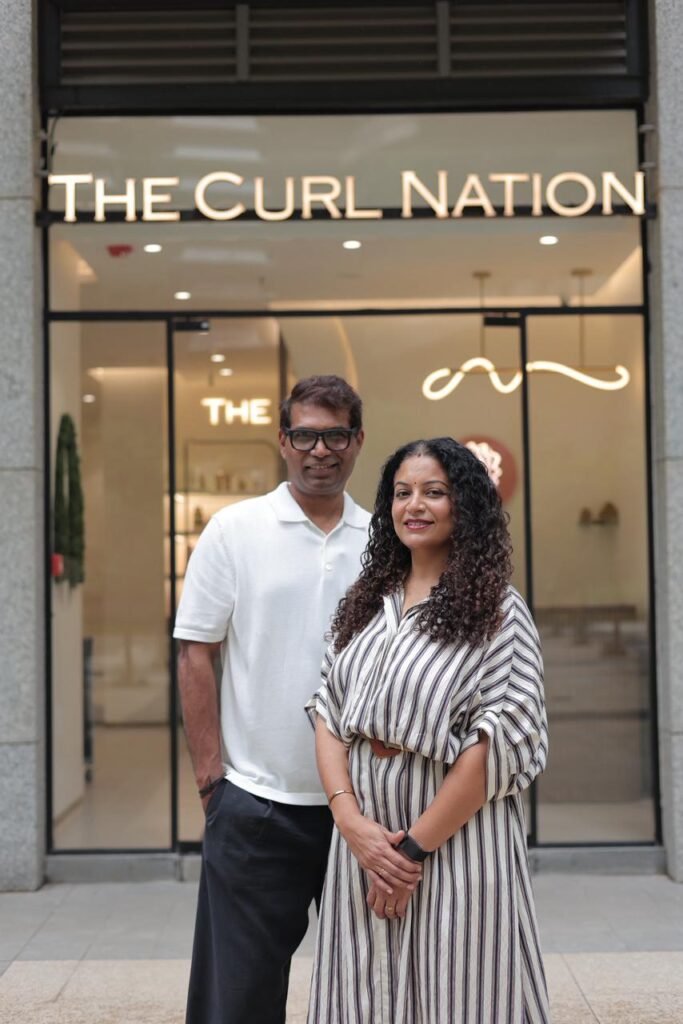
In 2019, I finally took the leap, quit my corporate career and started Curl Nation from home with just $280. I didn’t have a big business plan. I simply wanted to help other people who were struggling with the same things I had experienced. I started speaking to people, recommending products and teaching them how to care for their curls. Within months, what started as a small home business became Kuwait’s first e-commerce store dedicated exclusively to curly hair. So, for me, Curl Nation came from my own experience, my love for my curls and, most importantly, my desire to create a better space for my daughter and everyone else who grew up feeling that their natural hair wasn’t good enough.
From a Beauty Gap to a Business Movement
Curl Nation has grown beyond a conventional haircare business into a specialised ecosystem encompassing products, salon services and professional education. How did you go about building this ecosystem from scratch? What were the biggest challenges in convincing consumers, hairstylists and the wider beauty industry that textured hair required specialised knowledge and care?
I started Curl Nation in 2019, and when COVID hit in 2020, it became a turning point. Everyone had more time at home. With beauty salons not operational, people started experimenting and embracing natural hair. Orders were coming in. I would literally spend 18–20 hours a day answering messages, explaining products, doing free consultations, making video calls and even giving people free styling sessions. That’s when I realised that product availability was only half the problem. People needed someone to show them what to do with their hair. When we did that, business started growing steadily.
Slowly, as we were coming out of COVID, I realised that for sustainability, we needed to change the way beauty salons look at curly hair. None of the salons here were equipped to handle curly hair, and I knew they would get clients back to keratin and blow-dries. We needed to change that experience. That’s when we established our specialised curly-hair salon.
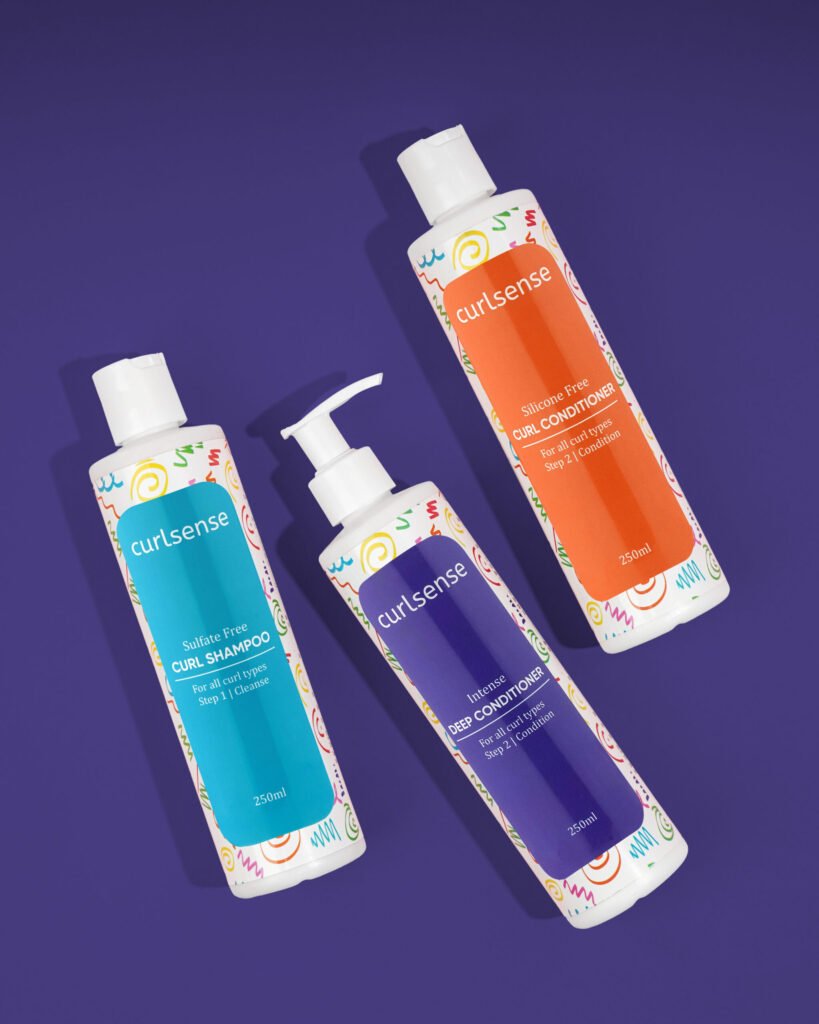
Another thing I kept hearing from customers was how expensive it was to maintain curly hair. I didn’t want affordability to become another reason for someone to give up on their curls. That’s what inspired me to develop Curl Sense. I became a certified haircare formulator and started working on products that offered international-quality formulations at more accessible Indian price points. Our shampoos, for example, start at ₹695. Looking back, every step happened because I identified another gap. First, products, then education, then specialised salon services, and finally, accessible products of our own.
We didn’t build this ecosystem because it was part of some grand business strategy. We built it because the more we understood the curly-haired community, the more we realised what was missing. And we wanted to address as much of that gap as we possibly could.
India Calling: Is the Country Ready for Its Curly-Hair Moment?
You are now looking at India as the next major chapter in Curl Nation’s journey. India has an extraordinary diversity of hair textures, yet specialised curly-hair care remains relatively underserved. What opportunities do you see in this market? Do you believe Indian consumers are finally moving away from the obsession with straight, sleek hair towards embracing their natural texture? And what will be different about your India strategy compared with your experience in the Gulf?
There can never be a better time than right now, and I truly believe India is ready for this change. India has one of the bigger populations in terms of curly hair. But growing up, we are told our hair is something that doesn’t look nice, that it needs to be fixed, that it needs to be changed. But the new generation has moved much beyond that. Gen Z is more comfortable being themselves. They are more authentic, and they are embracing everything natural. The beauty industry is evolving, and there is a growing curiosity among consumers about understanding their natural hair, learning what works for it and finding products and professionals who can actually cater to their needs.
In India, there is no one-size-fits-all approach, as we have diverse climates, water quality and lifestyles. This creates an enormous opportunity, but it also means we need to understand the Indian consumer rather than simply bring an existing business model into the country.
Our experience in the Gulf has given us a strong foundation, but India requires its own approach. Our presence in Mumbai is an important first step, and we are looking to create meaningful connections with consumers, hairstylists and the wider beauty industry.
What we have in India is a generational opportunity. I want children to grow up embracing their curls rather than spending a lifetime hiding them. If we can contribute to that shift, it would mean a lot more to me than just expanding.
Beyond Products: Educating the Consumer and the Industry
One of Curl Nation’s key objectives is education. Curly and textured hair comes with its own requirements, from understanding curl patterns and porosity to choosing the right products and styling techniques. Why is education as important as the products themselves? What are some of the biggest mistakes people with curly hair make, and how do you see Curl Nation helping consumers become more confident and informed about their hair?
For me, education is important when it comes to curly hair. You can have the best curly-hair products in the world, but if you don’t know how to use them, then those products mean nothing. That’s why, at our salon, our stylists are trained to encourage clients to ask questions and then teach them how to take care of their curls at home on their wash days.
One of the biggest mistakes people make is hovering over products without knowing what’s right for them, how to use them or even how much to use. Most clients end up using way too many products and complain that the products are not working for them. We make sure to do a consultation, help the clients choose the right products and teach them how to use them at home.
I also believe education needs to extend to hairstylists. Textured hair requires a different understanding of cutting, styling and product application. We need more professionals who are confident working with curls, coils and waves. Here in the Gulf, we do workshops and masterclasses for stylists on curly hair. We are also extending this to Curl Nation in India soon.
The Business of Breaking Beauty Stereotypes
The global beauty industry has traditionally promoted a fairly narrow definition of beautiful hair. You are challenging that narrative by championing natural texture and individuality. How much of Curl Nation’s journey has involved changing mindsets rather than simply selling products and services? Do you think the beauty industry is genuinely becoming more inclusive, or is textured-hair acceptance still largely a marketing conversation?
Our entire journey has been about changing mindsets, even today. I have friends who still straighten their curls, and they still tell me, “Oh, curly hair suits you, but not us.” Hair is part of people’s personality, and we are too obsessed with letting that define who we are. When a curly-haired client who has spent years straightening their hair walks into our salon or store wanting to embrace their natural hair, I can see how nervous they are. The questions are always: “How will I look? Will I be able to carry it? Will the people around me accept it?” Once this is acknowledged and addressed, and they are confident, the product selling happens naturally.
I do think it’s genuinely becoming more inclusive, partly because of Gen Z, but also, like I mentioned earlier, even today’s parents want their children to live freely and not be bound by set standards. With more young celebrities embracing natural hair, acceptance is becoming wider. Awareness combined with education is the key. And that’s what we are doing at Curl Nation.
It’s still early, but I would love to see a time when curly hair feels as normal as straight hair, and I want us to be part of that change.
Women, Entrepreneurship and Building a Specialised Category
Building a business in a niche segment requires conviction, patience and the ability to educate a market before expecting it to embrace a product or service. As a woman entrepreneur who has built a specialised business across markets, what has been your toughest entrepreneurial lesson? What challenges have you encountered while building Curl Nation, and what advice would you give women looking to create businesses in categories that are still relatively unexplored?
Honestly, I don’t think entrepreneurship differentiates between a man and a woman. The challenges of building a business are pretty much the same. Yes, for women, it can get a little more complicated because you’re also expected to take care of the family and balance so many responsibilities.
But if I have to put it humorously, my biggest entrepreneurial mistake was probably starting Curl Nation in Kuwait instead of India! Being an expat entrepreneur in the Gulf comes with its own set of challenges. So my advice would be: if you have a good business idea, start it in your home country. It might make life a little easier!
Jokes apart, one of my most difficult phases was around COVID. Curl Nation was growing, I had just had my second child, and I developed post-delivery complications. My son was still very young, and there were days when I honestly wanted to give up on everything. Managing a growing business alongside everything happening personally wasn’t easy.
But I kept going because I believed in what I was building. For me, Curl Nation was never just about selling products or running salons. It was about creating a space where children like my daughter could grow up feeling comfortable and confident in their natural hair. I wanted them to feel that their curls were normal, beautiful and nothing they needed to change.
That belief kept me going, even when things were difficult.
I think the biggest lesson entrepreneurship has taught me is that you need to believe in the purpose behind what you’re building. There will be difficult days, there will be setbacks, and there will be times when you question yourself. But when you know why you started, it gives you a reason to keep going.
My advice to women would be: don’t wait for the perfect time or for everything in your life to fall into place. It probably never will. If you believe in an idea, give it a chance. Start small if you have to, learn as you go and keep building. You don’t need to have everything figured out at the beginning.
The Future of Textured Haircare: What’s Next for Curl Nation?
With the beauty and personal care market evolving rapidly, where do you see the textured-hair category heading over the next five years? Are you looking at expanding Curl Nation’s salon network, professional training programmes, product portfolio or collaborations in India? What is your larger vision: to build a successful specialised beauty brand or to fundamentally change how an entire generation perceives and cares for its natural hair?
I think the next five years are going to be really exciting for the textured-hair industry. If you look at the market today, there are so many homegrown brands coming up, more people investing in curly haircare and even bigger beauty brands starting to recognise the potential of this category.
And honestly, I think that’s a great thing. The more brands that enter this space, the more people they reach. If there is just one brand talking about curly hair, the reach is limited. But when ten brands start talking about it, the conversation becomes much bigger. More people discover their natural texture, more people get access to products and information, and that’s how something moves from being a trend to becoming a lifestyle. I’m genuinely excited to see that happening.
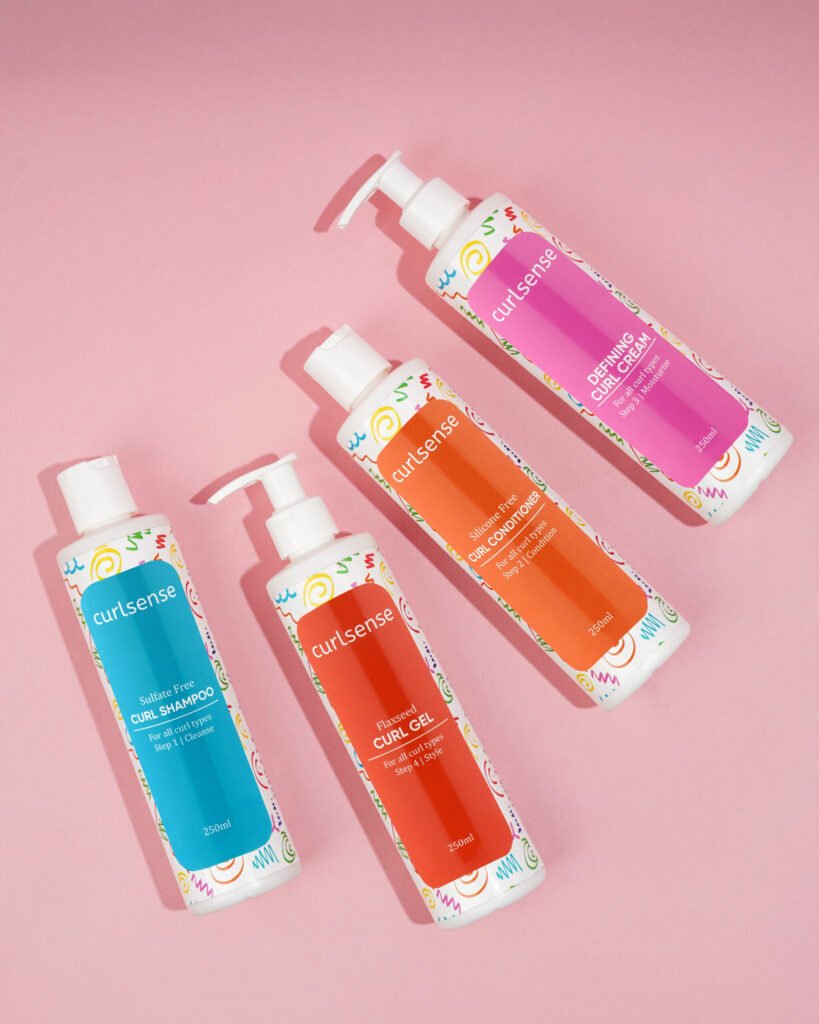
As far as Curl Nation is concerned, the next two years are going to be focused on expanding our presence across India. We are currently in Mumbai, and we want to move into more major cities before gradually reaching tier 2 and tier 3 markets. We are also working on setting up a Curl Nation Academy to train hairstylists and professionals. I strongly believe that the more knowledge we pass on to professionals, the bigger the change we can create. Alongside this, we are growing our own product brand, Curl Sense. India is such a diverse country, and haircare needs can vary depending on the texture, climate, water quality and lifestyle. We want to develop products that address these specific needs rather than take a one-size-fits-all approach.
We are also preparing to introduce our Curl Sense Kids range, which is something I’m particularly excited about. There is still a gap when it comes to specialised curly-hair products for younger children, and we want to address that with a range developed specifically for their needs.
Ultimately, our focus in India is not just on expanding Curl Nation or opening more salons. We want to be part of the bigger change happening in the industry. We want to contribute to making textured haircare more accessible, more understood and more accepted. If we can help accelerate that change, I think we are doing something right.
THEGLITZ TAKE
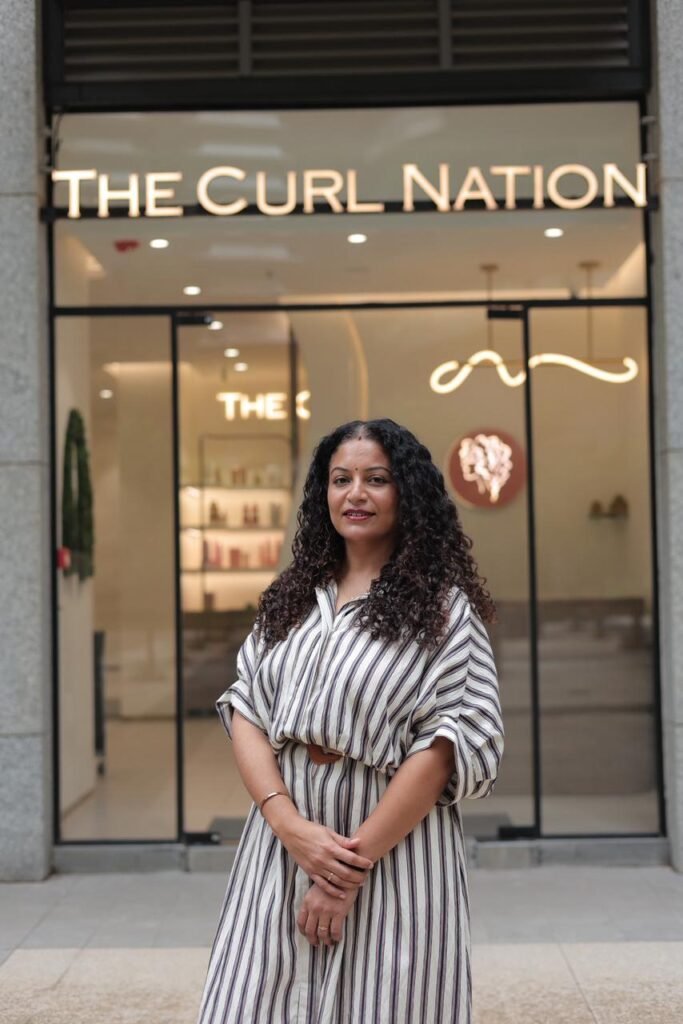
The beauty industry has spent far too long telling women what to tame, smooth, straighten and fix. Vijai Vadivu Rangasamy is quietly, but emphatically, challenging that script. What makes her journey compelling isn’t merely the business she has built, but the conviction behind it. She spotted a gap, lived the problem, took a leap of faith and built an ecosystem around a community that had long been overlooked. In an industry that often sells aspiration by making people feel they need to change, Vijai Vadivu Rangasamy’s message is refreshingly radical: embrace what you were born with. And that, quite frankly, is a beauty revolution worth having.