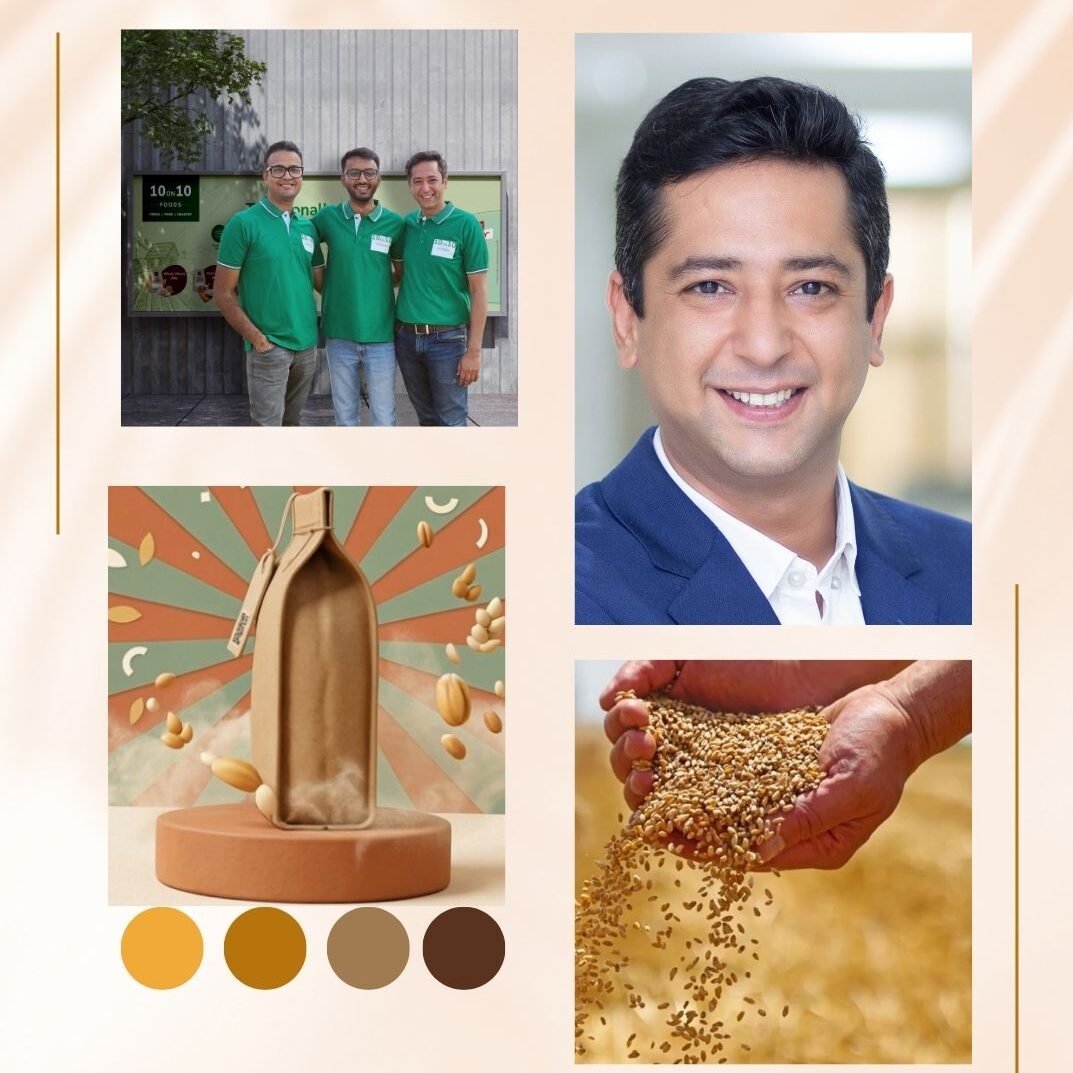
Dr. Ashish Bajaj, CEO and Co-founder, 10on10 Foods
In a food landscape where consumers are becoming increasingly conscious of what goes onto their plates, Dr. Ashish Bajaj, Co-Founder & CEO, 10on10 Foods, believes the future of food lies not merely in what tastes good, but in what is fresh, nutritious, transparent and trustworthy.
An author, award-winning marketing leader and entrepreneur, Dr. Ashish Bajaj brings a rare cross-sector perspective to the evolving Indian consumer. His career spans Narayana Health, MediBuddy, Ola, Microsoft and GroupM, with leadership roles that have placed him at the intersection of healthcare, technology, consumer behaviour and brand building.
As CMO of Narayana Health, he led enterprise-wide brand transformation across one of India’s largest healthcare networks, while at Ola, he helped build one of the country’s most recognised consumer brands through data-driven marketing at national scale. He is also the author of The Martech Playbook and a Fortune India 40 Under 40 honouree.
But the idea behind 10on10 Foods was born from something far more personal. The search for safe, wholesome food for his son with Type 1 diabetes made Ashish confront a larger question: how fresh and trustworthy is the food Indian families consume every day? What began as a personal quest revealed what he saw as a much wider gap — and became the founding mission of 10on10 Foods.
Today, Ashish is looking beyond the conventional conversation around taste, price and convenience. From the freshness of everyday staples to nutrition, ingredients, provenance and transparency, he believes the Indian food consumer is entering a new era — one where trust is becoming as important as taste.
In this exclusive conversation with Sumita Chakraborty, Founder & Editor-in-Chief, TheGlitz, Dr. Ashish Bajaj, CEO and Co-founder, 10on10 Foods, speaks about the changing Indian consumer, why freshness needs to be more than a marketing claim, the growing intersection of health and convenience, and his larger vision of making better food a seamless part of everyday life.
Over To Dr. Ashish Bajaj, CEO and Co-founder, 10on10 Foods

What was the consumer gap you identified when you decided to build 10on10 Foods, and what convinced you that freshness could become a meaningful differentiator in an already crowded food market? Do you think we are witnessing a fundamental shift from choosing food primarily for taste and price to evaluating it through the lenses of freshness, nutrition, ingredients and trust?
The gap we identified was around the everyday foods that people consume regularly but rarely question deeply. Take atta, for example, it is a staple in almost every Indian household, yet consumers have historically had limited visibility into how fresh it is, when it was milled and what happens between the grain and the final product.
At the same time, as awareness around protein, fibre and other everyday nutritional requirements has grown, much of the conversation has focused on supplements and specialised health products. We saw an opportunity to ask a simpler question: can the foods people already eat every day do more for them nutritionally?
Rather than expecting consumers to make dramatic changes to their diets or add another supplement to their routine, we believe there is an opportunity to improve the nutritional value of everyday staples while bringing greater freshness and transparency to the category.
What has reinforced our belief is the changing mindset of the Indian consumer. Taste and price will always matter, but they are no longer the only considerations, particularly among urban households. Consumers are increasingly reading labels, looking at ingredients and asking where their food comes from, while also becoming more conscious of whether their everyday diet is meeting their protein and fibre needs.
I believe we are moving towards a model where freshness, nutritional relevance and trust become an important part of the value equation. Consumers don’t necessarily want another complicated health routine; they want everyday food choices that work harder for them and give them confidence in what they are consuming.

Freshness is increasingly being positioned as a premium attribute in packaged and everyday foods. But freshness is also notoriously difficult to communicate and scale. How can brands turn “fresh” from a marketing claim into something consumers can genuinely experience and trust?
Freshness cannot simply be a word on the pack. It has to be built into the product, the process and the consumer experience. For us, that means looking at the entire journey, from sourcing and milling to packaging and delivery, and reducing the time between processing and consumption.
The second part is transparency. If a brand claims freshness, consumers should be able to understand what that means and why they should believe it. This requires clear communication, consistency in quality and strong process controls. Ultimately, the product has to validate the claim. If consumers can taste the difference, understand the process behind it and experience that consistency every time they buy, freshness moves from being a marketing proposition to becoming a genuine brand promise.
Convenience and health have traditionally been seen as opposing forces — quick food versus good food. Are Indian consumers now demanding both? What are the biggest changes you are seeing in the way busy urban households make that trade-off?
Absolutely. The old assumption was that convenience required compromise, particularly when it came to health and nutrition. That equation is changing. Today’s urban consumer has less time, but arguably much more awareness. They want food that fits into their lifestyle without feeling that they are compromising on what they feed themselves or their families.
We are seeing consumers look for everyday products that make healthy choices easier rather than requiring a complete lifestyle overhaul. This is particularly relevant for staples because these are foods consumed repeatedly. If you can improve the quality, freshness or nutritional profile of an everyday staple without making preparation more complicated, you are solving a very real consumer problem. The opportunity for food brands is therefore not simply to make healthier products, but to make better choices convenient enough to become habits.
Your experience spans media, technology, healthcare and consumer businesses. How has moving across these very different sectors shaped the way you understand today’s Indian consumer — particularly the connection between lifestyle, health awareness, technology and food choices?
Working across different sectors has taught me that consumer behaviour rarely exists in silos. Technology changes how people discover and buy products, healthcare increases awareness around wellbeing, media influences aspirations and consumer businesses ultimately have to translate all of these shifts into products that fit into people’s daily lives.
My experience across these sectors has also made me more conscious of the importance of understanding the problem before building the solution. Today’s consumer is more informed, more connected and more willing to question brands. At the same time, they are time-poor. That creates an interesting intersection between awareness and convenience.
People know they should make better choices, but they need brands to make those choices simpler and more accessible. That is the space where I believe food innovation can have a meaningful impact.
Trust is becoming one of the most valuable currencies in food. From ingredient sourcing and processing to labelling and claims, what level of transparency do consumers now expect — and where do you think the Indian food industry still has work to do?
Consumers increasingly expect brands to stand behind what they put on the pack. That means greater clarity around ingredients, sourcing, processing, nutrition and claims. They don’t necessarily expect every brand to reveal every operational detail, but they do expect claims to be credible, understandable and supported by processes.
There is also a growing expectation of accessibility, consumers today want to be able to reach a brand directly, ask questions, raise concerns and receive a genuine response. Trust is no longer built through one-way communication, brands need to be visible, approachable and willing to engage in a conversation with their consumers.
The industry has made significant progress, particularly as consumers have become more informed, but there is still room for greater transparency. Food is a category where trust is built over repeated experiences. A brand may acquire a consumer through a strong claim, but it retains that consumer through consistent quality and honesty.
For us, the objective is to make transparency part of the way we build the business rather than treating it as a communication layer added afterwards.
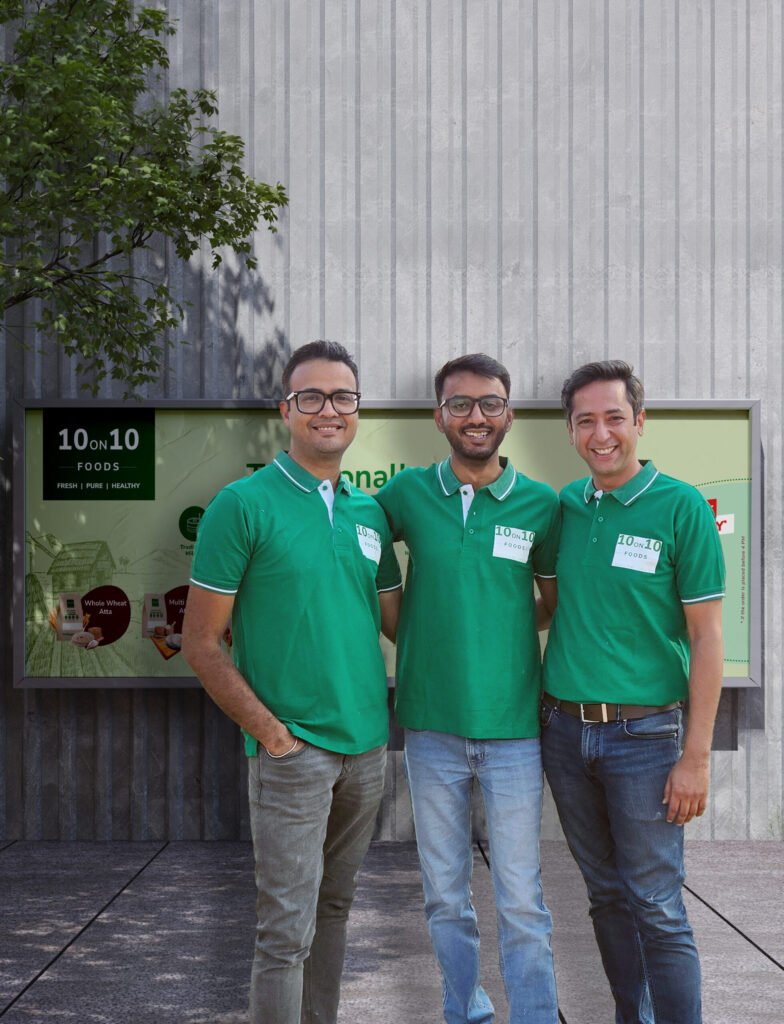
What is the larger vision for 10on10 Foods? Are you looking to build a successful food brand around a particular category, or do you see an opportunity to fundamentally change the way Indian consumers think about everyday food — from packaged and convenient to fresh, nutritious and trustworthy?
Our ambition goes beyond building a successful brand in a single category. We want to participate in changing how consumers think about everyday food. Some of the most important foods in our diet are also the foods we tend to take for granted because we consume them so frequently.
We see an opportunity to make everyday food better across multiple dimensions, freshness, nutrition, quality and transparency, without making it inaccessible or complicated. The long-term vision for 10on10 Foods is to build a portfolio around that philosophy. We want consumers to associate the brand with food that is thoughtfully made, trustworthy and relevant to the way modern Indian households live.
Looking five years ahead, what do you believe will become the biggest differentiator for food brands in India — freshness, nutrition, convenience, clean ingredients, provenance, personalisation or something we aren’t talking about yet? And what will separate the brands that merely follow consumer trends from those that actually shape them?
I don’t think there will be one single differentiator. The strongest food brands will be those that can bring together freshness, nutrition, convenience, clean ingredients and trust into one coherent consumer proposition. Consumers increasingly expect these attributes to coexist rather than choosing one at the expense of another.
What will separate the leaders from the followers is whether they are solving genuine consumer problems or simply responding to the latest trend. The brands that shape the market will be those that understand how people actually live and then build products that make better choices easier. In food, that means creating products that people want to consume repeatedly, not just products that generate curiosity at launch. If a brand can combine strong product fundamentals with transparency, consistency and an ability to keep innovating, it has the potential to shape consumer behaviour rather than simply follow it.