
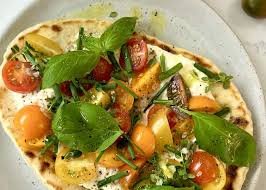
In a land where “mama ke haath ka khana” (mom’s homemade food) is the gold standard of cuisine, a new contender is entering the culinary ring: organic food. Yes, the humble carrot is now vying for attention alongside spicy samosas and butter-laden parathas, and it’s doing so with a health halo and a smug sense of superiority. Sumita Chakraborty, Editor-in-chief, TheGlitz delves into why organic food is catching on in India faster than you can say “quinoa salad”?
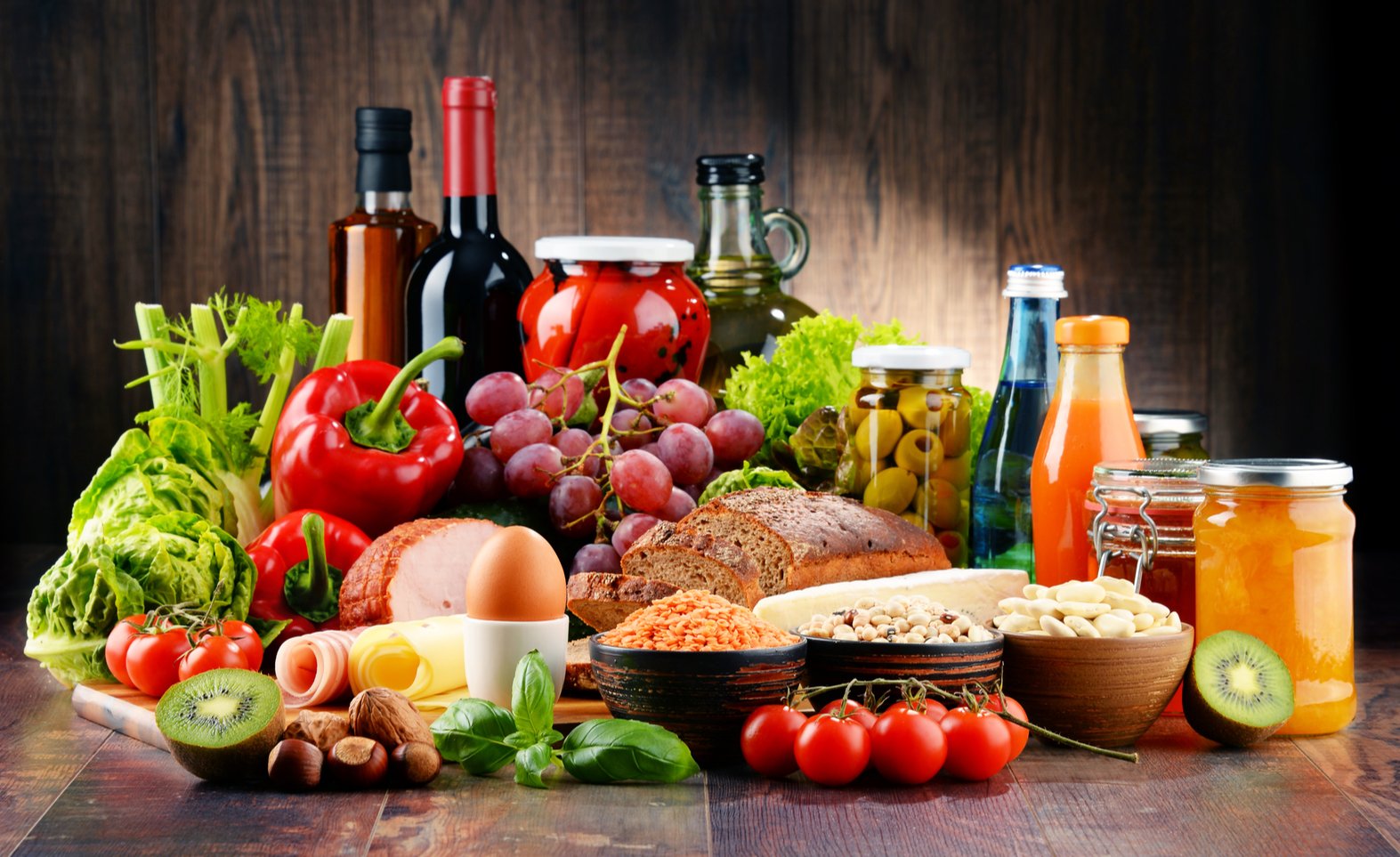
Organic Food Mantra: The Health Halo Effect
Move over, yoga gurus; there’s a new health fad in town. Organic food, with its promise of being free from pesticides, synthetic fertilizers, and GMOs, is attracting health-conscious Indians faster than a sale at FabIndia. With rising awareness about lifestyle diseases and the benefits of clean eating, people are swapping their processed snacks for organic goodies. After all, who wouldn’t want to eat a tomato that promises to keep your chakras aligned and your blood pressure low?
Celebrity Endorsements

When Bollywood stars and cricket icons start talking about their organic diets, you know it’s serious. From Anushka Sharma to Virat Kohli, the glitterati are going gaga over organic food. Their Instagram posts flaunting organic salads and smoothies have made organic food the new status symbol. If it’s good enough for A-listers, it’s definitely good enough for us mere mortals, right?

The Farm-to-Fork Movement
Gone are the days when farming was just for rural folk. Urban farming and community-supported agriculture (CSA) have made it cool to get your hands dirty. Cities like Mumbai, Bangalore, and Delhi are seeing a surge in rooftop gardens and local organic markets. The farm-to-fork movement is all about knowing where your food comes from, and there’s something incredibly satisfying about plucking your own basil leaves to garnish that home-cooked pasta.
Environmental Concerns
With climate change becoming a hot topic (literally), people are waking up to the impact of their food choices on the planet. Organic farming, which focuses on sustainable practices, soil health, and biodiversity, is seen as a greener alternative. Choosing organic means you’re not just eating clean; you’re also doing your bit to save the planet. It’s the ultimate win-win: better for you, and better for Mother Earth.
Taste Test
There’s a growing consensus that organic food just tastes better. Maybe it’s the absence of chemical residues, or maybe it’s the love and care that goes into growing it, but organic fruits and vegetables often have a richer, more authentic flavor. Imagine biting into an apple that tastes like the ones from your childhood—juicy, sweet, and completely natural. That nostalgic taste alone is enough to convert even the staunchest of skeptics.
Rise of Organic Brands
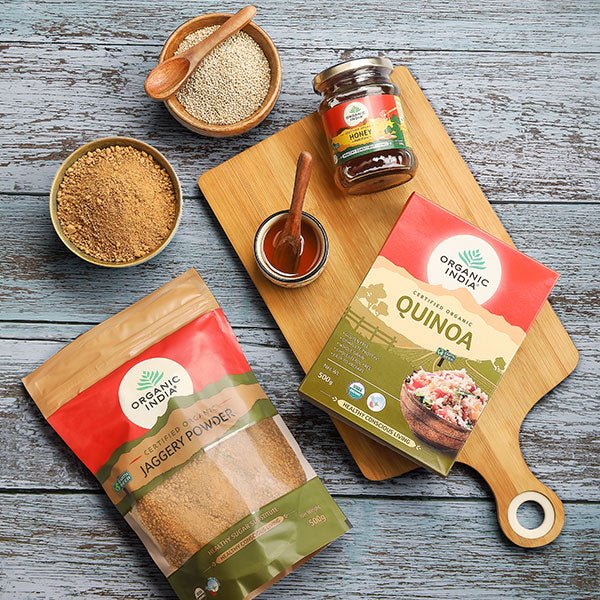
The market for organic products in India is booming, thanks to a surge in homegrown brands. Companies like Organic India, 24 Mantra, and Farm2Kitchen are making organic food accessible and affordable. From organic ghee to pesticide-free pulses, these brands are bringing the organic revolution to our doorstep. And with e-commerce giants jumping on the bandwagon, getting your hands on organic goodies is just a click away.
Cultural Shift
There’s a cultural shift happening as well. As more Indians travel abroad and experience organic lifestyles in other countries, they’re bringing these habits back home. Add to this the ancient wisdom of Ayurveda, which has always advocated for natural and pure foods, and you have a potent recipe for the organic trend to take off. It’s a fusion of modern awareness and traditional values, and it’s catching on like wildfire.
The “Foodie” Factor

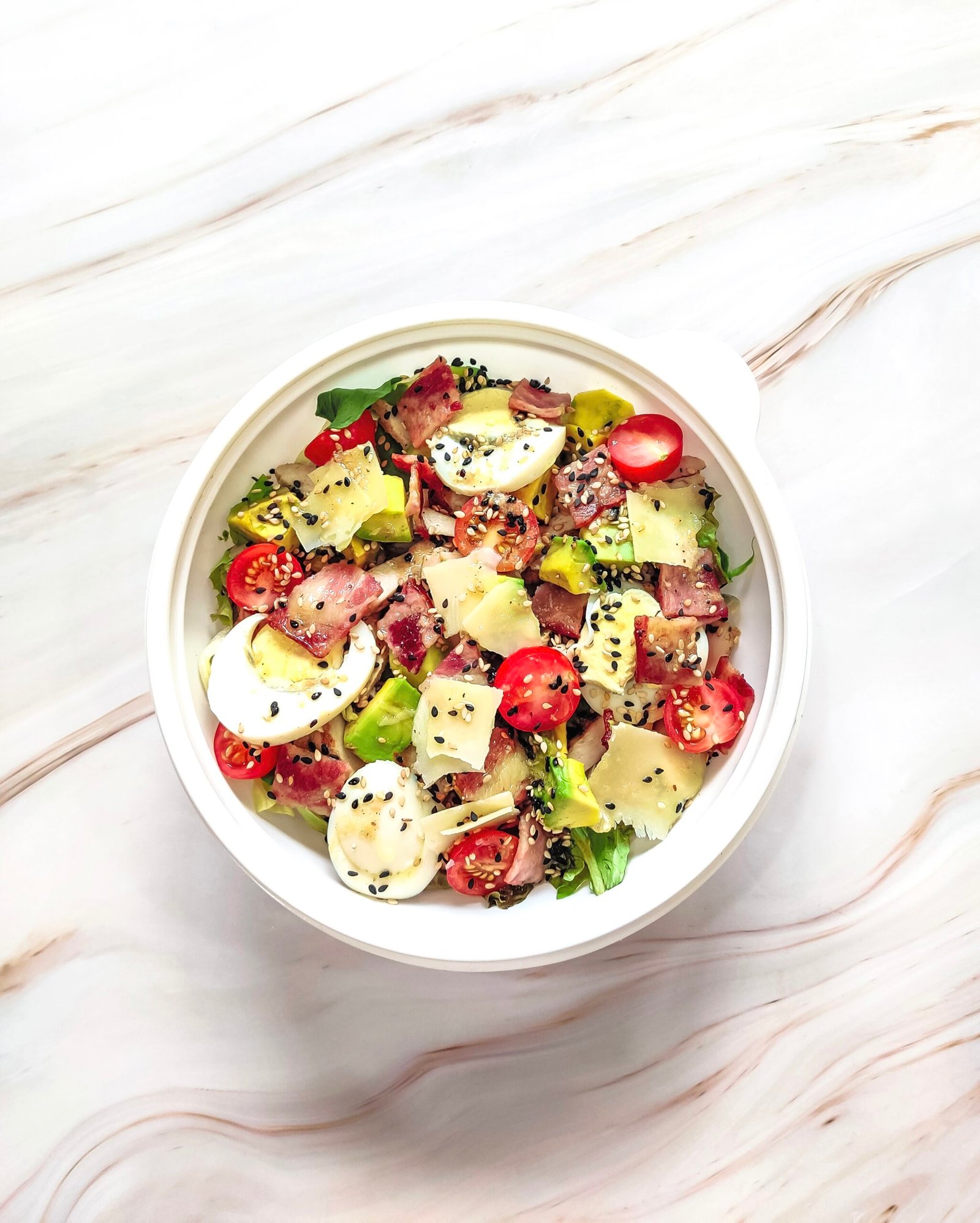
Let’s not forget the foodies! India’s burgeoning food blogger community is all about discovering and sharing new trends. Organic food, with its myriad of health benefits and vibrant, photogenic appeal, is a favorite topic. From recipe blogs to cooking videos, the organic wave is making its way into our kitchens and onto our social media feeds. Because, let’s be honest, an organic salad bowl with avocado and microgreens makes for a pretty Instagram post.
Educated Consumers
Finally, the modern Indian consumer is more informed and educated than ever before. With access to information at our fingertips, we are making more conscious choices. We are reading labels, understanding the implications of our food choices, and opting for organic because we know the long-term benefits. Knowledge is power, and in this case, it’s leading to healthier, more mindful eating habits.
…So, there you have it. Organic food is not just a passing fad; it’s a movement that’s here to stay. From health benefits to environmental impact, from celebrity endorsements to foodie trends, organic food is ticking all the right boxes. So next time you pick up that organic apple or sip on your pesticide-free tea, know that you’re part of a delicious revolution. Bon appétit!