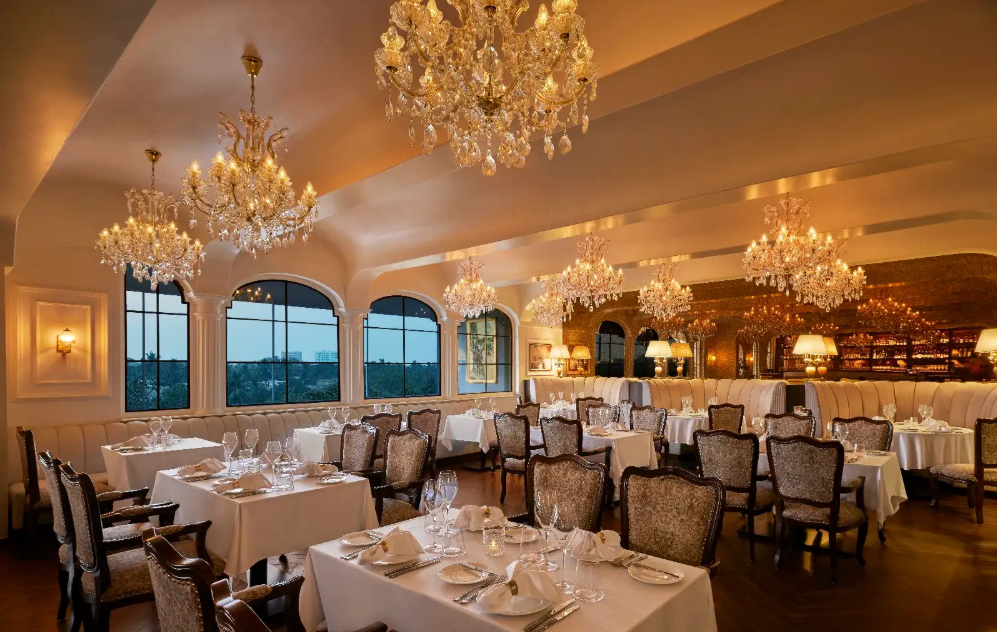
Ask any Milagro regular, and they would surely tell u that Executive Chef Jose Manuel Borrallo Sanchez doesn’t just cook, oh no… he is this culinary magician that tells delectable yet simple stories on a plate, letting ingredients take centre stage while technique plays its part in the background. At Milagro, his Contemporary Mediterranean cuisine is guided by a deep respect for ingredients, a love for seasonal produce, and the belief that food must have soul. And soul, it does have… in every thoughtfully crafted, flavour-led dish.
Trained across some of the world’s most demanding kitchens… from the discipline of France and the passion-driven flavours of Italy and Spain to the precision and restraint of Japan… Chef Jose brings a global sensibility anchored in simplicity.
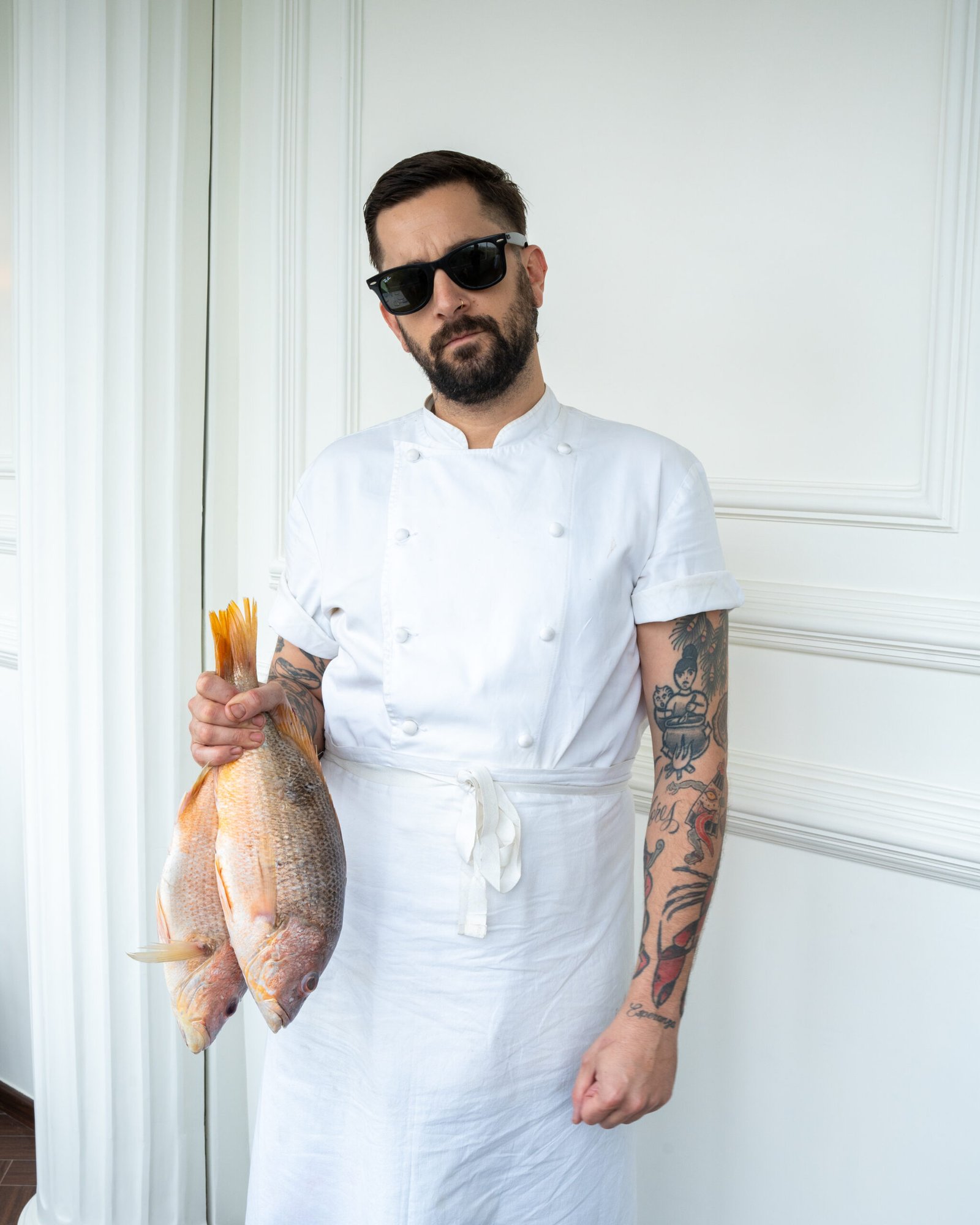
His culinary journey began in his grandmother’s kitchen, where the delectable aroma of slow-cooked stews and lentils filled the house, shaping his philosophy that when simplicity is done right, it becomes limitless. Today, that philosophy translates into ingredient-led dishes, clean plating, and thoughtful techniques… whether it’s zero-waste gambas al ajillo, visually striking Sea Bass Champagne, or delicate seasonal creations inspired by fragrant morilles… each plate balancing heart, heritage, and modern finesse.
In an exclusive interview with Sumita Chakraborty, Founder & Editor-in-Chief, TheGlitz, Executive Chef Jose Manuel Borrallo Sanchez opens up about his culinary roots, global influences, sustainability-driven storytelling, and the personal memories that continue to shape Milagro’s evolving, soulful menu.
Over To Executive Chef Jose Manuel Borrallo Sanchez, Milagro
Your culinary style is rooted in Contemporary Mediterranean cuisine with local influences. How do you balance tradition with innovation while developing Milagro’s seasonal menus? …We are also curious, how did your journey in cuisine start?
“Always with respect for the product… Mediterranean cuisine is truly all about this. When you find the best ingredients, they should be allowed to speak for themselves. From there, I use my knowledge and experience to tell a story that feels relevant today; that’s how I find the balance.
My journey began in my grandmother’s kitchen, where I learned that food must have soul, purpose, and a story of its own.”
You’ve trained across French, Italian, Spanish, and Japanese kitchens. How do these diverse culinary cultures shape your approach to flavour, plating, and technique today?
“French kitchens shaped my discipline and technical foundations, Italian and Spanish kitchens shaped my passion for produce and bold flavours, and Japanese kitchens refined my knife work and minimal plating aesthetics.”
Milagro emphasizes sustainability and storytelling. Can you share an example of a dish where these two pillars come together in a meaningful way? Any challenges that have come your way while pursuing this?
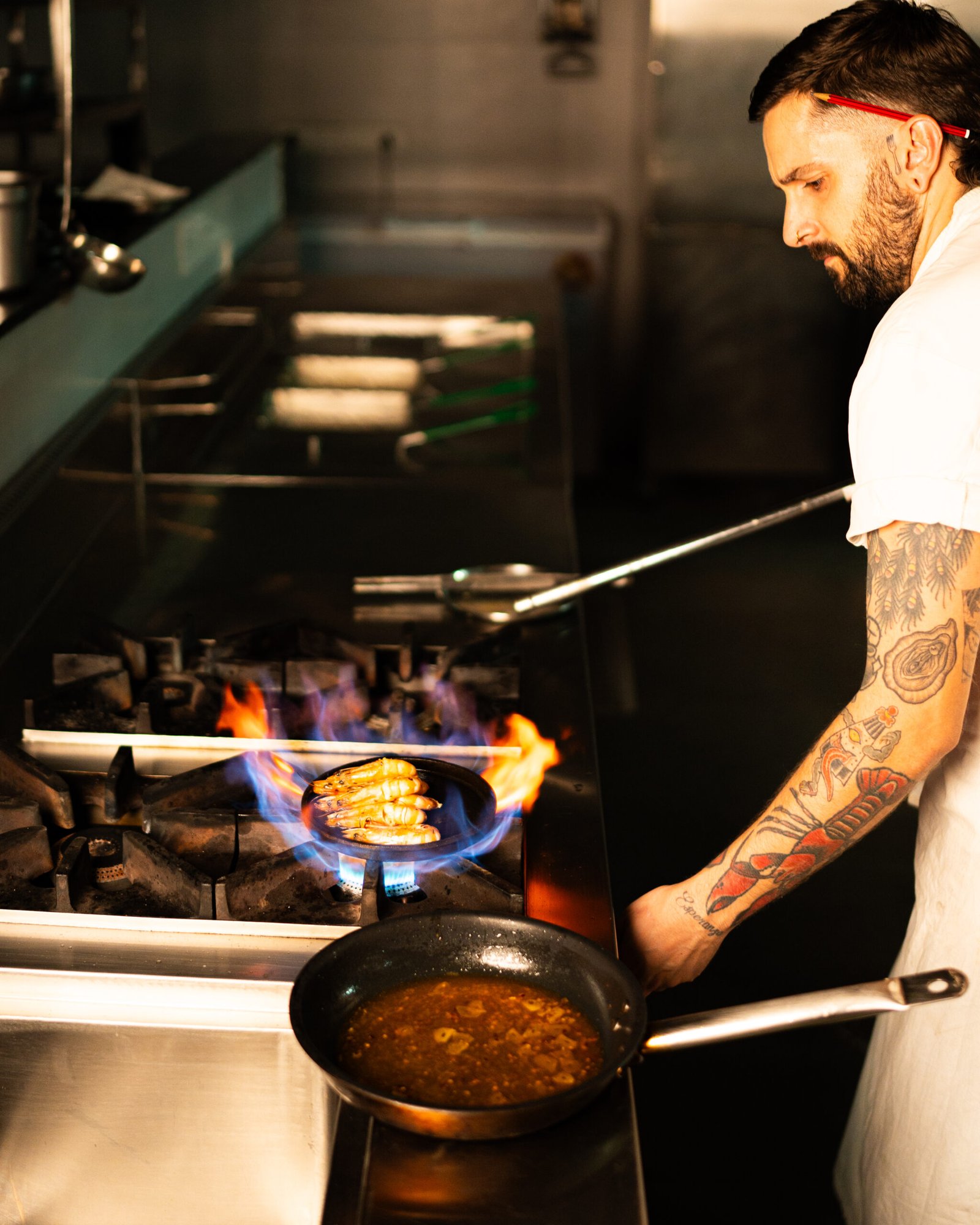
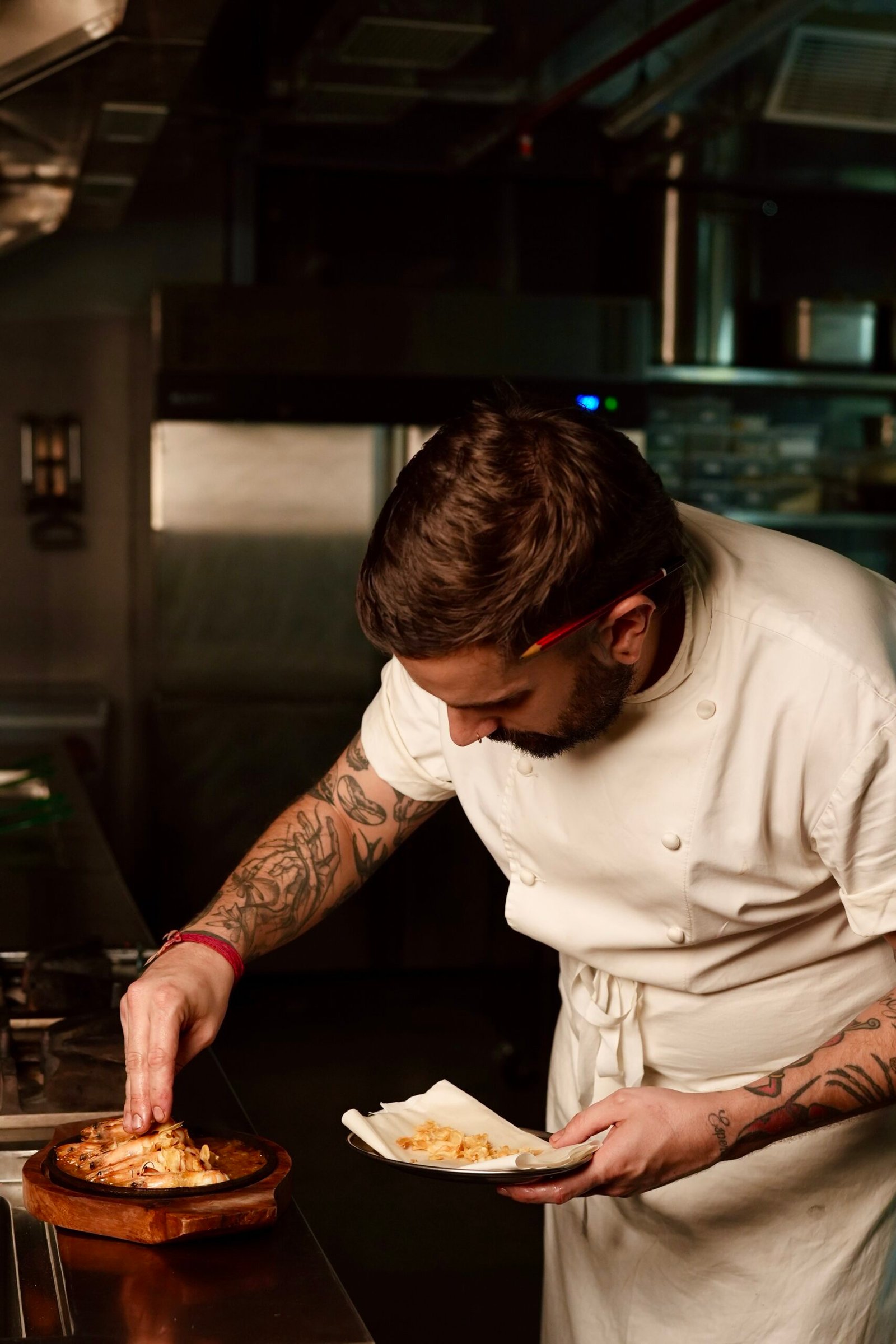
“A meaningful Milagro dish is gambas al ajillo – from the entire prawn being used to sharing the story of local fishermen while honouring zero-waste cooking.
The biggest challenge in sustainability is the time it demands, but the reward is deeper connection and awareness.”
Your grandmother is one of your biggest inspirations. Is there a childhood memory or dish that continues to influence your cooking philosophy?
“I will never forget the smell of the stew and the lentils aroma at the entire house,
It’s the kind of memory I want to show in my dishes, that simplicity when done well, is limitless, clean plating, responsible processes, and dishes that reach the heart before the mind.”
You’ve worked in high-pressure roles, including your memorable tenure as sous chef in Romania. How did that experience shape your leadership style in the kitchen?
My best experience as a sous chef in Romania taught me resilience, calm decision-making, and people-led leadership.
It shaped my style to lead by example, protect my team under pressure, and communicate with clarity.
With signature dishes like Smoked Beetroot Salad, Sea Bass Champagne, and Formentera Lobster, how do you ensure each plate remains both ingredient-led and visually striking?
“I keep every plate ingredient-led by letting the produce define the flavour and structure.
I ensure visual impact through clean composition, height, texture contrast, and natural elegance.”
Modern techniques like slow fermentation, smoking with local woods, and sous-vide play a role in your kitchen. How do you decide when to use contemporary methods versus classic foundations?
“I use modern techniques only when they enhance the ingredient, never to mask it.
The foundation is always classic… technique is added only if it improves flavour, texture or longevity.”
You draw inspiration from travel, books, collaborations, and guest feedback. What is the latest idea, ingredient, or experience that has sparked your creativity at Milagro?
“Now it’s mushrooms season… so I am inspired by a really delicate mushroom called morilles – the fragrance and aroma is excellent, and I recreated a classic Spanish dish called setas a la crema with rich mushroom sauce, crispy leek tempura and sous vide egg.”