Mauritius
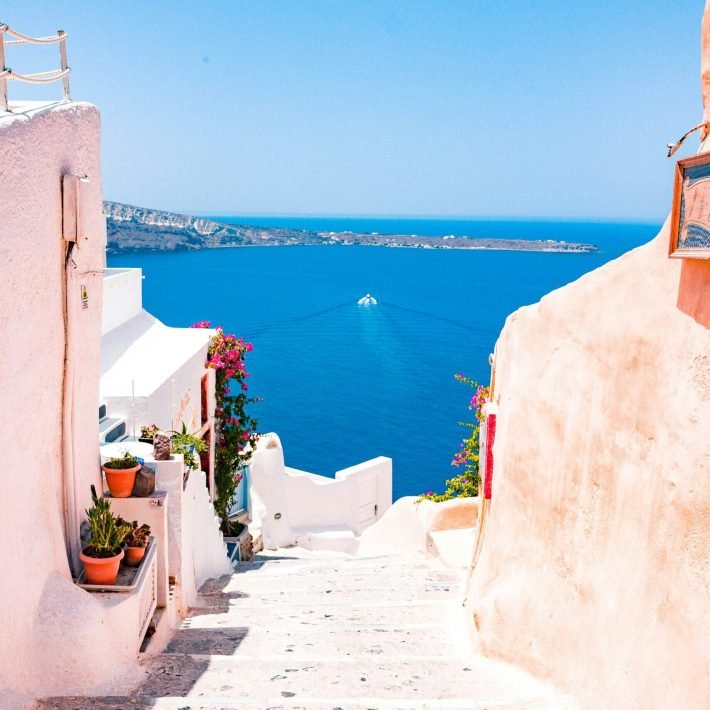
Where picturesque turquoise lagoons meet gorgeous emerald mountains… where sugarcane fields sway beside heritage towns, and where luxury whispers rather than shouts… Mauritius is entering a striking new chapter. Long celebrated for its postcard-perfect beaches and glamorous resorts, the island is now redefining itself as a destination of depth, serenity and soulful discovery — where travellers seek not just indulgence, but emotion, culture, wellness and meaningful connection.
From private villas and eco-retreats to tea plantation stays, protected marine parks and vibrant multicultural traditions, Mauritius is evolving into a haven for the modern traveller who values quiet luxury over overt extravagance.
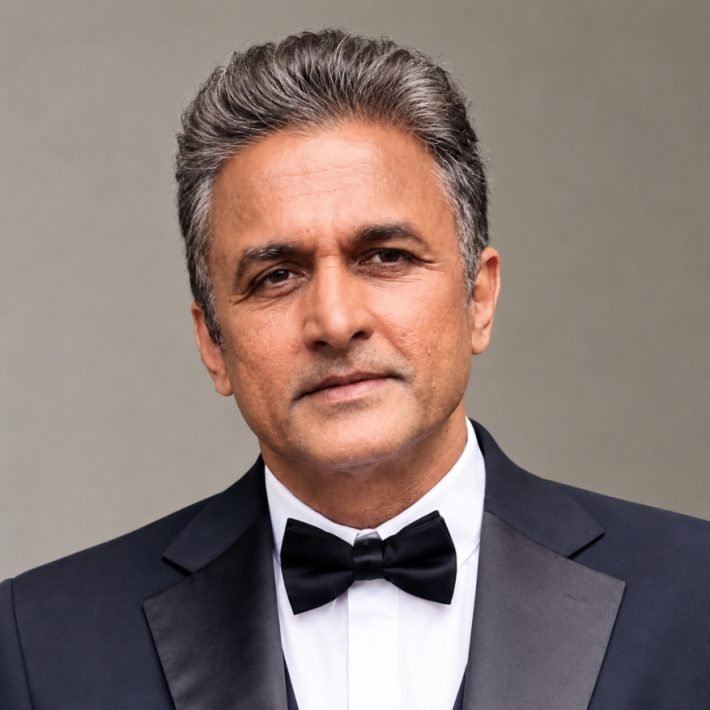
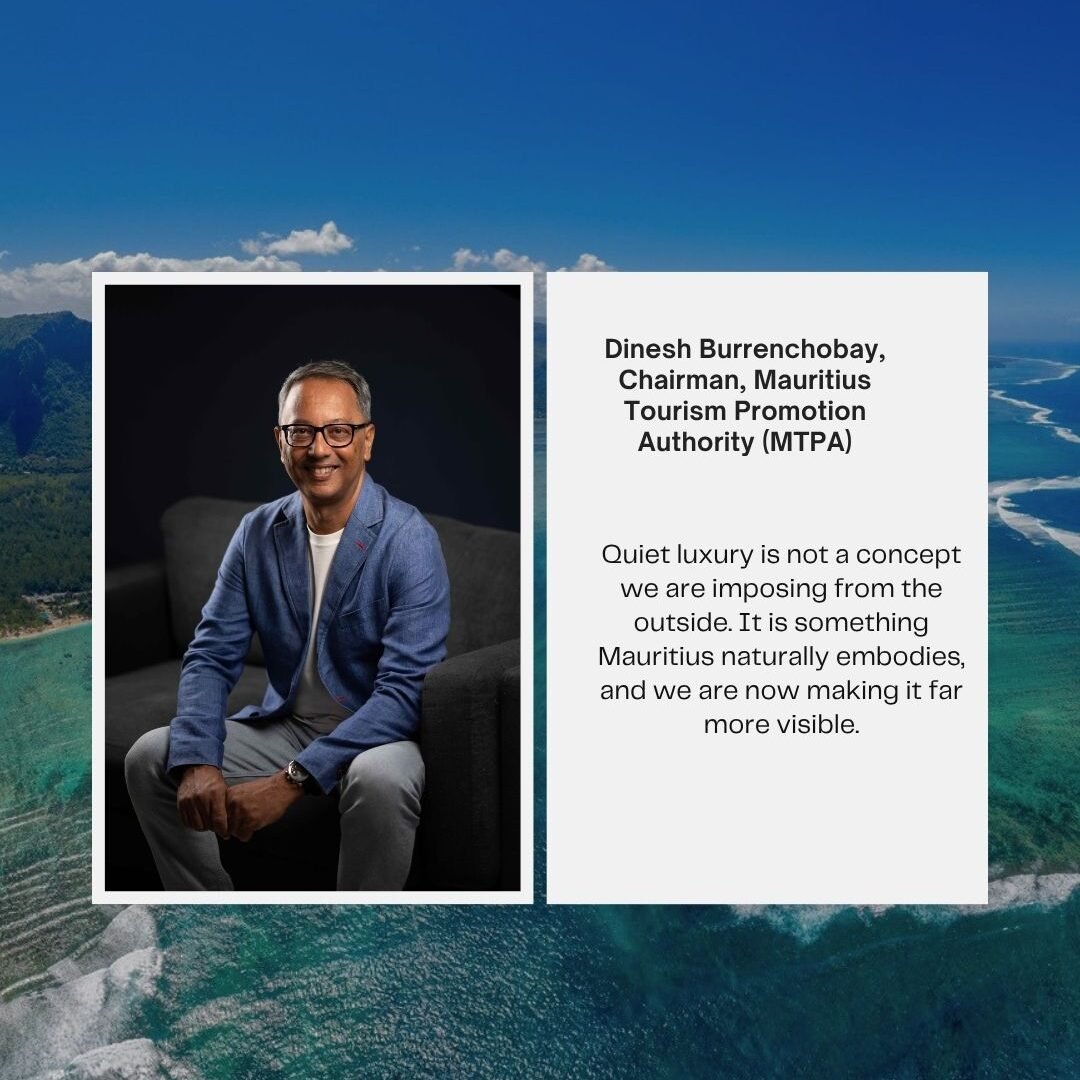
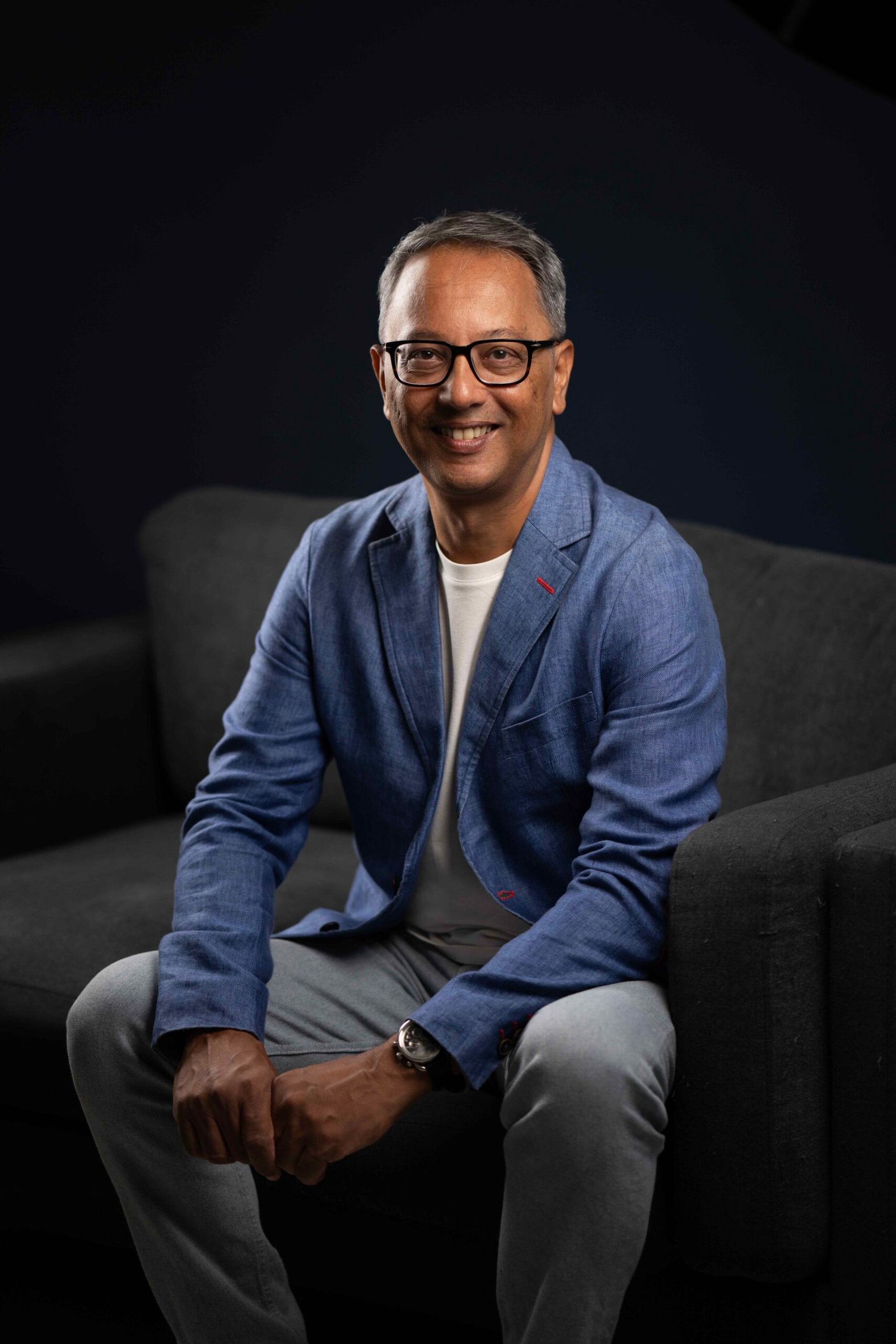
At the helm of this visionary shift is Dinesh Burrenchobay, Chairman of the Mauritius Tourism Promotion Authority. Thoughtful, forward-looking and deeply passionate about showcasing the island beyond its beaches, Dinesh Burrenchobay is championing a more authentic narrative for Mauritius — one rooted in sustainability, cultural richness and transformative travel. Under his leadership, Mauritius is positioning itself not merely as a beautiful escape, but as a destination that moves visitors emotionally and leaves them renewed long after they return home.
In an exclusive interview with Sumita Chakraborty, Founder & Editor-in-Chief, TheGlitz, the dynamic Dinesh Burrenchobay, Chairman, MTPA, shares how Mauritius is evolving into a sanctuary of serenity, soulful luxury and immersive experiences for the modern global traveller.
Over To Dinesh Burrenchobay, Chairman, Mauritius Tourism Promotion Authority (MTPA)
Mauritius has long been associated with luxury resorts… I, myself have been to Mauritius twice and have experienced it’s beauty first-hand – how is the island now redefining itself through the lens of ‘quiet luxury’ and more soulful, experience-led travel?
I am delighted that you have been able to experience Mauritius firsthand. We are currently working to reposition Mauritius beyond the postcard beach image to a more authentic luxury holiday destination. Our accommodation landscape is also diversifying, with private villas, eco-lodges, and intimate retreats being added to our already known world-class resorts.
The shift is visible in who is coming and why. Indian travellers, for instance, are increasingly choosing Mauritius not just for a beach holiday but for a slower, more restorative experience combining on the sea and inland experiences.
Quiet luxury is not a concept we are imposing from the outside. It is something Mauritius naturally embodies, and we are now making it far more visible. We,as a destination, need not only to move people geographically but we also need top move them emotionally.
Beyond beachfront indulgence, how are you curating experiences that allow travellers to connect with Mauritius’ culture, nature, and slower rhythms of life?
Mauritius has developed considerably beyond its coastline, and that is a story we are keen to tell more actively. We have seen meaningful growth in accommodation offers where guests are right within the island’s natural and cultural landscape.
To mention a few, Nature Reserves in the south offers an immersive wildlife and conservation experience, while the hills of Chamarel, surrounded by the famous coloured earth formations and coffee plantations, are home to some of our most intimate retreats with indigenous forests on one side and the turquoise seas of the Indian Ocean on the other.
Further inland, we also have new places which sit on the edge of a lake within our most celebrated tea plantation, where guests stay in transparent domes and wake up to the tea harvesting cycle around them. For those drawn to dramatic natural settings, we also have lodges on the cliffs in the South overseeing the vast expense of the ocean. What makes these locations unique are their ability to immerse their guests in our tropical nature.
Beyond accommodation, we are creating structured access to our multi-cultural culinary traditions, the sega dance, and the heritage quarters of Port Louis including a buoyant Chinatown. Indian travellers in particular are responding well to this depth of engagement. They are curious, they seek context, and they want their travel to mean something beyond the surface. We are building the infrastructure, the partnerships, and the itineraries to meet this demand as part of our Tourism policy is to increase the number of Indian travellers visiting our tropical island.
With wellness becoming central to quiet luxury, how is Mauritius integrating holistic wellbeing into its travel offerings… from spa rituals to nature-led experiences?
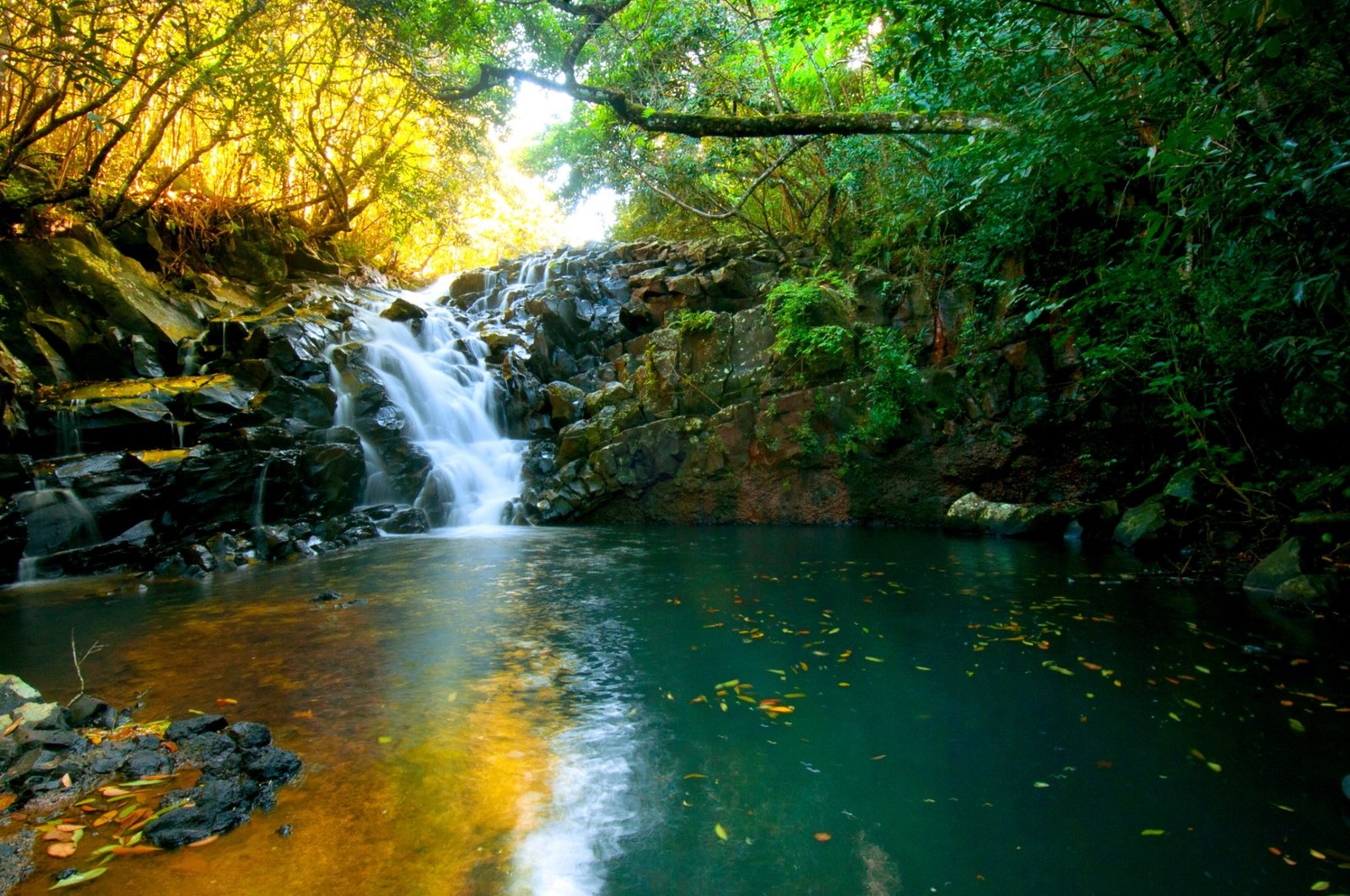
Mauritius has always had a deeply restorative quality, we already have one of the purest air in the southern hemisphere which we can be proud of ! Our spa traditions draw from among others, Ayurvedic heritage and local botanicals, with many resorts, particularly along the Belle Mare coast and in the south around Bel Ombre, offering immersive programmes centred on mental rejuvenation as much as physical restoration.
Beyond formal wellness facilities in resorts, the environment itself plays a significant role. The pace of life here, the access to open natural spaces and beaches, these contribute meaningfully to the experience of restoration that today’s traveller is seeking. We want visitors to leave genuinely renewed with beautiful memories, not merely rested.
Sustainability is key for island destinations, how is Mauritius balancing eco-conscious tourism with premium hospitality in a way that feels authentic and not performative?
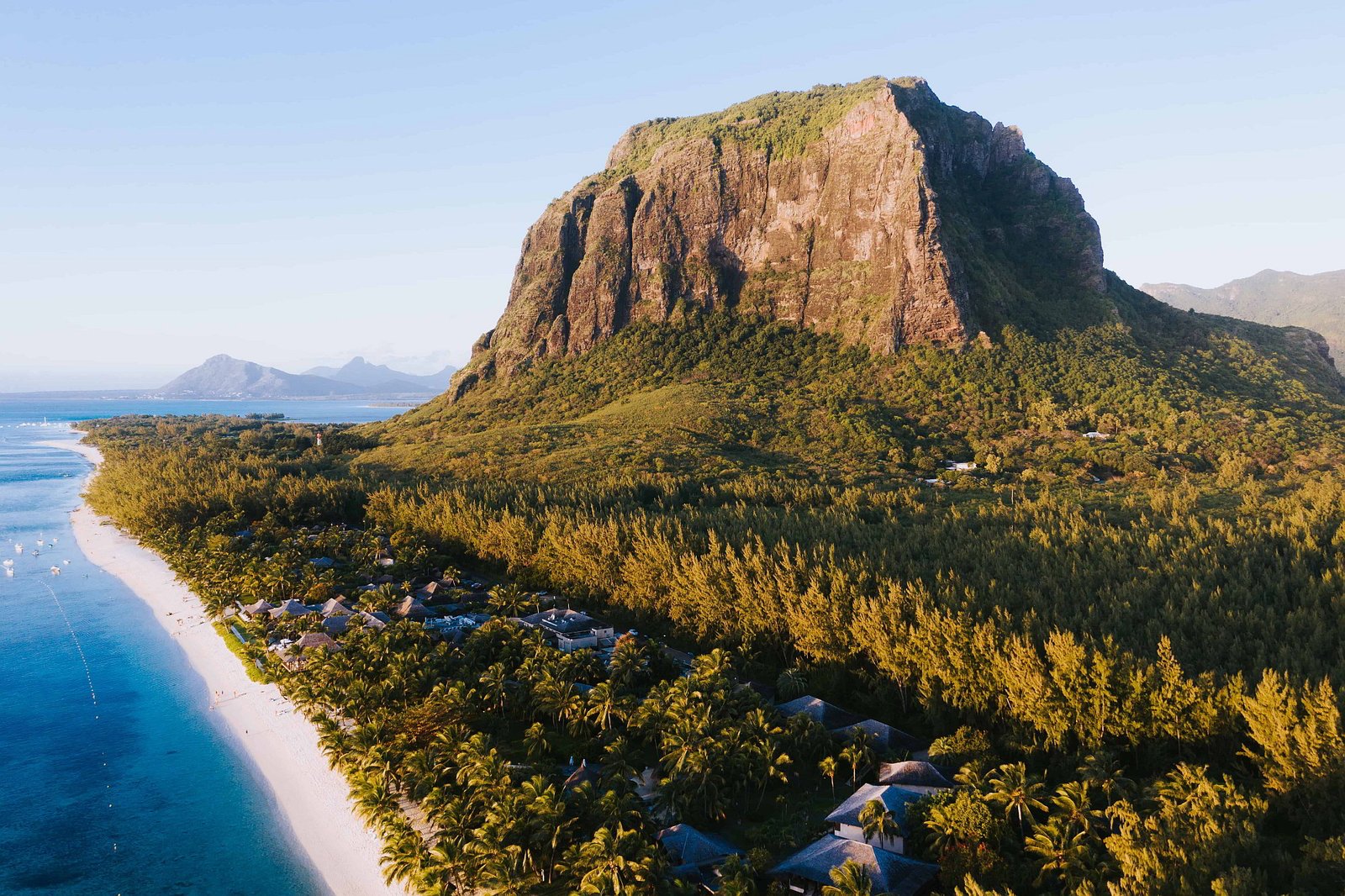
Sustainability has been central to how Mauritius plans its tourism future, and conservation and community development are structurally linked. Our marine protected areas around Blue Bay Marine Park, reforestation programmes in the Black River Gorges, and the growing network of local suppliers feeding into our hospitality sector are all part of a coherent framework and we will endeavour to do more.
For the traveller, this translates into cultural experiences that are genuinely connected to the land and its people. A guest who dives in a protected lagoon or dines on locally sourced produce is participating in that framework, not simply observing it. Our longer term goal is to work towards a regenerative tourism model that connects the visitor to the local communities while contributing positively during their visit to make all these places better than we they first discovered them.
Today’s traveller seeks privacy and exclusivity, how are boutique stays, private villas, and lesser-known experiences shaping Mauritius’ luxury narrative?
We are observing an increase in high-end private villas being offered on the market. Traveller preferences have moved decisively towards privacy, discretion, and depth of experience over scale and visibility. We need to balance how a high end traveller to Mauritius wishes to have private stays while wanting to discover the local cultures.
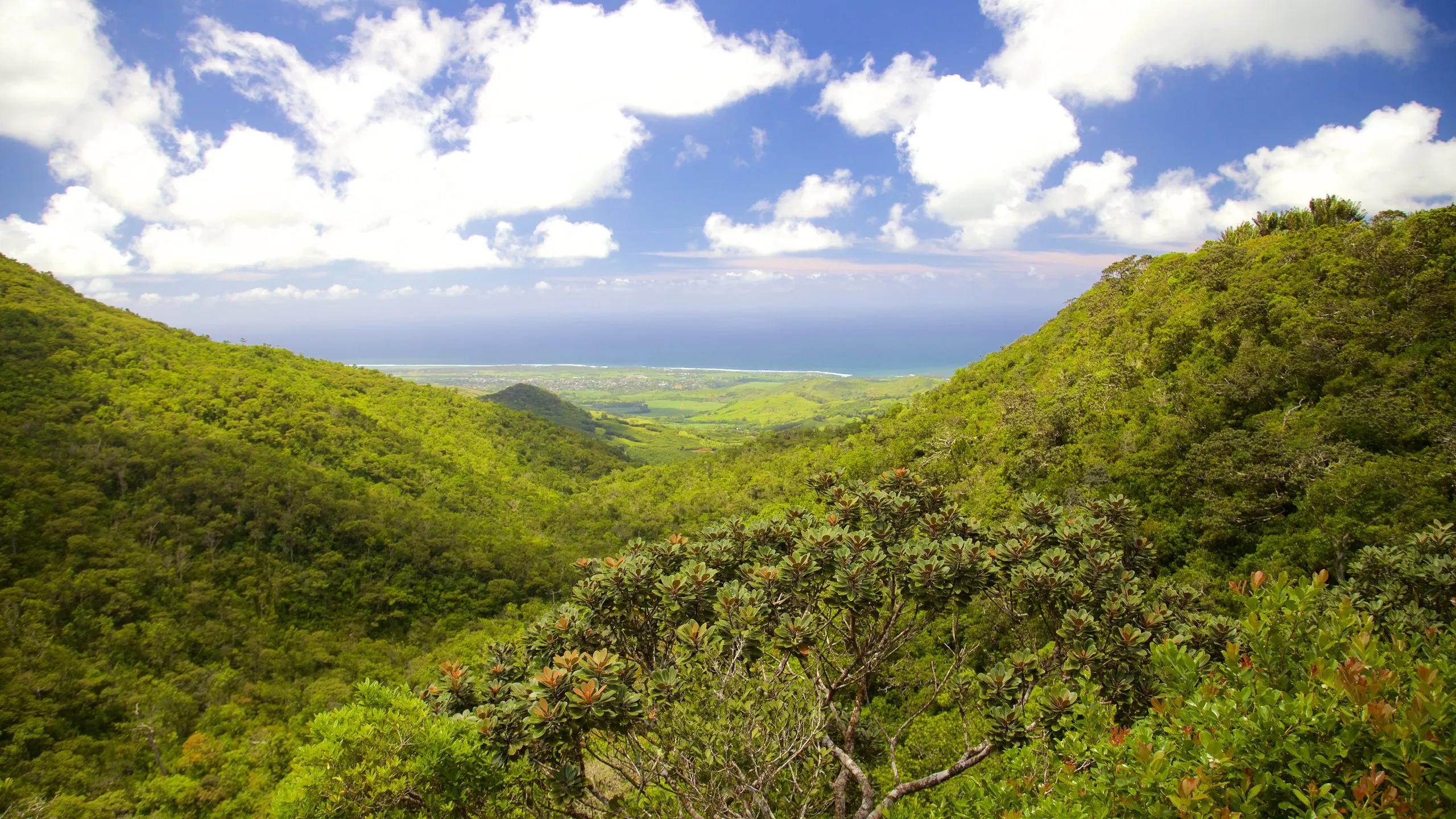
Intimate properties in areas like Chamarel, private villas along the eastern and southern coastlines, and curated small-group experiences such as snorkeling near the Blue Bay Marine Park, exploring the dramatic landscapes of the Black River Gorges, treeking by the Le Pouce mountain or witnessing the famous underwater waterfall optical illusion near Le Morne are gaining considerable interest.
These offerings appeal particularly to experienced Indian travellers who are now seeking something more layered and considered in their travel choices. Mauritius has considerable depth in this space, and we are focused on making it more discoverable.
Looking ahead, how do you envision Mauritius evolving as a destination for travellers who value simplicity, serenity, and meaningful luxury over extravagance?
Mauritius is well positioned for the direction travel is taking especially post covid where habits of travellers have changed drastically. As an island nation, we offer proximity to diverse experiences without the complexity or scale that can detract from a sense of serenity. There is an intimacy here that is very particular to this place.
For Indian travellers specifically, there is also a cultural resonance and bonding that runs deep. Our Hindu temples, our festivals including Diwali, the agricultural landscapes that carry a sense of familiarity while feeling entirely distinct.
My vision is for Mauritius to be known not only as a unique destination but as a very meaningful one. A place that people return to, not just in search of novelty, but for the memories they take back.
I, personally believe, that the human drivers of value have not changed but how they are expressed has. The most memorable luxury experiences increasingly revolve around transformation rather than possession. Travel offers opportunities to encounter unfamiliar sights, cuisines and ways of life.