How Prodigy Designs went from a single bedroom project to 75 completed spaces — and why the best room Priyanka Gupta ever designed is still the next one.
Every great space begins the same way — as an idea that hasn’t found its walls yet. A family dreaming of a home that feels like them. A couple who simply want a place where the outside world stops at the door. An entrepreneur imagining an office that says something before anyone speaks. The idea is easy. The magic is harder to explain. It’s the part where a blank room becomes somewhere a person actually wants to come home to. That takes someone with a very specific kind of eye.
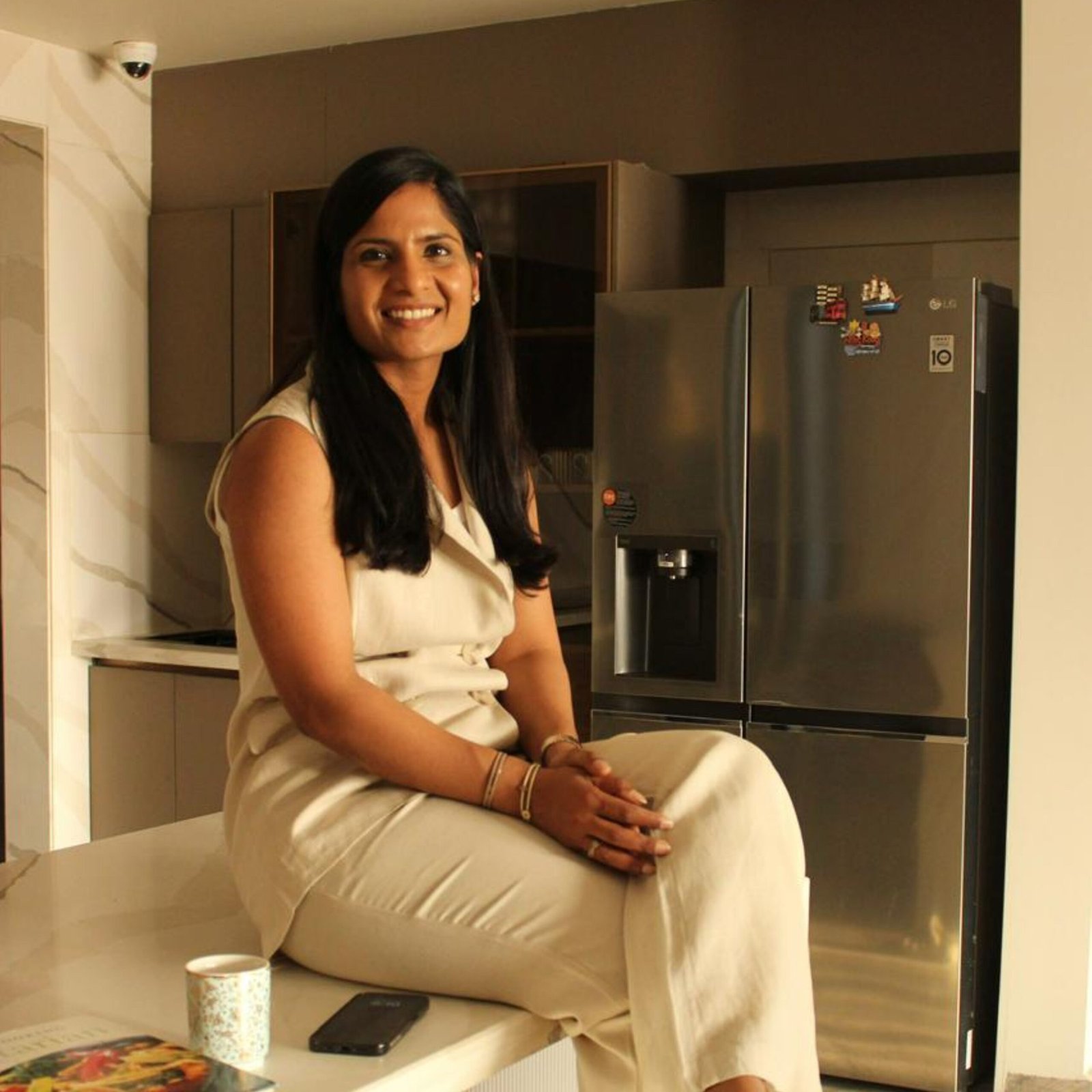
Priyanka Gupta is exactly that kind of person. The founder of Prodigy Designs, a Delhi NCR-based design consultancy she built from scratch in 2015, Priyanka has spent a decade turning other people’s visions into rooms worth living in. Seventy-five completed spaces across formats, cities and scales, and through all of it, nothing she does ever feels like it came off a template.
Rajeev Mokashi from TheGlitzMedia finally got her on Zoom on a Tuesday afternoon — after a scheduling chase that involved two site visits, one material sourcing emergency, and a client who changed their mind about flooring. She joined the call mid-laugh, apologised for nothing, and proceeded to be the most unhurried person on the internet that day.
We came away quietly wishing we were on her client list. Something tells us you will too.
Rajeev Mokashi: Architecture school trains you to think in structures; interiors train you to think in people. When did you know which one was actually yours?
Priyanka Gupta: Architecture happened by chance, honestly. I never planned it. But somewhere in my first year, something clicked. I still love designing raw structures. But interiors? That’s where you get to see a space actually come alive. Especially in residential work, homes are deeply personal.
Emotional, even. When a family sends you photos from their housewarming, or messages you during their first festival in the new home, that kind of feeling, you can’t plan for it. It just hits you. Architecture gives you the bones. Interiors give you the soul. And I wanted to work with both. I wanted to see the whole story, start to finish.
One project in 2015, your own firm by 2017, seventy-five spaces later — when did this stop feeling like a practice and start feeling like something, you’d built for yourself?
Honestly? I never thought of it purely as a business. If you’re not genuinely enjoying the process, it shows in the work, you simply cannot bring someone’s vision to life, and people feel that difference. It’s been ten years. From designing a single bedroom to building complete homes from scratch. What’s changed most is the confidence.
After more than 70 residential projects, you stop just listening and adapting and start saying, with real authority, “This is what we’d recommend.” That shift from following to leading, that’s when it started feeling like something I’d truly built. We’re proud of where we are. But we also feel like we’re just getting started.
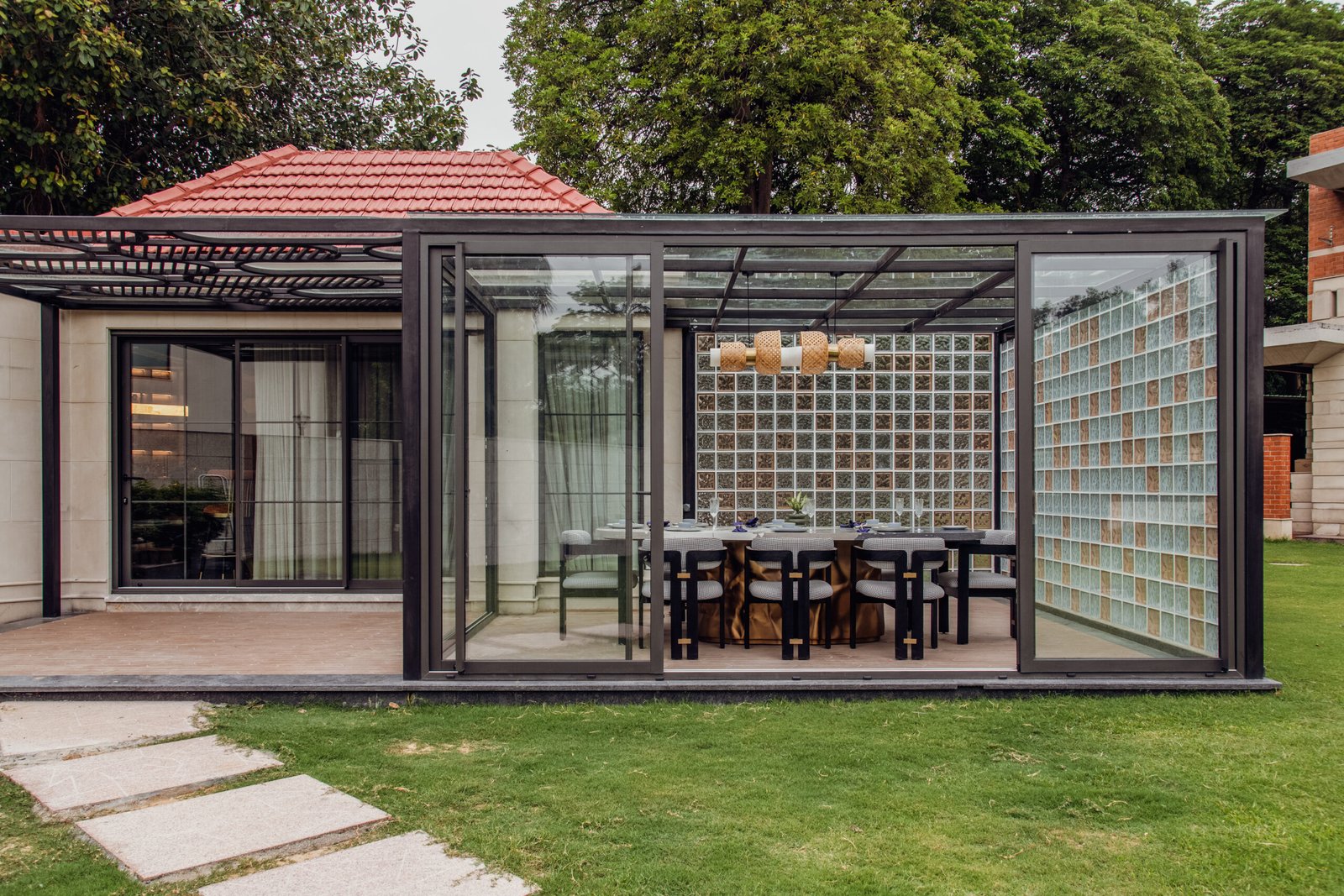
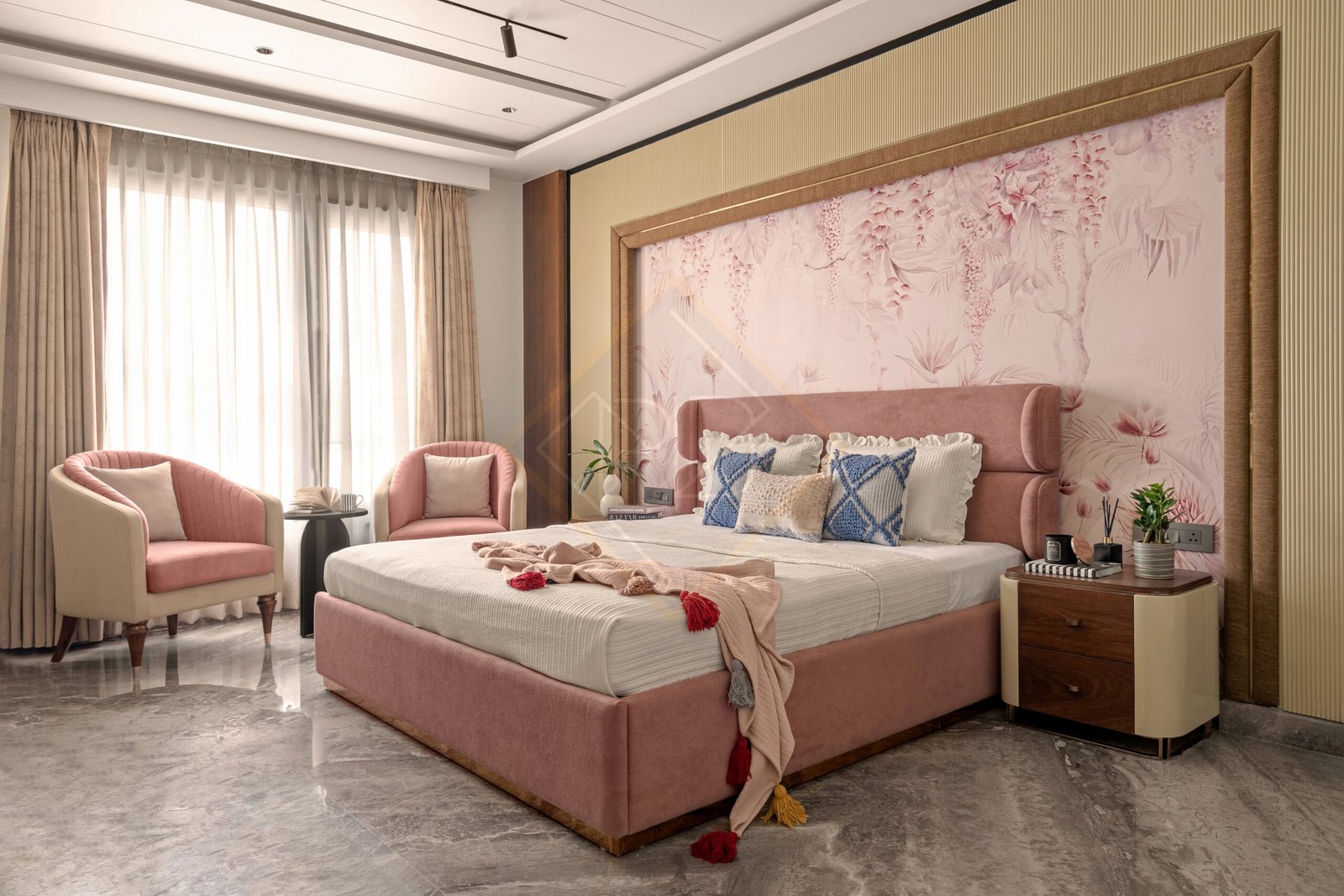
House of Curves. Cinnamon Abode. Pocket of Peace. Either your projects have their own publicist — or there’s a woman giving every space a name worthy of a dinner-party introduction. Which is it?
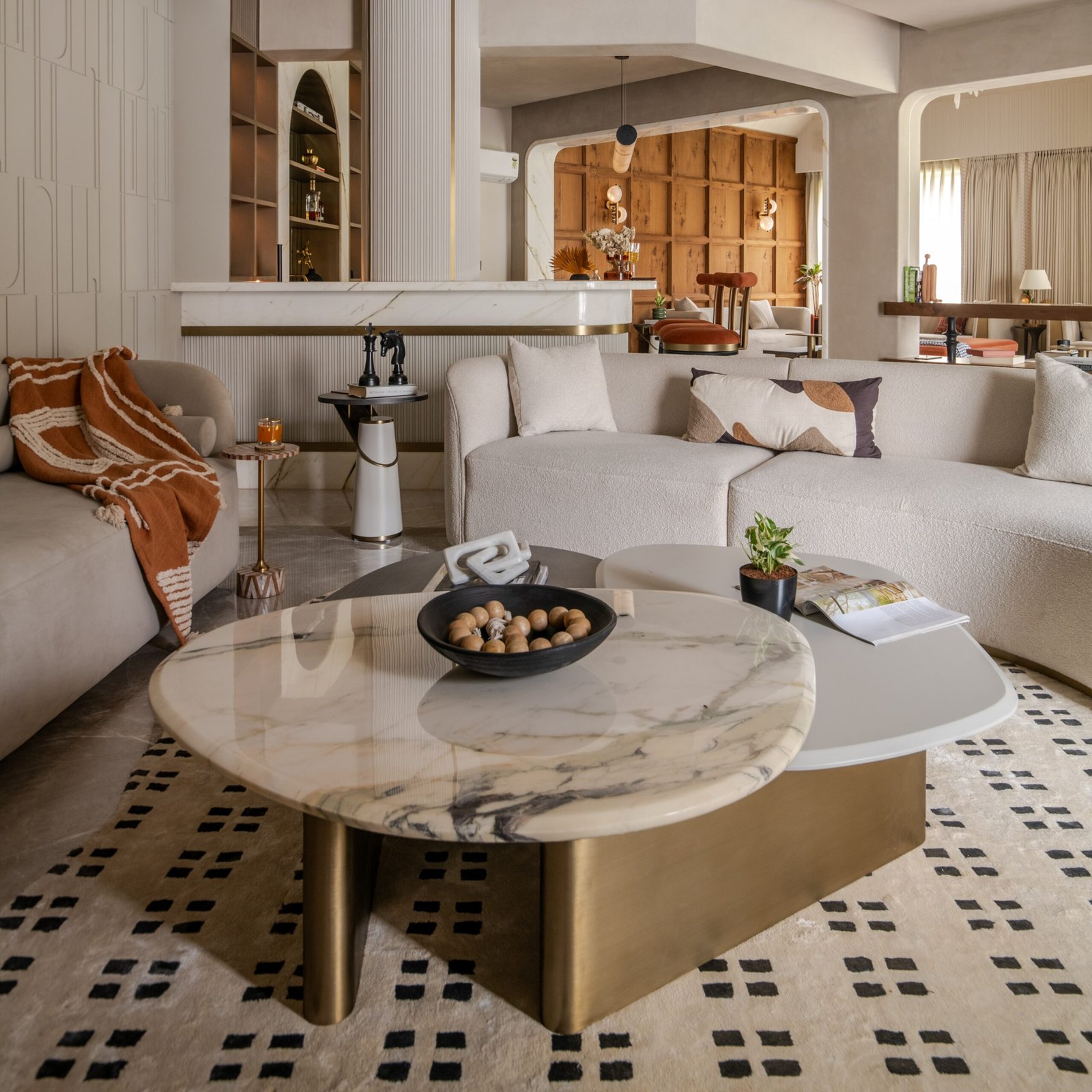
(Laughs) Definitely the second one. The names always come from the space itself. House of Curves — the moment you walk in, curves are everywhere. Ceilings, the kitchen arch, even the wall corners. Cinnamon Abode came straight from the palette. Warm cinnamon tones, walnut finishes, rust accents, and this gorgeous daylight that shifted the mood hour by hour.
And Pocket of Peace was designed for a couple in Siliguri who wanted something calm and entirely their own. Around 1,200 square feet. Small, quiet, just for them. A little pocket of peace. (pause) Some clients now ask us to name their homes for their nameplates too. A name stays with you. An address doesn’t.
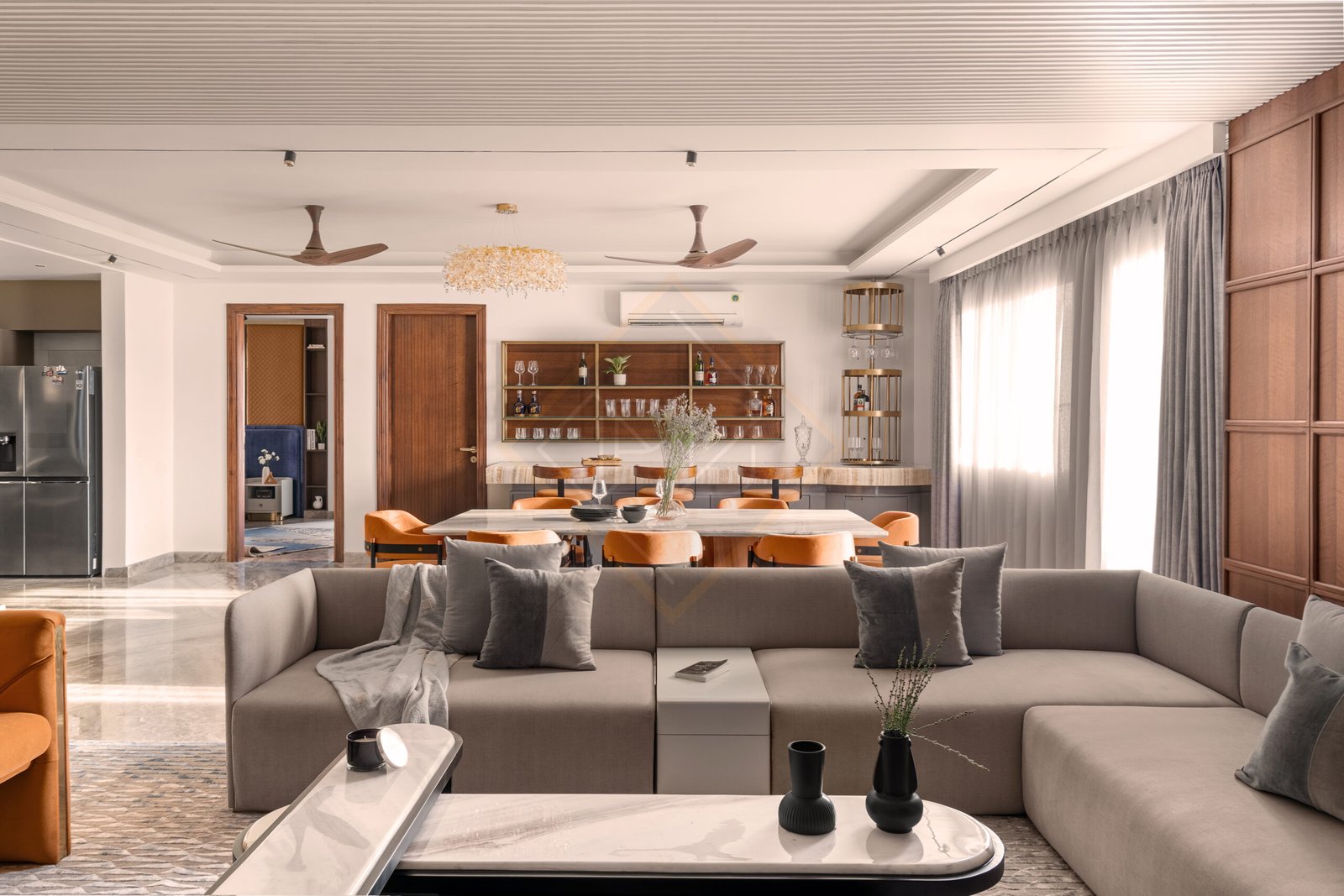
“When someone walks into a home, their first reaction shouldn’t be, ‘Wow, the automation is amazing.’ It should be, ‘Wow, this space feels incredible.’ Technology should work silently in the background – never overpowering the design itself.”
Priyanka Gupta
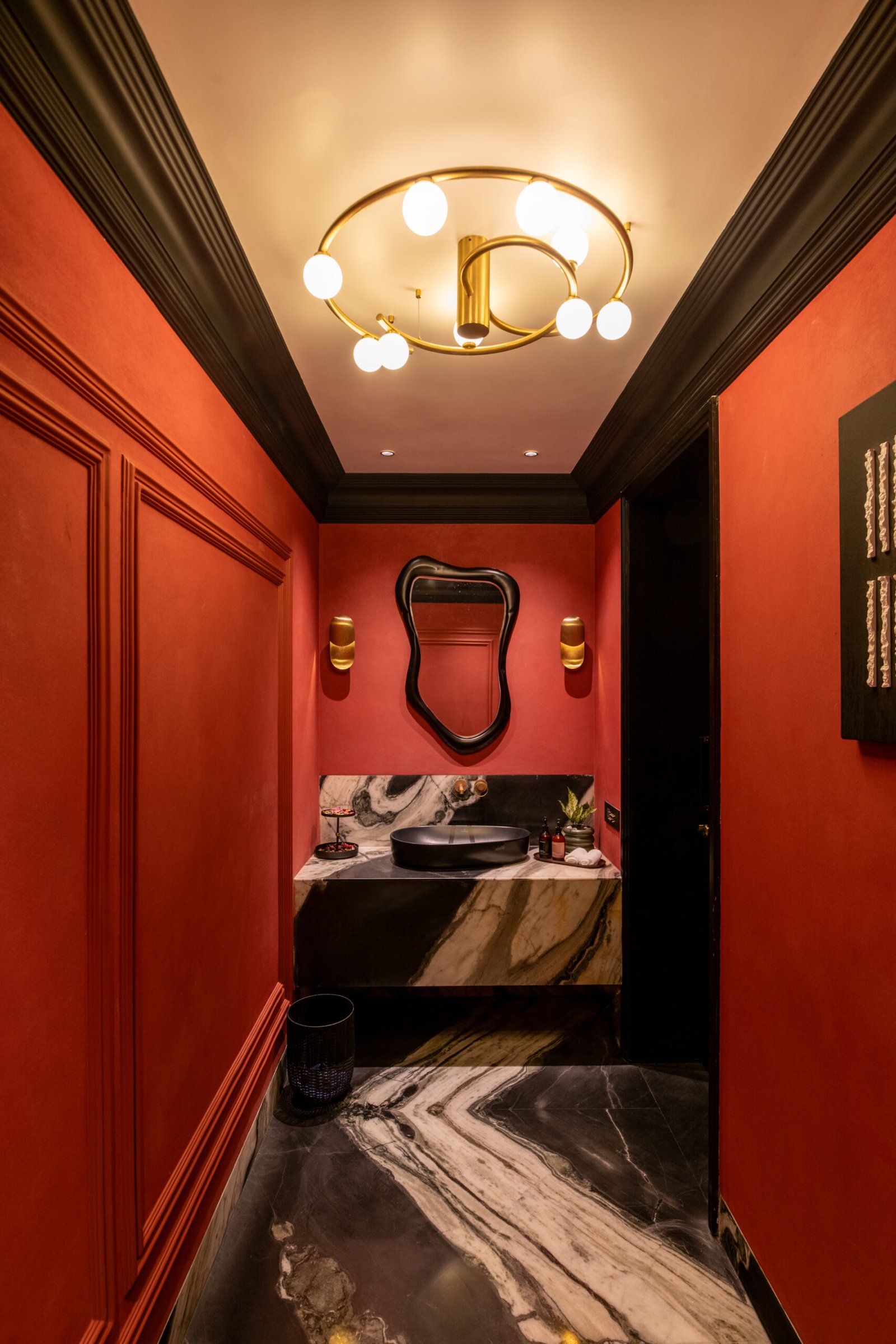
Terra House wraps smart automation so quietly into earthy, tactile interiors that technology feels like a mood rather than a machine. Where did that conviction come from?
The clients at Terra House were incredibly social — they entertained constantly and needed a home that could keep up with that energy. But my belief has always been that technology should support a space, not announce itself.
The house had formal and informal zones, a central bar as the focal point, different seating arrangements, a projector setup for presentations. All of it wired together — but invisibly. When you walk in, you don’t see the system. You feel the result. The question that I keep coming back to is, how do you make a space feel smarter without making it feel less warm? That’s the balance.
Thirty franchise design projects for Vault by Virat Kohli — same brand, same ethos every single time. What did that discipline actually demand of you?
Consistency. That was the real ask — and it’s harder than it sounds. There were clear brand guidelines across every outlet, but each location had its own constraints and footprint. We’ve now completed more than 30 outlets across Delhi, Bangalore, Hyderabad, Mohali, Chandigarh, Gorakhpur. What I loved about the brand was its focus on community and wellness. Gyms are usually all. We pushed back on that and brought in plants, natural light, and more breathing room.
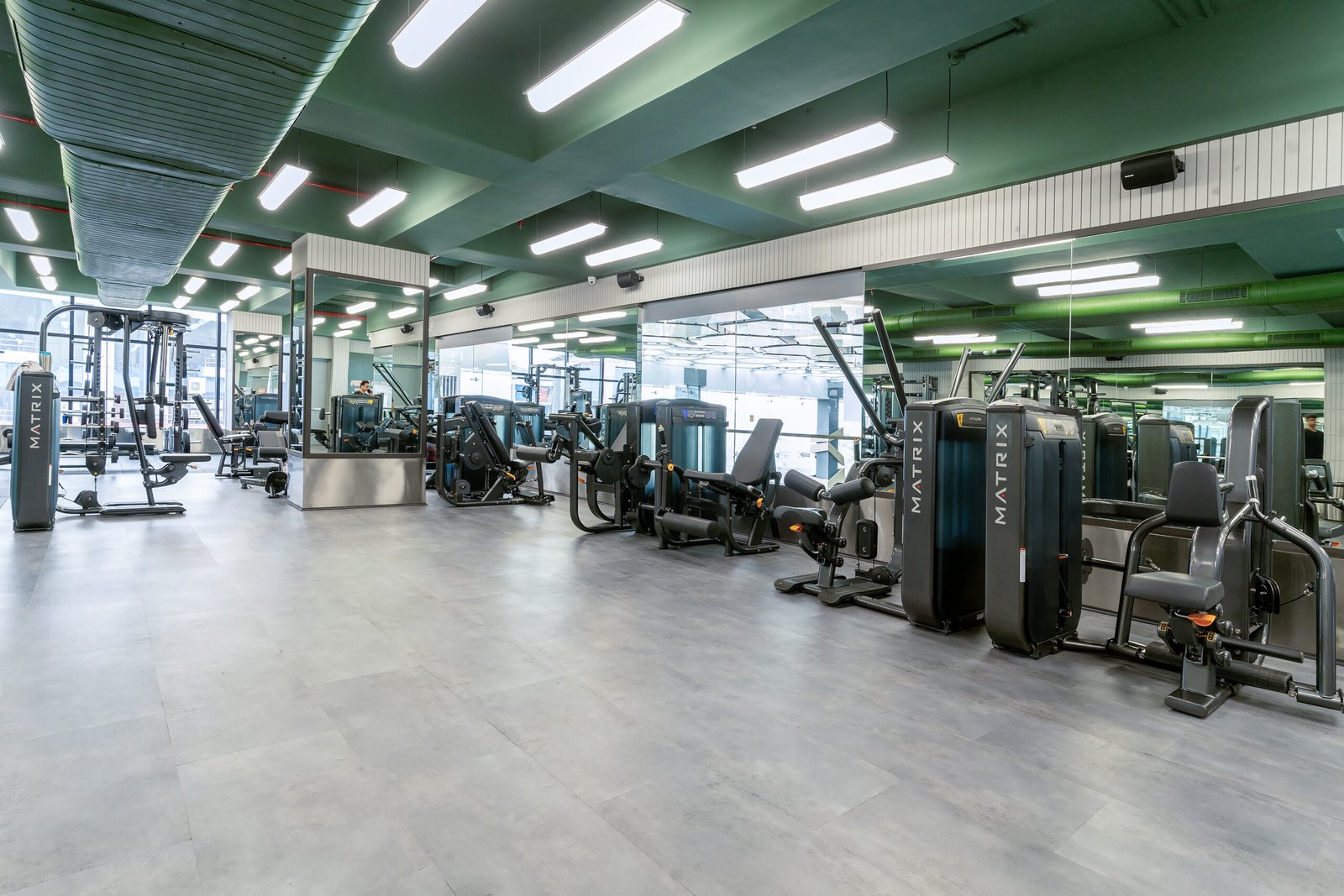
My favourite outlet is in Hennur, Bangalore. It has a sloping glass roof — you’re literally working out while looking at the sky. That project stretched our capabilities in ways nothing else had. Coordinating multiple live locations, managing execution across cities — it was a masterclass in scale.
Your firm runs almost entirely on referrals. HNIs don’t send their friends to someone they’re merely satisfied with. What turns a Prodigy Designs client into a champion?
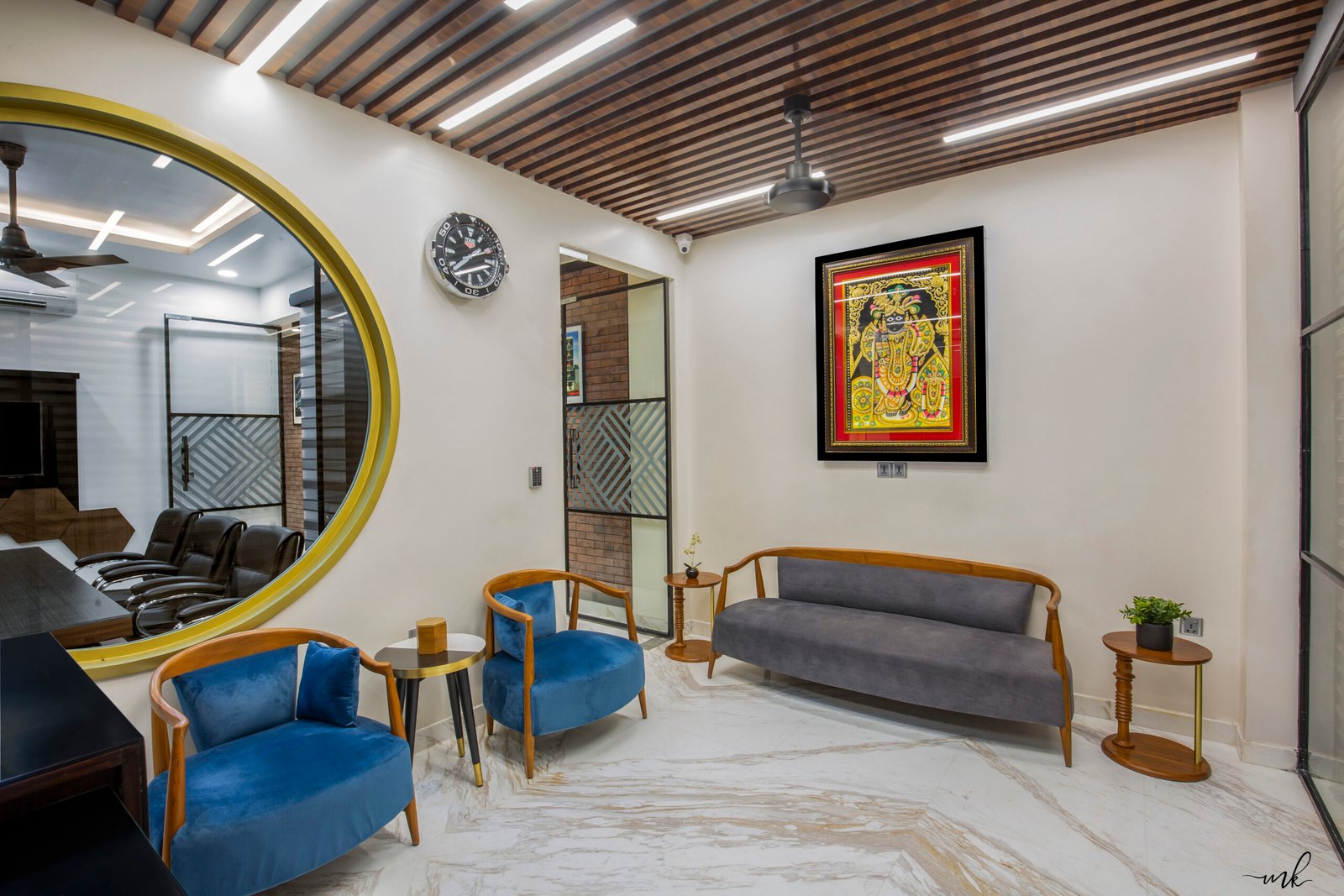
Honestly — our clients become family. When you spend two years with someone, choosing materials together, debating details, sharing meals on site and by the time the project wraps, you know each other properly. We show a 3D visualisation and we aim to match it 92 to 93 percent match in execution. That’s not something clients forget. And when they refer us, it’s because they know we’ll show up for their people the same way we showed up for them.
Thirty-plus active projects, four cities, expanding presence. For most designers that’s the finish line. For you it reads like the middle of a longer story. What chapter are you actually in?
We’re in the expansion chapter. Larger-scale projects, farmhouses, homes over 1,000 square yards. Tier-2 cities. Eventually, internationally. This industry is deeply competitive and credibility takes years to build. I started with a single-bedroom project while still looking for another job.
Today we’re designing homes where clients are investing ₹15 crore or more. That trust doesn’t come overnight — it comes from ten years of showing up and delivering. We’re proud of where we are. But we also feel like we’re just getting started. (smiles) And that feeling, I think that’s the best place to be.
Rapid Fire – Zero Seconds, GO…
You secretly enjoy it when a client completely ignores your recommendation? No
First thing you notice when walking into someone’s home—the lighting, the clutter, or the sofa? The lighting. Every single time.
Pinterest boards should be banned from the first client meeting? Completely banned. They should be paid subscriptions – charged by the minute.
One material you’d quietly remove from every mood board forever? Glossy everything. I’m a committed, lifelong devotee of semi-matte and matte.
Pocket of Peace or Cinnamon Abode—which one reflects how you actually live? Rich and layered. Cinnamon Abode without question.
You’ve redesigned a room in your head while sitting in someone else’s house? Ninety-nine percent of the time. I did it this morning.
A client cries happy tears after seeing the finished space. Your reaction? Stay cool in the moment. Enjoy it quietly, later, when no one’s watching.
Light or layout—one chance to get it right. Layout.
Sunday morning—sketching concepts or doing something else entirely? Something else entirely. Sundays are for me.
The project that made you realize you’re genuinely good at this? Still waiting.
One line about yourself and Prodigy Designs that you’d like TheGlitz readers to remember.
“Every space is sacred to the person who owns it. At Prodigy Designs, we don’t just design houses or offices – we design spaces people connect with emotionally. That’s something I believe deeply, both personally and professionally.”
Beautifully said. Thank you, Priyanka. It was a genuine pleasure.