The Indian Edit at Melbourne Fashion Week
Indian fashion takes a confident step onto Melbourne’s style stage, celebrating cultural identity, contemporary design and the entrepreneurial spirit shaping its global future.
Indian fashion has never been short on drama, detail or dazzling craftsmanship. What it has increasingly demanded is a bigger, more visible seat at the global fashion table.
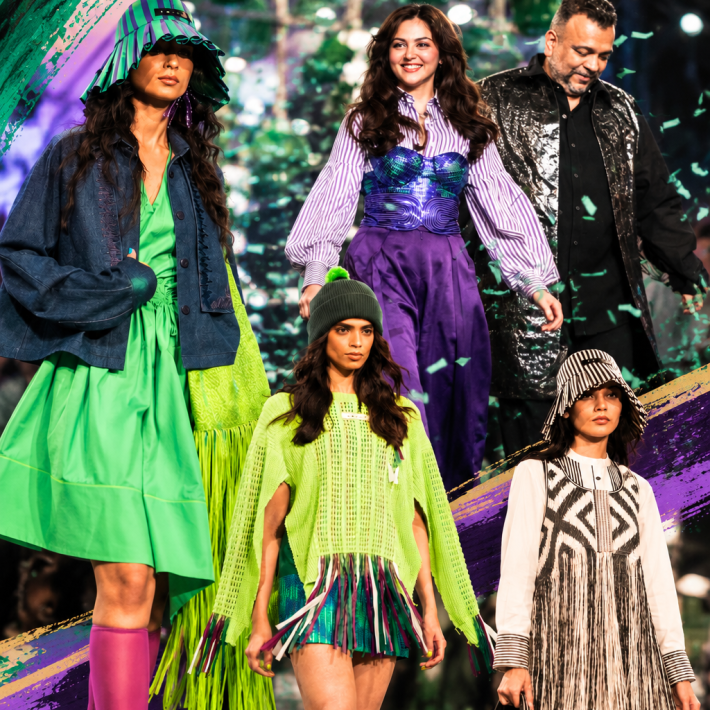
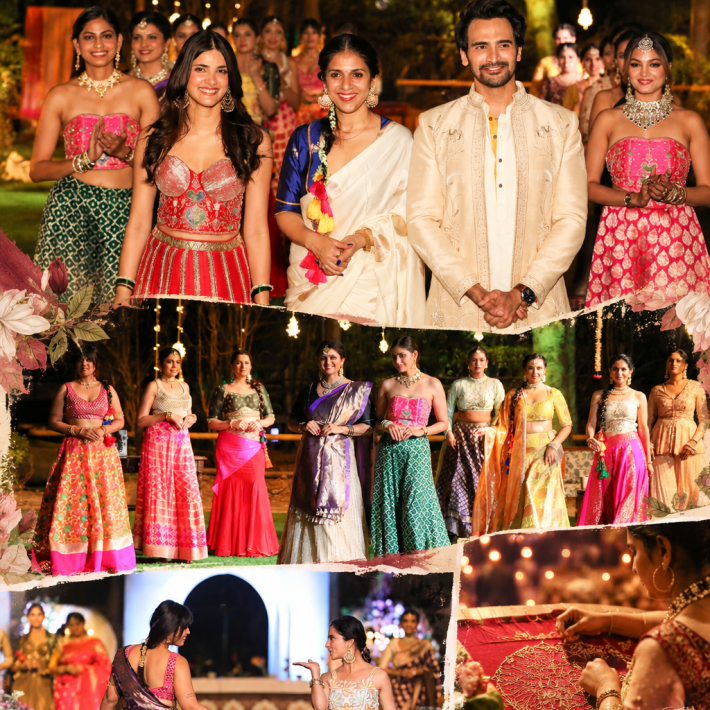
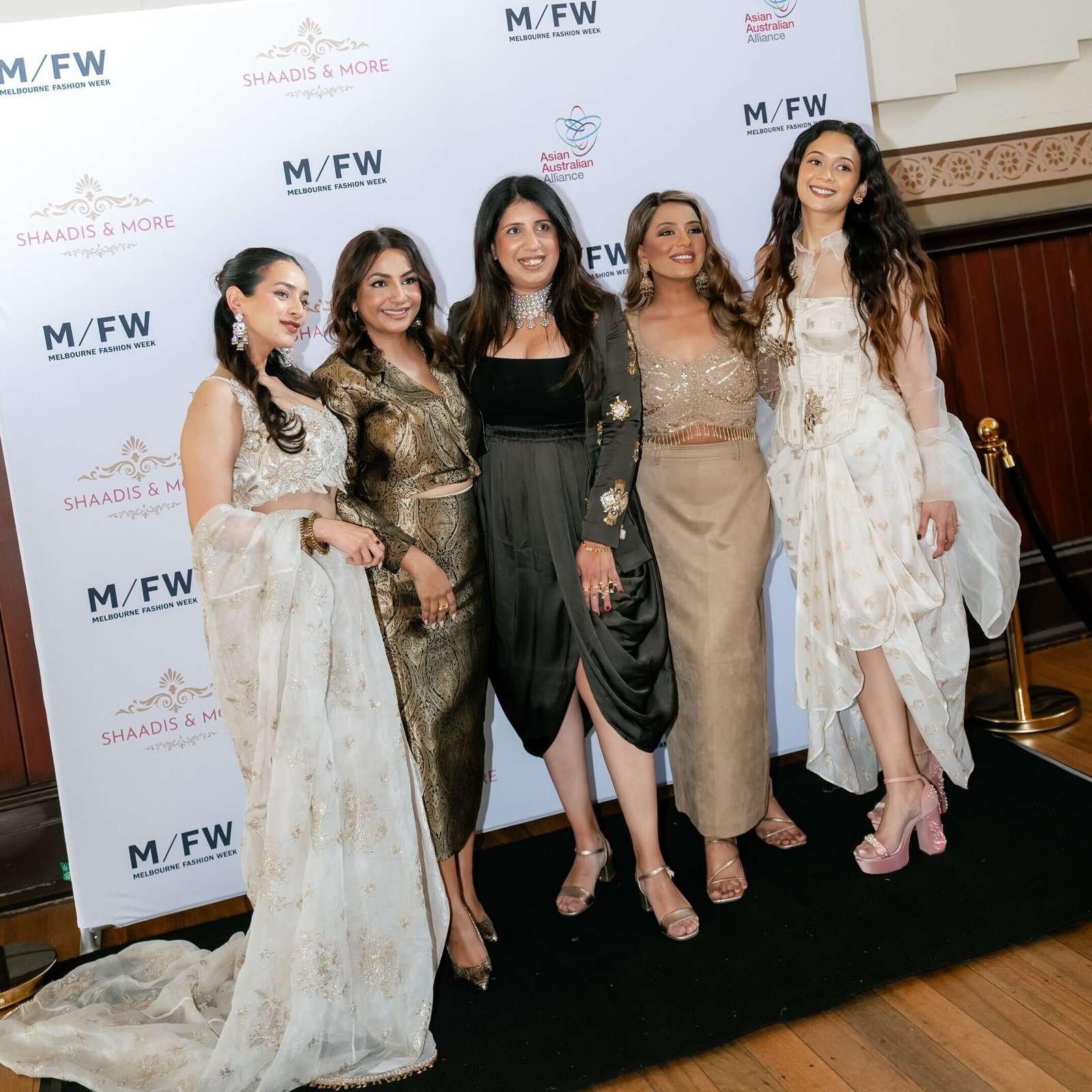
Enter The Indian Edit, which made its debut on 19 October at Kensington Town Hall as part of Melbourne Fashion Week, bringing Indian designers, entrepreneurs and cultural voices into the spotlight. With a compelling mix of conversation, couture and cultural expression, the inaugural showcase was more than a fashion event; it was a statement about identity, visibility and the evolving language of Indian style. TheGlitz takes a closer look at this stylish cross-cultural moment where heritage meets a decidedly global attitude.
A Fashion Dialogue Beyond Borders
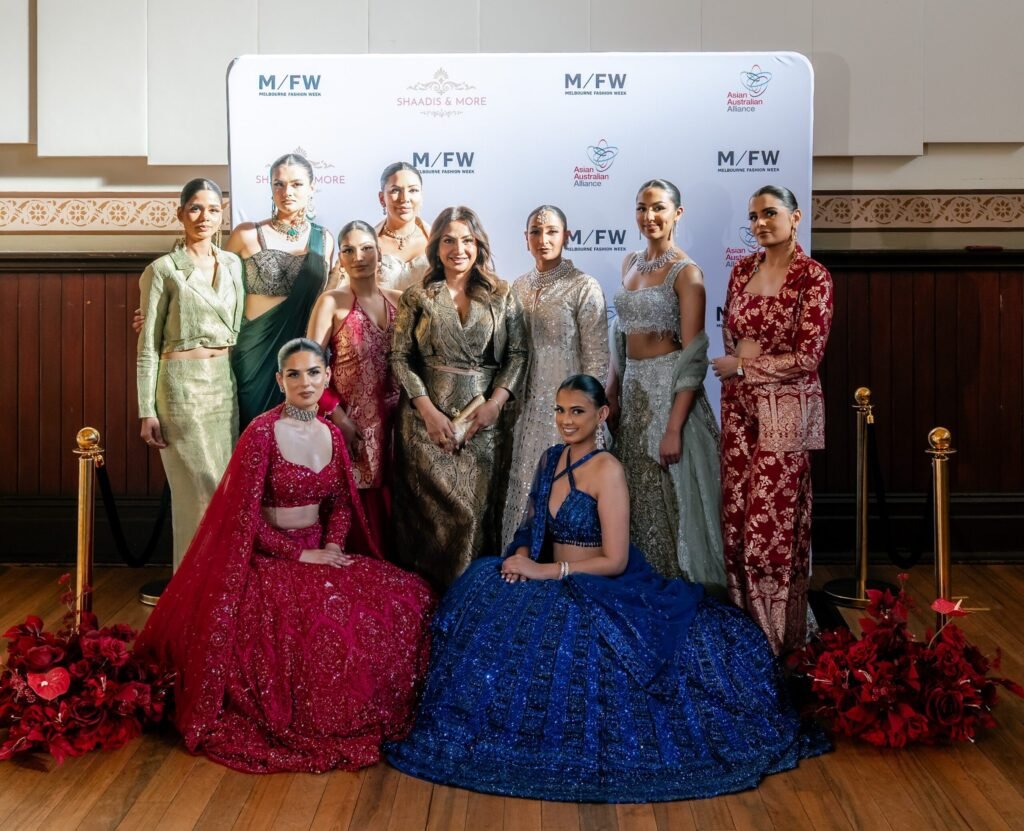
At its heart, The Indian Edit was all about creating a meaningful conversation between Indian creativity and Australia’s multicultural fashion landscape. The event featured a panel discussion with Meetali Jain of Biba, Amarjeet Sharma of Kulture by K, Priya Ravindra of Punar and Ayushi Dixit of Paaro Couture. Together, the founders explored entrepreneurship, cultural identity and the growing influence of Indian businesses in Australia.
The conversation arrived at an interesting moment for Indian fashion. Traditional craftsmanship is increasingly finding contemporary expression, while designers and businesses are reimagining how Indian aesthetics can travel across borders without losing their cultural soul. The challenge is no longer simply to introduce Indian fashion to international audiences; it is to make it relevant, desirable and recognisable on its own terms.
From Indian Roots to International Runways
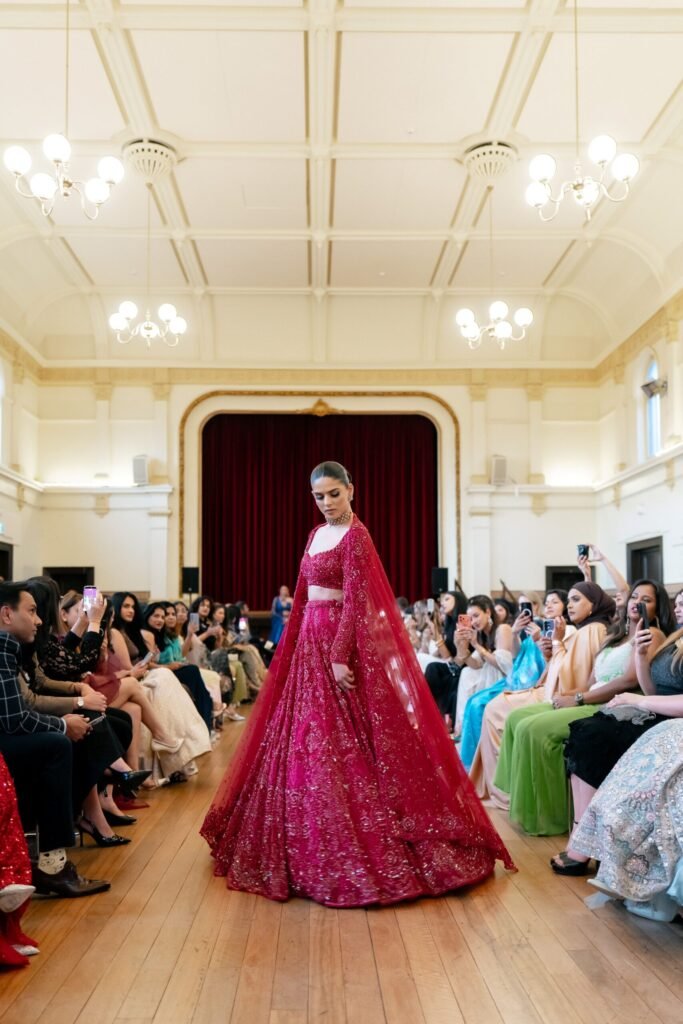
Complementing the discussion was a curated fashion showcase featuring Biba, Kulture by K and Paaro Couture. The participating labels brought different perspectives to the broader narrative of Indian fashion, demonstrating how heritage, craftsmanship and modern design sensibilities can coexist in an increasingly interconnected industry.
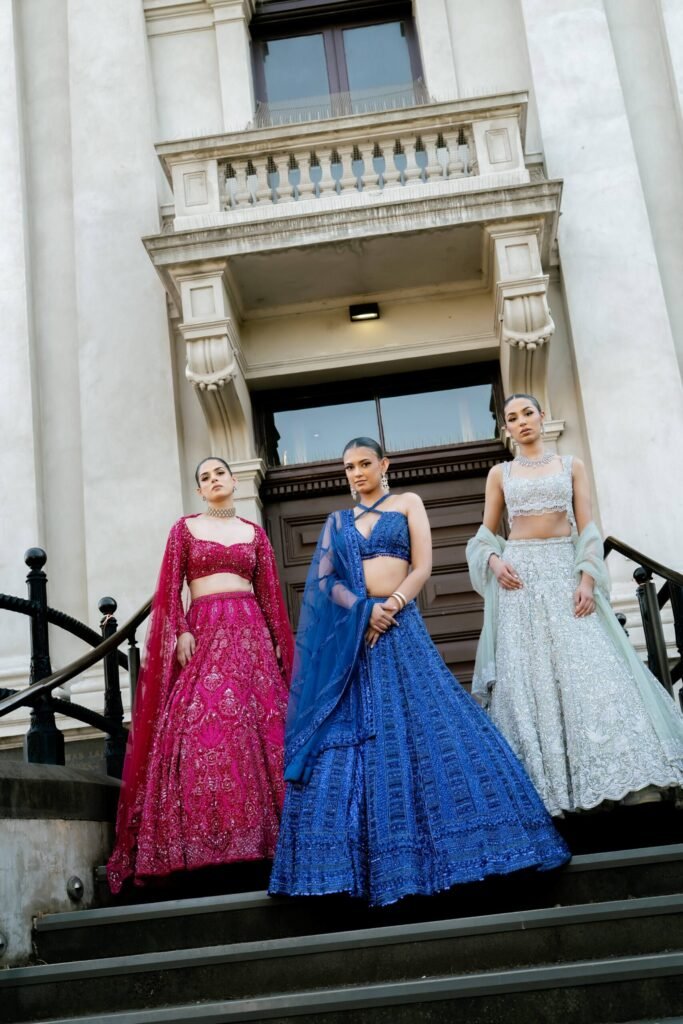
Biba’s strong association with Indian ethnic wear, alongside the contemporary design approaches represented by Kulture by K and Paaro Couture, offered a glimpse into the diversity of India’s fashion ecosystem. The takeaway? Indian fashion is not a single aesthetic or a fixed set of silhouettes. It is a constantly evolving conversation between tradition, innovation and individual expression.
Hosting the show was Jasmine Babbar, who opened the fashion showcase with her Hindi poem, Ghar. The evocative choice added an emotional dimension to the proceedings, bringing the idea of home, belonging and cultural memory into a setting dedicated to fashion. After all, clothing can be more than a visual statement; it can also be a deeply personal expression of where we come from.
The Women Driving The Indian Edit
Presented by Molina Asthana, Co-founder of the Asian Australian Alliance, and Prerna Karnani of Shaadis and More, the initiative was rooted in a shared desire to create greater visibility for Indian creativity within Melbourne’s fashion community.
For Prerna Karnani, who describes herself as living between two worlds and cultures, the event represented the fulfilment of a meaningful cultural connection. She observed that contemporary Indian fashion is becoming more global, accessible and wearable as the Indian diaspora expands across the world. Her optimism points towards an exciting future in which Indian design is embraced not merely as ethnic dressing for special occasions, but as an integral part of contemporary international style.
Molina Asthana’s motivation was equally significant. Having curated panels on Indian fashion for the preceding two years, she wanted Indian craftsmanship, design and innovation to receive due recognition for their origins. She described the inaugural Indian Edit as a coming-of-age moment, particularly for a multicultural city where many Indians have made their home.
Why This Fashion Moment Matters
The Indian Edit arrives at a time when conversations around cultural representation, creative ownership and global fashion influence are increasingly important. For Indian designers and entrepreneurs, platforms such as this can help build connections, encourage collaboration and create opportunities to engage with new audiences.
More importantly, the initiative challenges the idea that Indian fashion belongs on the international stage only when presented as an exotic spectacle. Its craftsmanship, business acumen and contemporary relevance deserve to be part of the mainstream conversation.
TheGlitz Take
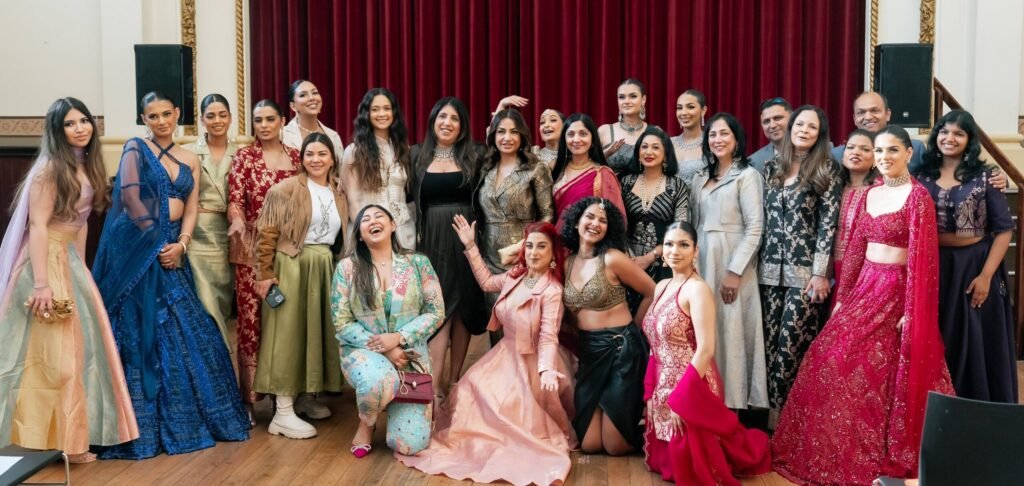
The Indian Edit is a promising reminder that fashion’s future belongs to those who understand their roots while remaining open to the world. By bringing Indian labels, founders and cultural voices into Melbourne Fashion Week, the initiative has begun a conversation that deserves to grow beyond a single showcase.
The real style statement? Indian fashion does not need to dilute its identity to go global. It needs the right platforms to let its identity shine. And if this debut is any indication, The Indian Edit could become a compelling new chapter in that story.