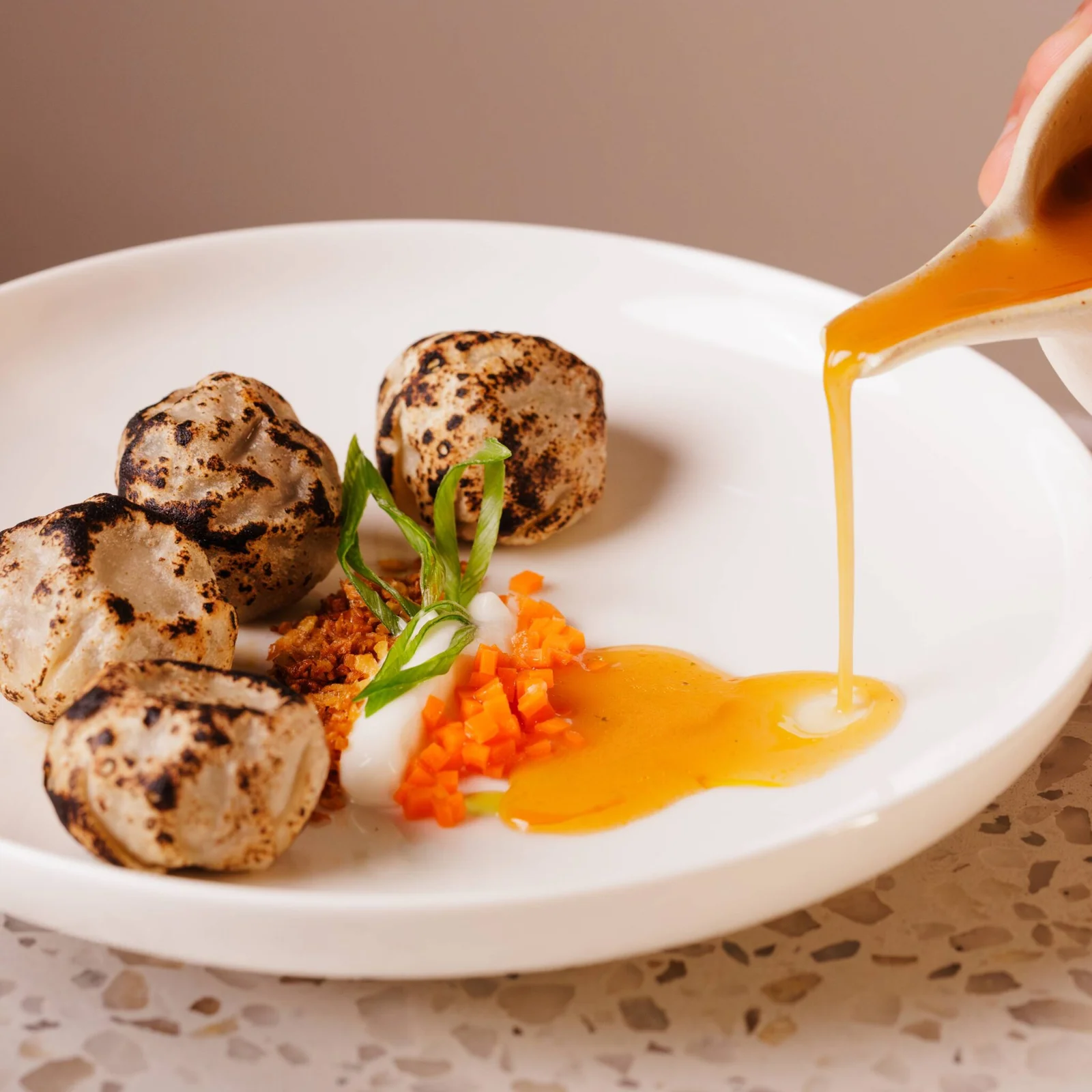
Luxury dining has officially lowered its voice. Gone are the days when extravagance meant towers of garnish, molecular theatrics, and plates dressed for Instagram rather than appetite. Today, indulgence whispers… on understated plates, with pristine ingredients, gentle techniques, and stories that linger longer than spectacle.
Welcome to the era of Quiet Luxury Dining, where finesse replaces flamboyance, provenance trumps performance, and the most powerful ingredient is restraint. Sumita Chakraborty, Founder & Editor-in-Chief, TheGlitz, speaks to some of India’s most celebrated Master Chefs to decode this delicious shift… where flavour takes centre stage, plates whisper rather than shout, and indulgence is driven by intention, not excess. Read on…
Food, Like Fashion, Always Comes Full Circle
MasterChef Sanjeev Kapoor, the original tastemaker of Indian kitchens, draws a compelling parallel between food and fashion.
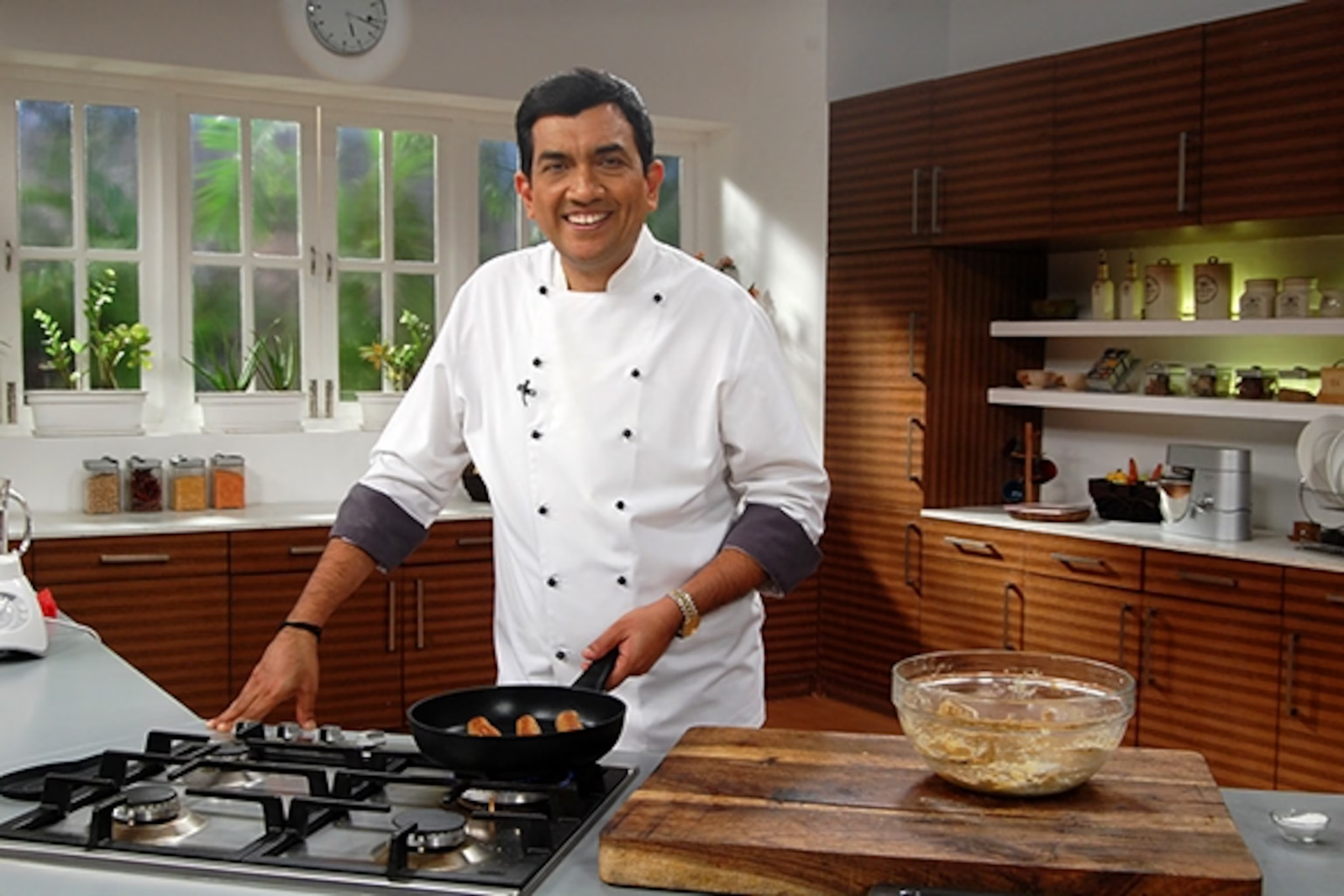
“Food is like fashion,” he avers. “Sometimes trousers have more flare, sometimes less. Food follows the same cycle. Luxury keeps revising itself over time.”
According to him, this evolution isn’t new… it’s a return. What matters is how food expresses luxury. “True luxury,” he says, “lies in finesse. Not when you overdo it.” The real magic, he insists, begins with the quality of ingredients… where they are grown, who grows them, the emotion behind them, and whether they are sustainable.
Recalling his time filming at Copenhagen’s legendary Noma, Master Chef Sanjeev Kapoor speaks of a defining dish: slow-skewered black carrots, foraged personally by Chef René Redzepi. Two carrots on a plate. No garnish. No drama. Just flavour.
“That,” Master Chef Sanjeev Kapoor says, “is when people understand… luxury is farm to finger, not farm to fork. …And the flavour… perfect.”
When Uber Luxury Chooses Silence Over Show
Echoing this sentiment, Master Chef “Namak Shamak” Harpal Singh Sokhi observes a striking shift among today’s ultra-luxury diners. “People now want isolation, quietness, and food on their own terms, not defined by theatrics,” he notes.

Chef Harpal maps the evolution clearly: from molecular gastronomy to Instagrammable food… and now, a return to ingredient-driven simplicity. “People want to cherish the ingredient, feel the product, see it in its most natural form when cooked,” he explains. Sustainability and sourcing are no longer footnotes; they are front and centre.
What’s also changing? Portions. “They want smaller servings, to taste a couple of things, not pile the plate,” he says. For today’s discerning diner, understanding food to the tee… its origin, integrity, and soul… is the new happiness.
Restraint Is the Ultimate Skill
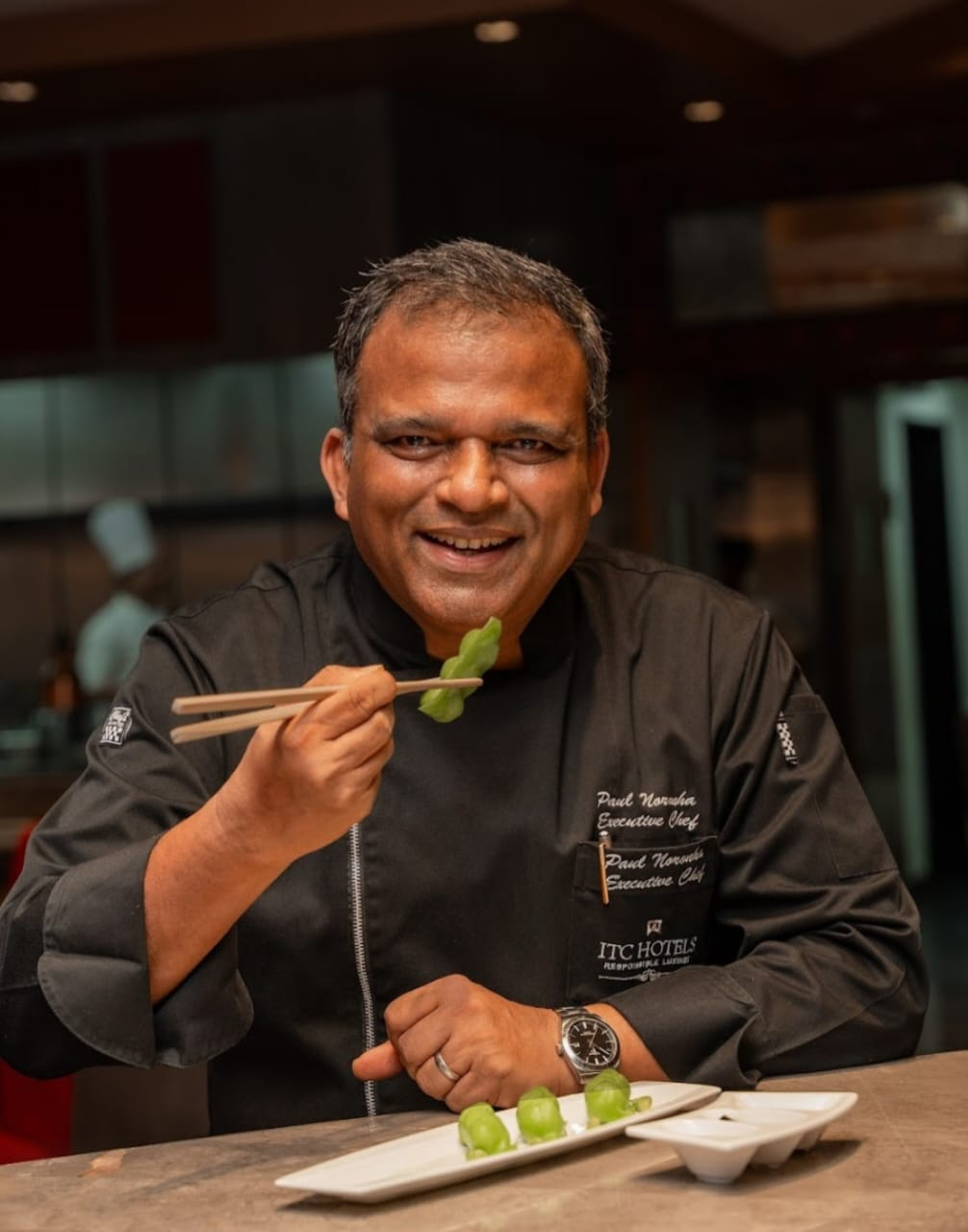
For Executive Chef Paul Noronha of ITC Maratha, quiet luxury is not about minimalism for effect… it’s about mastery. He avers, “After three decades in the industry, I have come to believe that true luxury in dining lies in restraint. Quiet luxury is not about bare plates or minimalism for effect. It is about letting exceptional ingredients take centre stage. When the produce is pristine and the technique is sound, there is no need for excessive garnish or visual drama.”
Adding, “Today’s well-travelled diner seeks meaning over spectacle. They want to understand the provenance of what they are eating, where the fish was caught, which farm grew the vegetables, and how responsibly the ingredient was sourced. That transparency has become the new indulgence. A simply cooked dish that highlights flavour, texture, and seasonality requires far greater discipline than one crowded with components.”
Chef Noronha sums up, “For chefs, it is a conscious move away from performing on the plate to curating experiences with integrity. For diners, it represents a refined form of indulgence, one rooted in authenticity, craftsmanship, and respect for the ingredient.”
Where Authenticity and Emotion Take Centre Stage
Consultant Chef Sadik Azad Khan, Goma, Radisson Goregaon, Mumbai, avers, “For me, quiet luxury dining is not a new concept, it has always been appreciated and deeply valued by our guests and woven with the brands I have been associated with. It is now more widely discussed.”
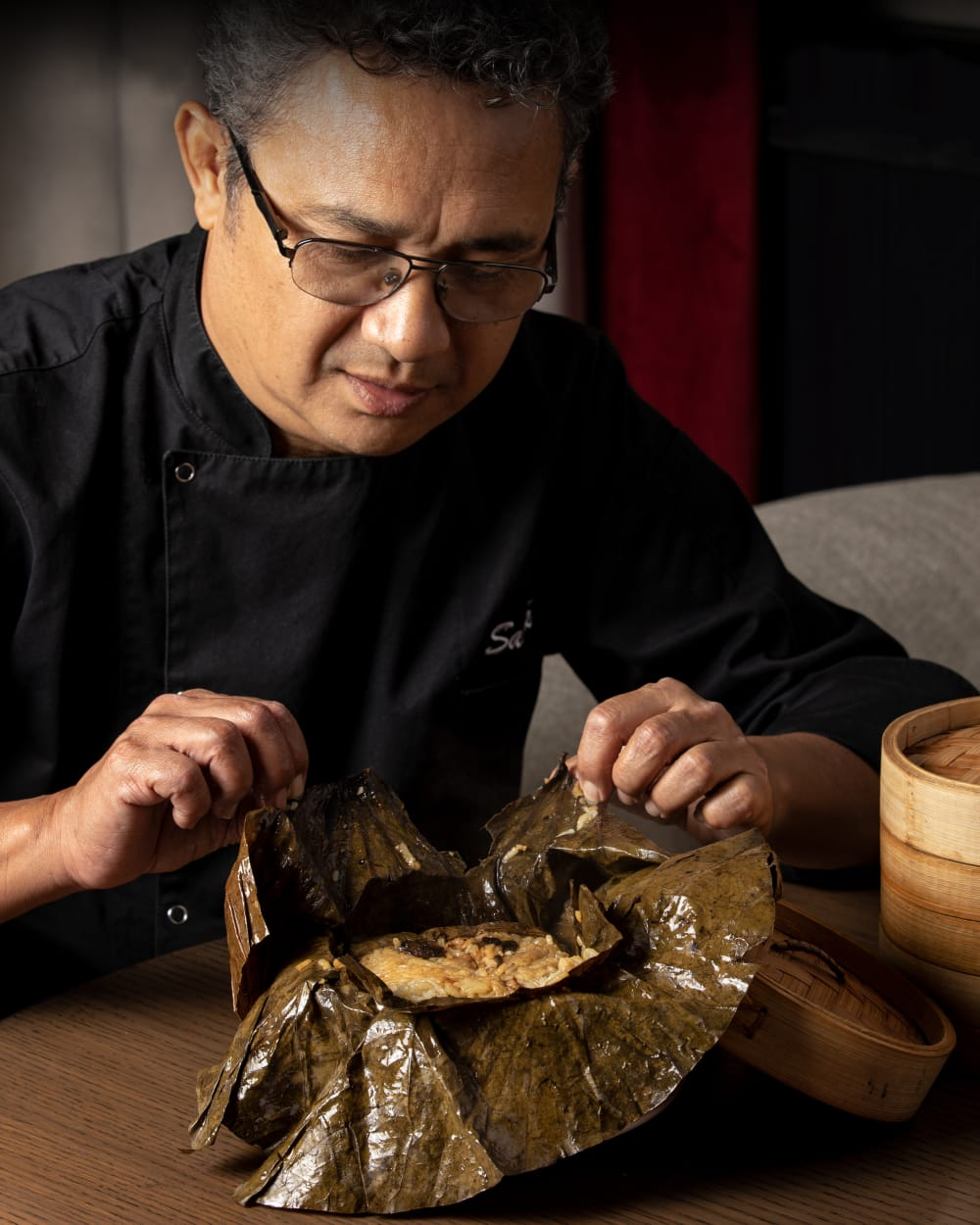
Adding, “If you notice my menus and dishes have always been rooted in authenticity, it is ingredients-based, history-driven and have a story behind them. I believe dishes should speak through taste, and not by ornamental garnishes. Our goal is to deliver not just food, but an exceptional experience with emotion, memory, and true gastronomic excellence.”
Chef Sadik further adds, “To me, an example of a frill-free but flavoursome dish would be Lo mai gai which is a classic Cantonese dish that translates to “sticky rice chicken”. It was first created in the humble night markets of Guangzhou, where street vendors created it as a convenient, grab-and-go meal, initially steaming it in bowls and later wrapping it in lotus leaves for easy transport and flavour, evolving from a simple snack to a beloved staple. Lo mai gai contains glutinous rice flavoured with chicken, shiitake mushrooms. It is wrapped into a sun-dried Lotus leaf, then steamed for over an hour. While unwrapping it. The first thing you notice is the scent of the lotus leaf.”
Shift from Excess to Intention
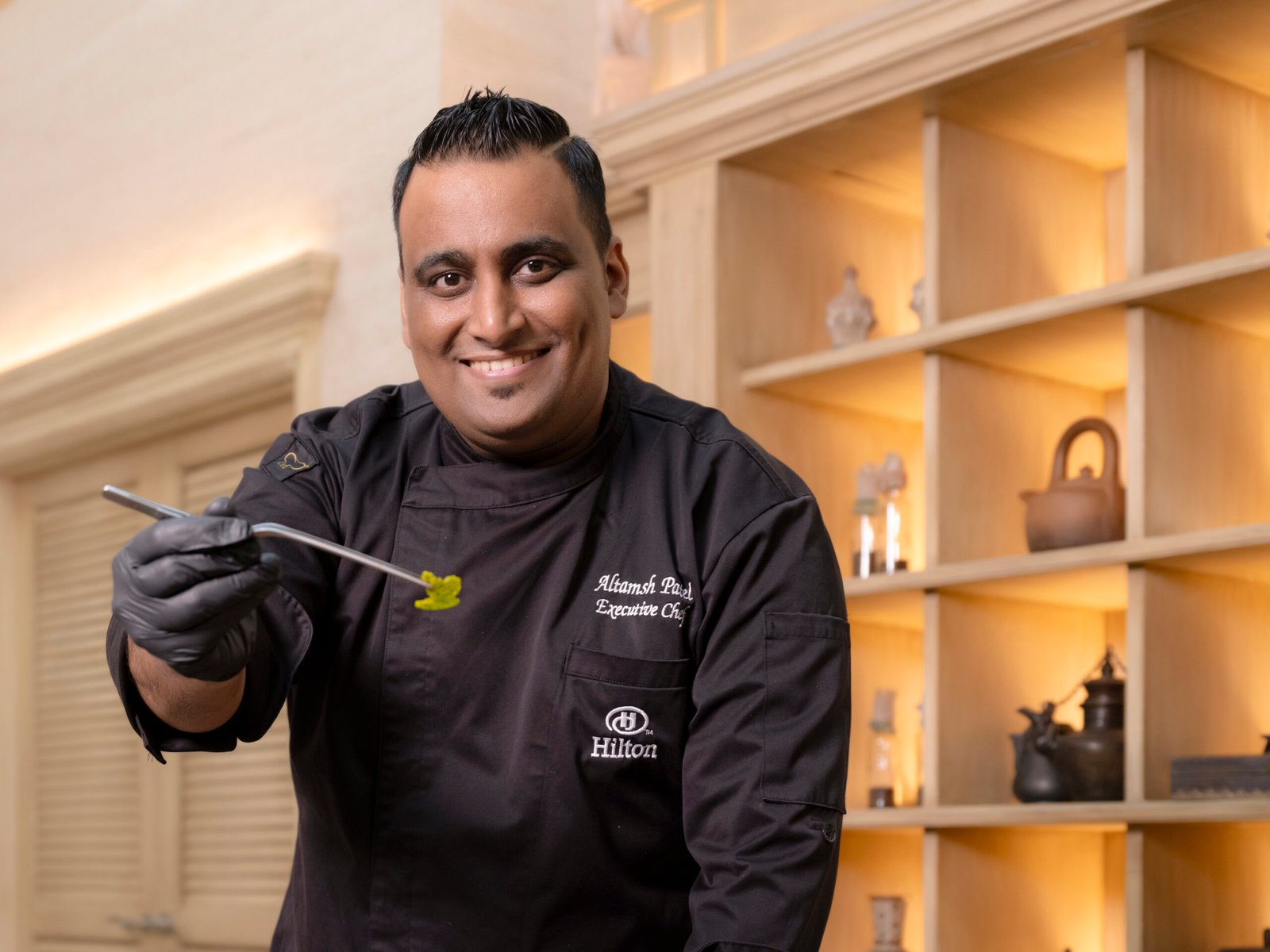
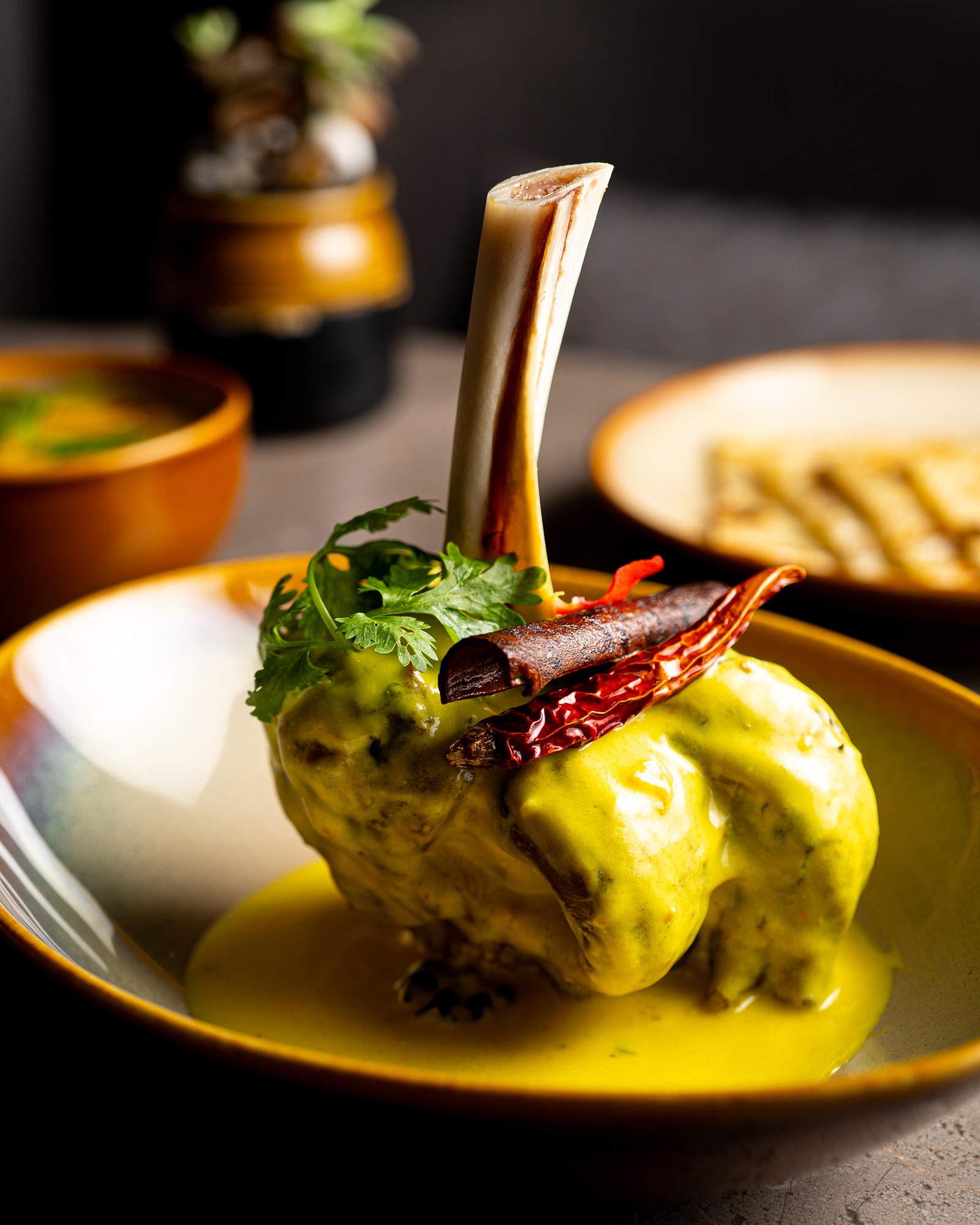
Director of Culinary, Hilton Mumbai International Airport, Executive Chef Altamsh Patel says, “In today’s luxury dining landscape, the shift from excess to intention is unmistakable. The modern, discerning guest is no longer impressed by overworked plates or theatrical garnishes. True indulgence now lies in restraint, provenance, and purity, values that have become the hallmark of fine dining at the highest level.
Adding, “From a culinary perspective, minimalism on the plate is not an absence of creativity; it is a disciplined choice that allows the ingredient to speak for itself. Each component must justify its presence, placing the spotlight squarely on quality produce, ethical sourcing, and regional authenticity. This approach reflects confidence, not austerity. It is about mastery over excess, not a lack of ambition.
He further adds, “Keeping the plate simple also empowers the service team to share the story behind the dish while the guest is engaging with it visually. When a plate is overcrowded with garnishes, the guest struggles to connect with the core ingredient and the narrative it embodies. Thoughtful restraint creates clarity, allowing the dish to be appreciated on multiple levels, taste, texture, and provenance, before the first bite is even taken.
Chef Altamsh continues, “Take, for example, a dish centered around Kashmiri gucchi. There is no need to garnish it with truffle slices or mask it with truffle oil. Such embellishments dilute the ingredient’s identity. When treated honestly, the gucchi’s natural aroma, texture, and origin shine, making it the undisputed hero of the plate.
Summing up, “In this new definition of luxury, value is found in where an ingredient comes from, how it is treated, and how truthfully it is presented. Less garnish, more story. Less noise, more clarity. Ultimately, the plate is a canvas. It does not need to be overcrowded to feel luxurious. Thoughtful restraint allows clarity, balance, and intention to emerge, letting the ingredient, the craft, and the culinary story shine with quiet confidence.”
Luxury That Doesn’t Try Too Hard
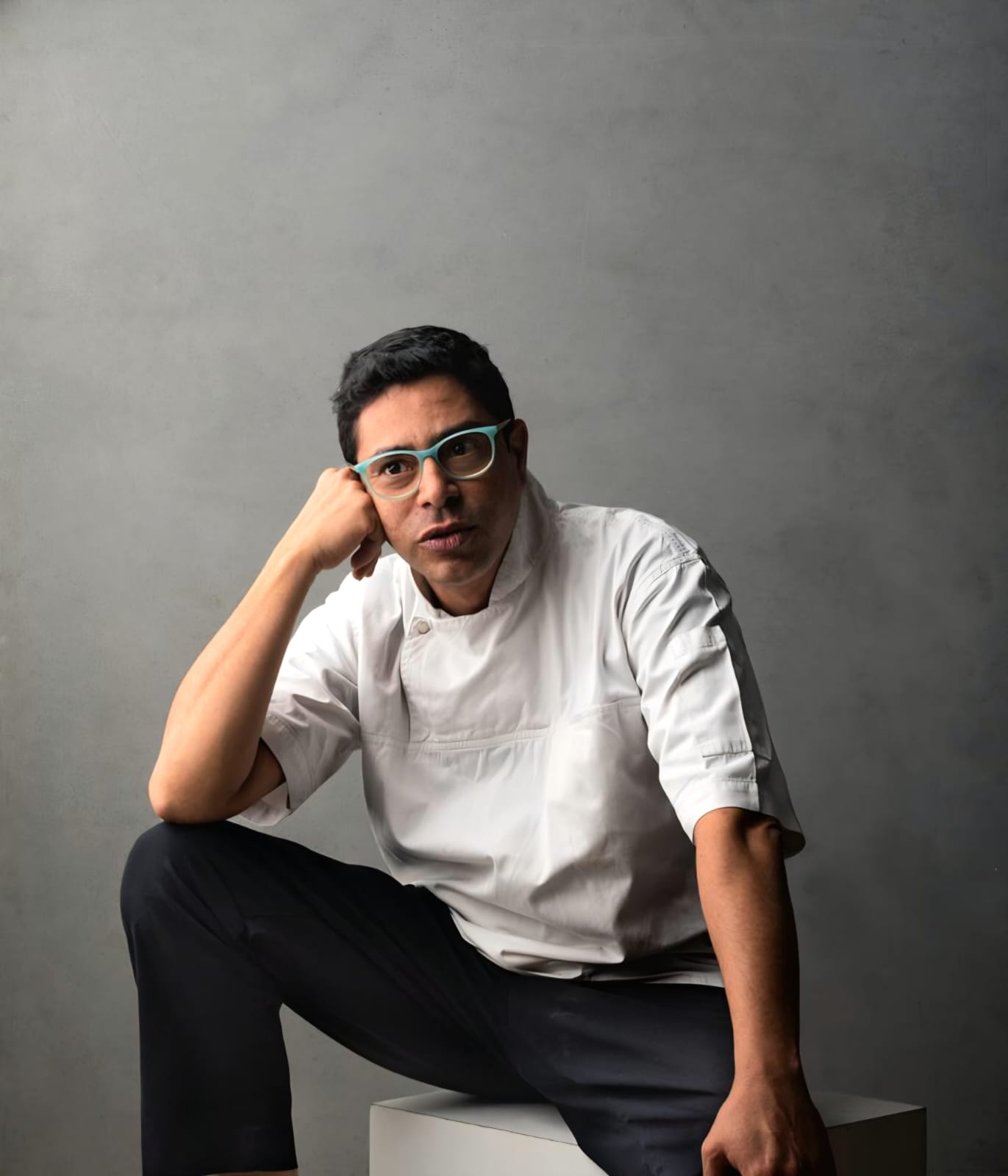
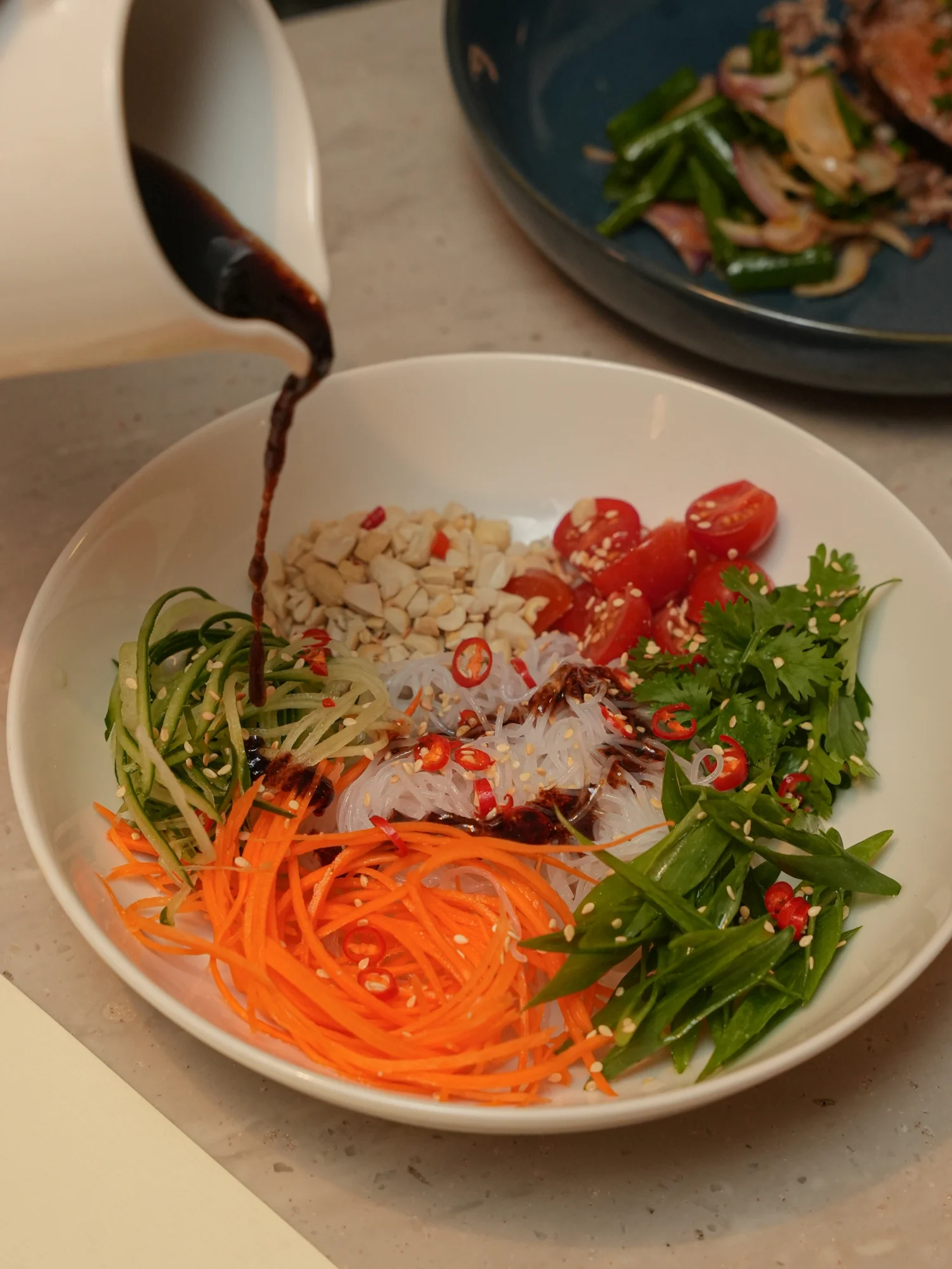
Chef Viraf Patel of Mumbai’s much-acclaimed Himalayan dining destination, Across, offers a refreshingly grounded take on quiet luxury, one rooted in confidence, comfort, and honesty rather than performance.
Chef Viraf avers, “I’ve always believed in what people now call quiet luxury — simple, well-cooked food done with confidence. For a while, that got drowned out by a wave of restaurateurs who brought in unnecessary drama and overcomplication, constantly trying to impress. But I’m 100% certain this is what people have always wanted.”
Adding, “Guests value good ingredients, solid technique, and restaurants that feel comfortable in their own skin. That kind of luxury feels honest and enjoyable, not forced.”
He sums up, “On sustainability, I’m a bit more realistic. The intention is right, but it’s very hard to practice consistently. Costs, supply chains, and everyday operational challenges make it complicated, especially when you’re running a serious business.”
Let the Food Speak, Softly
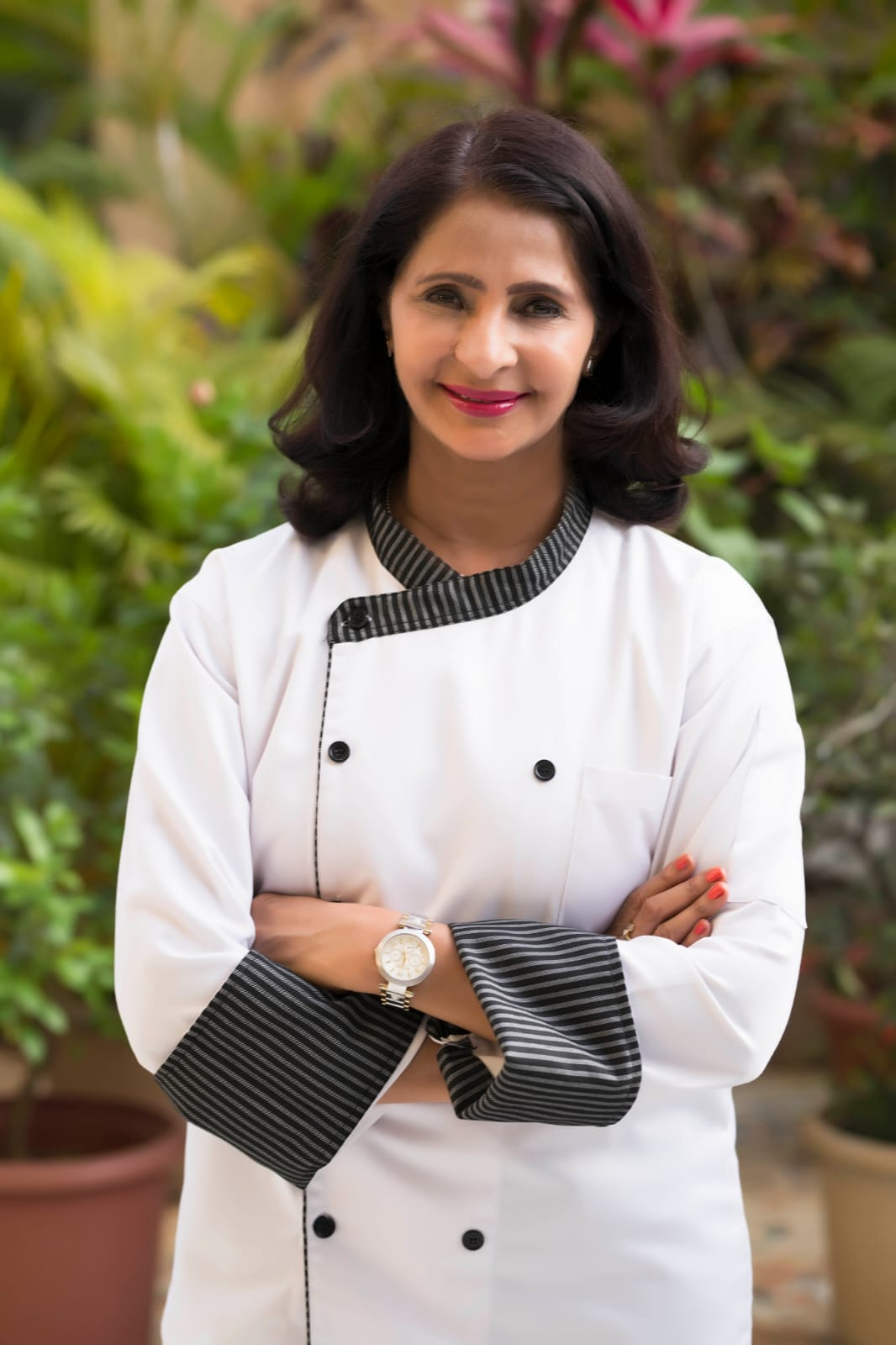
Master Chef Deepa Suhas Awchat is one of Mumbai’s iconic award-winning chefs, known for her awesome fine dining, globally awarded restaurants Goa Portuguesa, Dakshin Culture Curry and Diva Maharashtracha. Master Chef Deepa sums it up with poetic clarity. “I have always believed ‘less is more’ while decorating food plates,” she says. “Let the food speak for itself.”
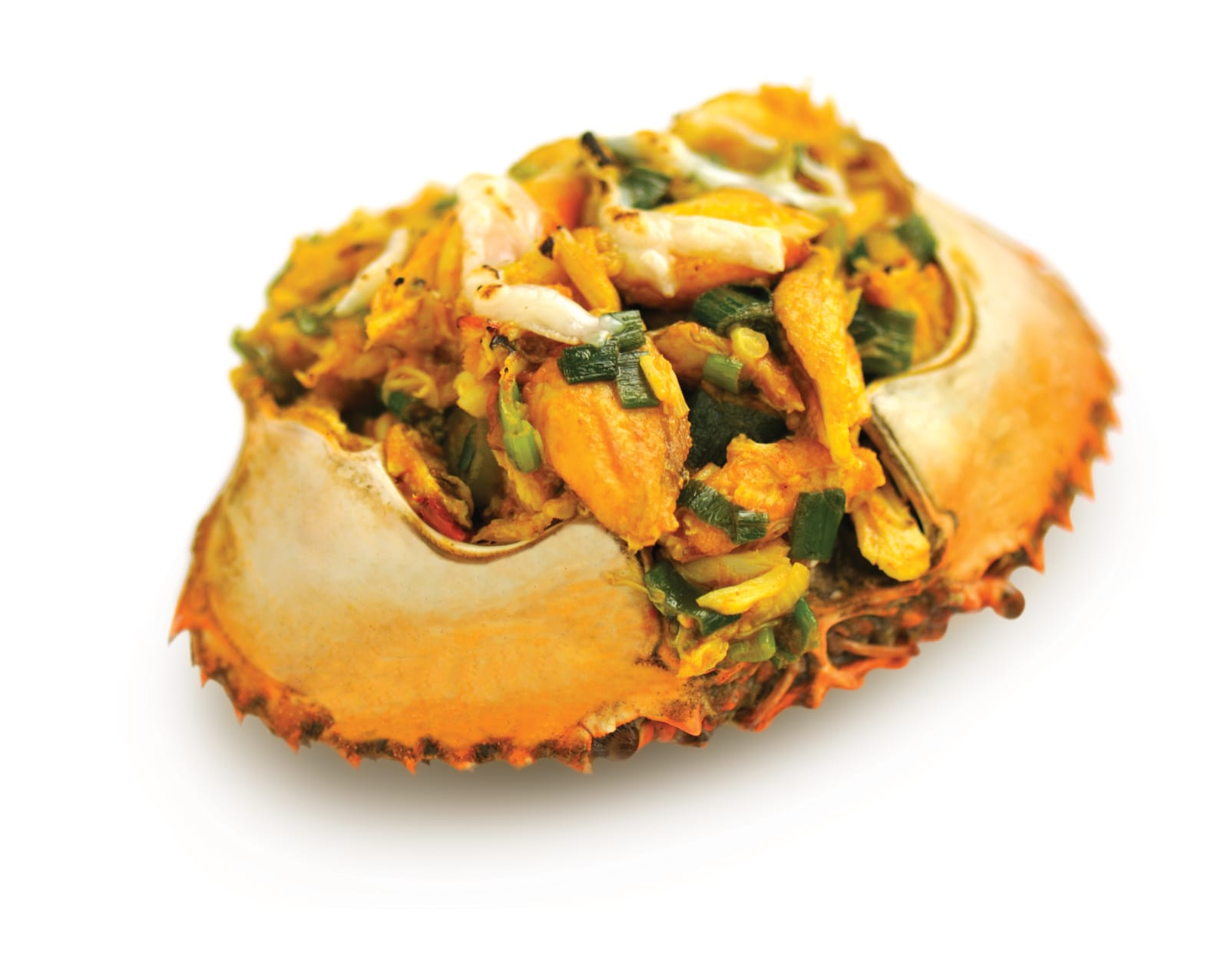
For her, subtle garnishing should never overshadow flavour. The spotlight must remain on high-quality ingredients, natural textures, and honest cooking. She says, “Let the natural flavours and textures shine and come out on the plate.”
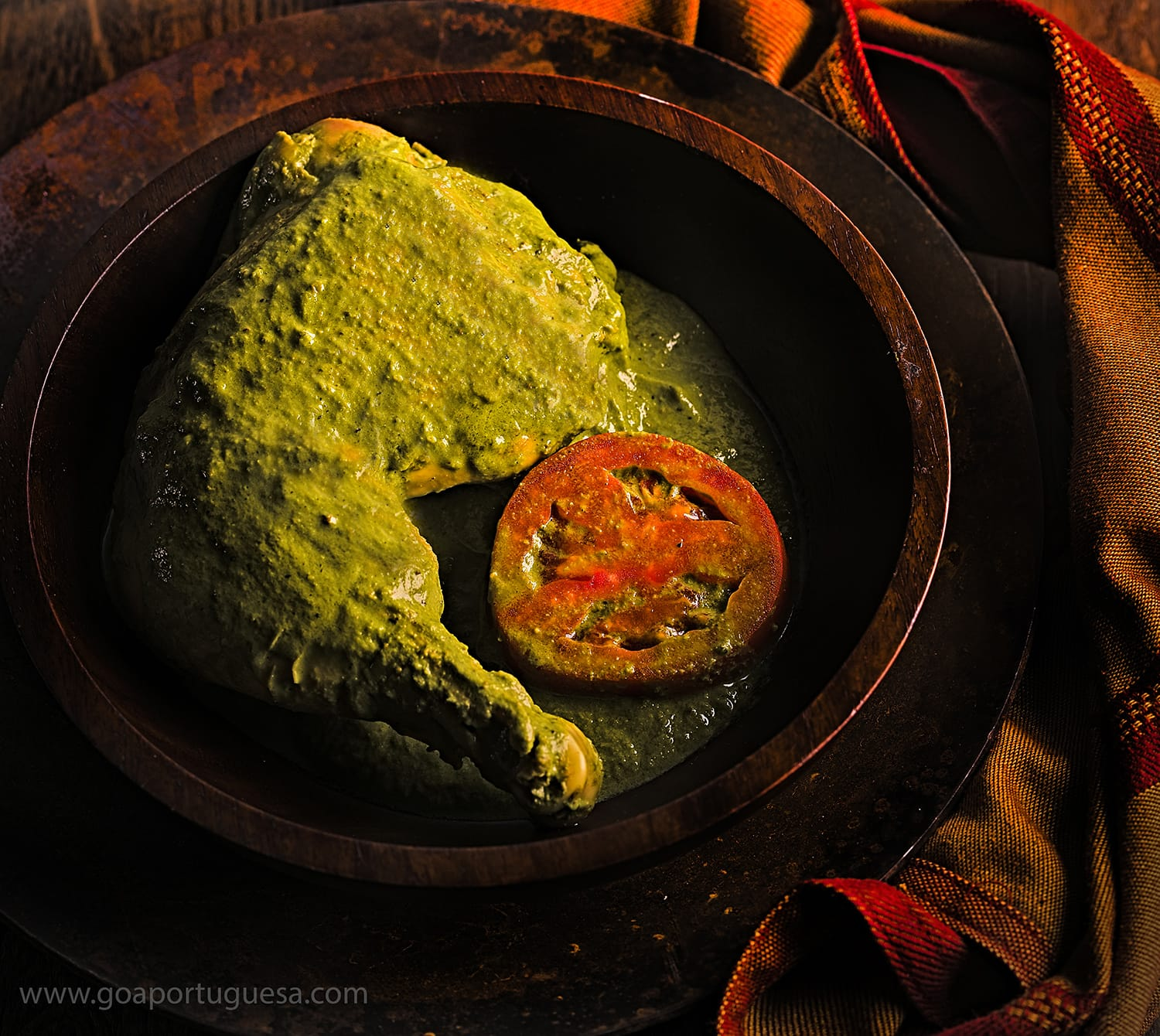
She also believes in using food to tell stories… like Chicken Cafreal, whose Mozambican origins and Portuguese journey to Goa are reflected through its traditional accompaniments. Adding, “Wherever required to highlight the origin or history of the dish, that should be done. For example, Chicken Cafreal which originates from Mozambique, Africa and Portuguese introduced it to Goa. There they make use of rounds of fried potatoes which is not a core ingredient within chicken main preparation but a standard part of the of the overall dish. Good quality plates, vintage design with glazed rustic looks, or handcrafted plates can be used to highlight the dish.”
Even plating matters. “Vintage designs, glazed rustic looks, or handcrafted plates help highlight the dish,” she notes, backgrounds that elevate rather than compete.
Where Restraint Meets Refinement: Letting Ingredients Lead the Indulgence
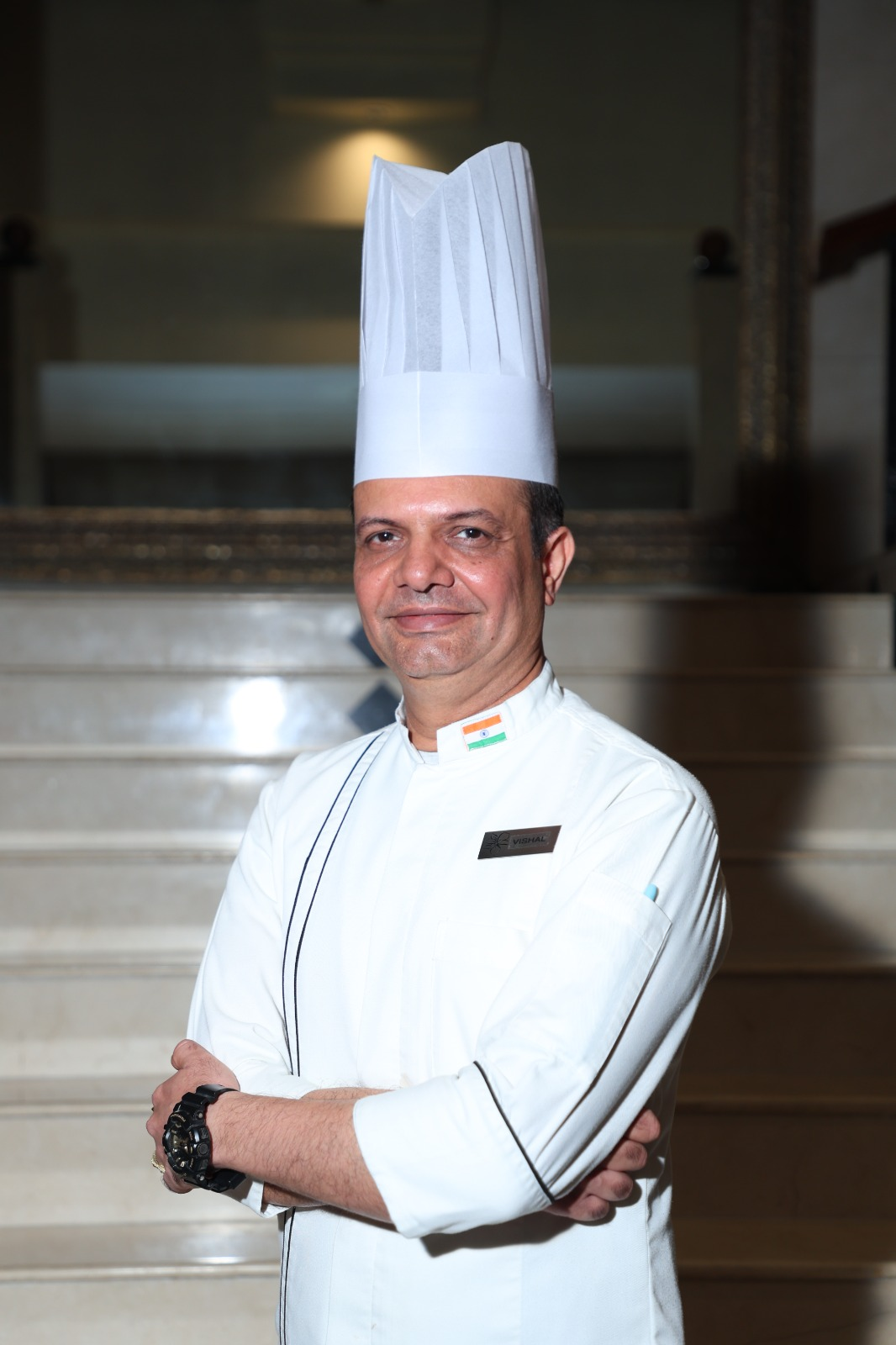
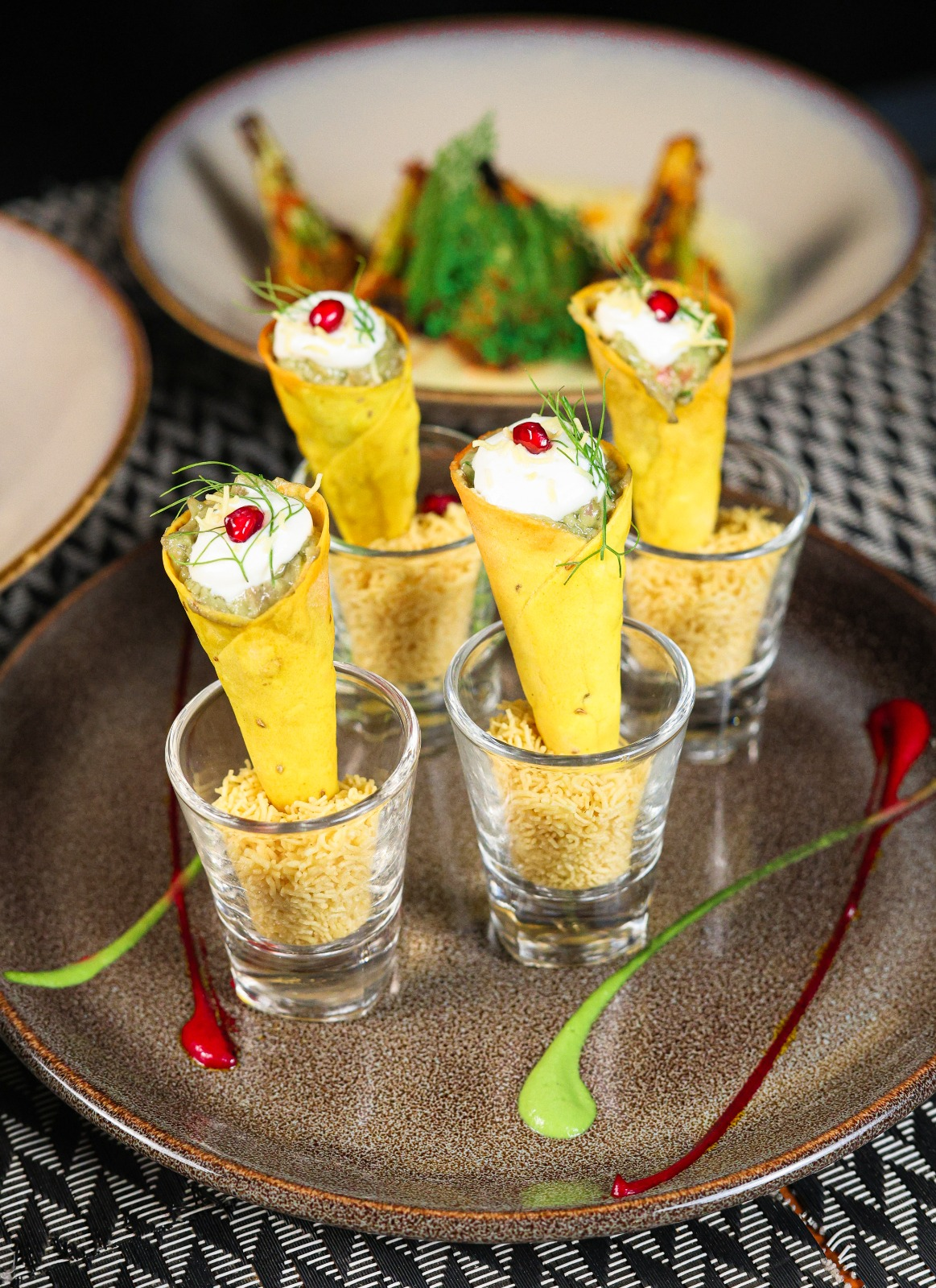
Executive Chef Vishal Chandani, The Orchid Hotel, Mumbai says, “Honestly, quiet luxury is just about good food done right. When an ingredient is great, it doesn’t need to be over decorated, but presentation still matters. A clean, thoughtful plate shows care and respect for what you’re serving. I’d rather present food that looks elegant and intentional, where you can actually taste where it comes from, than something that’s flashy but confusing. Today, that kind of balance, beautiful yet honest, is what feels truly indulgent.”
Reclaiming the Plate: Where Flavour Leads and Restraint Defines Modern Luxury
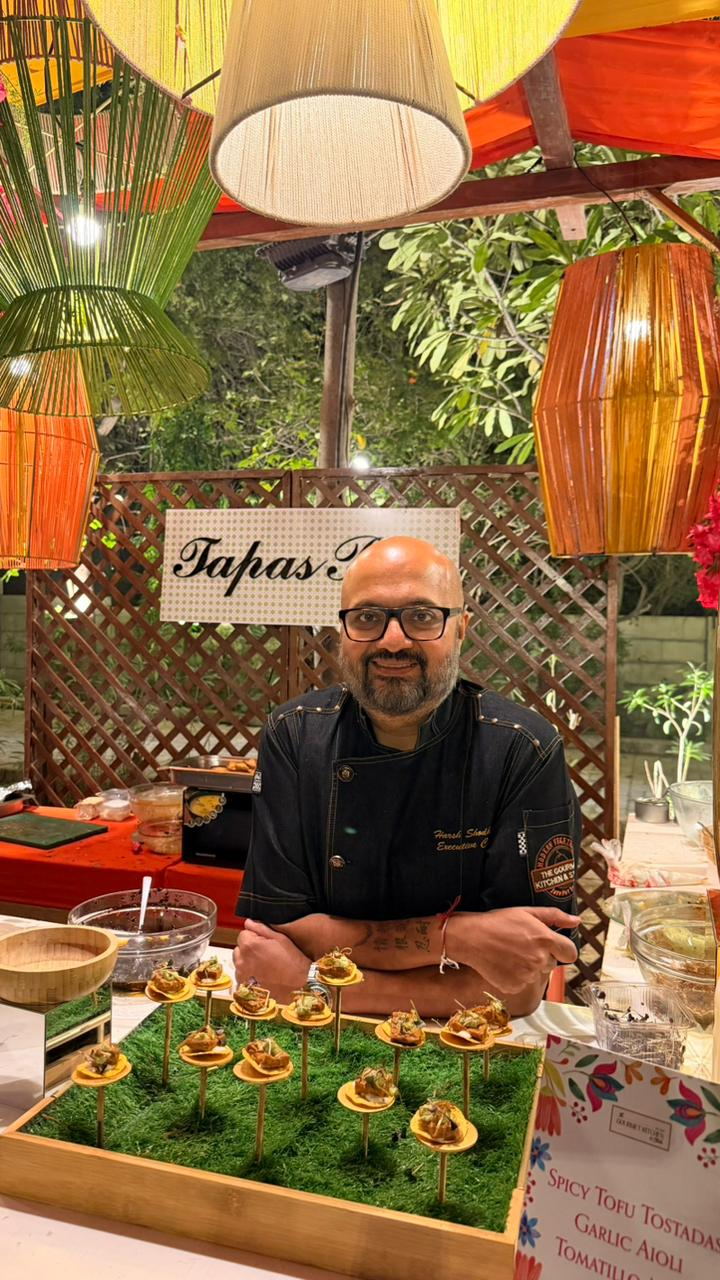
Chef Harsh Shodhan, Founder of The Gourmet Kitchen & Studio also claims, “The era of overworked plates is quietly coming to an end. Once defined by streaks of purées, scattered gels, and visual theatrics, modern plating often prioritised appearance over appetite. While striking, it distanced diners from the food itself.”
Adding, “Today, chefs are reclaiming the plate. A new, food-centric philosophy is taking shape – one rooted in wholesome bowls, thoughtful restraint, and technical precision. This shift moves away from maximalist expression and toward a more intentional form of luxury: one that is confident, composed, and deeply respectful of ingredients.”
He further adds, “At its core, this approach is driven by flavour. Ingredients are treated with clarity and purpose, allowing natural textures, temperatures, and seasoning to define the experience. Technique is present but never performative; luxury is felt, not announced. This is not simplicity for the sake of trend, but refinement through understanding. Each dish is built to be eaten, remembered, and returned to, comforting yet elevated, familiar yet exacting. In this new chapter, chefs lead with intuition and integrity, creating food that speaks softly, resonates deeply, and proves that true luxury lies in restraint, balance, and exceptional taste.”
TheGlitz Hails: The Soft Power of the Plate
Quiet luxury dining isn’t about deprivation… it’s about discernment. In a world addicted to excess, understatement has become the rarest indulgence. When food whispers instead of shouts, the attentive lean in, and savour every bite.
…And that, perhaps, is what ‘Quiet Luxury’ is all about…