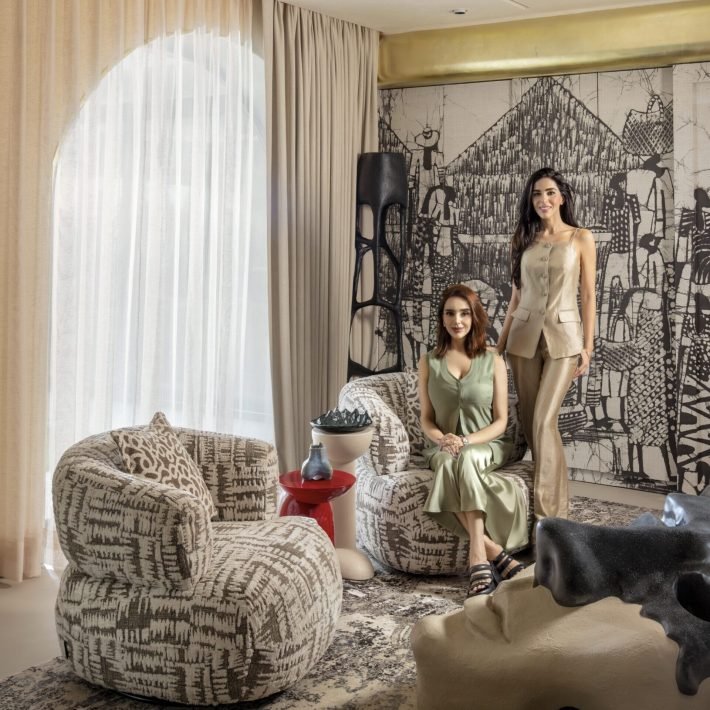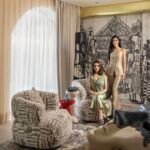

Amita Trehan, the visionary founder of Bravur’a Design, is a trailblazer in the world of interior design. With a passion for creating spaces that resonate with individuality, Amita has transformed Bravur’a Design into a celebrated name in the Delhi-NCR design landscape since its inception in 1997. Her unique approach to design is a harmonious fusion of creativity, innovation, and an innate understanding of her clients’ needs.
Amita’s philosophy goes beyond simply shaping spaces; it’s about creating experiences that evoke emotions, tell stories, and reflect personal identity. Through Bravur’a, she masterfully blends earthy tones with vibrant hues, minimalist aesthetics with adaptive reuse, and time-honored traditions with modern sensibilities.
Under her leadership, Bravur’a Design has become synonymous with bespoke, transformative interiors that transcend conventional design, making every space an artful expression of its inhabitants’ essence. Nominated in the dynamic list of TheGlitz 2025 Catalysts, Amita Trehan, Founder, Bravur’a Design talks about her vision, passion and more.
Over To Amita Trehan
Bravur’a Design is all about creating bespoke designs that reflect individuality. Can you walk us through your creative process from the initial idea to the final execution of a project?
Amita Trehan: The initial idea always starts with the client. Their dreams and wish list… also what helps is my gut feel about their personalities… to understand where they come from and what is their innate desire… based on the first few conversations which really is based around their dreams, we come up with with space planning. The aim of the first draft is to create a plan where we can make space for all their wishes – then comes the creative journey of theme and concepts.
Your work beautifully blends earthy tones with vibrant hues and merges modernity with tradition. How do you approach balancing these contrasting elements to create designs that are both timeless and innovative?
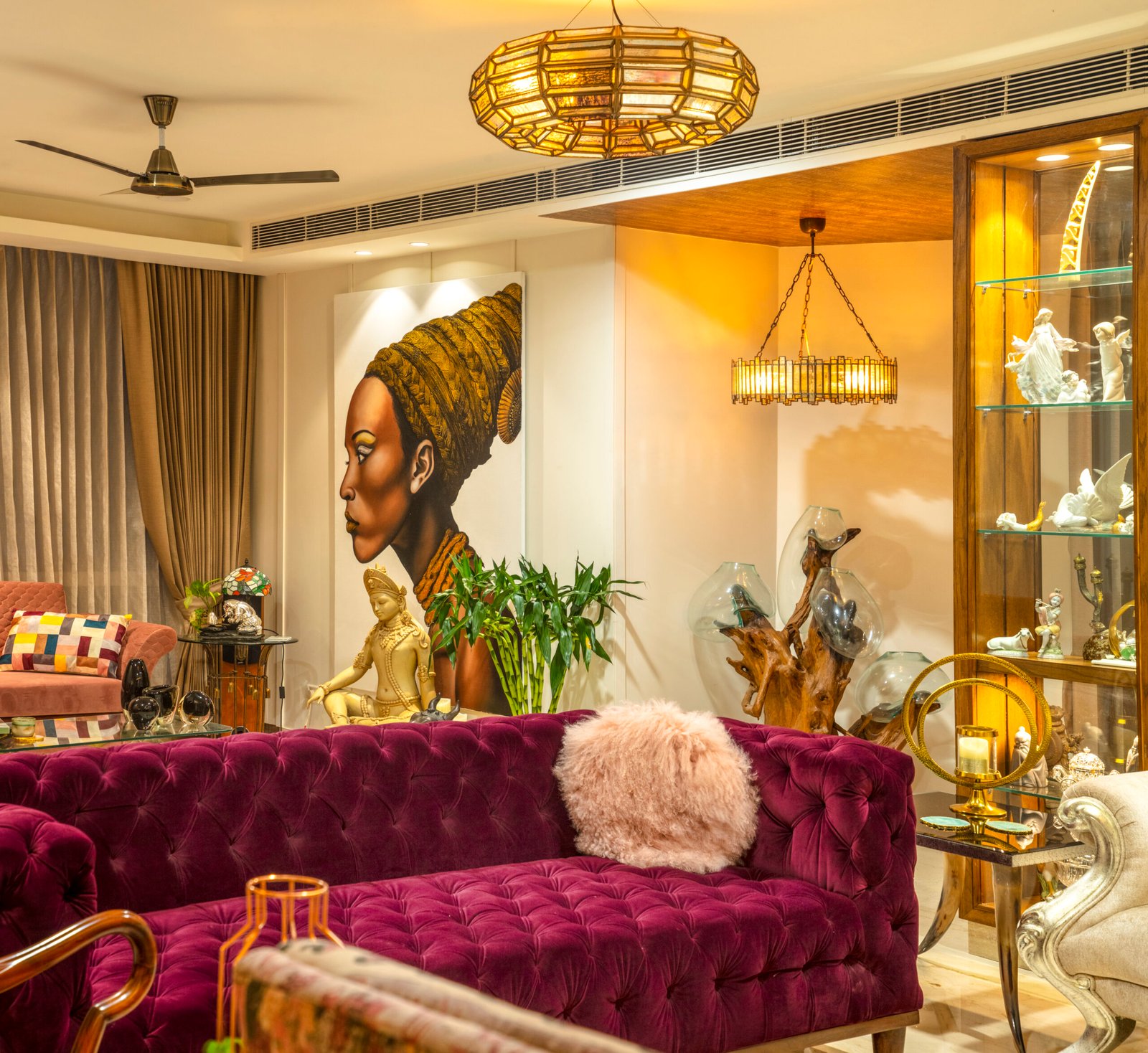
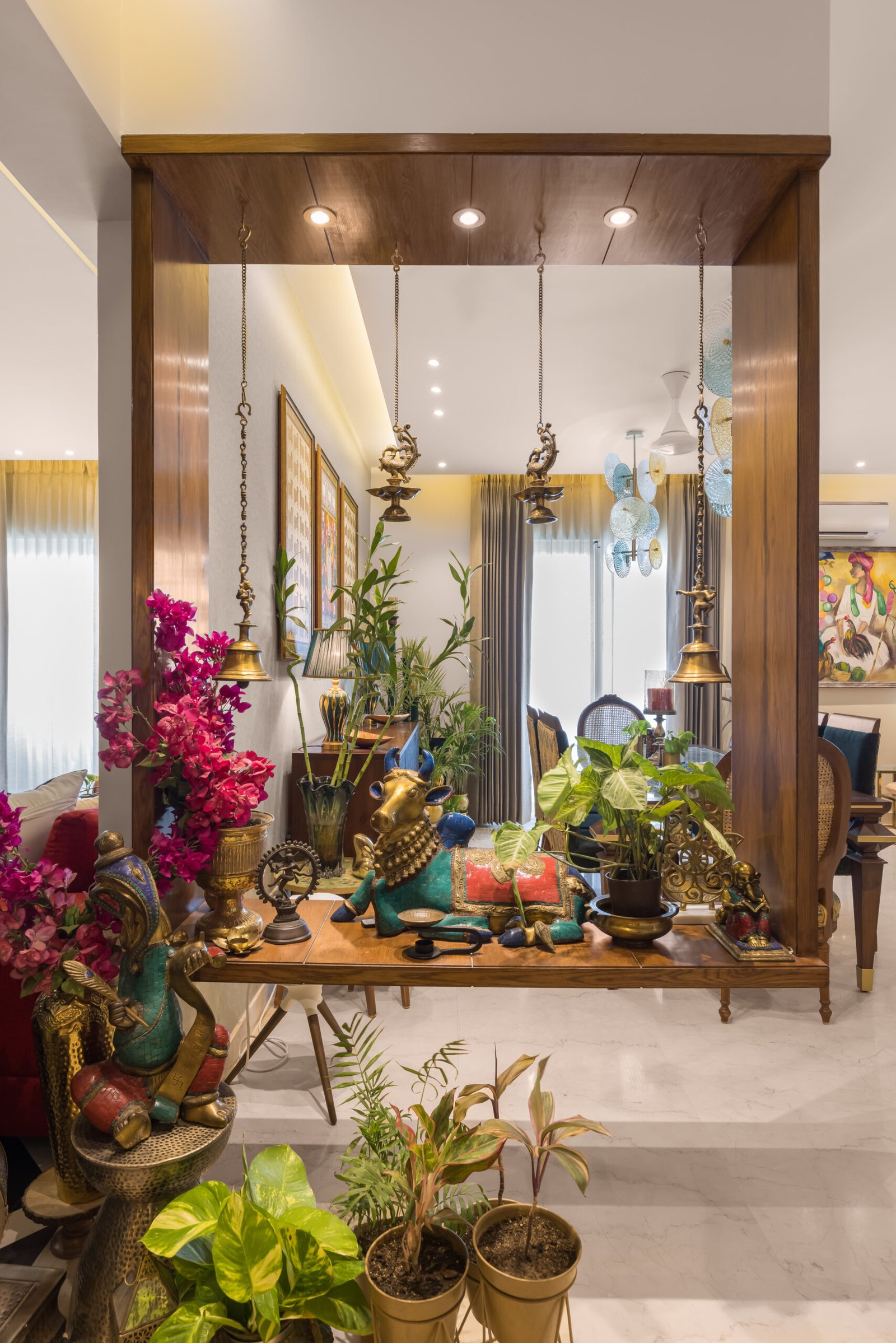
Amita Trehan: My design is a natural response to my own experiences of coming from an Army background – where its fantastic balance of understanding the culture of our country and creating context for the same in our spaces. I aim at creating a visual bridge by using say a modern sofa with a traditional upholstery or traditional elements like brass with a blend of glass.
One of Bravur’a’s distinguishing features is the emphasis on adaptive reuse. How do you incorporate this philosophy into your projects, and what are some challenges and rewards associated with repurposing spaces?
Amita Trehan: Other than being a designer, I am also a very conscious global citizen who is aware of the carbon footprint every activity creates which is detrimental for this world at large. We focus a large chunk of our energies and creativity at reducing waste that finds place in landfills. Construction activities can generate a lot of waste but we create relevance for existing furniture and other items, hence ensuring highly aesthetic spaces with least amount waste.
The highest reward for us has been when all spaces we create take our clients and their family down the memory lane and ensures the home is absolutely unique because we incorporated their personal story.
Your design work spans both living and business environments. What are the key differences in approach when designing residential spaces compared to commercial or business environments?
Amita Trehan: I think conceptually both spaces are the same as we are dealing with human experiences and functioning. The configuration of spaces may change but human experience is paramount. Residential interiors call for planning for longevity of space use, relevance to be able to hold dynamic needs of the family members while crafting spaces that can function well. Living spaces need to cater for comfort 24X7 whereas work spaces hold our interest for about 8 hrs.
Collaboration seems to be at the heart of your design philosophy. How do you ensure a collaborative relationship with your clients, and how do you incorporate their personal expressions and preferences into the final design?
Amita Trehan: It is mandatory that the client knows and feels that you have his best interest in mind and that you identify and understand his needs. In my experience that has been the game changer for my design practise. I make extra efforts to understand the pain points as well the dreams of my client and what that space means to them at an emotional level. I call upon my gut feel to understand what the client may not be articulating explicitly. Like any other association we may have thte time invested in clients is always rewarded.
As Founder, Bravur’a Design, how do you envision the future of interior design, particularly in terms of sustainability, functionality, and personal expression in the spaces we inhabit?
Amita Trehan: I dream of a practice which works towards conserving human energy by way of designed spaces- spaces that are designed for the individual and not to adhere to any social norms…spaces that nourish you and rejuvenate you for this ever changing dynamic world. We prioritize personalisation ensuring each space reflects the client’s lifestyle and needs. Incorporating meaningful elements like family heirlooms or cultural symbol’s to create spaces that tell a story.
Creating some elements which ensure flexibility of usage, multifunctional rooms that serve more than one function or crafting solutions to maximise space ensuring best use of every Sqft of built space. Sustainability is the basis of every idea we explore to design a highly curated space for our esteemed client. After all interior design is not about creating beautiful spaces but crafting environments that promote wellbeing productivity and a deeper connection to within and the world outside.