
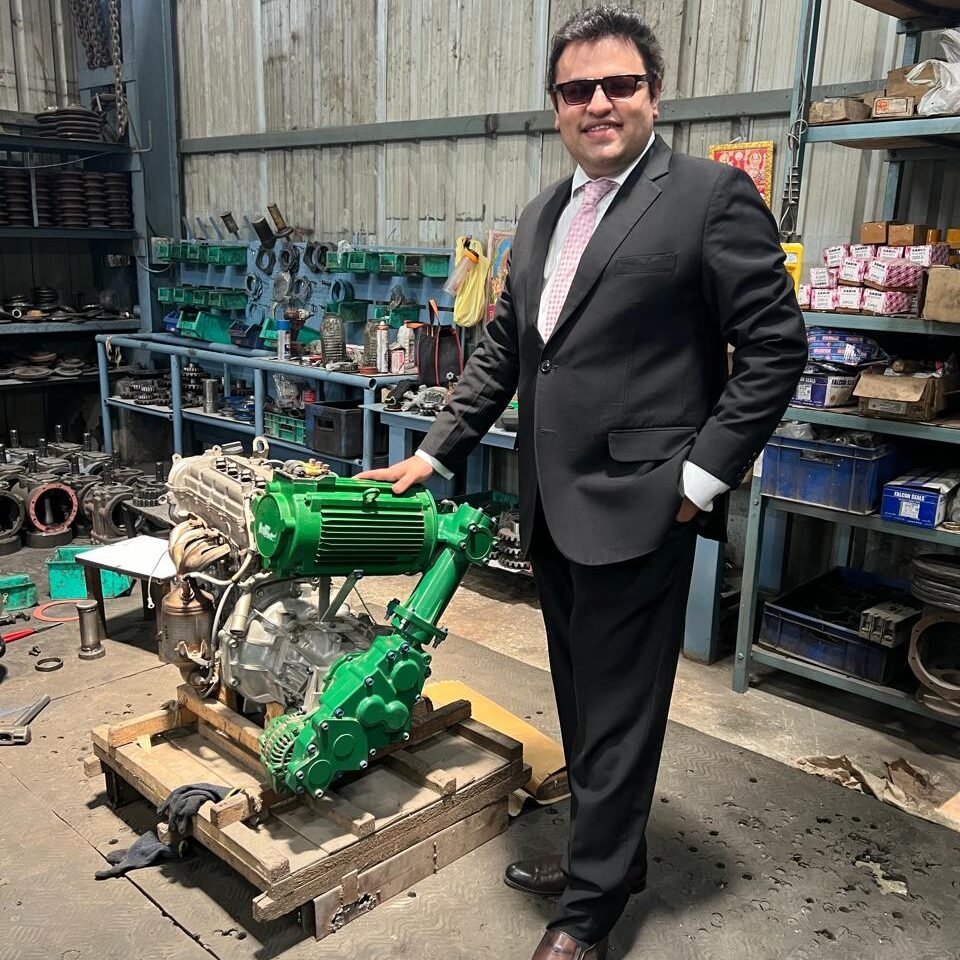
TheGlitz Earth Warrior 2026 – Nikhil Khurana, Founder & MD, Folks Motor
When conversations around sustainable mobility begin, the spotlight often falls on shiny new electric vehicles and futuristic transportation technologies. But Nikhil Khurana, Founder and Managing Director of Folks Motor, is championing a different… and perhaps equally critical path to a greener future: transforming the millions of vehicles already on Indian roads.
As India accelerates its journey towards clean mobility, Nikhil has emerged as a pioneering force in hybrid and electric vehicle retrofitment, proving that sustainability does not always require starting from scratch. Through Folks Motor, he is enabling existing petrol and diesel vehicles to transition into cleaner, more efficient mobility solutions, helping reduce emissions, extend vehicle lifecycles, and minimize unnecessary waste.
What makes Nikhil’s work particularly significant is its inclusivity. In a country where affordability, accessibility, and asset utilization remain crucial considerations, replacing every existing vehicle with a brand-new electric vehicle is neither practical nor economically viable. Recognizing this gap, Nikhil has positioned retrofitment as a powerful bridge between today’s realities and tomorrow’s sustainable transportation ecosystem.
TheGlitz has nominated Nikhil Khurana for TheGlitz Earth Warrior 2026 because he is challenging conventional thinking around clean transportation and demonstrating that environmental progress can be both practical and scalable. Through innovation, technology, and a deep understanding of India’s mobility landscape, he is helping accelerate the country’s transition toward lower emissions while ensuring that sustainable solutions remain accessible to businesses, fleet operators, and everyday vehicle owners.
At a time when cities are battling air pollution, climate challenges, and rising fuel dependency, Nikhil’s work offers a realistic and impactful solution. His belief that retrofitment, electric mobility, circular economy principles, and technological innovation must work together reflects a holistic approach to sustainability… one that balances environmental responsibility with economic practicality.
For transforming existing vehicles into agents of change, promoting cleaner transportation at scale, and creating a more inclusive pathway toward decarbonisation, Nikhil Khurana stands as a deserving recipient of TheGlitz Earth Warrior 2026 recognition. Through Folks Motor, he is proving that the future of sustainable mobility is not just about building new vehicles… it’s about reimagining the ones we already have.
Over To Nikhil Khurana, Founder & MD, Folks Motor
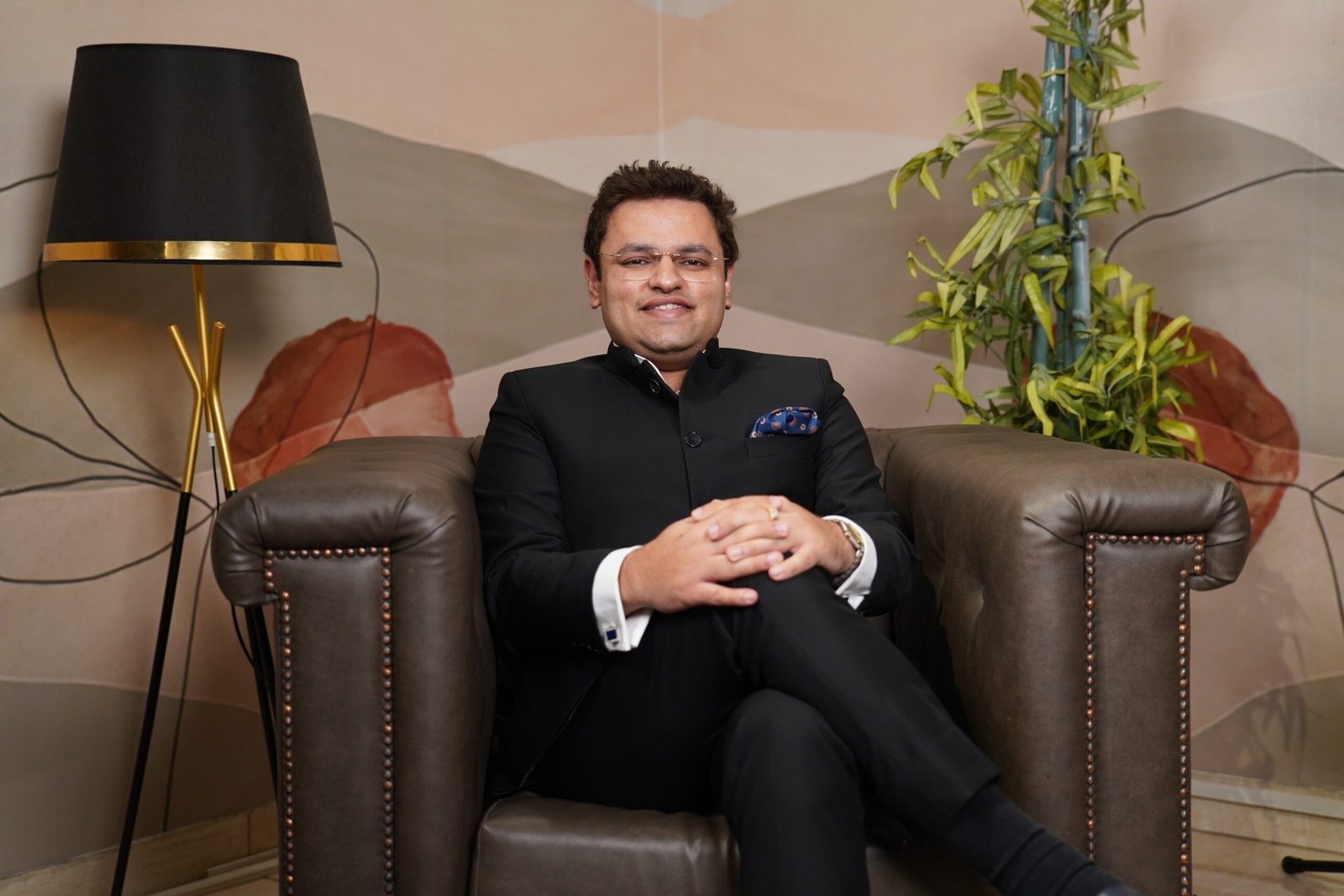
What inspired you to focus on vehicle retrofitment as a sustainable mobility solution, and what gap did you see in India’s transition towards cleaner transportation?
India’s clean mobility transition cannot rely solely on the adoption of new electric vehicles. While EV manufacturing is essential, there are already millions of petrol and diesel vehicles on Indian roads that still have significant usable life left but continue to contribute to emissions and fuel dependency. This is the gap we identified early on. The key question was: how do we enable existing vehicle owners, fleet operators, and small businesses to participate in the clean mobility transition without requiring immediate vehicle replacement?
Retrofitting came to our minds as a practical answer. By upgrading existing vehicles with cleaner hybrid or electric powertrain solutions, we can reduce emissions while saving the economic value of the vehicle. In a market like India, where affordability, asset utilisation, and livelihood mobility are critical, retrofitment is not just a technological solution it is an inclusive one.
At Folks Motor, our focus has been on developing retrofit technologies that make cleaner mobility accessible, scalable, and economically viable for real-world Indian operating conditions.
Much of the conversation around green mobility focuses on buying new electric vehicles. Why do you believe retrofitting existing petrol and diesel vehicles is an equally important part of the sustainability journey?
New EVs are extremely important, but they are only one part of the transition. In India, the reality is that many vehicle owners, fleet operators, and commercial users cannot immediately replace their existing vehicles because of high upfront costs, financing constraints, and business considerations.
This is where retrofitment becomes important. It provides a practical middle path by allowing existing petrol and diesel vehicles to be upgraded with cleaner technologies instead of being replaced entirely. This makes the transition to sustainable mobility more affordable and accessible for a wider range of users.
Retrofitment also accelerates decarbonisation by enabling action today rather than waiting for vehicles to reach the end of their lifecycle. Every responsibly converted vehicle helps reduce fuel consumption, lower emissions, and improve operating efficiency, particularly in high-use segments such as commercial fleets, taxis, and logistics vehicles.
We do not see EV manufacturing and retrofitment as competing approaches. They are complementary. While new EVs are shaping the future of mobility, retrofitment helps clean up the vehicles already on the road, making the transition faster, more inclusive, and more sustainable.
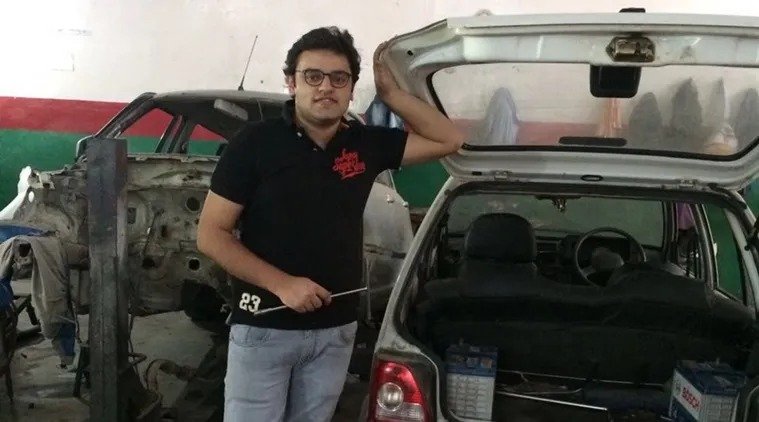
Extending the life of existing vehicles can significantly reduce waste and resource consumption. How does retrofitment support the principles of the circular economy?
Retrofitment is one of the most practical applications of the circular economy in mobility. A vehicle is not just an engine. It includes the chassis, body, interiors, wheels, suspension, electronics, and many other components that require significant material, energy, and capital to manufacture. When a vehicle is scrapped prematurely, a large amount of embedded value and embodied carbon is lost.
Through retrofitting, we can preserve those parts of the vehicle that are still serviceable, and replace or upgrade the part that contributes the most pollution, which is the powertrain. We can avoid wasting valuable components, postpone scrapping when it is not required, minimize consumption of fresh resources, and build a better resource-utilization-based mobility solution. Within the context of a nation like India, where cost-effectiveness is key, circularity has to go beyond a sustainability practice within corporations to be a business model. This is where the circular economy becomes truly scalable.
What have been the biggest technological and consumer adoption challenges in promoting hybrid and electric retrofitment solutions in India?
One of the biggest technological challenges in promoting hybrid and electric retrofitment solutions in India has been developing systems that can work reliably across a highly diverse vehicle ecosystem. Unlike new EV manufacturing, retrofitment does not begin with a standard platform. Every vehicle has unique mechanical, electrical, and structural characteristics, requiring solutions that are safe, adaptable, compliant, and capable of delivering consistent performance across different operating conditions.
Consumers on the other hand, depend on awareness and trust for the adoption of the technology. Vehicle owners naturally will have questions regarding safety, performance and the compliance of the technology to the regulations, servicing, and profitability among others. These questions are important, but the fact that there are many valid concerns about retrofitted vehicles like the necessity to avoid treating it as just another aftermarket activity.
Retrofitment should involve the use of certified technologies, skilled personnel, and a solid service network as well as financing options. In addition, the industry should have regulations governing the technology. At Folks Motor, we believe the adoption is driven by three factors which are technology, compliance, and consumer confidence.
As cities continue to battle air pollution and rising emissions, what role can retrofitment play in helping India achieve its environmental and climate goals?
Retrofitment can play a very important role, especially in urban areas where vehicular emissions are a major contributor to poor air quality. Cities like Delhi NCR are facing a serious pollution challenge. While long-term EV adoption is necessary, cities also need immediate and scalable solutions for the existing vehicle population. Retrofitment can help reduce tailpipe emissions from vehicles that are already operating on the road.
This becomes especially important in high utilization cases like commercial trucks, vans, delivery vehicles, taxis, and public transport auxiliary vehicles that use fuel for extended periods of time due to their extensive usage. Therefore, the benefit of retrofitting such vehicles is more substantial since the process enables reductions in fuel usage, increased energy efficiency, and lower emissions levels. The practice can therefore contribute to India’s wider environmental efforts as well as accelerate its transition towards sustainable mobility solutions.
For policymakers, retrofitment offers a practical and scalable solution alongside new EV adoption. Rather than relying solely on vehicle replacement, policymakers can support the transition through retrofitment-linked programs, xEV hubs, certified retrofitment centres, financing mechanisms, and fleet transition models. Such initiatives can help make clean mobility more affordable, inclusive, and faster to implement, particularly for businesses and operators that depend on existing vehicle assets.
Looking ahead, how do you envision the future of sustainable mobility, and what innovations do you believe will accelerate the shift towards cleaner transportation?
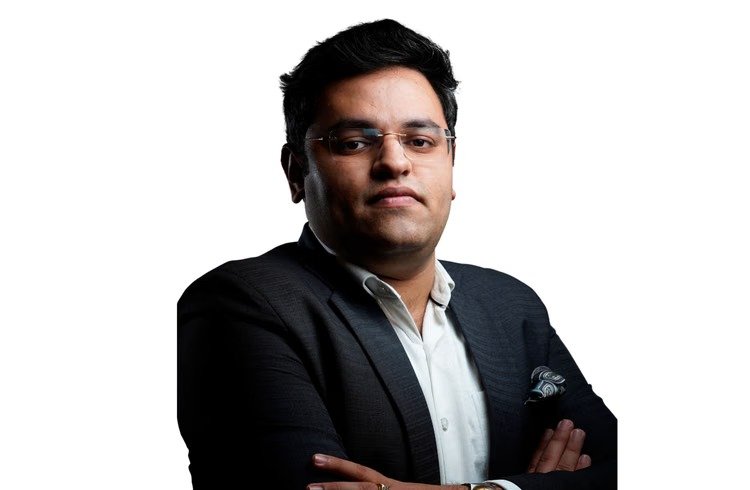
The future of sustainable mobility will not be built on a single technology. It will be driven by a combination of battery electric vehicles, hybrid systems, retrofitment solutions, clean fuels, connected mobility technologies, stronger charging infrastructure, innovative financing models, and circular manufacturing practices. For a country like India, the best approach will be one that’s affordable, works well on a large scale, made locally, and can handle all the different conditions that come with driving in a place like India.
Several innovations are expected to accelerate this transition. Modular xEV platforms can make electrification more adaptable across different vehicle categories. Another will be the use of artificial intelligence to bring diagnostic testing, fleet management, charging, financing, and even lifecycle support all together under one umbrella in an electrification-as-a-service model. The expansion of xEV hubs and certified retrofitment infrastructure will also be important in creating organised networks for vehicle conversion, maintenance, battery services, and fleet deployment. At the same time, greater localisation of batteries, motors, controllers, and power electronics will strengthen India’s clean mobility supply chain.
Sustainable mobility goes beyond the replacement of internal combustion engines; rather, it involves the complete overhaul of the mobility sector in terms of transportation systems, vehicles, financing, among others. Retrofitting will play a crucial role in decarbonizing the current fleet of vehicles and making sustainable transportation accessible to all.