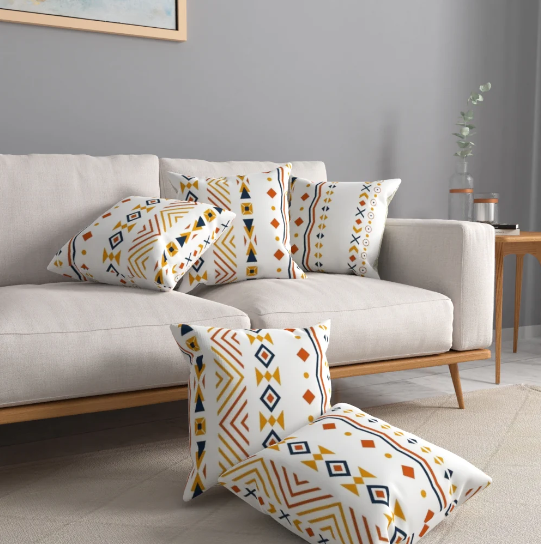
It’s chic, cozy and contemporary. Yes, we are talking about Urban Space, the home furnishing brand, that’s not only turning heads in the décor world, they are seamlessly weaving tradition with modern design to become a hot favorite among those who love stylish, sophisticated interiors. Co-founded by the visionary duo Rohit Agarwal and Radhika Koolwal, Urban Space – what started as a family venture has grown into a beloved online destination for décor enthusiasts.

As the festive season brings with it a wave of home makeovers and thoughtful gifting, Urban Space stands out with its ability to craft spaces that exude both elegance and festivity. In an exclusive conversation with TheGlitz, Rohit Agarwal shares the journey behind Urban Space’s success, and why their collection is the perfect fit for creating a home that’s festive, yet effortlessly chic.
The Urban Space Touch: Exclusive Conversation with Rohit Agarwal

From a family-run venture to a leading name in home furnishings, what has been the driving force behind Urban Space’s remarkable growth and success?
The driving force behind Urban Space’s growth has always been rooted in our commitment to delivering beautiful, high-quality home décor to a wider audience. As a family-run business with decades of experience in textiles and soft furnishings, we’ve been able to leverage our deep industry knowledge while maintaining a personal, hands-on approach.
Our ethos, “Everyone deserves a beautiful home,” has been central to our journey. Our growth has also been driven by a consistent commitment to customer satisfaction and innovation. From designing products that cater to a variety of tastes to offering exceptional value, we’ve focused on what truly matters to our customers: quality, affordability, and convenience.
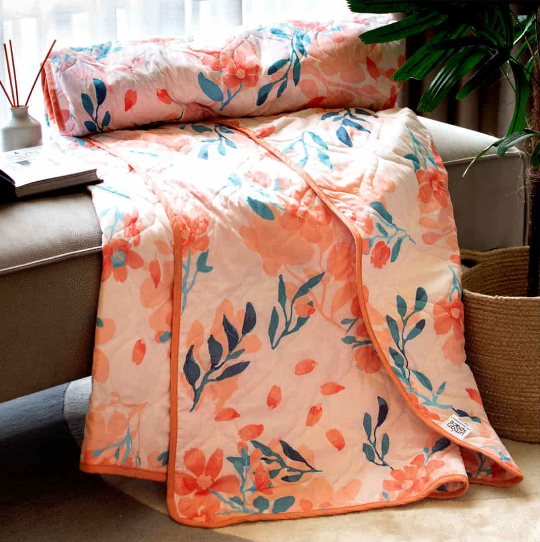
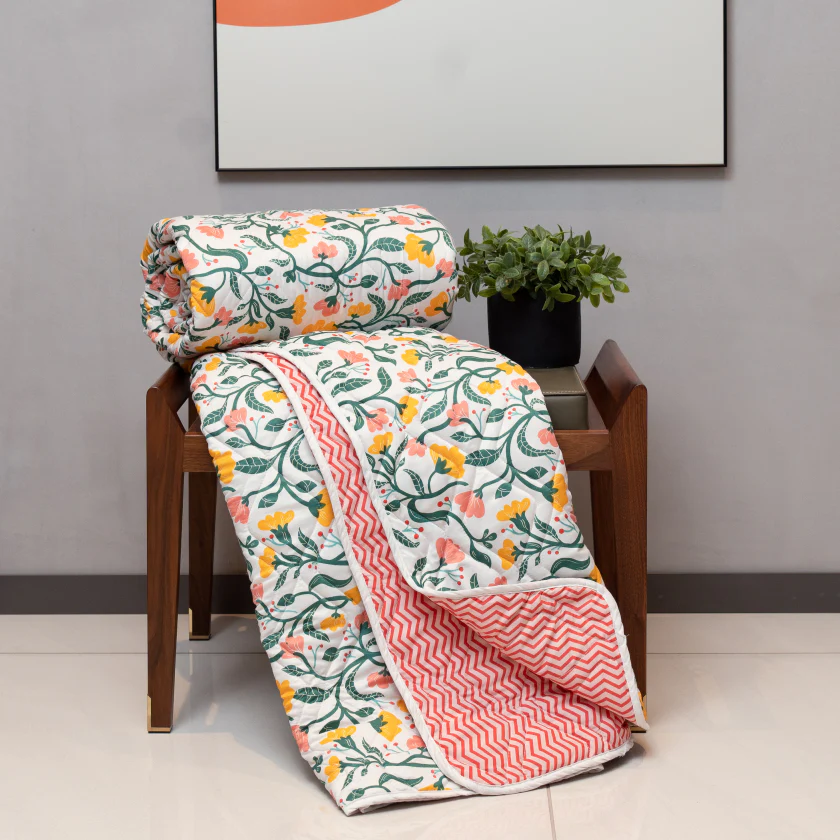
Urban Space is renowned for its stylish and high-quality decor. How do you curate the designs to ensure they cater to a variety of tastes while maintaining a cohesive and contemporary aesthetic?
At Urban Space, our design philosophy centers on a careful balance between versatility and brand identity. We start with a foundation of timeless elements in selection of our colors and motifs. styles from modern minimalist to industrial chic.
Each piece is selected not just for its individual appeal, but for its ability to complement our existing collections through carefully chosen materials, finishes, and design elements. This approach ensures that while customers can find pieces that match their unique taste preferences, everything maintains the sophisticated, contemporary aesthetic that Urban Space is known for…
Our designs focus on versatility, with neutral tones for flexibility and statement pieces that allow for personal expression. We carefully select fabrics and materials that combine beauty with durability, ensuring every piece not only looks great but stands the test of time.

What are some of the biggest challenges you faced in transitioning from a traditional business model to an online platform, and how did you overcome them?
Transitioning from a traditional business model to an online platform presented several challenges, but it was also an exciting opportunity to expand our reach and connect with customers directly. One of the key challenges was adapting our processes to meet the demands of B2C (business-to-consumer) sales, which required us to rethink everything from inventory management to customer service.
A significant part of overcoming this challenge involved training our backend team to understand the nuances of online retail. We had to equip them with the skills to handle digital orders, manage real-time stock updates, and provide seamless customer support — areas that were less of a focus in our traditional model.
Additionally, we invested in understanding the online customer experience, from website navigation to product presentation, ensuring that our digital presence was as inviting and user-friendly as the spaces we aim to help our customers create.
We also had to ensure that the quality of our products remained consistent despite the shift in sales channels. We worked closely with our suppliers and manufacturers to streamline our logistics and ensure that we maintained the same high standards of production while offering timely deliveries to our online customers.
Sustainability is becoming increasingly important in home decor. How does Urban Space incorporate sustainable practices into its products and operations?
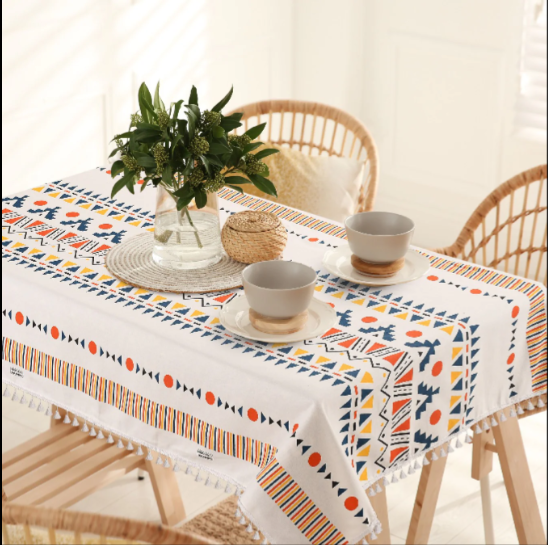
At Urban Space, sustainability is a core value that we incorporate into both our products and operations. We are committed to minimizing waste by repurposing fabric remnants from our production process. These offcuts are transformed into stylish and functional accessories, such as cushion covers, table runners, and other decorative items, ensuring that every piece of material is put to good use.
We also prioritize responsible resource management by avoiding overordering and using materials judiciously to minimize waste. This approach not only helps reduce our environmental footprint but also ensures that we are producing only what is necessary, avoiding excess inventory.
Additionally, we are mindful of our packaging choices, using eco-friendly materials wherever possible to further reduce our environmental impact. By integrating these sustainable practices, we aim to create beautiful, high-quality home décor while contributing to a more sustainable future.

What is your vision for the future of Urban Space, and what exciting new collections or innovations can your customers expect to see in the coming years?
Urban Space envisions becoming the go-to destination for distinctive home décor and soft furnishings that elevate everyday living. Our upcoming collections will showcase artisanal textiles sourced from craftsmen, introducing unique patterns and multiple fabrics that blend traditional techniques with modern design. We remain committed to helping our customers create beautiful, comfortable spaces that reflect both their personal style and our commitment to quality and consistency.