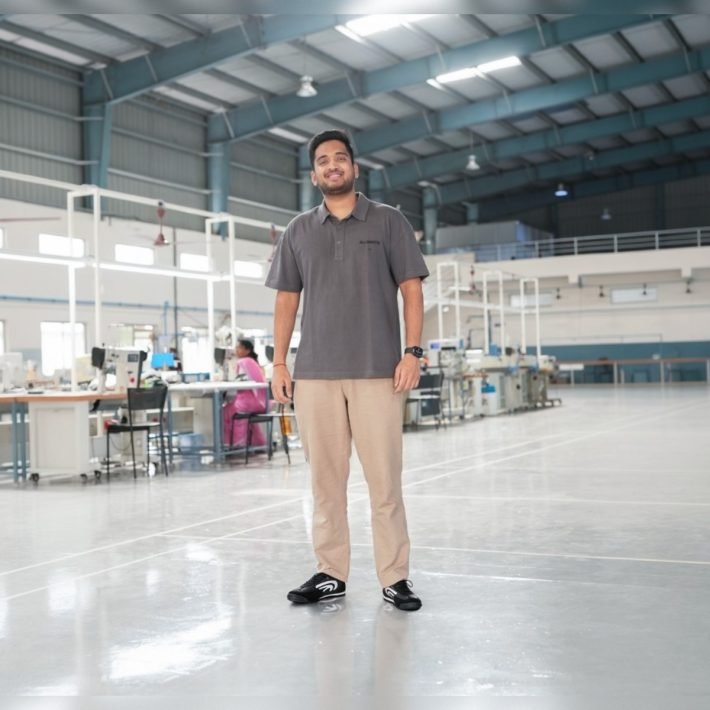
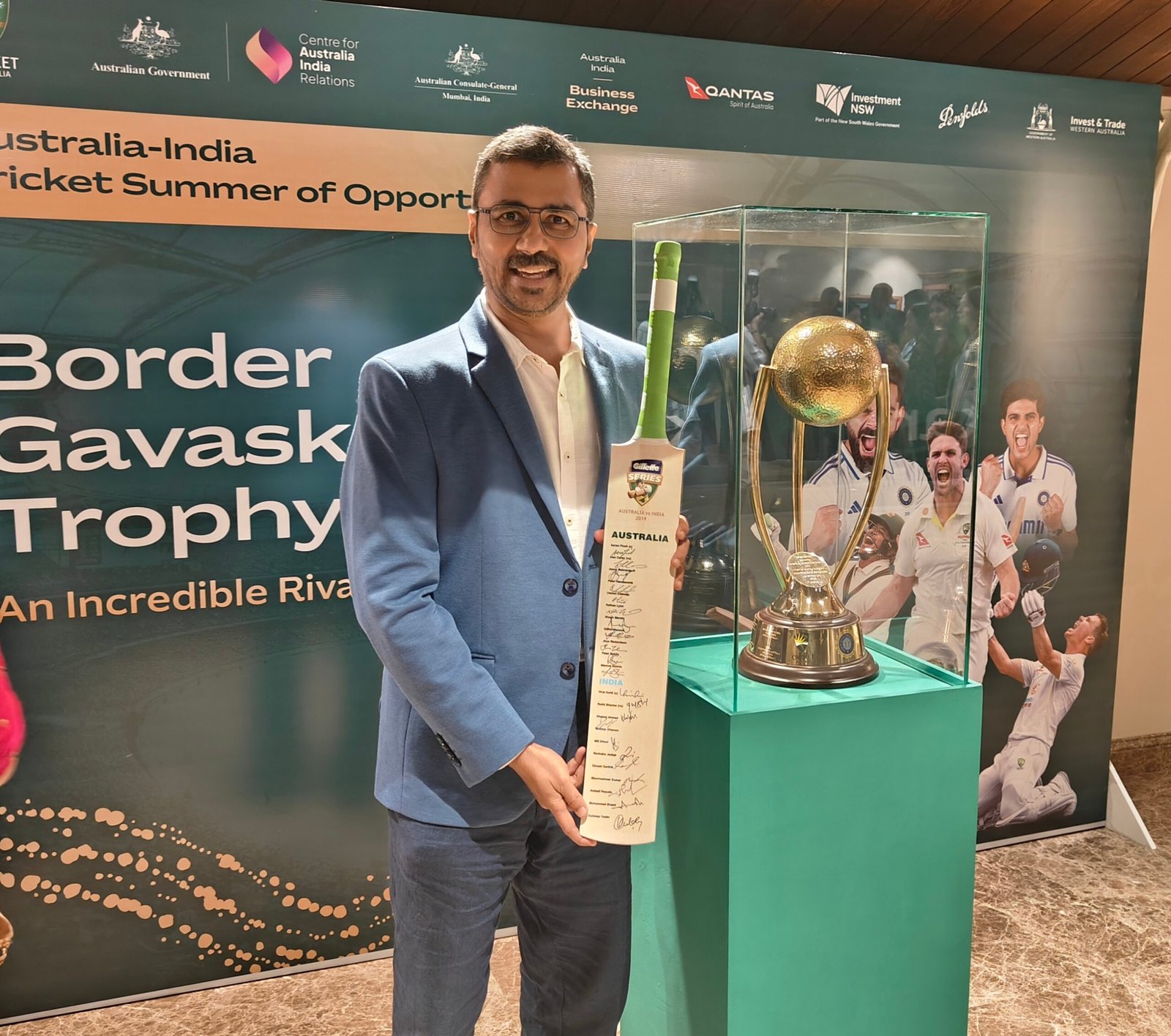
In a world where sports often seem dominated by the elite, the dynamic Jay Shah stands as a passionate advocate for grassroots sports, tirelessly working to make sports accessible and impactful at the community level. With a background in IT marketing, a certified yoga teacher, and the charismatic Co-founder of The Sports Gurukul, Jay’s vision has earned him recognition as one of India’s top 40 business innovators by The Economic Times. His journey is one of innovation, dedication, and a deep belief in sports as a powerful tool for personal and social transformation.
In his new book, My 22 Yards in the Last 22 Years, Jay takes readers through 22 insightful chapters… each one a yard in his journey… offering practical insights, personal experiences, and actionable strategies. This book is a call to action for parents to see sports as a viable career path for their children, urging them to embrace the potential of athletic careers.
Jay also inspires coaches to redefine their role, not just as mentors on the field, but as life coaches shaping young athletes both on and off the field. Moreover, Jay encourages corporations to invest their CSR funds in grassroots sports and community wellness, fostering a culture of growth and opportunity for the next generation of athletes.
In this exclusive interview with Sumita Chakraborty, Editor-in-chief and Founder, TheGlitz, Jay Shah shares how his initiatives and insights are reshaping the grassroots sports landscape in India and inspiring young minds to dream big.
Indeed, his work continues to empower not just athletes, but entire communities, proving that the power of sports can transcend the field and change lives. For those eager to dive deeper into his transformative journey, Jay’s book is now available on Amazon: My 22 Yards in the Last 22 Years.
Over To Jay Shah

Jay, Your book, My 22 Yards in the Last 22 Years, is not just a memoir but a call to action for parents, coaches, and corporations. What inspired you to focus so deeply on grassroots sports as a key to social change?

My journey in grassroots sports began with a deep belief that sports can truly transform lives and communities. Growing up, I saw firsthand how sports instilled discipline, teamwork, and resilience—even among youngsters with limited opportunities. Witnessing the poor conditions of urban sports facilities pushed me to address these foundational gaps, especially in schools. Grassroots sports, to me, form the bedrock of a healthier, more confident society. By creating access and resources at this level, we can bridge social inequalities and open doors for talented youth while also nurturing future leaders. Ultimately, my book challenges parents, coaches, and corporations to see sports as a powerful tool for social progress and making India a sports superpower by 2036.
You’ve divided your book into 22 “yards” or chapters, each offering practical insights. Can you share which “yard” resonates most with you personally and why?
Its Definitely Yard 3, titled “Thinking Out Of The Box (TOOB),” truly resonates with me because it embodies the spirit of innovation that has driven The Sports Gurukul’s foundation years. When schools lacked proper infrastructure, we transformed limited spaces into vibrant multi-sports hubs—setting up indoor chess and skating areas, outdoor badminton courts, and even a rooftop tennis court at Stree Mandal School, which some journalists even compared to Dubai’s Burj Khalifa helipad court.
When the monsoons hit, we shifted cricket training to Mumbai’s Juhu Beach, using lawn tennis rackets and lightweight balls to make practice both fun and safe. One memorable moment was launching Mini Cricket for children. These experiences that I created were to show people that constraints can fuel creativity, and that’s a philosophy that remains central to our mission at TSG.
The Sports Gurukul has become a significant force in reshaping how sports are taught in schools. What were some of the initial challenges you faced when you first launched the initiative in 2002?
When we first started in 2002, we faced a lot of skepticism. Schools saw sports as secondary to academics, and parents rarely considered it a viable career path. Many schools didn’t have proper grounds or coaches, and our very first cricket tournament was a failure. With a lot of trials and failures, TSG was finally shaping as a business model, and the validation happened when we got recognized as one of the game-changing business ideas for India in 2010.
While I was thinking about how to scale, my friend and a seasoned investment banker, Paresh Kothari, joined me, and together we shaped The Sports Gurukul what it is today. His background in investment banking brought much-needed strategic rigor. Together, we secured our first round of funding from private investors -the Ajmera group and refined the entire game plan into a scalable business idea and together shaped what TSG is today since the last 12 years.
Post-COVID, we had tremendous challenges, but with our joint efforts, we pivoted to a hybrid academy model that balanced grassroots impact with sustainability, proving that blending idealism with business acumen can overcome even systemic barriers. In that way, we mitigated many challenges in our journey.
In your journey, how do you balance entrepreneurship with social welfare, and how can others in business effectively merge these two worlds?
For me, the Sports Gurukul has been my passion, and the same is true for Paresh. We balance entrepreneurship with social welfare by aligning purpose with profit. While generating revenue is essential for sustaining our initiatives, the real measure of success lies in the social impact we create. I believe that by identifying a clear social problem and designing market-driven solutions, entrepreneurs can merge these two worlds effectively. Staying true to the mission, reinvesting in the cause, and forming partnerships with NGOs, governments, and corporations are key steps in creating lasting, positive change.

You emphasize the importance of seeing sports as a viable career path for children. What advice would you give to parents who may still view sports as just an extracurricular activity rather than a potential profession?
Parents need to recognize that sports offer far more than just physical activity—they’re a gateway to holistic development and viable career paths. Beyond producing professional athletes, the sports ecosystem offers diverse opportunities in coaching, sports science, management, and media. Nurturing your child’s natural talent in sports builds essential life skills like focus, resilience, and teamwork, skills that are valuable in any career. By supporting their passion early on and without bias, you open up possibilities for them to unlock their true potential and succeed in various fields.
Coaches play a pivotal role in shaping young athletes. How do you think the role of coaches in India needs to evolve, and what steps can be taken to foster this change?
Coaches in India must evolve from traditional training methods to adopt a more holistic, modern approach. It’s not enough to focus solely on physical training; coaches should also prioritize mental well-being, sports science, and overall personal development.
Creating an environment where athletes feel supported both on and off the field is critical. To bring about this change, we need to invest in structured training and certification programs, introduce mentorship initiatives where experienced coaches guide newcomers, and emphasize soft skills like communication and empathy. Additionally, better policies with improved remuneration and clear career progression are essential to make coaching a more attractive and sustainable profession.
Your book encourages corporations to invest in grassroots sports. How can CSR funds be effectively channeled to create a lasting impact on community wellness and youth development?
CSR funds can be a game-changer when focused on building infrastructure and enhancing accessibility to sports. Corporations should target underdeveloped regions by sponsoring community sports programs, organizing tournaments, and providing scholarships for talented youngsters. Effective deployment of CSR funds involves building community sports facilities, funding coach development programs, and forging partnerships with schools to integrate structured sports education into their curriculums.
Additionally, investing in talent identification programs that scout and support young athletes—especially from marginalized communities—ensures that these initiatives are sustainable and impactful. Collaborative efforts among corporations, NGOs, and government bodies can amplify these benefits and create a lasting legacy in community wellness and youth development.
You’ve received notable recognition for your contributions, such as the Karamveer Chakra and a spot in the Global Fellowship Hall of Fame. How have these honours shaped your perspective on your work and its larger societal impact?
Receiving honors like the Rex Karamveer Chakra Global Fellowship recognition has been incredibly humbling. These accolades serve as a constant reminder of the responsibility to drive meaningful change through sports. This recognition has inspired me to scale our initiatives further and take on even more ambitious projects, reinforcing my belief in the power of grassroots sports to uplift communities and nurture socially conscious leaders.