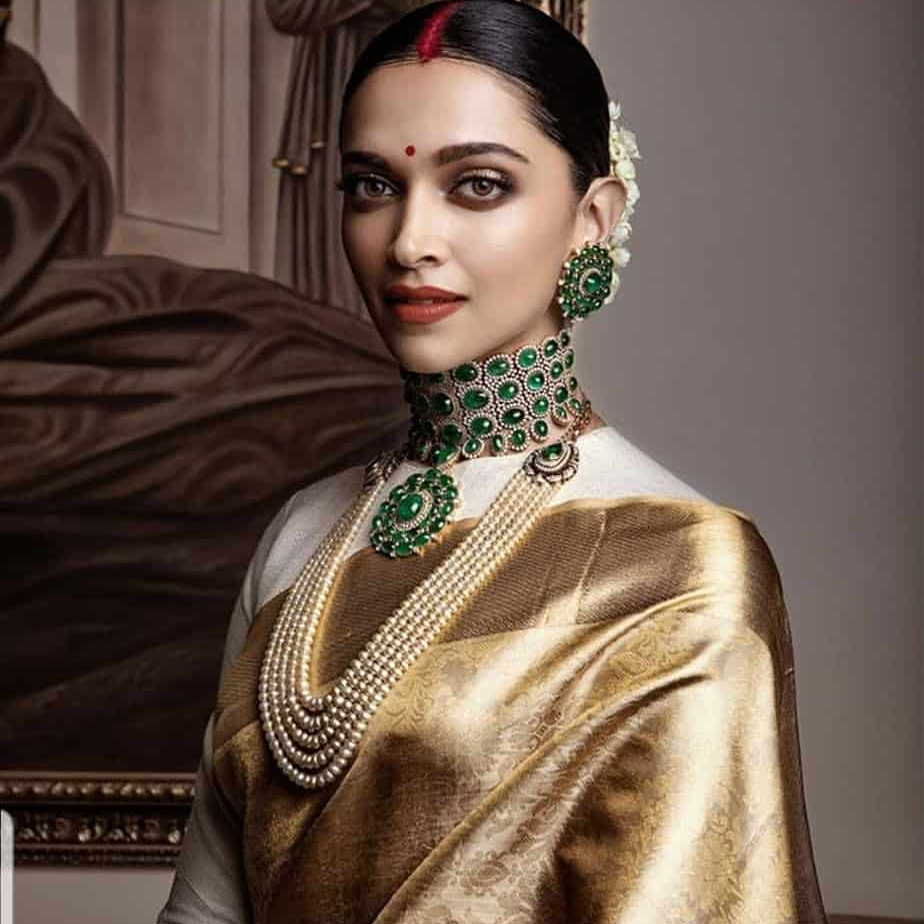
Saris more expensive than diamonds
In the super stylish realm of haute couture, India has always had an edge… not with gowns, but with the sari. …Six stunning yards that have draped queens, goddesses, and red-carpet royalty. But among India’s countless weaves lie a handful of lost or fading crafts that are rarer than diamonds and almost as expensive. These saris aren’t just fashion, they’re investments, heritage, and a brush with immortality. Sumita Chakraborty, Editor-in-chief, TheGlitz, unravel 10 of India’s most coveted drapes. Read on…
1. Kanjeevaram: The South’s Couture Gold
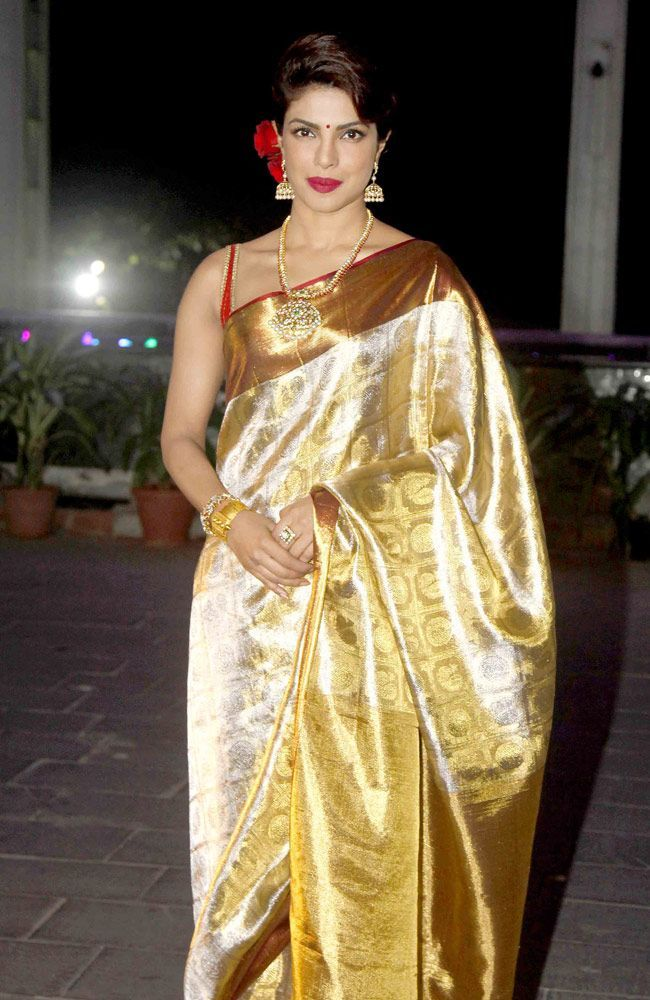
Think temple borders, molten zari, and drama fit for a diva. Authentic Kanjeevarams with pure gold thread are nearly impossible to find now… which makes them as coveted as a Birkin. In fact, brides still queue up for them. You do get mixed varieties of Kanjeevaram which are expensive but the truly vintage ones? Priceless.
2. Paithani: Peacock Royale
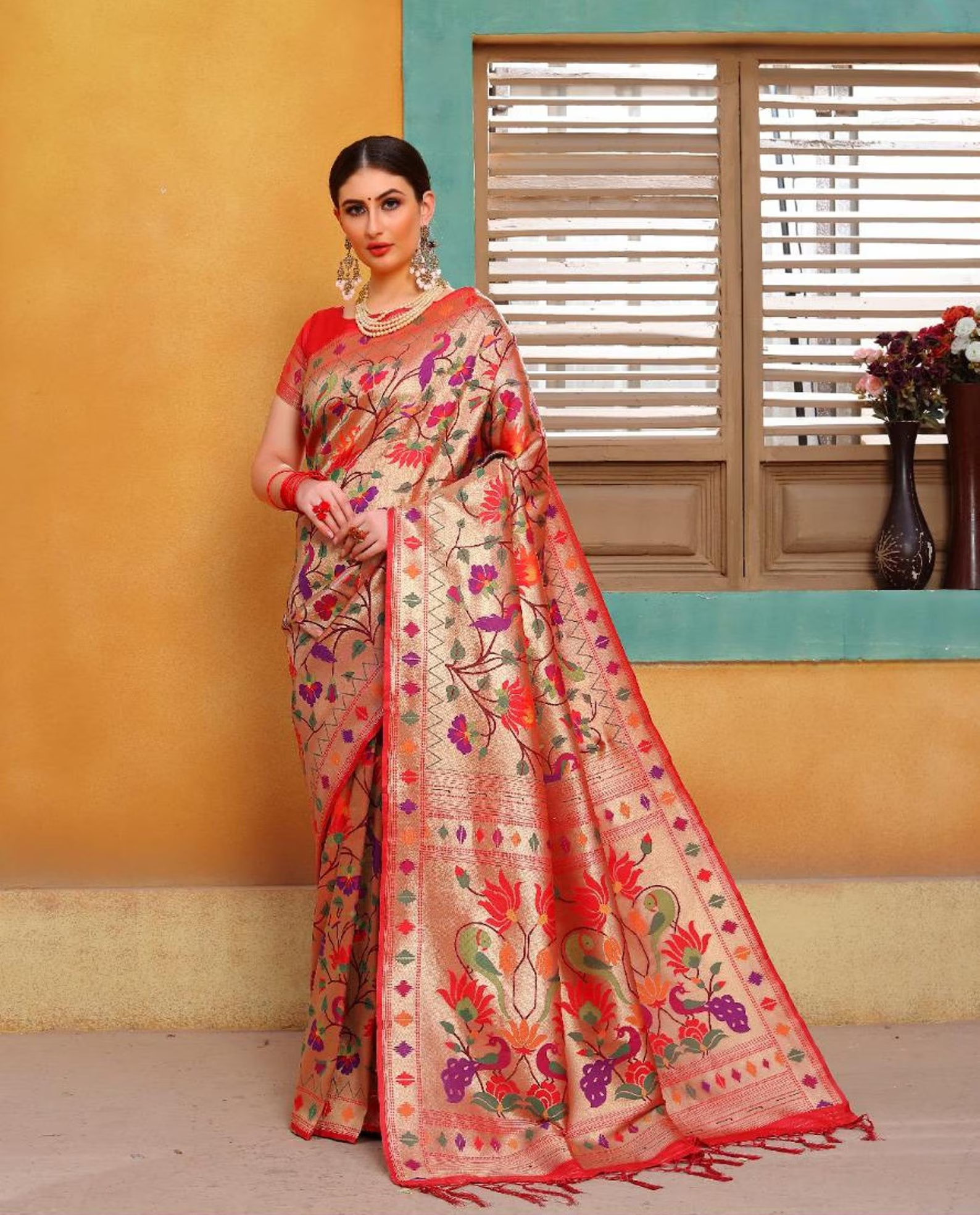
From Maharashtra, Paithanis are pure silk canvases where peacocks dance in shimmering gold. Woven painstakingly by hand, they’re often passed down as heirlooms. Today, an authentic Paithani is less a sari, more a jewel.
3. Patan Patola: The Year-Long Wonder
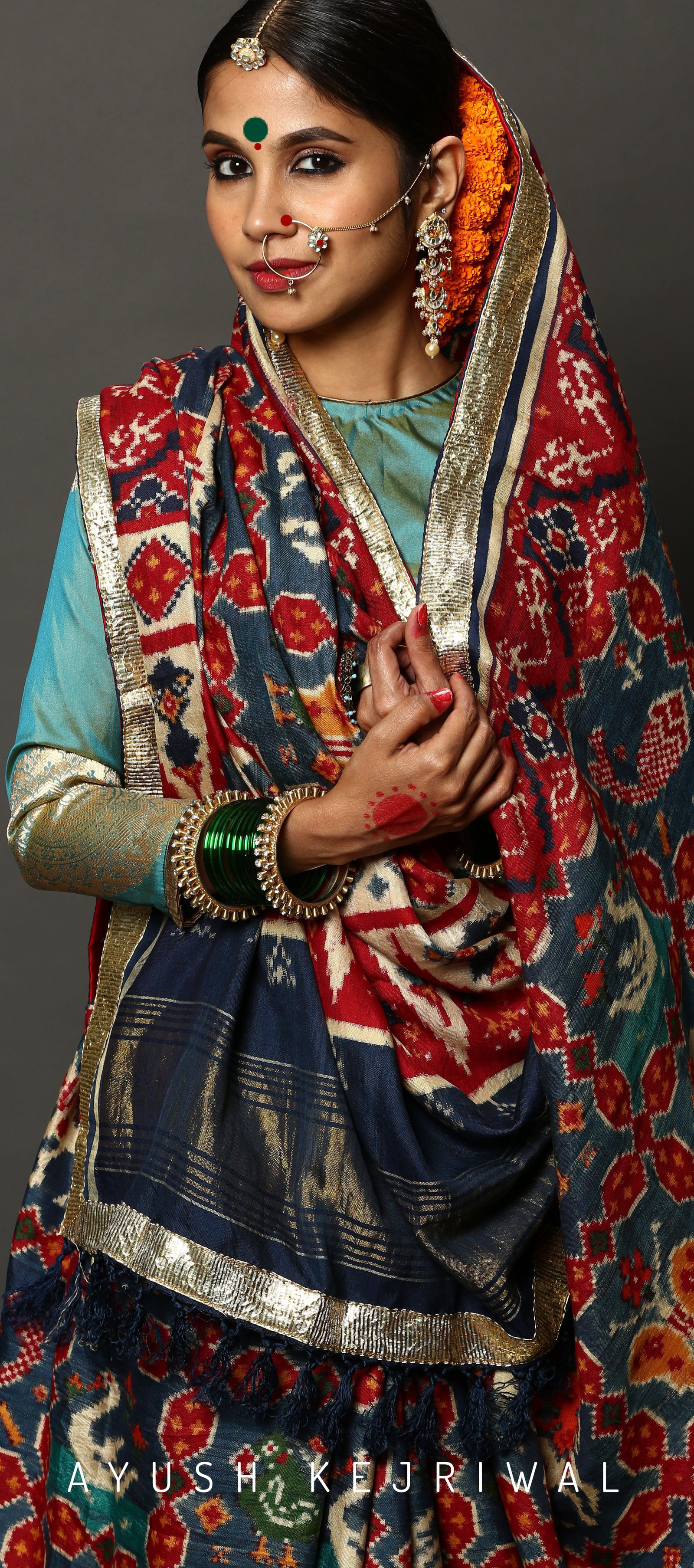
Made only in Patan, Gujarat, the double ikat Patola takes nearly a year to create…with each thread dyed before weaving. No two are ever identical, and their exclusivity has made them the Louboutins of the sari world.
4. Banarasi Jangla: Jungle Luxe
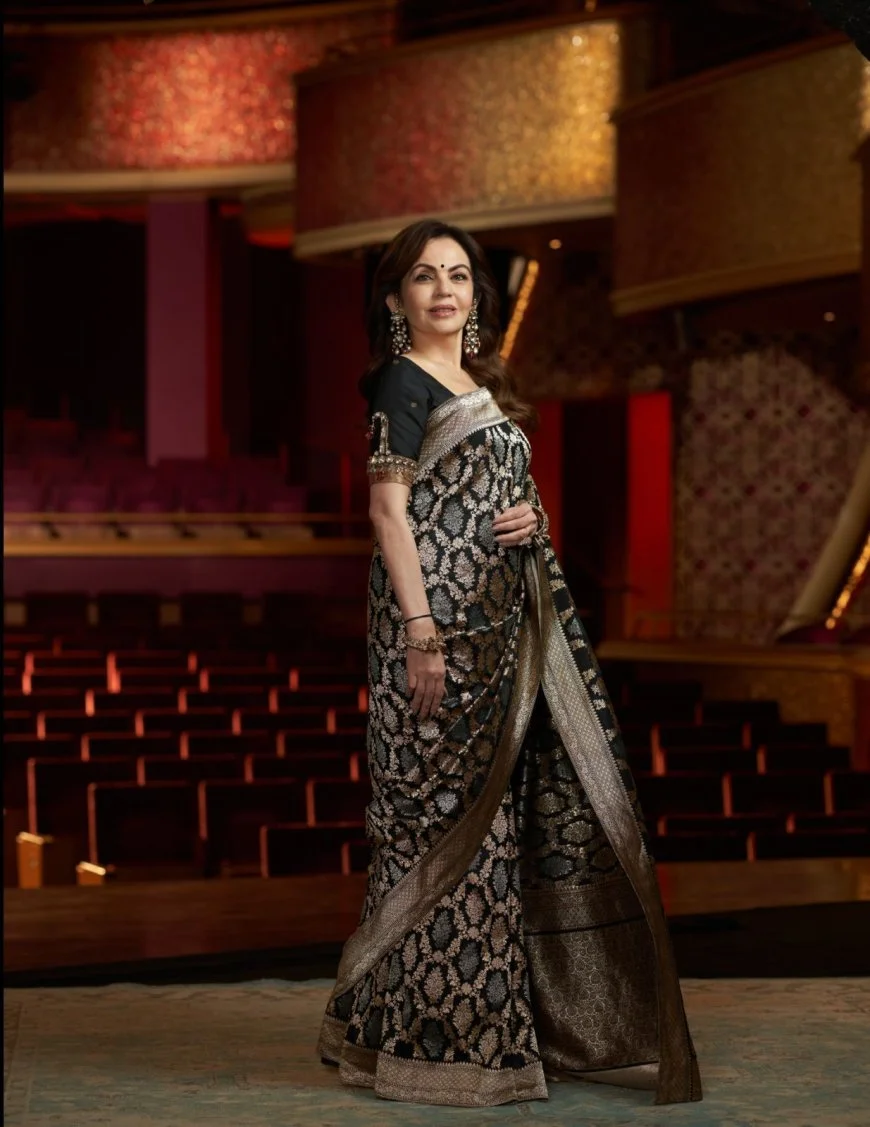
Everyone knows Banarasi saris. But the elusive Jangla variety, with its wild jungle motifs woven in real zari, is couture-level rare. If you spot one, prepare to spend what you’d pay for a Chanel gown.
5. Baluchari: Myth on a Pallu
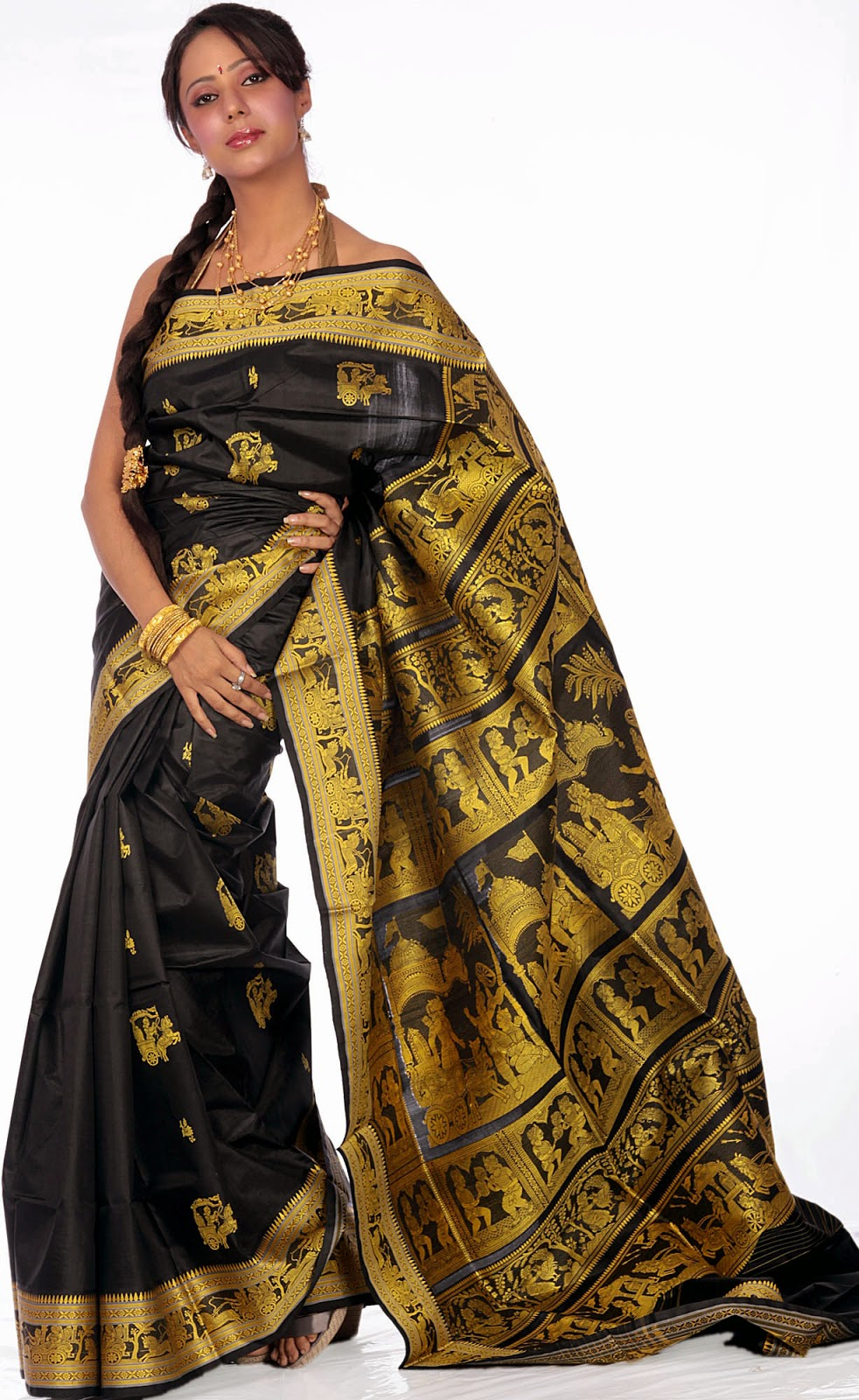
Born in Bengal, Baluchari saris tell tales from the Ramayana and Mahabharata right on their pallus. Once woven with pure silk and real zari, originals are nearly extinct. Today, they’re treasured like rare manuscripts.
6. Jamdani: Woven Air
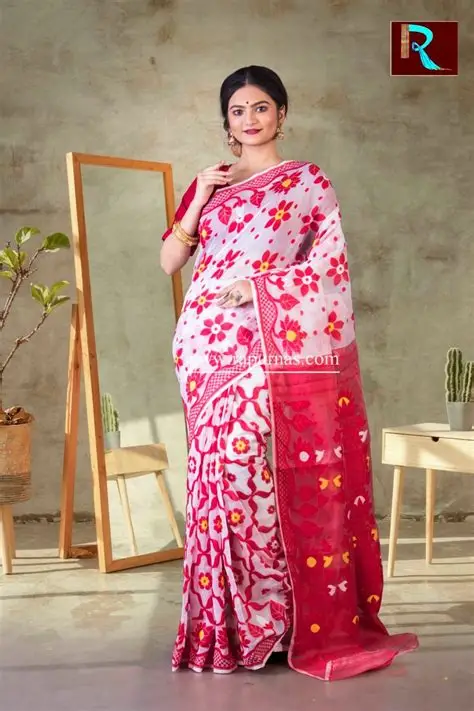
The Mughal emperor’s favourite, Jamdani was so fine, it was said a whole sari could pass through a ring. Handwoven motifs float on diaphanous muslin, and authentic Jamdanis are so rare now that they’re practically couture relics.
7. Kota Doria: Golden Checks of Rajasthan
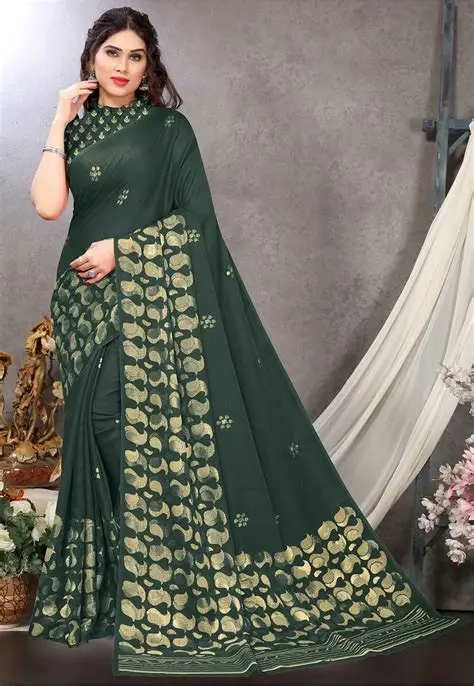
Light as a dream, Kota Doria saris were once made with gold threads forming delicate checks. The gold-threaded originals are rare finds now… and when they surface, they’re priced like Cartier jewels.
8. Uppada: Weave of the Royals
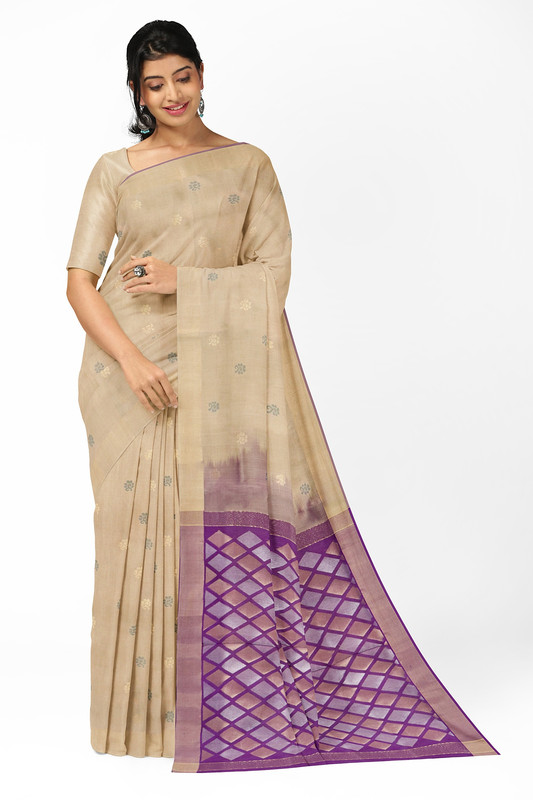
The Uppada Jamdani from Andhra Pradesh is known for its intricacy, motifs are inserted without mechanical help. Painstakingly luxurious, genuine silk Uppadas with pure zari can cost several lakhs, making them modern-day heirloom buys.
9. Kantha: Million Stitches of Love
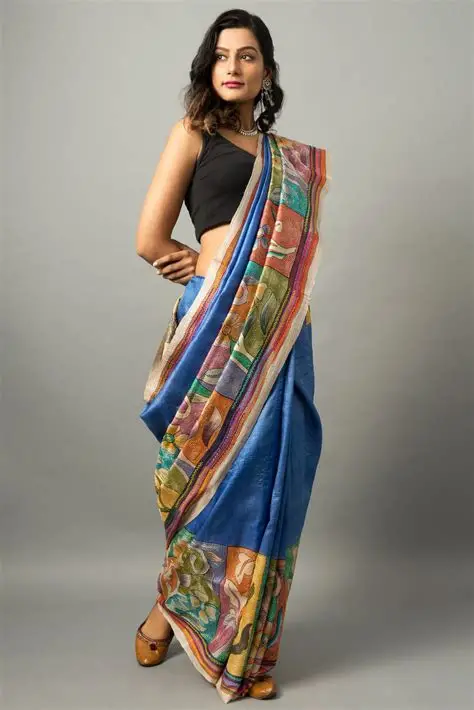
From Bengal again, Kantha saris are embroidered entirely by hand, sometimes with millions of tiny stitches. A single sari can take years to finish. Vintage Kanthas fetch jaw-dropping sums at auctions, collected as wearable art.
10. Kasavu: Kerala’s White Gold
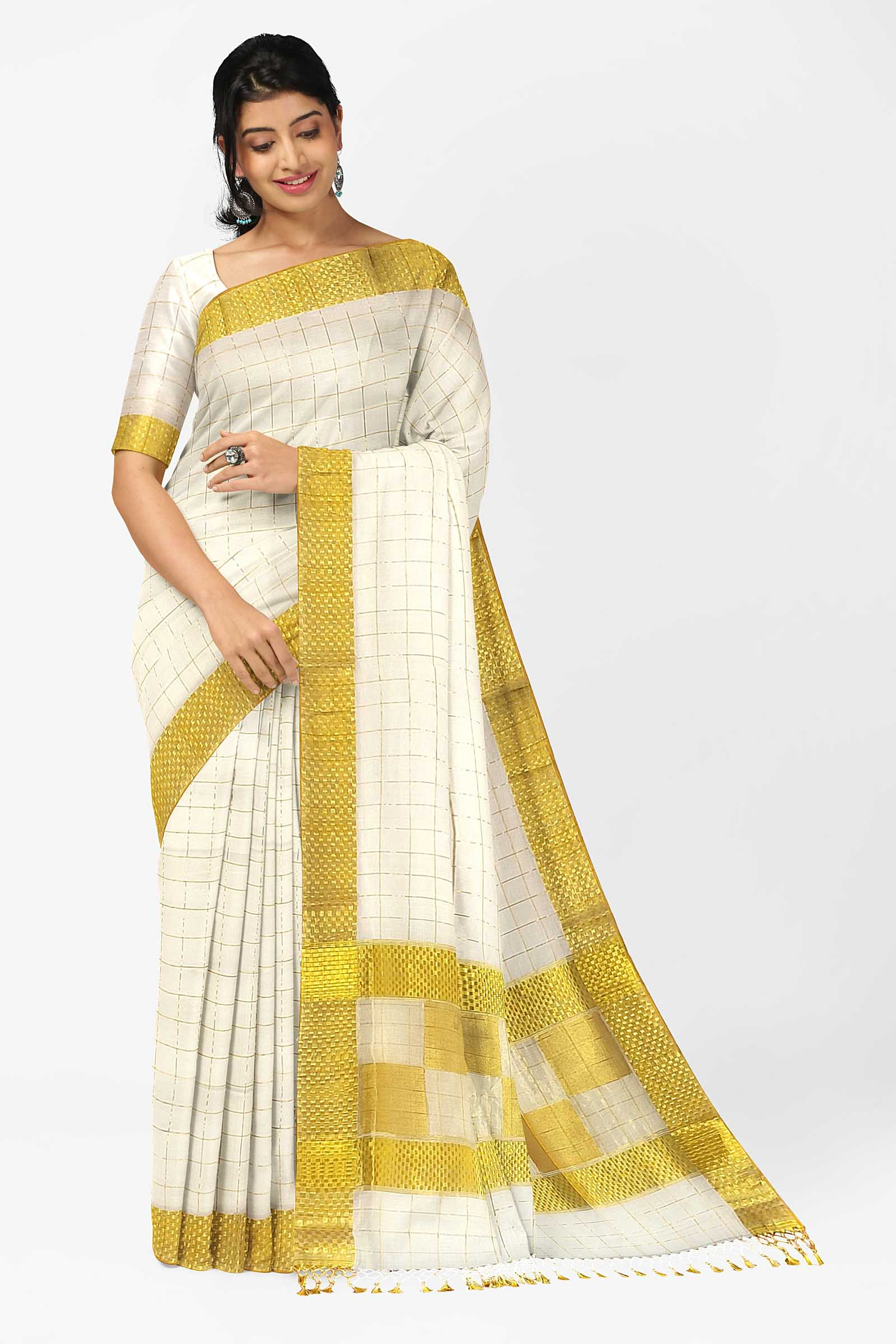
Minimalist yet regal, the Kasavu sari is Kerala’s calling card. The traditional white with real gold border is rarely woven today but the few originals that survive are as iconic as a Cartier Panthère watch.
TheGlitz Adds Ajrakh – Indigo Inked Luxury
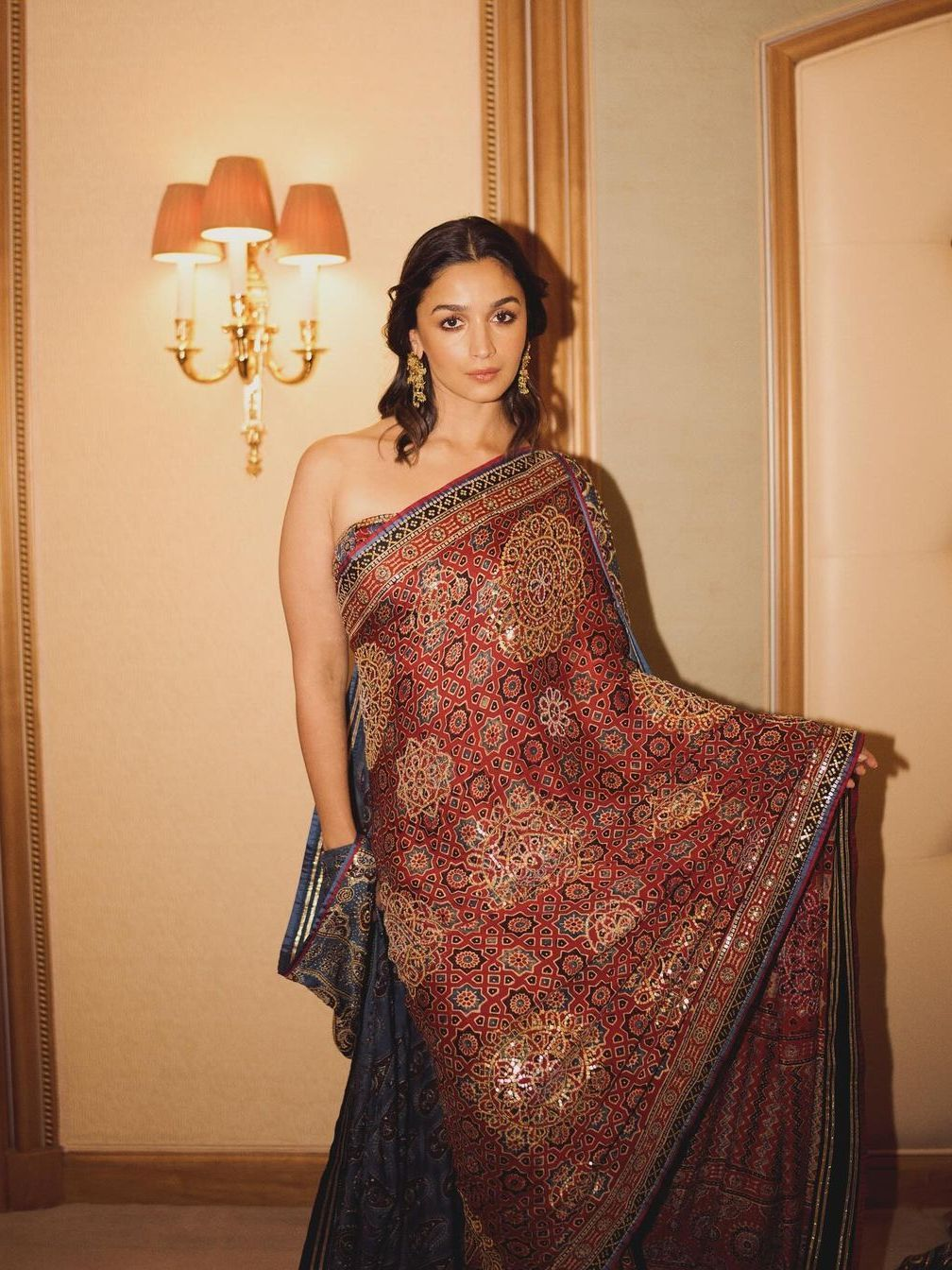
Though not a sari weave, Ajrakh deserves a place in any couture conversation. This 16-step hand block printing art from Kutch and Sindh uses natural dyes and centuries-old wooden blocks to create mesmerizing symmetrical patterns, often in deep indigo and madder red. Once worn by nomadic communities, Ajrakh has now been revived on contemporary silks and organzas by designers like Abraham & Thakore and Anavila. Paired with chunky silver or minimalist styling, Ajrakh saris straddle heritage and high fashion with effortless ease.
The Price of Heritage
Why are these saris so expensive? …Because they marry rarity with heritage. Each piece is handwoven over months, sometimes years, often by the last surviving masters of the craft. In a fashion world obsessed with “fast,” these saris whisper “forever.”
They’re not just six yards of fabric. They’re couture legacies, works of art, and timeless investments. And like all true luxuries — their value only rises with time.
Celebrities Bringing Them Back
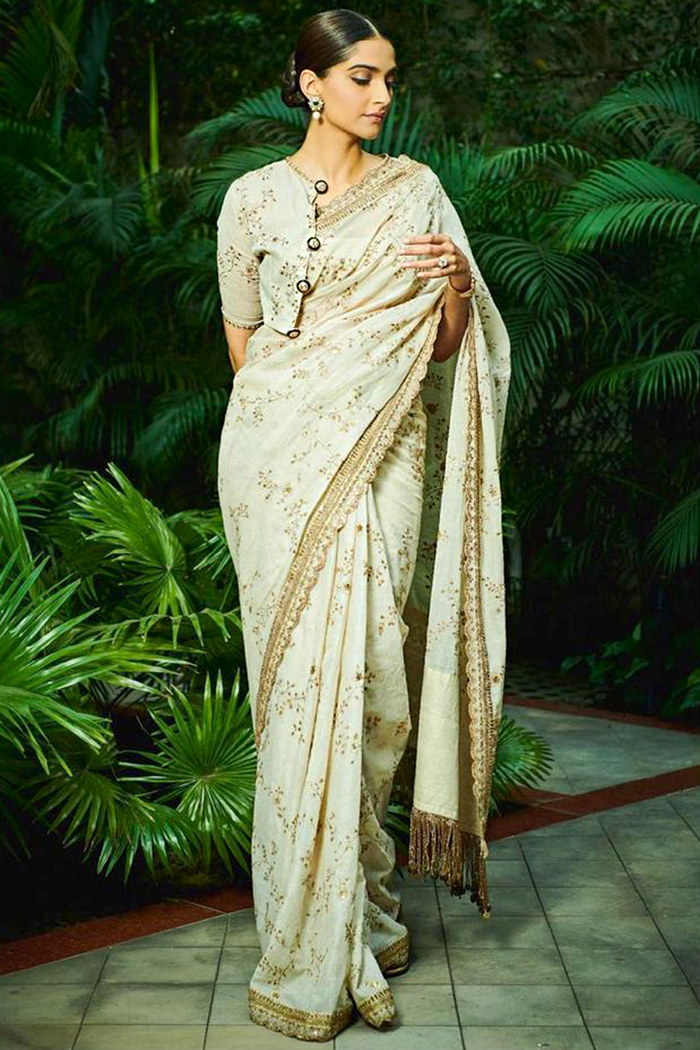
The sari revival isn’t just happening in craft clusters… it’s happening on red carpets, weddings, and global stages. Celebrities are giving these heritage pieces a glamorous comeback:
- Deepika Padukone has draped stunning Kanjeevarams at her wedding and Cannes, proving their bridal and international appeal.
- Vidya Balan is practically the modern face of the handloom movement, championing Balucharis, Jamdanis, and Kanjeevarams with minimal styling.
- Priyanka Chopra Jonas turned heads in a red Banarasi at her wedding, spotlighting Varanasi’s finest.
- Kareena Kapoor Khan has been spotted in rich Paithanis, styled with statement chokers for a royal look.
- Sonam Kapoor Ahuja, a fashion risk-taker, wore a Patan Patola at a global fashion event, blending heritage with high fashion.
- Alia Bhatt recently wore a pristine Kasavu sari for a temple visit, making the white-and-gold drape look ethereal yet modern.