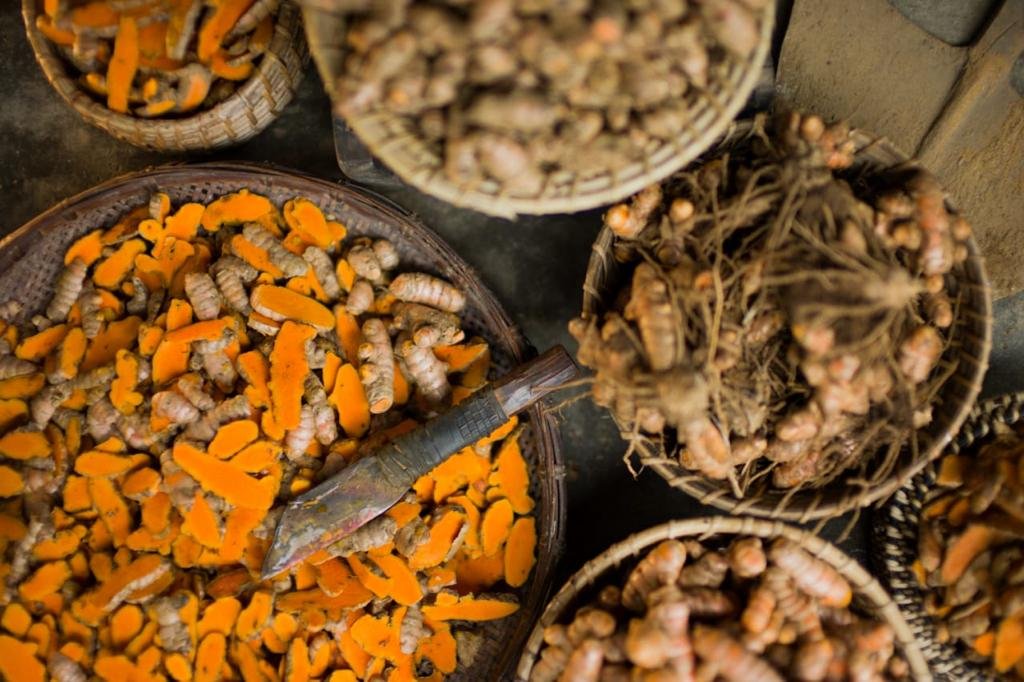
The Meghalaya Spice Event in Mumbai (January 30–February 1, 2026) unfolds as a deeply sensorial celebration of the state’s indigenous spices, soulful cuisine, exquisite Eri silk, and immersive tourism experiences… bringing the mystical and magical spirit of Meghalaya to the heart of Mumbai city. From fragrant turmeric and ginger nurtured on pristine hill slopes to time-honoured recipes and sustainable textiles, every element weaves a story of land, legacy, and mindful living at this immersive event.
Designed as an exclusive B2B and B2C platform, the Meghalaya Spice Event creates meaningful conversations between farmers, artisans, chefs, entrepreneurs, buyers, and global stakeholders. With the presence of dignitaries, industry leaders, VIPs, and international consulates, the showcase reflects Meghalaya’s growing stature on the national and global stage… rooted in authenticity yet looking confidently toward the future.
Set against the dynamic backdrop of Mumbai, this three-day celebration is a confluence of agriculture, culture, and tourism, spotlighting sustainable livelihoods, indigenous knowledge, and eco-conscious luxury. It is a reminder that true luxury today lies in truly purity, provenance, and purpose.
Date: 30th January – 1st February
Time: 1:00 PM – 10:00 PM
Venue: Jio World Drive, South Sky, BKC
Spotlighting the Meghalaya Spice Event, Sumita Chakraborty, Founder & Editor-in-chief, TheGlitz engaged in in-depth conversations with key architects behind this vision… Saloni Verma, IAS, Additional CEO of MEGNOLIA, representing a new wave of women-led governance driving inclusive growth; and Mr. Maqbool Lyngdoh Suiam, Chief Administrative Officer, MEGNOLIA, whose decades of leadership have strengthened organic farming, food processing, and sustainable agri-value chains across Meghalaya.
In Conversation with Saloni Verma, IAS
The Mind and Soul Behind the Meghalaya Spice Festival
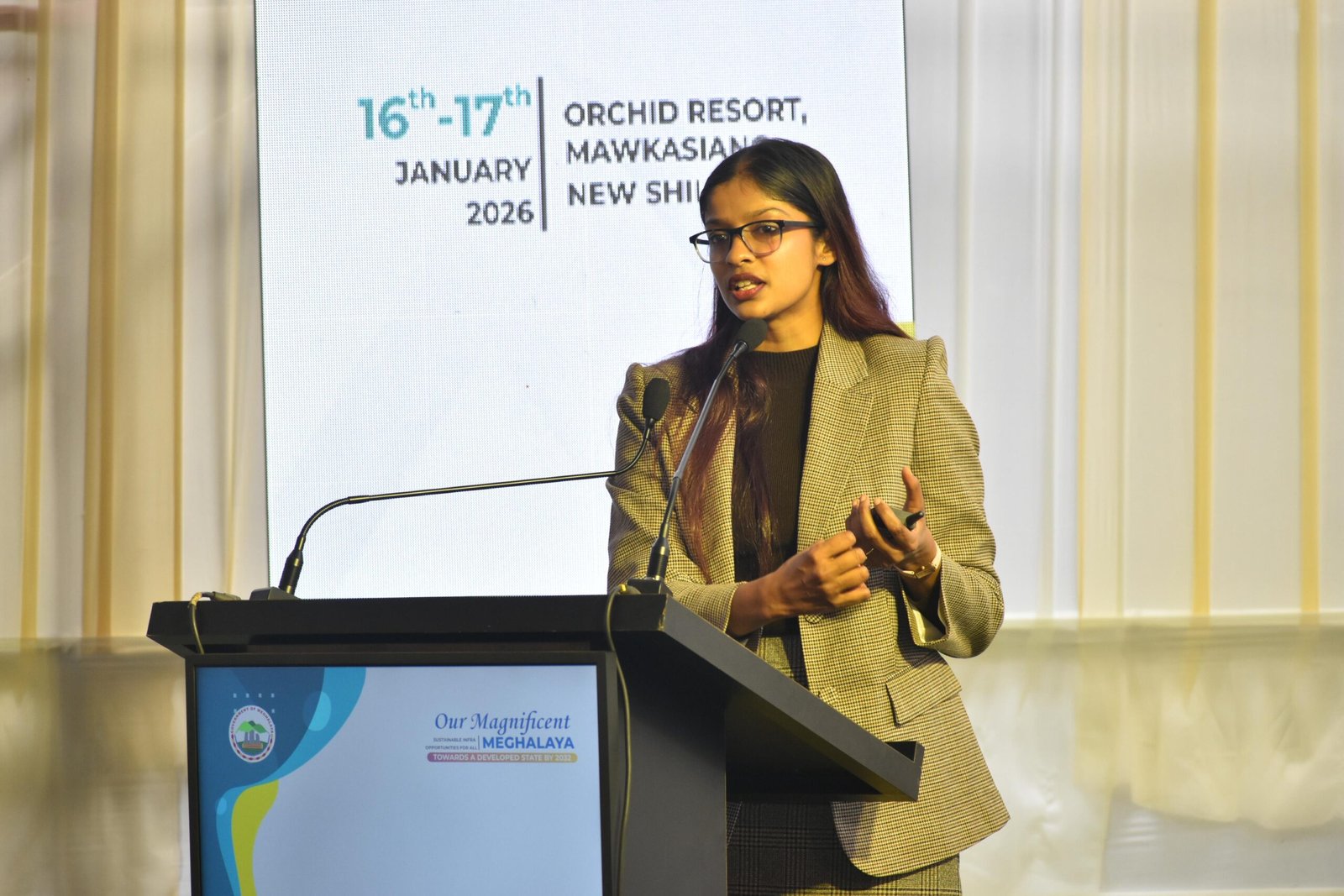
Young in years yet powerful in purpose, Saloni Verma, IAS (2021 batch) embodies the rise of women leaders who are redefining governance in India… not through volume, but through vision. An English Literature graduate from Hindu College, Delhi University, she brings to public service a rare blend of intellectual depth, emotional intelligence, and narrative clarity.
In a landscape where leadership roles are still being reshaped by women, Saloni stands tall, holding multiple strategic portfolios with poise and precision. She currently serves as Additional CEO of MEGNOLIA, Director of Food, Civil Supplies and Consumer Affairs, CEO of Shillong Smart City, Deputy Secretary in the Agriculture Department, and Executive Director of PRIME and MBMA… roles that place this dynamic young woman at the intersection of policy, people, and progress.
What sets her apart is her ability to lead with empathy while delivering impact. From strengthening organic and agri-based value chains to enabling women entrepreneurs, SHGs, and youth-led enterprises, her leadership reflects a deep commitment to inclusion and empowerment. She champions ecosystems where women are not just beneficiaries of policy, but drivers of economic and social transformation.
In Meghalaya, a state rooted in community, culture, and resilience, Saloni Verma represents a new leadership narrative: one where women lead with confidence, compassion, and conviction, shaping futures that are sustainable, equitable, and enduring.
Over To Saloni Verma
An exclusive conversation with Saloni Verma; Interviewed by Sumita Chakraborty
Sumita Chakraborty: Saloni, the Meghalaya Spice Festival in Mumbai has already created a buzz. Many are calling it your brainchild. What sparked the idea behind this initiative?
Saloni Verma: That’s very kind, but I must clarify… it’s actually the vision of our Honourable Chief Minister of Meghalaya. He has a strong aspiration that products from Meghalaya across sectors, especially agriculture, reach the right markets. The Meghalaya Spice Festival is part of a larger, coordinated effort to connect our farmers and producers with buyers who can truly scale their impact. We already have initiatives like the Pineapple Festival in Delhi, and similar efforts across wine, fisheries, and agri-produce. Our role as officers is to do justice to this vision and help execute it effectively.
Sumita Chakraborty: At such a young age, you hold multiple responsibilities… from Shillong Smart City to Agriculture and MEGNOLIA. How do you manage it all?
Saloni Verma: Honestly, I think it’s less about me and more about the ecosystem. I appeared for the UPSC exam soon after graduation and was fortunate to clear it early. I joined the service at 24, and it’s been about four-and-a-half years now. The Meghalaya government genuinely trusts young officers with responsibility, and that culture makes a huge difference. There are many capable young officers… what matters is the support system that allows us to contribute meaningfully.
Sumita Chakraborty: You spoke earlier about connecting smart infrastructure with agri-tourism. How are spice trails, farm visits, and culinary tourism being integrated into Meghalaya’s development plans?
Saloni Verma: No sector can work in isolation. Agriculture has immense tourism potential. Under organic farming initiatives, we’re working towards creating “organic villages”… one in each district, where communities are fully empowered to decide how they want to develop. A great example is Mawlynnong, which has become a global brand as Asia’s cleanest village.
On the infrastructure side, tourism brings sustainability challenges… waste management, carrying capacity, environmental pressure. Through Shillong Smart City, we’re installing smart bins, using bamboo extensively in construction, and retrofitting infrastructure to be more eco-friendly. These are early steps, but sustainability is central to our planning.
Sumita Chakraborty: Why was Mumbai chosen as the destination for the Spice Festival, and what is the larger goal of bringing Meghalaya here?
Saloni Verma: Mumbai and Maharashtra are among the biggest agri-markets in the country… not just in terms of consumers, but serious buyers and agri-business stakeholders. The goal is to strengthen the agri supply chain… logistics, value addition, price discovery, demand expansion, and product-market fit.
Beyond agriculture, the larger vision is to bring Meghalaya into mainstream national discourse. Under Vision 2032, our Chief Minister aims to place Meghalaya among the top 10 states across key indicators. Events like this help ensure the right visibility, focus, and partnerships for the state.
Sumita Chakraborty: Meghalaya is increasingly seen as a quiet luxury destination rooted in nature and slow travel. How do you promote tourism without over-commercialising it?
Saloni Verma: Tourists essentially look for three things… good stays, meaningful experiences, and great food. Instead of indiscriminate hotel construction, we are strongly promoting homestays. The idea is for every village to have premium, world-class homestays that offer comfort while keeping experiences local and authentic.
That said, we also now have two operational five-star hotels… something Meghalaya didn’t have earlier… and four more in the pipeline, all with sustainability-focused building codes.
On experiences, we’re creating walk-in experiential centres and museums so that even visitors who may not trek or hike can still enjoy an enriching, anthropological experience of the state.
Sumita Chakraborty: Through PRIME and MBMA, how are women, SHGs, and tribal communities being supported to move from raw produce to branded products and tourism-linked enterprises?
Saloni Verma: PRIME (Promotion and Incubation of Market-driven Enterprises) was launched in 2020 with a strong focus on decentralised entrepreneurship. We support everyone from rural households to urban entrepreneurs.
Meghalaya is a matrilineal society, and women naturally take leadership roles. Nearly 50% of our beneficiaries are women, without any formal reservation. We support them through funding connections, business plans, product-market assessments, and mentoring. It’s a community-driven model rather than a top-down one.
Sumita Chakraborty: With your background in English literature, how important is storytelling in governance today, especially when presenting Meghalaya’s spices, landscapes, and indigenous culture to the world?
Saloni Verma: Storytelling is everything today. With shrinking attention spans and endless choices for consumers and investors alike, products can’t be pushed… they have to be felt.
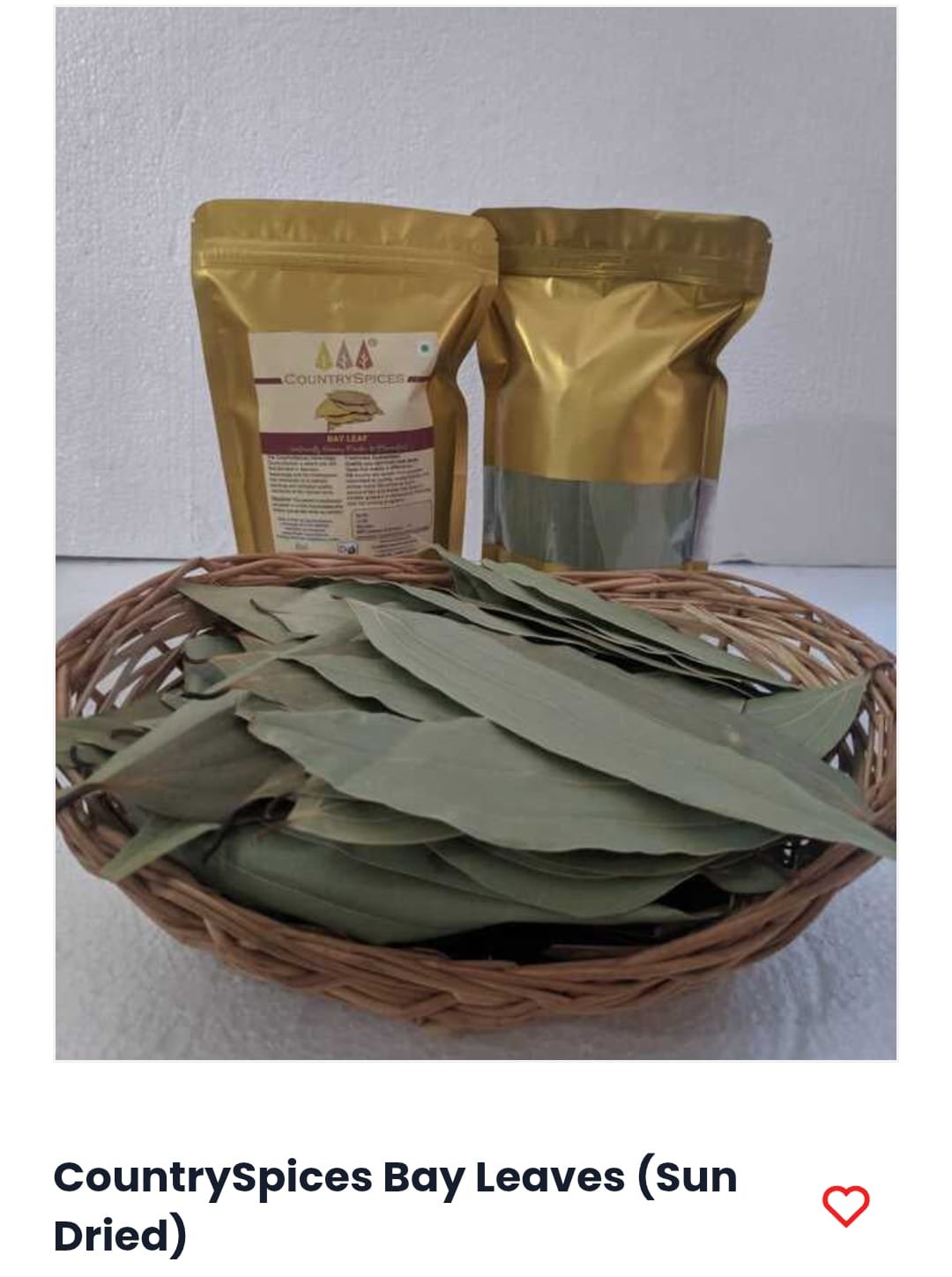
When people understand the labour, love, and cultural context behind something like Lakadong turmeric or black pepper… the stories of our kongs (women farmers)… a deeper emotional connection form. That demand creation is essential. Even smaller players can disrupt bigger ones if they tell their story well and connect authentically.
Meghalaya Brings Its Spice Legacy to Mumbai
Over To Mr. Maqbool Lyngdoh Suiam
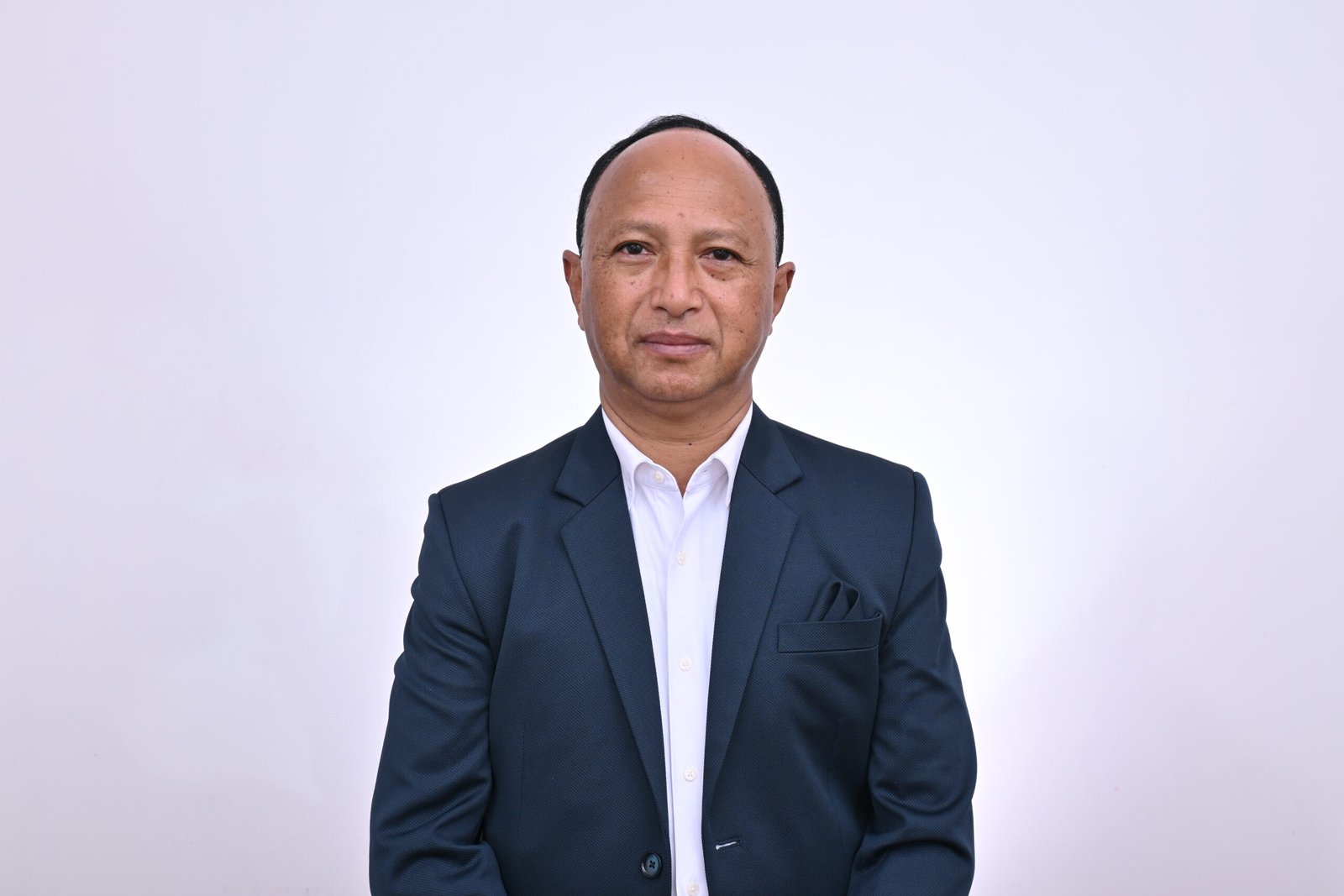
A quiet force behind Meghalaya’s organic revolution, the very dynamic Mr. Maqbool Lyngdoh Suiam, Chief Administrative Officer of MEGNOLIA, is a leader whose work has steadily shaped the state’s agricultural and rural enterprise landscape for over three decades.
With more than 30 years of dedicated service in the Government of Meghalaya, Mr. Suiam brings with him not just administrative experience, but deep-rooted wisdom, an understanding of land, people, and indigenous practices that can only come from years of working closely with farming communities. His leadership has been instrumental in advancing organic farming, horticulture development, and food processing, placing Meghalaya firmly on India’s map as a source of high-quality, chemical-free produce.
What truly defines Mr. Suiam’s journey is his ability to bridge policy with practice. From institutional development to nurturing rural enterprises, he has consistently championed value addition, farmer-led growth, and sustainable agri-value chains, ensuring that progress reaches the grassroots while preserving the state’s rich ecological and cultural heritage.
Under his stewardship at MEGNOLIA, organic agriculture has become not just a mandate, but a mission. One that empowers farmers, strengthens livelihoods, and positions Meghalaya as a future-forward, sustainability-led state.
Today, as Meghalaya’s indigenous spices and organic produce step into the national spotlight, Mr. Maqbool Lyngdoh Suiam stands as a steadfast architect of this transformation, leading with integrity, foresight, and an unwavering commitment to inclusive growth.
An exclusive conversation with Mr. Maqbool, Senior Agricultural Leader, Government of Meghalaya; Interviewed by Sumita Chakraborty
Sumita Chakraborty: As Meghalaya brings its Spice Event to Mumbai, how do you see this initiative strengthening the state’s agri–value chain while also protecting traditional farming knowledge?
Mr. Maqbool: Thank you for talking to me, Sumita. Let me first congratulate the entire team behind this event. This is the first time Meghalaya is bringing such a large-scale spice showcase to Mumbai, and it is truly special for us.
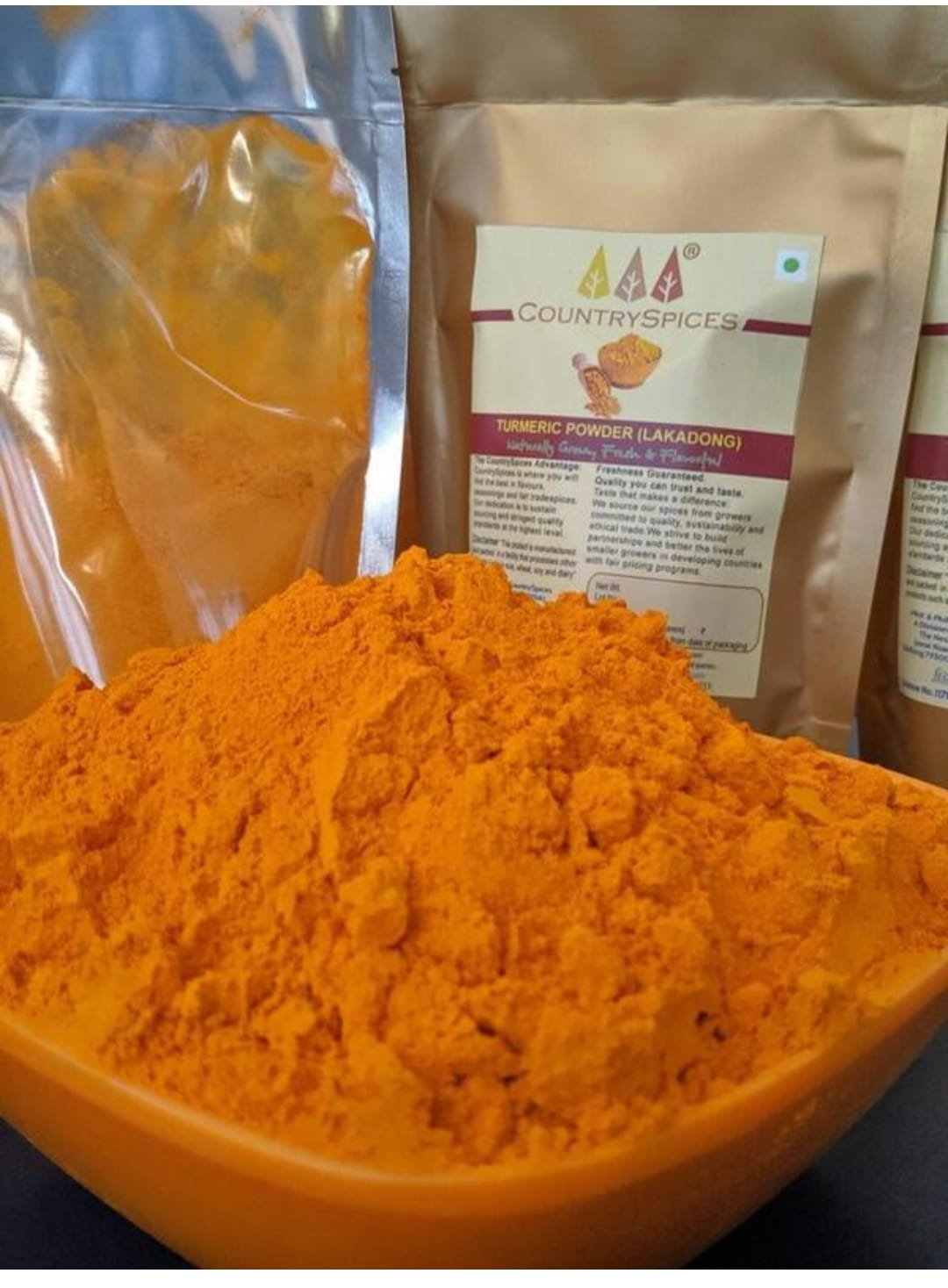
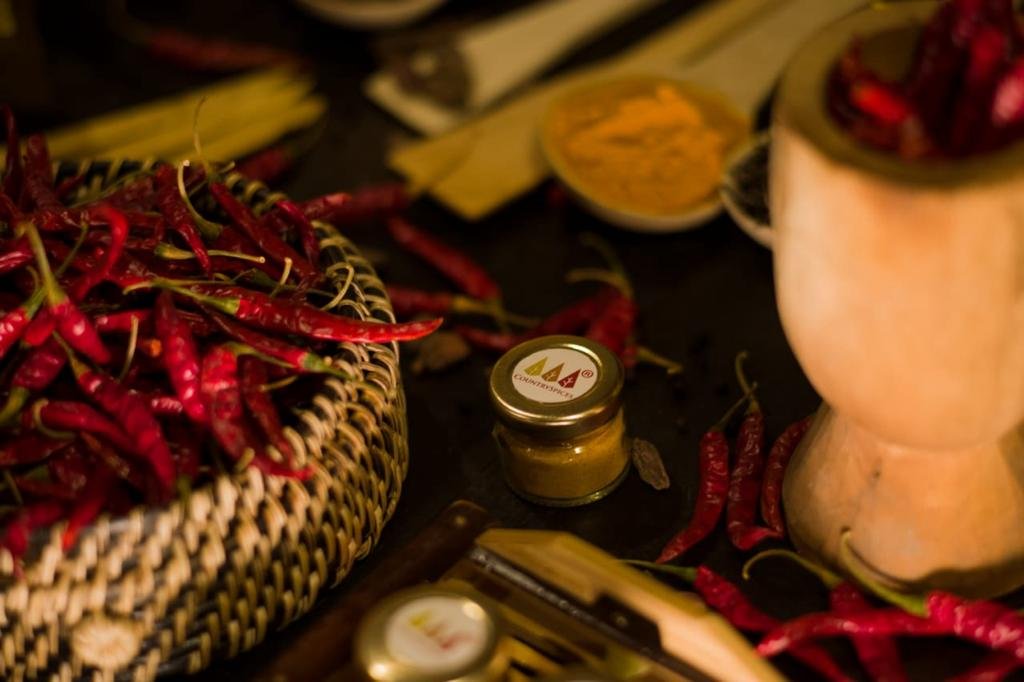
Meghalaya is blessed with exceptionally high-quality organic spices… most notably our turmeric, which has one of the highest curcumin contents, along with ginger, black pepper, and several indigenous varieties. These spices will be showcased at the Mumbai event scheduled from 30th January to 1st February.
What makes Meghalaya unique is that organic farming is not a trend for us, it is our tradition. Our farmers have practised chemical-free agriculture for generations. Through platforms like this event, we aim to strengthen the agri–value chain by connecting farmers, SHGs, FPOs, and cooperatives directly with buyers, marketers, and industry leaders. This ensures better income while preserving indigenous knowledge systems.
Sumita Chakraborty: Meghalaya has long championed organic and chemical-free farming. How does the government plan to push this philosophy further, especially in markets like Mumbai?
Mr. Maqbool: For us, organic farming is not a certification, it is a way of life. Our forefathers practised natural farming over a hundred years ago, and we are simply building on that legacy.
The Government of Meghalaya has launched a mission-mode programme to bring one lakh hectares under organic cultivation by 2028. Considering that our total cultivable land is around three lakh hectares, this is a significant and ambitious step.
This mission goes beyond spices. It includes fruits, horticulture crops, and other indigenous produce. Our goal is to position Meghalaya as a trusted source of premium organic produce, not just for export markets, but also for discerning domestic consumers. Mumbai is a key gateway for this outreach, and through industry interactions and media support, we hope to build long-term market linkages.
Sumita Chakraborty: From an administrative perspective, how important are platforms like the Meghalaya Spice Event in creating sustainable income opportunities for farmers, artisans, and entrepreneurs?
Mr. Maqbool: Such platforms are extremely important. Today, chefs and culinary professionals are already experimenting with Meghalaya’s turmeric and ginger, recognising both their flavour and health benefits.
Events like this allow us to brand Meghalaya not only as a spice hub but as a holistic destination, known for its organic produce, rich biodiversity, and cultural depth. This also creates opportunities for local entrepreneurs, SHGs, and FPOs to enter premium markets.
Additionally, Meghalaya is known for much more… tourism, music, and being the Rock Capital of India. All of these elements come together to create a strong, aspirational identity that benefits local communities economically.
Sumita Chakraborty: Meghalaya’s ginger is widely regarded as exceptional. How do you plan to promote native spices to a city like Mumbai, where consumers may not yet be familiar with certain flavours?
Mr. Maqbool: Ginger has been grown in Meghalaya for generations, and we still cultivate traditional local varieties with immense potential. One such variety is Nadia, which is truly unique.
We are working closely with research institutions and national boards to improve cultivation practices while preserving indigenous strains. Beyond culinary uses, our ginger has significant pharmaceutical and wellness value.
At the Mumbai event, visitors will be able to see, experience, and understand these spices firsthand. There will be live interactions, culinary demonstrations, and product showcases to help consumers connect with these flavours in a meaningful way.
Sumita Chakraborty: Looking ahead, can Mumbaikars expect more such initiatives… spice trails, farm-to-table experiences, or future showcases from Meghalaya?
Mr. Maqbool: Absolutely. We have previously participated in major platforms such as World Food India, trade fairs in Delhi, and international exhibitions. However, this is our first major engagement in Mumbai and western India.
The response we receive here will shape future initiatives. The government has dedicated spice missions focused on turmeric, ginger, pepper, and other crops, with a clear goal to double farmer incomes and production in the next three to four years.
We are keen to collaborate with industry leaders, investors, and global buyers. If this event creates the momentum we expect, Mumbai will certainly see many more Meghalaya-led initiatives in the future… possibly across Gujarat and other western states as well.
Sumita Chakraborty: Thank you so much, Mr. Maqbool. This conversation has been truly insightful. We look forward to experiencing the flavours, stories, and spirit of Meghalaya here in Mumbai.
Mr. Maqbool: Thank you, Sumita. We deeply appreciate the support of the media and all those helping us showcase Meghalaya to the world. This is just the beginning.
…So go ahead… Step in. Savour the flavours. Discover the stories. Experience Meghalaya at the Meghalaya Spice Festival… where every spice whispers a legacy.