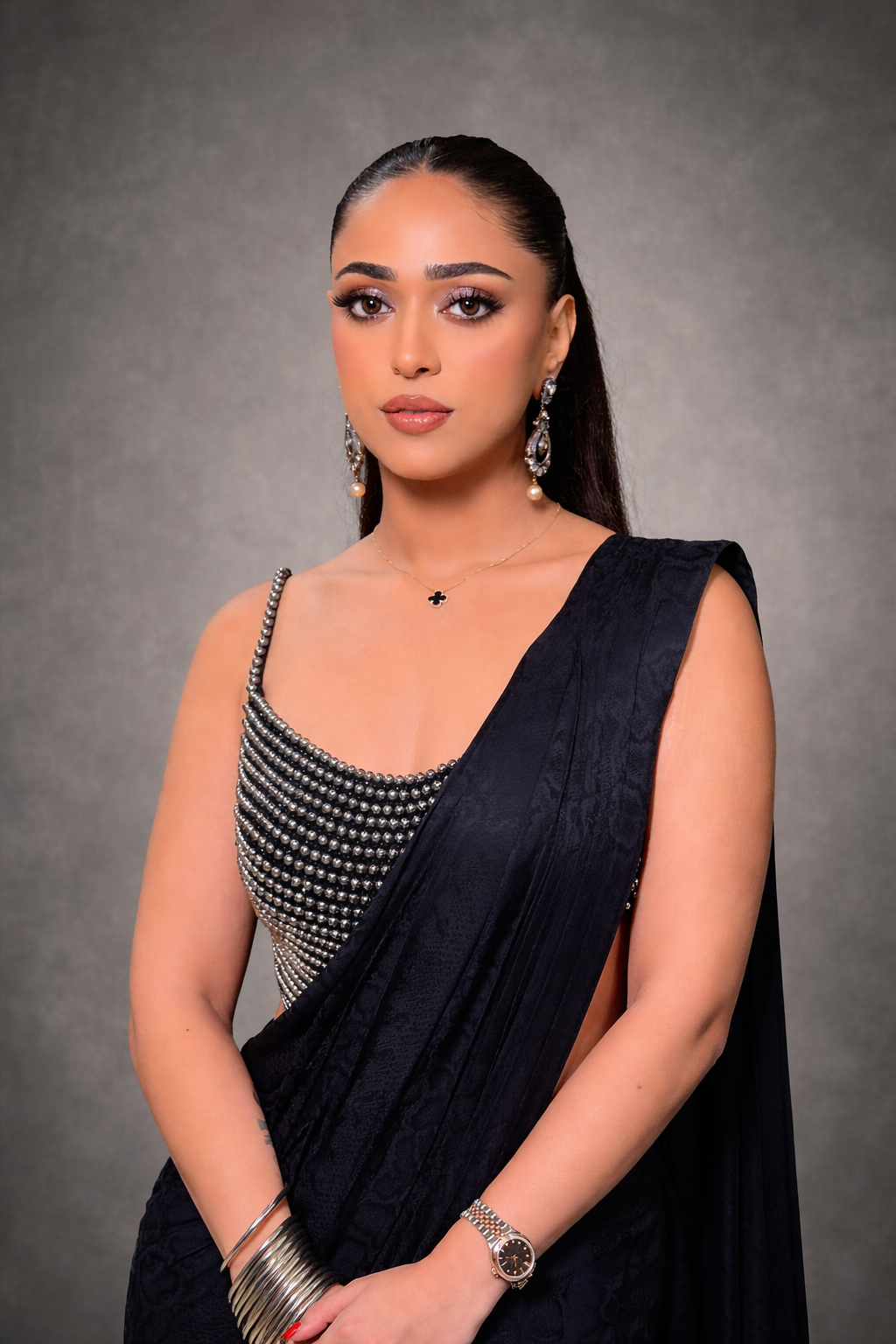
Bhavya Sharma Ghallot, Founder, Sands Fashion House
In a fashion world often driven by trends, cuts ‘n’ silhouettes, and the relentless chase for what’s next, Bhavya Sharma Ghallot, Founder, Sands Fashion House, chooses a different rhythm… one rooted in emotion, ease, and intention. With her latest collection, Sunday Club, Bhavya steps away from high-octane trend cycles and leans into something far more enduring: clothing that “feels like home”.
Known for her intuitive approach to design and her belief that garments should move with a woman’s life rather than demand performance, Bhavya’s journey as a designer and entrepreneur has always been guided by feeling, rather than frenzy. From the playful nostalgia of Sisters of the Y2K to the quiet restraint of Sunday Club, her evolution mirrors a personal shift… towards softness, clarity, and lived-in elegance.
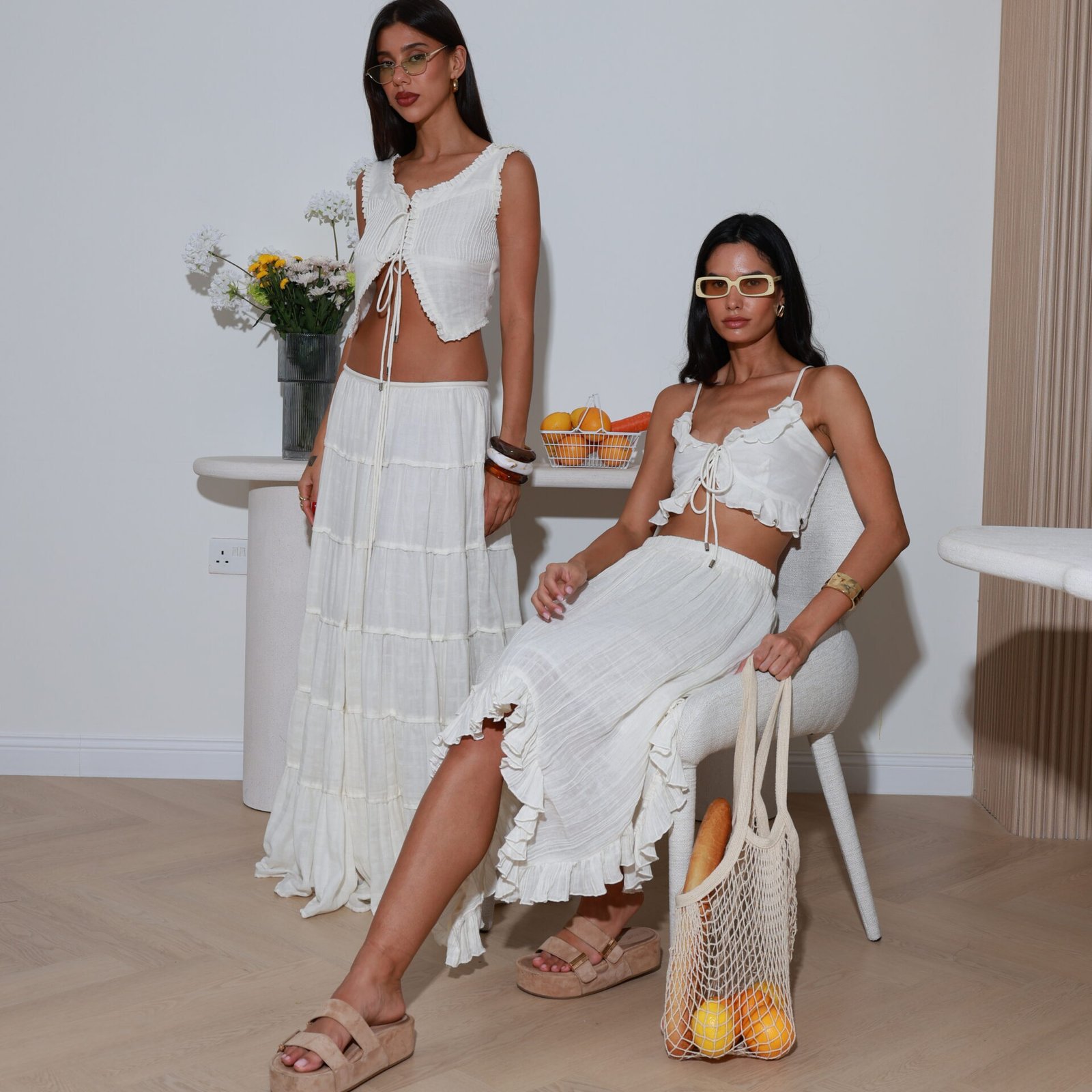
Designed for modern women craving calm amid chaos, Sunday Club celebrates everyday rituals, unhurried moments, and the beauty of simply being. Relaxed silhouettes, breathable fabrics, and muted palettes come together to create pieces that are as emotionally grounding as they are wearable. It’s fashion that whispers rather than shouts, offering comfort without compromise.
In an exclusive interview with Sumita Chakraborty, Founder & Editor-in-Chief, TheGlitz, Bhavya Sharma Ghallot, Founder, Sands Fashion House, opens up about her creative evolution, building a women-led brand, and why restraint, today, is the ultimate form of luxury.
Over To Bhavya Sharma Ghallot, Founder, Sands Fashion House
Your new collection ‘Sunday Club’ feels like a deliberate exhale. What personal or creative shift prompted you to move from the playful energy of Y2K to this quieter, more intimate expression? How did your journey as a fashion designer, founder and entrepreneur start?
Sunday Club came from a very honest place. After the joy and nostalgia of Sisters of the Y2K, I personally found myself craving quiet, less noise, more meaning. As a founder, you’re constantly moving, building, proving. This collection felt like permission to slow down and listen to myself again.
My journey in fashion didn’t start with chasing trends; it started with emotion. I’ve always believed clothes should feel like home. Sands was born from that belief, creating garments that respect the body, the skin, and the life a woman actually lives. Sunday Club reflects where I am now: grounded, intentional, and more at peace with restraint than excess.
You’ve said that clothes should “feel like home.” How do you translate such an emotional idea into silhouettes, fabrics, and everyday wearability?

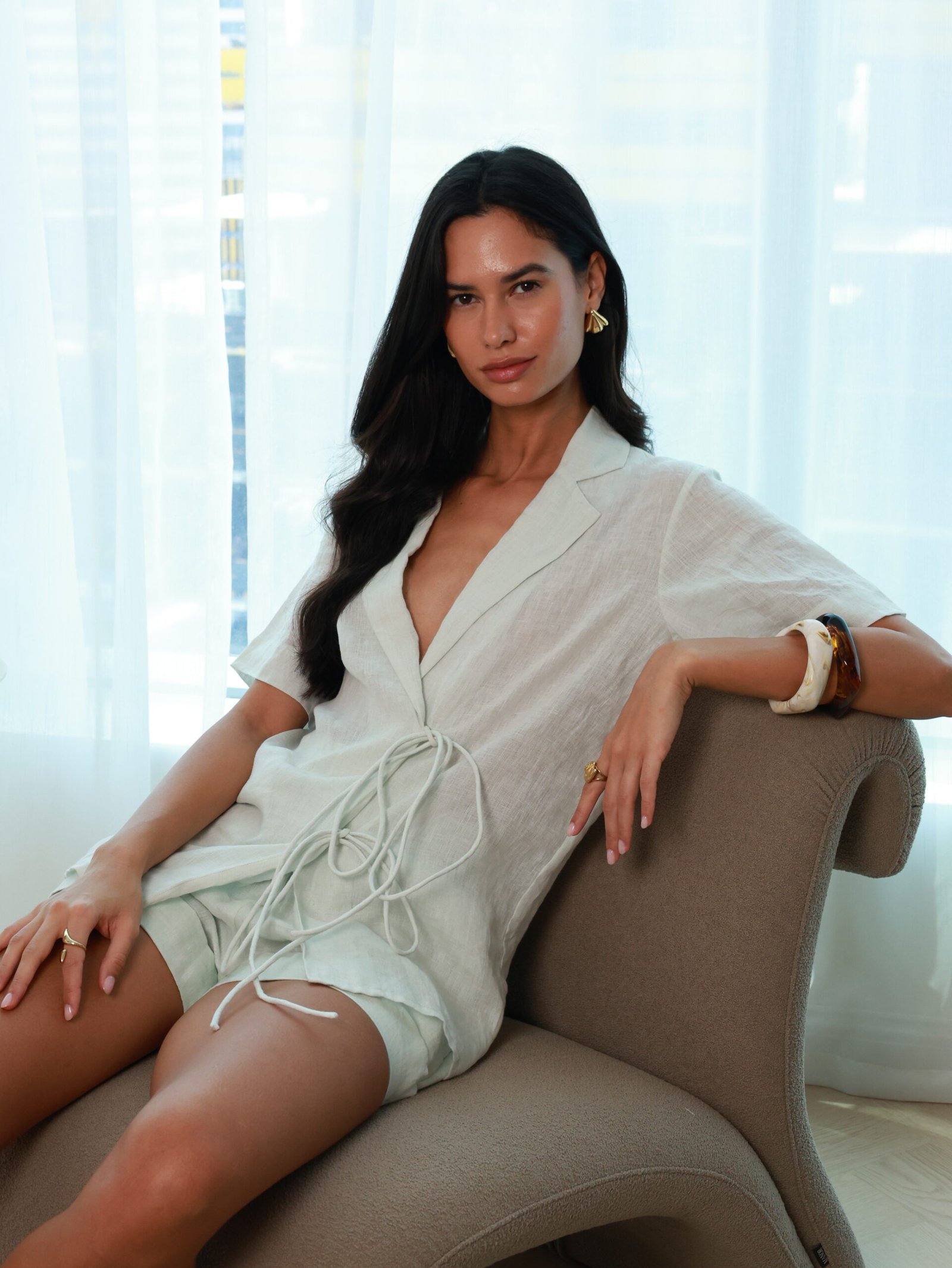
For me, “home” means ease, nothing restrictive, nothing performative. It shows up in how a garment moves with you, not against you. In Sunday Club, that translated into relaxed silhouettes, breathable fabrics, and pieces you don’t have to think twice about wearing.
I focus a lot on touch and memory, how something feels on your skin, how it fits into your day. These are clothes you can live in: wear while working, resting, stepping out, or doing nothing at all. If you forget you’re wearing it, that’s usually a good sign.
The palette of Sunday Club is soft, muted, and calming. How important is colour psychology to you when designing for the modern woman’s lifestyle?
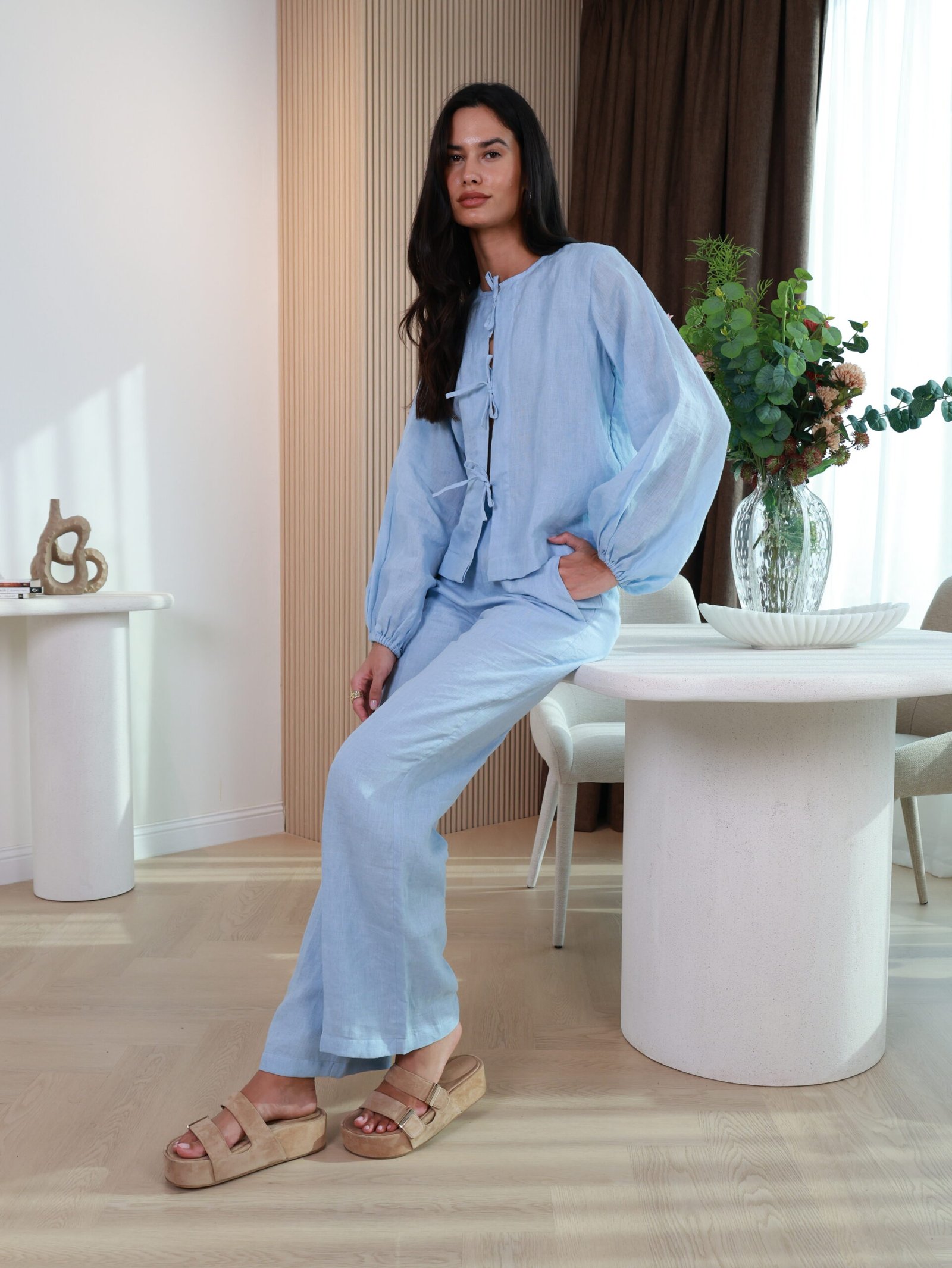
Colour plays a huge emotional role for me. I don’t design palettes to stand out on a rack, I design them to support a woman’s mood and rhythm. The softer, neutral tones in Sunday Club are intentional; they’re meant to calm, not compete.
Modern women already juggle so much. I want Sands to feel like a pause, not another demand. These colours allow the wearer to project herself onto the garment, rather than the garment overpowering her.
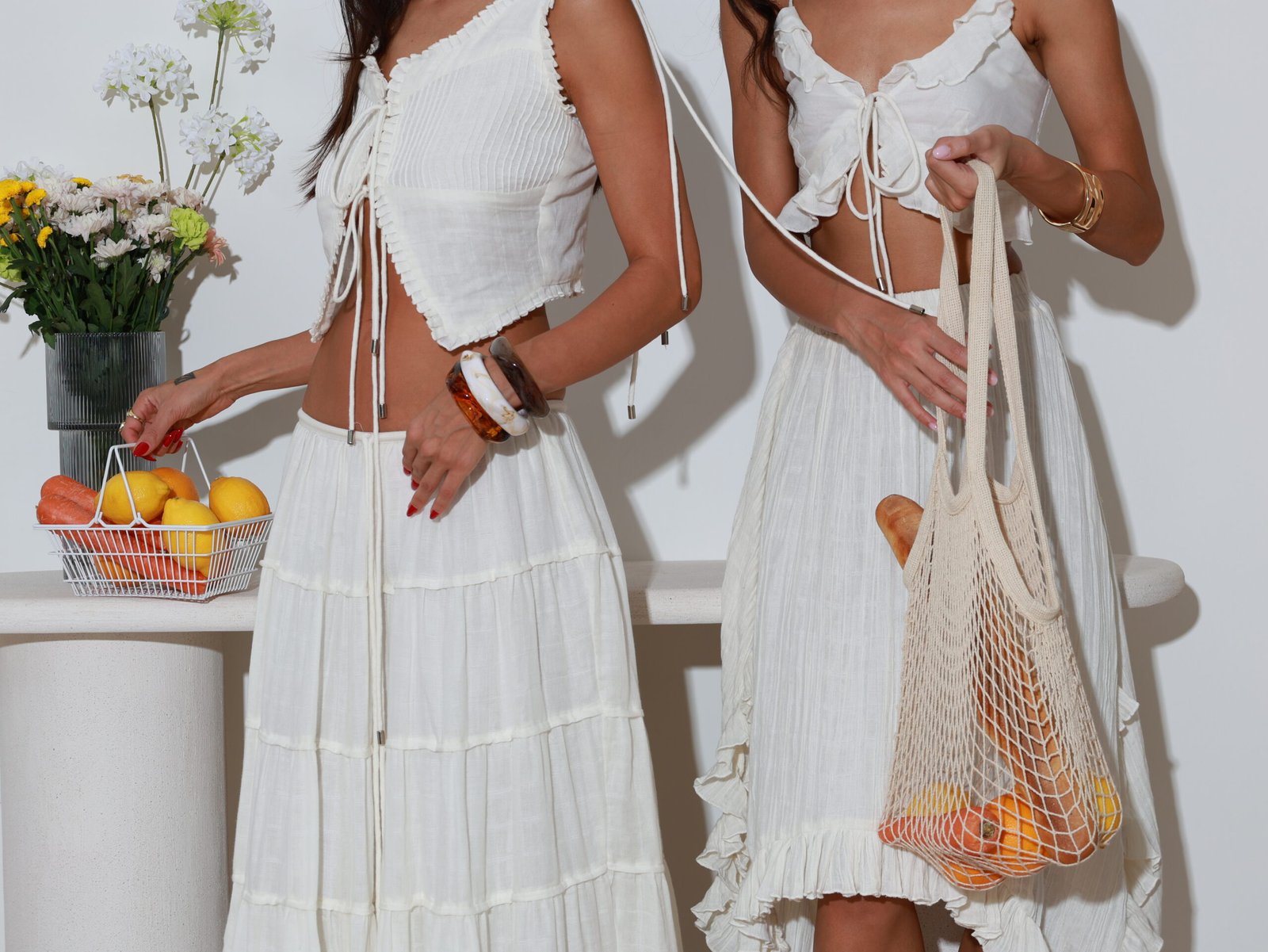
This collection celebrates everyday rituals… coffee on the balcony, slow walks, unhurried moments. Why do you think modern women are craving this kind of fashion narrative right now?
Because life feels loud right now. Everything is urgent, visible, and fast. I think many women are longing to reclaim softness, small rituals that feel personal and grounding.
Fashion has often been about spectacle, but I believe there’s beauty in the in-between moments. Sunday Club honours those quieter parts of the day, where you’re not performing for anyone. It’s fashion that says: it’s okay to slow down.
Sands Fashion House is a women-led brand at every level. How does that perspective shape your approach to comfort, fit, and intention in design? Have you faced any challenges?
Being women-led shapes everything we do. Comfort isn’t an afterthought, it’s the starting point. We understand bodies change, moods shift, and life isn’t static. That sensitivity reflects in our fits, our fabric choices, and how thoughtfully each piece is constructed.
Of course, there have been challenges, especially being taken seriously in an industry that often underestimates women-led businesses. But I’ve learned to trust my instincts. Building Sands has been about staying rooted in purpose rather than external validation.
Your debut collection Sisters of the Y2K was bold and nostalgic, while Sunday Club leans into restraint and longevity. How do you balance trend-driven excitement with timeless design?
Trends are fun, but they’re fleeting. I like borrowing energy from trends without being consumed by them. With Sisters of the Y2K, the nostalgia was playful and expressive. With Sunday Club, the excitement comes from longevity, pieces you’ll reach for years later.
The balance lies in intention. If a design feels honest and wearable beyond a moment, it lasts. That’s always the goal.
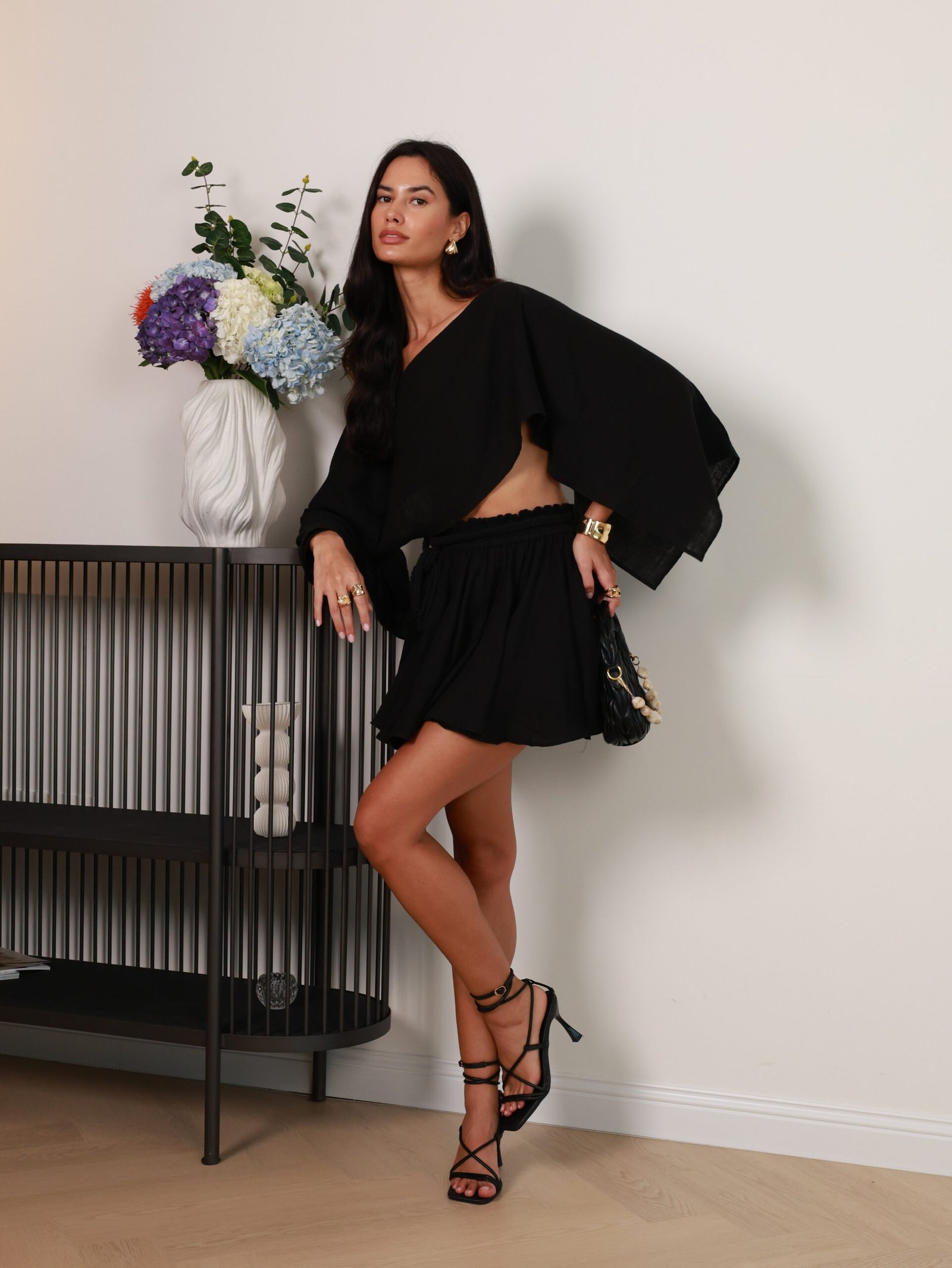
You speak often about garments having memory and intention. Is there a particular piece in Sunday Club that feels especially personal to you? Any milestones you’d like to mention?
There are a few pieces that feel deeply personal, especially the easy sets, because they represent freedom for me. Freedom from overthinking, from dressing for others.
Sunday Club itself is a milestone. It marks a shift not just for the brand, but for me as a founder, choosing clarity over chaos, and depth over noise. It feels like a natural evolution of Sands.
As Sands continues to evolve, how do you see the brand growing, creatively and philosophically, while staying true to its core idea of effortless, lived-in elegance?
I see Sands growing slowly and intentionally. I’m not interested in scaling for the sake of it. Creatively, I want to continue exploring softness, wearability, and emotion. Philosophically, the brand will always come back to the same idea: clothing that respects the woman wearing it.
Effortless, lived-in elegance isn’t a trend, it’s a way of being. As long as we honour that, Sands will stay true to itself.
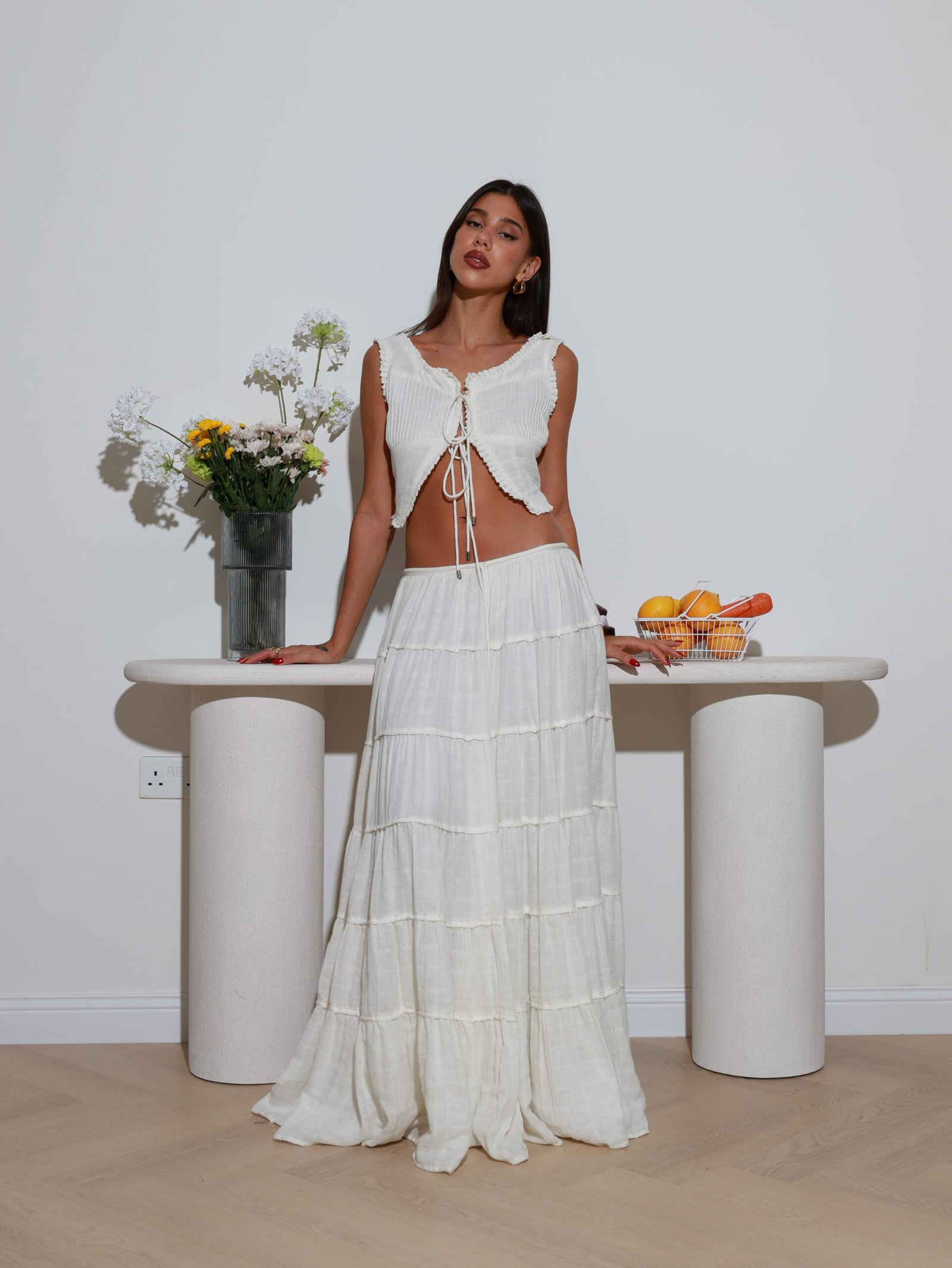
Lastly, any advantages or disadvantages starting out in Dubai?
Dubai taught me ambition and discipline. It’s fast, competitive, and global, which pushed me to think bigger and sharper from the start. At the same time, breaking through the noise was challenging.
But that experience shaped Sands into what it is today: confident, intentional, and rooted in a global yet personal perspective. Launching in India now feels like coming full circle, bringing the brand closer to home.