Valentine’s Day is often wrapped in candlelit dinners, red roses, and grand romantic gestures. But beneath the surface of all that sparkle lies a quieter, far more enduring form of love — the kind you show yourself every single day. Self-love isn’t indulgence; it’s maintenance. And nowhere does it reveal itself more honestly than in your skin, hair, and overall sense of well-being. When emotions run high — whether it’s love, stress, heartbreak, or joy — the body responds in ways no concealer can disguise.
This Valentine’s Day, the conversation shifts from just looking good for someone else to feeling balanced, nourished, and confident in your own skin. On a day dedicated to love in all its forms, Dr. Shefali Trasi Nerurkar, MBBS, MD (Dermatology), Consultant Dermatologist at Dr Trasi Clinic and La Piel Skin Clinic, tells TheGlitz why emotional health, daily rituals, and mindful indulgence matter just as much as serums and treatments — and how true radiance begins long before it reaches the mirror.
Valentine’s Day: Over To Dr. Shefali Trasi Nerurkar, MBBS, MD (DERMATOLOGY), Consultant Dermatologist, Dr Trasi clinic and La Piel skin clinic

Valentine’s Day often focuses on romantic love… but how important is self-love when it comes to skin, hair, and overall well-being? How does emotional health reflect on our appearance?
Emotional health plays a very important role on skin, hair and an overall wellbeing. In fact, emotional stress is one of the major factors for lot of skin problems faced daily. …Be it any day of the year, skincare should not be ignored. It is the largest organ of the body and represents our mental state; for instance, if we are tired or unwell, the skin tends to look dull.
But if we are happy, it looks fresh and glowing. No amount of makeup can hide the pain or happiness of the skin. Hence as a dermatologist, I always advise my patients to allot some time from their busy schedule to spend it on skincare and haircare. It can be kept simple and easy… like brushing or bathing daily.
Stress, heartbreak, and emotional highs can show up on our skin and hair. What are the most common ways emotions impact our skin barrier and hair health, especially in today’s high-pressure lifestyles?
Stress weakens the skin barrier by depleting the ceramide and lipid production. This causes dryness of the skin. Skin problems like acne, rosacea, eczemas, urticaria flares up. In stress and anxiety, patients are known to pick on their skin acne, remove the skin around the nails, pluck their hair, bite their nails which leads to permanent damage of the skin. The hair gets less nutrition and becomes frizzy. Early greying of hair is also observed in some.
With Valentine’s Day dinners, chocolates, wine, and indulgence, what are your top dermatologist-approved tips to enjoy the celebrations without triggering breakouts, dull skin, or hair fall?
Valentine’s Day indulgence doesn’t damage skin or hair, neglect does! I always tell my patients to enjoy the celebration, but be mindful. Choose dark chocolate over milk, keep desserts post-meal, and limit alcohol to one or two drinks while matching every drink with water. Hydration is the key because dehydration shows up quickly as dull skin, puffiness, and even increased hair fall.
What truly matters is what you do after the celebration. Never sleep with makeup or sunscreen on; cleanse thoroughly, hydrate the skin, and moisturise without experimenting with new products. Avoid tight hairstyles and excessive heat, prioritise a good night’s sleep, and eat a protein-rich meal the next day. Celebrate fully, but recover smartly… your skin and hair are far more forgiving than people think when basic care is consistent.
“Glow from within” is often said… but rarely explained. From a medical and holistic standpoint, what internal habits truly translate into radiant skin and healthy hair?
When we talk about “glow from within,” medically, it refers to how well your body is hydrated, nourished, and hormonally balanced. Skin and hair are not priority organs, so they only thrive when basic internal needs are consistently met. Adequate protein intake, stable blood sugar, iron and vitamin B12 sufficiency, and daily hydration directly influence collagen production, skin clarity, and the hair growth cycle. Frequent crashes, skipping meals, extreme dieting, or chronic dehydration are some of the most common reasons we see dull skin and increased hair fall in otherwise healthy individuals.
Chronic stress disrupts digestion and nutrient absorption, showing up on the skin long before lab values change. Simple habits, regular meals, mindful movement, consistent sleep timing, and nervous system regulation, quietly but powerfully reflect as clearer skin, stronger hair, and a natural radiance that no topical product can replicate.
Many couples now share skincare and wellness routines. Are there any skin or hair rituals you recommend that partners can do together to build consistency and connection especially since it’s Valentine’s Day… a day meant for love?
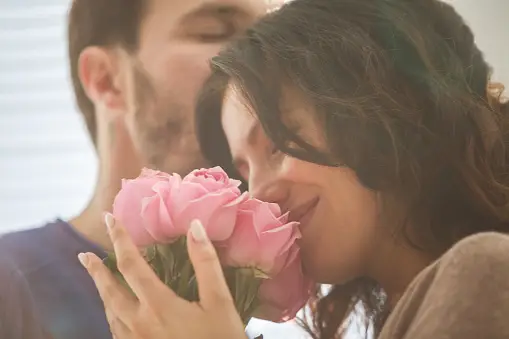
Yes—and the best shared rituals are simple and sustainable. Cleansing and moisturising together at night help build consistency, while weekly scalp oiling or a short head massage for each other improves circulation and reduces stress-related hair fall. Even applying sunscreen together in the morning reinforces one of the most important skin-protective habits.
On a wellness level, shared walks, stretching, or winding down screens together before bed help regulate stress and improve sleep, both critical for healthy skin and hair. When partners care for themselves together, routines feel less like discipline and more like connection, which is what keeps them long-term.
Sleep, intimacy, and hormones are deeply linked. How does quality sleep and emotional intimacy influence skin repair, hair growth, and overall vitality?
Quality sleep is when the body does its deepest repair work. During uninterrupted sleep, growth hormone is released, collagen production increases, inflammation reduces, and the skin barrier restores itself, this is why chronic poor sleep shows up as dullness, breakouts, pigmentation, and accelerated ageing. Hair follicles are also highly sensitive to sleep deprivation; elevated cortisol disrupts the hair growth cycle, often leading to increased shedding a few weeks later rather than immediately.
Emotional intimacy plays a quieter but equally powerful role. Feeling emotionally safe and connected lowers stress hormones and supports hormonal balance, which directly impacts acne, hair fall, and overall vitality. Oxytocin released during intimacy improves circulation, sleep quality, and nervous system regulation.