Furniture brands
In this chaotic, battle-ridden world where global tensions ripple through supply chains and raw material costs fluctuate with unsettling unpredictability, India’s furniture industry too finds itself at a defining moment.
From rising input prices and freight challenges to shifting sourcing strategies, the landscape is anything but stable. And yet, amid this uncertainty, Indian furniture brands are not just holding their ground… they are rethinking, recalibrating, and rising with remarkable ingenuity. Rooted in craftsmanship yet driven by innovation, they are finding new ways to balance cost, creativity, and quality without compromising on design or identity.
Sumita Chakraborty, Founder & Editor-in-chief, TheGlitz, asks leading furniture brands across India how they are navigating evolving challenges adapting to geopolitical shifts, and shaping the future of design in a rapidly changing world.
Over To The Furniture Brands:
Orange Tree: Rising Costs, Real Challenges
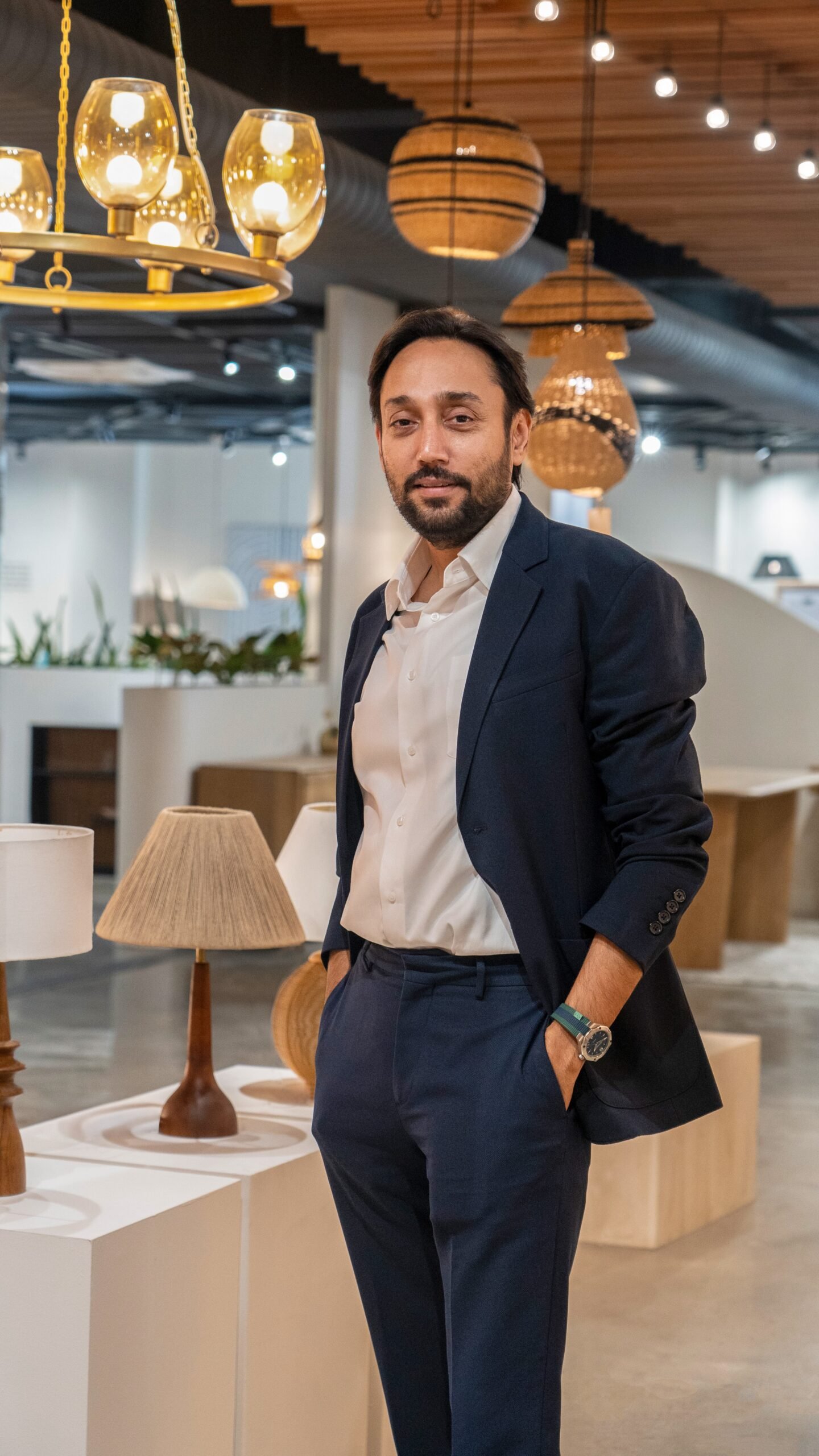
Gaurav Jain, Founder and Creative Director, Orange Tree
TheGlitz caught up with the charismatic Gaurav Jain, Founder and Creative Director, Orange Tree, to understand how Indian furniture brands are navigating rising production costs amidst geopolitical uncertainties… and he shares, “The ongoing war has affected our supply chain, making raw materials harder to get and more expensive. Shipping costs have also gone up, which is impacting both our budgets and timelines.
“Costs for materials like wood, metal, foam, packaging, and finishes are rising, along with higher energy prices and global demand changes. Packaging costs have gone up by nearly 70%, petroleum-based materials by about 25%, and foam by over 45%.”
Basant: Flexibility as Strategy
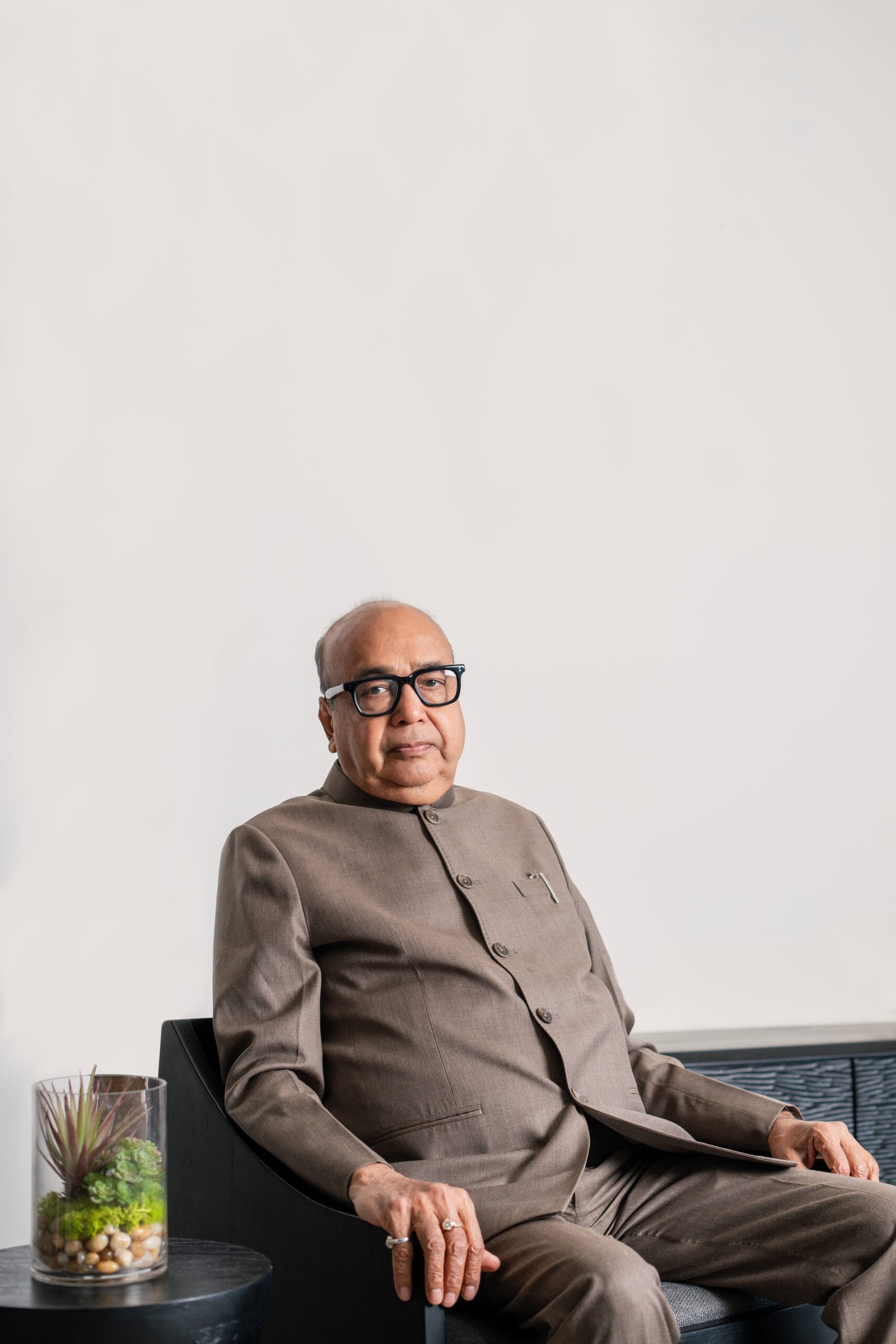
Vinay Kumar Jain, Founder, Basant — designer and manufacturer for international brands like WestElm, Pottery Barn, and more.
One of the most respected names in the furniture brands, Vinay Kumar Jain also says, “We have always worked with locally sourced materials, but the way we procure them has changed. Today, we are focusing on flexibility, adapting timelines and switching materials where needed. With international freight becoming slower and more expensive, we are also placing greater emphasis on strengthening long-term vendor relationships and making our production and logistics more efficient. Where shipments to the US once took under a month, they now take 45–60 days.”
TheGlitz also caught up with popular furniture brands like Intent Made, Kosh Furnishing Studio and Ardhi Looms and they said:
Intent Made: Designing Around Reality
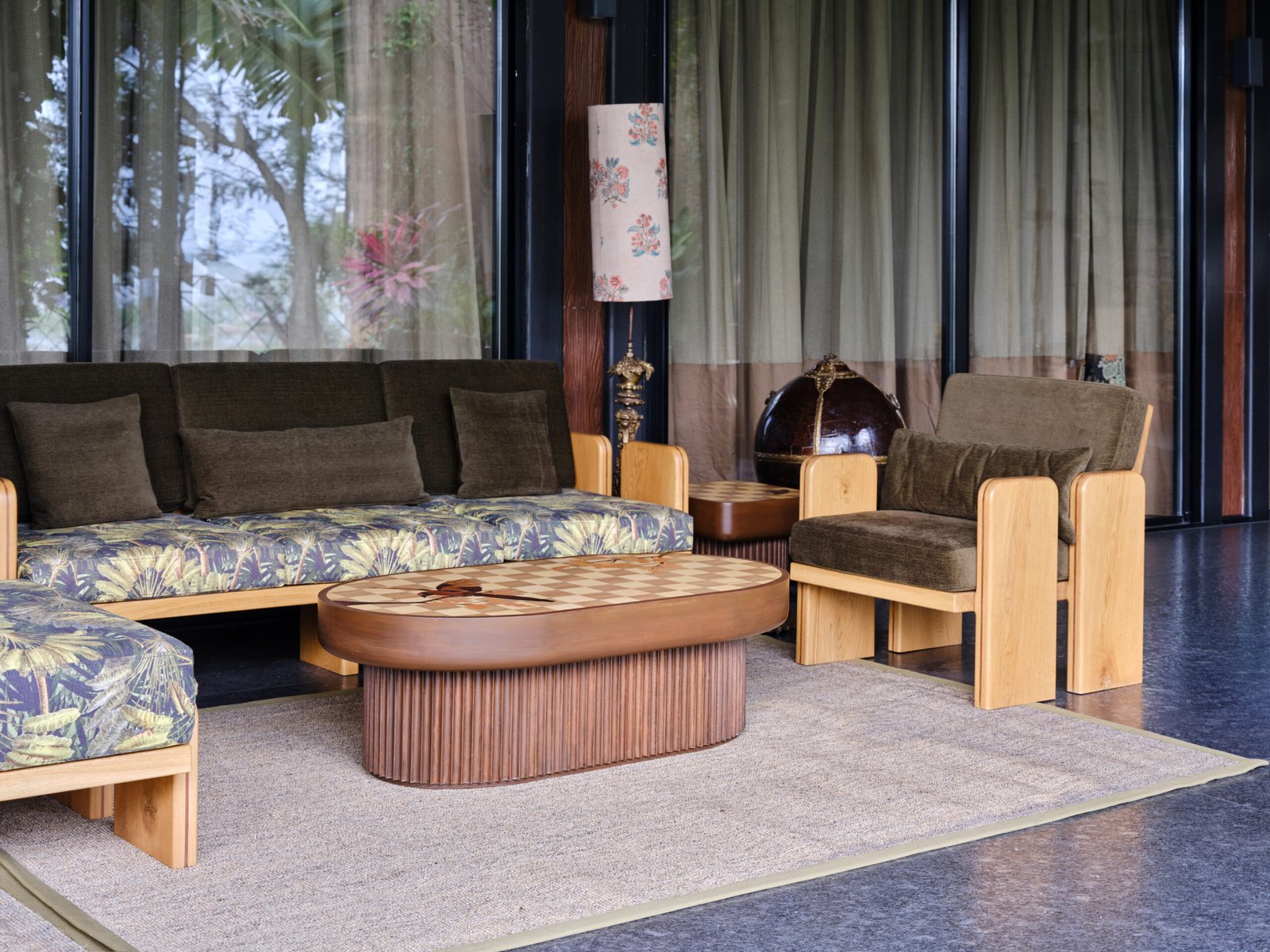
“At Intent Made, we’ve had to become far more intentional about how we manage costs. We’re sourcing more locally, using materials more efficiently, and building long-term relationships with suppliers… often buying in bulk to reduce exposure to price volatility.
“At the same time, design innovation is central to how we operate, we’re constantly redesigning our products around materials that are readily available in India. At the same time, with global buyers looking beyond China, we’re seeing a meaningful shift toward India as a manufacturing and B2B export hub, which is opening up new opportunities for us.”
Kosh Furnishing Studio: Thoughtful Evolution
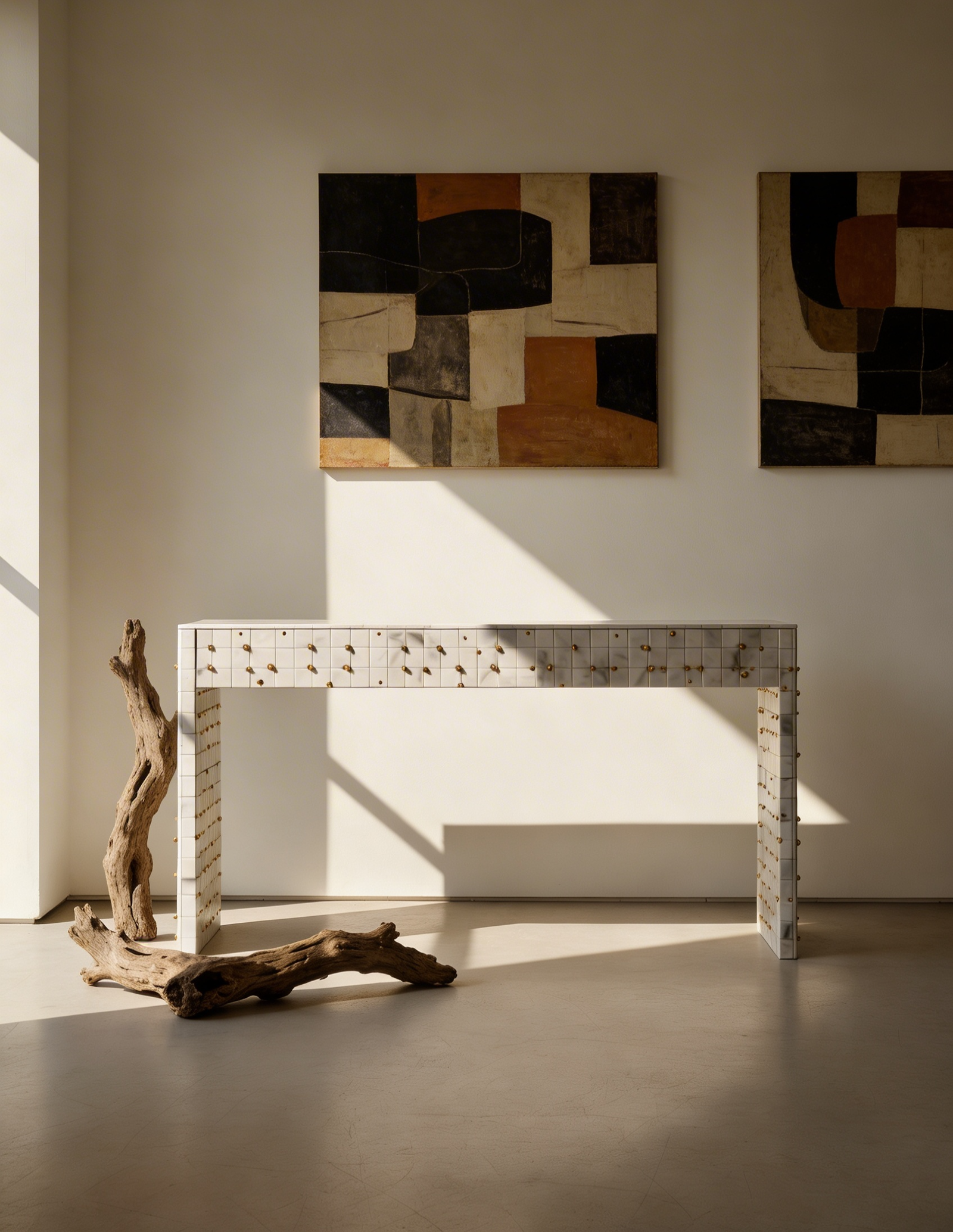
“At Kosh Furnishing Studio, we view the current geopolitical climate not as a constraint, but as a catalyst for thoughtful evolution. As material costs and global supply chains shift, we are intentionally leaning into refined design processes, local sourcing, and a more considered pace of production.
“This allows us to preserve the integrity of our craftsmanship while maintaining consistency in quality. For us, resilience is rooted in design sensibility ensuring that every piece remains timeless, elevated, and uncompromised, regardless of external volatility.”
Ardhi Looms: Efficiency Through Intent
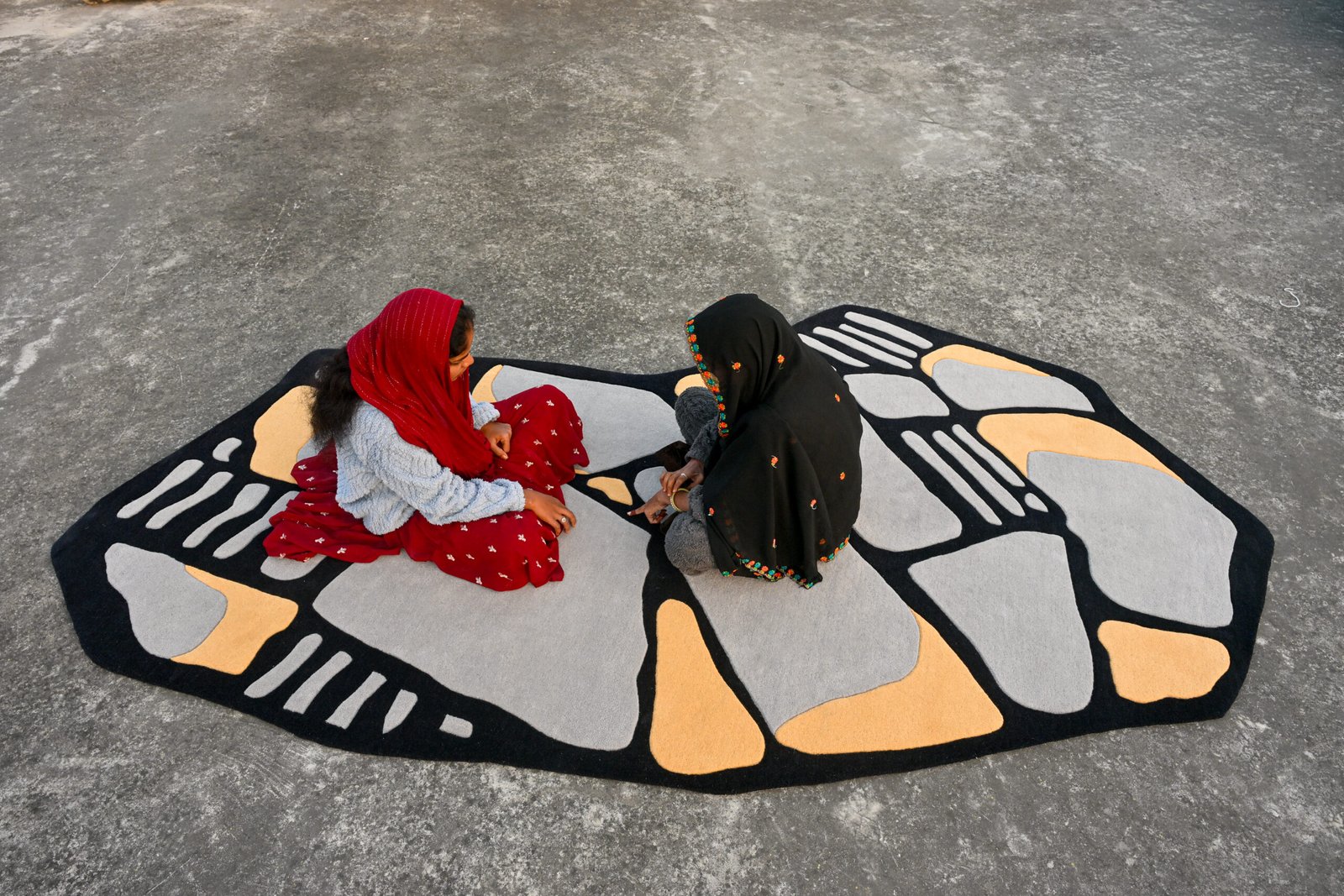
From a carpet industry perspective, brands are addressing rising production costs and geopolitical uncertainties by focusing on reducing wastage and improving efficiency. This includes optimising material use through blended compositions, adopting simpler and more intentional design languages that minimise rework, and shifting towards made-to-measure production to avoid excess inventory.
Temple Town: Localisation Meets Innovation

Meera Pyarelal, Founder & Creative Director – Temple Town
TheGlitz scouted around and found the gorgeous Meera Pyarelal, Founder & Creative Director – Temple Town to ask the million-dollar question: “How are Indian furniture brands navigating production costs amidst geopolitical uncertainties?” to:
Meera avers, “Indian furniture brands are navigating rising production costs and geopolitical uncertainties through a mix of strategic sourcing, design innovation, and operational agility. With fluctuations in global supply chains—especially in the procurement of raw materials such as engineered wood, metals, and hardware—brands are increasingly turning to local vendors and regional clusters. This shift not only reduces dependency on imports but also helps stabilise costs while supporting indigenous craftsmanship.
“At the same time, there is a conscious move toward material efficiency and thoughtful design. Brands are re-evaluating product construction to minimise wastage and optimise resource use without compromising on aesthetics or durability. Modular designs, for instance, allow for streamlined production and easier scalability, while also catering to evolving urban lifestyles. Additionally, many companies are investing in technology-driven processes, including automation and digital fabrication, to enhance precision and reduce long-term operational costs.
“Another key approach has been strengthening collaborations with artisans and small-scale manufacturers across India. By building resilient local ecosystems, brands are able to maintain flexibility in production and respond more effectively to market shifts. Furthermore, transparent pricing and value-driven storytelling have become essential, as consumers today are more aware of global disruptions and appreciate products that reflect both quality and responsible sourcing.
“In essence, Indian furniture brands are not merely absorbing cost pressures—they are reimagining their processes, prioritising sustainability, and reinforcing local networks to create a more resilient and future-ready industry.”
House of Lalittya: Agility and Adaptability
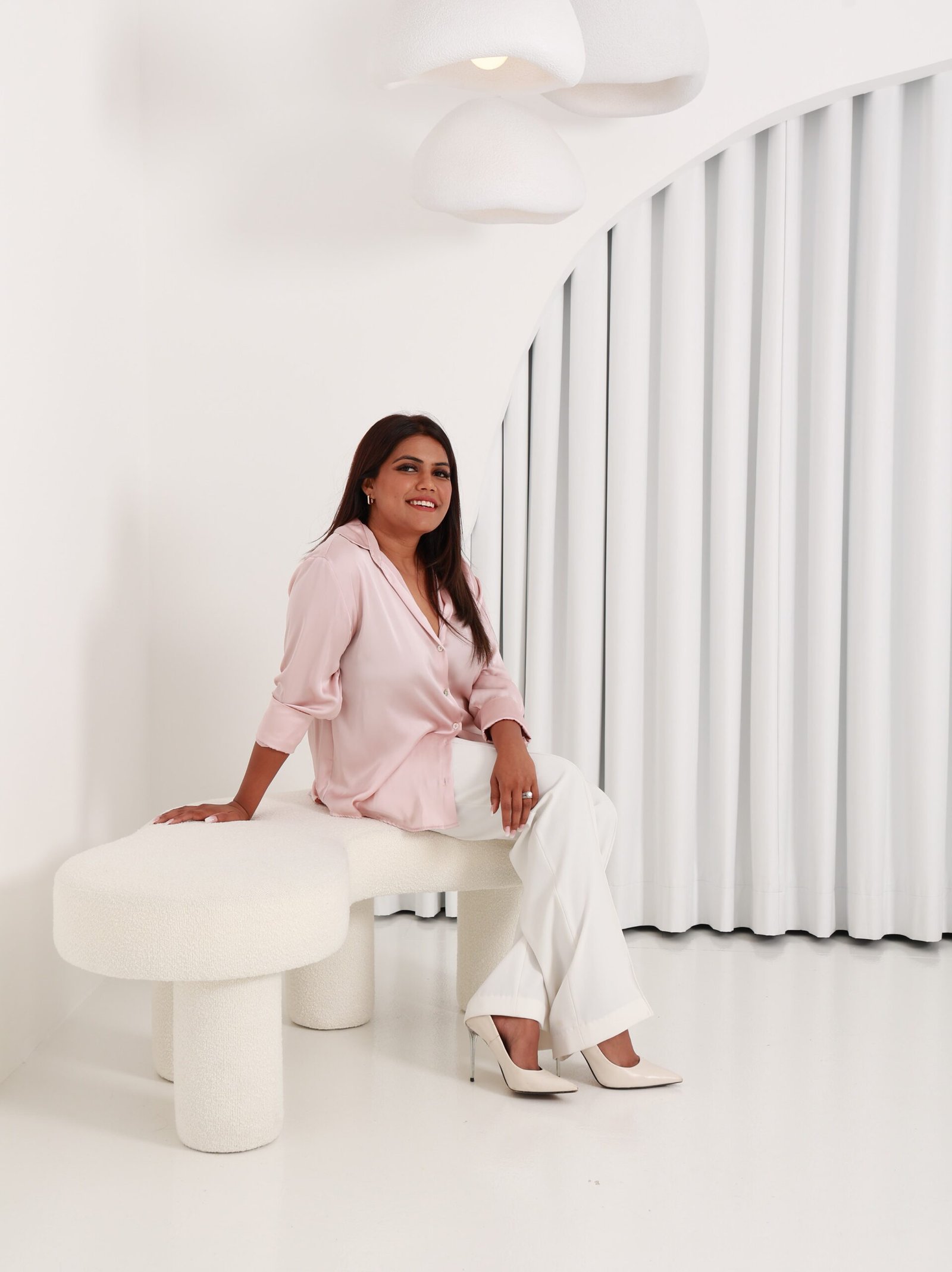
Shivani Gupta Mittal, Principal Designer, House of Lalittya
The very savvy Shivani Gupta Mittal from the House of Lalittya, insists, “Indian furniture brands are currently navigating a complex cost environment shaped by geopolitical uncertainties, supply chain disruptions, and fluctuating raw material prices. To manage this, many brands are shifting toward more agile and locally integrated production models.
“By sourcing materials domestically and strengthening relationships with local artisans and vendors, brands are reducing dependency on volatile international supply chains while also supporting regional ecosystems. This approach not only helps control costs but also ensures greater consistency in quality and lead times.
“At the same time, there is a conscious move toward smarter inventory planning and demand-driven production. Instead of overstocking, brands are leveraging data insights to produce in smaller, more responsive batches, which helps control costs and minimize wastage. Technology is also playing a key role, from improving design efficiency to optimizing logistics and manufacturing processes, enabling brands to stay lean and competitive.
“Another important shift is in product design itself. Brands are focusing on creating modular, versatile, and timeless pieces that maximize value for both the business and the consumer. This allows for better material utilization, adaptability across spaces, and longer product lifecycles, which helps offset rising costs.
“Finally, transparent pricing and customer education have become essential. Consumers today are more aware of global factors affecting pricing, and brands that communicate their value proposition clearly are better positioned to maintain trust while adjusting margins.
“Overall, resilience is being built through a mix of localization, innovation and adaptability rather than reliance on a single strategy.”
Bent Chair: Local is Resilient

Natasha Jain, Co-Founder, Natelier by Bent Chair
The very articulate Natasha Jain, Co-Founder, Natelier by Bent Chair, claims:
“Honestly, the last few years have been a masterclass in adaptability for anyone in the furniture business. Between shifting trade dynamics, fluctuating raw material prices, and supply chains that seem to rewrite themselves every quarter, there’s no playbook for this. You just learn to read the room faster.
“At Bent Chair, one of the biggest decisions that’s worked in our favour is our deep commitment to local sourcing. When global timber markets get unpredictable, we’re not entirely at their mercy because we’ve spent years building relationships with Indian wood suppliers, craftsmen, and material vendors who understand our quality standards and share our values. That’s not just a cost strategy, it’s a philosophy.
“We’re also not a brand that chases volume. Every piece we make is intentional — designed with longevity in mind, both aesthetically and structurally. That means we’re not caught in the trap of mass production cycles that feel every ripple in international freight costs or port delays.
“That said, we won’t pretend rising input costs haven’t been a challenge. They have. But rather than cutting corners on quality — which would be the easiest short-term fix — we’ve focused on process efficiency, smarter inventory planning, and being more honest with our customers about what truly handcrafted, durable furniture is worth.
“Make in India” isn’t a slogan for us — it’s genuinely how we insulate ourselves from global chaos while keeping the craft alive at home.
“When you source locally, employ locally, and build locally, you’re not just protecting margins. You’re building something far more resilient: a community.”
AE LIVING: Design as Strategy

Ankit Navratan Jain, Co-Founder & Director, AE LIVING
Extremely suave and knowledgeable, Ankit Navratan Jain, Co-Founder & Director, AE LIVING, answers,
“In an increasingly volatile global climate, the act of creating furniture is no longer confined to craft and aesthetics alone, it has become an exercise in foresight, negotiation, and resilience. Geopolitical undercurrents today are not distant abstractions; they are deeply embedded in the realities of material access, pricing instability, and the fragility of supply chains.
“At AE LIVING, this shifting landscape has necessitated a more considered and strategic approach …where design thinking extends well beyond form, into the very architecture of sourcing and production.
“One of the more defining transitions has been the deliberate decentralisation of supply. Dependence on singular geographies is no longer tenable. Instead, there is a conscious dispersion… cultivating multiple sourcing avenues while simultaneously reinforcing domestic ecosystems. This duality offers not only insulation from global disruptions but also a renewed confidence in local craftsmanship and capability.
“Equally, there is a heightened sensitivity towards material intelligence. The narrative is gradually shifting away from an over-reliance on imported finishes towards a more grounded, contextually relevant palette …engineered substrates, indigenous stone, and regionally sourced veneers. These are not substitutions born out of limitation, but thoughtful choices that uphold both integrity and efficiency, while quietly aligning with a more sustainable ethos.
“Design, too, is undergoing a subtle yet powerful recalibration. At AE LIVING, optimisation is not perceived as restraint, but as refinement. Each piece is engineered with a deeper awareness of material yield, construction logic, and longevity. Precision detailing, modular sensibilities, and a disciplined manufacturing approach allow us to reduce excess without diluting the experiential quality of the object.
“Parallel to this, technology has emerged as an indispensable ally. Advanced planning tools and predictive systems enable sharper inventory control and more informed decision-making…allowing us to anticipate fluctuations rather than merely respond to them.
“What emerges from this moment is not just a response to cost pressures, but a quiet evolution of the industry itself. Constraint, in many ways, has become a catalyst. It is compelling Indian furniture brands to operate with greater agility, deeper intelligence, and a more profound respect for context.
“In this, we do not see limitation – we see a more mature design language taking shape.”
TheGlitz Take
What emerges from these diverse voices is a clear, compelling narrative… Indian furniture brands are no longer being affected by global disruptions, they are strategically evolving because of them. From hyper-local sourcing and stronger vendor ecosystems to smarter design thinking and material innovation, the industry is embracing a more agile, future-ready approach.
Geopolitical uncertainties may have disrupted traditional supply chains, but they have also sparked a deeper reliance on indigenous craftsmanship, regional materials, and thoughtful production cycles. Efficiency is no longer just about cost-cutting… it’s about intelligent design, reduced wastage, and creating pieces that are timeless, versatile, and built to last.
At the same time, technology and data-driven decisions are enabling brands to stay lean, responsive, and better prepared for volatility. Transparency with consumers and a shift towards value-driven storytelling are further strengthening trust in an increasingly conscious market.
In many ways, this moment is less about crisis and more about recalibration. Indian furniture brands are not just navigating challenges… they are redefining the very language of modern design. One that is rooted in resilience, driven by innovation, and deeply aligned with a global yet distinctly Indian sensibility.