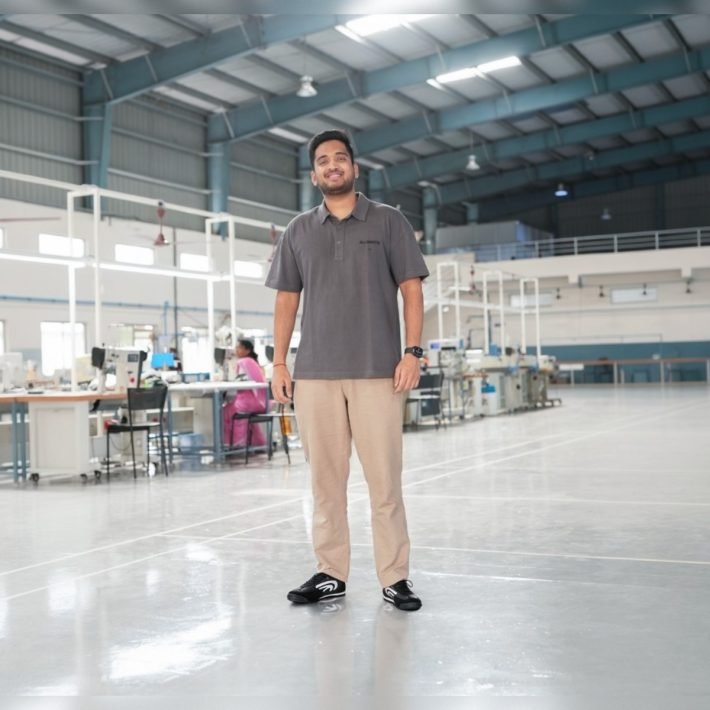
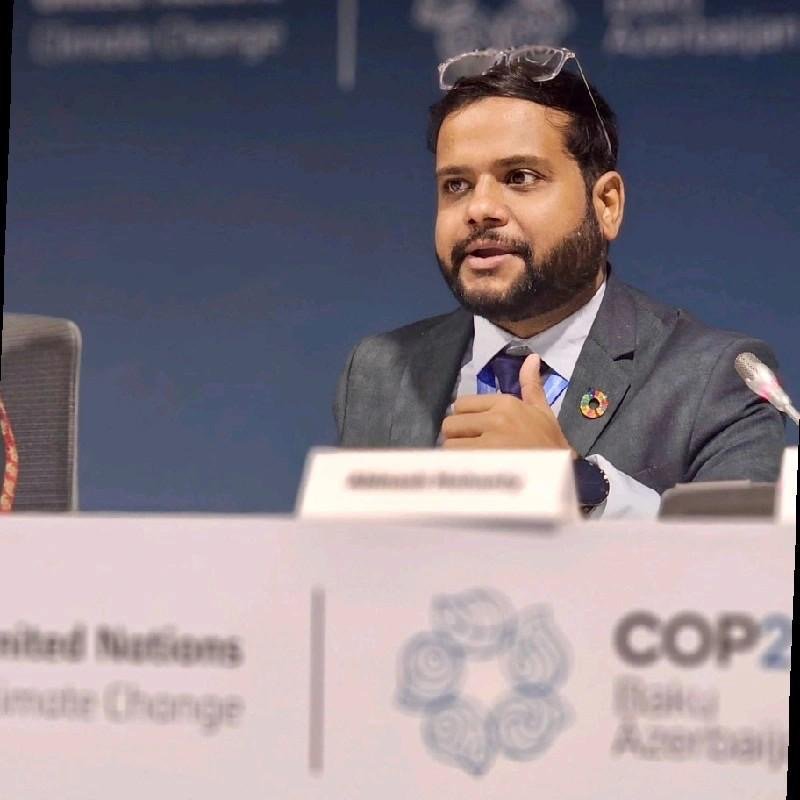
TheGlitz Green Warrior 2026 Abinash Mohanty, Global Sector Head, Climate Change & Sustainability, IPE Global
In a world increasingly defined by climate uncertainty, a few individuals are not merely studying the crisis — they are helping nations prepare for it. Abinash Mohanty, Global Sector Head, Climate Change & Sustainability, is one such changemaker. An IPCC AR6 reviewer, creator of India’s first Climate Vulnerability Index, and a globally respected voice in climate adaptation, Abinash has spent over 15 years working at the intersection of climate science, public policy, water security, resilience planning, and adaptation finance.
What makes his contribution particularly significant is his ability to transform complex climate data into actionable solutions for governments, institutions, and vulnerable communities. From pioneering India’s first Model Heat Action Plan to developing hyper-local climate risk frameworks that influence infrastructure investments and policy decisions, Abinash has consistently demonstrated that climate resilience is not an environmental luxury — it is a development necessity.
At a time when climate shocks are becoming more frequent, severe, and economically disruptive, his work is helping redefine how India and other developing nations understand risk, protect livelihoods, strengthen infrastructure, and build adaptive futures. Through his research, policy interventions, and resilience-focused frameworks, he is ensuring that climate action moves beyond awareness and becomes embedded within governance and development planning.
It is for this visionary leadership, groundbreaking work in climate vulnerability assessment, and unwavering commitment to building resilient communities that TheGlitz proudly nominates Abinash Mohanty as a distinguished TheGlitz Earth Warrior 2026.
Over To TheGlitz Green Warrior 2026 Abinash Mohanty – Global Sector Head, Climate Change & Sustainability, IPE Global
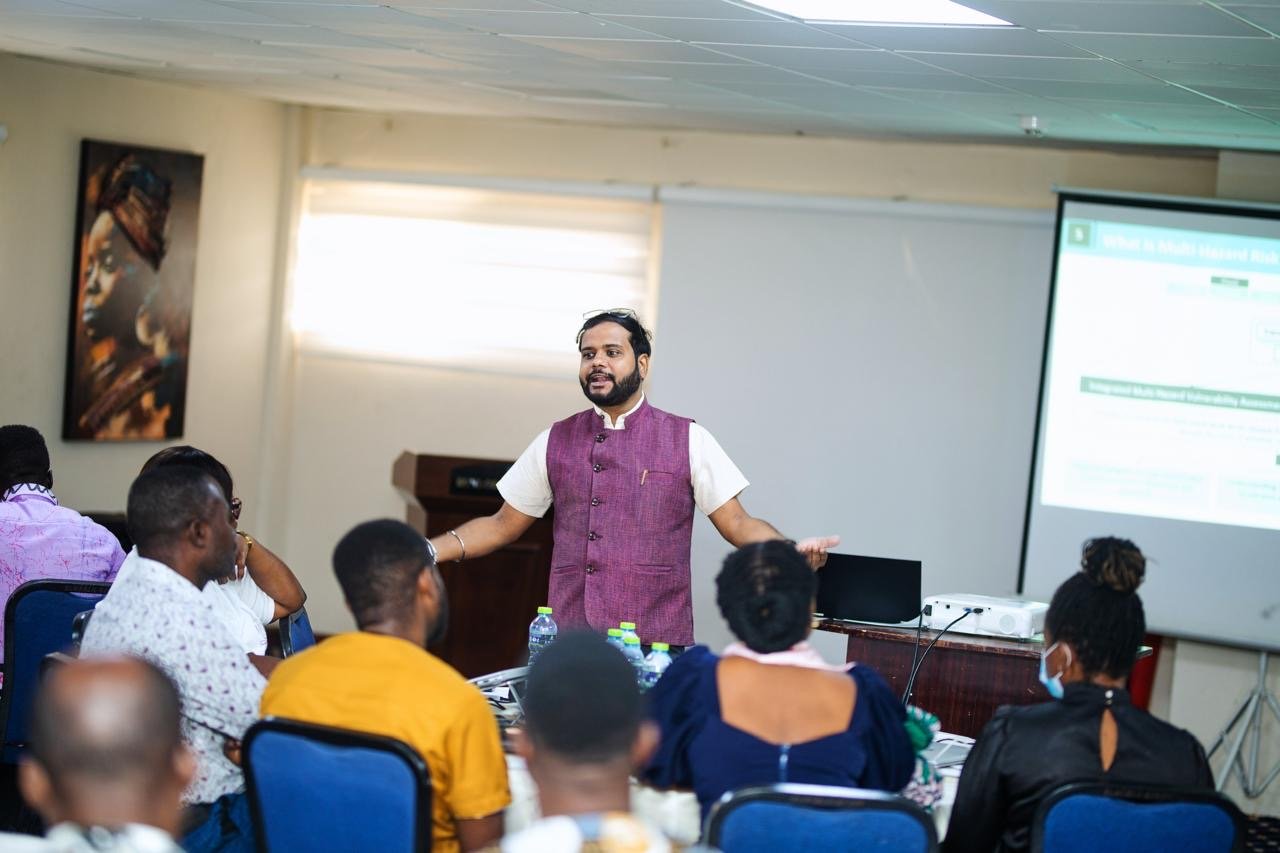
Having contributed to global climate assessments including IPCC AR6, how do you translate complex climate science into actionable strategies for governments and institutions?
The translation challenge is fundamentally a design challenge- not a communication one. But governments do not act on probability distributions. They act on district-level vulnerability maps, on budget lines, on scheme architectures they already own. Our has always been to work backwards from the institutional reality. When we at IPE developed India’s first Model Heat Action Plan for Patna, we did not lead with CMIP6 projections- we led with which blocks face compound heat-vulnerability risk and which departments are responsible.
The science becomes actionable when it is disaggregated to the level at which decisions are actually made. The second translation principle is financial. Climate risk that cannot be expressed as a fiscal liability, a stranded asset, or a bankable pipeline rarely moves institutions. Science must speak in the language of consequence- not just probability.
You created India’s first Climate Vulnerability Index. What were the most critical insights that emerged about regional climate risks in India?
The most sobering insight was geographical injustice. The districts bearing the highest compound climate vulnerability-coastal Odisha, Bihar’s flood plains, Rajasthan’s dryland belt, Vidarbha’s agrarian heartland-are precisely those with the weakest adaptive capacity and the least fiscal headroom. Vulnerability is not random. It follows poverty, informality, and institutional absence.
The second critical finding was that whiplash-districts simultaneously exposed to floods and droughts within the same season, defying conventional single-hazard planning. India’s climate risk architecture must be redesigned around compound, concurrent, and cascading hazards-not isolated ones.
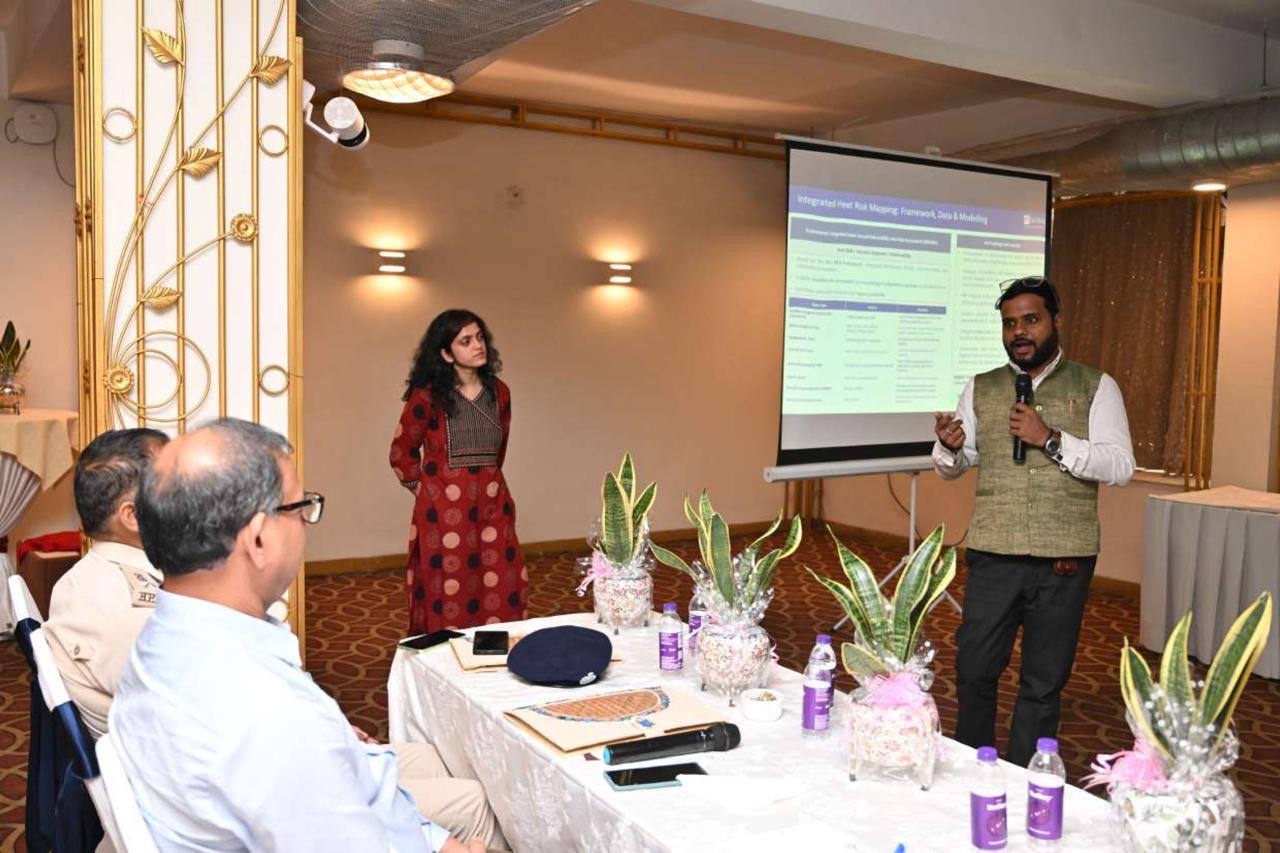
Climate vulnerability is no longer just an environmental issue but a development challenge. How do you see its impact on water security, agriculture, and urban planning?
Climate vulnerability has irreversibly crossed into development territory- and the three sectors you name are where that crossing is most consequential.
On water, India is simultaneously flood-prone and water-scarce-often in the same district, often in the same season.
On agriculture, climate stress is now the single largest unpriced risk in smallholder farming- destroying yields, collapsing incomes, and driving distress migration that no social protection scheme is calibrated to absorb.
On urban planning, we are still building cities for the climate of 1990 while inhabiting the climate of 2040.
Until vulnerability assessment is mandatory in every infrastructure investment decision, every urban master plan, and every agricultural credit appraisal, we will continue solving yesterday’s development problems with tomorrow’s climate risk already embedded in the foundations.
Adaptation finance remains significantly underfunded globally. What are the biggest gaps you see in mobilising resources for climate resilience in developing countries?
The fundamental gap is not financial-it is architectural. Adaptation does not produce the revenue streams that debt instruments require or the carbon credits that markets reward. It produces avoided losses- and avoided losses are extraordinarily difficult to monetise. Until we build financial instruments that price the cost of inaction as explicitly as the cost of investment, adaptation will remain chronically underfunded. The second gap is aggregation; adaptation needs are hyper-local but finance flows are institutional. A flood-resilient drainage system in Patna cannot access GCF directly.
The third gap is political; adaptation finance protects the poor and the vulnerable, who rarely sit in the rooms where capital allocation decisions are made. Closing these gaps requires not just innovative instruments but deliberate institutional redesign-making adaptation bankable, aggregatable, and politically inescapable.
How can data-driven tools and climate risk modelling be better integrated into policymaking and infrastructure planning at scale?
Data-driven tools fail in policymaking not because the science is weak but because the interface between evidence and decision is broken. Our Climate Risk Observatory, developed with Esri-India, demonstrated this precisely in Mumbai- generating hyper-granular climate risk maps for 30.8 million residents, disaggregating flood, heat, and coastal inundation risk to the ward level and directly informing BMC’s infrastructure investment prioritisation.
In Patna, the same architecture powered India’s first Model Heat Action Plan; converting block-level Heat Vulnerability Index scores into departmental action triggers that health, labour, and urban departments could operationalise immediately. The lesson across both deployments is identical: scale requires standardisation of the interface, not just the science. When risk intelligence is embedded into scheme eligibility criteria, infrastructure procurement checklists, and district planning dashboards; rather than published as standalone reports – it becomes structurally impossible to ignore.
In your view, what defines “true climate resilience” for a country like India facing both rapid development and escalating climate risks?
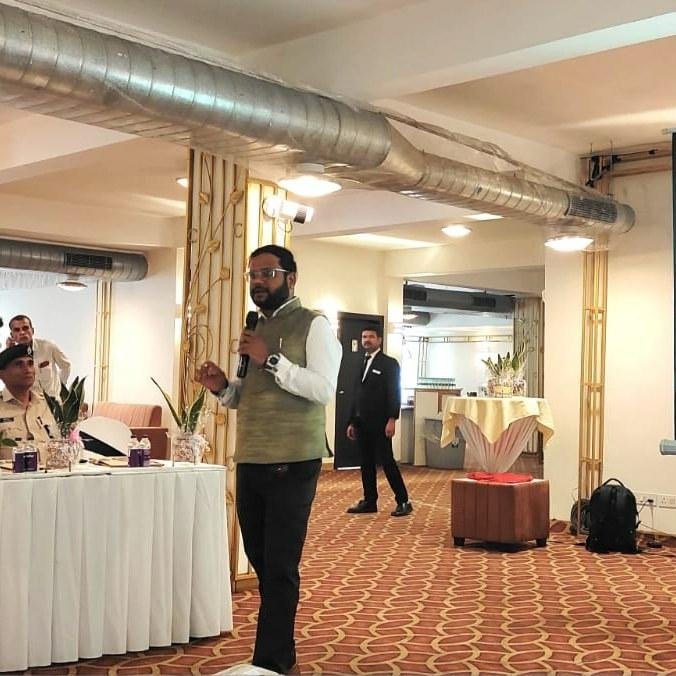
True climate resilience for India is not the absence of climate shocks; it is the capacity to absorb them without reversing development gains. A farmer who survives a heatwave but loses his crop, his credit, and his child’s school year has not been made resilient. He has simply been made to survive.
Resilience means the shock does not cascade. It requires four simultaneous conditions: early warning systems that reach the last mile, social protection that activates automatically, infrastructure designed for the climate of 2030 and 2040 and 2050 not 1990, and economic diversification that means no household’s entire livelihood is hostage to a single hazard. India is building pieces of this architecture across PM-KUSUM, RDSS, PMFBY, and the Heat Action Plans.
What it has not yet built is the connective tissue; the integrated, institutionally embedded system that makes resilience a guarantee rather than a coincidence.