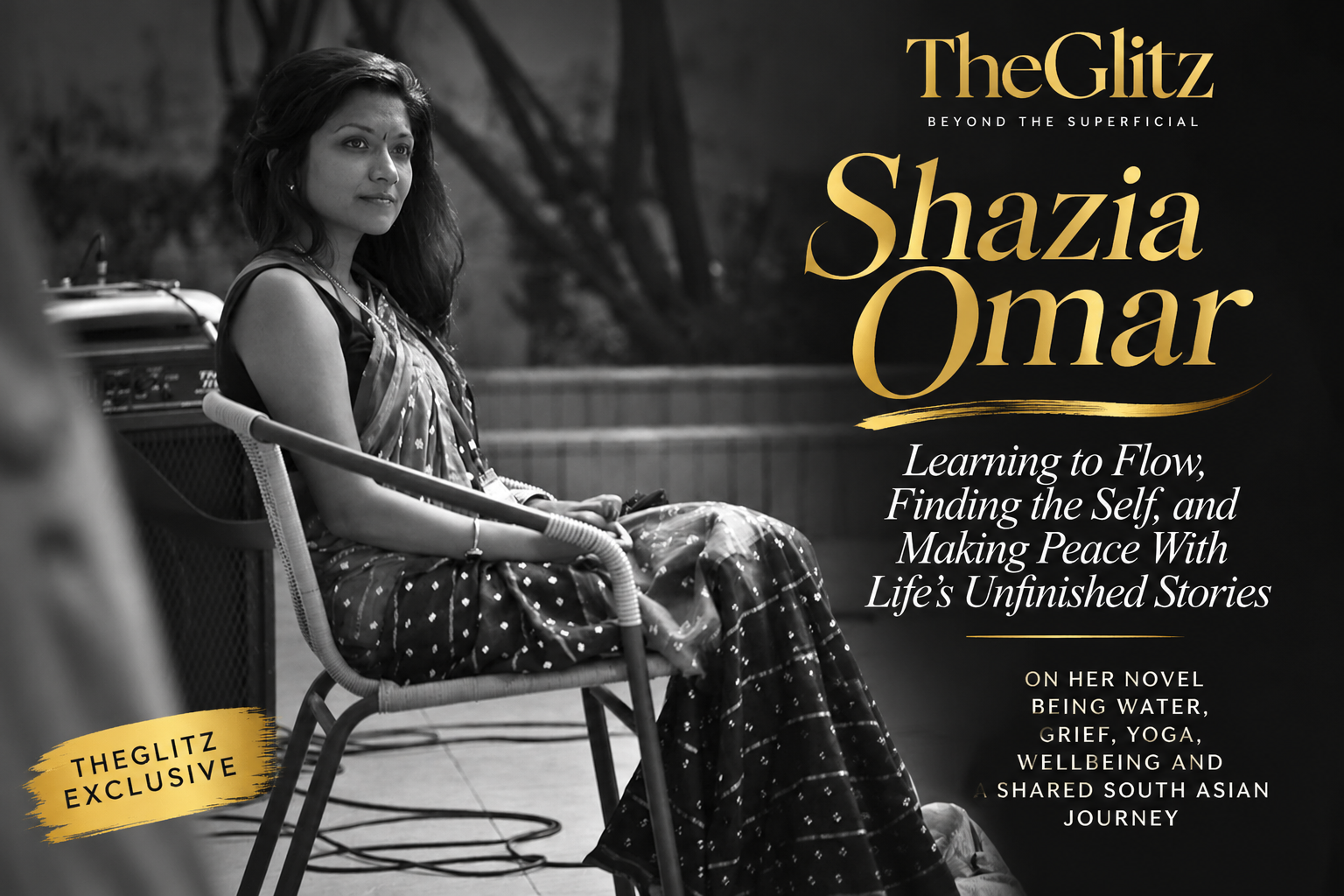
Shazia Omar and her book Being Water – Learning to Flow, Finding the Self, and Making Peace With Life’s Unfinished Stories
What if the greatest journey we undertake isn’t about discovering a new destination, but finding our way back to ourselves? What if grief isn’t something we conquer, but something we learn to live alongside? And what if, like water, the secret to surviving life’s tumultuous currents lies not in resisting them, but in learning to flow?
For Bangladeshi novelist, wellness advocate, yogini and cultural entrepreneur Shazia Omar, these aren’t merely philosophical musings. They are the undercurrents of a life shaped by literature, introspection, travel and an enduring fascination with the human condition.
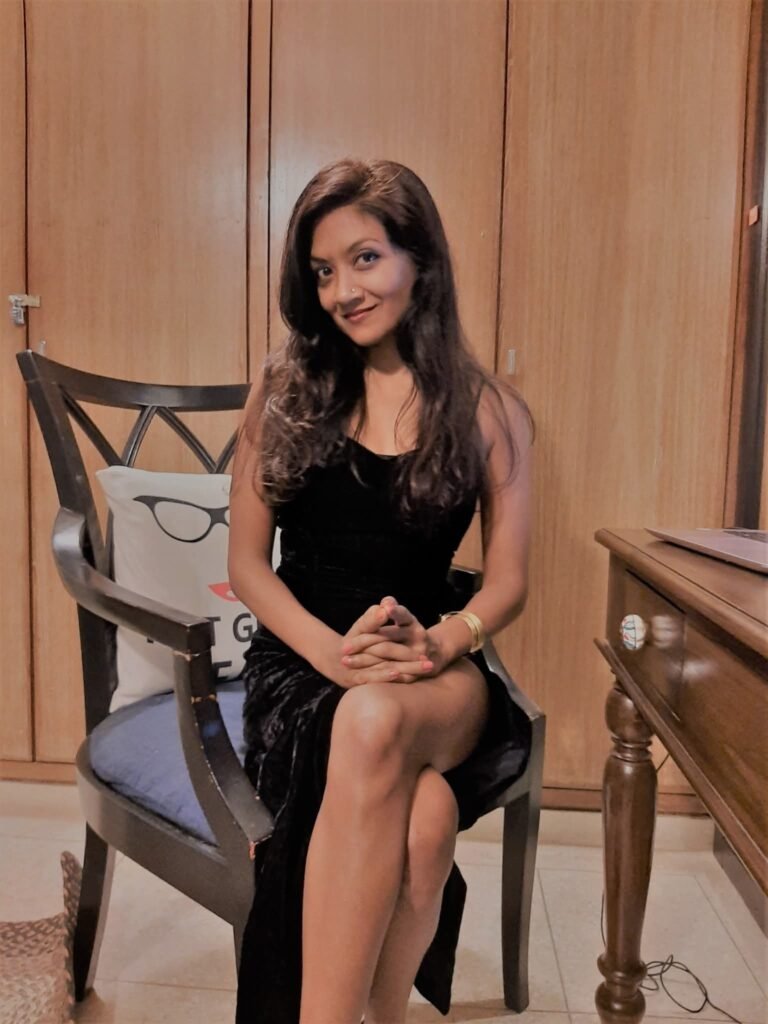
A woman of many dimensions, Shazia brings together an intriguing mix of intellectual curiosity and creative exploration. With a background in Social Psychology from the London School of Economics and experience spanning different cultures and professional worlds, she has carved out a distinctive space as a storyteller and wellness advocate.
As the founder of The Flow Fest, a wellness platform that curates experiences and builds communities around holistic wellbeing, she believes in creating spaces where people can reconnect with themselves, their bodies and one another. Having practised and taught yoga for over 25 years, she brings an experiential understanding of mindfulness, resilience and the art of embracing life’s uncertainties.
Her latest novel, Being Water, published by Om Books International, is perhaps her most intimate exploration yet. Centred on Nora, a British Bengali woman who escapes to Galle, Sri Lanka, hoping to outrun her grief, the novel explores the uncomfortable truth that changing one’s geography doesn’t necessarily change one’s emotional landscape. Sometimes, the baggage we are most desperate to leave behind is the baggage we carry within.
But Being Water is far more than a story about loss. It is about rediscovering identity, navigating womanhood, confronting inherited expectations and finding the courage to begin again. Through Nora’s journey, Shazia examines how grief can reshape us without necessarily defining us, and how healing isn’t about erasing pain but making room for love, laughter, creativity and life once again.
There is also a fascinating cultural dimension to her storytelling. Shazia views South Asia as one long coastline, connected by centuries of shared histories, trade, traditions, stories and cultural exchanges. In choosing Galle as the backdrop, she explores the fluidity of identity and the invisible threads that bind Bangladesh, India, Sri Lanka and the wider subcontinent. Her perspective is both literary and deeply human: borders may divide nations, but stories have a way of bringing people together.
Here, in an exclusive conversation with Sumita Chakraborty, Founder and Editor-in-Chief, TheGlitz, Shazia Omar opens up about her latest book Being Water, the intimate architecture of grief, yoga as a philosophy of living, the many identities women inhabit, and why sometimes the most liberating journey is simply giving ourselves permission to be.
Over To Shazia Omar

The Story Behind Being Water
Your latest novel, Being Water, follows a British Bengali woman who escapes to Galle in Sri Lanka, hoping to outrun her grief, only to discover that grief has travelled with her. What was the original spark behind this story? Was there a personal experience, observation or philosophical realisation that made you want to explore the idea that we can change our surroundings but cannot necessarily escape ourselves?
I was lying on a beach in Sri Lanka when a feeling came over me. It was somewhere between grief and hope. And I started imagining a woman who had lost so much that she no longer knew who she was. First came the feeling. Then the woman. Then the story.
I’ve always been fascinated by how we carry our past around with us. We think that if we change our circumstances, move to another country, fall in love, find a new job, we’ll somehow become new people. But of course we take ourselves wherever we go.
Nora, my protagonist, goes to Sri Lanka to escape her life, but what she really wants to escape is herself.
I also wanted to explore grief because it’s something I know intimately. Losing someone you love changes the architecture of your inner world. You can be perfectly happy, laughing with friends, enjoying a beautiful day, and suddenly grief comes knocking. It doesn’t ask permission.
And yet, somehow, life goes on. We laugh again. We love again. We find beauty again. Slowly. But surely.
Grief, Healing and the Human Condition
Grief is often treated as something we must overcome, conquer or eventually leave behind. Yet Being Water seems to suggest that healing is less about escaping grief and more about learning to coexist with it. As a novelist, and someone who practises yoga, how has your understanding of grief and emotional healing evolved? Can we ever truly move on, or do we simply learn to move differently?
I don’t think we ever really get over losing someone we love.
My mother died when I was young. This changed me entirely as a person. Yes, I did learn to love again, but I think the ‘me’ that moved forward, limping, is a different person altogether. I became intimate with sadness, with fear of loss, with a hole in my heart. I can never be a person without these things in my life.
But, even with this permanent scar, there’s space for so much else. For my children, for love, for laughter, for creativity, for the sheer joy of being alive.
I think that’s what healing is. Not getting rid of the pain, but expanding ourselves so that we can hold the pain alongside everything else.
Yoga has taught me a great deal about this. When we’re in a difficult posture, our instinct is to resist, to tense up, to escape. But if we soften, if we breathe, if we stop fighting the sensation, something shifts. I think emotions work in much the same way. Healing is not linear. Some days you’re flying. Other days something as simple as a smell, a song, a familiar voice can bring you to your knees.
But that’s part of being human. To love deeply is to make ourselves vulnerable to loss. And I would rather live with that vulnerability than not love at all.
The Philosophy of Being Water
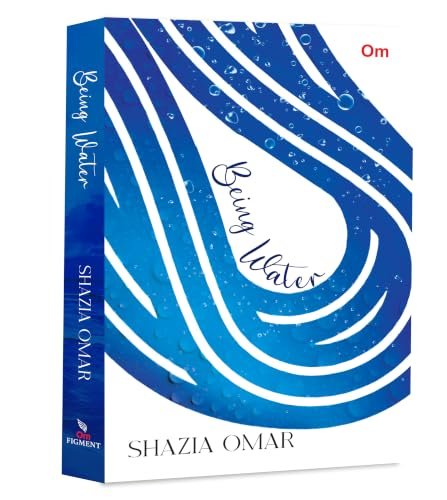
The title Being Water is intriguing and deeply philosophical. Water is fluid, resilient, adaptable and yet capable of reshaping everything it touches. Does this metaphor reflect your own philosophy of life? How do the principles of yoga, mindfulness and fluidity inform your writing and the way you navigate life’s uncertainties?
Water is extraordinary. It’s soft enough to slip through your fingers, yet powerful enough to carve mountains. It takes the shape of whatever holds it, and yet it never loses its essential nature. I love that paradox.
I’ve been practising and teaching yoga for over twenty-five years, and perhaps the most important thing I’ve learned is that suffering often comes from our resistance to what is. We want life to be a certain way. We want people to behave a certain way. We want things to last forever. But life is constantly changing. Our bodies change. Our relationships change. The people we love come and go. Nothing stays still.
So how do we accept that?
For me, the answer is to become more like water. To flow around obstacles rather than constantly fighting them. To have the courage to let go of things that no longer serve us. To surrender without giving up. This is what I try to do. Some days I’m there.
That’s what Nora has to learn. She begins the novel wanting to control everything, including her own pain. But gradually she discovers that perhaps she doesn’t need to fix herself. Perhaps she simply needs to allow herself to be.
South Asia: One Long Cultural Conversation
You describe South Asia as one long coastline, an evocative way of looking at a region often divided by national borders, histories and identities. Through your British Bengali protagonist’s journey to Galle, you bring together different cultural worlds. Do you believe literature has the power to dissolve these geographical and psychological boundaries and reconnect us with our shared South Asian identity?
I think we have far more in common than our politics would have us believe. I often think of South Asia as one long coastline. People have been travelling across these waters for centuries, carrying spices, stories, languages, religions, music, ideas. Our cultures have been borrowing from one another for thousands of years.
And yet today we draw these very hard lines between ourselves. Indian, Pakistani, Bangladeshi, Sri Lankan. Hindu, Muslim, Buddhist. As though our identities were fixed and separate. But culture doesn’t work like that. It flows.
I chose Galle partly because it’s such a beautiful example of this. You walk through the old fort and encounter layers of history. The Portuguese, the Dutch, the British, the Sinhalese, the Moors. So many different worlds occupying the same small piece of land.
And there’s the Ramayana, which connects Sri Lanka to the larger South Asian imagination. I was interested in the story of Sita, of captivity and waiting and release, and how those ancient stories continue to shape the ways we understand ourselves.
As a Bangladeshi writer, I’m particularly interested in the stories we don’t hear enough of. We share so much history and yet know surprisingly little about one another’s ordinary lives.
I think literature can cross borders in ways that politics cannot. When you enter someone else’s story, you begin to recognise yourself in them. And once you’ve done that, it’s much harder to see them as entirely different from you.

The Woman Behind the Words
You are a novelist, a yoga practitioner and a storyteller navigating multiple cultural identities. How have your experiences of living between cultures shaped your voice as a writer? Do you find that your creative identity is constantly evolving, much like the characters you create?
I’ve lived in different countries, worked in banking, development, taught yoga, raised children, written novels. And I think all those different lives find their way into my writing.
Growing up in Bangladesh, you’re surrounded by contradictions. Extraordinary beauty and terrible poverty. Deep spirituality and rigid social expectations. Warmth, generosity, chaos, resilience. It’s an incredibly rich place to be a storyteller.
Then you travel and live elsewhere and realise that human beings are remarkably similar everywhere. We all want to be loved. We all want to belong. We all want our lives to mean something.
I think living between worlds has made me curious about the similarities and the differences. Travel also opens our eyes, our minds, our hearts. It is this openness that allows us to learn and grow.
I don’t want to write characters who are entirely good or entirely bad. I’m interested in their contradictions. The woman who is strong in one part of her life and helpless in another. The person who is capable of great love and terrible cruelty. The things we hide from others, and sometimes from ourselves.
Writing About Women, Freedom and Reinvention
Your protagonist’s journey is as much about confronting her inner world as it is about geographical escape. Do you think women are often conditioned to carry grief, guilt and emotional expectations silently? Through your fiction, are you consciously exploring the idea of female reinvention, the courage to begin again and the freedom to define oneself beyond societal expectations?
I think women are taught very early to be responsible for everybody else’s happiness. We’re expected to be good daughters, good wives, good mothers. To be accommodating, nurturing, forgiving. To hold the family together. And somewhere along the way, we can lose sight of who we are outside those roles.
What’s interesting is how much of that conditioning we internalise. Nobody even needs to tell us what to do anymore. We carry these expectations inside ourselves.
Nora is a successful lawyer. She’s intelligent, independent, outwardly accomplished. But emotionally she’s trapped. By guilt, by grief, by the stories she tells herself about who she is and what she deserves. I wanted to explore what happens when a woman begins to question those stories.
There’s also something important about female friendship in this novel. I believe women have an extraordinary capacity to help one another heal. Sometimes another woman can see you more clearly than you can see yourself.
I don’t think reinvention necessarily means leaving your marriage, changing your career or moving to another country. Sometimes it’s a much quieter revolution.
It’s waking up one morning and realising you no longer want to live according to somebody else’s expectations. It’s giving yourself permission to want something. To be happy. To be sensual. To be ambitious. To be completely, gloriously yourself. Without roles and boxes and rules and expectations.
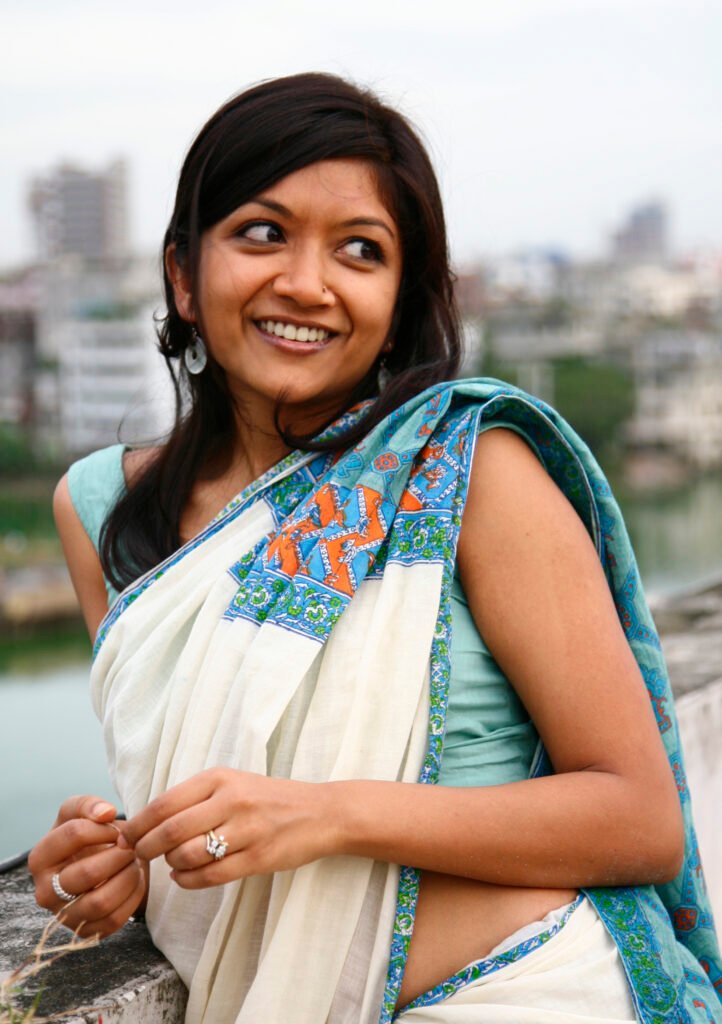
The Road Ahead: Stories Yet to Be Told
With Being Water, you have explored grief, belonging, identity and the possibility of healing through movement and self-discovery. What has writing this novel taught you about yourself that you perhaps didn’t know before? Looking ahead, are there particular themes, characters or stories you are eager to explore next, and will yoga and its philosophy continue to influence your literary journey?
I think every book teaches me something about myself. Often something I wasn’t particularly looking to discover.
With Being Water, I found myself thinking a great deal about how we construct our identities around our experiences, particularly the painful ones. How easily we become attached to our own stories. I’m the woman who lost her mother. I’m the woman who was betrayed. I’m the woman who failed. And then we spend years living inside those stories, forgetting that we are so much more than the things that have happened to us.
Writing this novel helped me understand that we have far more freedom than we imagine. We can change our minds. We can forgive people. We can forgive ourselves. We can fall in love again. We can begin again, at any age. I find that enormously liberating.
I’m now writing a novel set in the tea gardens of Sylhet, which takes me into a very different world. It’s about land, power, family secrets, and the injustices that can remain buried for generations. I’m fascinated by the way history lives on in the present, often in ways we don’t even recognise.
As for yoga, I don’t think I can separate it from my writing, any more than I can separate it from the rest of my life. Yoga has shaped the way I see the world. It’s an embodied practice, which means it makes me aware of what happens in my body as I experience life. It’s taught me to pay attention, to question my own perceptions, to recognise that there are always different ways of looking at the same experience.
TheGlitz Take
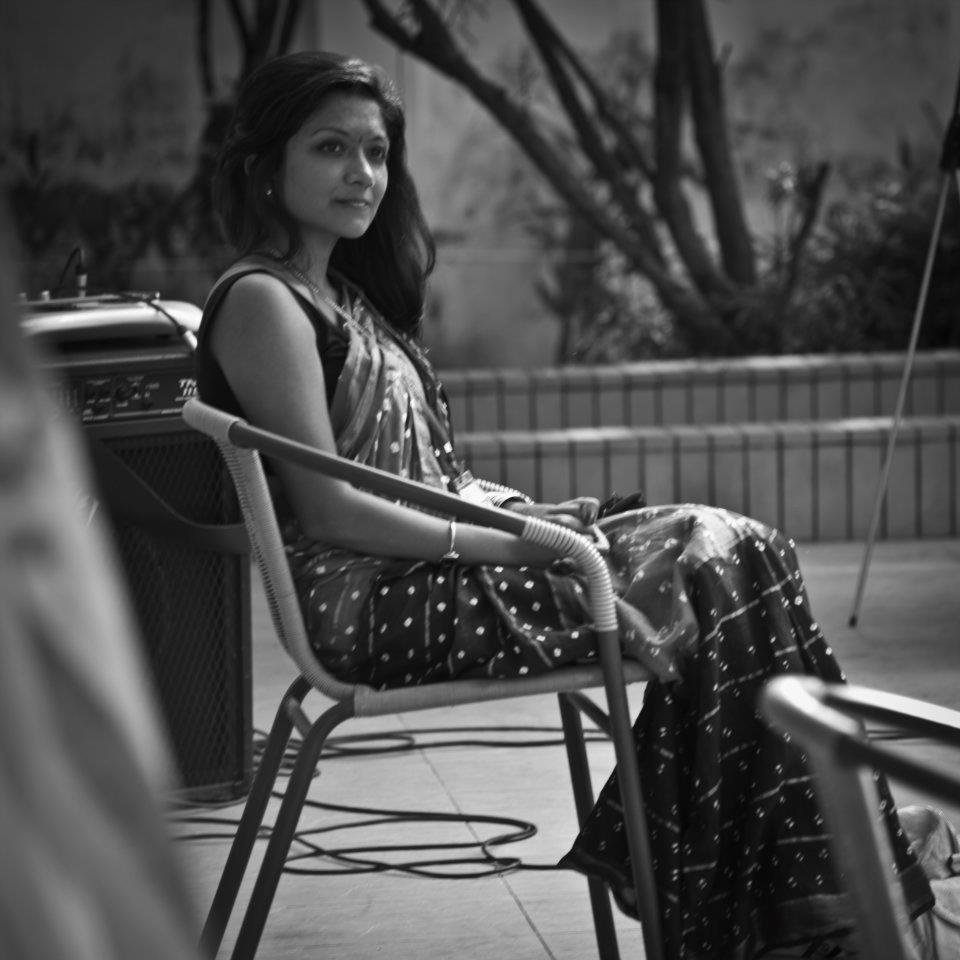
Some journeys take us across oceans. Others take us into the uncharted territories of our own souls. Bangladeshi Novelist Shazia Omar understands that distinction beautifully. With ‘Being Water’, she offers a refreshing perspective on grief, healing, womanhood and the courage to begin again. Her philosophy is as compelling as it is profound: we don’t have to erase our scars to embrace life; we simply have to make room for everything that makes us human.
What makes Shazia particularly fascinating is her ability to weave literature, yoga, travel and cultural identity into one seamless conversation about living. Her vision of South Asia as one long coastline is a reminder that beneath our borders and differences lie shared histories, emotions and stories. And perhaps her most powerful message is this: life doesn’t demand that we remain unbroken. It asks us to remain fluid, resilient and open to possibility.
TheGlitz Verdict: In a world constantly urging us to control everything, Shazia makes a persuasive case for learning to flow. And that, quite simply, is a beautiful way to be.