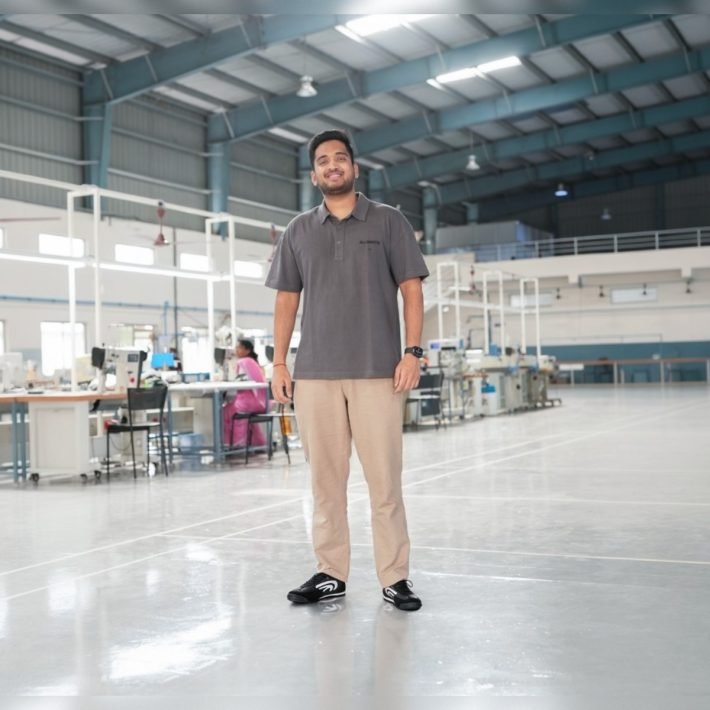
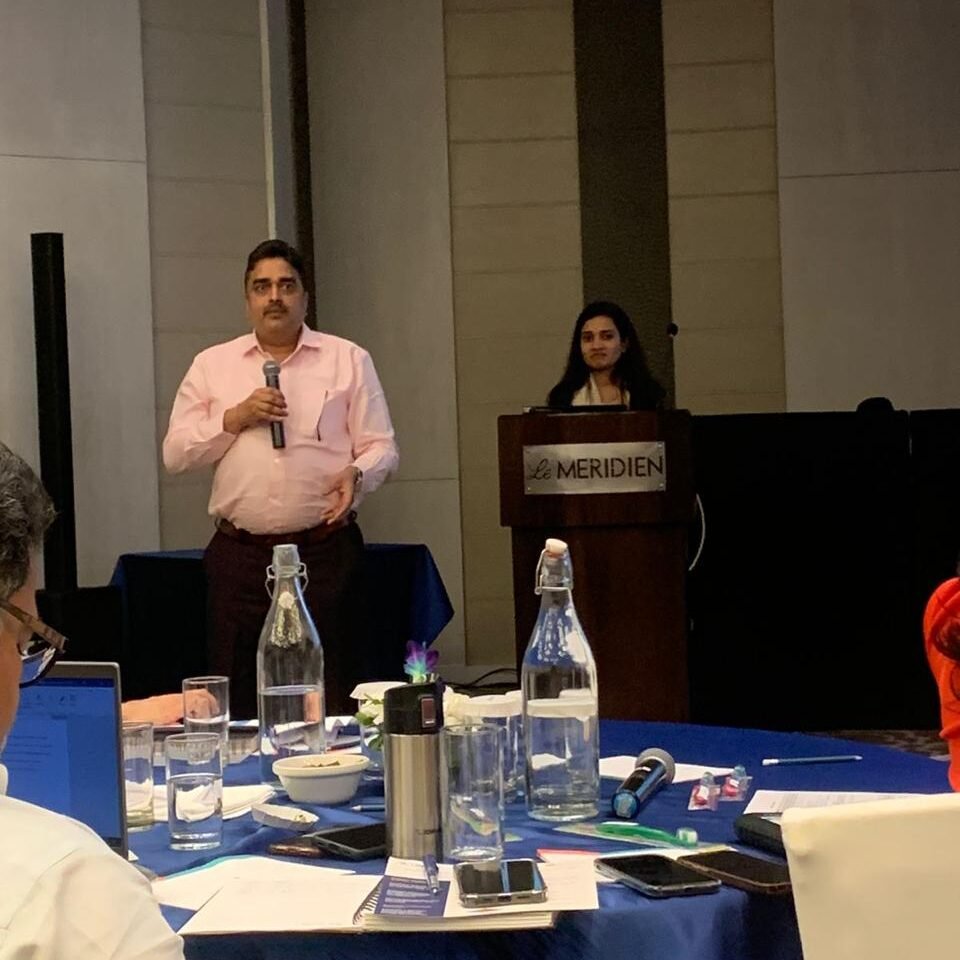
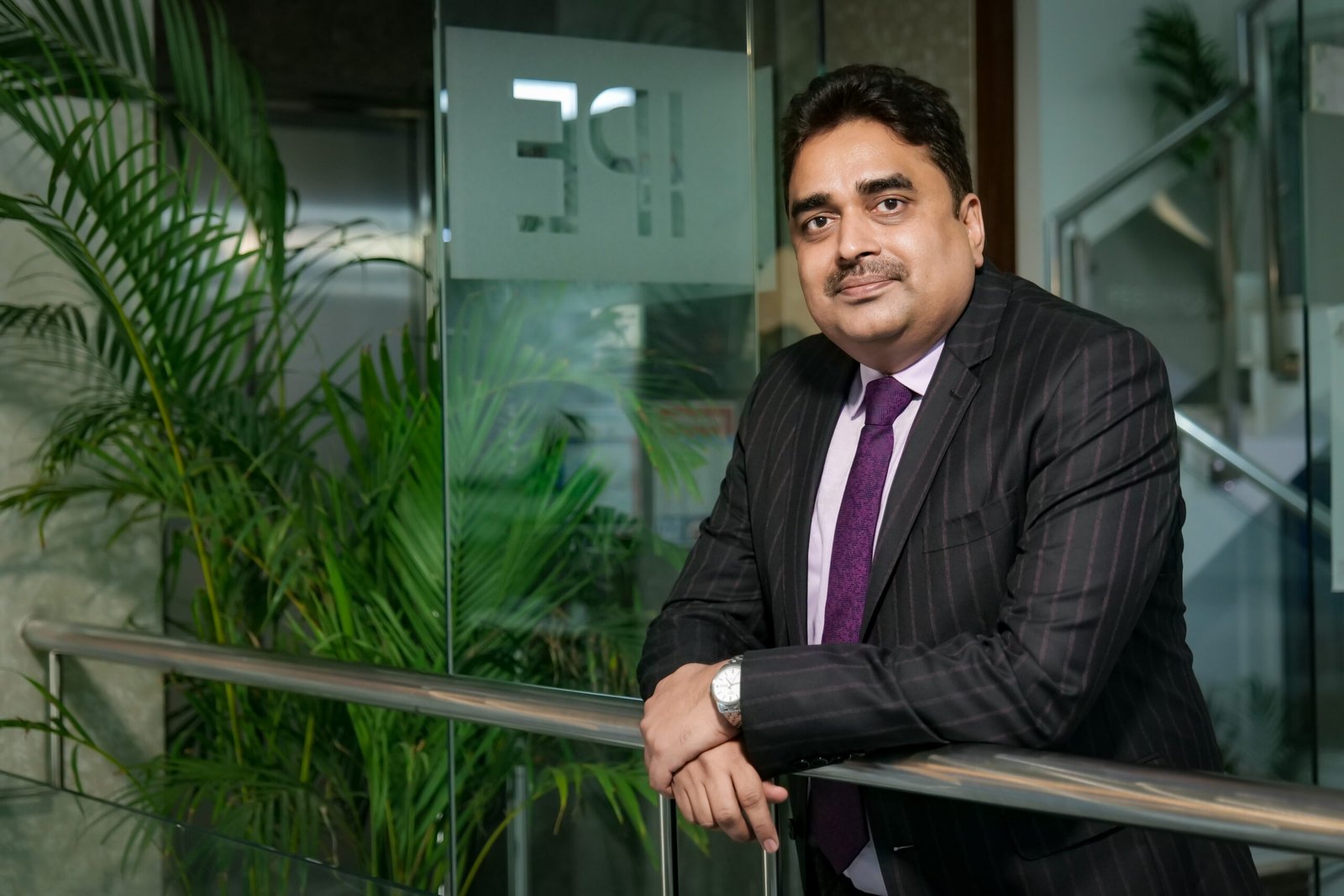
TheGlitz Earth Warrior 2026 Anil Kumar Bansal, Senior Director, Urban Infrastructure & Tourism
As cities around the world grapple with climate change, rapid urbanisation, resource scarcity, and mounting environmental pressures, the future belongs to leaders who understand that sustainable development is no longer a choice, it is an imperative. Among those shaping this future is Anil Kumar Bansal, Senior Director, Urban Infrastructure & Tourism, whose work over the past two decades has helped redefine how cities can grow while remaining resilient, inclusive, and environmentally responsible.
Having led more than 150 assignments across South Asia, Southeast Asia, and Africa, Anil has been at the forefront of some of the region’s most transformative urban initiatives. His contributions to India’s flagship missions, including Smart Cities, AMRUT, and Swachh Bharat, have consistently focused on a simple yet powerful principle: cities must be designed not just for growth, but for people, nature, and future generations.
What sets Anil apart is his belief that sustainable urban development goes far beyond creating infrastructure. For him, true sustainability lies in building resilient systems where technology, governance, environmental stewardship, and citizen participation work together seamlessly. Whether addressing water security, waste management, sanitation, climate resilience, sustainable tourism, or nature-integrated urban planning, his work demonstrates how thoughtful planning can transform cities into healthier and more liveable ecosystems.
At a time when many urban centres are expanding at the expense of wetlands, forests, water bodies, and ecological balance, Anil has consistently advocated for treating nature as essential infrastructure rather than a development obstacle. His vision places blue-green infrastructure, climate-responsive design, sustainable mobility, and community engagement at the heart of urban transformation.
His work across tourism destinations such as Lakshadweep, the Andaman & Nicobar Islands, and Tehri further highlights his commitment to balancing economic growth with environmental preservation. Through sustainable tourism frameworks and community-centric development models, he has demonstrated that conservation and development can coexist successfully when planned responsibly.
What also distinguishes Anil’s leadership is his emphasis on citizen participation. He believes that smart cities are not defined by technology alone but by how effectively they improve everyday life. Across multiple urban projects, he has championed the idea that lasting transformation happens when communities become active stakeholders in shaping the places they live.
As climate risks intensify and cities become the frontline of environmental challenges, Anil Kumar Bansal’s work offers a blueprint for the future… one where development strengthens resilience rather than undermines it.
It is for his extraordinary contribution to sustainable urban development, climate-resilient infrastructure, environmental stewardship, and people-centric city planning that TheGlitz proudly recognizes Anil Kumar Bansal as a distinguished TheGlitz Earth Warrior 2026.
Over To TheGlitz Earth Warrior 2026 Anil Kumar Bansal – Senior Director, Urban Infrastructure & Tourism
With your experience across Smart Cities, AMRUT, and Swachh Bharat missions, how do you define truly “sustainable urban development” in today’s context?
Our experience across India’s flagship urban missions offers some important lessons for defining sustainable urban development. From Swachh Bharat Mission, we have learned that sustaining behaviour change and achieving end-to-end waste management are often harder than creating infrastructure. AMRUT has highlighted the urgent need to address water security and improve aging urban service networks.
Smart Cities has shown that technology must move beyond isolated solutions and become embedded in city governance. Taken together, these experiences demonstrate that sustainable urban development is not just about building assets, but about creating resilient systems that combine effective service delivery, strong institutions, and active citizen participation.
Many cities are expanding rapidly, often at the cost of ecological balance. How can urban planning better integrate nature, infrastructure, and long-term environmental resilience?
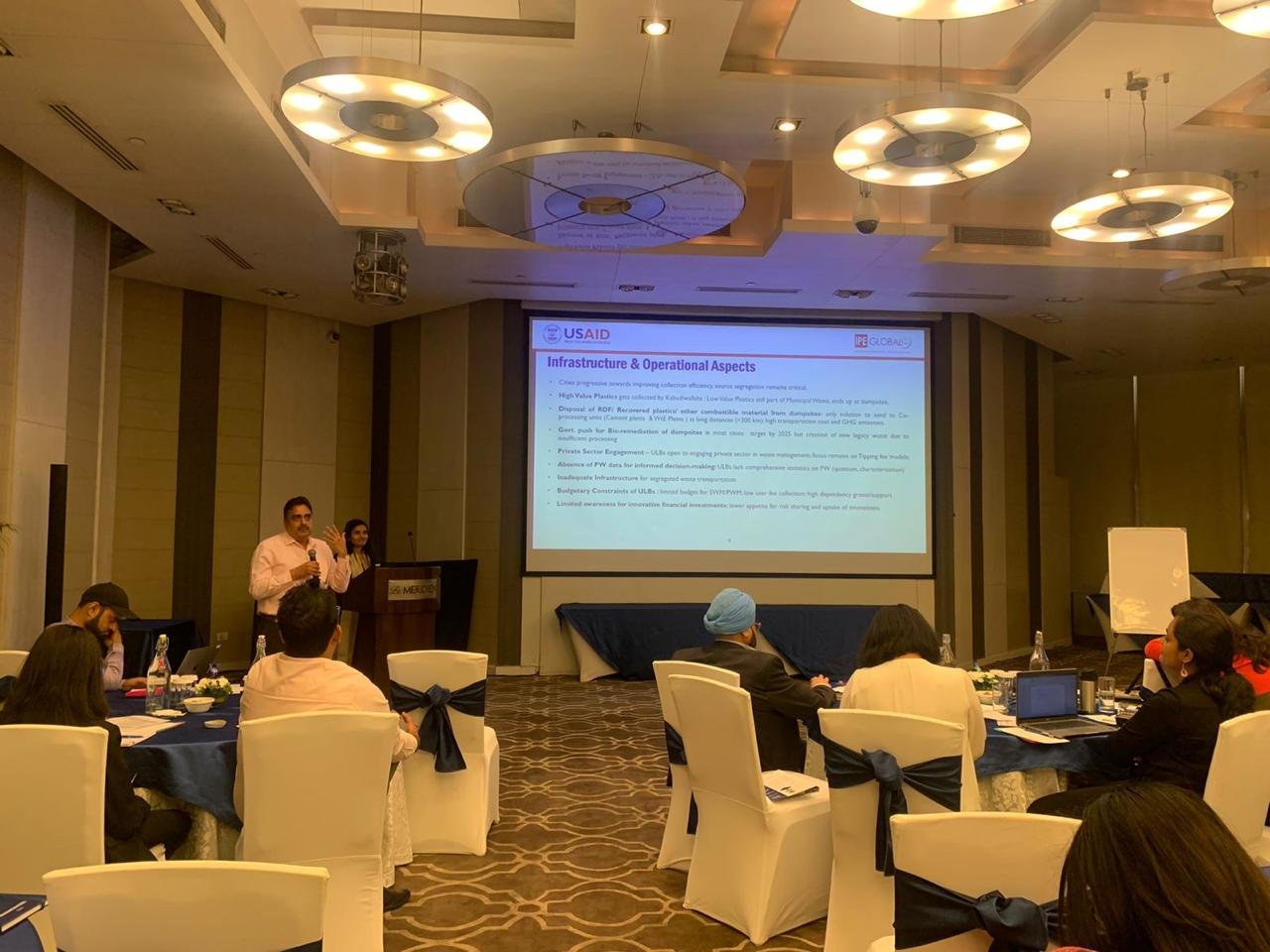
Indian cities are expanding faster than their ecological systems can sustain. Urban planning must shift from maximizing built density to balancing growth with ecological sustainability, treating forests, water bodies, wetlands, and open spaces as essential infrastructure.
While master plans often include green cover targets, ecological buffers, and resource conservation measures, these should not remain merely on paper or be treated as optional provisions; they must be embedded as core planning principles that guide where and how development takes place.
Strong governance is equally critical, ensuring that development approvals and building regulations integrate environmental resilience as a prerequisite to urbanization rather than an afterthought. India has both the experience and the urgency; what is needed now is the institutional commitment to make nature-integrated planning the norm, creating cities that are sustainable, resilient, and livable for future generations.
Having worked across South Asia, Southeast Asia, and Africa, what global lessons stand out in how cities can improve sanitation, waste management, and liveability?
One of the key lessons from our work across South Asia, Southeast Asia, and Africa is that infrastructure alone does not make cities cleaner or more livable. Policies and investments deliver results only when supported by strong governance and active citizen participation.
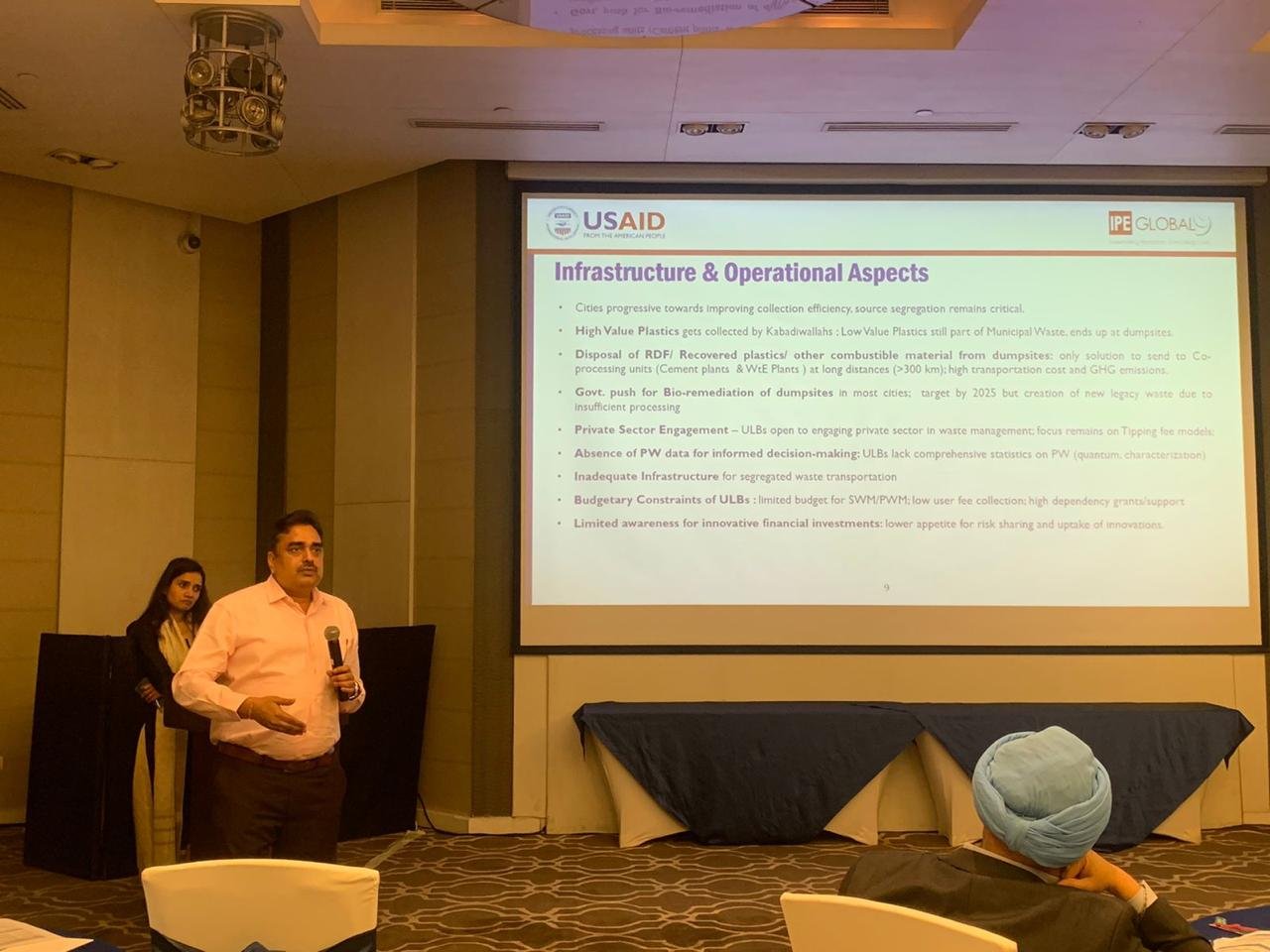
This is especially true for sanitation and waste management, where behavior change is as important as infrastructure. Through our work with governments and development partners across the policy, planning, design, and implementation of urban sanitation and waste management initiatives, we have seen that lasting improvements are achieved when governance systems, service providers, and communities work together. Indore’s success in waste segregation is a strong example of this approach.
Similarly, Singapore’s water success reflects a combination of technological innovation and a strong public commitment to water conservation.
Tourism and urban infrastructure are deeply interconnected. How can cities develop tourism without putting additional strain on natural resources and ecosystems?
Tourism and urban infrastructure are intrinsically linked. Our experience in destinations such as Lakshadweep, the Andaman & Nicobar Islands, and Tehri has shown that tourism cannot be developed without adequate infrastructure, but that infrastructure must be planned within the ecological limits of a destination.
Assessing carrying capacity, strengthening water, sanitation and waste management systems, promoting sustainable mobility, and adopting environmentally sensitive design approaches are critical. Equally important is ensuring that tourism benefits local communities through eco-tourism and community-based models.
The most successful tourism destinations are those that view environmental conservation not as a constraint, but as the foundation of long-term economic growth.
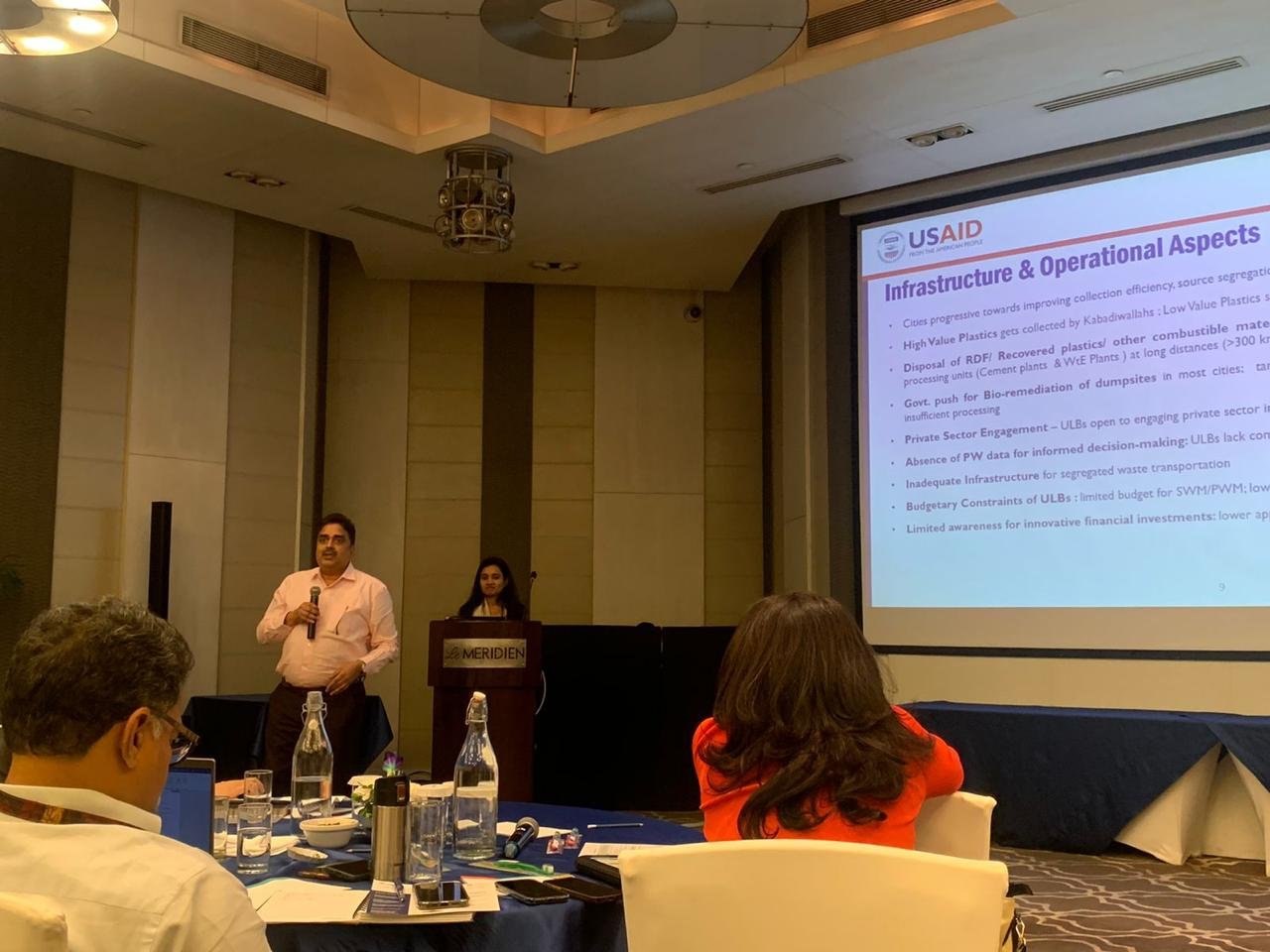
Smart City initiatives often focus on technology-led solutions. How important is it to balance technology with community behaviour change and grassroots participation?
Smart City initiatives have tremendous potential to improve service delivery, enhance urban management, and make infrastructure more responsive to citizens’ needs. However, technology alone cannot create truly liveable cities. It must be complemented by community participation, behaviour change, and a deep understanding of how people interact with their neighbourhoods and public spaces.
Our implementation experience across seven Smart Cities Mission cities, including Ujjain and Kochi, has demonstrated that citizen-centred planning creates a stronger sense of ownership, leading to better maintenance, greater inclusivity, and more vibrant public spaces. Whether through placemaking initiatives, accessible green spaces, or improved public amenities, lasting urban transformation occurs when technology is combined with active citizen engagement.
Ultimately, smart cities are not defined by digital systems alone, but by how effectively they improve the everyday lives of people.
What do you believe are the most urgent priorities for Indian cities to become climate-resilient and environmentally sustainable over the next decade?
One of the most pressing priorities for Indian cities over the next decade is to mainstream climate resilience into infrastructure planning and investment decisions. Much of our urban infrastructure was designed for historical climate conditions, while cities today are increasingly facing extreme rainfall, flooding, heatwaves, and water stress.
Going forward, infrastructure systems for water supply, drainage, sanitation, mobility, and public spaces must be designed to respond to changing climate risks and carrying capacities. This will require greater adoption of climate-responsive and environmentally sensitive approaches, including blue-green infrastructure, nature-based solutions, urban cooling strategies, and integrated stormwater management.
Equally important is the protection of natural assets such as wetlands, lakes, and urban forests, which play a critical role in strengthening urban resilience and supporting sustainable growth.