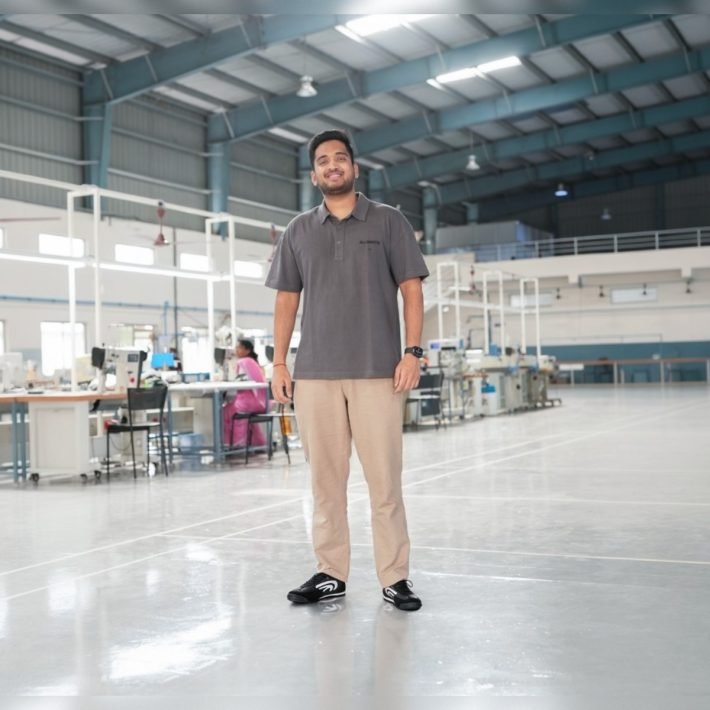

TheGlitz Earth Warrior 2026 Stuti Dhanuka, Founder, Terra Luna
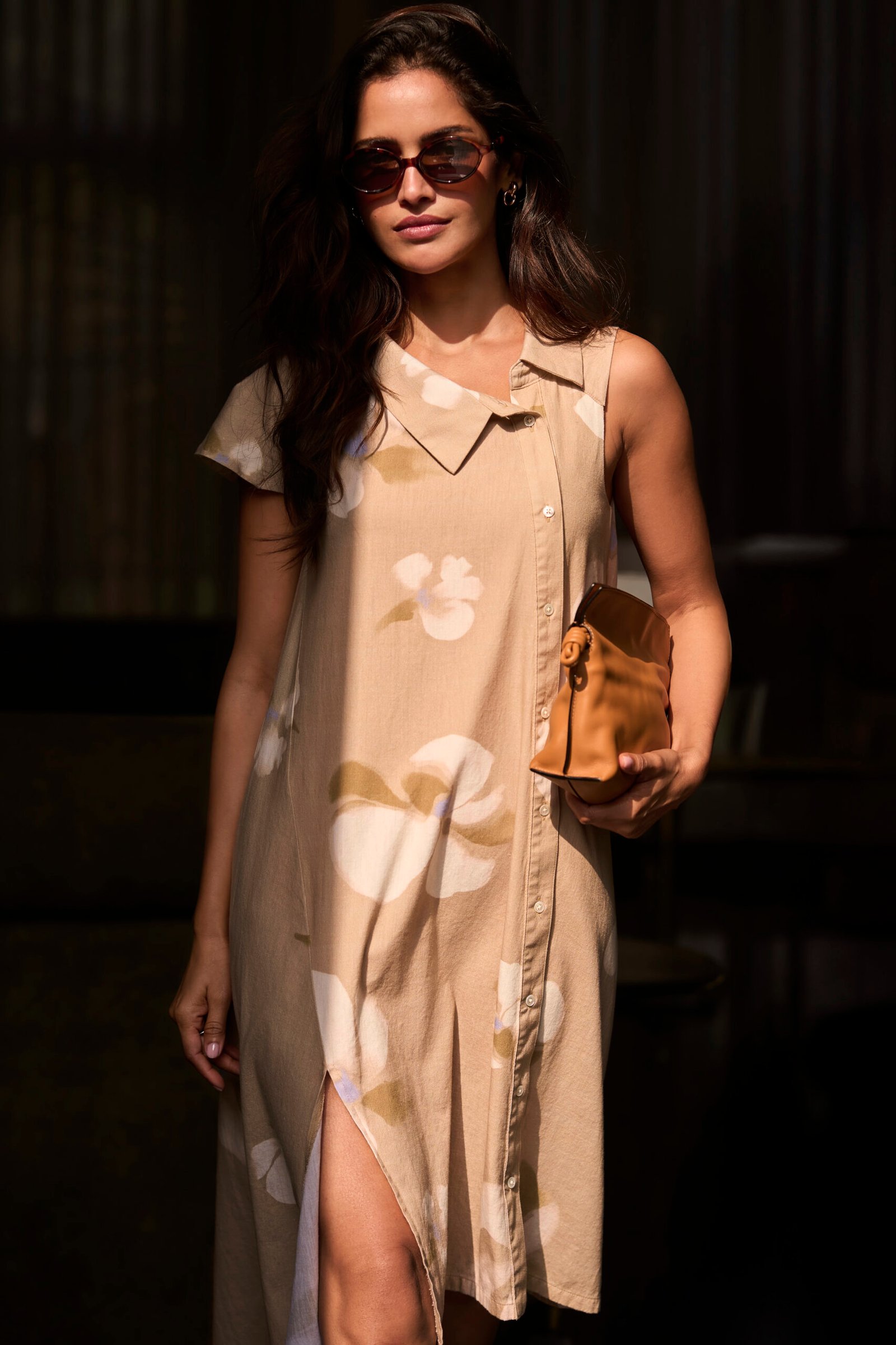
At a time when the global fashion industry is under increasing scrutiny for its environmental impact, a new generation of changemakers is proving that style and sustainability can coexist beautifully. Among them is Stuti Dhanuka, Founder, Terra Luna, a visionary entrepreneur who is redefining the future of fashion through one of India’s oldest and most powerful textiles… Khadi along with powering a sustainability-led brand empowering 250+ artisans.
While fast fashion continues to fuel excessive consumption, waste, and carbon emissions, Stuti has chosen a different path. Through Terra Luna, she is transforming Khadi from a fabric often associated solely with tradition into a contemporary, globally relevant, climate-conscious textile that speaks directly to the needs of modern consumers.
The environmental significance of this mission cannot be overstated. The fashion industry contributes nearly 10% of global greenhouse gas emissions and consumes vast amounts of energy and water. In contrast, hand-spun and handwoven Khadi requires virtually no electricity during production and consumes a fraction of the water used by industrial textiles. In many ways, Khadi represents a blueprint for responsible fashion — low impact, durable, artisan-driven, and deeply connected to local communities.
But for Stuti, sustainability extends far beyond the fabric itself. Through Terra Luna’s close collaboration with artisan communities in Amreli, Gujarat, she has created a model that supports fair livelihoods, preserves centuries-old craftsmanship, and empowers rural weaving communities. By sourcing directly from artisans, the brand ensures transparency, authenticity, and economic opportunities for skilled craftspeople whose knowledge has been passed down through generations.
Equally significant is Terra Luna’s commitment to global standards of ethical and responsible production. Through certifications such as GOTS, SA 8000, Oeko-Tex, and KVIC, the brand has demonstrated that sustainability must be measurable, accountable, and transparent… not merely aspirational.
As consumer awareness around ethical fashion continues to grow, Stuti’s work highlights a powerful truth: meaningful climate action can begin with the choices we make every day… including the clothes we wear.
For championing sustainable fashion, empowering artisan communities, preserving India’s textile heritage, and creating a credible alternative to fast fashion, TheGlitz proudly recognizes Stuti Dhanuka as a distinguished TheGlitz Earth Warrior 2026.
Over To TheGlitz Earth Warrior 2026 Stuti Dhanuka, Founder, Terra Luna
What inspired you to position Khadi not just as a traditional fabric, but as a modern, climate-conscious alternative to fast fashion?

Khadi has always been inherently sustainable. It is hand-spun, handwoven, low-impact, and designed to last. For us, the opportunity was to move the conversation beyond heritage and showcase its relevance for modern living. In a world of overconsumption and fast fashion, Khadi offers something increasingly valuable—comfort, longevity, and a lighter environmental footprint.
The fashion industry is one of the largest contributors to global greenhouse gas emissions. How does Khadi offer a practical and scalable solution to this environmental challenge?
Khadi’s biggest strength lies in its simplicity. Its production requires significantly less energy than industrial textile manufacturing, while supporting decentralized artisan ecosystems. While no single fabric can solve fashion’s environmental challenges, Khadi demonstrates that thoughtful production and responsible consumption can coexist at scale.
Terra Luna works closely with artisan communities in Amreli, Gujarat. How important is direct sourcing in ensuring both authenticity of craft and fair livelihood opportunities?
Direct sourcing is fundamental to our approach. It allows us to work closely with artisans, preserve the integrity of the craft, and ensure greater transparency throughout the supply chain. More importantly, it helps create consistent livelihood opportunities for skilled communities whose knowledge has been passed down through generations.
Khadi has seen renewed interest and strong growth in recent years. What do you think is driving this shift in consumer behaviour towards more sustainable and ethical textiles?
Consumers today are far more informed about what they buy and where it comes from. There is a growing appreciation for quality, craftsmanship, and products with a clear story. Khadi sits at the intersection of sustainability, comfort, and authenticity, making it increasingly relevant for modern consumers seeking more conscious choices.

Your brand is aligned with global certifications like GOTS, SA 8000, Oeko-Tex, and KVIC. How do these standards help build trust and accountability in sustainable fashion?
Certifications provide an important layer of transparency and accountability. They help validate claims around environmental responsibility, ethical manufacturing, and product safety, giving consumers greater confidence in the choices they make. For brands, they create measurable benchmarks that encourage continuous improvement.
Beyond sustainability, Khadi also carries deep cultural and historical significance in India. How do you balance preserving this heritage while making it relevant for contemporary consumers?
Khadi’s future lies in evolution, not preservation alone. At Terra Luna, we pair traditional handwoven textiles with contemporary silhouettes and globally relevant design sensibilities, creating pieces that feel as at home in Mumbai, Milan, or Melbourne. The intention is not to modernise Khadi for the sake of it, but to demonstrate that a fabric with such rich heritage can continue to feel current, versatile, and desirable for today’s consumer.