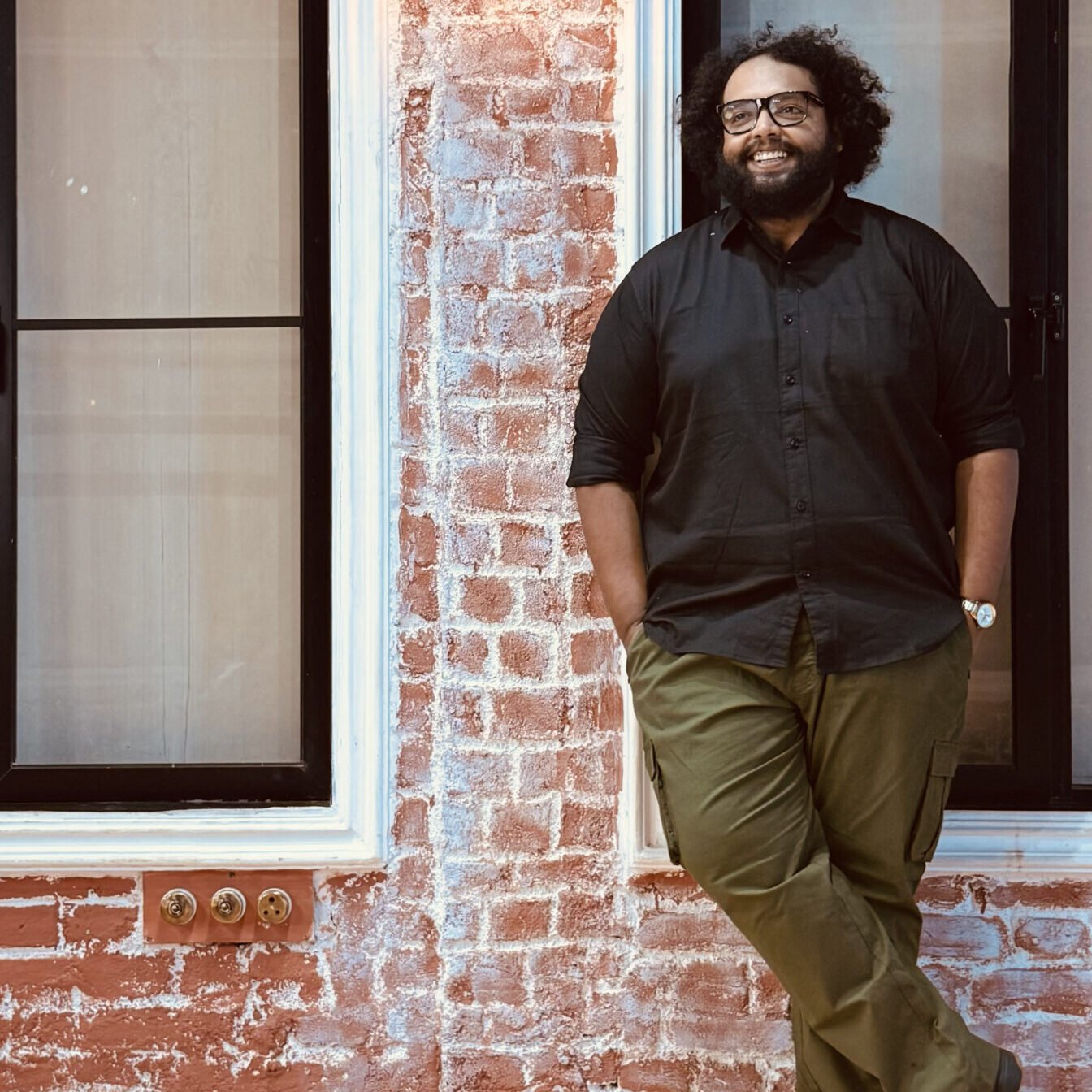
Mayukh Ghosh on Brown and more…
Few writers possess the rare ability to make a city breathe, a mystery ache agonisingly, and a flawed character feel profoundly human. The very dynamic Mayukh Ghosh is one of them. From acclaimed projects such as Serious Men and Hostages to the much-talked-about Zee5’s Brown, starring Karisma Kapoor and directed by Abhinay Deo, Mayukh has steadily carved a niche as a storyteller who looks beyond the crime and into the cracks of the human psyche.
In Brown, Mayukh delivers a gripping noir that is as much about emotional wounds and personal redemption as it is about solving a murder. Set against a hauntingly unfamiliar Kolkata… far removed from postcard clichés… the series explores layered identities; hidden histories and the ghosts people carry within themselves.
As Mayukh Ghosh prepares for his next creative leap as a director with his Bengali feature Mokova, he remains driven by a singular obsession: telling deeply rooted stories about imperfect people navigating complicated worlds.
In this exclusive conversation with Sumita Chakraborty, Founder & Editor-in-chief, TheGlitz, Mayukh Ghosh speaks about writing Brown, Karisma Kapoor’s unforgettable Rita Brown, collaborating with Abhinay Deo, his love for Kolkata’s untold stories, and why the future of storytelling lies in embracing authenticity over convention.
Over To Mayukh Ghosh on Brown & So Much More
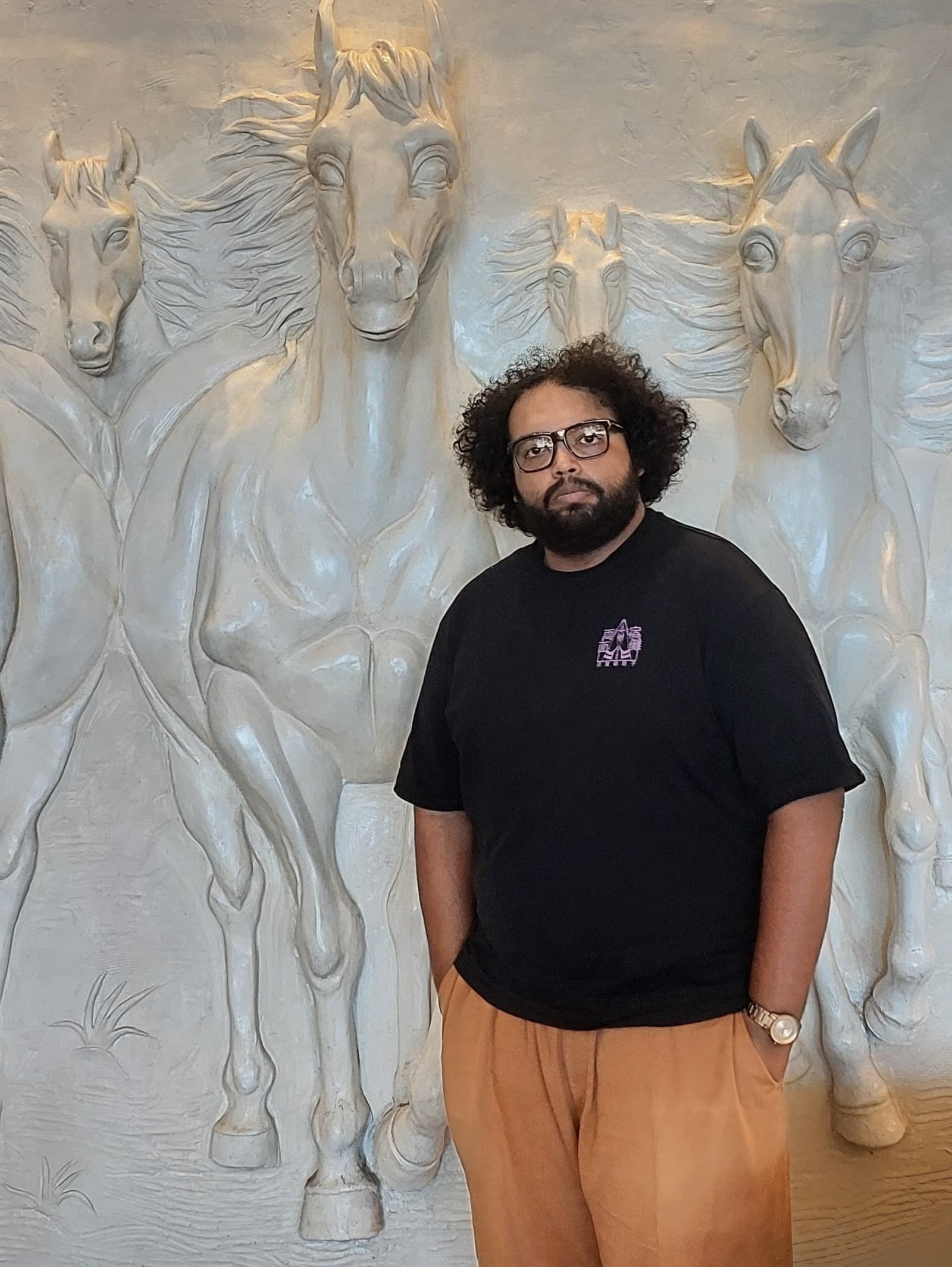
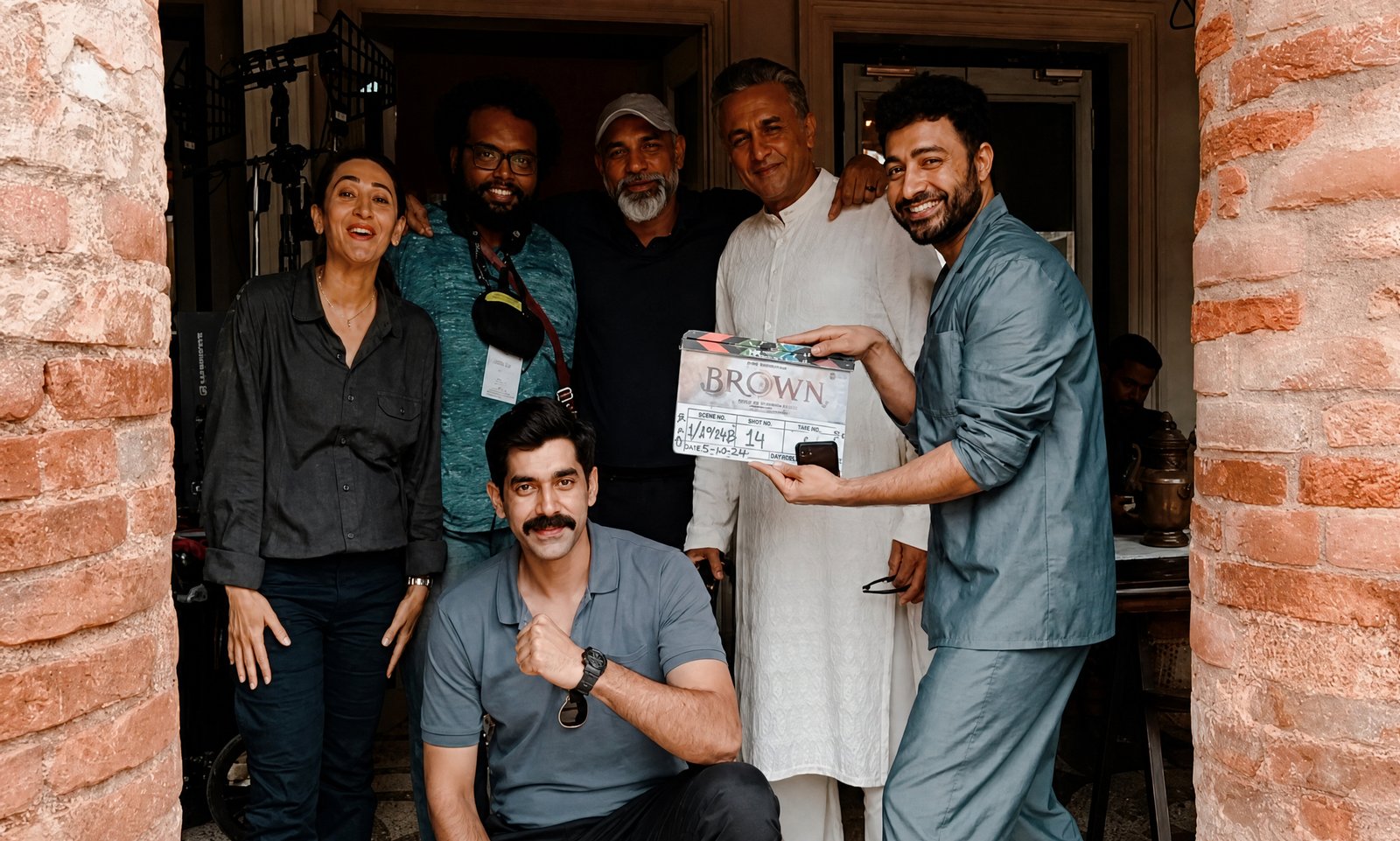
From writing acclaimed projects like Serious Men, Hostages, and now Brown, how would you describe your evolution as a storyteller? Are there themes or narrative obsessions that continue to draw you back as a writer?
I’d say I’ve moved from chasing plots to chasing people. Early on, a lot of the craft was about the machinery, the twist, the cliffhanger, the thing that keeps you guessing. Over time that stopped being enough for me. Something like Brown is really a character study wearing the clothes of a thriller, where the mystery matters far less than the wounded people standing around it. That’s the shift, from “what happens next” to “who is this happening to, and why.”
And there are obsessions I keep returning to. Flawed, damaged people who refuse to sit neatly on the right or wrong side of a line. And cities. I find I can’t write a place as just a backdrop, it always ends up becoming a character, carrying its own scars and secrets, as troubled as the people living in it.
Brown is much more than a conventional crime thriller. What was the biggest creative challenge in balancing a gripping murder mystery with the emotional and psychological complexities of characters carrying deep personal trauma?
The honest answer is that I stopped treating them as two separate things to balance. The trick was realising the investigation and the inner lives are the same machine. How a person works a case, what they notice, what they avoid, where they lose their temper, already tells you who they are and what they’re running from. So the mystery was never a distraction from the emotional story. It was the way into it. The only real discipline was making sure every scene held you in the moment, even when the bigger story was doing something quiet and internal.
Rita Brown is one of the most layered female protagonists we’ve seen in recent OTT content. What were your first conversations with Karisma Kapoor about the character, and was there a moment during filming when she brought something unexpected to Rita that surprised even you as the writer?
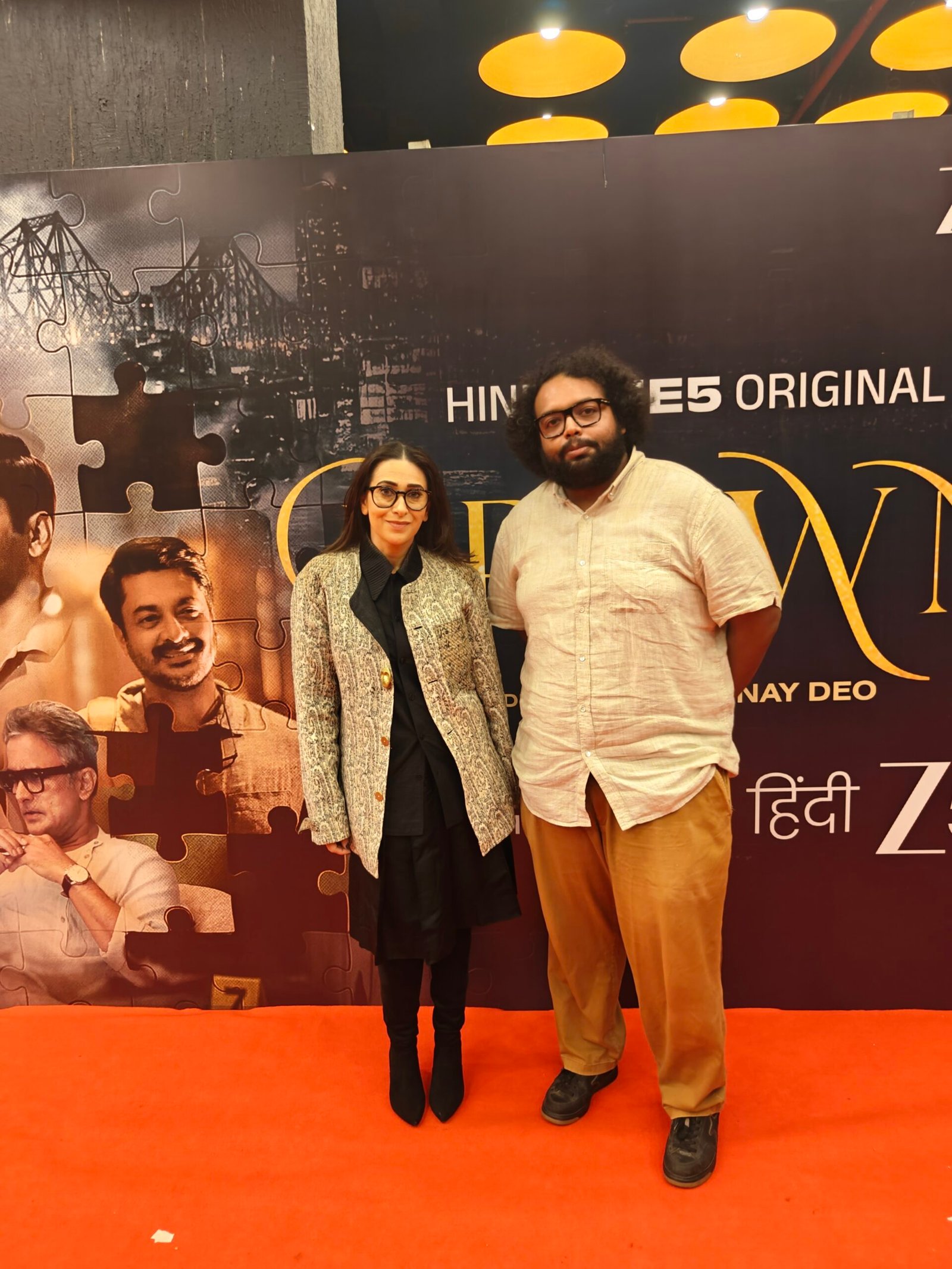
Our very first conversations were about what Rita should not be. I was clear I didn’t want the usual tough female cop, the one who behaves like a man to survive in a man’s world. Rita was something else entirely, Anglo-Indian, carrying a traumatic past, with a lot of her story written into her physicality. And I remember telling Karisma honestly that however much I put on the page, it was finally hers to play, because unless the actor lands it, the writing is worth nothing.
And then she surprised me with, of all things, her Bangla. Anglo-Indians don’t speak Bengali the way Bengalis do, but having lived in Calcutta for centuries, they carry a few words, a certain flavour. There’s a line where Rita says, “Bolo onar shraddho ache,” basically telling someone he’s got a funeral coming. On paper it’s a threat.
The way Karisma did it, she held the anger exactly right but ran it through this dry wit, this little curl of humour, and that’s the whole character in one line. I genuinely hadn’t heard it that way in my own head. That’s when I knew she had Rita.
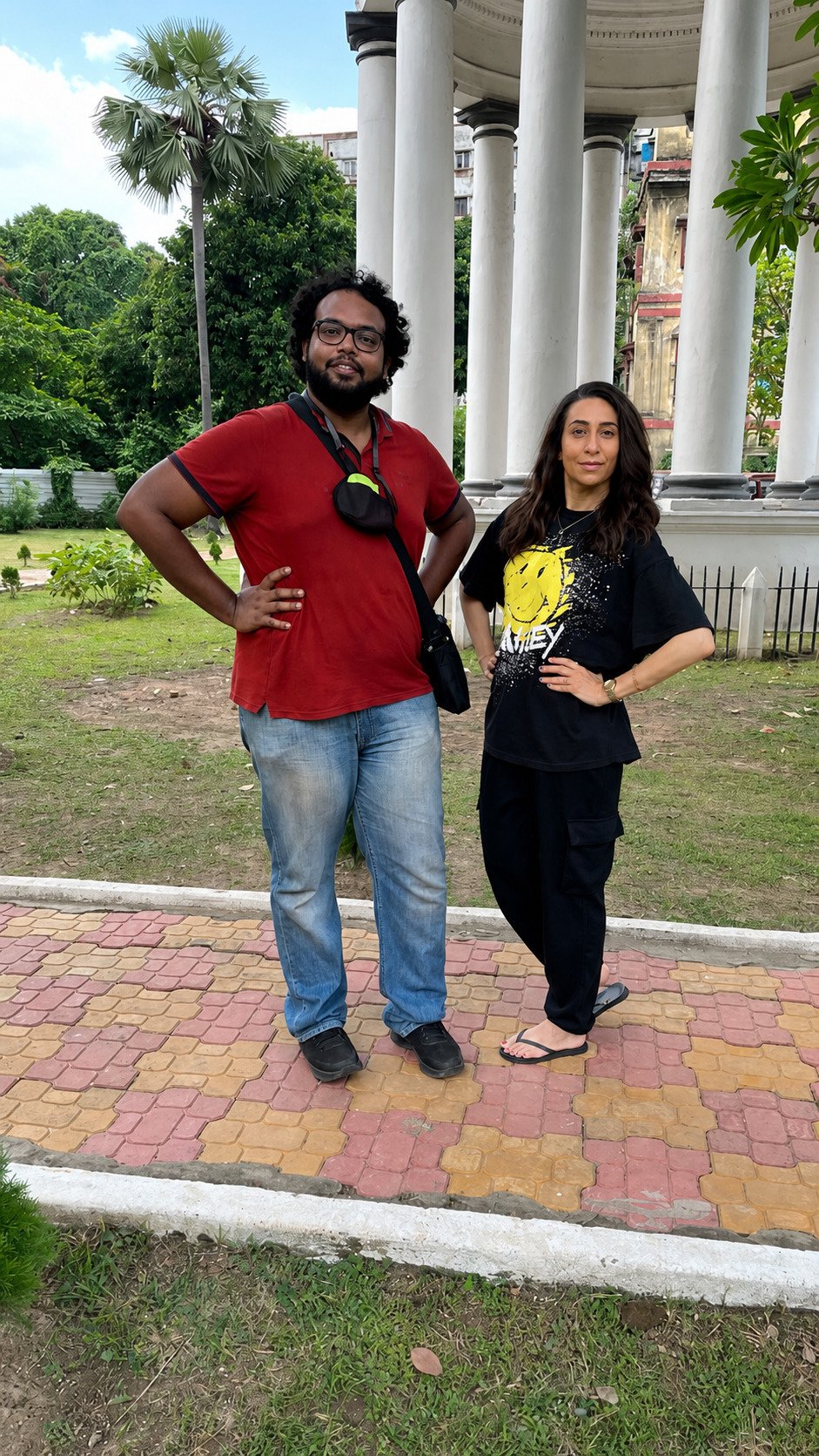
Your depiction of Kolkata in Brown feels almost surreal. Why was it important for you to move beyond the familiar portrayal of the city and spotlight communities, histories, and cultural nuances that are rarely explored on screen?
Honestly, it came from a small frustration. The Kolkata you see on screen is almost always the same handful of images, the trams, Howrah Bridge, a bit of Park Street nostalgia. It’s beautiful, but it’s a postcard, and a postcard is the opposite of surreal, it’s the most familiar thing in the world.
I wanted to get past it to the city I actually live in, which is far stranger and more layered than that. Because Kolkata isn’t one place. It’s a dozen worlds pressed up against each other, the Anglo-Indian world Rita comes from, the Bihari neighbourhoods, the Marwari business families, Chinatown, each with its own language, its own food, its own way of mourning.
When you put all of that on screen at once, the city stops looking like a postcard and starts feeling dreamlike, almost unreal, because most people have never seen it whole. That mix is the real Kolkata, and it’s where the city finds its voice. And underneath it all I let Tagore run quietly through everything, like a song the whole city is humming without realising it.
You have spoken about your creatively enriching collaboration with Abhinay Deo on Brown. What did this partnership teach you about storytelling, and how did the two of you challenge each other to elevate the material?
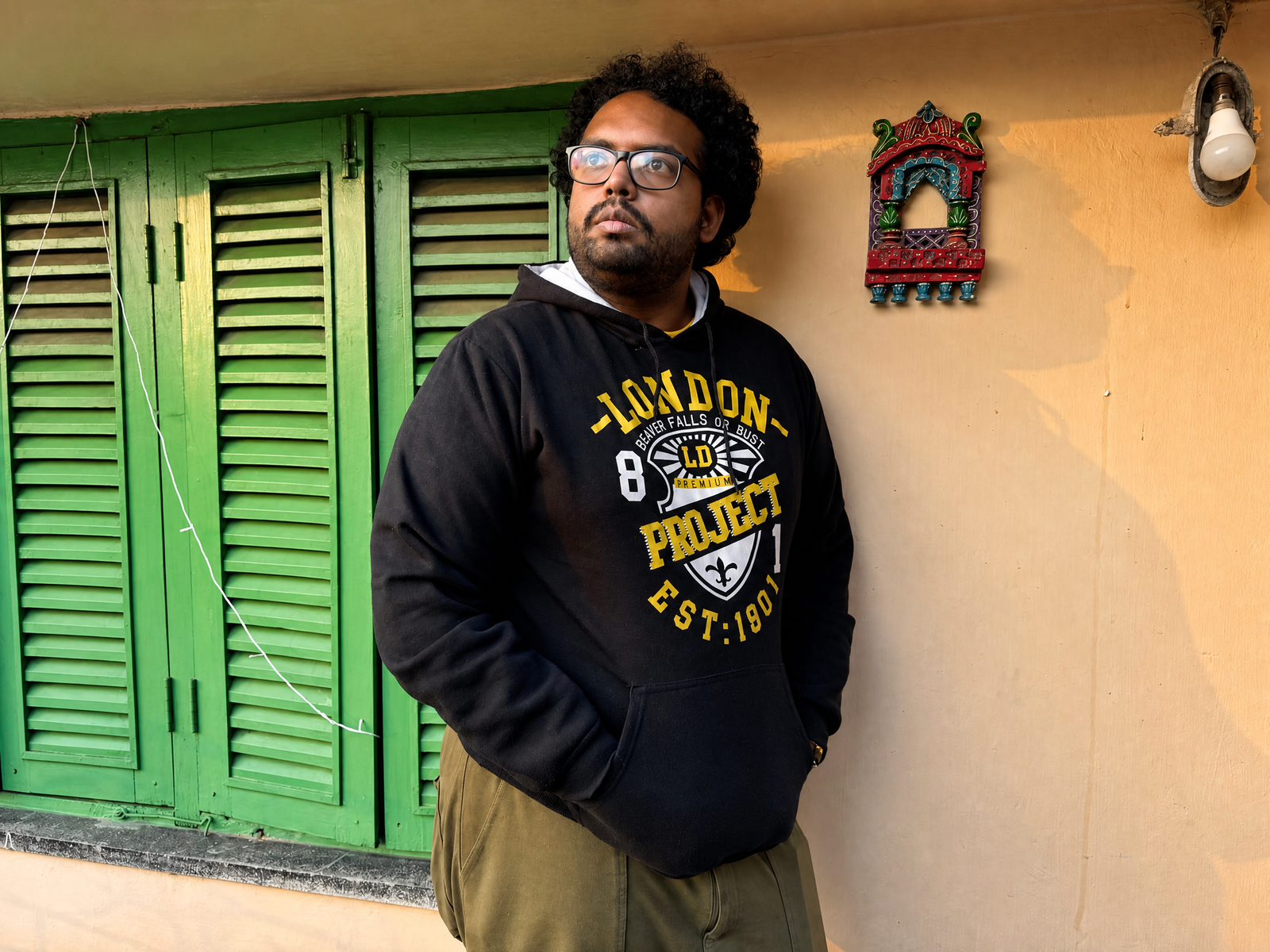
Abhinay is the kind of director who walks the road with you instead of just handing you a map, and that keeps everything alive. Nothing was ever frozen on the page. We were shooting in Chinatown once and I was telling him about its darker, crime-ridden side, and he just rewired the scene on the spot to bring that in. That was the rhythm of it.
The real test was the climax. We both wanted exactly the same ending but kept trying to reach it from opposite directions, so we clashed, hard, something like forty drafts of one scene. And the day we finally cracked it, we just stopped and went for a swim. That’s what he taught me, that you can fight passionately over the work and still be completely on the same side. The friction is the point. It’s what lifts the material.
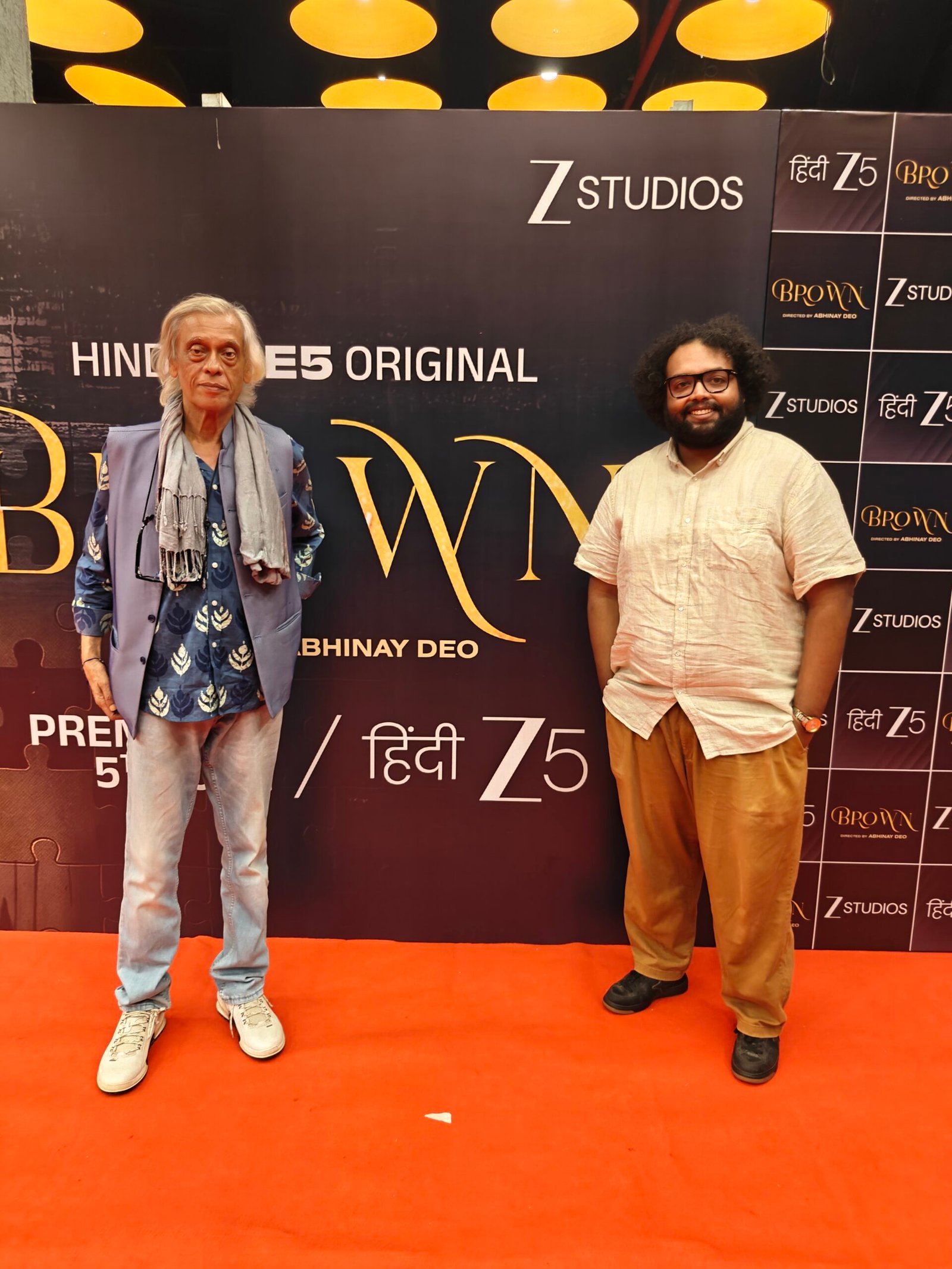
After establishing yourself as a writer, you are now stepping into the director’s chair with your Bengali film Mokova. What inspired this transition, and how different is the experience of visualising a story as a director compared to writing it on the page?
I’m genuinely excited and more than a little nervous, because directing my own film is a first, and a first is supposed to scare you a little. What’s given me the footing for it is that I’ve spent years as an associate director with Sudhir Mishra, running second unit on his films, so the grammar of a set isn’t alien to me.
In fact, direction is something I studied formally in my masters, writing is the craft I actually came to later and had to teach myself. Maybe that’s why I’ve always written very visually, with the staging and the sound and the atmosphere built into the script, not just the dialogue.
So Mokova feels like stepping up to finish a thought I usually have to hand over to someone else at the halfway mark. As a writer you imagine how a scene should feel, then you let it go. As a director, for the first time, I get to chase that feeling all the way to the screen. That last bit is what I can’t wait for.
The Indian OTT landscape has become increasingly crowded, yet audiences continue to respond to stories that feel authentic and deeply rooted in their worlds. As someone who has successfully navigated both mainstream and unconventional narratives, what do you believe is the future of storytelling in India, and where do you see your own creative journey heading next?
I think the future belongs to the specific. For a while everyone chased what felt universal, what would travel, and it all started looking the same. But audiences can smell something real, and the more rooted a story is in an actual world, with its own language and texture, the more universal it somehow becomes.
That’s where I want to live as a storyteller. And I don’t want to be boxed into crime. I’m itching to try completely different things, a period drama, a sports drama, even a dark comedy. I’ve stopped wanting to build the same world twice, and the next few years are about chasing that range.
Your first directorial venture is rooted in Bengali culture and language. Does returning to Bengal as a filmmaker feel like a homecoming of sorts, and what aspects of Bengal’s people, history, or identity are you most excited to explore through your own lens?
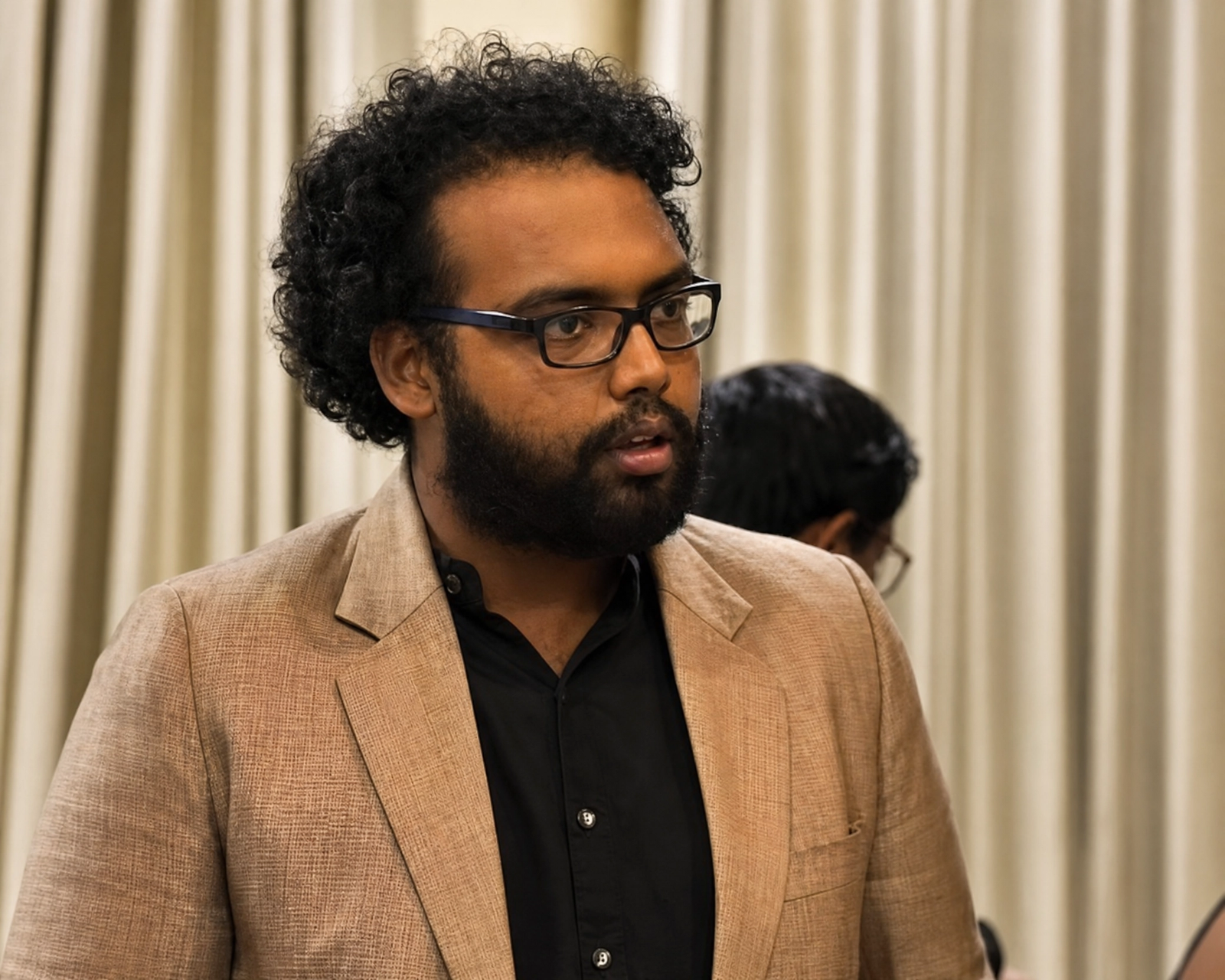
It absolutely feels like a homecoming, but to a Bengal, I haven’t shown before. Mokova is set in Birbhum, far from the Kolkata everyone thinks they know. That land lets music and culture and food pour into the story in a way the city never could.
There’s a thing about Bengal that fascinates me, the language itself shifts every forty kilometres, a new accent, a new lilt, an entirely different texture. I want to capture that Bengal, the one that lives outside the urban Calcutta conversation. We tend to tie Bengal’s history to the British, but that’s just one class, one chapter. There’s so much that came long before, and that older, deeper, more rooted Bengal is what I’m most excited to explore through my own lens.