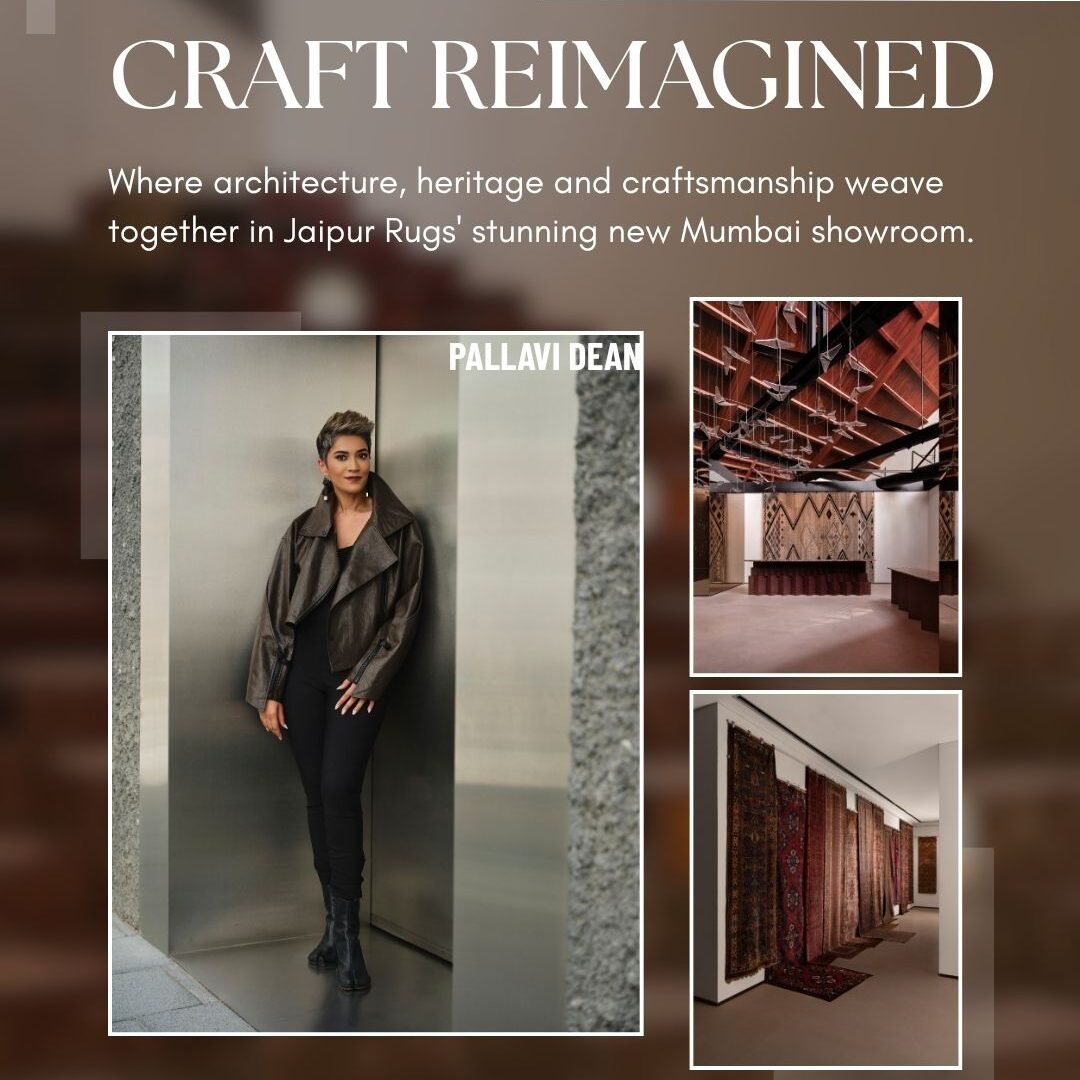
Pallavi Dean, Founder & CEO, Design By Roar, on Jaipur Rugs Mumbai showroom
At TheGlitz, we believe that luxury retail is no longer just about showcasing beautiful products… it is about creating unforgettable experiences that immerse, inspire and tell a story.
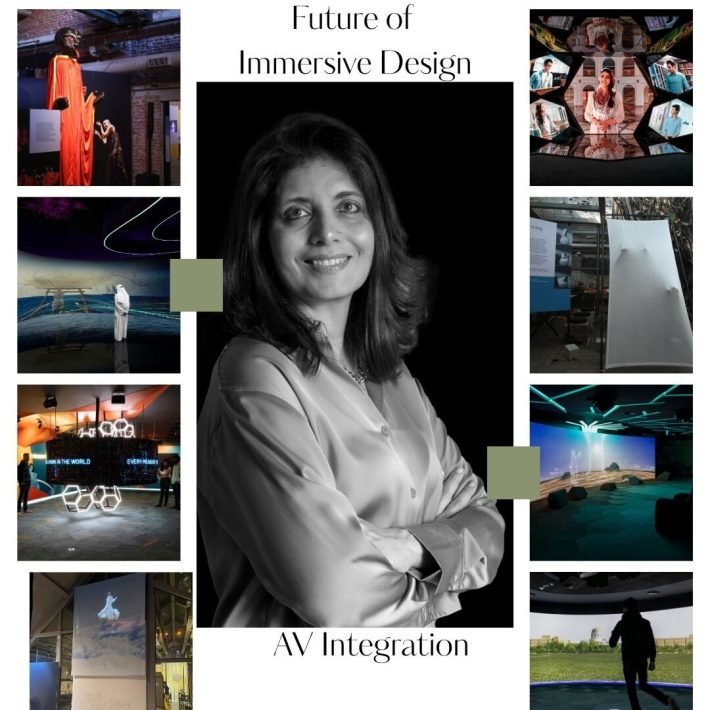
With its spectacular new Mumbai showroom at the historic Empire Mills precinct in Lower Parel, Jaipur Rugs has done exactly that. Designed by internationally acclaimed architect and interior designer Pallavi Dean, Founder and CEO, Design by Roar, the space transcends the traditional retail format, transforming into a gallery-like destination where architecture, art and craftsmanship exist in perfect harmony. Here, every wall, every angle and every carefully choreographed pathway echoes the rhythm of hand weaving, inviting visitors to experience the extraordinary artistry behind each handcrafted rug.
Deeply rooted in India’s rich textile legacy, the showroom pays homage to both Mumbai’s industrial past and Jaipur Rugs’ enduring commitment to preserving centuries-old craft traditions. Instead of relying on conventional design language, Pallavi Dean reinterprets the intricate process of weaving through a striking contemporary architectural vocabulary inspired by repetition, geometry and movement. The result is a captivating labyrinth of discovery… an immersive environment where visitors are encouraged to slow down, wander, explore and appreciate the remarkable intelligence, patience and craftsmanship woven into every creation.
Known globally for seamlessly blending innovation with cultural sensitivity, Pallavi Dean approaches design not as decoration but as storytelling. Her award-winning work consistently celebrates the emotional connection between people and spaces, balancing contemporary aesthetics with deep respect for heritage. At Jaipur Rugs, that philosophy comes alive through a design that quietly frames the artistry of the rugs while allowing the stories of the artisans, the legacy of weaving and the soul of Indian craftsmanship to take centre stage.
In an exclusive interview with Sumita Chakraborty, Founder & Editor-in-Chief, TheGlitz, Pallavi Dean, Founder & CEO, Design By Roar, shares the inspiration behind Jaipur Rugs’ extraordinary new Mumbai showroom, the architectural language inspired by the rhythm of weaving, the importance of preserving Mumbai’s textile heritage, and why the future of luxury retail lies in creating immersive cultural experiences rather than simply beautiful spaces.
Over To Pallavi Dean, Founder & CEO, Design By Roar on Jaipur Rugs

The new Jaipur Rugs showroom feels less like a retail space and more like an immersive gallery. What was the core design philosophy that guided your vision, and how did you translate the art of hand weaving into architecture?
The core idea was that this should not feel like a shop. How do you create a retail space focused on soft sell? You start with creating an experience
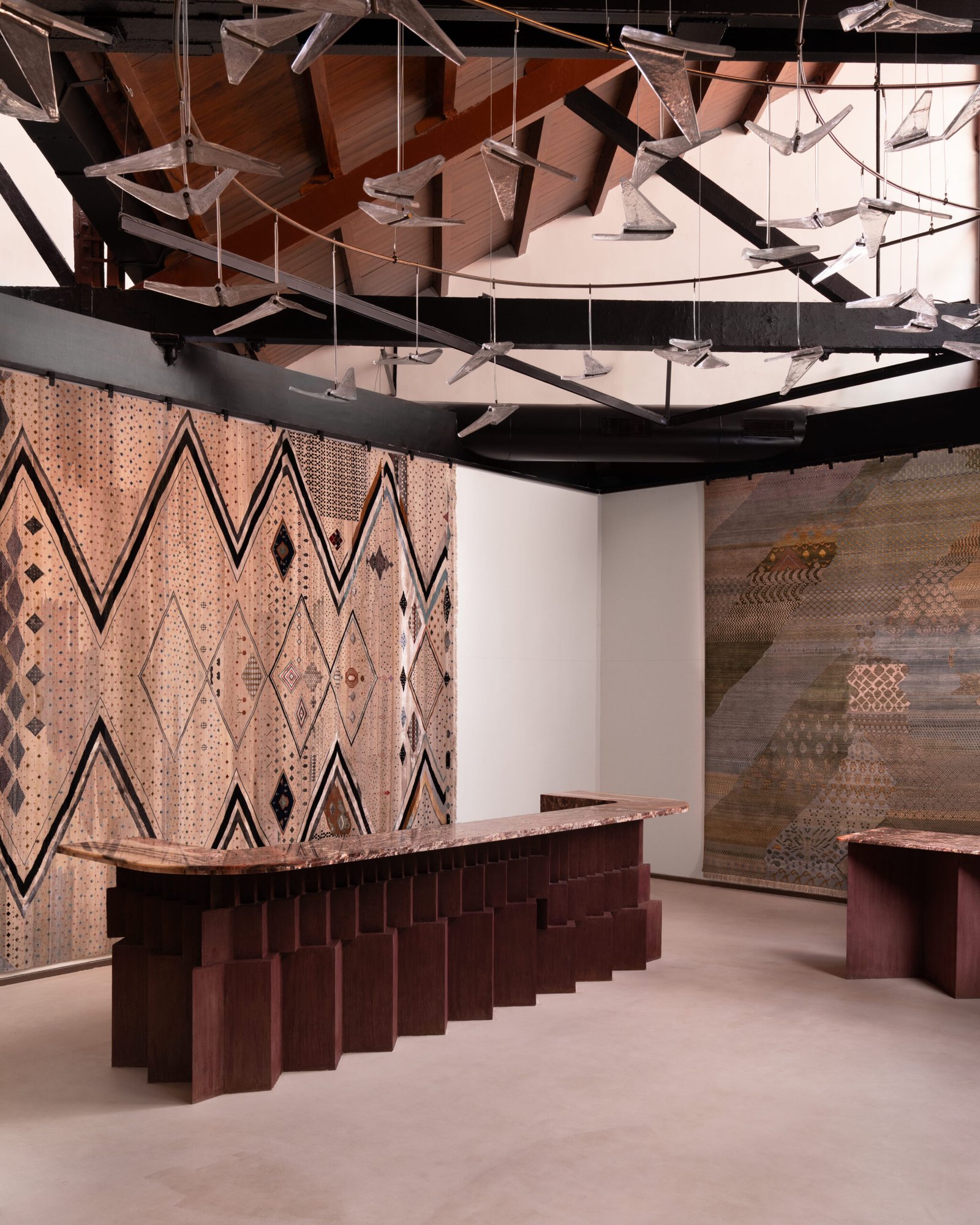
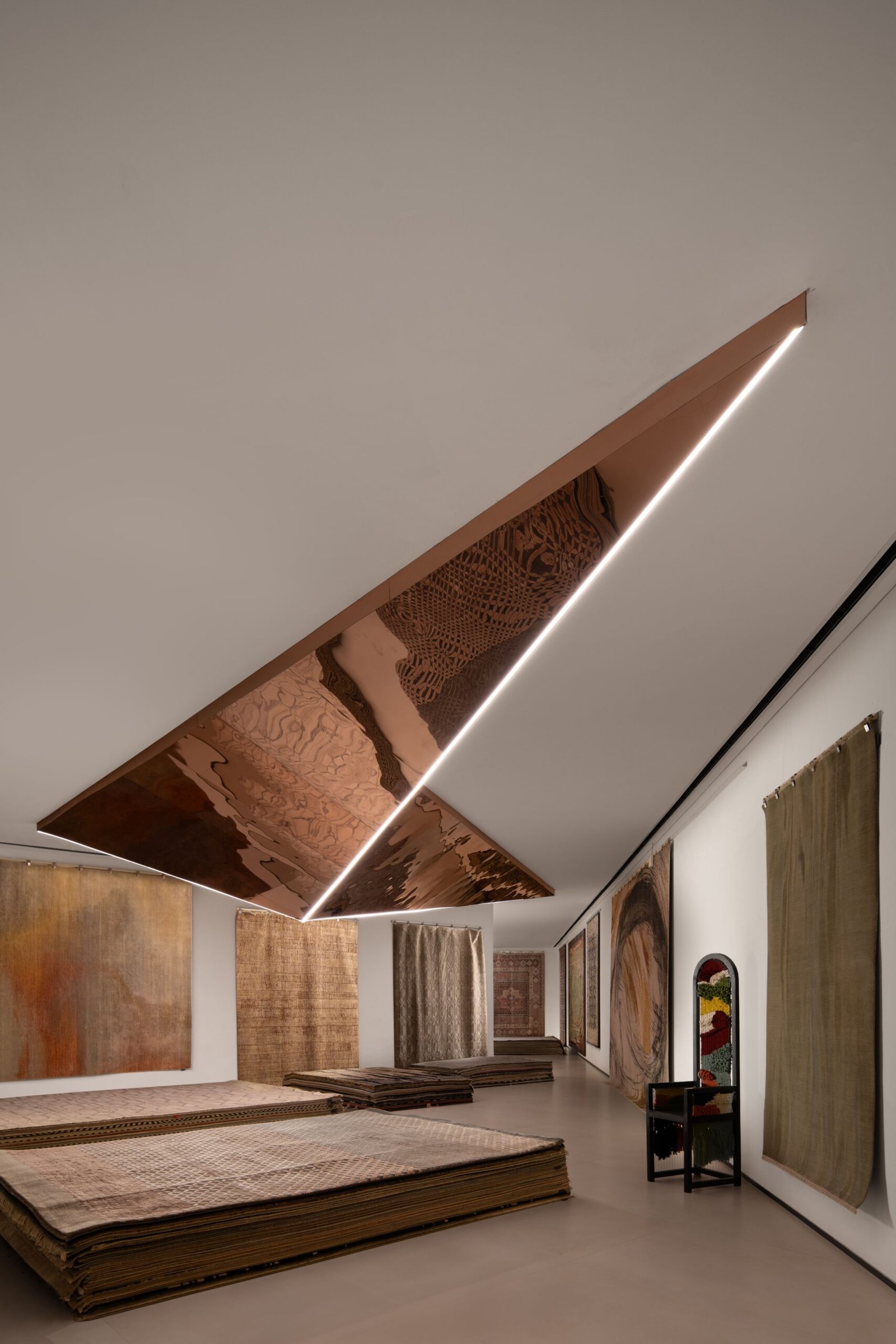
The warehouse is an immersive gallery. The art of weaving became the starting point: warp and weft, the repetition of the loom. Those ideas translated into the spatial journey, angular walls create display for rugs but also a labyrinth to discover, shaping the display language and the way visitors move through the space.
I wanted the architecture to make people slow down and feel the intelligence of the hand behind every rug.
The showroom is housed within the historic Empire Mills precinct, a site deeply rooted in Mumbai’s textile legacy. How did the building’s industrial past influence your design decisions, and why was it important to preserve that connection?
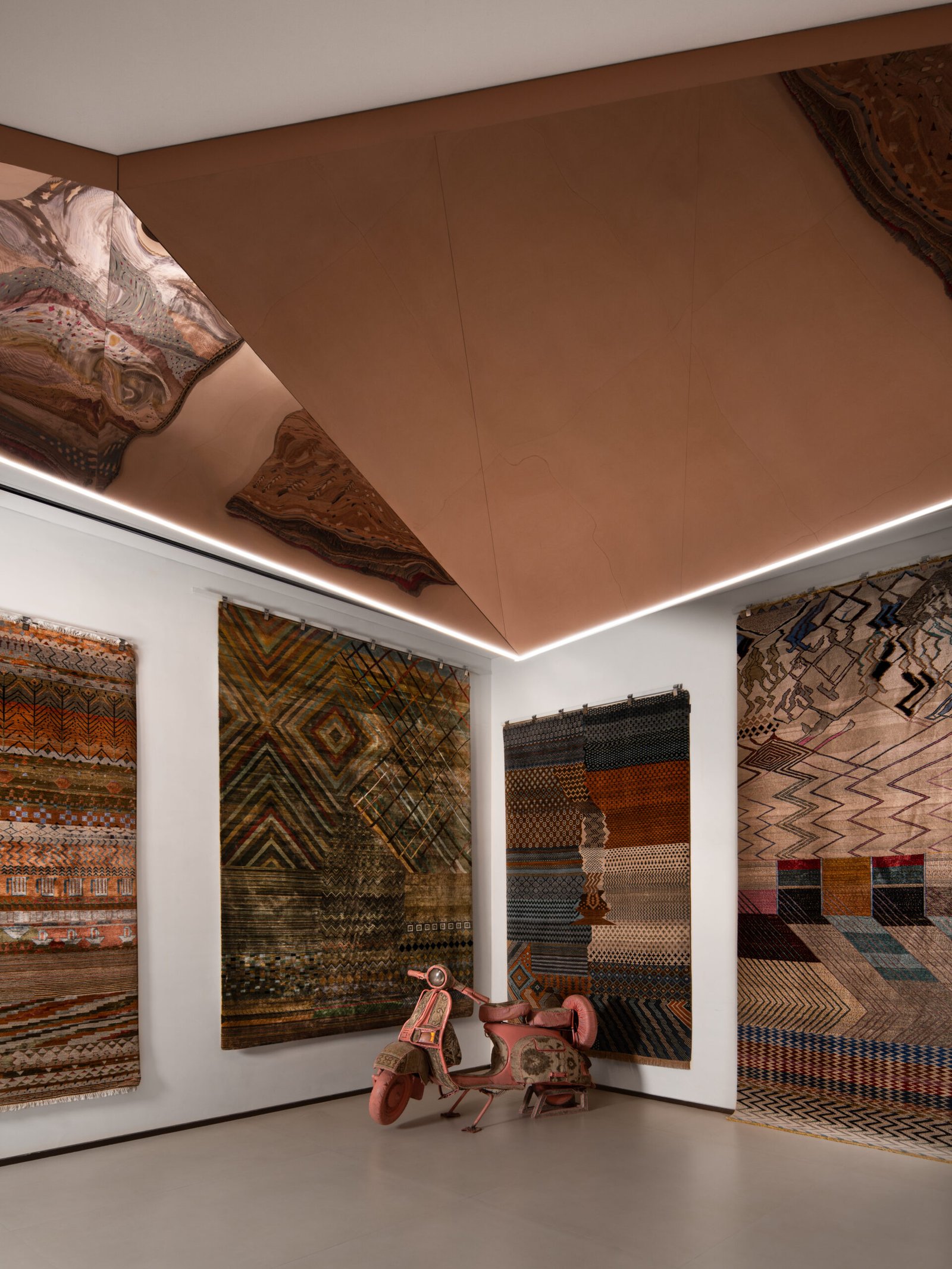
Empire Mills already carries Mumbai’s textile history, so indeed, what a great foundation for us to build on.
We kept that sense of scale, the industrial exposed structure was celebrated in the design, this was layered with craft and the product which serves as art. This juxtaposition is what makes the project interesting: an industrial shell holding a very human, handmade proposition
It also felt like a natural fit. The building speaks of textile labour and production. Jaipur Rugs speaks of craft and artisanship.
You’ve spoken about using a fractal design language inspired by the rhythm and repetition of weaving. Could you take us through this concept and explain how visitors experience it as they move through the space?
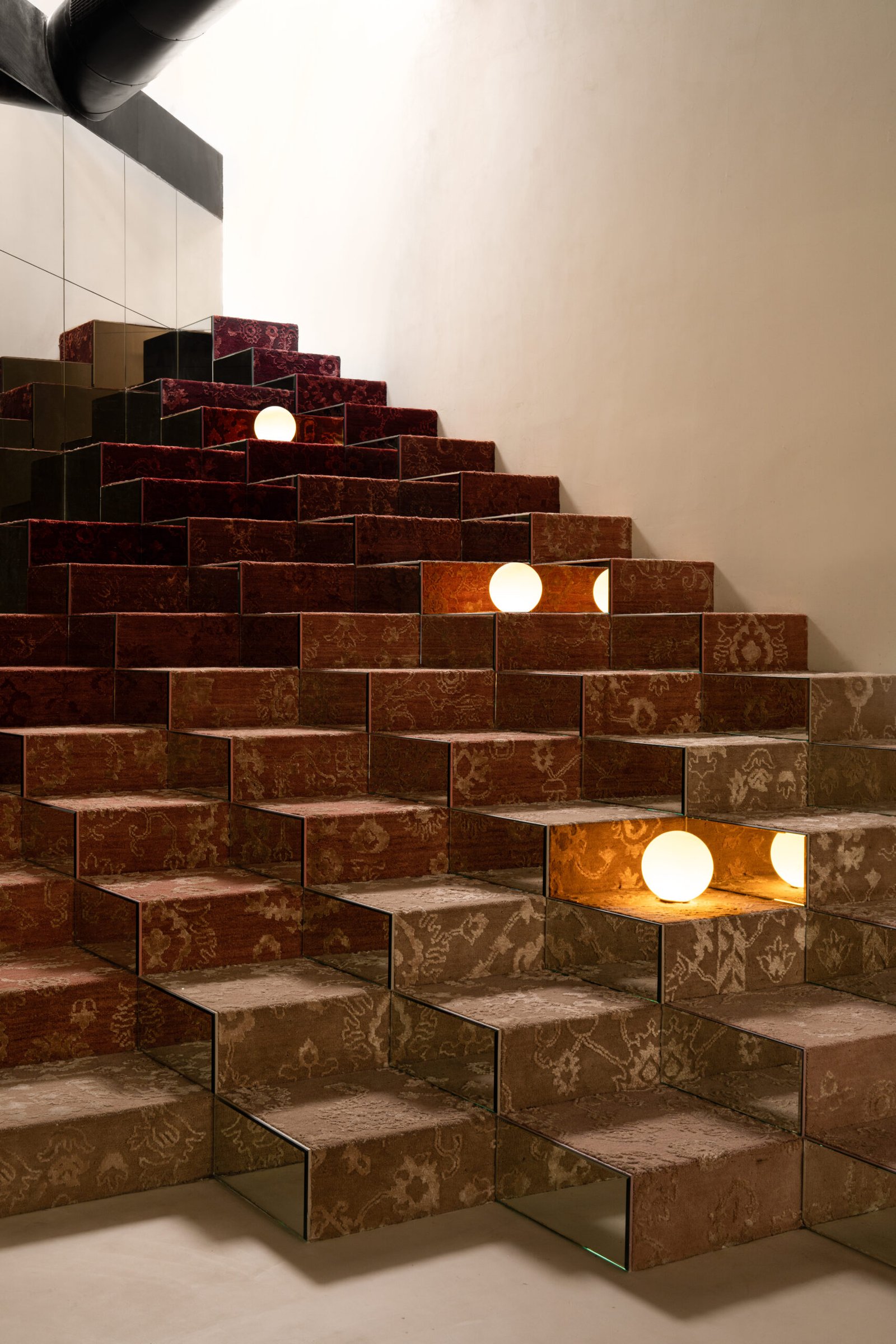
Weaving is repetitive; there is rhythm and variation, both in the process and the final product. That led us to a fractal design language where patterns repeat at different scales. You see it in the reception desk, the steps, the bird installation, the lights, and the larger architectural walls; the same angular geometry, recurring at different scales.
You experience it as journey and discovery. The showroom does not reveal itself all at once. You move through layers, turns, and pauses, almost like chapters. The geometry, ceiling elements, displays, and circulation all build that sense of rhythm.
I wanted visitors to meander and discover. In this space, getting a little lost is part of the experience.
Designing for a heritage craft brand like Jaipur Rugs is very different from designing a conventional commercial space. How did you ensure that the architecture became an extension of the artisans’ stories rather than simply a backdrop for the products?
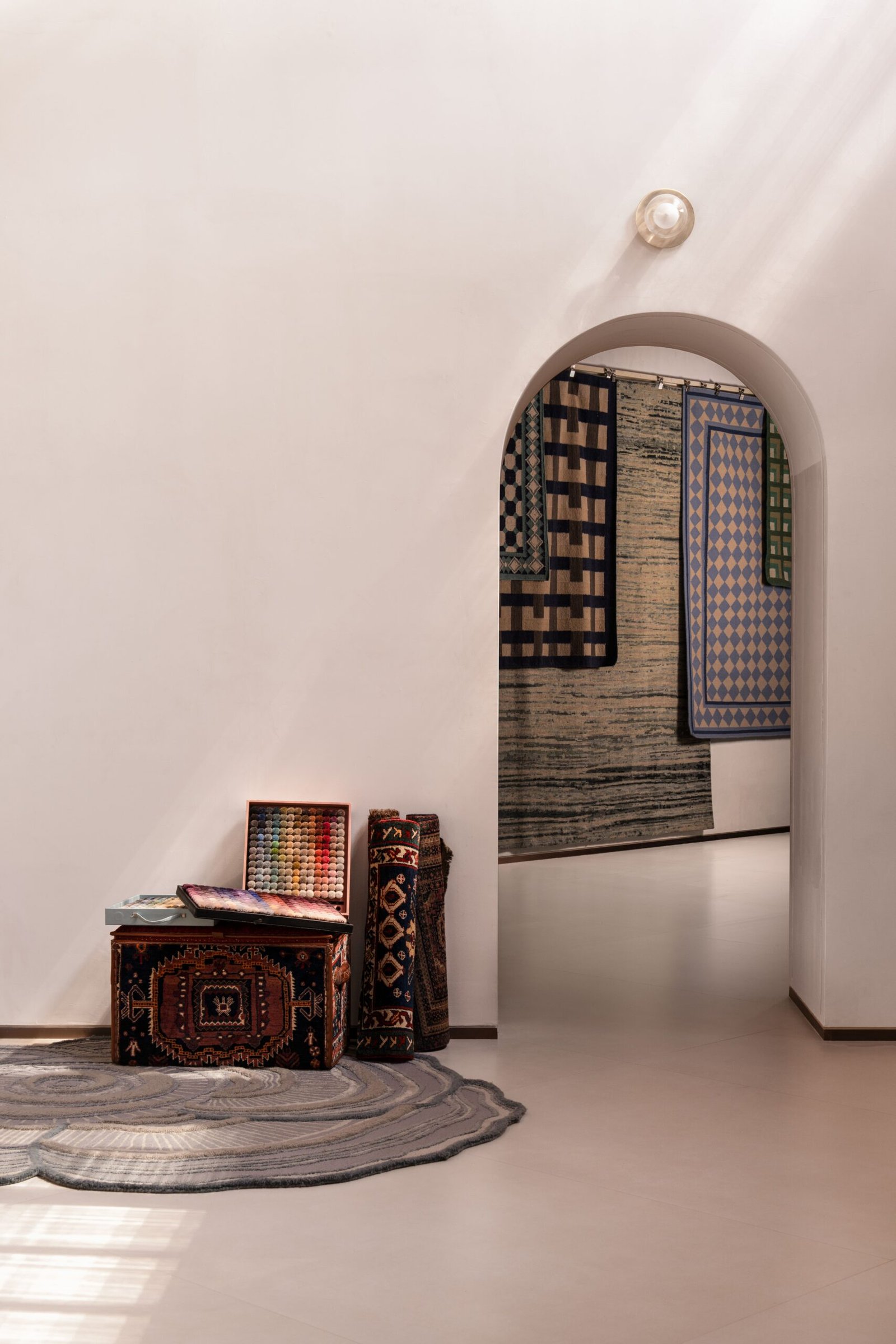
The key was restraint. With rugs this rich, the architecture cannot compete. It has to frame the story serves as a mannequin, a canvas
We also avoided the obvious clichés of “heritage.” The space is contemporary, but its logic comes from craft: repetition, tactility, imperfection and depth. That felt more honest than simply applying decorative motifs.
Today’s luxury consumers are increasingly seeking meaningful experiences rather than traditional shopping. How do you see architecture shaping the future of experiential retail, and what role does storytelling play in creating memorable spaces?
Luxury is no longer just about price. People want craftsmanship – they want to know where something comes from and why it matters.
Architecture can make that story physical. A website can show you a product but you still need to touch it, feel it.
I think the future of retail is less about selling and more about creating cultural experiences. For Jaipur Rugs, the story is not an afterthought. It is built into the journey, the materiality, the rhythm, and the connection to Empire Mills.
Your work consistently blends innovation with cultural sensitivity. As an architect and designer, how do you strike the balance between contemporary aesthetics and preserving the authenticity of India’s rich craft traditions?
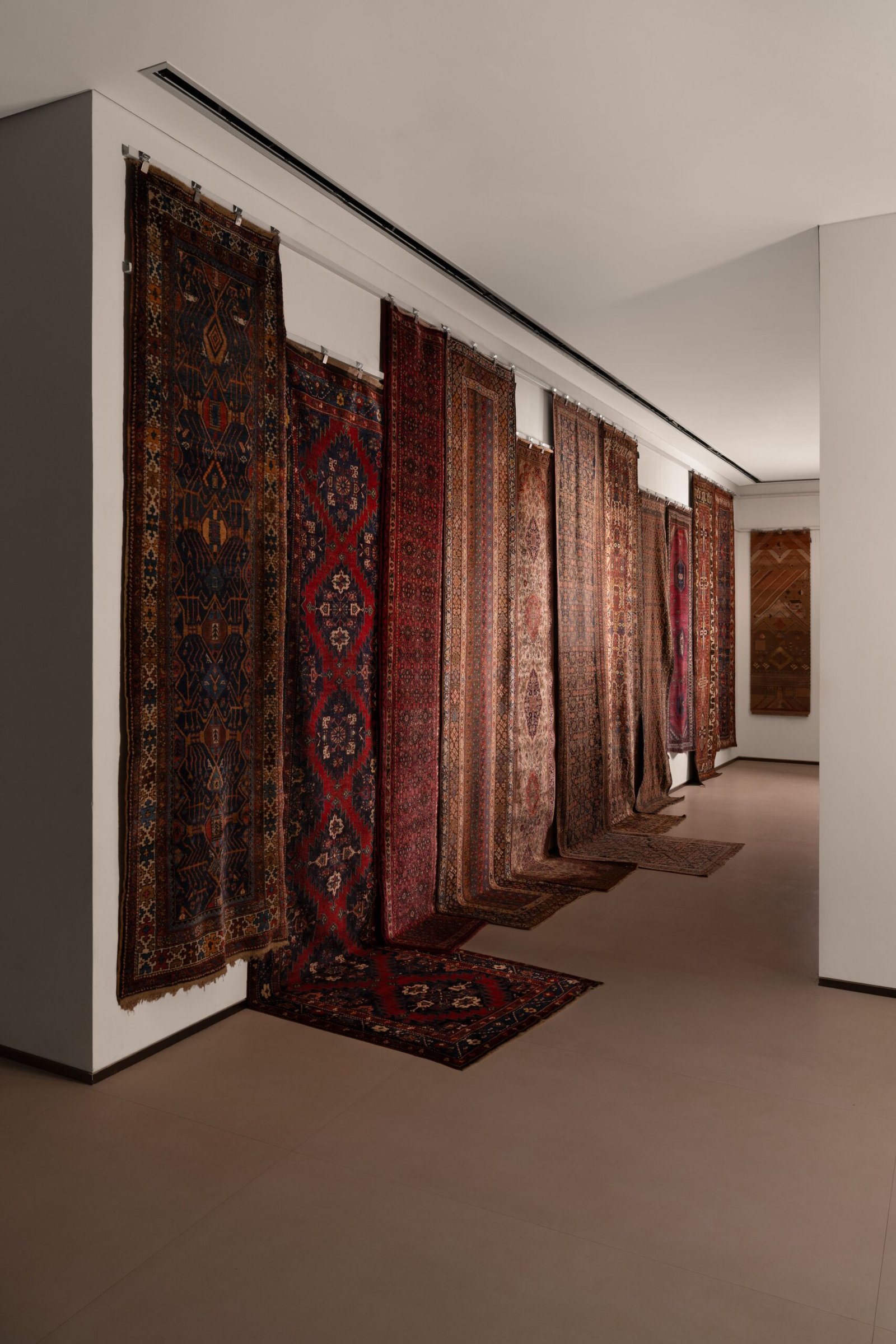
For me, cultural sensitivity does not mean nostalgia – copying old motifs or making something look obviously “Indian.”
The more interesting question is: what is the intelligence behind the craft? What is the process, rhythm, material behaviour and human story? Once you understand that, you can reinterpret it in a contemporary way.
Craft should not be frozen in time. It should evolve. In this project, the language is contemporary, but the DNA is rooted in weaving, textile memory and Indian craft.
If visitors leave the Jaipur Rugs showroom remembering just one emotion or one design detail, what would you hope stays with them, and why does that element best represent both your vision and the soul of Jaipur Rugs?
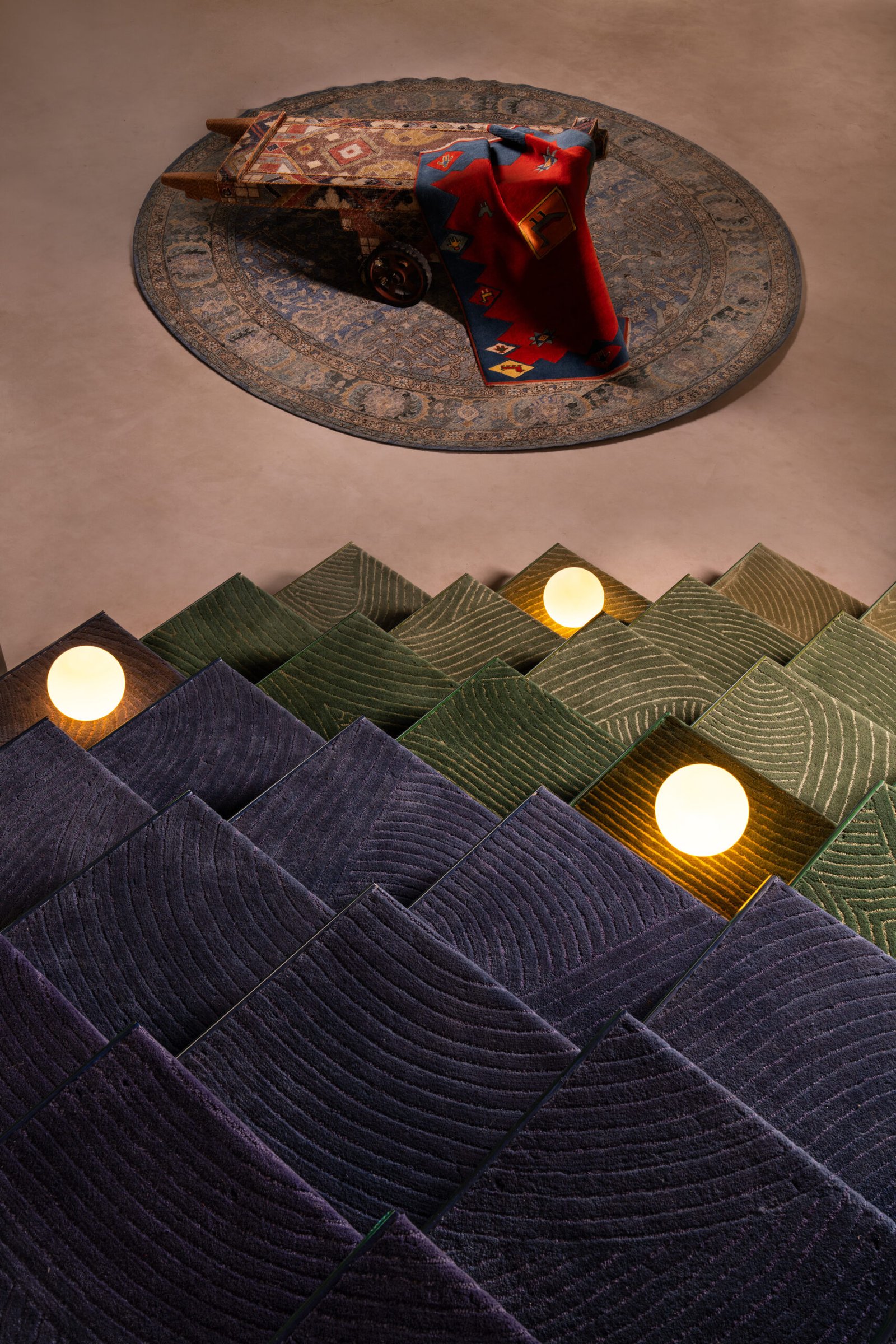
I hope they remember the feeling of discovery.
The space unfolds like a labyrinth. You are guided, but not forced. You turn, pause, notice a rug, then notice a detail you almost missed. That mirrors the making of a rug itself: slow, layered and full of hidden work.
That is the soul of Jaipur Rugs for me. It is not just surface beauty. It is the invisible labour, the hand, the maker and the story behind every piece.