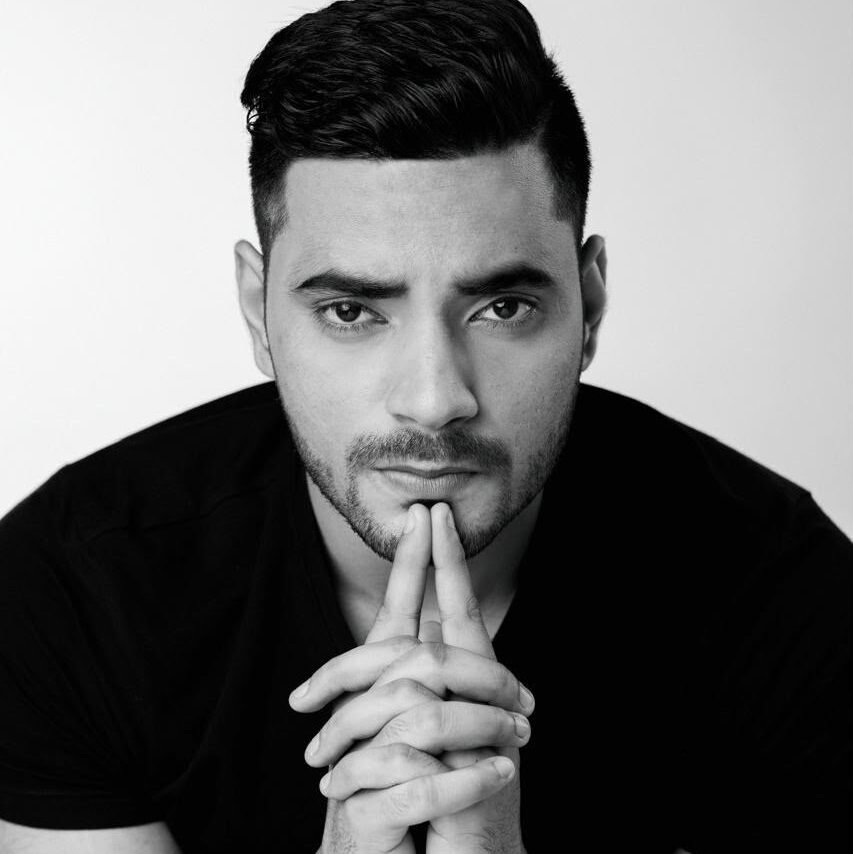
RC Pranav, Editor Nagabandham
Behind every unforgettable film is a storyteller whose name rarely appears on the poster but whose vision shapes every frame. While audiences applaud the actors, directors and breathtaking visual effects, it is the editor who quietly orchestrates the film’s emotional rhythm, sharpens its narrative pulse and transforms countless hours of footage into a seamless cinematic experience. Editing is where a story truly finds its heartbeat… and in today’s era of grand-scale spectacles, the editor’s role has never been more pivotal.
Stepping confidently into that demanding world is RC Pranav, one of the industry’s most exciting emerging editing talents. Having honed his craft on acclaimed films like Gully Boy, 83, several OTT projects and over 600 commercials across five languages, Pranav has spent years mastering the art of visual storytelling. His meticulous eye for detail, instinctive understanding of pacing and ability to balance emotion with spectacle have earned him the respect of filmmakers across the industry. Now, he takes his biggest leap yet as the editor of Nagabandham, producer-director Abhishek Nama’s ambitious ₹100-crore fantasy epic.
For Pranav, Nagabandham is more than just a feature film… it’s a defining milestone. Editing a visually expansive, VFX-driven fantasy that spans multiple timelines demanded not only technical precision but also immense creative intuition. Every cut, every transition and every emotional beat had to serve a story that is as emotionally layered as it is visually spectacular. The result is a cinematic canvas where scale and storytelling work hand in hand.
In an exclusive conversation with Sumita Chakraborty, Founder & Editor-in-Chief, TheGlitz, Editor RC Pranav takes us behind the editing console to reveal the creative journey of shaping one of Indian cinema’s most ambitious fantasy spectacles. From transforming raw footage into compelling storytelling to balancing emotion with breathtaking visual grandeur, he shares the passion, challenges and vision that went into bringing Nagabandham to life.
Over To RC Pranav, Editor, Nagabandham, India’s biggest Fantasy Film
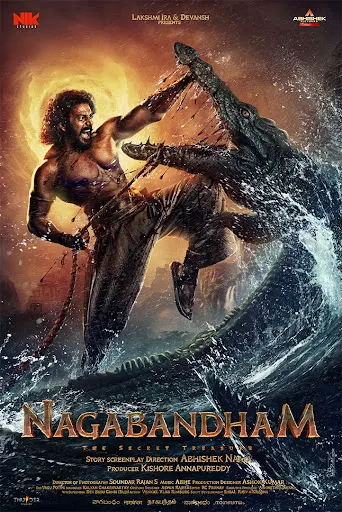
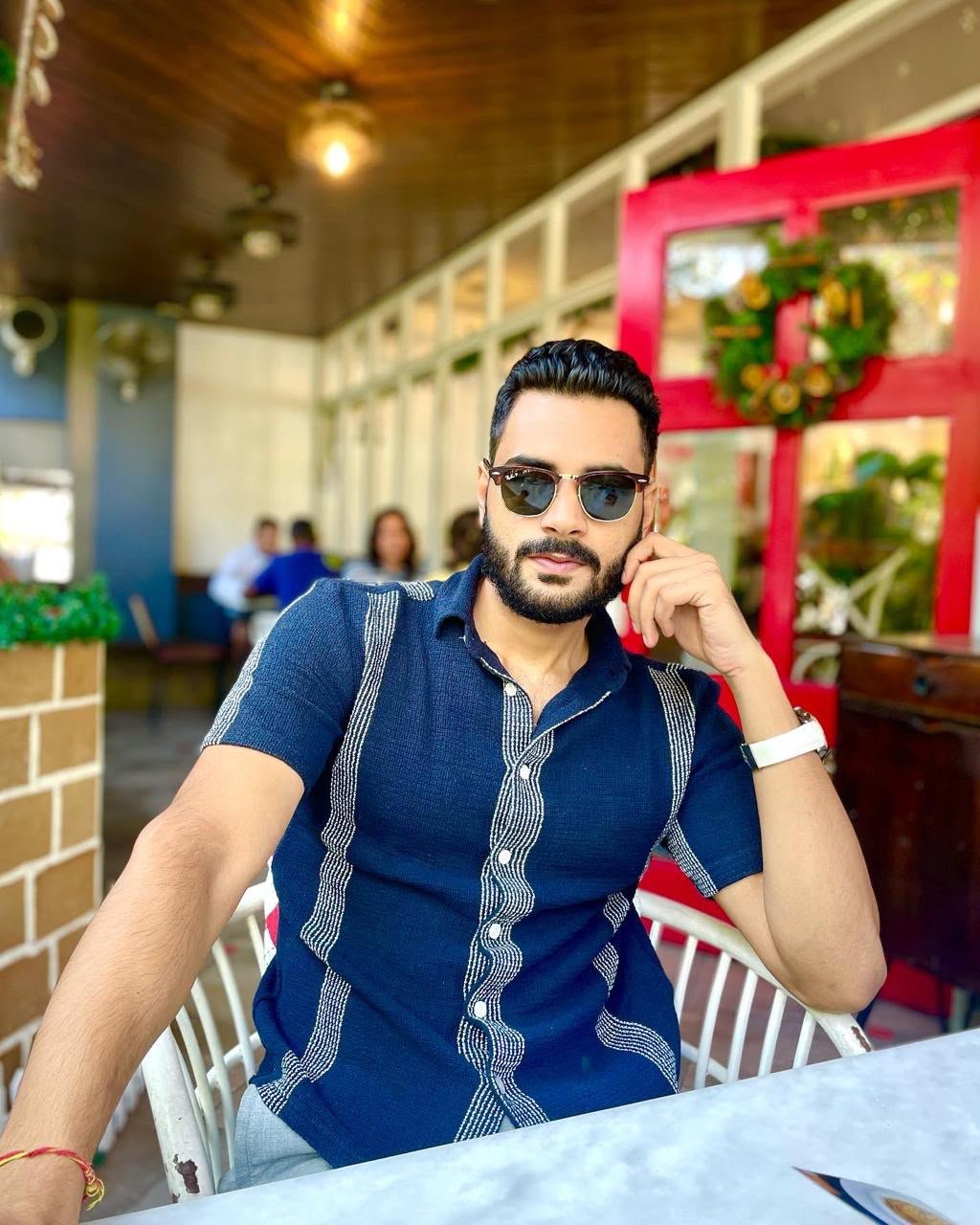
Nagabandham marks your feature film editing debut, and not with a small film but with a ₹100 crore fantasy epic. How did the journey begin? What emotions did you experience when this opportunity came your way, and did the scale of the project excite you more than it intimidated you?
The journey began when the film’s chief associate director called me and said that producer Abhishek Nama was making his directorial debut with a ₹100 crore fantasy film and was looking for a new editor. I immediately flew to Hyderabad to meet him. We discussed the story in depth, and he showed me the pre-visualisation. As we spoke, I started sharing my thoughts and suggesting different ways certain sequences could be approached. Our creative conversations clicked instantly, and he felt I was the right person for the film.
When the opportunity came, I was both excited and intimidated. It was my first feature film on such a massive scale, with extensive VFX and a huge production behind it, so naturally there was pressure. But once I started working on it, that feeling gradually changed. With every schedule, the excitement grew because the vision of the film kept becoming bigger and more ambitious. By the end, the excitement had completely overtaken the intimidation.
You’ve already edited the teaser and trailer, both of which generated tremendous excitement for the film. How different is it to create a compelling two-minute trailer versus shaping the emotional and narrative rhythm of a full-length feature film?
Editing a trailer is a unique challenge because its primary responsibility is to bring audiences into the theatre. You have only a couple of minutes to introduce the world without revealing too much of the story. The goal is to leave viewers curious enough to want more.
For Nagabandham, that challenge was even greater because the film has two timelines. I approached the trailer by intercutting both timelines while keeping the central premise clear, creating intrigue without giving away the narrative. It was a challenging but incredibly enjoyable process.
Editing a feature film is very different. You’re shaping the complete emotional journey, deciding the rhythm, pacing and flow across the entire narrative. Only after repeatedly watching the full film do you begin fine-tuning every scene and every transition. Personally, I feel editing the feature is much more demanding because you’re responsible for sustaining the audience’s engagement from beginning to end.
Fantasy action films rely heavily on pacing, visual effects, and world-building. How do you approach editing sequences where the audience has to stay emotionally invested while also being overwhelmed by spectacle?
For me, spectacle only works if the audience is emotionally invested first. Having watched a lot of films, especially commercial South Indian cinema, I’ve developed an understanding of audience pulse and how they respond to rhythm and pacing.
Before the larger action sequences begin, it’s important to establish the characters and their emotional backstories. Once that foundation is in place, I gradually build the momentum. In Nagabandham, for example, we placed major sequences like the adventure set piece and the plane crash in the third reel, leading into a high-impact interval. The energy keeps rising while the audience remains emotionally connected to the characters.
The film itself is mounted on a grand scale, with every wide shot reinforcing that visual spectacle. My responsibility as an editor was to ensure the emotional graph rose alongside the visual scale so that the audience experienced both together.
Having worked on acclaimed projects like Gully Boy, 83, several OTT films, and more than 600 commercials across five languages, what are the biggest lessons from those experiences that you brought into Nagabandham?
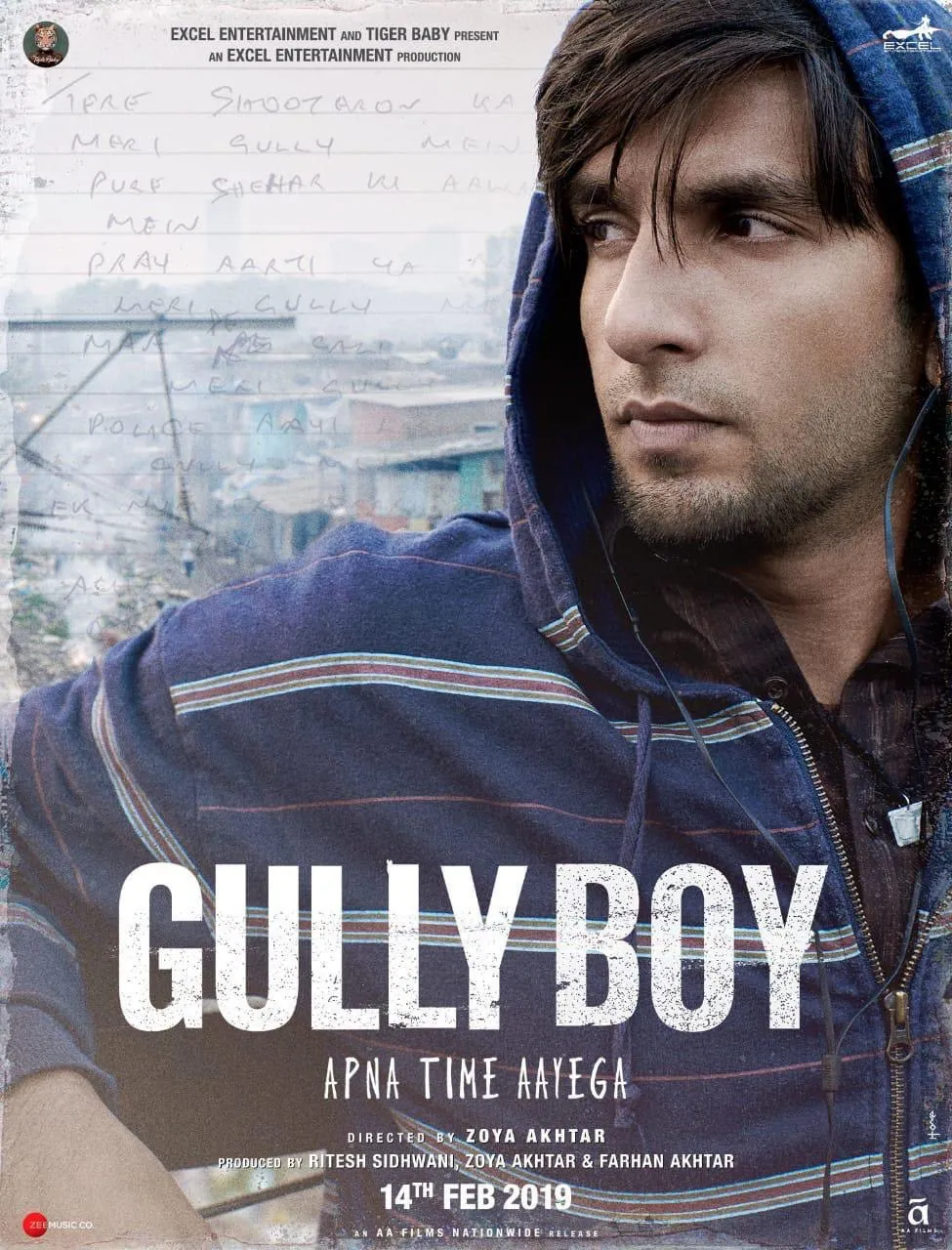
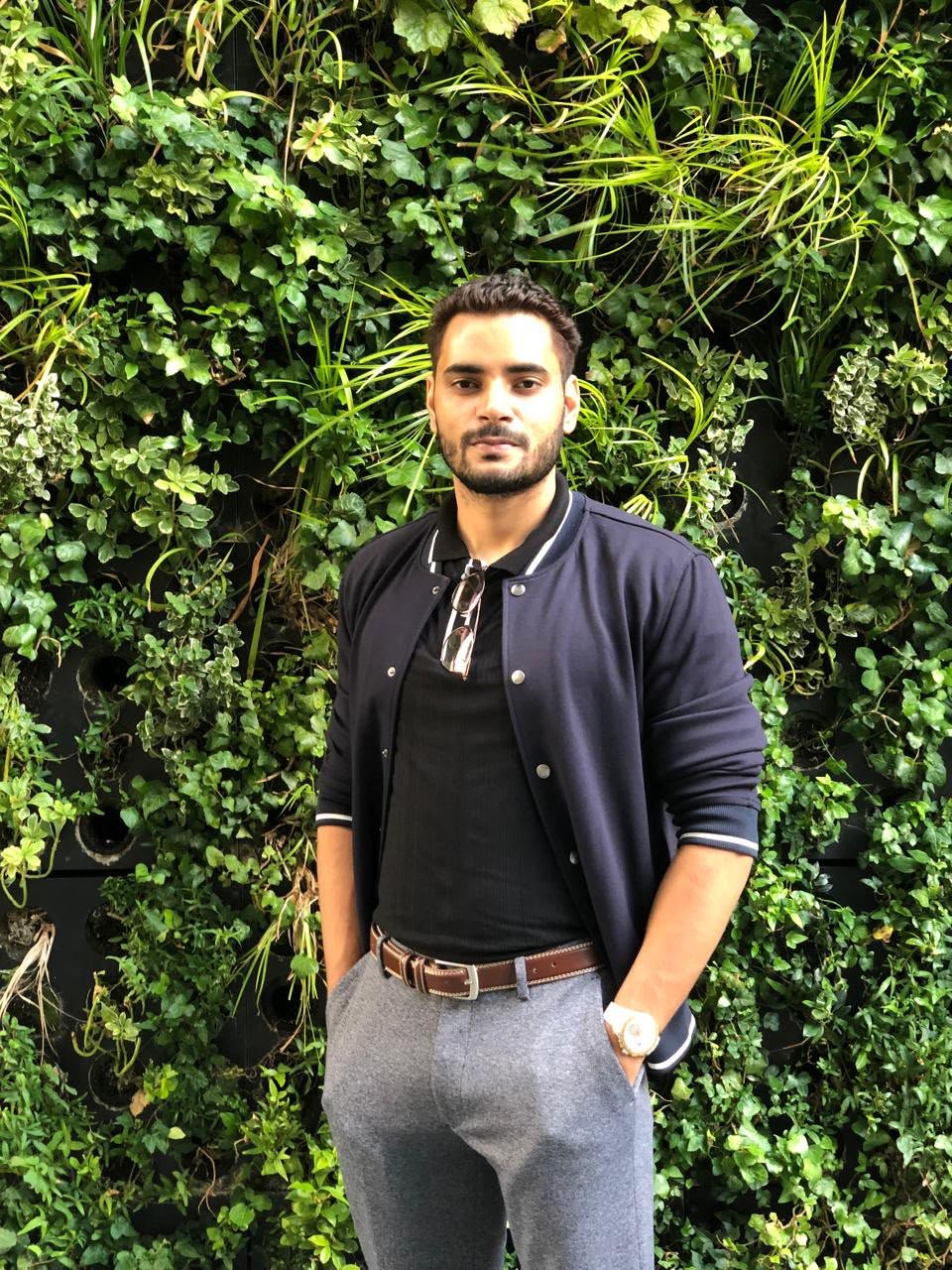
Working with different directors has been one of the biggest learning experiences of my career. Every filmmaker approaches emotion differently. Whether it’s a happy scene, a tragic moment or an intense confrontation, each director has their own storytelling style, and observing those differences has taught me a great deal.
Editing commercials also played a significant role in shaping my approach. In advertising, you often condense hours of footage into just 30 seconds while communicating everything clearly and effectively. That discipline teaches you precision and economy in storytelling.
Those experiences helped me identify moments in Nagabandham that could be tighter without losing emotional impact. They strengthened my sense of pacing and rhythm, which became invaluable while editing a film of this scale.
The editor is often called the film’s “final storyteller.” When you’re in the editing room, how much of the storytelling is instinct, how much is technical precision, and how much evolves through collaboration with the director?
Editing is a balance of instinct, technical understanding and collaboration. We always begin with the script and the director’s vision because that’s the foundation of the film. But once you’re in the edit room, there’s room to explore different storytelling possibilities.
In Nagabandham, the screenplay was initially structured in a non-linear format. During editing, I suggested trying a linear narrative instead. We watched both versions together and eventually decided that the linear structure made the story easier to follow, especially since the overall narrative was already quite layered.
One of the things I appreciated most was the creative freedom Abhishek Nama sir gave me. I would first create my own cut of a scene, approach it the way I felt worked best, and then we would sit together, discuss it and refine it collaboratively. That creative exchange became one of the most rewarding parts of the process.
Working with director Abhishek Nama on a film of this scale must have involved countless creative discussions. How would you describe your collaborative process, and were there any sequences that challenged both of you to think differently?
Our collaboration was built around constant creative discussions. With every schedule, the vision of the film kept growing, which meant we were continuously refining ideas and communicating them to the VFX team. Translating that scale into finished visuals was one of the biggest challenges.
The adventure sequence, in particular, pushed both of us creatively. We had shot much more material than what ultimately made it into the film, so we had to carefully trim the sequence while maintaining its impact and clarity. It was also one of the most VFX-intensive portions of the film apart from the climax, making the editing process even more demanding.
Despite the challenges, it was an incredibly enjoyable collaboration because Abhishek sir is an extremely creative filmmaker, and every discussion pushed us to think differently.
As Indian cinema continues to embrace larger-than-life storytelling with mythology, fantasy, and visual spectacle, where do you see the role of film editors evolving? What advice would you give aspiring editors who dream of working on big-screen cinematic experiences like Nagabandham?
I believe film editors will always remain an essential part of filmmaking. As long as films are being shot, someone has to shape all that footage into a compelling story. An editor brings an outside perspective that helps elevate the director’s vision.
With Indian cinema increasingly exploring mythology, fantasy and large-scale visual storytelling, I think there will be even more opportunities for editors to work on ambitious cinematic experiences.
My advice to aspiring editors is to keep practising. Watch every piece of footage you can, experiment with different ways of cutting the same material and constantly challenge yourself to create new scenes and narratives. Most importantly, never stop learning. Every director, every technician and every project teaches you something new. Watch films from different cultures and different genres because each one offers a unique perspective on storytelling and emotion. And above all, always dream big.