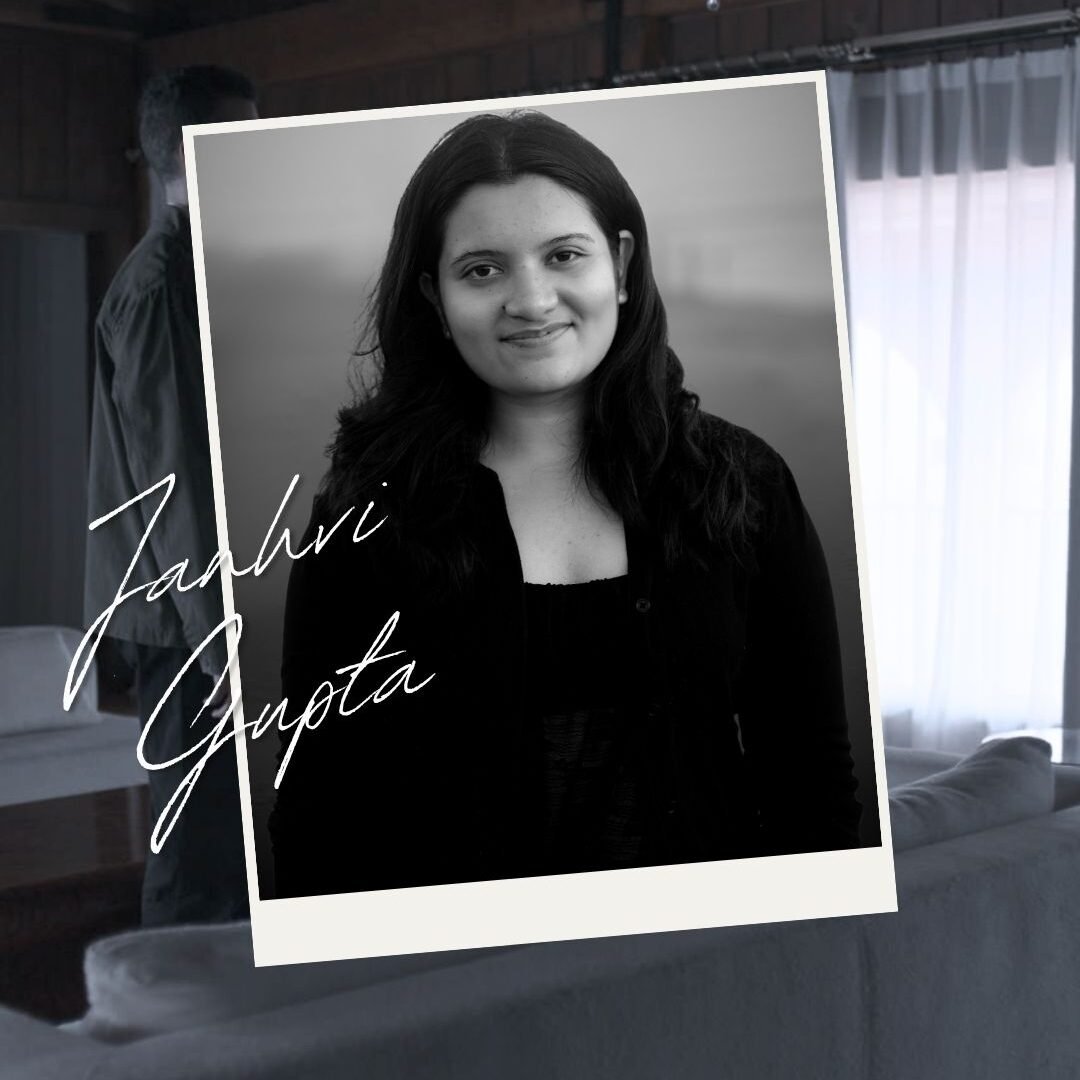
Janhvi Gupta, production designer
Some artists paint on canvas. Some sculpt in stone. And then there are those extraordinary few who build entire worlds as Production Designers… worlds that audiences don’t just see, but feel, long before a single line of dialogue is spoken. At just 24, Janhvi Gupta belongs to that rare league.
Passionate, fiercely meticulous and gifted with an extraordinary visual imagination, Janhvi doesn’t merely design sets… she breathes life into spaces, transforming them into silent storytellers that shape emotion, atmosphere and memory. Every colour, every texture, every beam of light and every carefully chosen object serve a purpose, drawing audiences deeper into the soul of a story.
It’s this remarkable ability to visualise entire emotional landscapes before the cameras even begin to roll that has already earned her admiration from some of Hollywood’s most respected filmmakers and established her as one of the most exciting young Production Designers to emerge from India.
An alumna of the prestigious American Film Institute (AFI) – incidentally, where acceptance rates hover below 3 per cent – Janhvi Gupta is quietly carving her place among a new generation of Indian creatives whose imagination, artistry and visual storytelling are leaving an indelible mark on global cinema.
Her latest film, Night Feeds, has captured international attention, winning Best Film at the Des Moines Film Festival, while her evocative production design has earned admiration from some of Hollywood’s most respected creative minds.
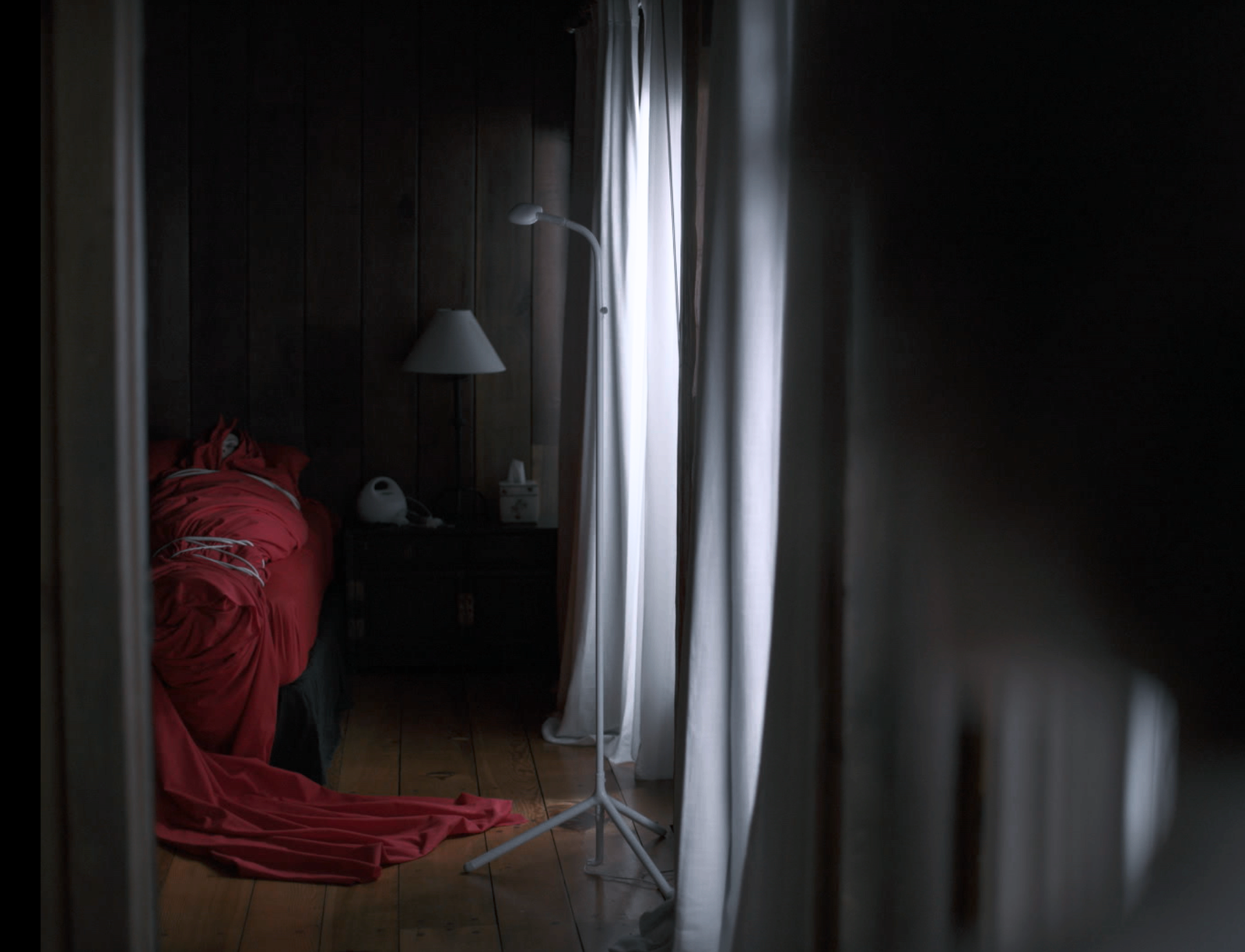
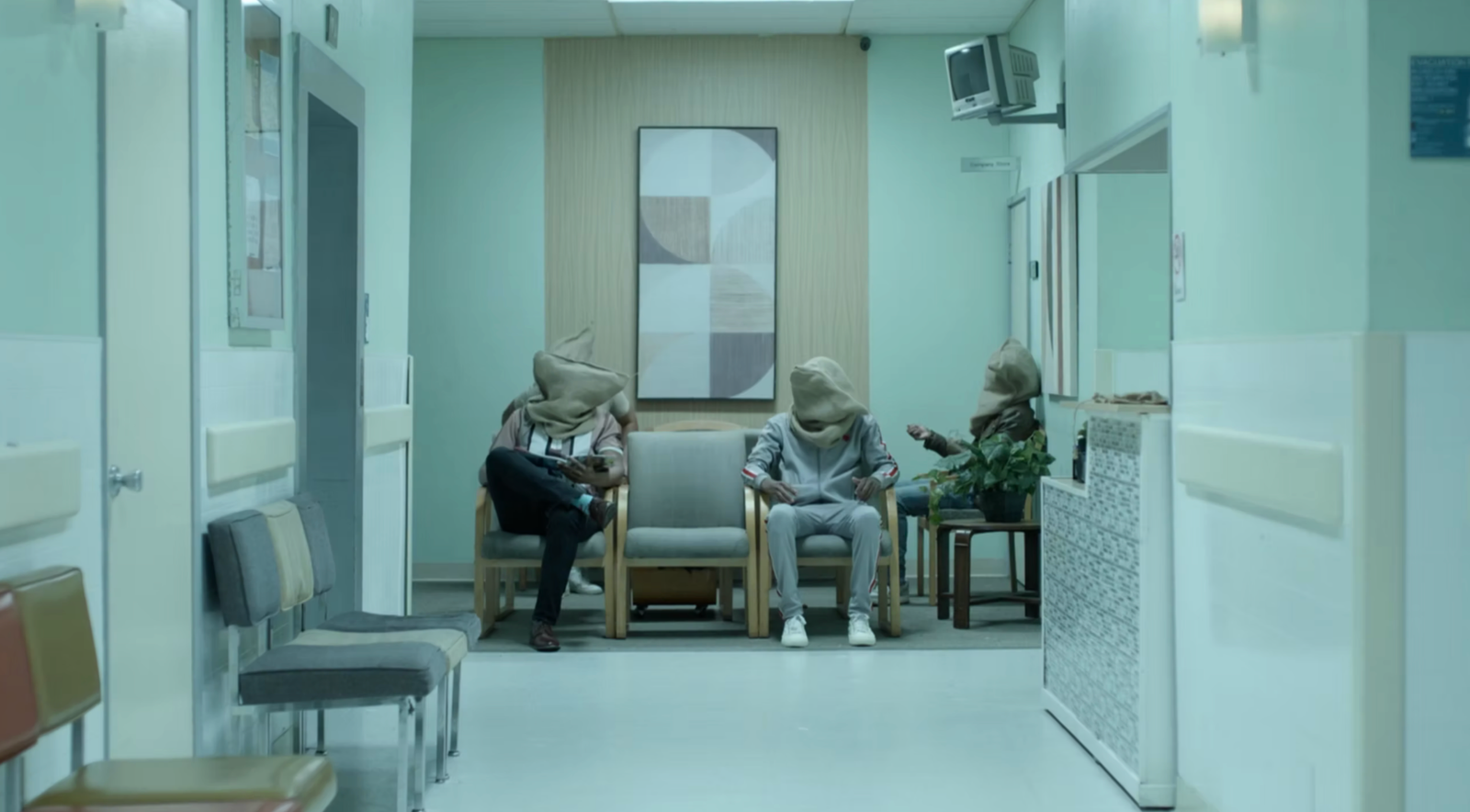
What makes Janhvi’s journey remarkable isn’t simply the awards or the glowing endorsements from celebrated Production Designer Scott Chambliss and leading producers. It’s her extraordinary ability to transform empty spaces into emotionally charged worlds where colour, architecture, texture and silence become powerful storytellers. In Night Feeds… an intimate, visually driven exploration of postpartum anxiety created by an all-women filmmaking team… her thoughtful use of the colour red becomes an emotional language, speaking volumes before a single word is uttered.
Rooted in Indian values yet shaped by global experiences, Janhvi carries with her an insatiable curiosity, remarkable discipline and an artist’s eye for finding meaning in every detail. From creating dollhouses as a child and learning about colour through her father, the illustrious Manav Gupta’s art, to earning a coveted place at AFI and now making waves in American cinema, hers is a journey built not on shortcuts but on relentless passion, resilience and imagination.
In an exclusive conversation with Sumita Chakraborty, Founder & Editor-in-chief, TheGlitz, Janhvi Gupta opens up about her remarkable journey as production designer, the art of visual storytelling, the emotional architecture behind Night Feeds, the influence of her Indian roots, and why every space she designs begins with one simple question: “What should the audience feel?”
Over To Janhvi Gupta
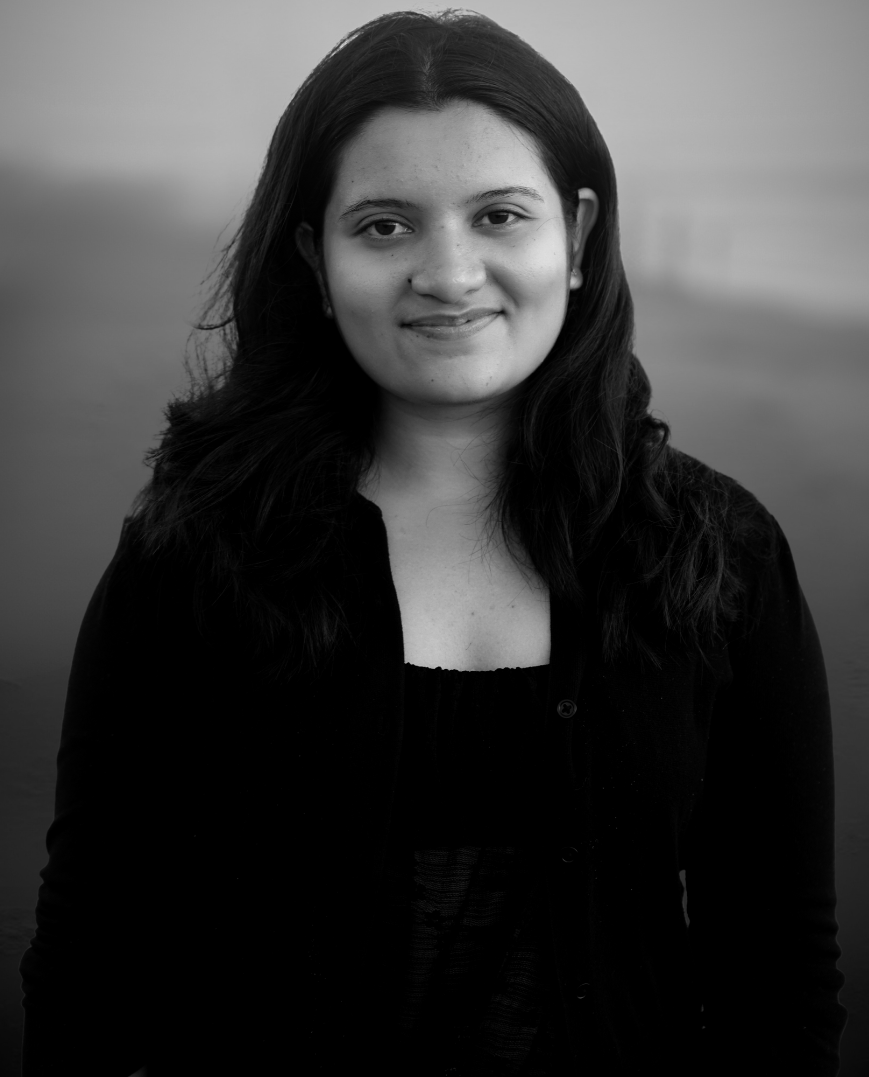
At just 24, you’ve already earned international recognition as a Production Designer, with Night Feeds winning major awards on the global film festival circuit. Take us back to the beginning… what inspired your journey into Production Design, and when did you realise this was the world you wanted to create?
Janhvi Gupta – I was always into art and crafts as a kid… drawing, painting, making dollhouses out of whatever I could find in the house. I was also always surrounded by art created by my father. I used to watch him paint and sometimes, even got to pick out colors for him, which made me learn about the different colors and shades outside of the primary ones we were used to as children. I always thought my father’s paintings and sculptures were so unique… as they felt larger than life and deeper in meaning, even observing as a child.
I always used to try to create a story with whatever I created, cutting and pasting drawings I doodled into this long roll of paper and making a cardboard TV, playing what I created by spooling out a roll of paper and watching the doodled characters and world I had created play in that cardboard box, not knowing what I was giving way to yet.
My grandma used to visit our house every now and then, and always had so many stories to tell me. Often, we used to sit together and watch Bengali movies and TV shows. My favourite were the detective ones.
I also started dancing at the age of five which, as I understand now, was the first step in understanding who I was as a person. I now understand how important dance was and how it all connected and gave way to everything in my journey so far.
In my last year of high school, I decided to take up Psychology, Political Science, History, English and Painting as my courses. The combination of those subjects made me learn so much about different people, cultures, movements and the psyche of the people living in different eras.
That opened up a world of curiosity in me and an interest in learning about everything in the world – especially the people living in it. I used to consider this world a huge house and I just wanted to explore the different rooms and meet the people living in it. Which led to my interest in documentaries and filmmaking.
Like a lot of teenagers, I was still figuring out what to pursue and I stumbled upon a course in filmmaking. I was never a movie buff but I did like storytelling in all its forms. My first short film was just an experiment that I did to combine my dancing and my father’s poetry into something that told a unique story. That was when I got interested in actually making films.
When I decided to pursue a degree in Film and Television Production, It was a fairly new area of interest for me. I was still exploring. When I had just started college, I took a class in World Cinema and the aesthetics of filmmaking where I got to know about different people, movements, stories of different eras of cinema.
For one of our assignments, I helped a friend with his short film. It was the first time I created moodboards and colour pallets, and transformed an empty room into a set. I received excellent feedback and admiration for my effort from my professor and classmates after the film screening. That interest made me want to design more and I started doing that for all my seniors and the master’s students, making me the only student in my department to have done so.
I went on to assist a production designer on a commercial – my first real taste of the industry. She brought me in for accounting but gradually handed me more: moodboards, sourcing, set dressing, vendor coordination, location surveys. It was fast paced. I learnt on the go, absorbing different roles and understanding how a professional set really worked.
From that experience, I knew my calling. I applied to the AFI Conservatory’s MFA in Production Design and got in. AFI required drafting knowledge I didn’t yet have, so I approached the Head of Architecture at my university and asked to be taught from scratch. They said yes, pro bono, and even gave me their old tools, simply because they saw how much I wanted to learn.
Two months later, I submitted a portfolio of hand-drafting and model-making work and moved to Los Angeles.
Leaving India to study at the prestigious American Film Institute (AFI) is a bold step for any young creative. What were the biggest challenges and defining moments during your journey, and how did they shape you as an artist?
Janhvi Gupta – Getting into the AFI Conservatory was a dream but also a surprise. With a less than 3% acceptance rate, the school was known to be highly selective with a legacy of alumni such as Darren Aronofsky, Ari Aster, Patty Jenkins, David Lynch, Wally Pfister, it just felt unreal.
I was the youngest in my class. The conservatory program was built in a way that gave you a real world setting and I was in fact collaborating with professionals who had been working in the Industry all over the world for decades. While it was a challenge to learn from the best – not just faculty but also the fellows – while also trying to show myself as a competent designer to my fellow filmmakers who would be my collaborators after graduating, I also saw it as an opportunity to grow in a playfield that makes you go through intense situations which makes you stronger and ready for when it’s time to let go off the training wheels.
I believe in having a strong foundation, to master the basics and then grow in whatever direction one chooses as an artist, that makes them unique. AFI was a transformation. The pace was relentless – but I observed, absorbed, and grew. I developed a storytelling instinct rooted in mindfulness and a deep understanding of human behavior and space.
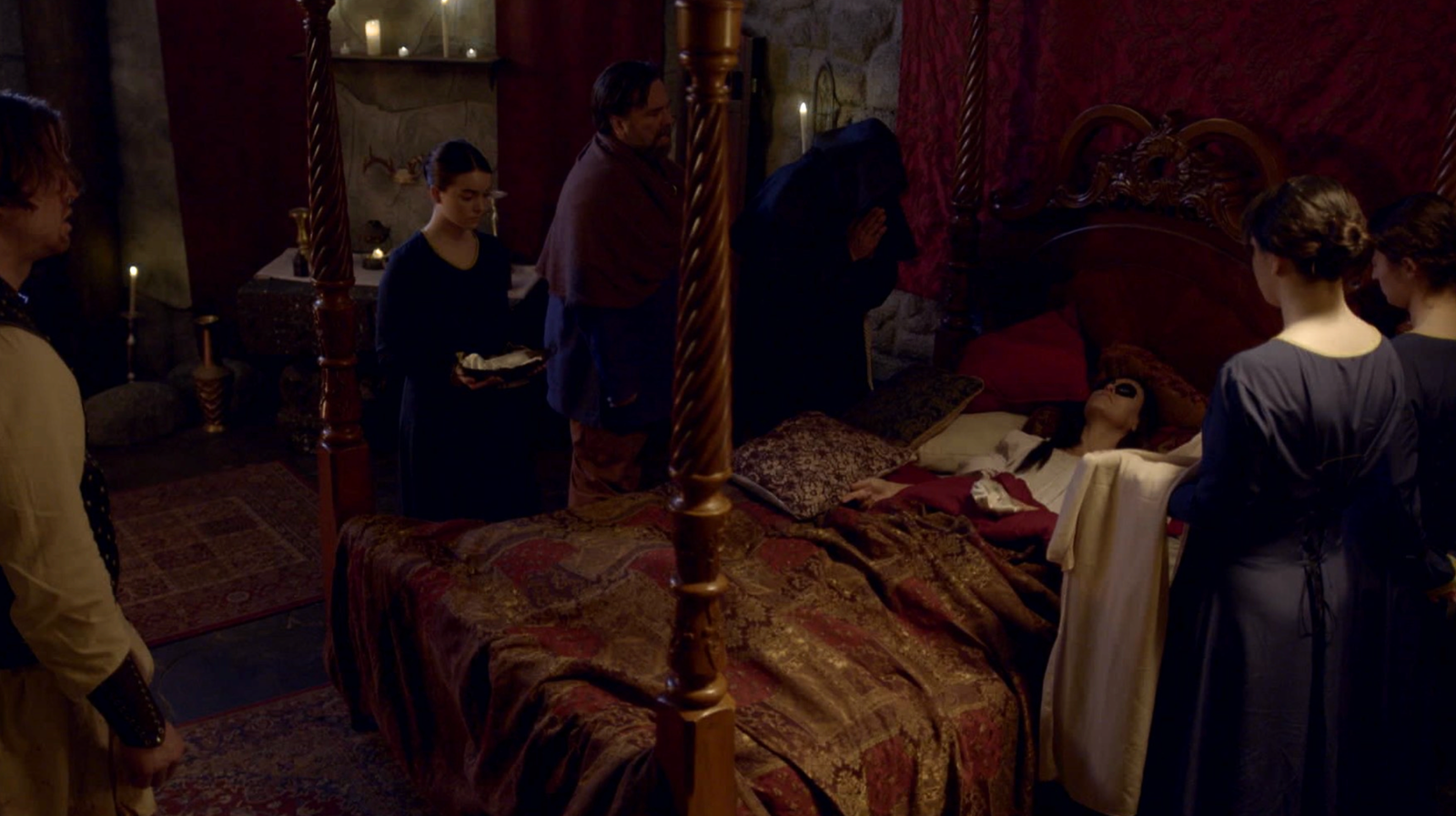
Production Design is often described as storytelling through space, colour, and texture. How do you transform an empty set into a world that evokes emotion even before a single line of dialogue is spoken?
Janhvi Gupta – Transforming an empty space into a world that evokes emotion comes from observing oneself and the different people around them in their different moods, in their behaviours in various situations and the way they interact and exist in a space. My first reading of a script starts by just letting myself feel the emotions without getting into my head too much as a “filmmaker”.
I try understanding the characters first and the world they live in. I ask questions to the writer or director about these characters and what prompts them to be who they are and do what they do on a deeper level. Through that understanding comes color, texture, and a general feel of a space which gives way to the intricacies, the details that makes this world real. It’s all about what we feel as humans and our understanding of what we see and interpret.
Your work in Night Feeds, particularly your use of colour and visual symbolism, has received widespread acclaim. Could you walk us through your creative process and explain how you developed the film’s distinctive visual language?
Janhvi Gupta –When I first read the script, I was immediately drawn in — it dealt with themes of intrusive thoughts and postpartum depression that I hadn’t seen explored in many films, or even heard people talk about that often. When I first met the director, Rana, she told me it was her own experience that led her to write it.
Motherhood itself is already so complex and going through a psychological shift in the first few weeks after giving birth that most mothers experience — when the body is already going through so much — is a lot on its own. Add in the violence happening to babies and mothers around the world, and the fear of that happening to your own child, and the feeling multiplies tenfold. That’s what this film is about, and it’s what made me want to design it.
My love for psychology, and for the deeper meaning and metaphor tied to the body, pushed me to think about these characters and this world through a different lens. Working on this film was all about connection, emotion, and understanding. It required research — and the kind of research that was, honestly, horrifying: learning what mothers truly go through and what is rarely spoken about.
As an all-women team, we had many conversations about what this film is really about, and how we wanted to craft its visual language. Some of us had lived experience; others, myself included, were moved to have conversations with our own mothers about their experience having a baby for the first time, and the psychological turmoil that came with it. Turmoil they had never told anyone about.
That was part of the purpose of making this film: to start a conversation about postpartum depression, and about finding better support and care. All of this led the director, the DP, and me to sit down one day and find one word to describe the visual language of our film. That word was “intrusive”.
We decided everything in the film needed to feel intrusive — a looming feeling, a space where there’s always the danger of something happening, as a reflection of the mother’s mind. What others labeled as her simply “losing it” was actually fed by her surroundings and by what she saw in her environment.
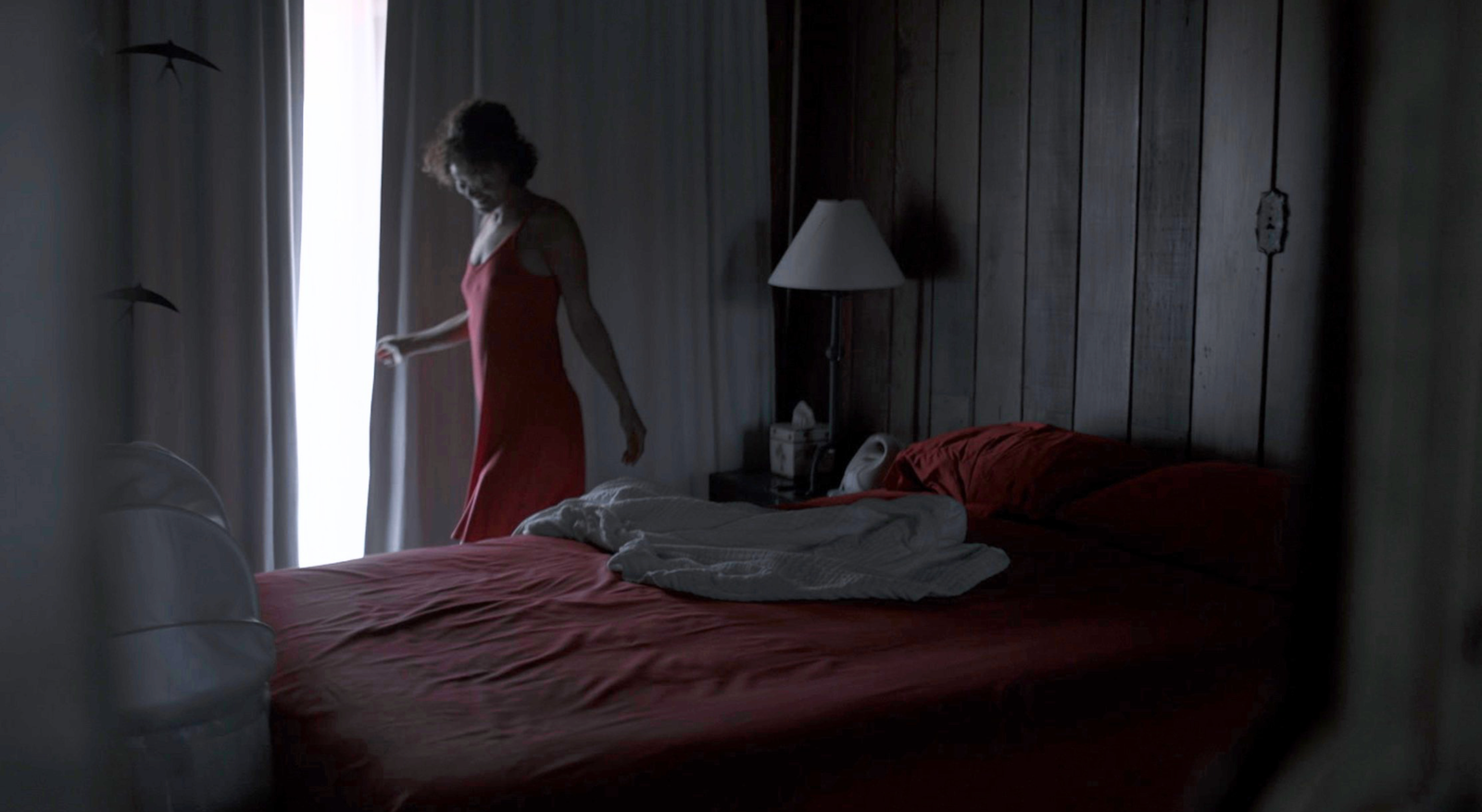
My role as production designer was to bring that idea to life. It wasn’t just about taking what was on the page and finding “set dressing” for a space as written — it was about crafting a visual language that would let the audience feel that feeling. That’s when I landed on the color red.
Red is a near-universal signal for danger and threat, among other meanings, and I wanted to use it very specifically — as a trigger, and as the afterthought of an intrusive feeling. I wanted red to grow throughout the film, the way the mother’s “insanity” kept growing and her thoughts grew darker. The director loved the idea, and we chose a very specific color palette for every single piece of set dressing in the film — the kind of detail a viewer might never consciously notice, but that registers subconsciously.
Every color was intentional, and the red especially was chosen and placed with care. The DP, Julia, and I tested various shades of red and other materials on camera together, working to get every color and texture exactly right so it would land the way we intended once it all came together. We spent months perfecting every element, even in its rawest form, and the whole team brought their best — with so much care and respect for the story, because everyone on it believed it needed to be told.
Another major part of this film was the rubble scene. Every film I work on brings a new challenge that excites me — the scale keeps getting bigger, which is sometimes scary, but once I’m in the process, I enjoy experimenting and creating with different mediums, even with all the uncertainty of how it will turn out.
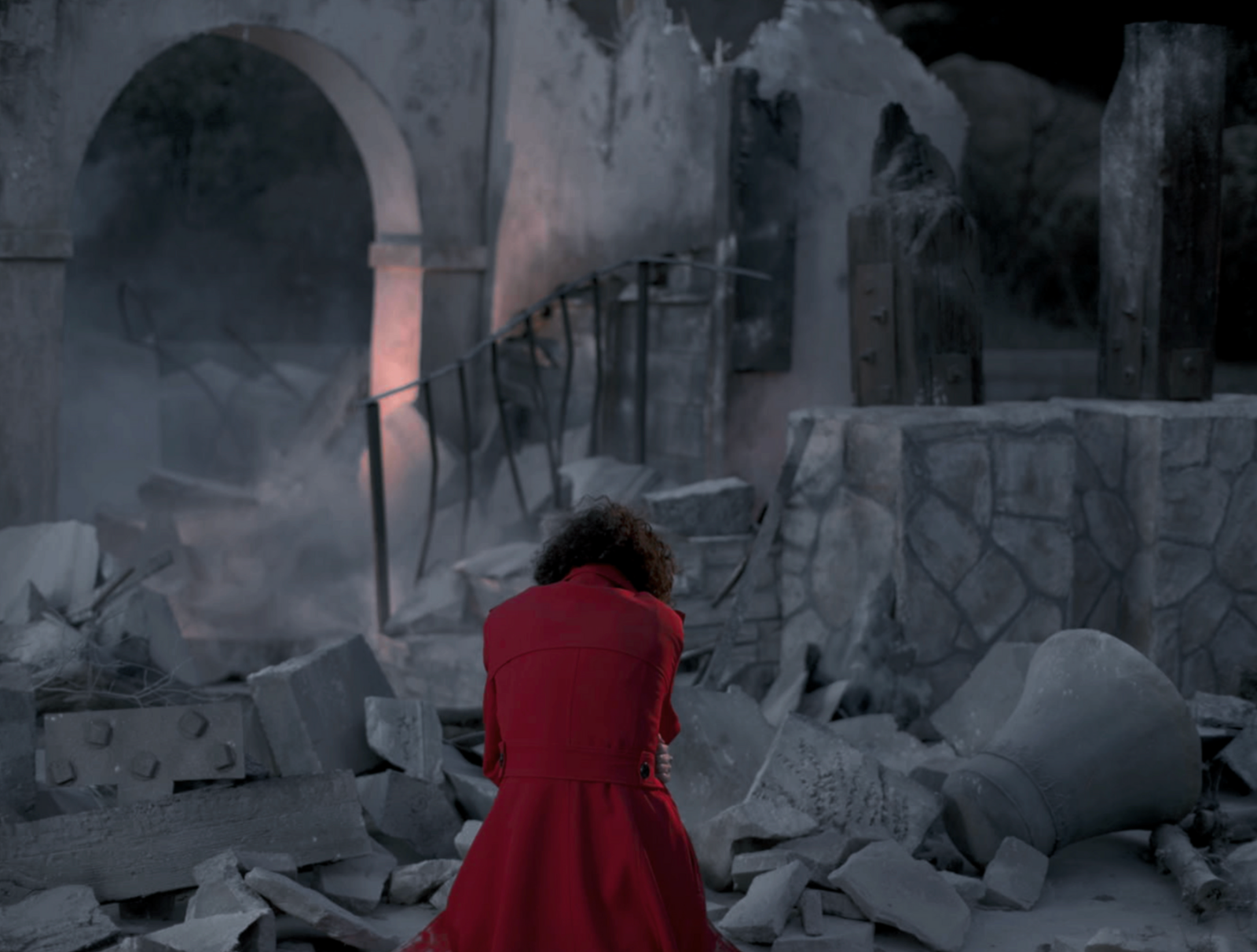
This rubble set was a first for me. It meant studying how structures are built and how they’re demolished. The goal was for the audience to recognize the rubble as the same house that had been struck by a missile in the story — so I had to match the existing location’s shapes, textures, color, and design, and design the rubble accordingly, leaving hints of the original structure still intact so it would be recognizable.
We were working with a very limited budget, so we had to be mindful of material costs and what we could realistically achieve. I did a tech scout with a member of my art team, taking paint and texture samples along with measurements of the exterior of the house. From there, we figured out which materials we could buy and build with, then paint and age to make them look believable on camera.
The goal was to get it as close to realistic as possible practically, then enhance certain environmental elements with VFX — the BTS photos are all of the practical set, prior to any VFX work. I made a rough sketch of what I imagined the rubble to look like, then built a digital 3D model in SketchUp so the team could understand the vision.
The set pieces were being built off-site at a mill, so everything had to be modular — we figured out which elements could combine and fit in the truck to be installed on location.
When we arrived on set to install the pieces, it was raining. This was a week after the LA fires, and we were up in the hills. It was also extremely windy, so we accounted for weights to hold down the foam pieces — especially since the set had to be built the day before the shoot and stay intact on site overnight. We built a tent around the set and started installing in the rain. Thankfully, it stopped just as we were getting ready to shoot the scene. We finished building and installing on time, and the team shot the scene without losing the light.
You’ve been praised by industry stalwarts such as Scott Chambliss and producers in Hollywood for your creativity and work ethic. How does such recognition motivate you, and has it changed the way you approach your craft?
Janhvi Gupta – My love for the craft is what drives me to design with intention and give every project the care, thoughtfulness, and craftsmanship it deserves. Being recognized by people who have mastered the craft and made a name for themselves makes me incredibly grateful to be doing what I do. At the same time, that recognition motivates me to keep learning, pushing myself, and approaching every project with the same level of curiosity and commitment. It reminds me that there is always more to discover and a higher standard to strive toward.
As a young Indian creative making your mark in international cinema, do you consciously bring elements of your cultural heritage into your work? In what ways have your Indian roots influenced your artistic perspective?
Janhvi Gupta – Being an Indian woman, especially in this Industry and working Internationally is a privilege that I am thankful for. The culture I grew up in, the values that are instilled in me, show in the way I work. There’s always a deeper layer of thinking given my exposure to various cultures, aesthetics and philosophies. I’ve grown up seeing my father draw meaning from the depths of Indian heritage and ancient Indian sustainable practices to transform Indian crafts and traditions into a contemporary global language in his art.
I have also been fortunate enough to work with a lot of Indian American artists in the United States on South Asian stories, that I take pride in.
You’ve already achieved what many aspire to over an entire career, yet this feels like just the beginning. What is your long-term vision as a Production Designer, and what dream projects, filmmakers, or cinematic worlds would you love to collaborate on in the years ahead?
Janhvi Gupta – I am looking forward to continuing to tell meaningful stories and keep creating. The arts and especially films, as we know, always have a greater impact on us in a lot of different ways and I want to always create with a positive intention on stories that hold some truth. I grew up watching pixar movies. I love animated films – especially their storytelling and I would definitely want to design for one of those someday. I want to keep exploring new mediums, themes, genres and technology.