Chef Preethi Raghunandan
For Chef Preethi Raghunandan, food is not simply about what lands on the plate… it is about memory, identity, heritage and the unmistakable warmth of home. Born and raised in Erode, Tamil Nadu, her culinary journey began in the kitchens of her grandparents, where traditional recipes, freshly ground spices and generous family meals became the foundation of her culinary philosophy.
Then after 15 years of cooking for VIPs and celebrities, creating successful cloud-kitchen concepts and curating pop-ups across Chennai and Malaysia, Chef Preethi took her deeply rooted cuisine to the national stage as a MasterChef India Tamil finalist.
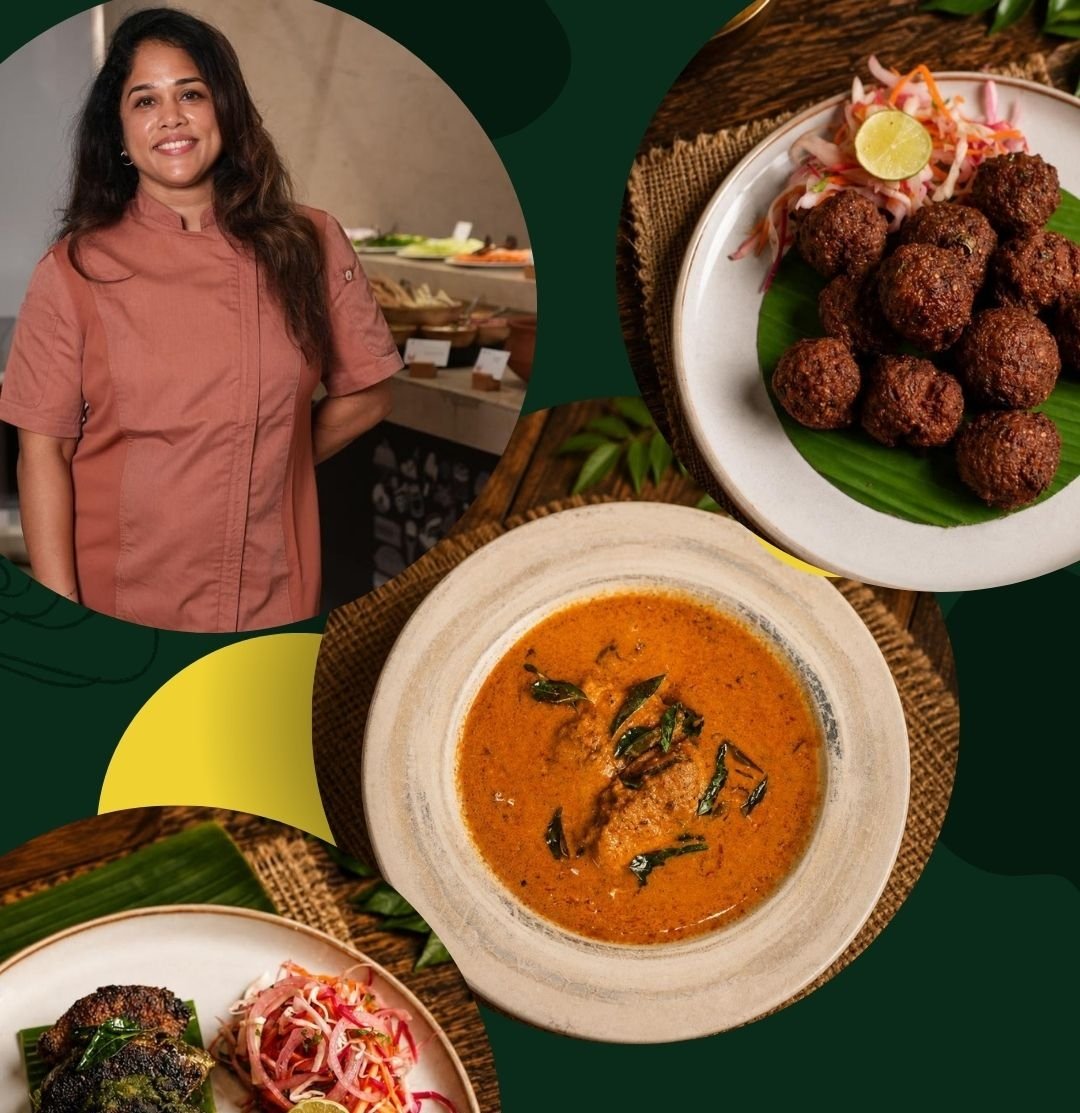
And now she’s on a bigger stage… From August 3–9, 2026, Marriott Executive Apartments Hyderabad invites diners to discover the rich and wonderfully diverse culinary heritage of Tamil Nadu through a week-long food festival at Mazzo, curated by Chef Preethi. This pop-up brings together authentic regional flavours, heirloom recipes and cherished home-style traditions, thoughtfully reimagined with a contemporary touch.
And this is where her menu celebrates the extraordinary depth of Tamil cuisine. From the Kongu traditions of her childhood to heirloom grains, forgotten recipes and robust regional curries, Preethi’s cooking is a delicious reminder that Tamil cuisine extends far beyond the familiar idli, dosa and vada. Her menu includes Mutton Kola Urundai, Milagu Meen Varuval, Neer Kari Kolambu to a selection of regional specialities that celebrate the state’s extraordinary culinary diversity.
For Chef Preethi, however, this is more than a week-long food festival. It is about putting Tamil Nadu’s culinary heritage on a much larger table. Her dream is ambitious: to create a global culinary presence, preserve endangered regional recipes, take immersive Tamil food experiences across the world and eventually see Tamil cuisine celebrated alongside the world’s great culinary traditions.
And perhaps that is what makes Chef Preethi’s journey so deliciously inspiring. She isn’t merely cooking Tamil food; she is carrying a piece of Tamil Nadu with her… and inviting Hyderabad to take a bite.
In an exclusive interview with Sumita Chakraborty, Founder & Editor-in-Chief, TheGlitz, Chef Preethi Raghunandan opens up about her journey from her grandparents’ kitchen in Erode to the MasterChef India Tamil stage, her passion for preserving forgotten Tamil recipes, and her dream of taking the cuisine of her homeland to the world.
Over To Chef Preethi Raghunandan
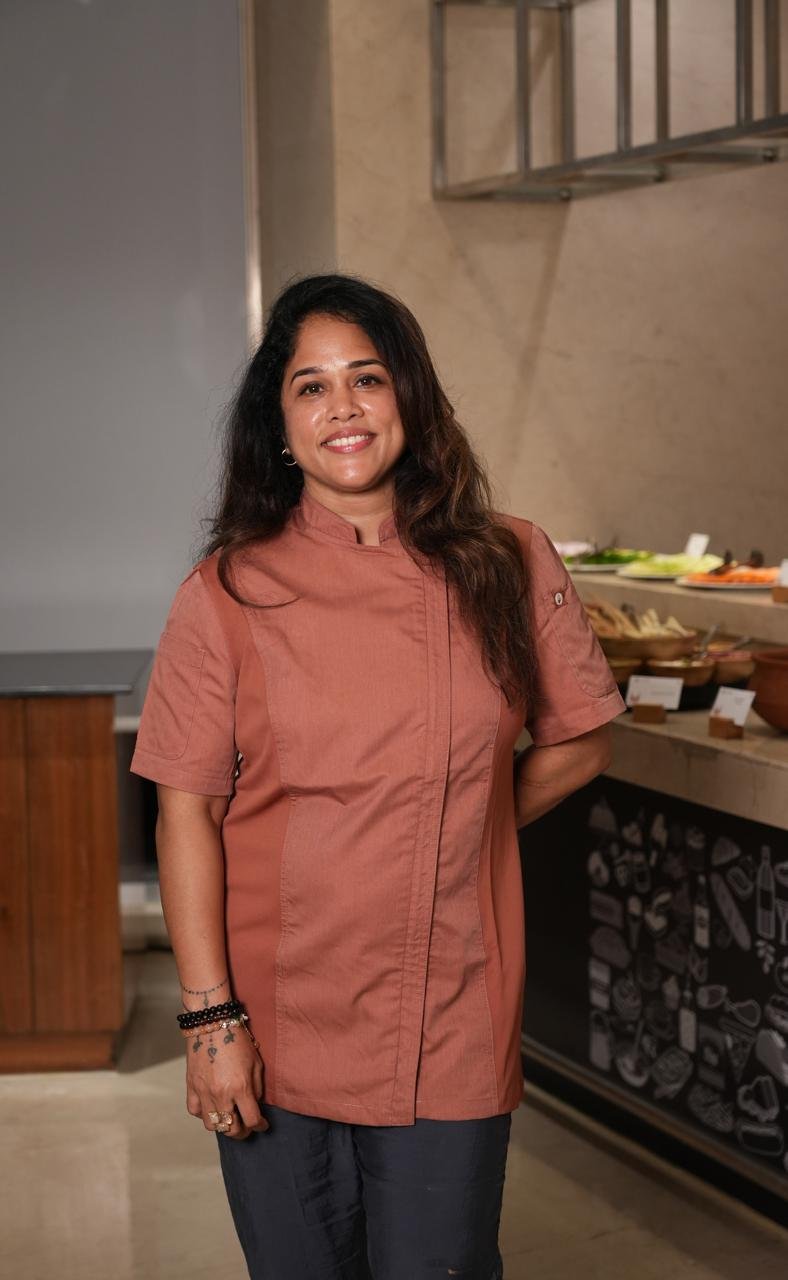
From Home Kitchen to MasterChef Finalist: Your culinary journey began in your grandparents’ kitchen in Erode and has now taken you to the national stage as a MasterChef India Tamil finalist. Looking back, what are the defining moments that shaped you as a chef, and how have your roots in Tamil Nadu continued to influence your cooking?
Growing up in Erode, the kitchen was the pulsating heart of our home. My defining culinary moments weren’t forged in culinary schools, but over wood-fired stoves, listening to the rhythmic grind of the ammikallu (stone mortar), and watching my grandparents transform humble, freshly harvested ingredients into masterpieces of flavor.
Moving onto the MasterChef India Tamil stage brought those memories full circle. The high-stakes environment tested my technique, but whenever the pressure mounted, I anchored myself in my roots. The Kongu region’s emphasis on unpretentious, ingredient-driven cooking – where fresh spices, sesame oil, and local grains take center stage – remains my north star.
Tamil Nadu’s culinary heritage isn’t just a style of cooking for me; it’s my identity, my instinct, and the soul behind every plate I create.
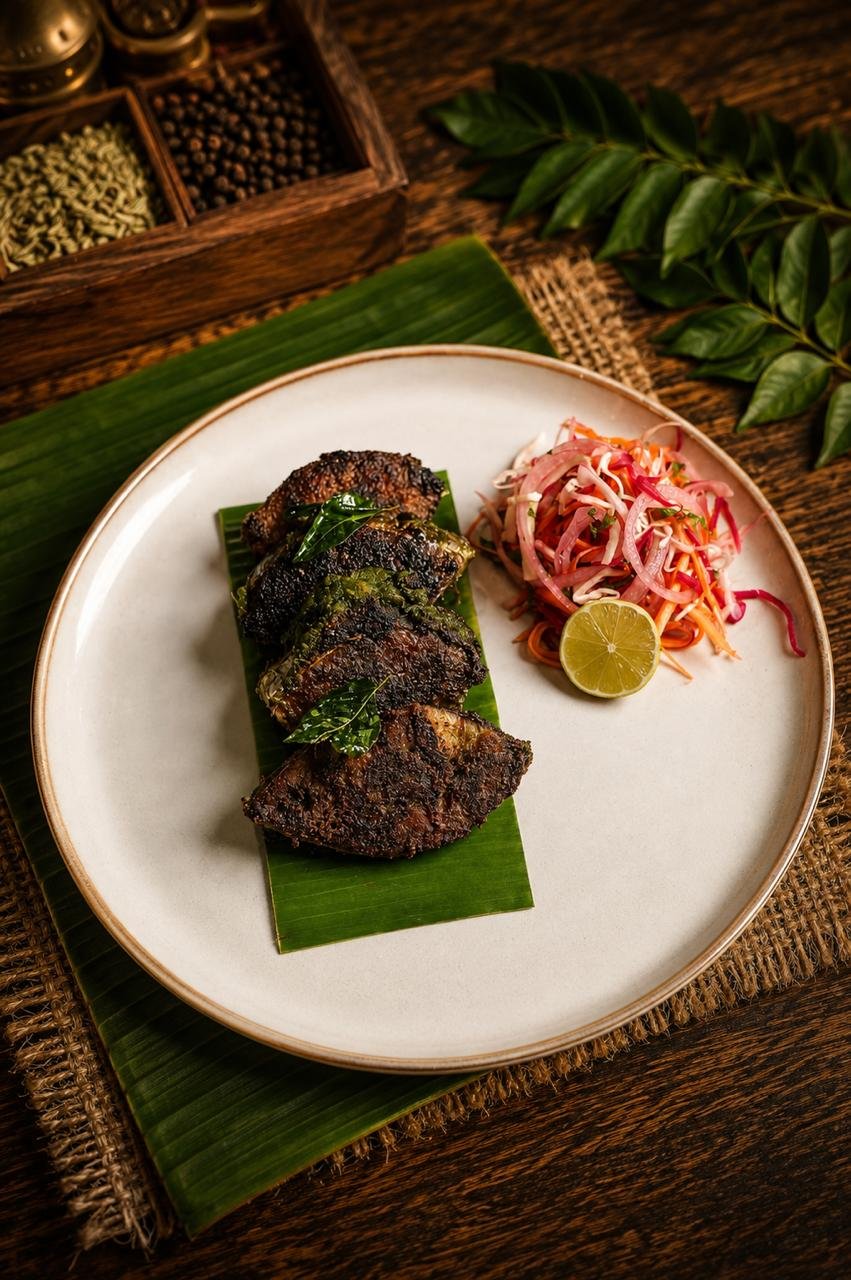
Celebrating Tamil Cuisine: Tamil Nadu’s cuisine is incredibly rich and diverse, yet many people outside the state know only a handful of dishes. Which forgotten recipes, regional specialties or indigenous ingredients are you most passionate about bringing into the spotlight, and why do they deserve greater recognition?
Outside South India, Tamil cuisine is often reduced to idli, dosa, and vada. While those are wonderful, Tamil Nadu has vast micro-regional food cultures—from the rustic, hearty profiles of Kongunadu and Chettinad to the subtle, fragrant nuances of Tanjore and the coastal richness of Tuticorin.
I am deeply passionate about bringing native heirloom grains—like Kudiraivali (Barnyard Millet), Samai, and Kavuni Arisi (Black Rice)—back into mainstream dining. I also love reviving forgotten heritage dishes like authentic Arisi Paruppu Sadam, rustic Kollu (horse gram) preparations, and slow-cooked regional meat curries infused with handmade spice blends.
These dishes deserve global recognition because they represent centuries of nutritional wisdom, sustainability, and unmatched depth of flavor.
Tradition Meets Innovation: Your food beautifully balances authenticity with contemporary techniques. How do you decide where to preserve tradition and where to innovate, ensuring that every dish remains true to its origins while appealing to today’s diners?
For me, flavor profile and heritage are non-negotiable. The soul of a Tamil dish—its spice balance, aroma, and emotional warmth—must stay completely intact. Innovation should elevate a dish, never disguise it.
Where I innovate is in texture, plating, modern culinary techniques, and ingredient pairing.
For instance, I might take a traditional flavor like Elaneer (tender coconut) or Mambazha Pulissery and reimagine it using modern techniques like mousse, gelation, or refined plating, without altering the authentic taste that evokes nostalgia. If a diner closes their eyes and takes a bite, it should instantly transport them back to a Tamil home, even if the presentation looks like modern fine dining.
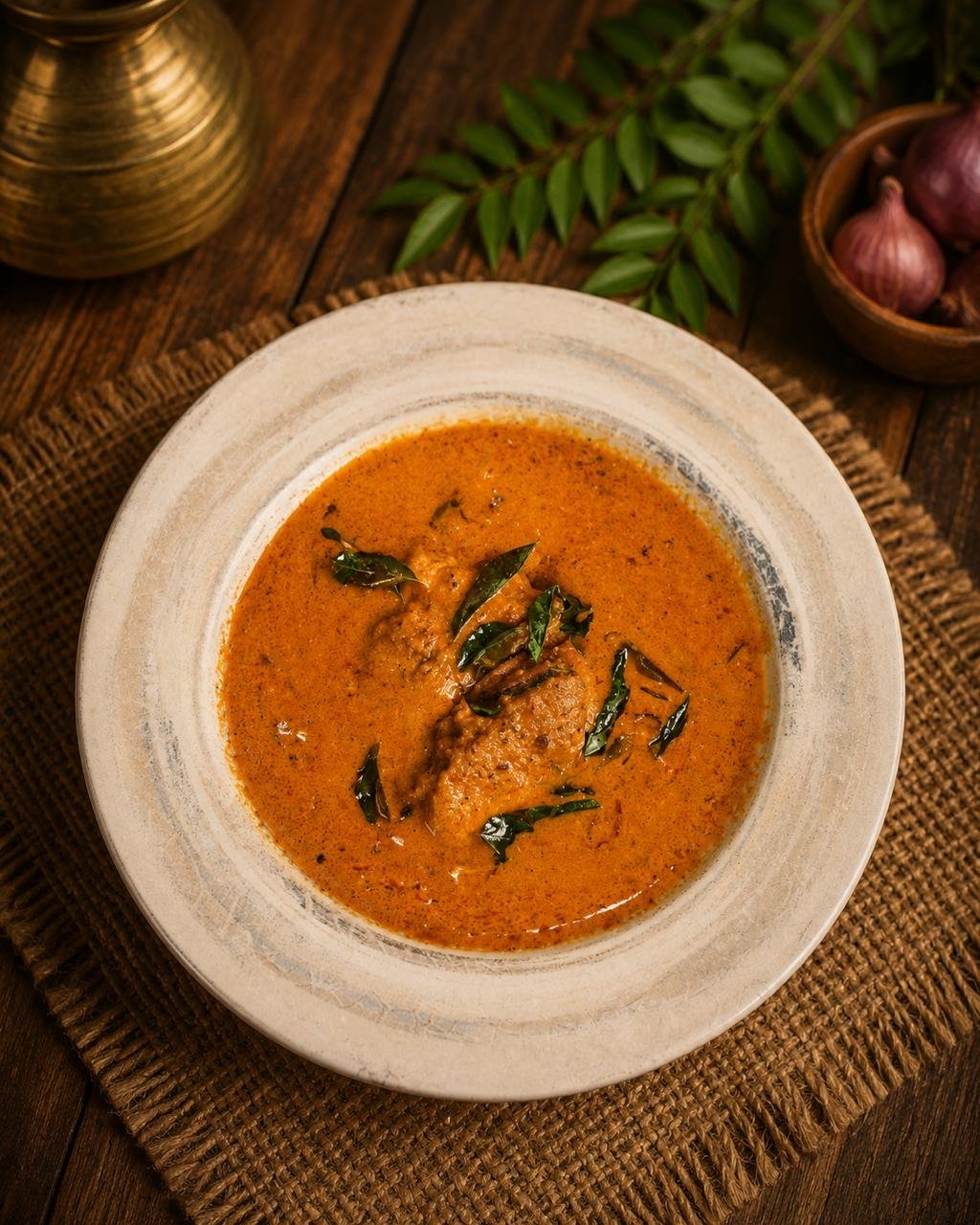
The MasterChef Experience: Competing on MasterChef India Tamil is both exhilarating and demanding. What did the high pressure competition teach you… not just as a chef, but as a person… and how has the experience transformed your confidence, creativity and culinary vision?
MasterChef India Tamil was a crucible that reshaped me completely. Cooking under ticking clocks, mysterious ingredients, and critical eyes strips away all self-doubt and forces you to rely entirely on your instincts.
As a person, it taught me resilience, adaptability, and composure under extreme pressure. As a chef, it liberated my creativity. It made me realize that my home culinary roots were not a limitation, but my greatest superpower.
Stepping out of that kitchen, I felt a renewed confidence—not just in my ability to execute complex dishes, but in my vision to advocate for Tamil cuisine on a much larger, global platform.
Women in the Culinary World: Professional kitchens have traditionally been male-dominated spaces. As a successful chef and entrepreneur, what challenges have you faced along the way, and what advice would you offer young women who dream of building a career in the culinary world?
Professional kitchens are demanding spaces where women have historically had to work twice as hard to earn equal footing and leadership authority. Overcoming stereotypes, balancing family life with grueling kitchen hours, and commanding respect in commercial setups were challenges I had to navigate head-on.
My advice to young women is simple: Own your voice and trust your palate. Do not let anyone reduce your passion to “just home cooking.” Home kitchens have been maintained by women for generations—that deep, intuitive understanding of flavor is your greatest asset.
Build grit, stay eager to learn, step into leadership without seeking permission, and let your work on the plate speak louder than any noise around you.
Food as Storytelling: Every regional cuisine carries generations of history, culture and family traditions. When guests experience your Tamil Nadu pop-up at Mazzo, what stories and emotions do you hope they take away beyond simply enjoying a delicious meal?
I see food as the ultimate medium for storytelling. When guests sit down at the Mazzo pop-up, I want them to embark on a sensory journey across Tamil Nadu—from the bustling spice markets of Madurai to the calm agricultural heartlands of Erode.
Beyond a great meal, I want guests to experience warmth, curiosity, and connection. For those familiar with Tamil food, I hope to evoke fond memories of family gatherings and grandmother’s cooking.
For first-time diners, I want to ignite a new appreciation for the complexity and sophistication of South Indian regional cooking. If someone leaves the table feeling like they’ve experienced a piece of our culture, then I’ve done my job.
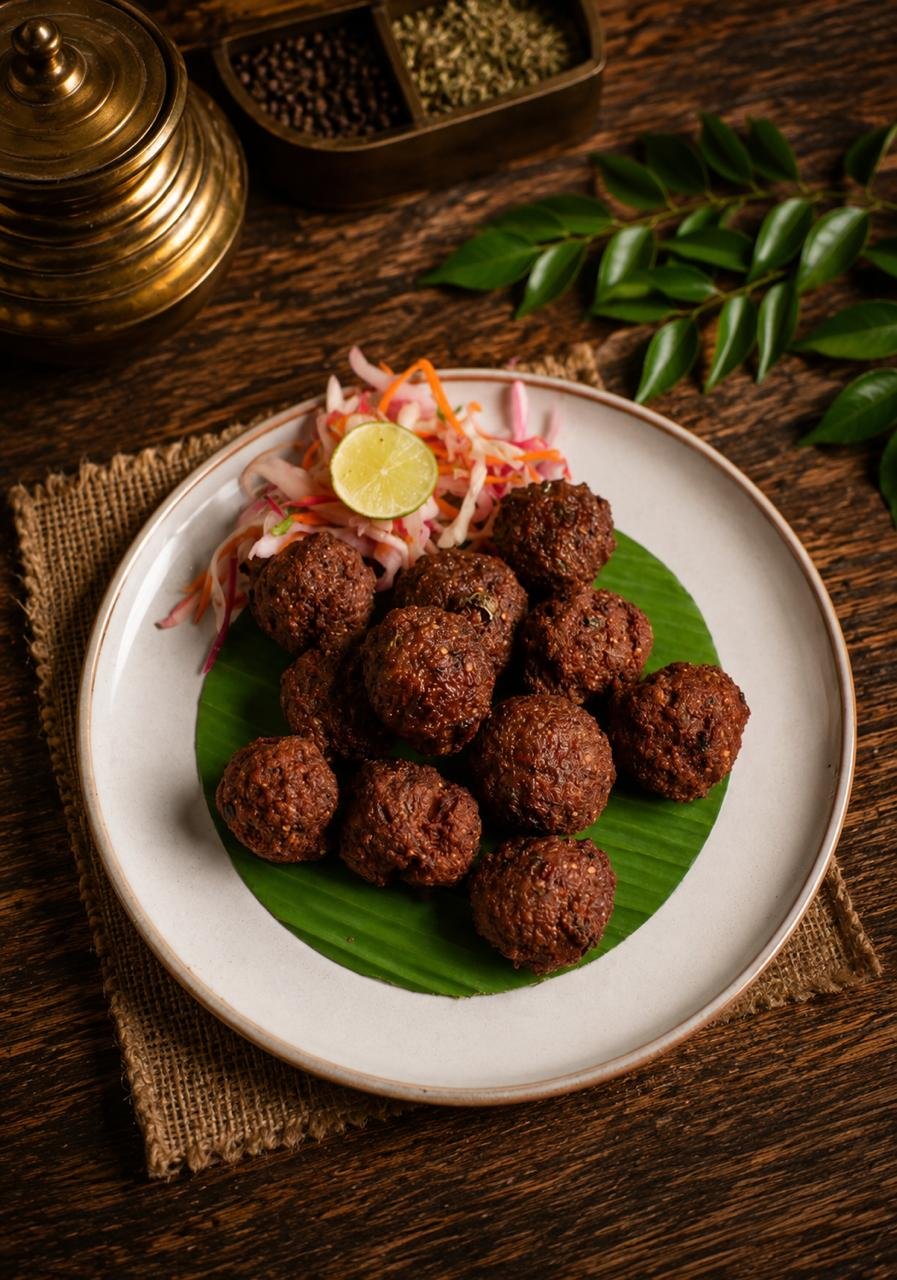
Looking Ahead: You’ve successfully catered for celebrities, created cloud kitchens, developed signature sauces and earned recognition on MasterChef India Tamil. As you look to the future, what is your biggest culinary dream, and how would you like to contribute to the global recognition of Tamil cuisine?
My journey so far has been incredibly rewarding, but I feel I am just getting started. My ultimate culinary dream is to establish a global culinary presence—a flagship dining experience that redefines how Tamil food is perceived on the world stage.
When you enjoy the food at my restaurant, I want everyone to leave with a little bit of their childhood – Grandma’s cooking, Amma’s cooking or their Aunt’s, Orrundai sadaham memories… people from down south will always remember.
I want to document and preserve endangered regional recipes through cookbooks, curate immersive pop-ups internationally, and make regional Tamil flavors accessible through curated artisanal food products. I want to see Tamil cuisine celebrated alongside the world’s great culinary traditions in Michelin-starred environments, and I am committed to dedicating my career to making that a reality.