“I’ve never wanted to be an eternal hero.“
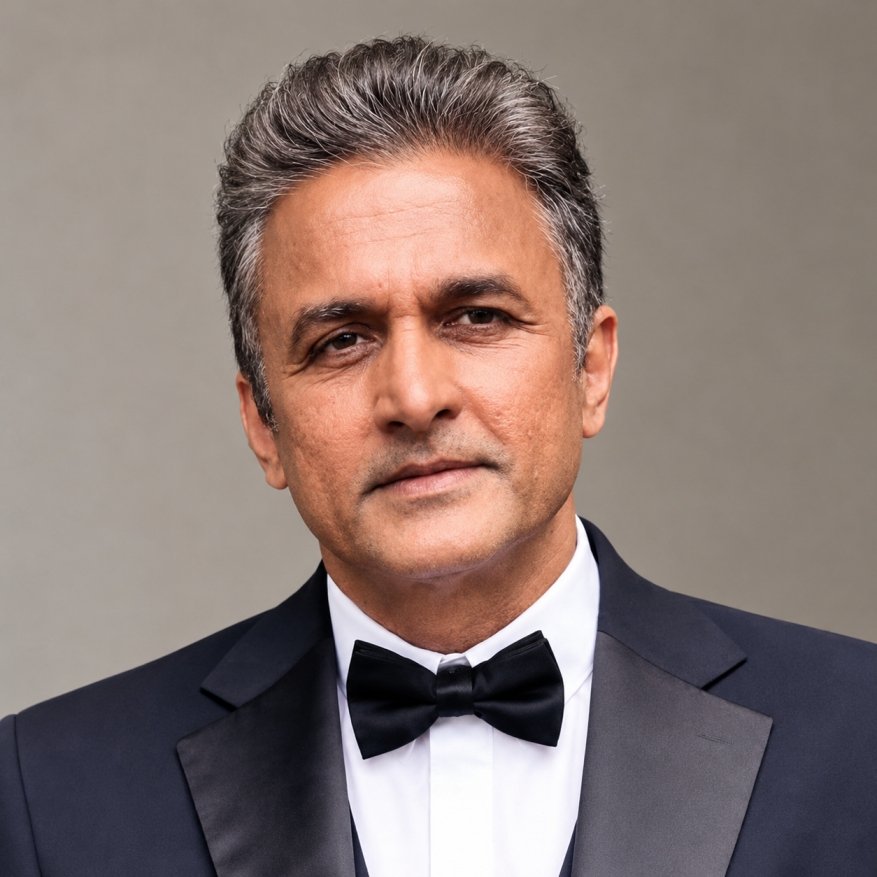
AJINKYA DEO
As a child, Ajinkya Deo watched hundreds of strangers press against a train compartment in Nagpur, all hoping for one glimpse of his parents. He was frightened. He was shy, he never joined a school play, and his dream was to fly for the Air Force.
Fate, as he puts it, had other plans.
Today, the son of Ramesh and Seema Deo has spent four decades in cinema, is still a lead in Marathi films and is still a familiar face in Hindi ones.
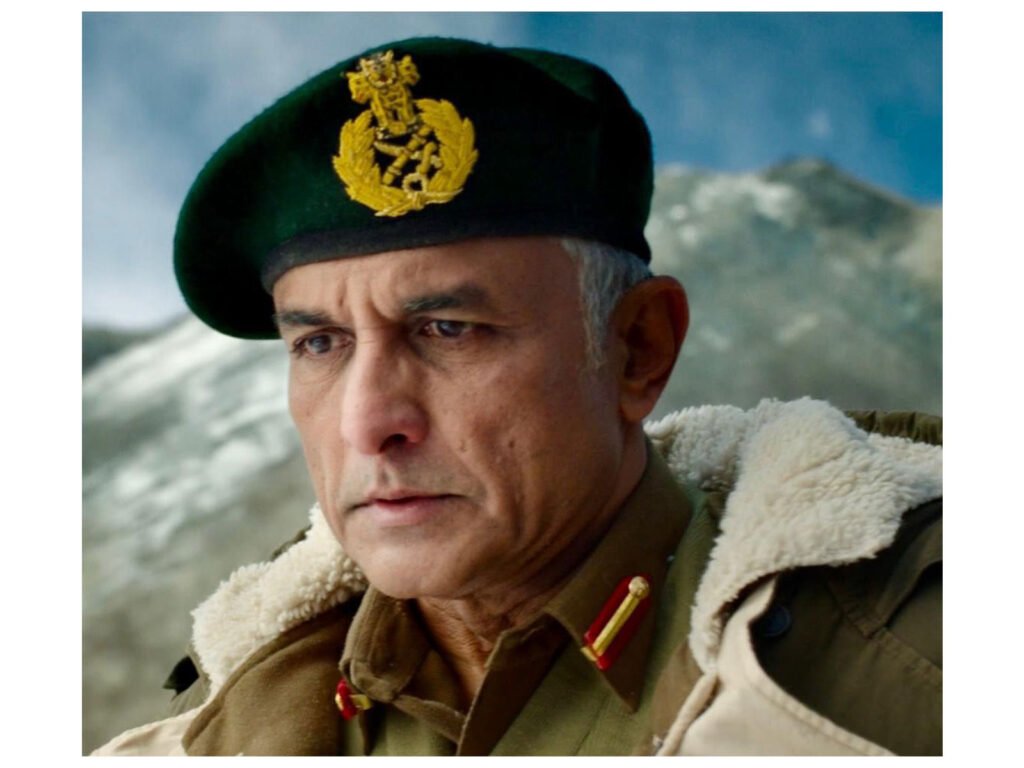
This week brings two of the biggest moments of his career. In Prahaar: The Untold Story of Ujjwal Nikam, out this Friday, he plays a senior Mumbai Police officer on the night of 26/11. In Ramayana: Part 1, he is Sage Vishwamitra.
We talked about the father who directed him, the brother who works in another kind of cinema, and the quiet way a role can be built. We also talked about the next generation of Deos.
Here is Ajinkya Deo, in his own words.
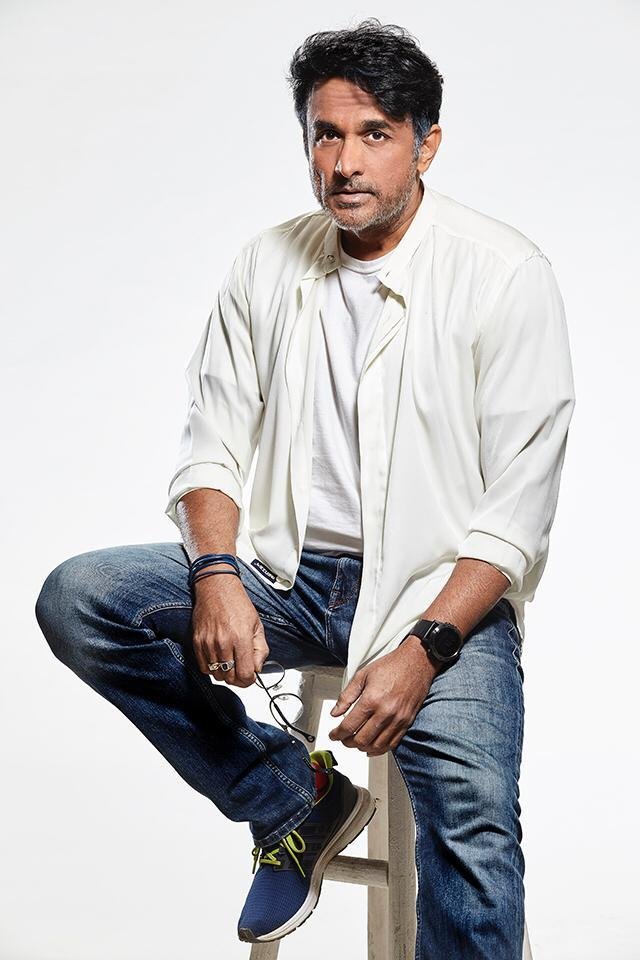
Rajeev Mokashi: With Ramesh and Seema Deo as parents, acting wasn’t your first plan. What was, and what changed your mind?
Ajinkya Deo: It is an interesting fact that acting was never my first objective while growing up, and for a simple reason. As a child, I travelled with my parents a lot when they used to travel for their plays, and I witnessed how they used to get mobbed by their fans.
Whenever we used to take trains to Nagpur and other parts of Maharashtra, hundreds of people would gather outside their compartment. We had to rush and push forward just to catch a glimpse of Mom and Dad. It frightened me as a kid. Growing up, I was very shy, so I never entered a school play or stood on a stage to perform. You’d be surprised to know that my dream was to become a pilot in the Air Force. As fate would have it, I became an actor, and I am grateful for it every step of the way.
Four decades on, which of your Marathi films do fans still bring up first?
Maherchi Sadi, without a doubt, along with Sarja, if I may add. Maherchi Sadi became a super-duper hit across Maharashtra. It ran for almost 153 weeks in theatres, with four shows a day. It gives me great pleasure to meet Maherchi Sadi fans even today, and when they appreciate my work, it gives me a feeling of contentment.
People still rewatch it on the small screen and love it; what else do you want as an actor! And speaking of Sarja, my first film, I was fortunate enough to be a part of a historical film based on Chhatrapati Shivaji Maharaj, which will always be close to my heart.
Your father directed you in Jeeva Sakha. Who was tougher on you, the director or the dad?
Neither. Now, when I recall those days, Dad was a very chilled-out director, and I don’t remember him being hard on anyone. His vision was always clear, but he was more of an actor than a director.
We had a fantastic team, including Ashutosh Gowariker, Mahesh Manjrekar, Laxmikant Berde and Sachin Khedekar. In retrospect, we hardly noticed how the movie came together; it was such an easy transition to put so much heart into filmmaking. It just happened, and that was my father’s way.
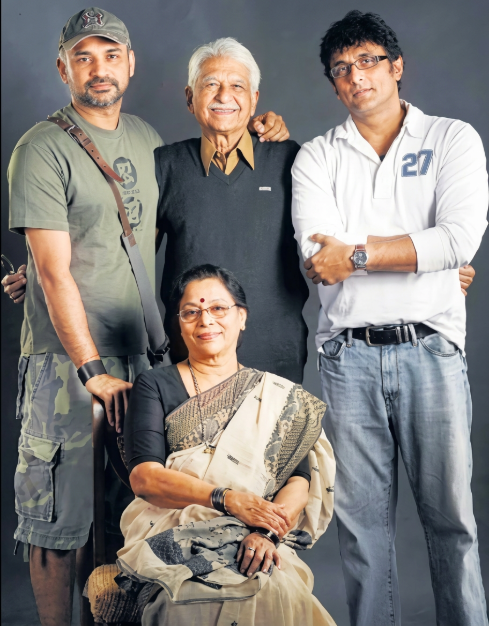
Your brother Abhinay made Delhi Belly, a very different world from yours. Do you ever argue over taste?
I feel our industry is highly creative, and people have their own way of interpreting their art and executing it. So, being two creatively driven people, our vision might differ, but I feel our ultimate goal is the same: to give out the best to the audience and to our fans.
Abhinay is six years younger than me and comes from a different segment of filmmaking. He is a fantastic ad-maker and has made superb films like Delhi Belly, Blackmail and Game,as you mentioned. His recent directorial was a web series on ZEE5 called Brown,in which I portray a very different and pivotal character, and I had a fantastic time playing it.
After 85-plus films, what makes you say yes to a role, and what makes you say no?
God has been kind, and I feel thankful that I’ve been in this industry for nearly four decades, consistently working, and most importantly, I love the entire process of acting. Interestingly, I’m naturally drawn to solid characters who carry real weight in a film, such as Brigadier T.N. Raina in 120 Bahadur, starring Farhan Akhtar, or Dhiraj Jaiswal in Brown on ZEE5 with Karisma Kapoor. And the subjects of the film are so unique that I love to consider them and take them up as a challenge.
Not just Hindi films; I am actively working in Marathi films too. Fortunately, I still get roles where I play the lead. Speaking of the same, this year I shot three of them. I haven’t missed that bus, but as an actor, I love the characters that are coming my way now. It’s been a thankful journey, with the chance to learn from greats like Amitabh Bachchan, Anupam Kher, Rekha ji and Raj Babbar.
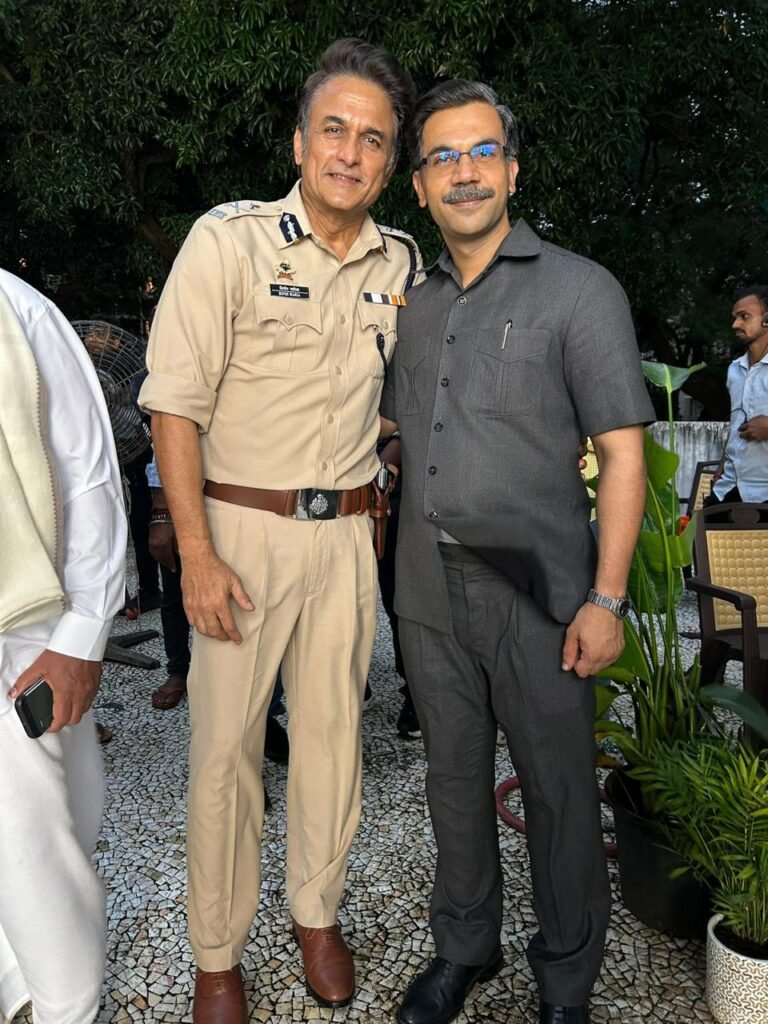
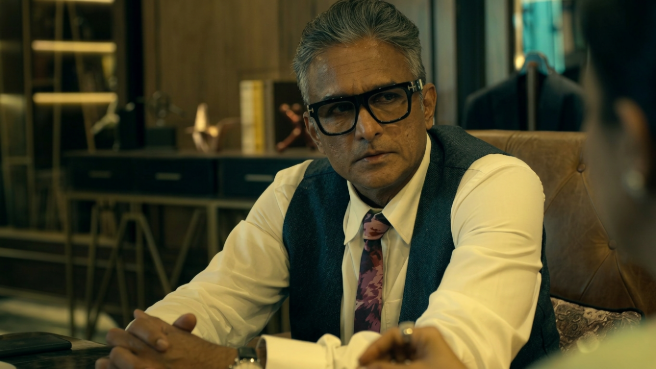
Marathi audiences knew you as a young hero. Now you play a sage in Ramayana and a senior police officer in Prahaar: The Untold Story of Ujjwal Nikam. Do you miss being the hero?
Not at all. I’m proud of it. I played the hero in almost 100 films, and that was a wonderful chapter. But an actor has to evolve, and I’ve never wanted to be an eternal hero. Today I’m offered characters like Sage Vishwamitra and a Joint Commissioner of Police, roles that carry real weight and anchor their stories.
After 40 years, I’m being trusted with characters who shape a film, and I’ve earned that place. And my years in the industry have taught me this: the most important thing is to keep standing in the face of the storm, and the storm will weather away.
You were approached to play Dasharath, got Vishwamitra, then said you felt chosen. When did disappointment turn into destiny?
There was no disappointment whatsoever; rather, I am fortunate to be a part of this epic saga. Yes, I was approached for Dasharath, for which I gave my audition too, but as we say, every character has its own destiny. And I firmly believe that in the Ramayana, this beautiful creation of ours has felt the divine intervention of Prabhu Ramchandra, and he has chosen the best of the artists to play all these characters.
I believe he felt I was right for Vishwamitra, and here I am. In addition, I believe Arun Govil ji was the right choice for Dasharath; it truly feels like a complete circle when we see him as Dasharath. I feel he has given justice to the character.
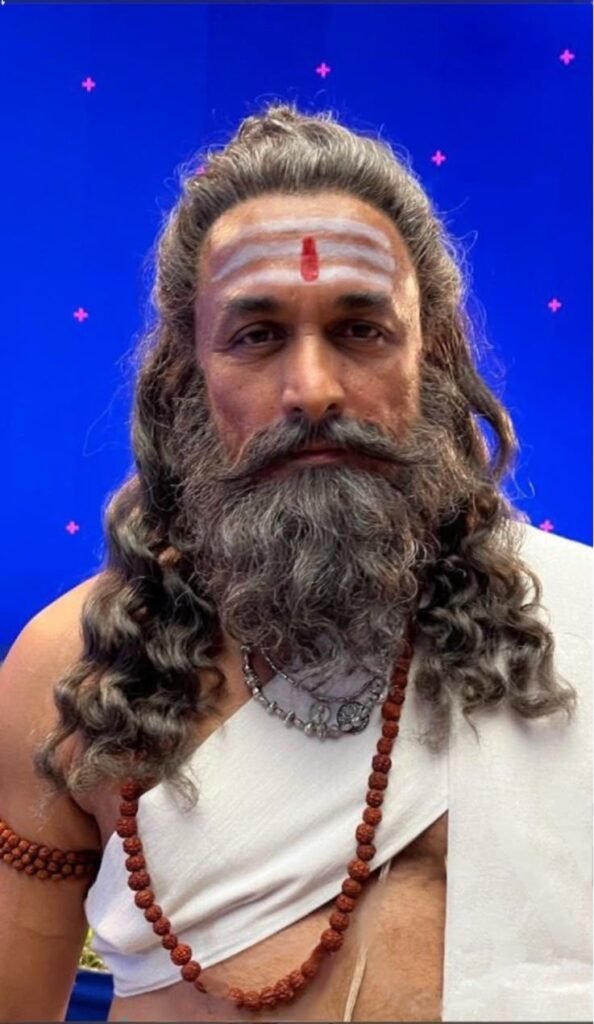
You were told not to play Vishwamitra larger than life. Is restraint harder for an actor than drama?
It was Nitesh ji, our director, who asked me to restrain Vishwamitra, and I thought that was his vision; all of us, what we did here was to entrust him fully before we all went into our respective characters. It was very nice to have such direction coming from a director who is rooted in realism.
He told me, “You have a commanding presence on screen and a good voice, so I don’t want you to take the character over the top. Play it subtly.” Most of my scenes are with Ranbir and Lakshman, and with Dasharath. Ramayana is something I will cherish for the longest time.
For Prahaar, you built a senior officer’s posture, pauses and tired stillness. What was the smallest detail that made him real?
It was the pause. A man in his position doesn’t rush to speak, because every word he says becomes an order. So, he listens first, takes a beat, and then decides. Nothing is shown outwardly, but you feel the weight of the night he has just lived through.
I wasn’t interested in playing him as loud or heroic. He was there on the ground when the attacks happened, and we lost some very capable officers, so for me the poignancy came from that quiet, held-in tiredness.
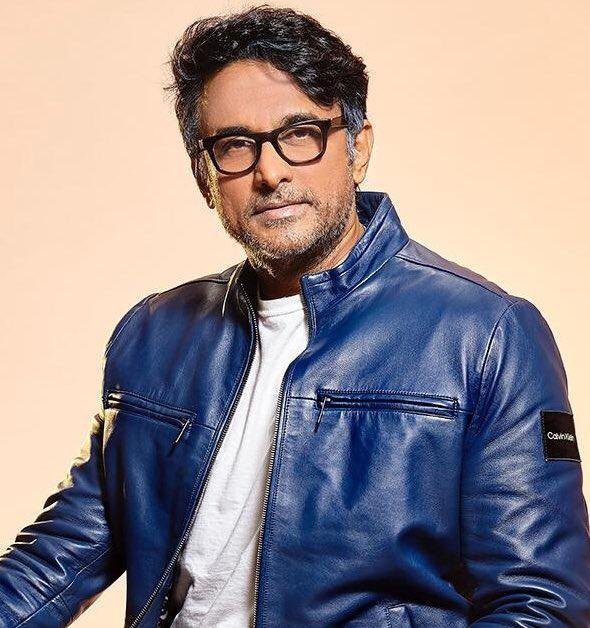
Your son Arya is now in films, the third generation. What would you pass on from Ramesh Deo, and what would you do differently?
Now our third generation is in films too, and it makes me super proud. My son Arya is very keen on direction, and Abhinay’s son Yug is on the production side. It’s beautiful to watch them grow. From my father, the thing I’d most want to pass on is respect for the work and for everyone who makes it possible. Cinema is a team effort, and he never forgot that. He also believed in discipline and in earning your place, and I’d like Arya and Yug to carry that with them.
As for what I’d do differently, I’d let them find their own way. The industry has changed a great deal since my father’s time, and so have the audiences, the platforms and the way films get made. I’d encourage them to learn the craft and the business from the ground up, trust their own instincts, and build their own identity rather than live in anyone’s shadow. The name opens a door, but what they do after walking through it is up to them.
For more features like this, stay tuned to TheGlitz.