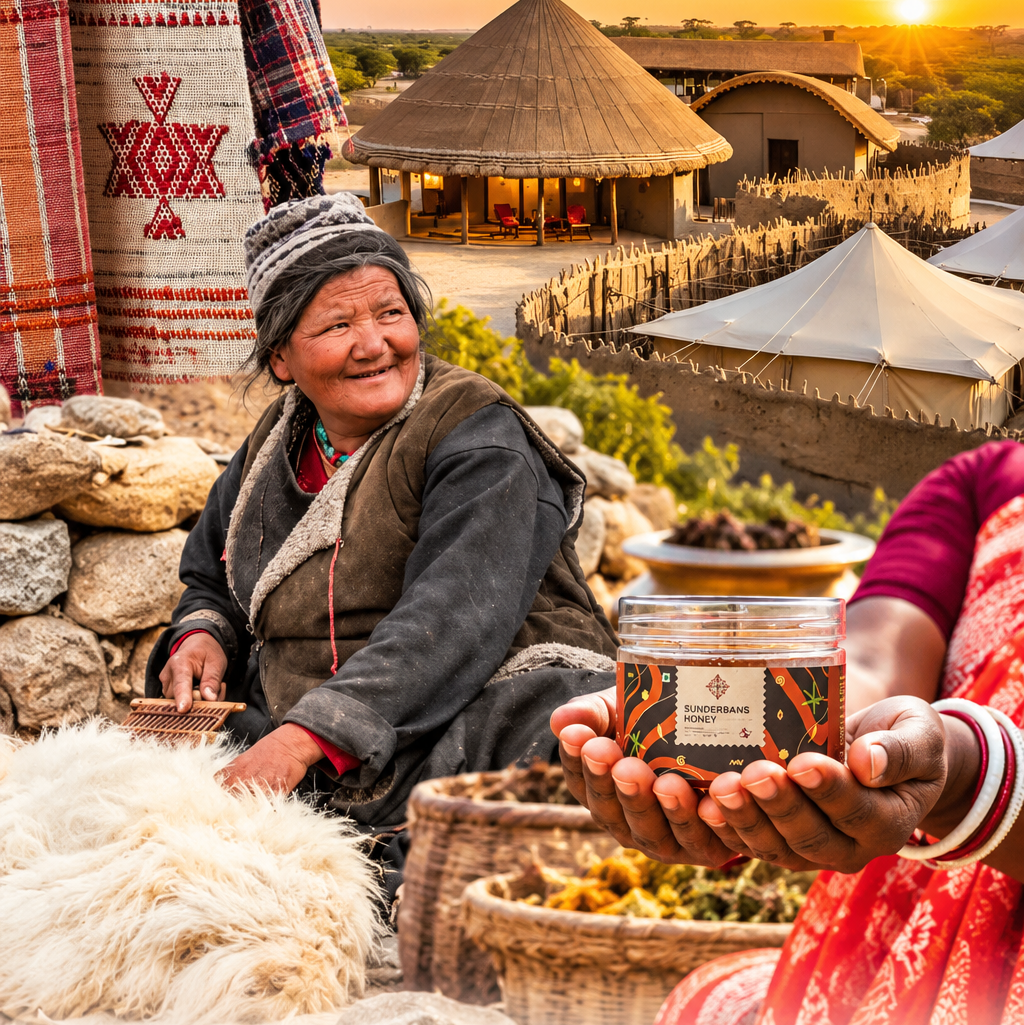
Community-Led Tourism
Luxury travel is having an identity crisis of sorts. The infinity pool is beautiful, the suite is spectacular, and the personalised welcome is impeccable. But once the obligatory photographs are taken, what remains? Increasingly, discerning travellers are looking for something money cannot manufacture overnight: a genuine connection with the place they have travelled so far to discover.
Enter community-led tourism, where local people are not merely employed by the tourism industry but help shape, own and benefit from the experiences offered. For India, with its extraordinary diversity of landscapes, crafts and culinary traditions, this could be the next meaningful chapter in luxury travel. Sumita Chakraborty, Founder & Editor-in-chief, TheGlitz, delves into the depths to find out how community-led tourism can help change India’s travel story.
Ladakh: Beyond the Mountains
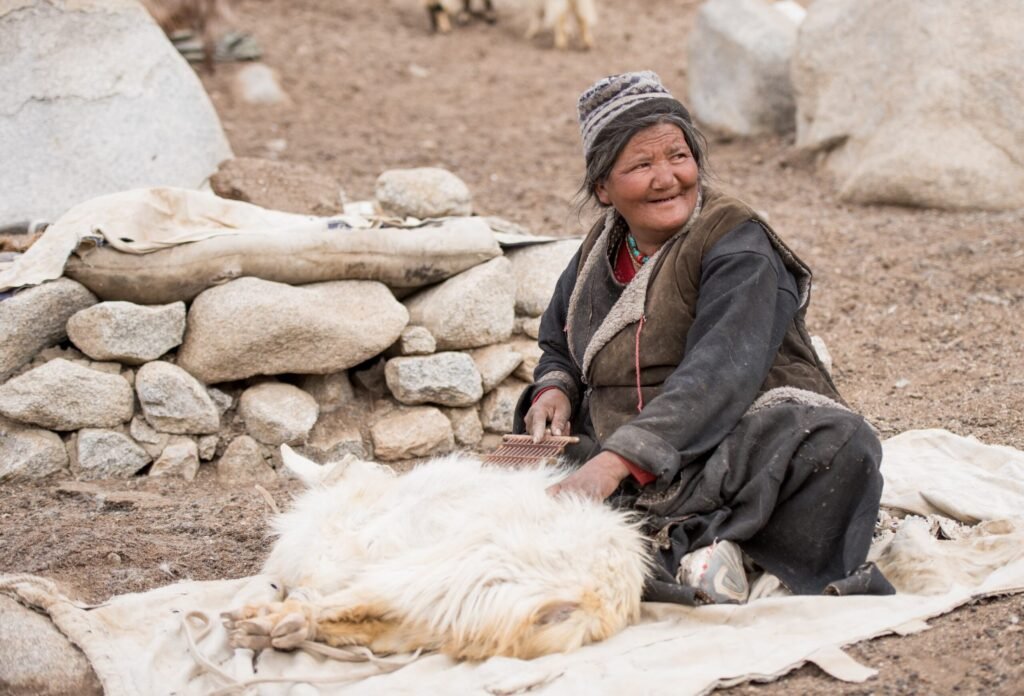
Ladakh has long attracted travellers with its dramatic mountains, Buddhist monasteries and starkly beautiful landscapes. They’ve even made it to the centre-stage at the Lakmē Fashion Week X FDCI Grand Finale. Yet its deeper stories belong to the people who have adapted to life in this challenging terrain, preserving knowledge, traditions and livelihoods across generations.
Looms of Ladakh offers an interesting entry point. The initiative works with local herders and artisans to sustain the region’s pashmina heritage, connecting traditional skills with contemporary markets. Rather than treating pashmina as simply another luxury purchase, travellers can explore the knowledge behind the fibre, the people involved in its production and the ecological realities of raising Changthangi goats.
Imagine a carefully arranged visit that introduces travellers to this world through conversations with artisans, demonstrations and an understanding of the craft’s cultural significance. Such an experience would need to be developed with the initiative and participating communities, respecting their time, privacy and commercial interests.
The luxury lies not in observing a community from a distance, but in being invited to understand its world.
Kutch: Where Craft Is a Living Economy
In Gujarat’s Kutch region, the appeal of community-led tourism is equally compelling. The landscape is striking, but the region’s textile traditions, embroidery, weaving, architecture and food offer stories that deserve more than a hurried stop on a sightseeing itinerary.

Bhujodi, associated with the Vankar weaving community, provides an opportunity to understand the relationship between craft, identity and livelihood. Visitors can learn how textiles are made, meet craftspeople where visits are welcomed and purchase work directly through appropriate channels.
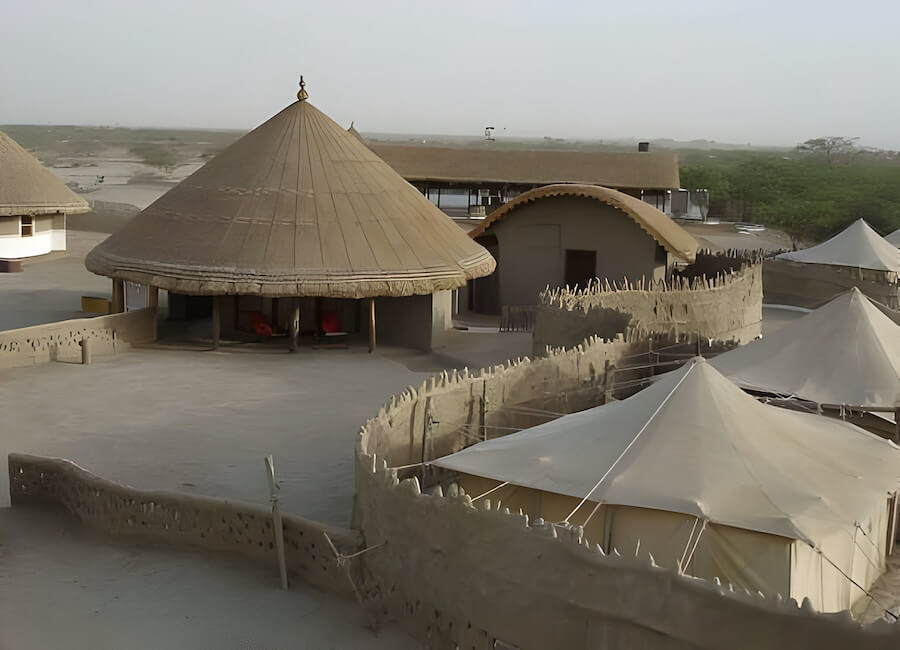
Another relevant example is Shaam-e-Sarhad in Hodka, a community-owned village resort offering accommodation inspired by local architecture and culture. Its model demonstrates how tourism can create economic opportunities while giving visitors a more rooted experience of the region.
The important distinction is that artisans are not props in a travel narrative. Fair compensation, consent, control over demonstrations and respect for cultural boundaries must be part of the arrangement.
Earth Story Farms: A Taste of Provenance
Community-led travel need not be confined to villages and handicrafts. It can extend to food, farming and the people who preserve India’s agricultural diversity.
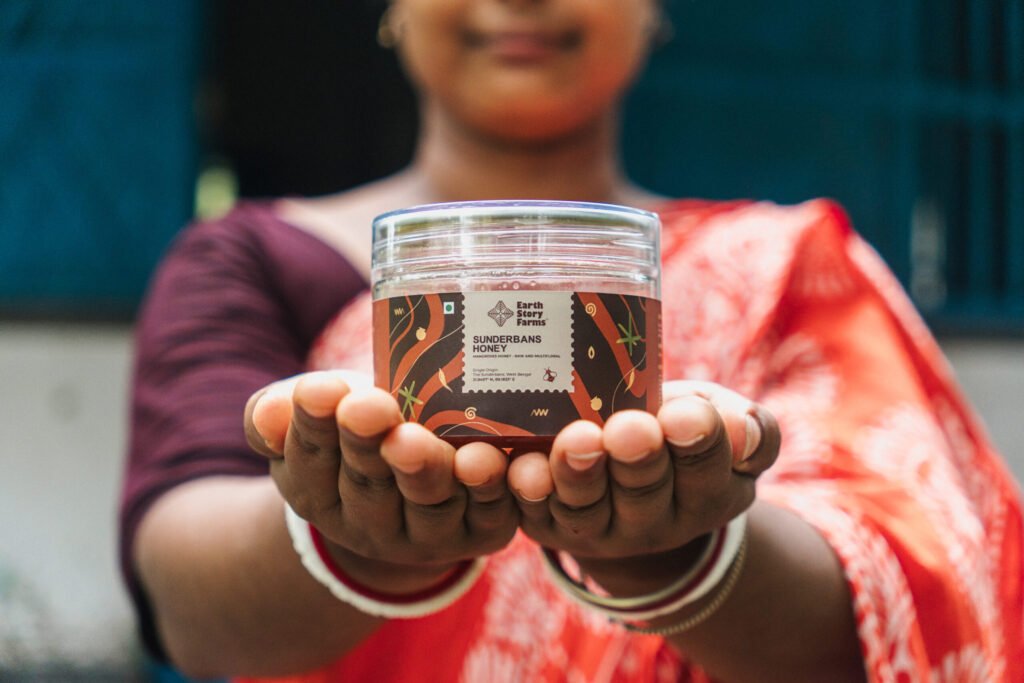
Earth Story Farms offers a useful example through its work with more than 1,500 farmer, gatherer and artisan families across nine Indian states. Its emphasis on native ingredients, seasonal produce and traditional food knowledge highlights the value of provenance in a market increasingly interested in where ingredients originate.
A thoughtfully developed farm experience could connect travellers with growers, regional cooking and the landscapes behind particular ingredients. Such visits would need to be arranged with participating producers rather than assumed to be part of an existing tourism programme.
For luxury hospitality, this presents an opportunity to build distinctive culinary experiences around local supply chains, while creating greater visibility for producers.
Can Meaning Become a Business Model?
The opportunity is substantial, but community-led tourism cannot survive on good intentions alone. Infrastructure, trained local guides, reliable bookings, environmental safeguards and transparent revenue-sharing arrangements are essential.
There is also a danger of turning authenticity into another expensive marketing label. If outside operators capture most of the revenue, or cultural traditions are staged purely for visitors, the model risks reproducing the inequalities it claims to address.
Luxury operators must therefore ask harder questions: Who owns the experience? Who sets the price? How much stays within the community? And who decides what should not be shared?
TheGlitz Take
India does not need to invent authenticity; it needs to build a tourism economy that recognises its value. From Ladakh’s pashmina heritage to Kutch’s craft communities and the agricultural networks behind India’s traditional foods, the possibilities are rich.
The future of meaningful luxury travel may not be about escaping local life into a protected bubble of extravagance. It may be about entering a place respectfully, learning something lasting and ensuring that the people who make it extraordinary benefit from the encounter.
That’s because the most luxurious souvenir is not always something you bring home. Sometimes, it is the knowledge that your journey left something worthwhile behind.