Veer Pahariya for Pawan Sachdevaa at Lakmé Fashion Week
Fashion’s most interesting moments happen when heritage refuses to sit quietly in a museum. At Lakmé Fashion Week in partnership with the Fashion Design Council of India (FDCI) 2026, designer Pawan Sachdevaa made a compelling case for Indian craftsmanship with RECAST, a collection that challenged conventional menswear codes through contemporary tailoring, experimental silhouettes and textile innovation.
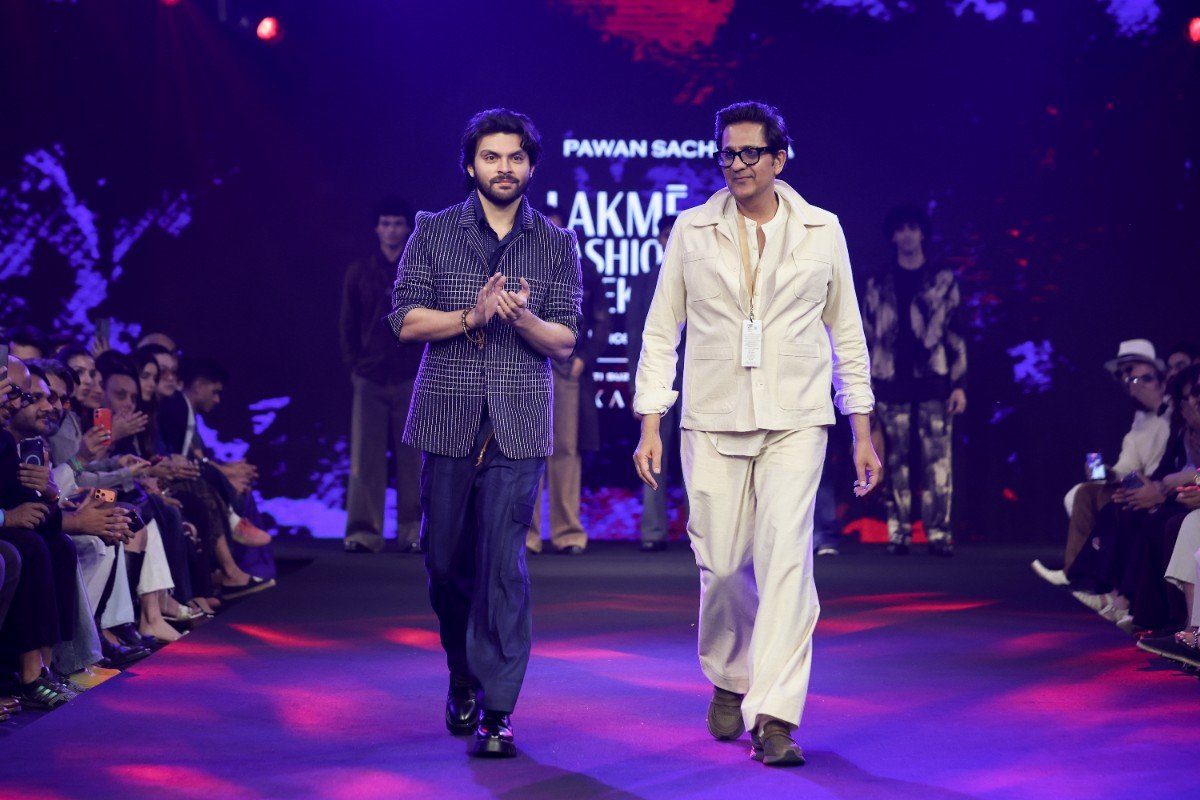
With actor Veer Pahariya taking centre stage as the showstopper, the showcase brought together the richness of Indian craft and the confidence of modern dressing. It was heritage with a sharper attitude, and TheGlitz was looking at a collection that wanted tradition to move forward rather than stand still.
Veer Pahariya: The Showstopper with Attitude
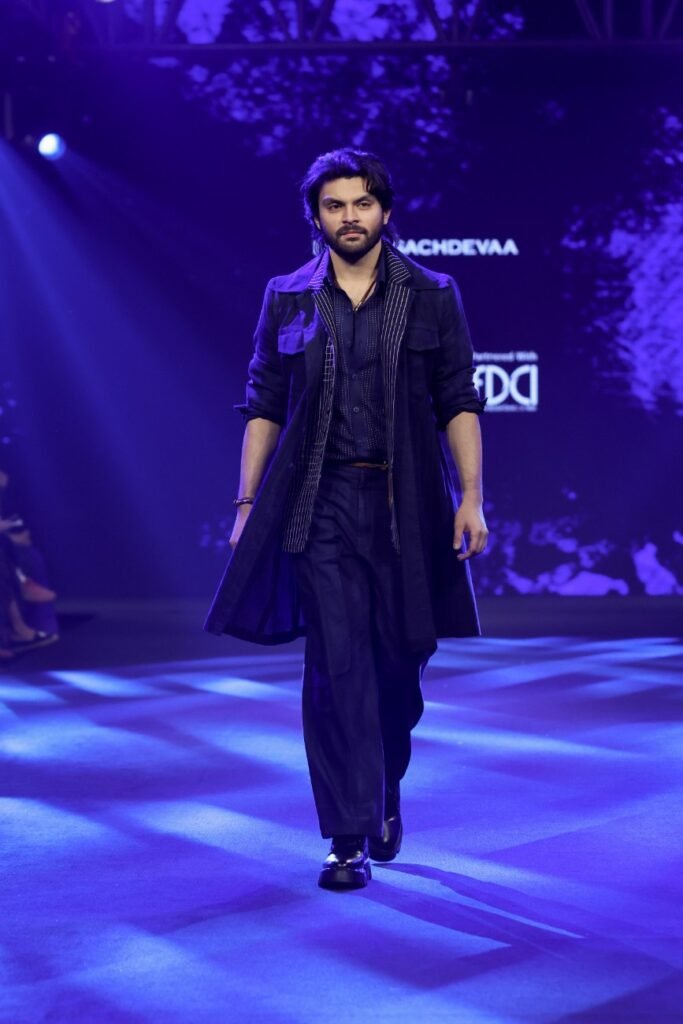
A showstopper has one job: to make the clothes… and the designer’s vision… impossible to ignore. Veer Pahariya brought celebrity presence to Sachdevaa’s runway, adding a contemporary, youthful edge to a collection built around the reinvention of Indian craftsmanship.
Speaking about the experience, Veer Pahariya highlighted the balance between confidence, effortless style and traditional artistry. That sentiment fits neatly into RECAST’s larger philosophy: menswear need not choose between cultural roots and contemporary expression. It can embrace both, provided the execution feels considered.
His appearance also reinforced the growing relationship between celebrity culture and Indian fashion, where a familiar face can introduce a designer’s ideas to audiences beyond the runway. But the real question, of course, is whether the clothes have enough character to sustain attention once the celebrity moment fades.
RECAST: Heritage Gets a New Wardrobe
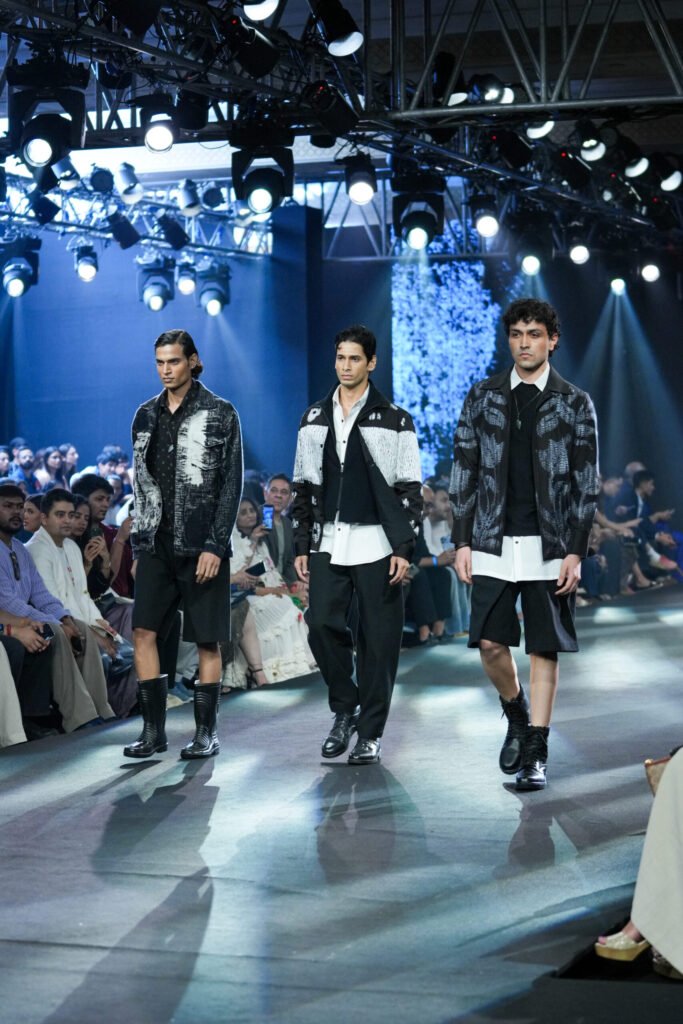
Sachdevaa’s premise is refreshingly direct. Rather than reproduce traditional Indian textiles and techniques in familiar forms, RECAST extracts their essence and gives them a new vocabulary through modern tailoring, streetwear and utility dressing.
Bandhani, Shibori, Kasuti and Kantha find themselves reimagined in a wardrobe that moves between workwear, relaxed separates and contemporary formal dressing. These are not merely decorative references to India’s textile legacy; they are part of a broader exploration of how craftsmanship can adapt to changing lifestyles.
The collection’s strongest conceptual proposition lies here. Indian craft has long been celebrated for its intricacy, but its relevance to contemporary wardrobes depends on how creatively designers can move beyond predictable ethnic silhouettes. RECAST attempts precisely that, bringing traditional techniques into conversation with urban dressing.
Denim, Khadi and the New Menswear Language
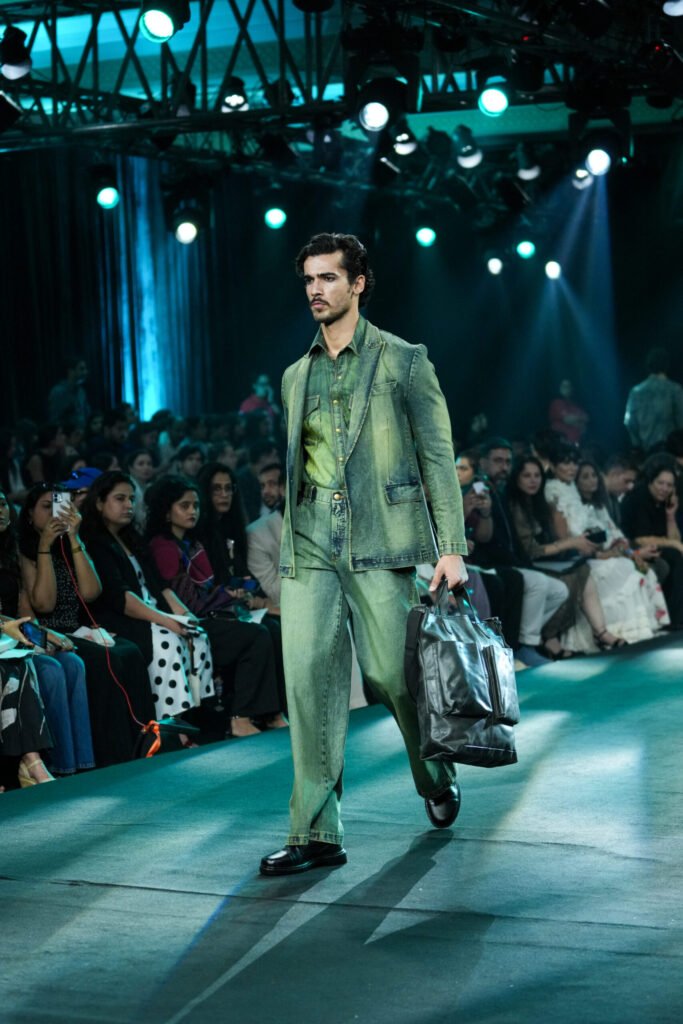
The textile mix provides much of the collection’s intrigue. Kala Cotton Khadi, Khadi Silk, Matka Silk and Habutai Silk sit alongside bouclé and denim, creating contrasts between softness and structure, refinement and rawness.
Structured jackets, coats, relaxed tailoring, utility separates, shirts and fluid trousers form the foundation of the wardrobe. Contemporary treatments… including acid washing, enzyme washing, stone washing and ombré dyeing, add another dimension, allowing traditional materials to occupy a more experimental design space.
The colour palette of indigo, ecru, black and mustard reinforces the collection’s connection with natural dyes and earthy textures. It also gives the pieces a versatility that could appeal to men who prefer their fashion expressive without being excessively ornamental.
The gender-fluid approach adds another contemporary layer, challenging the idea that craft-led clothing must conform to rigid categories. In this context, silhouette and styling become tools for individual expression rather than prescriptions.
Pawan Sachdevaa’s Craft-First Philosophy
With more than 27 years in fashion, Pawan Sachdevaa brings an established understanding of fit, construction and detail to the conversation. His challenge with RECAST is to make heritage feel relevant without reducing it to a fashionable motif.
The designer describes craftsmanship as something that must evolve with time, finding fresh context through the way people dress today. It is a persuasive philosophy, particularly as Indian designers increasingly explore ways to bring indigenous textiles into contemporary luxury wardrobes.
The success of such an exercise ultimately depends on balance. Innovation must not overwhelm the craft, while heritage should not become a token gesture. RECAST’s interplay of traditional techniques, modern materials and experimental treatments offers an interesting framework for negotiating that tension.
TheGlitz Take
RECAST makes a welcome argument for Indian craftsmanship beyond occasionwear and conventional ethnic dressing. Its mix of khadi, silk, denim, utility influences and contemporary tailoring gives heritage a more urban vocabulary, while Veer Pahariya’s showstopper appearance adds star appeal. The collection’s most promising idea is its refusal to treat tradition as something frozen in time.
The next step is to see how convincingly these runway explorations translate into wearable, desirable pieces… because the future of Indian fashion isn’t simply about preserving craft; it’s about making the world want to wear it.