Six Senses – Travel Can Give Back | World Sustainability Day
What if the true measure of a luxury holiday wasn’t the thread count of the sheets, the infinity pool or the exclusivity of the experience, but the good it leaves behind? As conscious travel moves beyond buzzwords, a more meaningful kind of hospitality is taking shape… one that restores heritage, nurtures local communities, protects fragile ecosystems and treats natural resources as treasures rather than commodities.
From Rajasthan’s restored royal architecture to the Maldives’ underwater meadows and Bhutan’s organic farms, these experiences invite travellers to see destinations differently. Because the most memorable journeys are not just about where we go, but what we help preserve along the way. TheGlitz reports on five Six Senses retreats exploring what it means to travel with purpose.
Six Senses Fort Barwara: Where Heritage Meets Responsibility
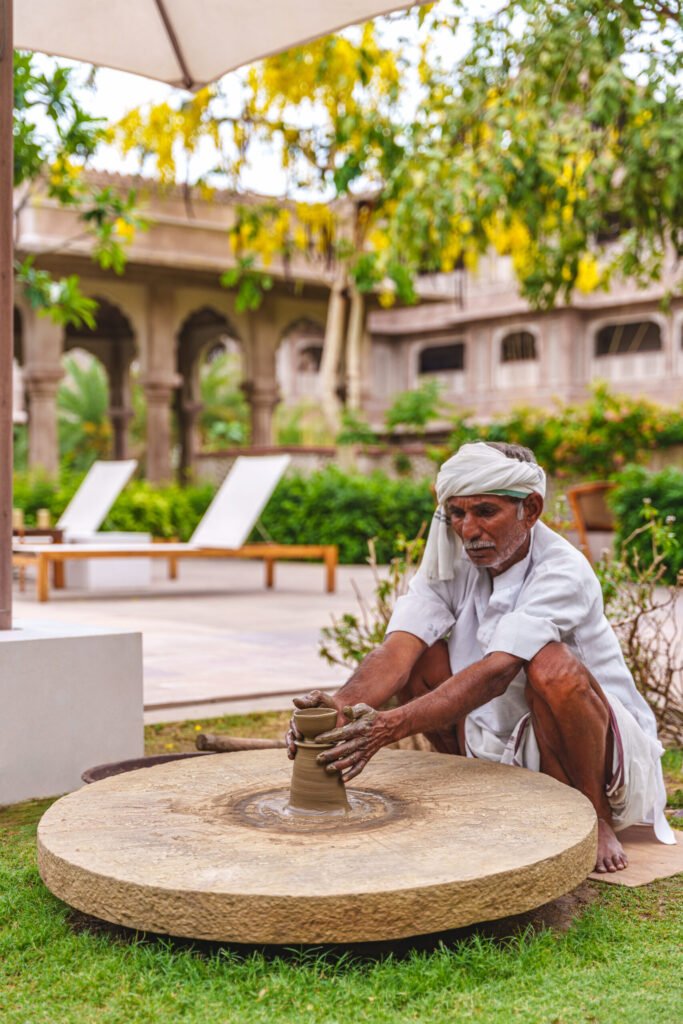
In Rajasthan, history is not simply preserved behind velvet ropes; at Six Senses Fort Barwara, it is part of a living sustainability story. The 705-year-old palace and temples have been restored using traditional Rajasthani building techniques, blending heritage conservation with contemporary hospitality. Rainwater collection systems and solar panels bring resource-conscious thinking into the historic setting, while clean-up drives, waste management and rewilding initiatives extend the effort into the surrounding landscape.
The resort’s community programmes include clean drinking water facilities at schools and hospitals, wellness and hygiene awareness, and opportunities for local artisans to showcase and sell their crafts. In 2025, it avoided 348,563 plastic bottles through its own drinking-water bottling system and produced more than 17,000 kilograms of compost. Here, luxury’s most valuable legacy may be the one that reaches beyond the fort walls.
Six Senses Bhutan: Back to the Roots
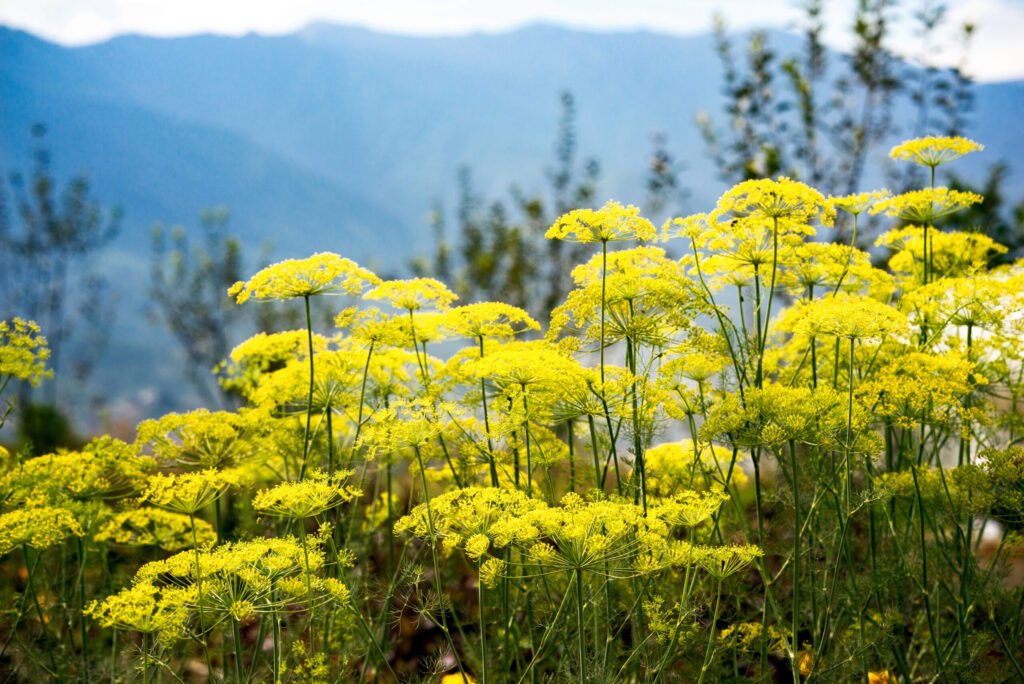
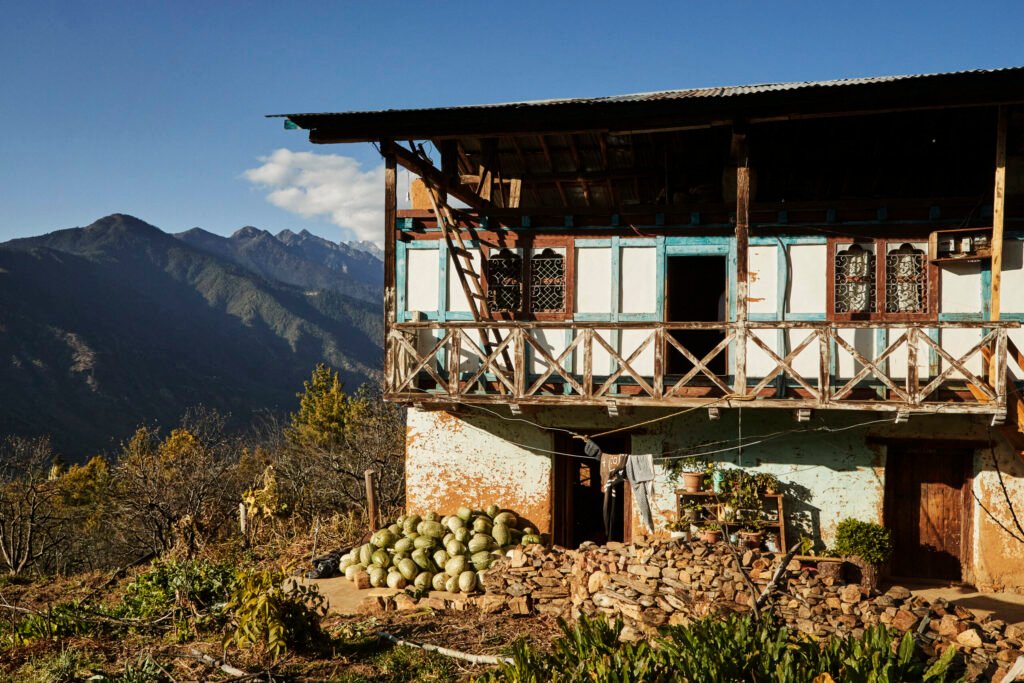
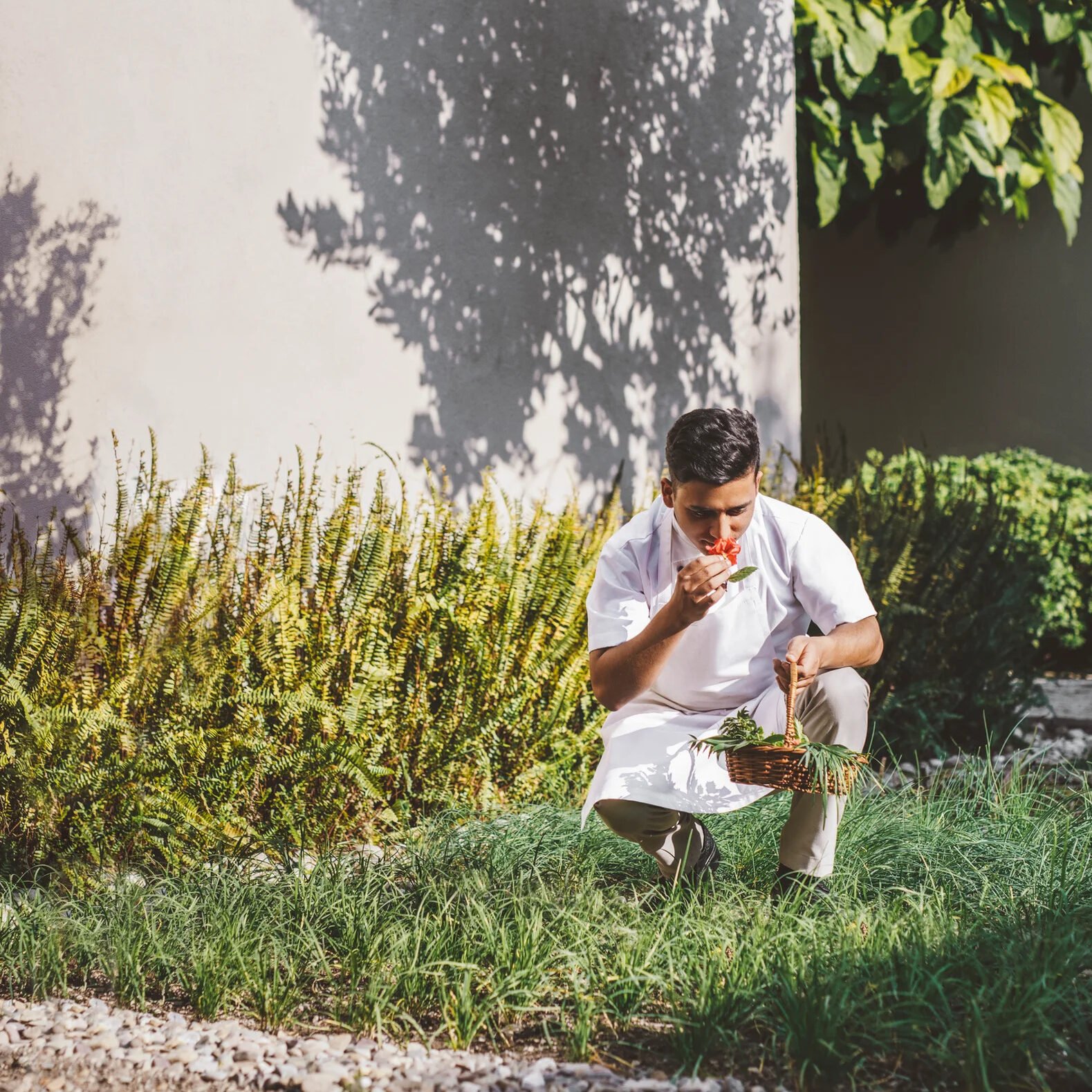
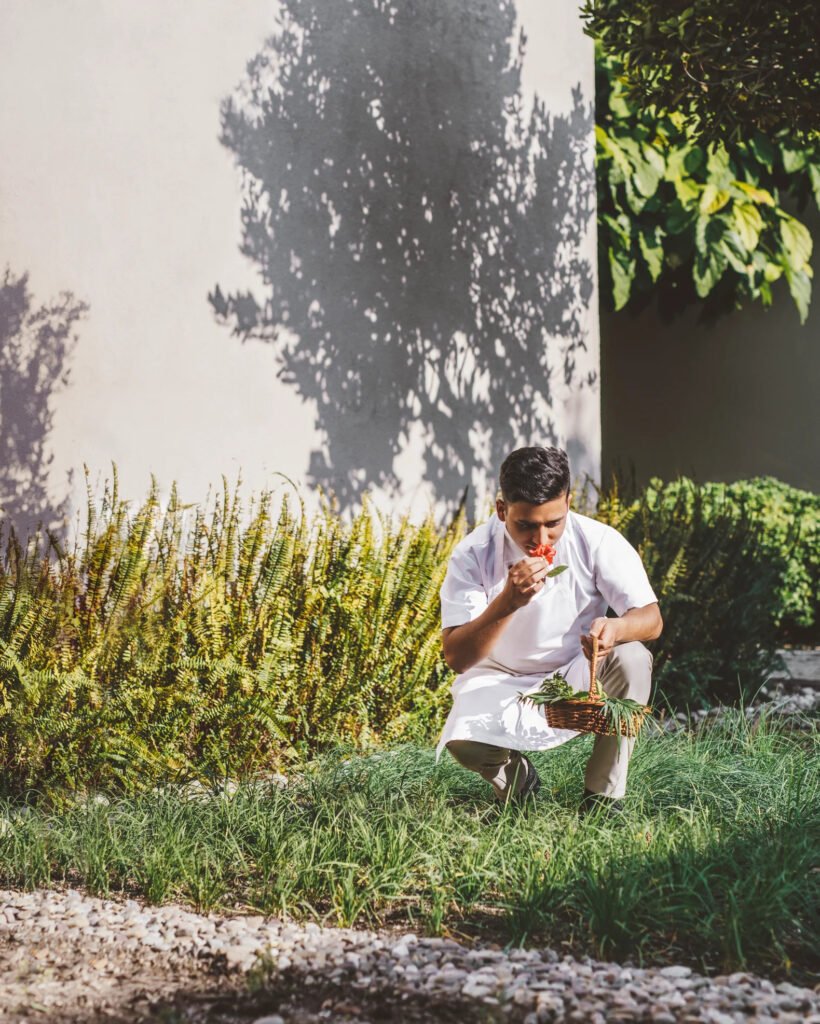
In Bhutan, where the Constitution mandates that at least 60% of the country remain under forest cover, the relationship between people and nature is woven into the national ethos. At Six Senses Bhutan’s Paro lodge, that philosophy finds an everyday expression in food.
Nearby, Damchena eco-village works with local farmers to grow organic fruits, vegetables, herbs and flowers. Leftover construction wood has been repurposed into vegetable beds, fences and chicken coops, while citronella and lavender help protect crops naturally. The village also encourages conversations about organic farming, nutrition and waste management.
The result is more than a farm-to-table experience. It is a reminder that sustainable living begins with understanding where food comes from, who grows it and how everyday choices shape the environment.
Six Senses Laamu: Let the Ocean Breathe
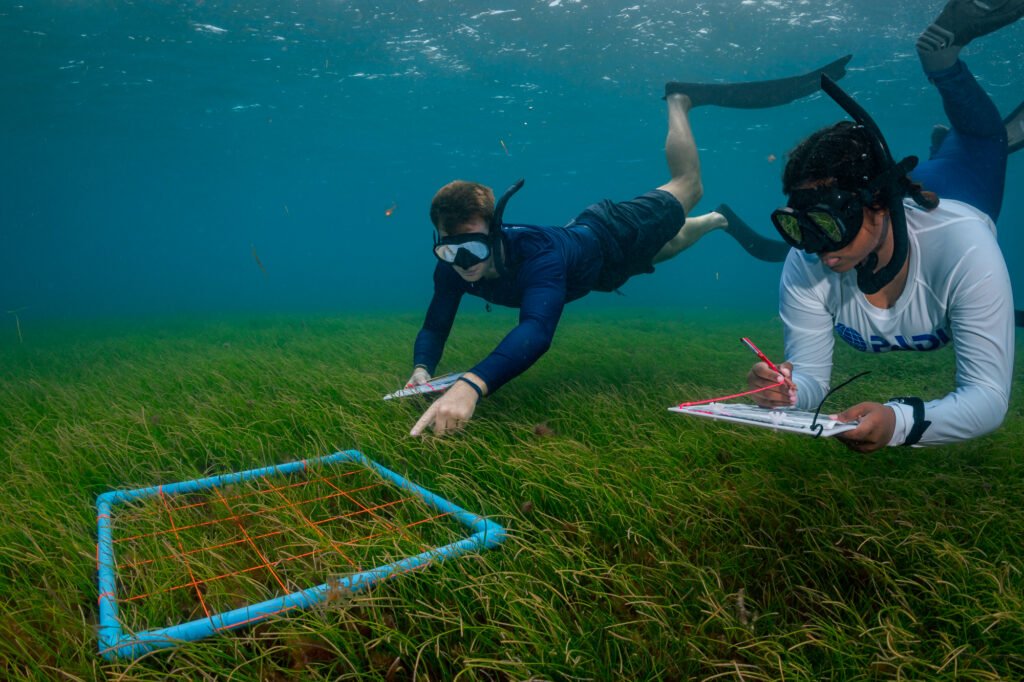
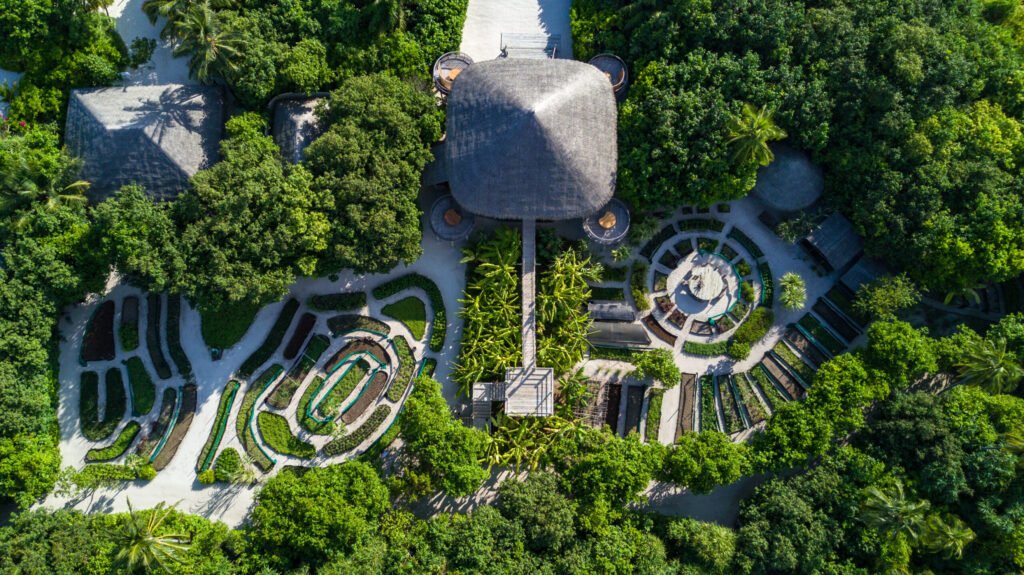
The Maldives may be celebrated for its turquoise lagoons, but its underwater ecosystems are far more than a beautiful backdrop. Seagrass meadows support marine life, contribute to coastal health and store carbon… making their protection essential to the future of these islands.
At Six Senses Laamu, the Maldives Underwater Initiative works with marine conservation partners to study and protect surrounding waters, including habitats for sea turtles, manta rays and coral reefs. In 2025, around 385,000 square metres of seagrass meadows were protected, while more than one million coral larvae were released onto reefs. At the Sea Hub of Environmental Learning in Laamu, guests can discover the science behind conservation.
The message is compelling: paradise does not need to be cosmetically perfected. Sometimes, the most responsible thing a resort can do is leave nature undisturbed.
Six Senses Southern Dunes, The Red Sea: Harnessing Sun and Sand

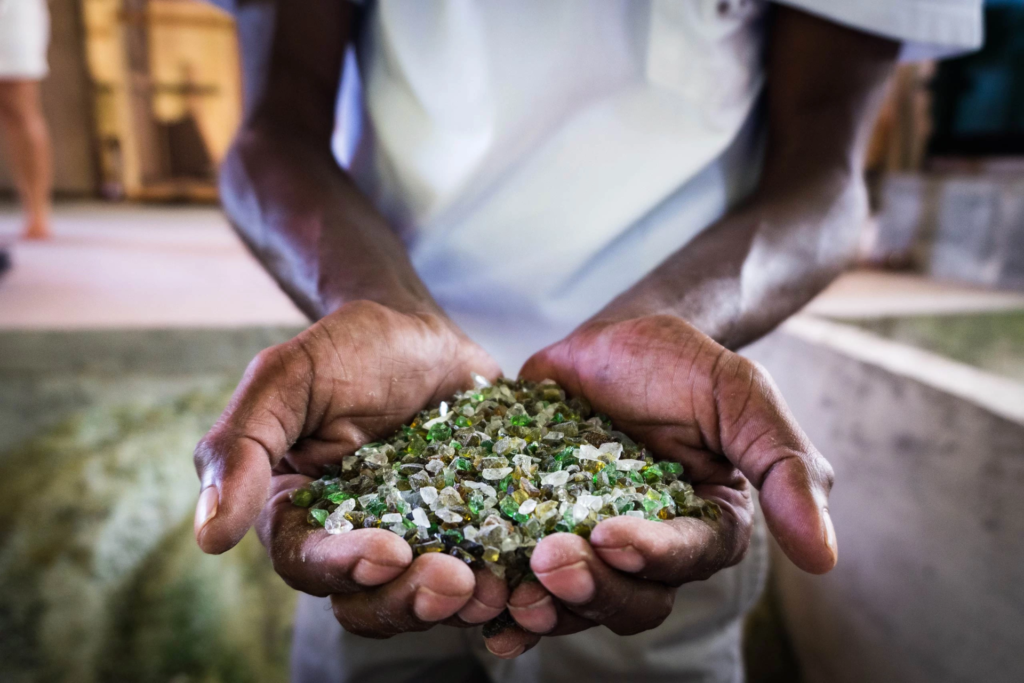
In Saudi Arabia’s desert landscape, resources demand respect. At Six Senses Southern Dunes, The Red Sea, a solar farm with 11,228 panels supplies the resort with 100% renewable electricity. Reusable glass bottles replace more than 11,000 single-use plastic bottles, while organic waste is converted into compost on site.
The commitment also extends to understanding the region’s biodiversity. Research in nearby Wadi Khuff has recorded a range of plant, mammal and bird species, building knowledge of a landscape often mistaken for empty terrain. Local female Sadu weavers are also given opportunities to showcase and sell their traditional crafts.
It is an approach that recognises the desert as a living ecosystem and a cultural home—not merely a dramatic setting for an indulgent escape.
Six Senses Vana: Wellness in Harmony with Nature
Set amid 21 acres of sal forest in Dehradun, Six Senses Vana brings environmental responsibility into the wellness experience. Natural ventilation and daylight support energy conservation, while rainwater harvesting and wastewater treatment systems help conserve water and reuse it for landscape irrigation.
The retreat has held LEED Platinum certification since 2015 and also holds GSTC certification. An on-site bottling plant reduces dependence on single-use plastic, while its Earth Lab focuses on upcycling, waste management and water conservation.
Wellness programmes draw on Ayurveda, Yoga, Tibetan Medicine and natural healing therapies, complemented by nutrition guidance and personalised programmes. Here, wellbeing is approached as a relationship between the individual and the environment… one in which the setting is not simply scenic, but integral to the experience.
TheGlitz Verdict: The Future of Luxury Must Leave a Lighter Footprint
Luxury travel is at a crossroads. Travellers can no longer be satisfied with spectacular views and beautifully staged sustainability statements; they increasingly need to know what happens beyond the guest experience. Are ecosystems being protected? Are local communities benefiting? Are resources being used responsibly? And can the impact be demonstrated, rather than merely described?
The Six Senses examples show how heritage restoration, conservation, renewable energy, local craftsmanship and responsible resource management can become part of hospitality’s larger purpose. Yet the real test lies in consistency, transparency and measurable long-term outcomes—not just impressive numbers or well-intentioned initiatives.
TheGlitz believes the next era of luxury will belong to brands that understand that exclusivity should never come at the expense of responsibility. The ultimate indulgence is not simply escaping into paradise; it is knowing that the paradise you visited has a better chance of thriving after you leave. Travel should broaden our horizons, deepen our respect for other ways of life and leave destinations with more than memories. The finest stay, after all, is one that gives something back.