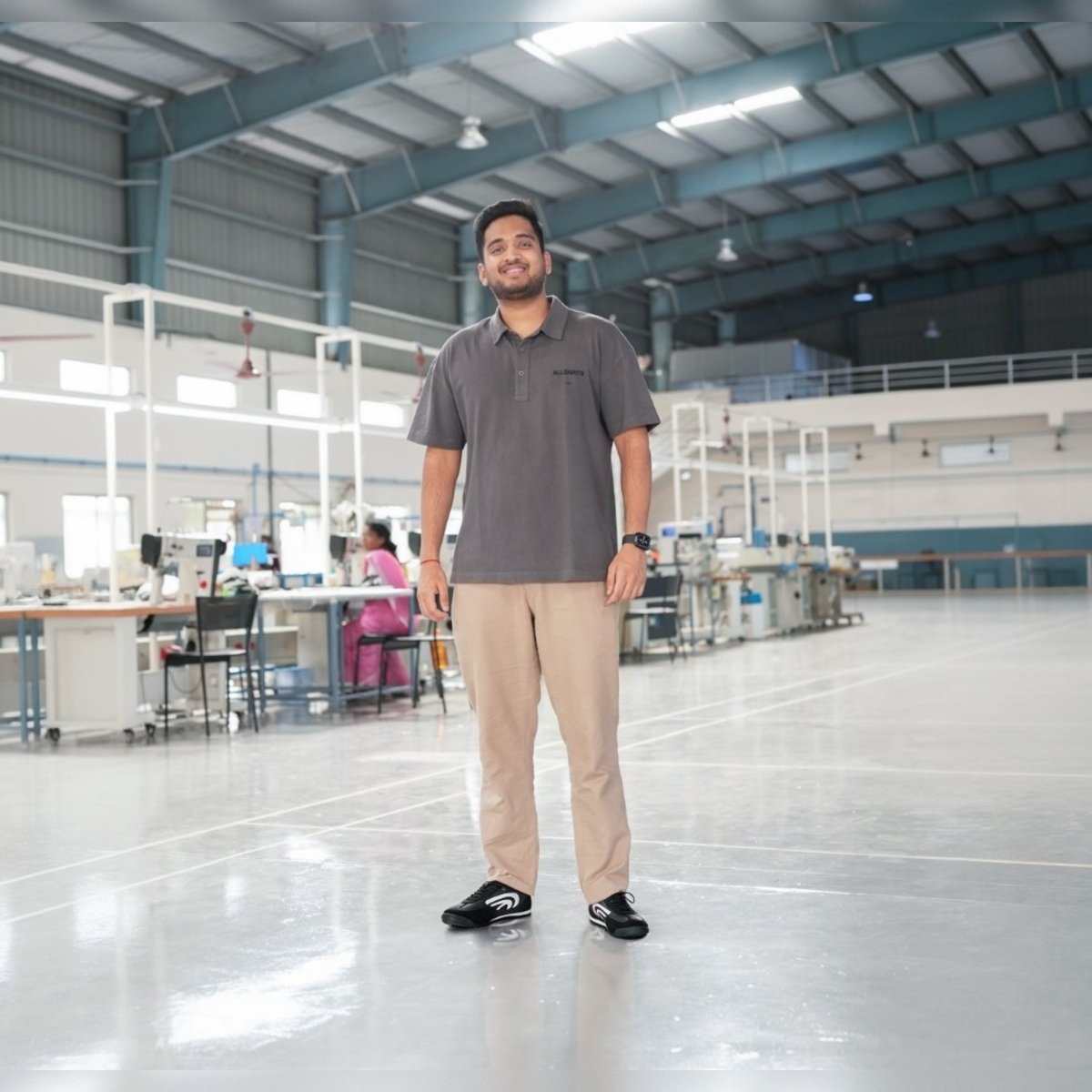
Every few years, a founder says something that sounds too big to actually mean. Harsh Maskara says it anyway.
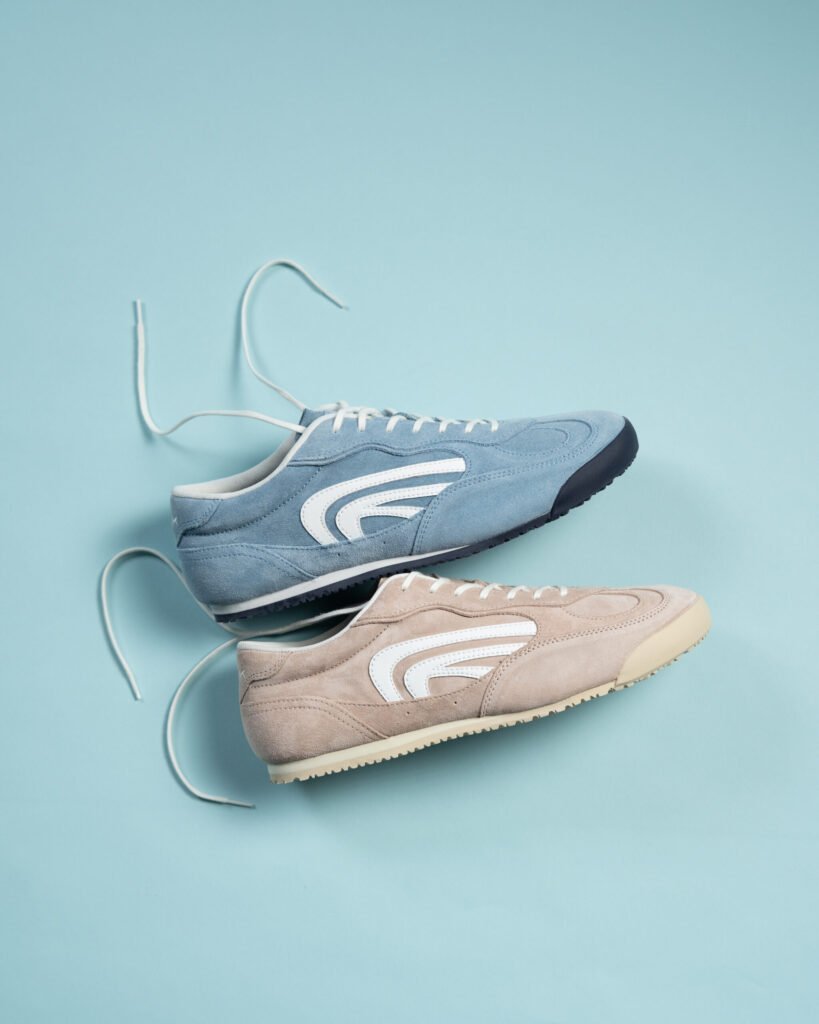
In conversation with TheGlitz, the CEO and Co-Founder of CHK, a homegrown sneaker brand out of India, sits with a question that’s been asked for years but rarely answered with any real conviction: can India build its own Nike.
This isn’t Maskara’s first time betting on a culture before everyone else catches on. He started Drip Project out of a living room, turned it into the country’s leading name in streetwear jewellery within a year, and sold it in a million-dollar deal. Now, with CHK backed by Accel and BlueStone and a fresh 2.5-million-dollar seed round, he’s chasing something bigger than a sneaker label.
He wants to prove that a shoe designed, developed and made entirely in India can stand next to the biggest names in the world, on the shelf and in the culture. Here, Harsh talks about staying close to the people who wear CHK, why community means more than a follower count, and what it really costs to build a brand with a point of view before the product even exists.
In conversation with CHK Co-founder, Harsh Maskara…
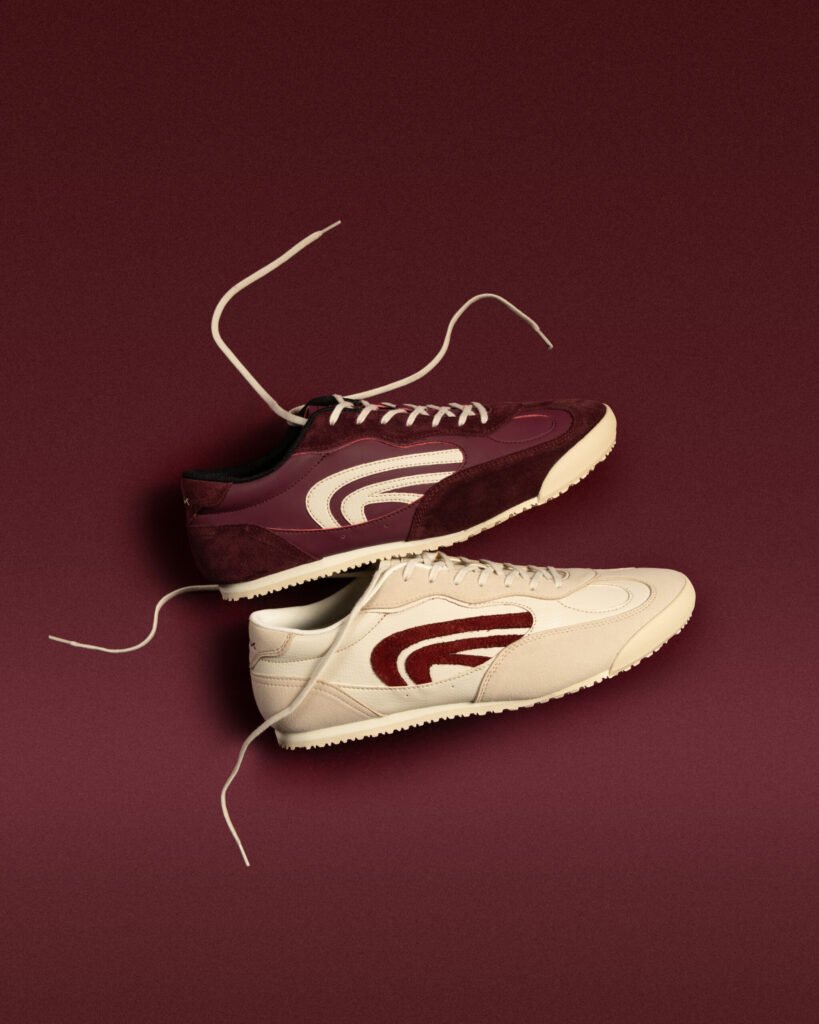
Rajeev Mokashi: Be honest, Harsh. Can a sneaker made in India actually go toe to toe with a Nike drop? What’s stopping it right now?
Harsh Maskara: Absolutely. The gap isn’t talent or manufacturing capability. India already has an incredibly strong footwear ecosystem. The bigger gap has historically been in brand building, product design and the confidence to build for a global consumer.
At CHK, we’re trying to prove that you can design in India, manufacture here, and still build a sneaker that can stand alongside global brands on product and desirability. The infrastructure exists; what’s needed is more homegrown brands willing to think at that level.
CHK didn’t start with you. It started with jewellery in a living room. What’s one thing from that era you refused to leave behind?
Being close to the consumer. When I started the Drip Project from my living room, there was nowhere to hide. You were speaking to customers, looking at every order and understanding what people actually responded to. That taught me that you can’t build a relevant brand from a distance. Even at CHK, I want us to retain that closeness and stay close to the culture we’re building for.
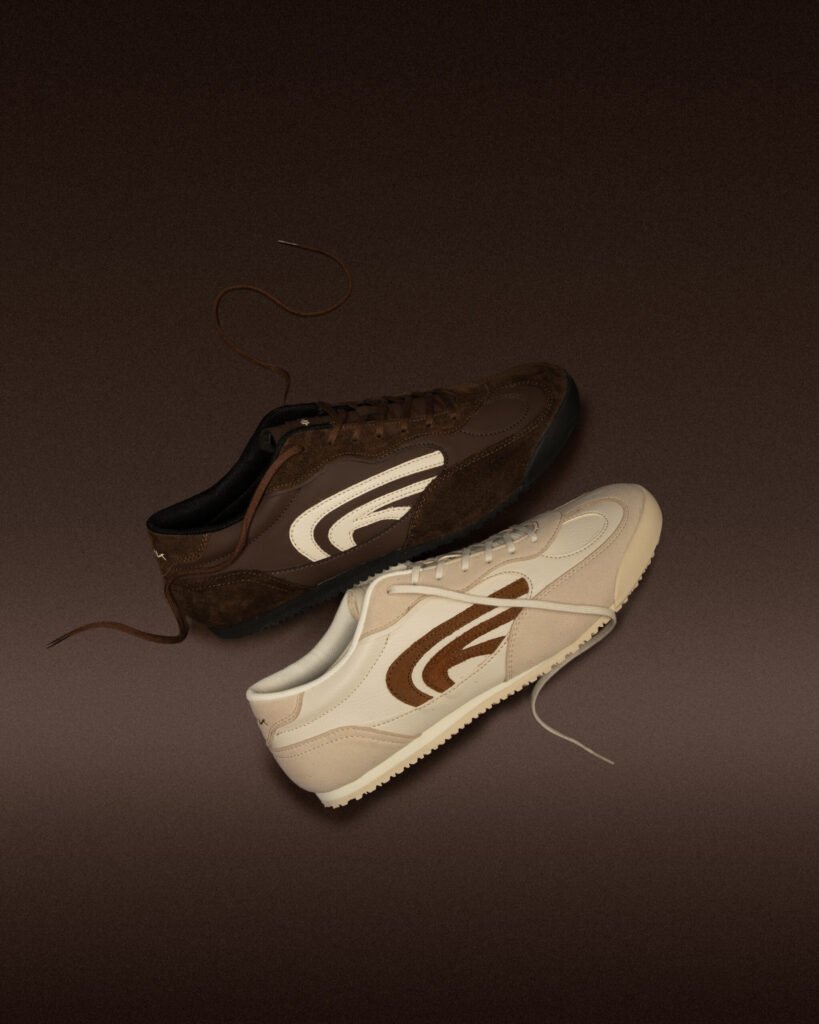
Everyone’s “building community” these days. What’s something CHK has done that a brand page running on autopilot never could?
For me, community isn’t about how many people follow you; it’s about whether people feel they have a stake in the brand. We actively listen to how people wear CHK, what they like, what they don’t, and use that feedback to shape what comes next. A brand page can broadcast, but it can’t build a relationship. We want CHK to evolve with the people wearing it, rather than simply marketing to them.
If a sneakerhead had to pick between CHK and a hyped global label at the same price, what makes them choose you?
It shouldn’t be because we’re Indian. It should be because they genuinely prefer the product. We want the design, materials, fit and overall experience to stand on their own. The advantage we have is that we’re building specifically for the Indian consumer, so we can be more relevant, more responsive and closer to what people here actually want. If someone chooses CHK, I want it to be because the sneaker earned that choice.
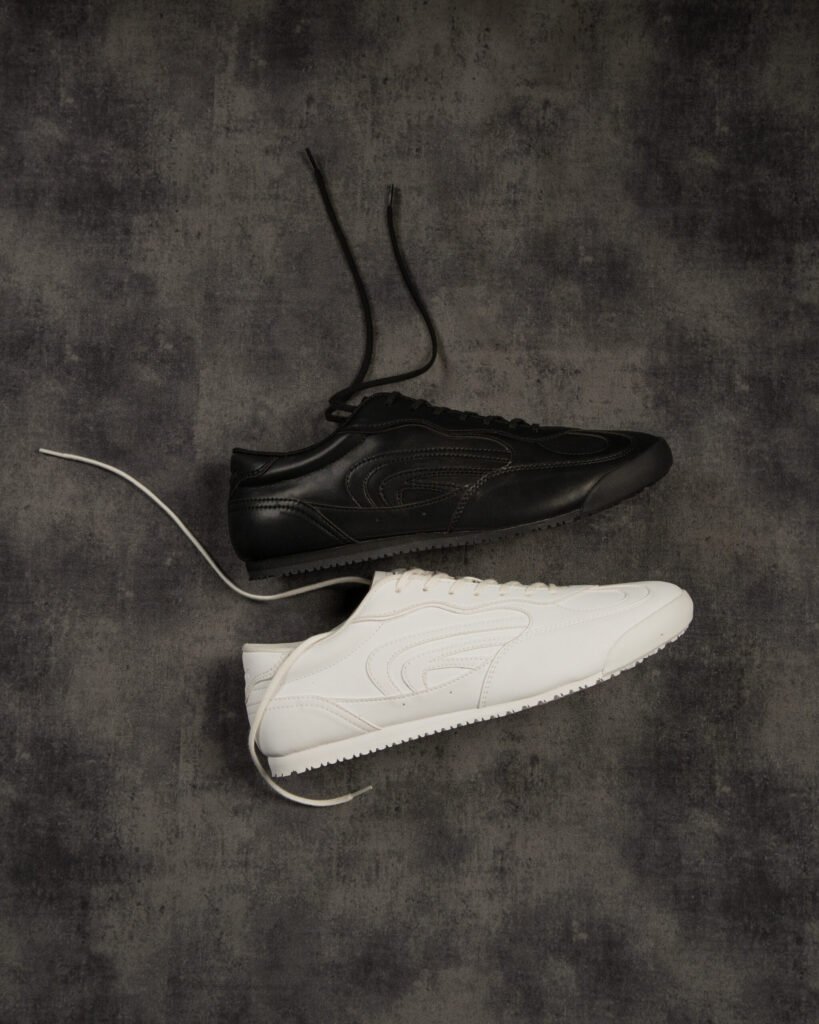
A lot of founders build a product first and figure out the brand later. Where did you flip that order, and what did it cost you?
I’ve learned that the brand can’t be something you add once the product is finished. With CHK, the point of view came first: what kind of consumer we wanted to build for, what role we wanted the brand to play and what we wanted it to stand for. That discipline probably makes you slower in the beginning because you can’t chase every opportunity, but I think that’s a worthwhile trade-off. Strong brands are built by knowing what not to do.
Five years from now, is CHK still a sneaker brand, or something bigger that started with sneakers?
Something bigger. Sneakers are our entry point, but the ambition has always been to build a lifestyle brand that starts from India and can travel globally. We want CHK to become part of how a generation dresses, moves and expresses itself. If five years from now people still describe us only as a sneaker company, we probably haven’t built the vision we set out to build.