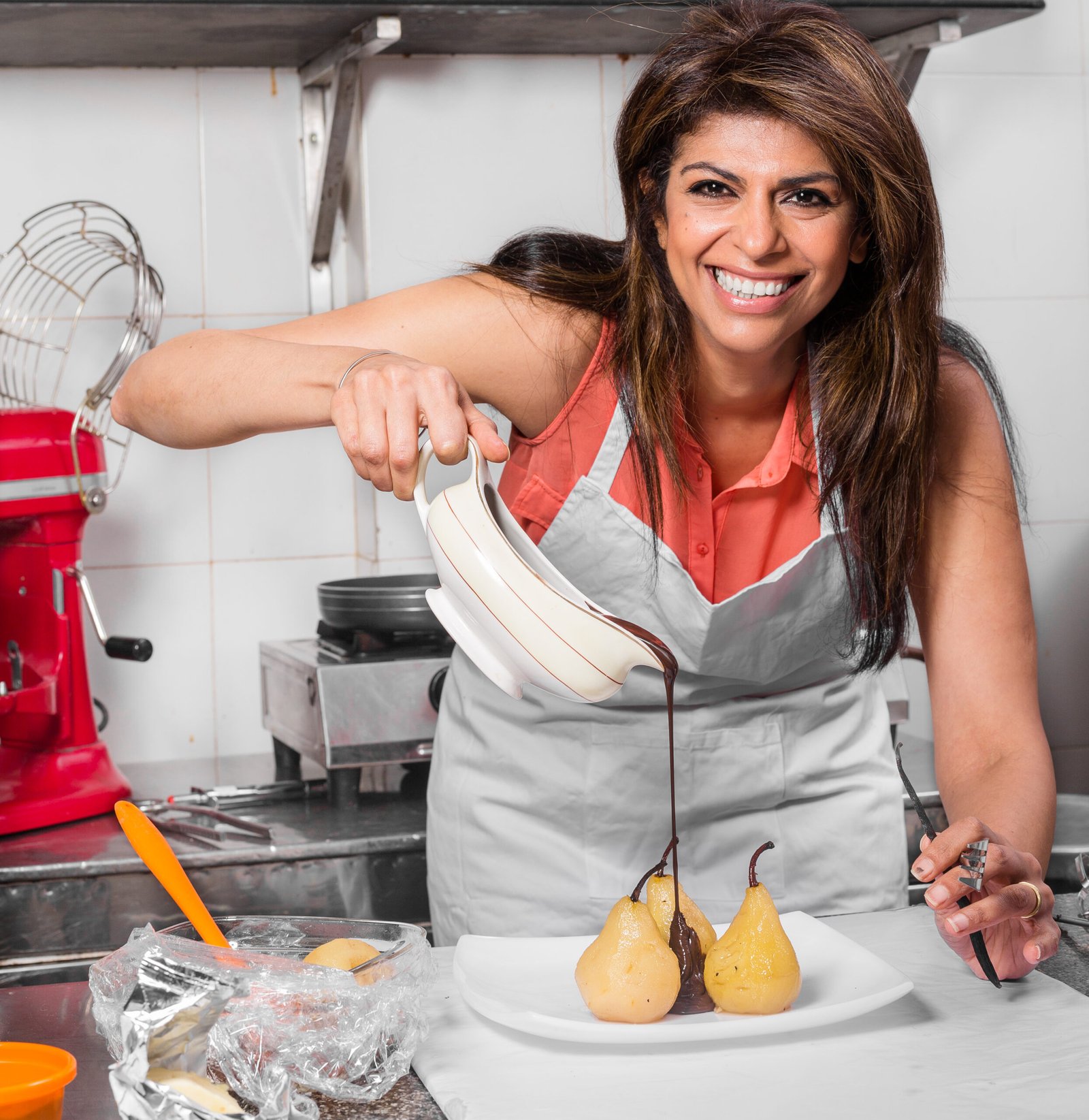
She’s been reigning supreme as India’s undisputed queen of chocolate for decades. Meet the gorgeous Zeba Kohli, a name synonymous with sophistication in the art of chocolate. As the country’s most celebrated Chocolate Sommelier, Zeba’s expertise goes far beyond indulgence; she’s a connoisseur, a judge at the prestigious International Chocolate Awards, and the only Indian ever selected to evaluate ‘Bean to Bar’ chocolates. From Italy to Africa, the Mediterranean to Asia, her discerning palate has judged the finest chocolates across the globe.
But Zeba Kohli is far more than just an impeccable résumé. She’s a woman of remarkable resilience and grace, who has navigated life’s twists and turns with finesse, crafting not just exquisite chocolates but a legacy of strength and substance.
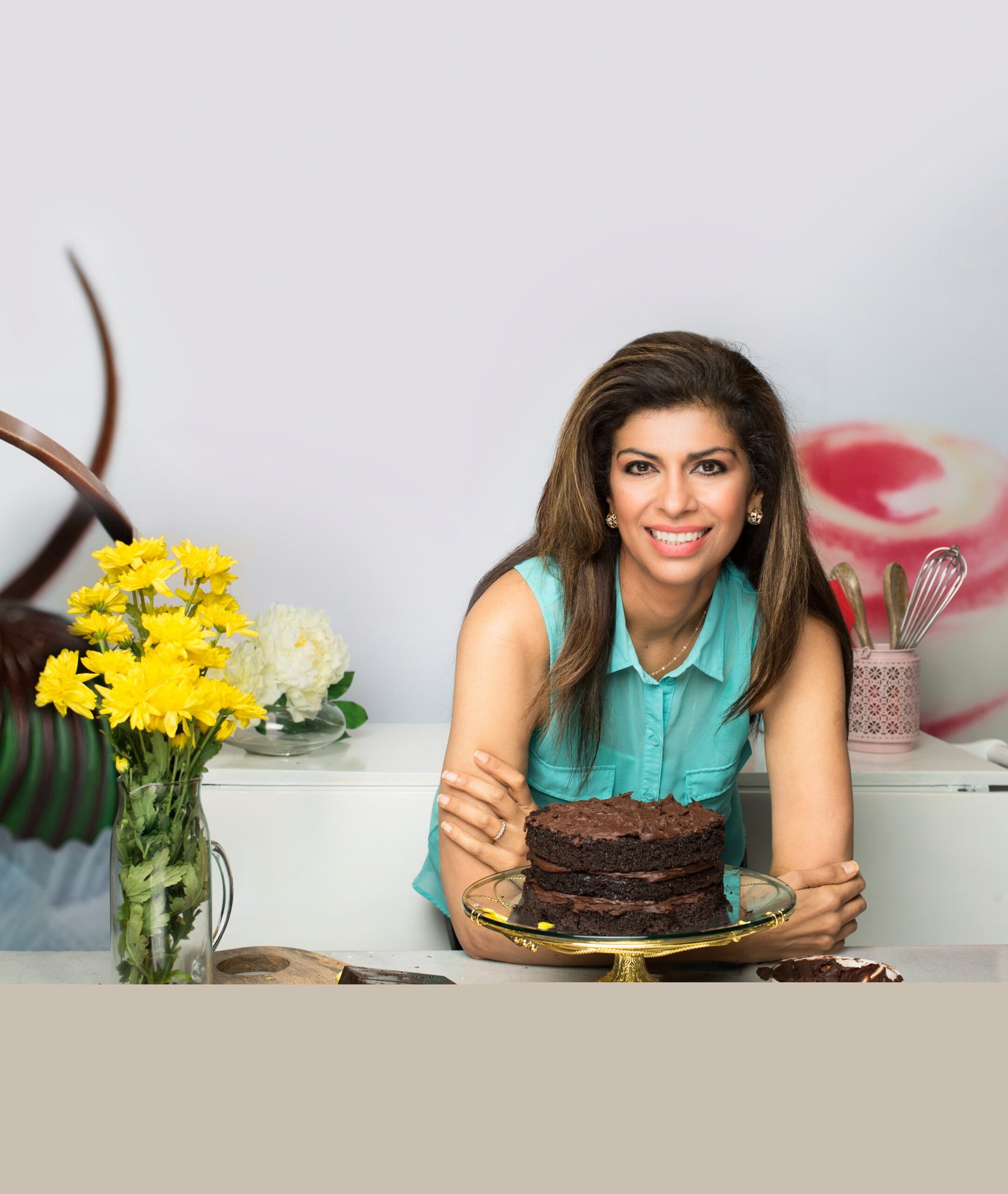
In an exclusive interview with Sumita Chakraborty, Editor-in-Chief, TheGlitz, Zeba Kohli, India’s undisputed First Lady of Chocolate, takes us on a delicious journey through her pioneering role in the chocolate revolution, sharing her passion, expertise, and the artistry behind every decadent bite.
Over To Zeba Kohli
As the First Lady of Chocolate in India, you’ve redefined how we experience and appreciate this beloved treat. How have you seen the Indian chocolate industry evolve since you first began, and what role do you feel you’ve played in shaping its future?
Zeba Kohli: When I first entered the industry, chocolate in India was still viewed as a Westernized version of mithai, especially in non-urban areas. But over time, with the growth of media and digital platforms, chocolate has been elevated to a gourmet status. Today, it’s not just a treat – it’s an experience. I’ve dedicated myself to deepening the knowledge around chocolate, from bean to bar, and showing the industry how to produce, pair, and consume it better. I believe I’ve played a role in bridging that gap between traditional chocolates and artisanal creations, introducing Indian consumers to the finer nuances of chocolate appreciation.
You’ve established yourself as a leading Chocolate Sommelier and Taster. What sparked your passion for chocolate, and how did you turn it into such a unique career?
Zeba Kohli: My passion for chocolate stems from my love for physics and the science behind it. Growing up under my maternal grandfather’s guidance, I learned about relative humidity, which piqued my interest in how chocolate behaves – from production and packing to distribution. As I dove deeper into this field, I developed a keen palate, distinguishing between defects and quality. This constant quest for improvement and knowledge eventually led me to refine my tastes and become a chocolate sommelier and taster. It’s been a journey of learning and passion.
You recently hosted a luxurious Apres-ski Brunch. Could you tell us more about the concept behind this event and how chocolate played a starring role in the experience?

Zeba Kohli: Apres-ski literally means “after skiing,” and traditionally it’s a concept associated with Europe, particularly Switzerland. I was approached by Team Kyma to create a unique Apres-ski menu, and naturally, I wove chocolate into it. The event featured winter favorites like chocolate and cheese fondue, a trio of cold chocolates, and my secret hot chocolate recipe. The aim was to create an indulgent yet warming experience where chocolate took center stage in both savory and sweet dishes.
As an esteemed judge in various international and national chocolate competitions, what do you look for when evaluating premium chocolates? Are there any new trends or techniques in the chocolate world that have recently caught your attention?
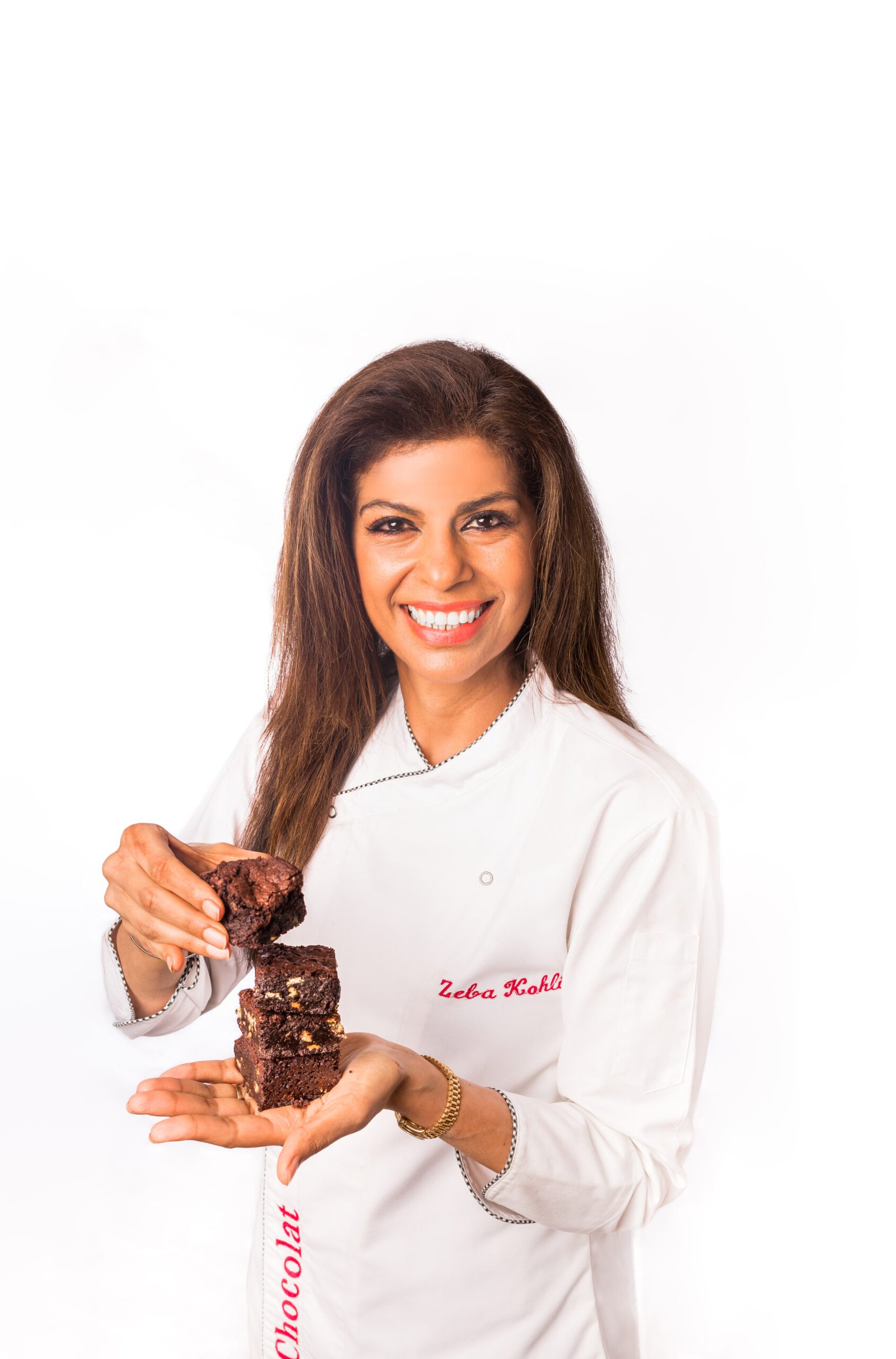
Zeba Kohli: Judging chocolate is a scientific process. While packaging and presentation are important, I focus on the origins, the local flavors, and potential defects of moulds that point to issues with fermentation or roasting. I also seek minimal ingredients – allowing the chocolate’s natural flavor to shine through. Recently, I’ve noticed a growing trend toward more sustainable, ethical production processes, and an emphasis on using fewer but higher-quality ingredients.
Chocolate is often seen as an indulgence, but you’ve highlighted its artisanal and gourmet side. How do you educate people on appreciating chocolate, much like one would with fine wine?
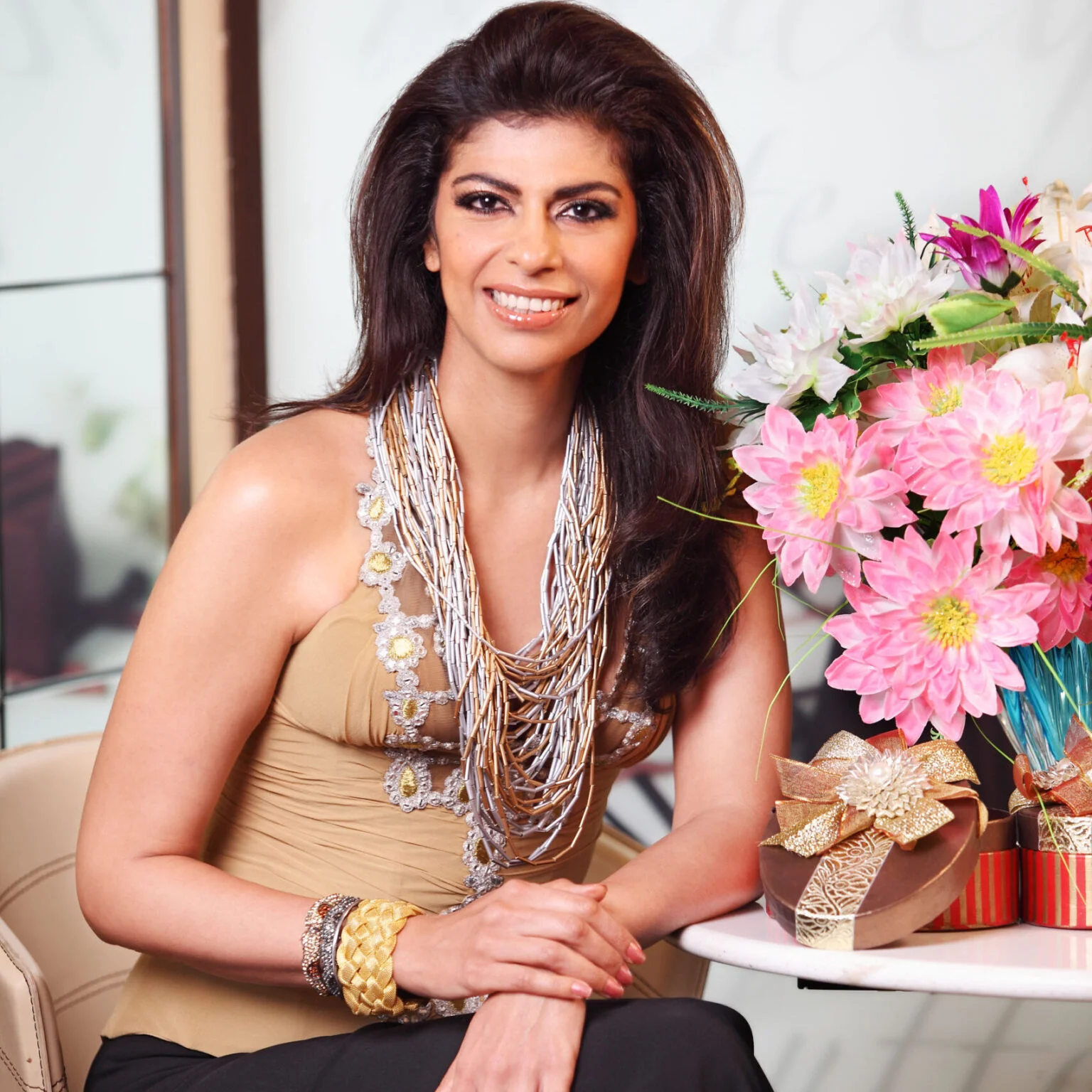
Zeba Kohli: I host tasting sessions that allow people to explore global chocolates and their inherent characteristics. Through these tastings, I show them how to appreciate the nuances of flavors, from the initial aroma to the lingering aftertaste. Pairings play a big role too, not just with food and beverages but also with moods and moments. My aim is to turn chocolate from an indulgence into an experience.
You’ve curated some extraordinary chocolate pairings over the years. What are your go-to combinations, and do you have any exciting new pairings you’re exploring?
Zeba Kohli: I enjoy pairing chocolates with unexpected flavors. Classic combinations like chocolate and wine or cheese are always a hit, but I also love experimenting with spices, fruits, and even savory elements. Recently, I’ve been playing with more seasonal and local ingredients to create truly unique pairings. There’s also a fun side to it, especially with the social media trends of pairing chocolates with moods or moments, which always brings out interesting reactions from my audience.
With sustainability becoming a focus across industries, how are you incorporating sustainable practices into your chocolate creations and events?
Zeba Kohli: Sustainability has always been important to me. I was raised by my mother with the ethos of “Waste not, want not,” and I carry that into my work. At home and at my events, I encourage the use of reusable and biodegradable materials. I also ensure that the chocolates I produce and work with are sourced ethically, from farms that follow sustainable practices. It’s about protecting both the Earth and the art of chocolate-making for future generations.