She is passionate about Indian handloom and the need to make it thrive globally. She is the dynamic Aditi Chand, Co-Founder & CEO of the fab Tilfi Banaras that is born out of rich Indian heritage and age-old traditional crafts. In an exclusive conversation, Sumita Chakraborty talks to Aditi Chand about her brand Tilfi Banaras, why she pioneered this design revolution of reviving age-old crafts, and her newest campaign ‘Katha’ that tells a unique story of its own. Read on…

I love your Tilfi Banaras brand which focuses on the age-old Banaras craftsmanship, what made you think of this concept? When did you start it and why the name Tilfi Banaras?
Tilfi was born out of a two-fold thread: a five-decades-old family heritage and a vision that traditional crafts needed to be brought back to light to thrive.
In 2016, after several visits to Banaras, Ujjwal, Udit (the two other co-founders of the brand) and I realised that Banaras craftsmanship was facing a great challenge: by discussing with some of our weavers, we understood that even though Banaras artisans made some of the finest crafts in the world, these crafts were not pursued by newer generations. This realisation drove me to start Tilfi with the aim of building a global, yet resolutely Indian luxury brand.
While creating Tilfi, we committed to a new vision and purpose: to ensure the preservation and transmission of the expertise of Banaras’ artisans, while pushing the crafts into new territories. The name, Tilfi, actually reflects this commitment to the craft: in the weaver’s vocabulary, “Tilfi” is a weaving technique where three coloured yarns run continuously without a break.
Any challenges you faced while doing so?
We have faced several challenges over the years. One of the main challenges is related to the transmission of skills between generations of weavers: for instance, certain techniques like Baluchari or even Rangkat were harder to preserve either because of their complexity or because of cultural reasons.
Indian handloom is indeed the best but how do you add that twist to get Gen Z to also love it?
When creating a new collection, our creative process can be driven by a variety of inspirations. However, our design philosophy will always focus on experimenting with different techniques, fabrics or patterns.
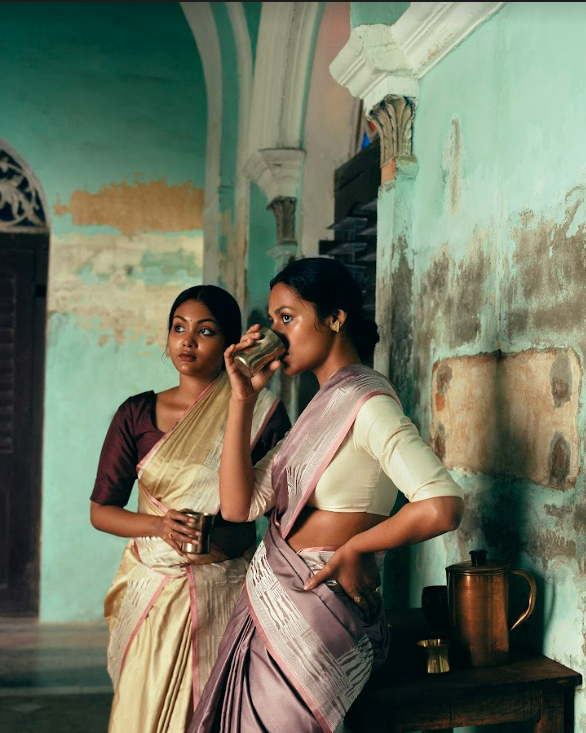
For instance, we often strive to push the boundaries of traditional crafts to create designs that would not be considered as “classic” Banarasis, just like we did for our Katha and Seesaw collections. We also design a lot of collections inspired by artistic movements, like the Peony Pavilion collection which drew from the Arts of the East.
What is your Katha campaign about?
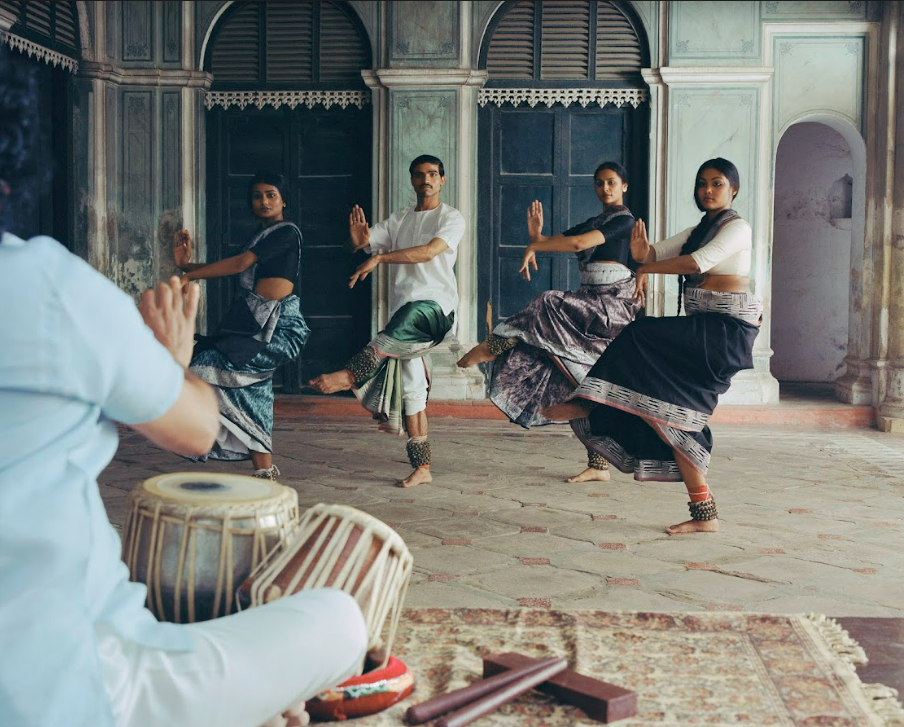
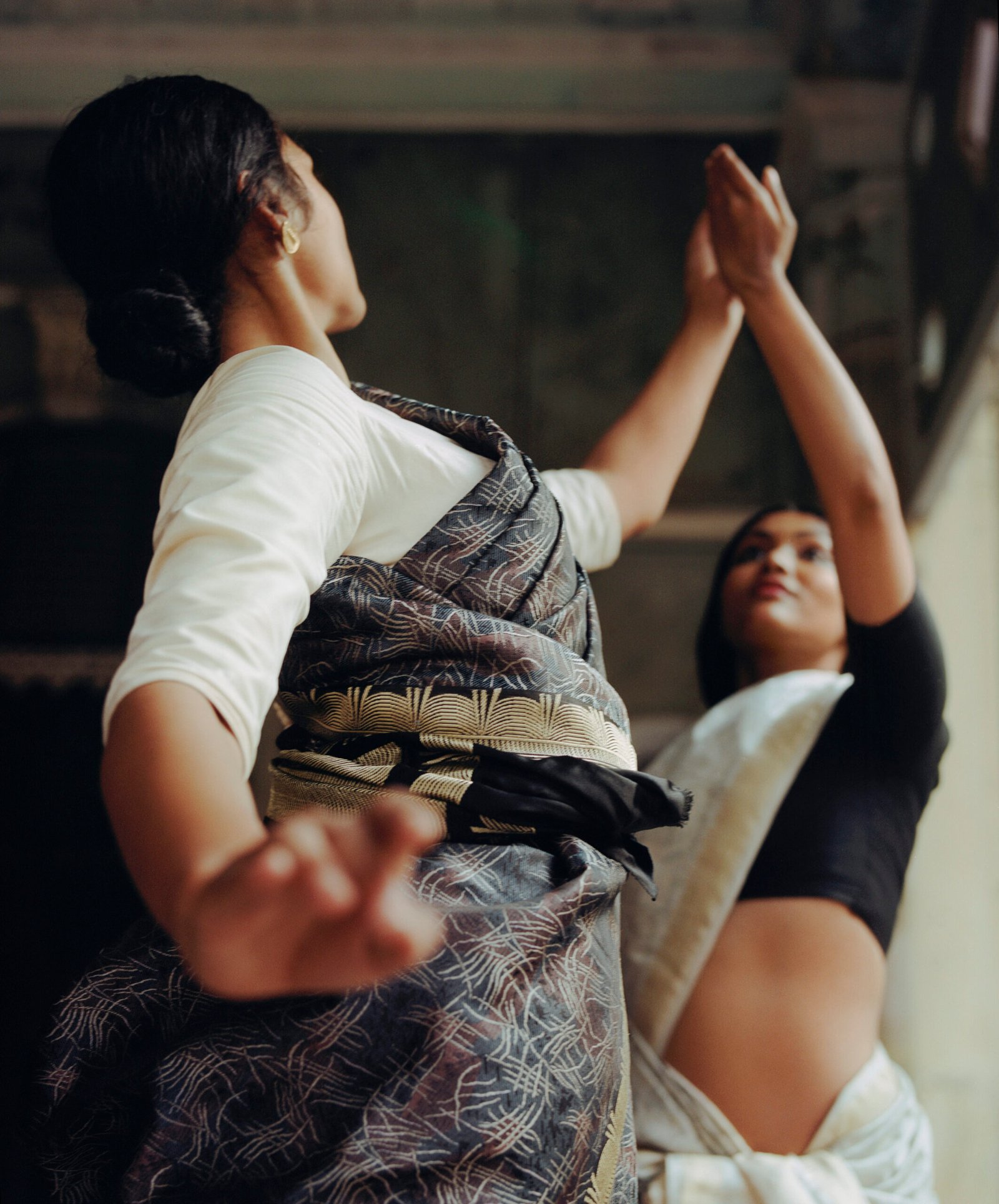
Filmed as a documentary and built as a story, the Katha campaign explores the guru-shishya tradition and follows real Kathak dancers – Shreya, Vishal, Tania and Ratnpriya- and their guru -Pandit Ravi Shankar Mishra – for a day in their regular practice.
Considered one of today’s most revered masters of the kathak dance in Banaras, Pandit Ravi is shown guiding his disciples on the path to mastery with expert movements, hours of practice and moments of rest. The campaign shows how this relationship between the guru and his shishyas, based on mutual respect and commitment, allows for the transmission of deep forms of knowledge that have been carried on through generations of teachers and disciples.
Do you plan to take your brand further to global heights?
Of course. We have built Tilfi with the aim of bringing Banaras to the world. In the future, we would like to keep pursuing that vision while simultaneously expanding our presence in India.