Deepti Pillay Sivan
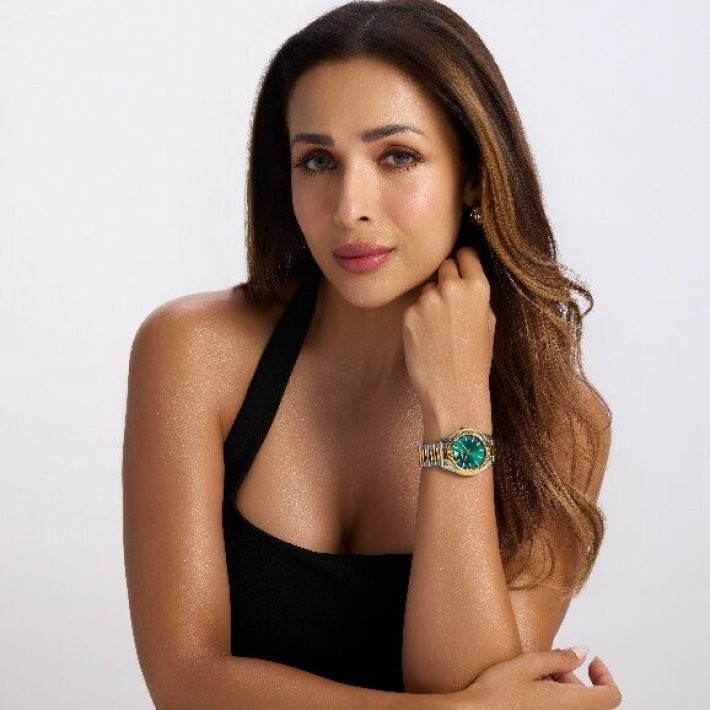
Coming from the illustrious ‘Sivan’ family… a name synonymous with cinematic brilliance, visual storytelling, and creative excellence… Deepti Pillay Sivan is not just carrying forward a legacy, she is powerfully expanding it. A formidable achiever in her own right, Deepti has carved her own path defined by determination, reinvention, and an unrelenting drive to create impact.
A true powerhouse creative, she has seamlessly evolved from actor to media leader – launching Red FM South at just 30 and going on to helm major networks like Sun TV and Zee TV, besides underscoring her brilliance across global platforms such as National Geographic and Al Jazeera. Her award-winning documentary Decoding Shankar earned 25 international accolades and from there on, she has produced Ozhuki Ozhuki Ozhuki.
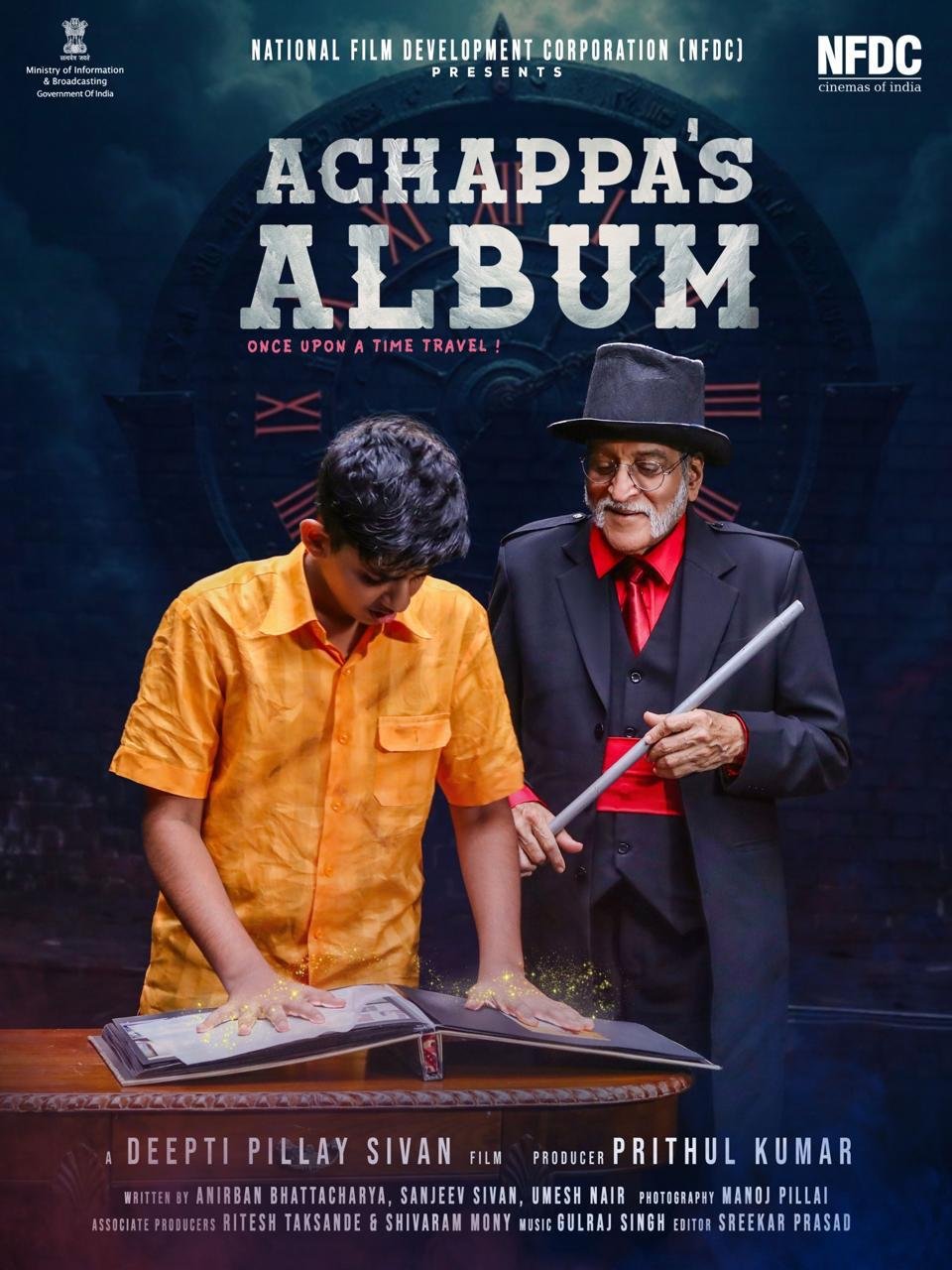
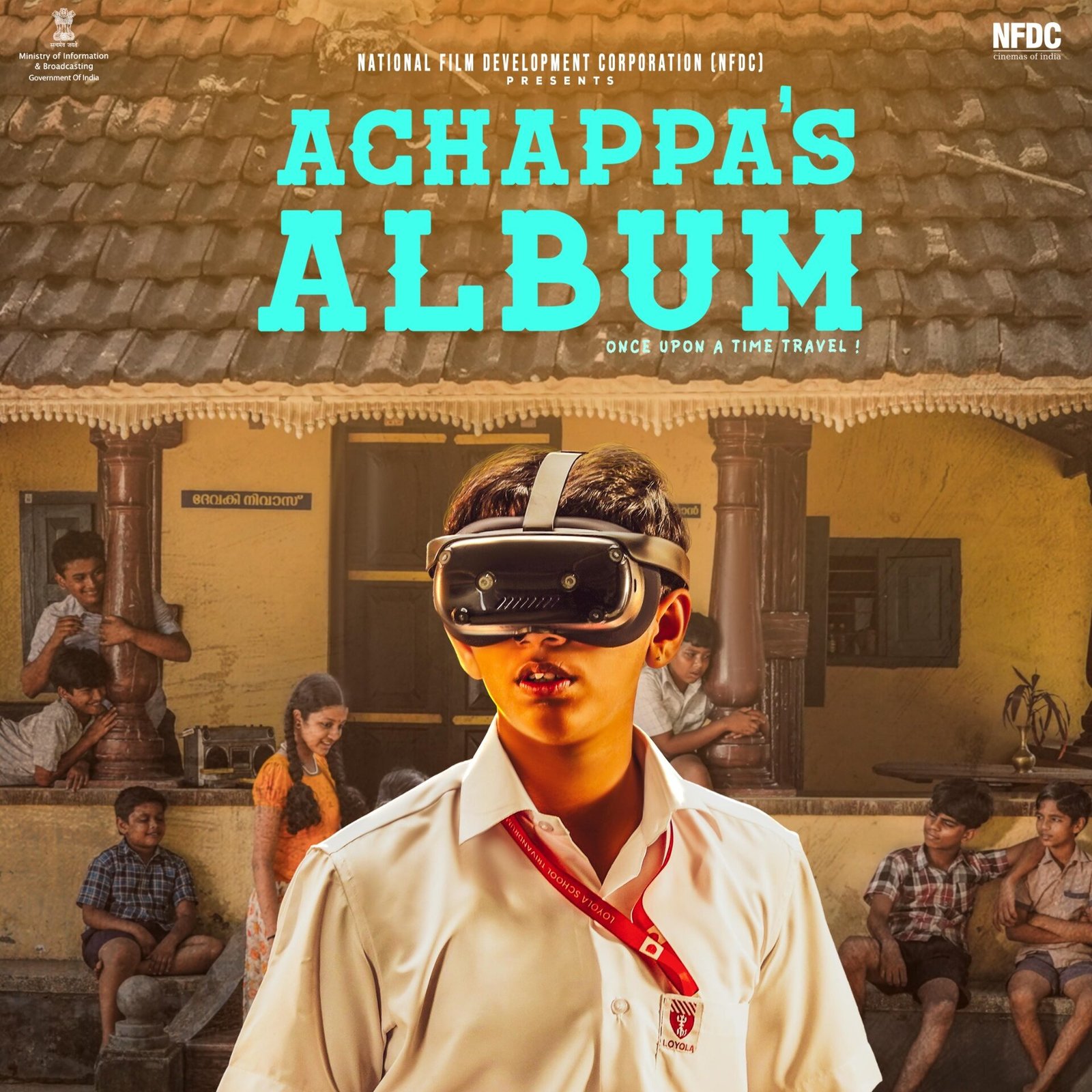
Today, Deepti stands tall… her directorial debut, Achappa’s Album, is all set to release on April 24, 2026, across the nation. The film in Malayalam with sub-titles, is a fun yet emotional, time-travel narrative that bridges generations, emotions, and memories. What makes her journey even more compelling is the quiet resilience behind it: navigating expectations, breaking stereotypes, and standing her ground in an industry that often tests both talent and tenacity… especially for a woman at the helm.
In this candid and refreshingly, honest conversation with Sumita Chakraborty, Founder and Editor-in-chief, TheGlitz, Deepti opens up about her directorial debut journey, the challenges of stepping into direction, directing her son, the unwavering support of her husband Sanjeev Sivan, who is an award-winning director himself, and the heart behind her film, the story behind Achappa’s Album, her creative process, and the emotional core that drives her storytelling. Read on…
Over to Deepti Pillay Sivan
You’ve directed Achappa’s Album. What sparked the idea and how did the project come to life?
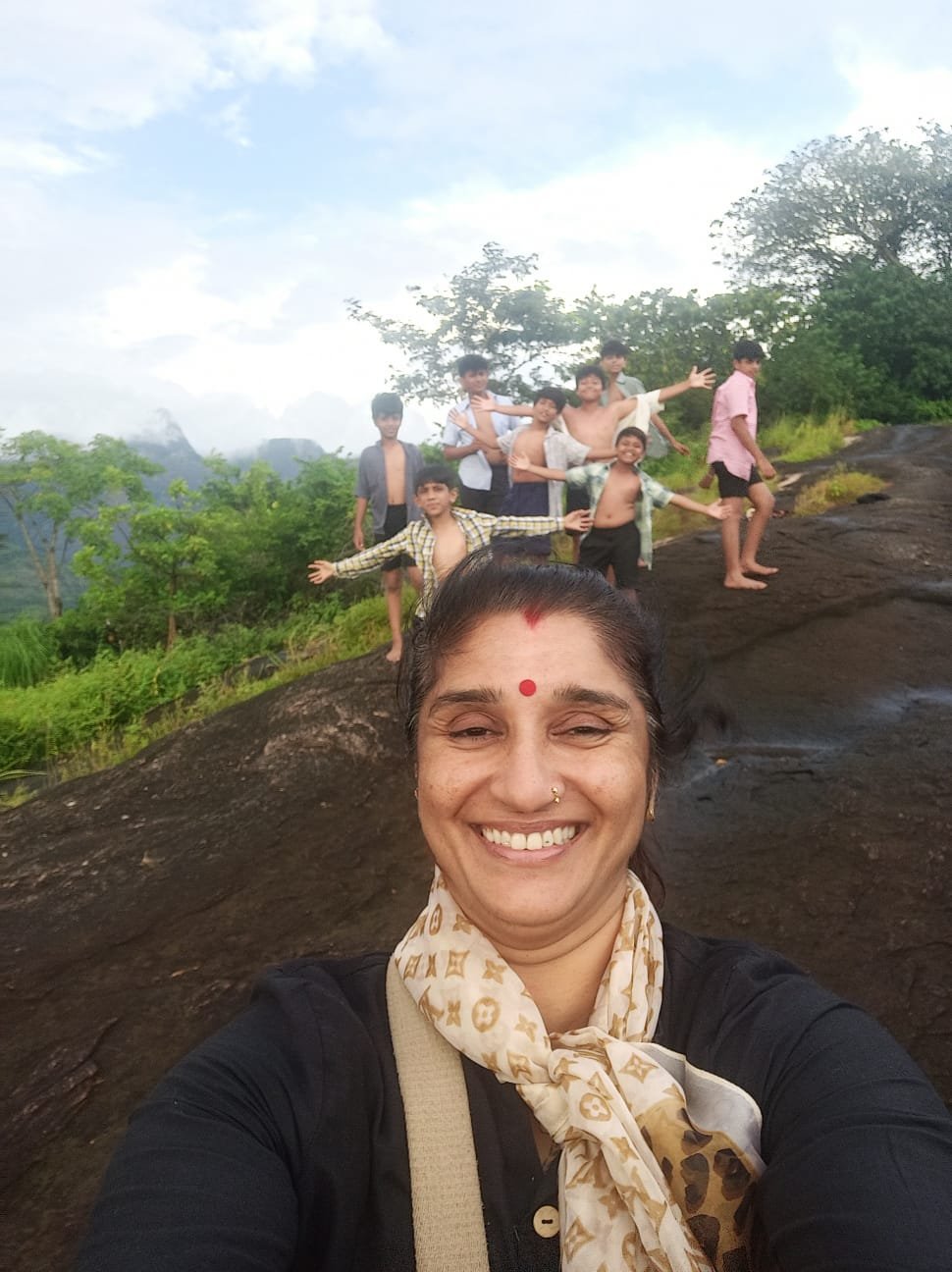
Deepti: The concept was initially pitched to me by writer Anirban Bhattacharya. This was during the time when the Children’s Film Society was active. Back then, my eldest son was around 8 or 9 years old, and we thought the idea would be perfect for him in that space.
We pitched it but didn’t hear back for years. After about 5–6 years, when policies and government structures changed, they reopened submissions. By then, my son had grown older, so I cast my second son Sidhanshu Sanjeev Sivan.
Out of the many scripts, only two films were selected… one from the Northeast and ours. Around that time, I had just completed Decoding Shankar (my documentary on singer Shankar Mahadevan) and had won awards, so as NFDC wanted to encourage women filmmakers, they asked me, and I said yes immediately. They offered 100% funding, and since it was my debut, that’s how the project came to life.
Initially, it was written in English, but once it was greenlit, I chose Malayalam. The story required visual richness… lush greenery, contrasting timelines.. and Kerala offered that beautifully. It’s a time-travel story set between 1985 and 2025, so visually, Kerala worked perfectly… in fact for the second part, I shot at Shashi Tharoor’s ancestral home which is beautiful.
My husband, Sanjeev Sivan, then came on board along with writer Umesh Nair, and along with Anirban, they shaped the script into what it is today.
Given your award-winning background, many would expect a hard-hitting debut. Why a children’s film?
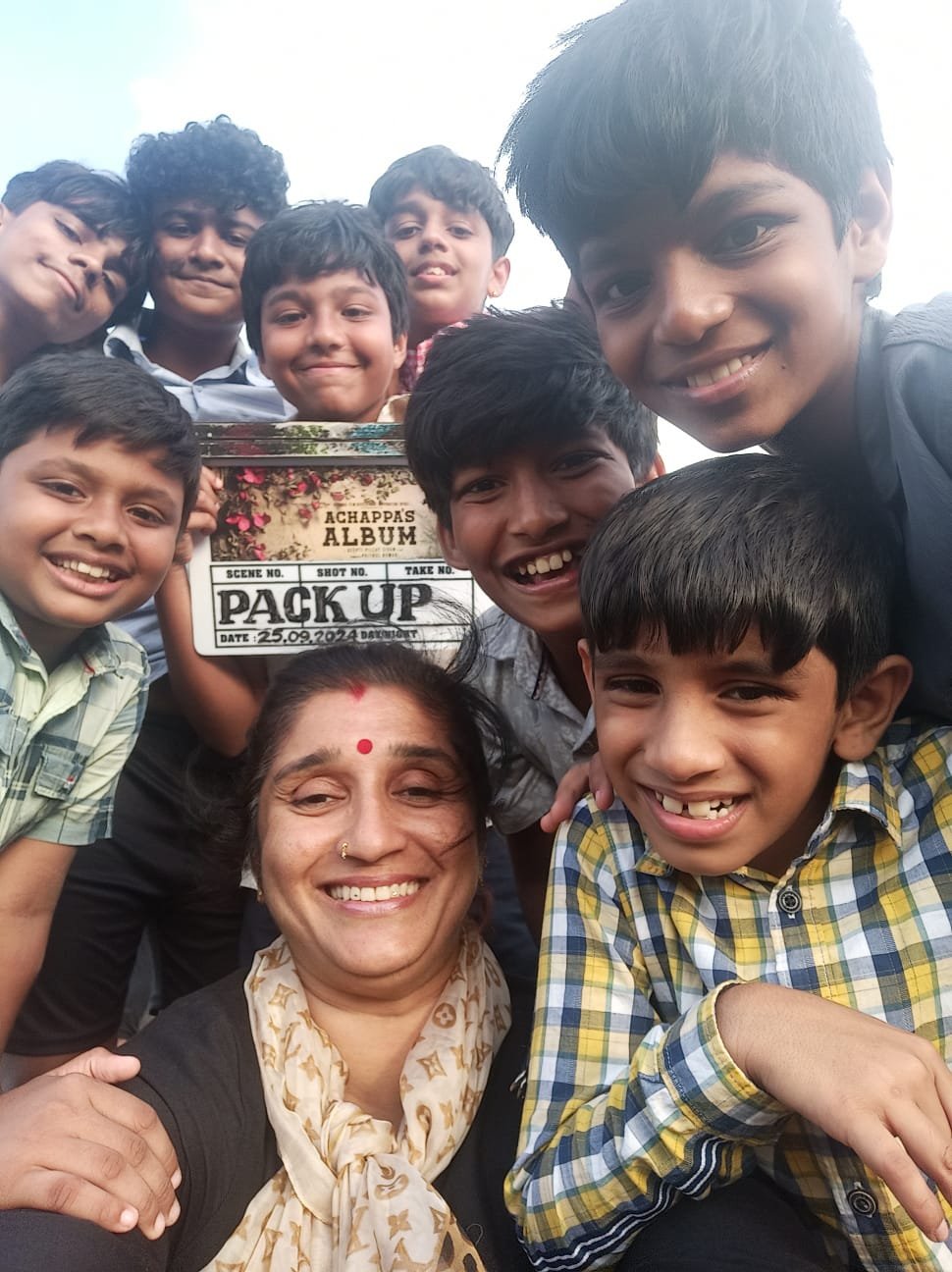
Deepti: …Because I’m very much a child at heart! I’m fun-loving, a little naughty, and I don’t take life too seriously. People who’ve known me since childhood say I haven’t changed… and I take that as a compliment.
But seriously, when I read this story, I could instantly visualize it. I connected with it emotionally. I told Sanjeev, “Can I do this?” and within 30 seconds, he said, “Do it.”
That kind of encouragement is rare. He didn’t hesitate even for a moment.
This is your directorial debut and coming from a celebrated film family like the Sivans, did that add pressure?
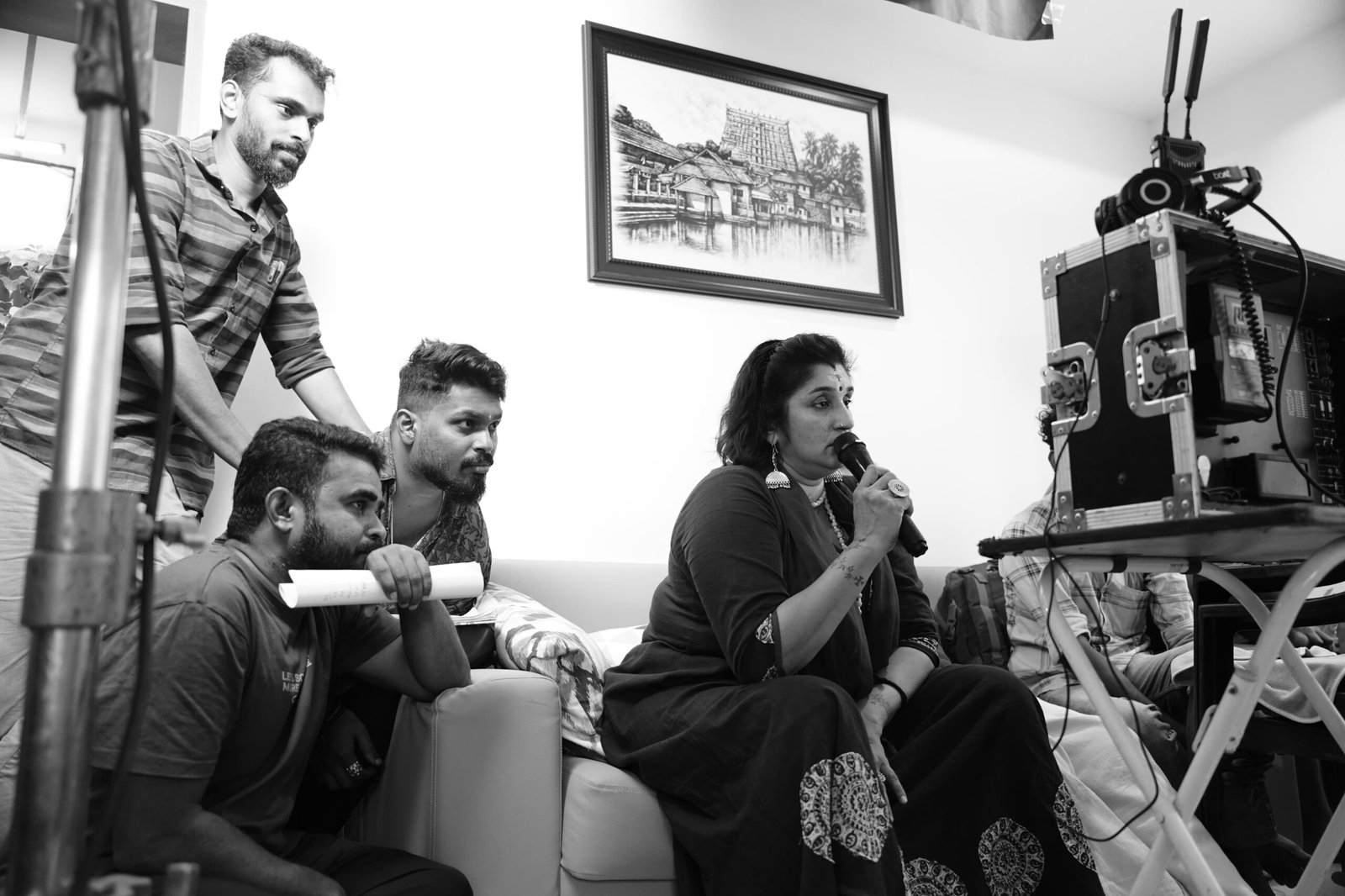
Absolutely. People assume it’s easier, but honestly, it’s harder. There’s a huge baggage… you’re constantly judged.
Sanjeev made it very clear that no one from the family would be involved on set. He didn’t want anyone to later say that my work was supported or influenced by them. He wanted this to be entirely my achievement.
Of course, there were some internal concerns within the family about risking the family name. But Sanjeev stood firmly by me. He said, “If I don’t support my wife, who will?” That kind of belief gave me strength.
So no, it wasn’t easy… not even within the family.
Your son plays the protagonist in the film, what was it like directing your own son?
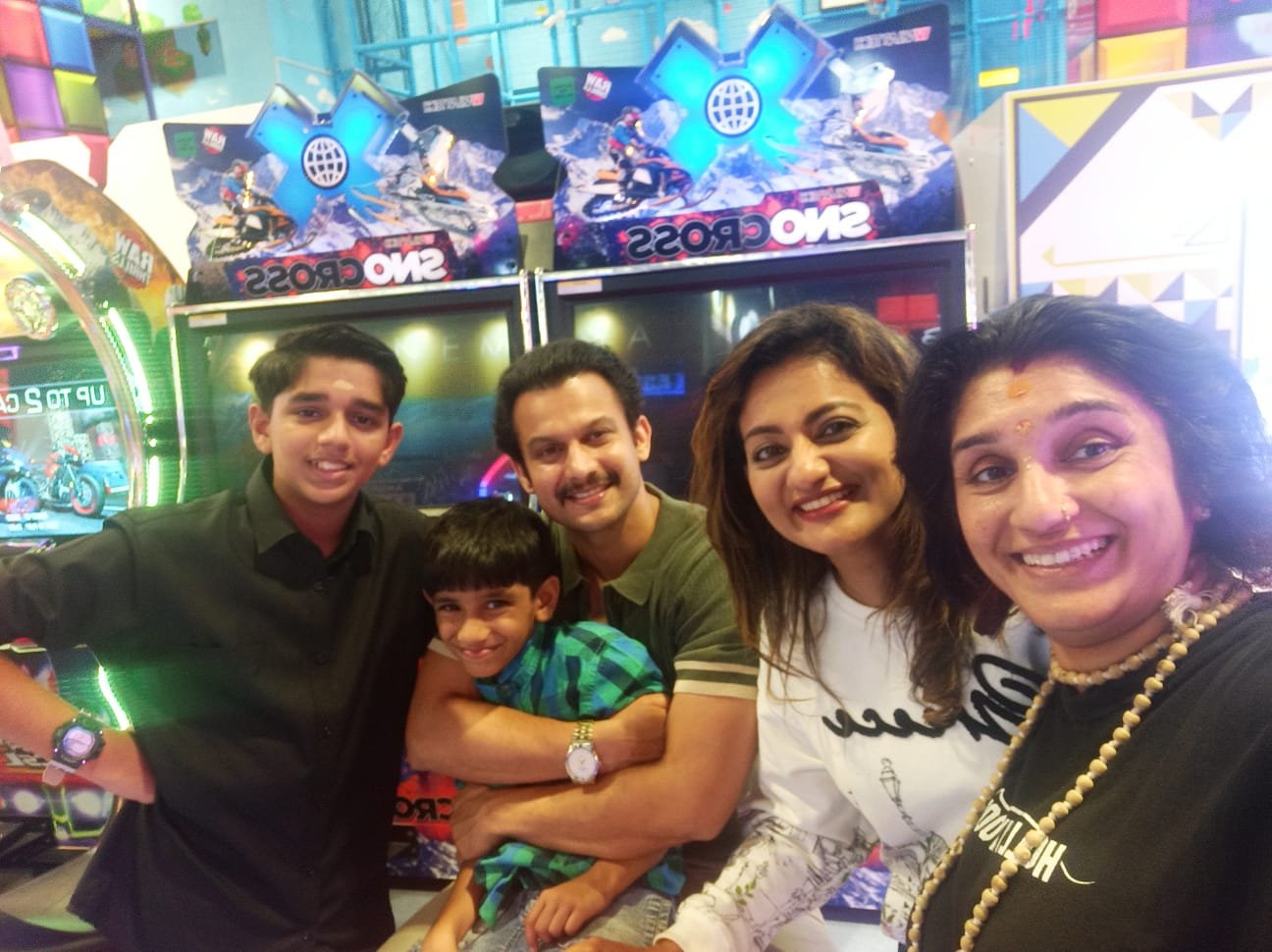
Interestingly, he made his debut with his father first in Ozhuki Ozhuki Ozhuki, and then I directed him… so he’s worked with both parents!
He plays dual roles… one from 1985 and one from 2025. The 1985 character is more rooted and innocent, while the 2025 one is modern and urban.
To bring out the village character, I became a strict, almost “abusive” director… I would scold him, push him emotionally. He would get upset, even cry, but that helped him deliver authentic performances.
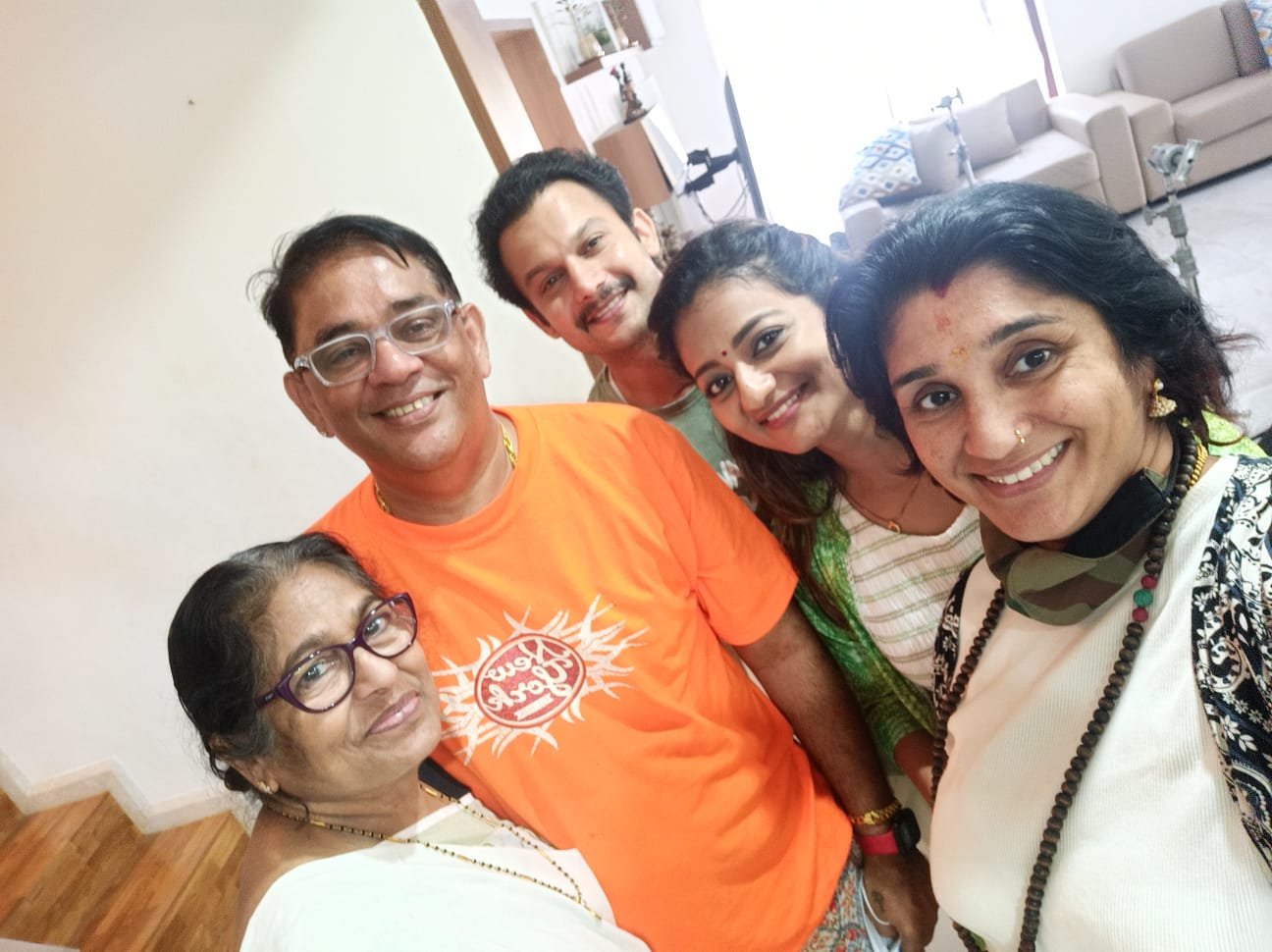
Adinath and Priyanka (who played his parents in the film) would come and tell me, “Don’t shout at him.” And I would snap back and say, “That’s your son in the film… handle him. Don’t tell me how to direct.”
Of course, they understood I was doing it intentionally. But it also sent a strong message to the crew… that I knew what I wanted and I was in control.
It was my way of indirectly telling everyone: don’t mess with me.
But for the modern character, I became a very chill, relaxed mother.
Honestly, he’s naturally talented. He doesn’t “act”… he performs effortlessly. It’s instinctive. Like how some people are born to create music or play cricket, he’s born to perform.
What challenges did you face as a first-time woman director?
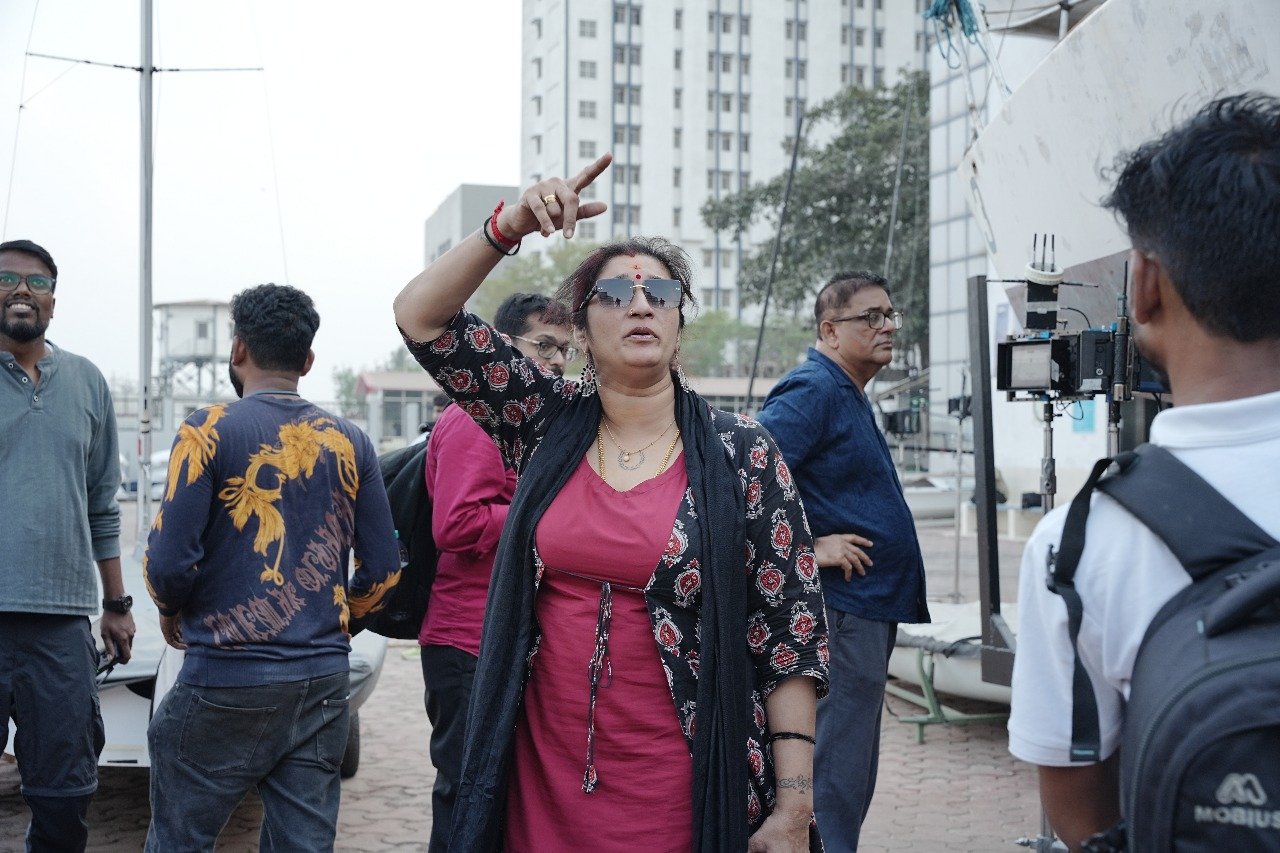
Honestly, I assumed it would be easier because of my background and the support around me but I was wrong.
Being a woman and a first-time director made it difficult to get people to follow instructions. Many didn’t take me seriously initially. Even when I was clear about my vision, there was resistance.
The first five days were extremely tough. People questioned everything… my tone, my approach, my decisions. They wouldn’t execute things the way I wanted.
Finally, I reached a breaking point and told my husband, “This isn’t working.” All he said was, “Stand your ground. It’s your name that will go on the film.”
That changed everything. I became firm and stopped compromising.
I also had incredible support from my husband, Sanjeev Sivan, Editor Sreekar Prasad, Writer Umesh Nair and illustrious cinematographer C.K. Muralidharan.
They constantly encouraged me to stay strong and push my vision through. Without them, it would have been much harder.
Looking back, what kept you going through it all?
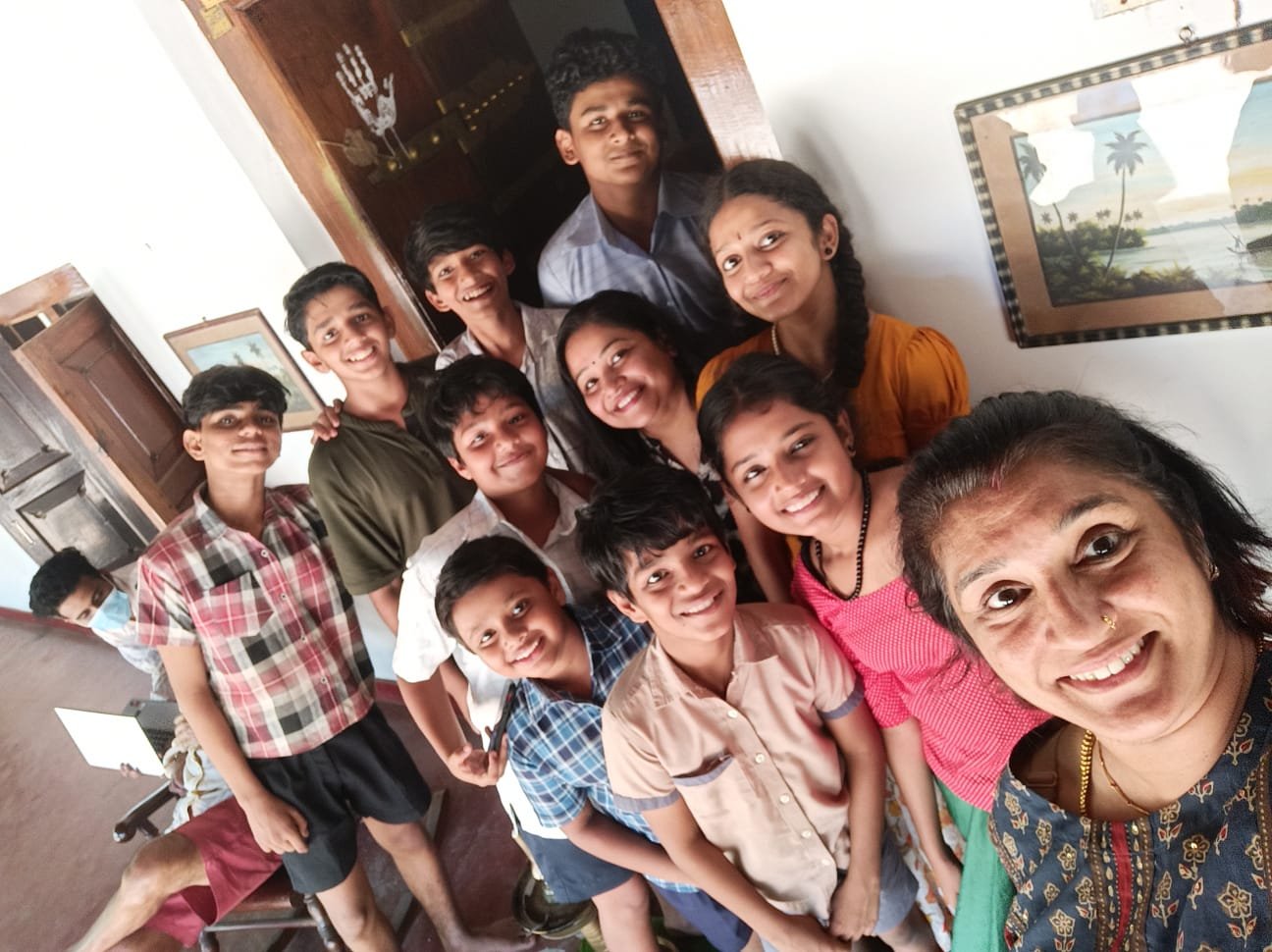
Deepti: Belief… in myself, and from the people who mattered.
There were moments I wanted to give up, but I kept reminding myself: in the end, it’s my name on the film. So I had to make it count.
As a director, especially a first timer, how did you handle technical pushback on set?
Deepti Sivan: Ah yes, I faced situations where some technicians would try to confuse or undermine me at times, especially in front of the crew. Once I started responding firmly, things began to change. People realized I wouldn’t be intimidated, and slowly, they stopped trying to corner me.
Did you face resistance from the crew because you were a woman director?
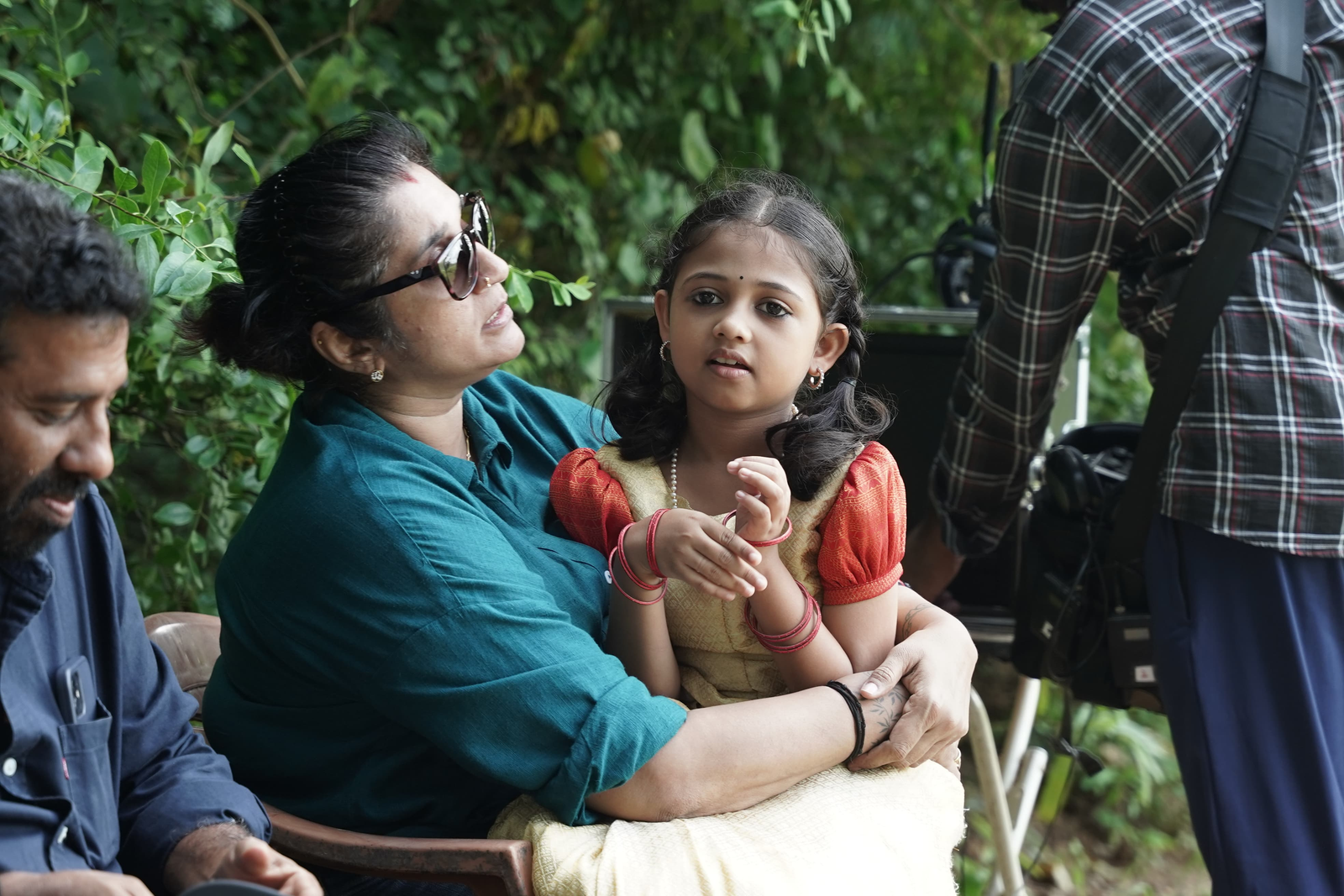
Deepti Sivan: Yes, very much. People were not used to taking instructions from a woman, and some would deliberately challenge me.
For instance, I would ask for a specific shot… like for instance a close-up of the leg followed by a pan… and someone would say, “Why do you need this? This shot is enough.”
But the moment my husband, Sanjeev Sivan, walked in and suggested the exact same thing, suddenly it became: “Oh wow, what a great idea!”
I would just look at Umesh Nair and say, “Didn’t I say the same thing?”
It was frustrating but also revealing.
To counter this, I had to become tougher. I started asserting myself more strongly… even if it meant calling people out in front of others. Slowly, they began to take me seriously.
Any fun or memorable moments from the shoot?
Deepti Sivan: Oh, many! One of the funniest parts was working with Adinath, who is Maharashtrian and had to deliver dialogues in Malayalam.
Naturally, his pronunciation and delivery would sound very different, and we would all find it quite funny. After a point, we even started speaking to him in Malayalam just for fun.
At one stage, he would say all his dialogues in Marathi first… because that’s what he was comfortable with… and then translate them into Malayalam. It became a running joke on set and added a lot of lightness to the atmosphere.
Also, because I was deliberately being strict with my son during certain scenes, he would often run to Adinath and Priyanka (who played his screen parents) to complain about me! That created a lot of humorous off-screen moments.
How was it working with the legendary Mohan Agashe?
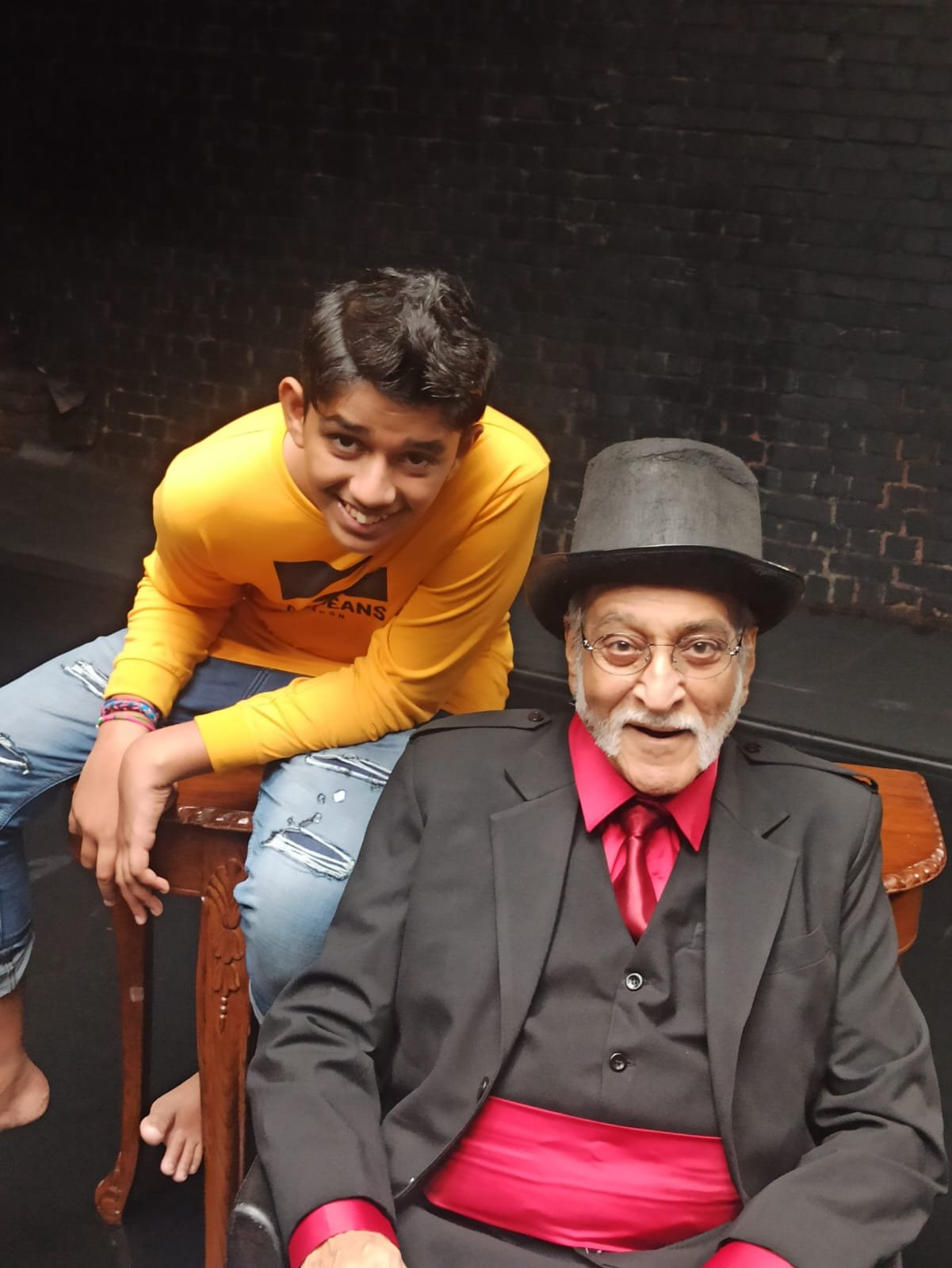
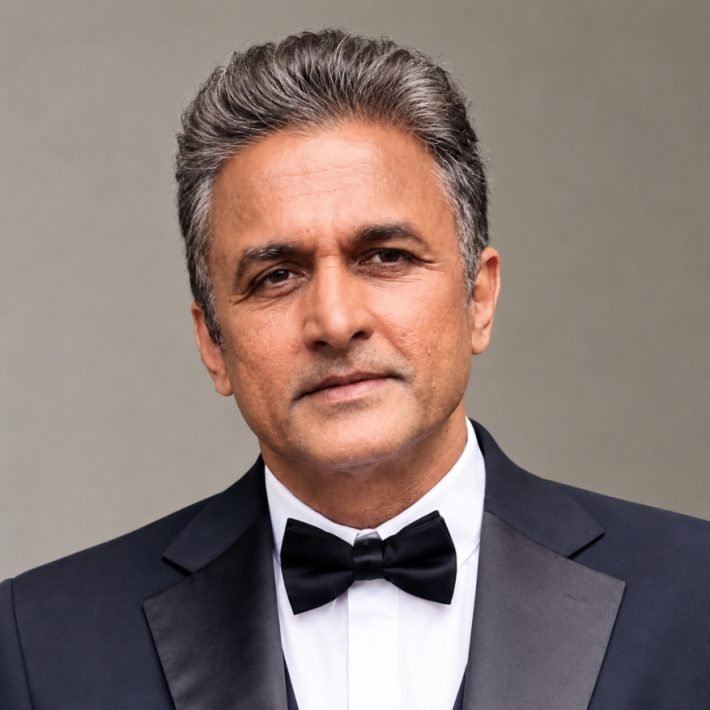
Deepti Sivan: Oh, absolutely brilliant! He is a powerhouse performer.
Every shot with him was a delight. I would just say, “Uncle, I want a smile,” and instantly, perfect take.
“Uncle, I want sadness” …done in one take.
“Uncle, I want multiple emotions”… he would deliver a range of expressions continuously for 10 minutes and then say, “Now use whatever you want.”
It was effortless, precise, and magical to watch. Working with him was truly a privilege.
What can audiences expect from the film? What is its core message?
Deepti Sivan: This film is for everyone… across generations.
It’s a time-travel story that contrasts two eras:
- The present day… with mobile phones, iPads, home delivery, instant gratification
- And the past… when we had one landline, one TV, one radio, and entire families sharing those moments
Earlier, 20 people would sit together and watch one television. Today, one person watches one screen.
Earlier, festivals meant going back to your village, celebrating with family. Now, it’s more about apartment gatherings or society events.
Every generation believes they had it tougher than the next… our parents said it, we say it, and today’s generation will say it too.
This film captures that emotional bridge between generations.
It shows how a naughty child transforms when he experiences life from a different time… when he literally steps into another generation’s world.
It’s funny, nostalgic, and deeply relatable.
Every child and every parent will see a part of themselves in it… that I’m very sure of.
When is the film releasing?
Deepti: It’s releasing on 24th April, across the country. I truly hope audiences connect with it, laugh with it, and see their own lives reflected in it.
TheGlitz Take
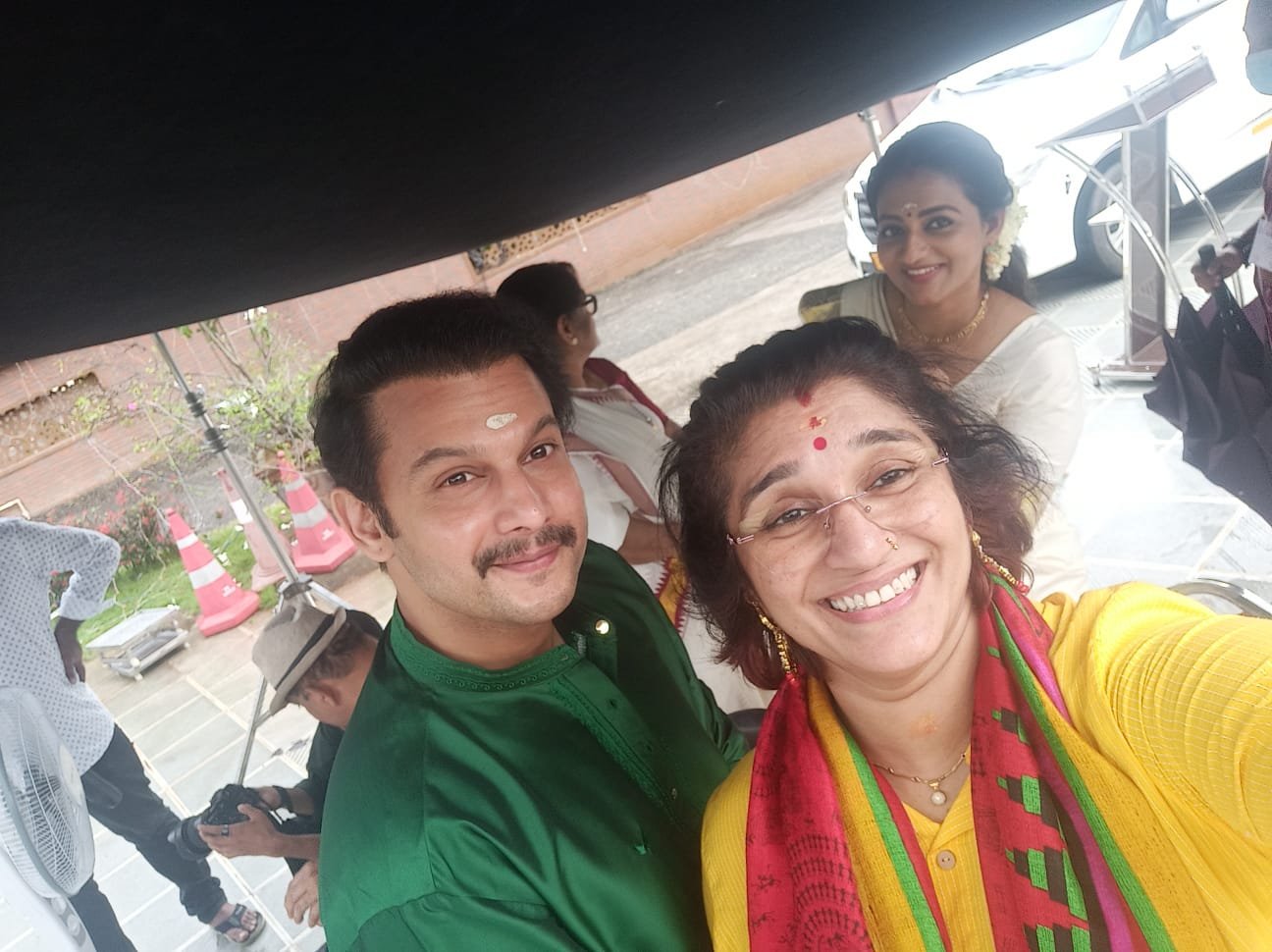
With her debut directorial, Deepti Pillay Sivan doesn’t chase spectacle… she taps into something far more enduring: memory, mischief, and the invisible thread that binds generations. Set against the evocative contrast of 1985 and 2025, the film gently nudges viewers to pause and reflect on how far we’ve come, and what we may have quietly left behind.
What makes this narrative stand out is its emotional universality. Whether it’s the nostalgia of simpler times or the chaos of today’s hyper-connected world, Deepti captures both with a lightness of touch and a childlike honesty that feels refreshingly unforced. There’s humour, there’s heart, and most importantly, there’s recognition… you see your childhood, your parents, even your present self mirrored on screen.
Backed by a deeply personal journey and a fiercely held creative vision, this film promises more than just entertainment. It offers a shared experience… one that families can walk into together and walk out of with stories to tell.
Mark your calendars for April 24, 2026… this one’s not just a watch, it’s a warm, nostalgic hug across time.