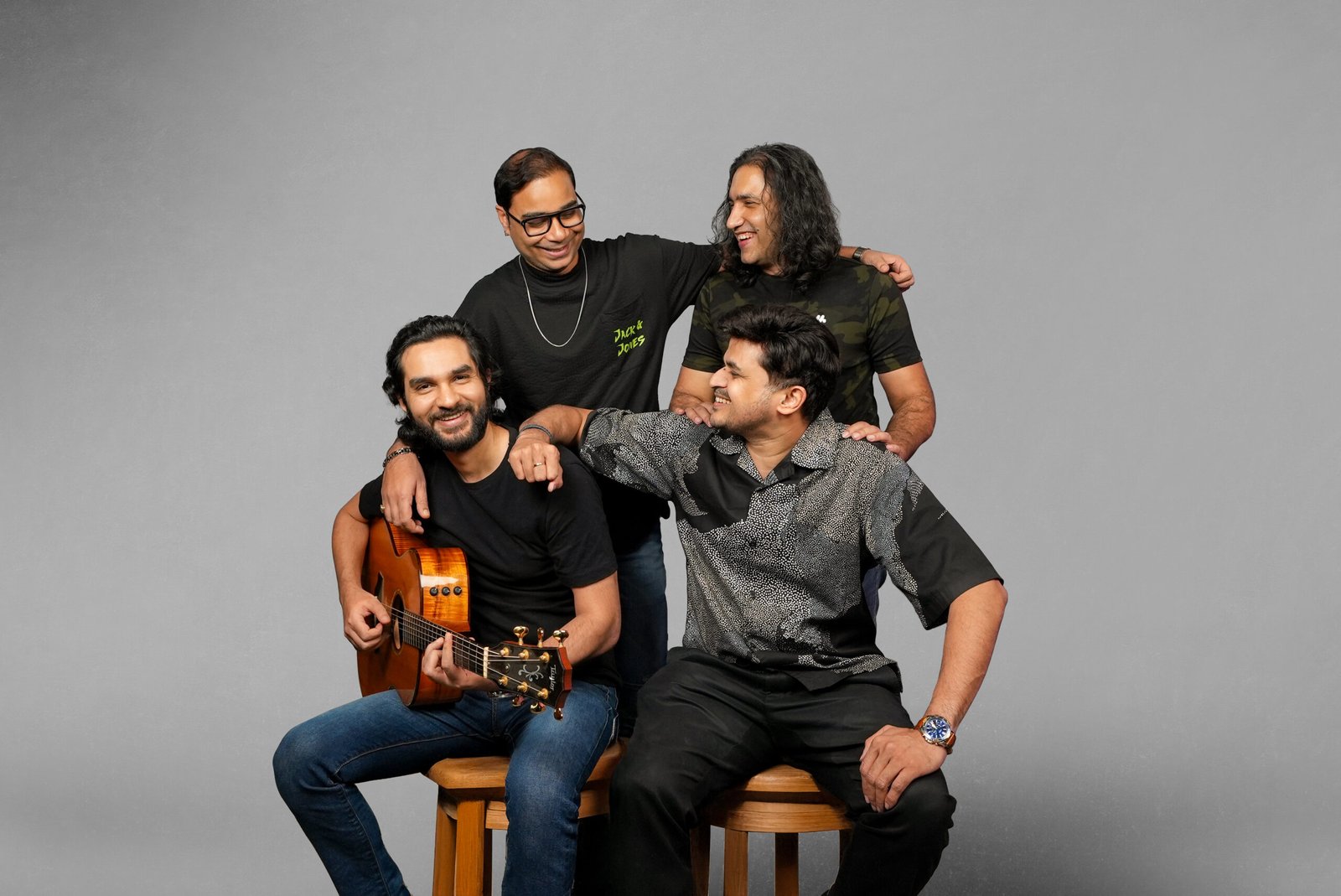
Right where Bollywood’s emotional heartbeat meets the OTT revolution and India’s electric creator economy, stands a multi-faceted man… Gaurav Dagaonkar… composer, Co-Founder, CEO, risk-taker, and now one of the country’s most influential voices in music-tech. His latest track, Saali Mohabbat — released just a few days ago — has already stirred up conversations, not only for its sound but for the poetic irony of its journey: the song that once captured a feeling now inspires the title of Tisca Chopra’s debut OTT directorial.
But Gaurav is far more than the man behind a trending soundtrack. He’s the IIM Ahmedabad grad who walked away from the corporate conveyor belt to chase a guitar riff. The composer who collaborated with Arijit Singh and Shreya Ghoshal before confronting the uncomfortable truth of India’s broken music rights ecosystem. And the artist who turned his own battle with copyright misuse into Hoopr, India’s first self-serve music licensing platform — a movement that has already powered 3.5+ lakh creators, 6,500+ artists, and 175+ brands, while paying out crores in transparent, rights-safe royalties.
Whether he’s producing tracks for Bollywood or engineering the future of music licensing with global partners like YRF and UMG, Gaurav moves with the rare clarity of someone who lives at the intersection of art and innovation. Today, as his fresh-release Saali Mohabbat reverberates across screens again, his story feels sharply cinematic: a creator who became a founder, a founder who never stopped creating, and a visionary building a ₹200-crore music-tech revolution without ever losing the rhythm of his roots.
Here in an exclusive interview with Sumita Chakraborty, Founder & Editor-in-chief, TheGlitz, the immensely talented Gaurav Dagaonkar, Co-Founder & CEO, Hoopr, talks about his adventurous musical journey, “Sustainable earnings”, Co-Founding Hoopr and more…
Over To Gaurav Dagaonkar, Co-Founder & CEO, Hoopr
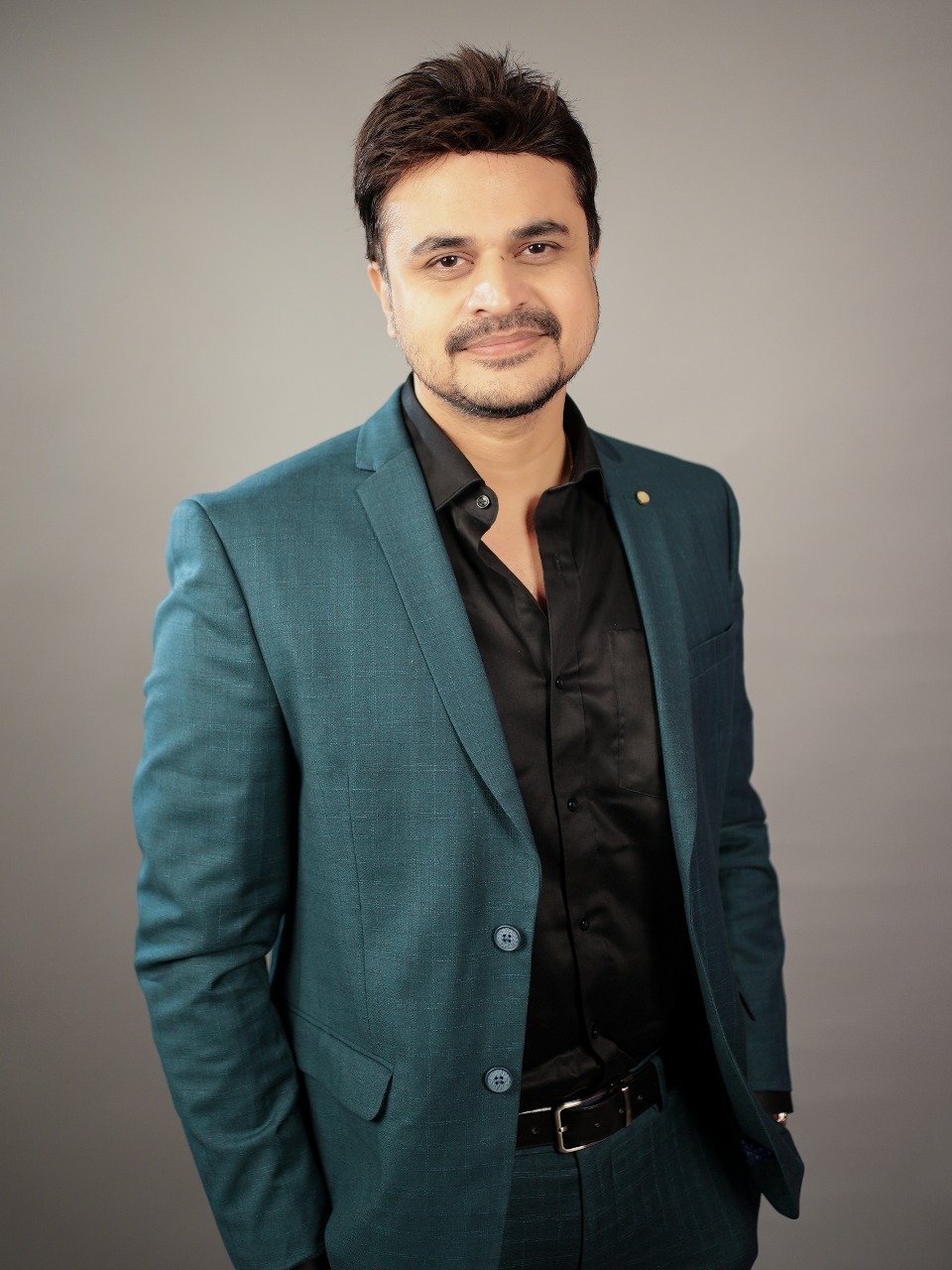
In 2021, a track I had composed ended up in a major brand campaign without my consent, credit, or payment — and that incident really changed things for me. I remember thinking: if this can happen to me, what must everyday independent artists be going through? That frustration became the starting point for Hoopr.
Gaurav Dagaonkar – At the time, there was no India-first platform where brands and creators could easily license high-quality, culturally relevant music in a simple, legal way. So we decided to build one. Three years later, Hoopr has worked with over 1,500 artists, paid out more than ₹4.5 crore in royalties, and enabled 30,000+ creators and nearly 180 brands to use music safely and confidently.
The hardest reality we’ve faced is that we aren’t just building a product — we’re trying to shift a mindset. India still treats music as something that’s “free,” and the result is an industry losing nearly ₹3,600 crore every year to infringement. Even today, around 87% of branded videos use music without a license. Changing that culture needs more than rules or technology. It requires making licensing simple, transparent, and accessible — and constantly educating the ecosystem. At Hoopr, our goal is to show brands and creators that paying fairly for music isn’t just compliance; it protects them, and it ultimately helps build a healthier, more sustainable environment for artists and the entire industry.
You left IIM Ahmedabad’s corporate track to become a full-time musician… and then became a tech founder solving the exact problems the music industry created. What was the experience like? Do you think you made the right decision or do you ever feel like you’ve landed back in the corporate maze you escaped?
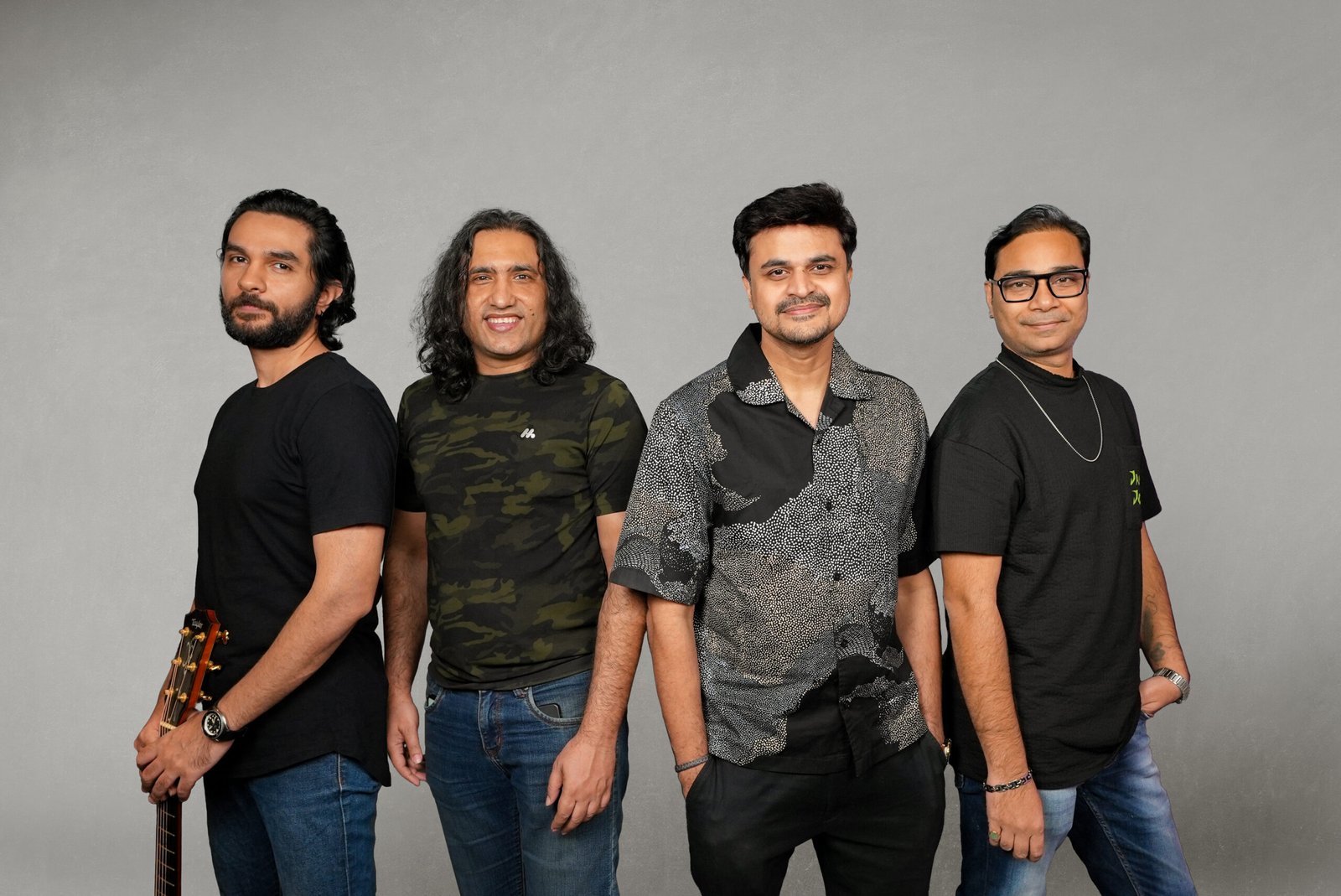
Gaurav Dagaonkar – I genuinely love what I do, and honestly, I wouldn’t trade this path for anything. Walking away from the expected “IIM Ahmedabad corporate life” was a very conscious choice — I wanted to make music, perform, experiment, and be in the thick of the creative chaos. And those fifteen years in the industry taught me things no classroom ever could: how labels think, how artists survive, how brands use music, and where the system quietly fails the very people who create the magic.
I worked with everyone — labels, producers, big-name artists — and that gave me a front-row seat to the challenges and the dreams that drive this industry. All of that experience is what shapes Hoopr today. Being an artist first keeps me grounded in an artist-first philosophy, even as we scale as a tech business. And no, it doesn’t feel like I’ve wandered back into the corporate maze. If anything, this feels like the most natural extension of my journey — using my engineering and management background to solve a problem I once personally felt as a composer: the need for fair, transparent, rights-safe music usage. It’s not a return to the corporate world; it’s a full-circle moment where everything I’ve learned finally fits together.
Hoopr now powers 1,500+ artists — impressive numbers. But how many of those artists are actually earning sustainably, and what does “sustainable earnings” really mean in an industry with notoriously uneven payouts?
Gaurav Dagaonkar – Hoopr now works with a community of over 1,500 artists across India and beyond, but for us the real win isn’t the size of the network — it’s the fact that artists are finally getting paid fairly for their work. Since we started, we’ve paid out over ₹4.5 crore purely through licensing, and because we’re integrated with IPRS, every usage is tracked, reported, and paid transparently. Artists actually see where their music is being used and what they’re earning from it.
“Sustainable earnings” is a tricky phrase in an industry where a stream can earn you less than a coin and unlicensed usage is still the norm. For us, it means consistent, predictable income — money that actually shows up, is clearly accounted for, and is far higher than what most streaming platforms alone would ever provide. But if I’m honest, for an emerging artist, sustainability often looks like something very simple: being able to pay rent, fund your next song, and keep creating without fear. Every artist who has worked with Hoopr has been paid upfront — no ambiguity, no waiting, no chasing. That kind of clarity and fairness can genuinely change an artist’s confidence. It gives them the freedom to build, to experiment, and to believe that their craft is worth something. And to me, that’s the real meaning of sustainable earnings.
You’ve worked with musical giants like Arijit Singh and Shreya Ghoshal, and now with YRF and UMG for micro-sync licensing. What’s tougher: convincing Bollywood of your artistic vision or convincing brands to pay fairly for music licensing?
Gaurav Dagaonkar – That’s a tough one — and honestly, they’re difficult in completely different ways.
When you’re working with someone like Arijit or Shreya, the conversation is deeply creative. You’re trying to align on an emotion, a story, a feeling that will hopefully live for years. You can’t “convince” Bollywood with logic — you have to move them with the music itself. That’s a beautiful challenge, but a challenge nonetheless.
With brands, the hurdle is of a totally different nature. You’re not fighting over emotion, you’re fighting over perception. For many marketers, music still feels like an “extra line item” — something nice to have, not something to invest in. And yet, music is the most consumed form of content in India and globally. It’s what people share, remix, dance to, and remember. If a brand wants top-of-mind recall or cultural relevance or even a shot at going viral, music is often the spark that makes everything come alive. So what’s tougher? Both, in their own way. Convincing Bollywood requires artistic trust; convincing brands requires a mindset shift. One speaks to the heart, the other to the head. And honestly, navigating both spaces is what makes this journey interesting — it keeps me grounded as a composer and sharp as a founder.
Saali Mohabbat has now inspired the title of Tisca Chopra’s debut OTT film — a huge moment. But be honest: does returning to Bollywood as a composer ever conflict with your role as a founder building a ₹200-crore business?
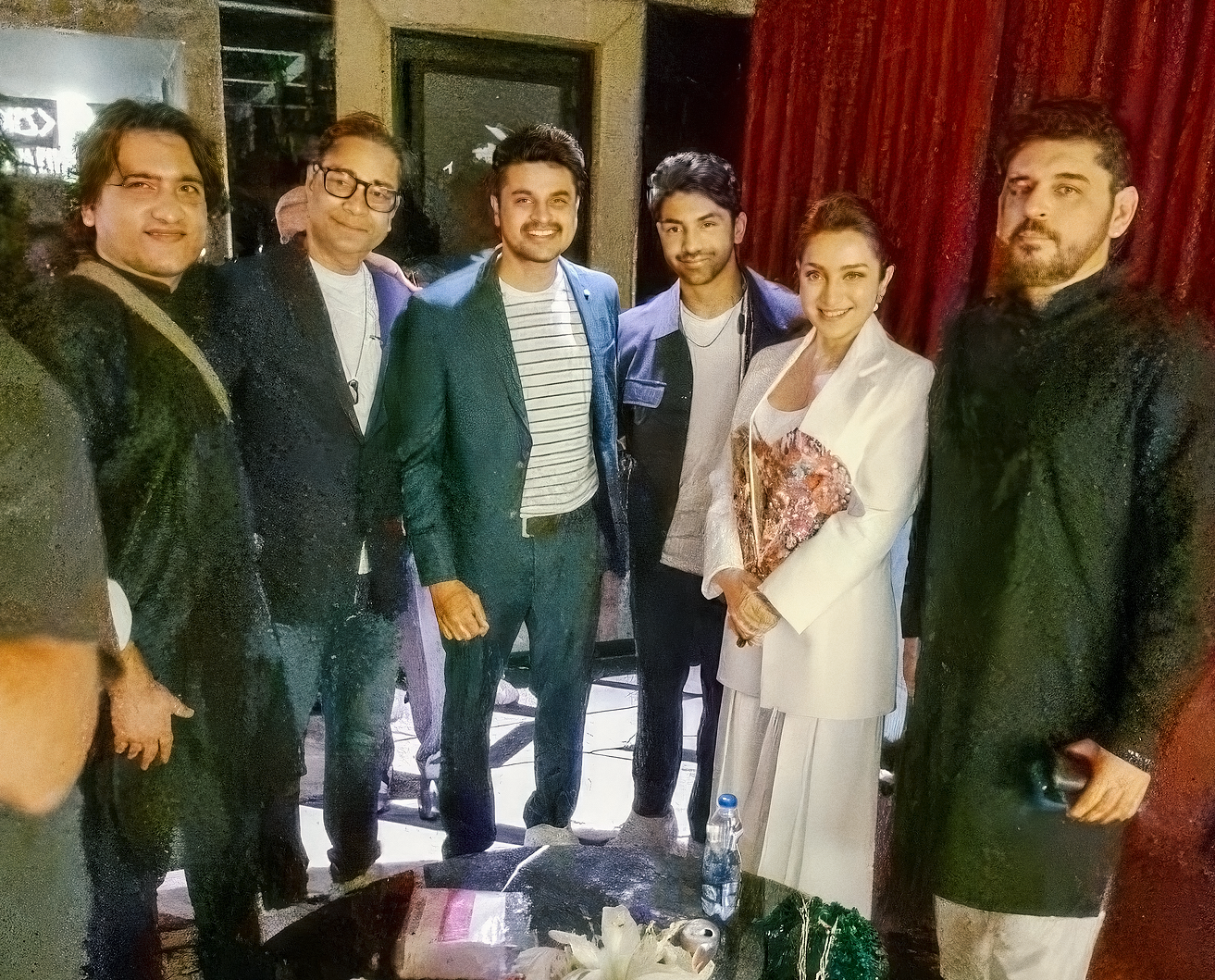
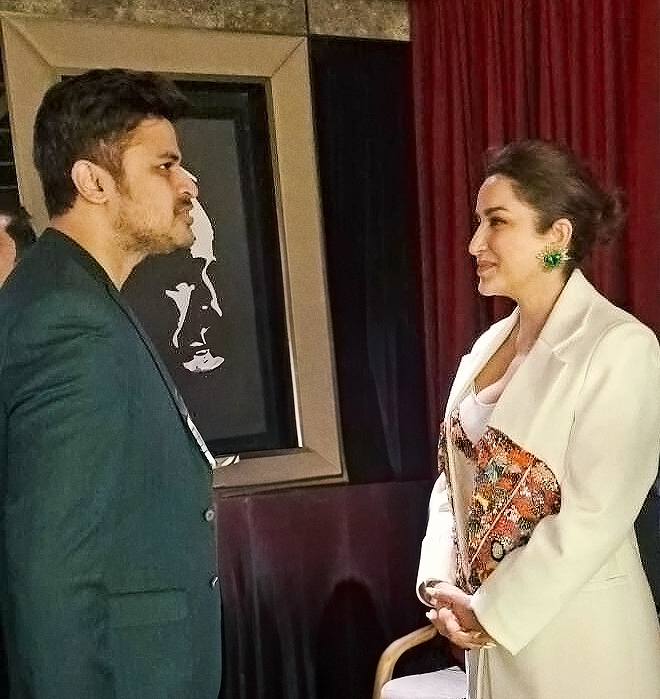
Gaurav Dagaonkar – I was a composer long before I became a founder. It’s like this: just because someone owns a gym doesn’t mean they stop working out. Music is my core, my anchor. Nothing can take that away. So yes, seeing Saali Mohabbat inspire the title of Tisca Chopra’s directorial debut is incredibly special. But it doesn’t clash with my role at Hoopr at all — if anything, it reconnects me to why I built Hoopr in the first place. I composed the song, and both the singer and lyricist come from the Hoopr artist network. It’s a creative full-circle moment that also reflects what the company stands for: real artists getting real opportunities.
Composing keeps me honest. It keeps me close to the craft, to the struggles and joys that artists experience every day. And that perspective flows back into Hoopr. It reminds me that behind every licensing dashboard and every tech feature is someone who sat down with a guitar or a mic and created something from nothing. So no, there’s no conflict. If anything, the two roles feed each other. The entrepreneur in me gets discipline; the artist in me stays alive. And when those two sides work together, the work feels meaningful — not just for me, but hopefully for the ecosystem we’re trying to build.
With AI-generated music rising fast, platforms like Hoopr could either lead the charge or be disrupted overnight. What’s the single biggest existential threat you see for music-tech companies in the next five years?
Gaurav Dagaonkar – The real threat isn’t AI itself — it’s what happens if we let AI turn music into this endless sea of generic, permissionless sound. If the world gets flooded with tracks that all feel the same and have murky rights, music stops feeling like art and starts feeling like the generic music that plays in an elevator (laughs). That’s when the value of creativity collapses, and that’s the danger.
For us at Hoopr, the only real safeguard is trust. Trust in the catalogue, trust in the rights, trust that when a brand uses a track, an actual artist gets paid. We use AI, of course — but not to replace creators. We use it to make discovery smarter, faster, more intuitive. The companies most at risk over the next five years will be the ones treating AI as a shortcut to bloat their catalogues with endless low-cost music. The ones that will thrive are those who balance technology with integrity — clean rights, transparent royalties, culturally rich catalogues, and a deep respect for the artist. That’s the future we’re betting on.
India loves artists but undervalues intellectual property. Do you think the creator economy is actually empowering musicians — or just building another system where artists hustle harder for smaller slices?
Gaurav Dagaonkar – India loves its artists — we celebrate them, we idolise them — but when it comes to valuing their intellectual property, we still have a long way to go. That’s the strange duality I’ve seen my whole life in music. The creator economy has definitely opened new doors: reels, OTT, brand collaborations… suddenly musicians who would’ve struggled for years now find audiences overnight. But visibility isn’t the same as empowerment. I often say this to younger artists: a million views feel great, but they don’t pay your rent. And that’s the heart of the problem. Streaming payouts are tiny. Copyright misuse is everywhere. And without strong IP protection, artists end up hustling harder for returns that don’t reflect the value they create.
For the creator economy to truly uplift musicians, IP has to matter as much as content. Every use should be licensed, tracked, and paid for — clean, simple, transparent. When that happens, creators don’t just get famous; they get financially secure. And that’s when the ecosystem stops being a hustle and starts becoming a career.
You position Hoopr as transparent, compliant, creator-first. But in a world where tech platforms often drift from their promises as they scale, what’s the one compromise you fear you might be forced to make as Hoopr pushes towards that ₹200-crore vision?
Gaurav Dagaonkar – The truth is, scaling a music-tech company is full of tempting shortcuts. Cheaper catalogues. Fast onboarding. AI-generated fillers. There will always be pressure to take the easy route. But if we ever compromise on the integrity of our rights, the quality of our music, or the fairness of our payouts… then Hoopr stops being Hoopr.
So yes, growth is important. We want to build a big, meaningful company. But not at the cost of becoming the very thing we set out to fix. If we reach ₹200 crore and still remain the most trusted, most transparent, most culturally authentic catalogue in India — then that’s the win. Everything else is just noise.