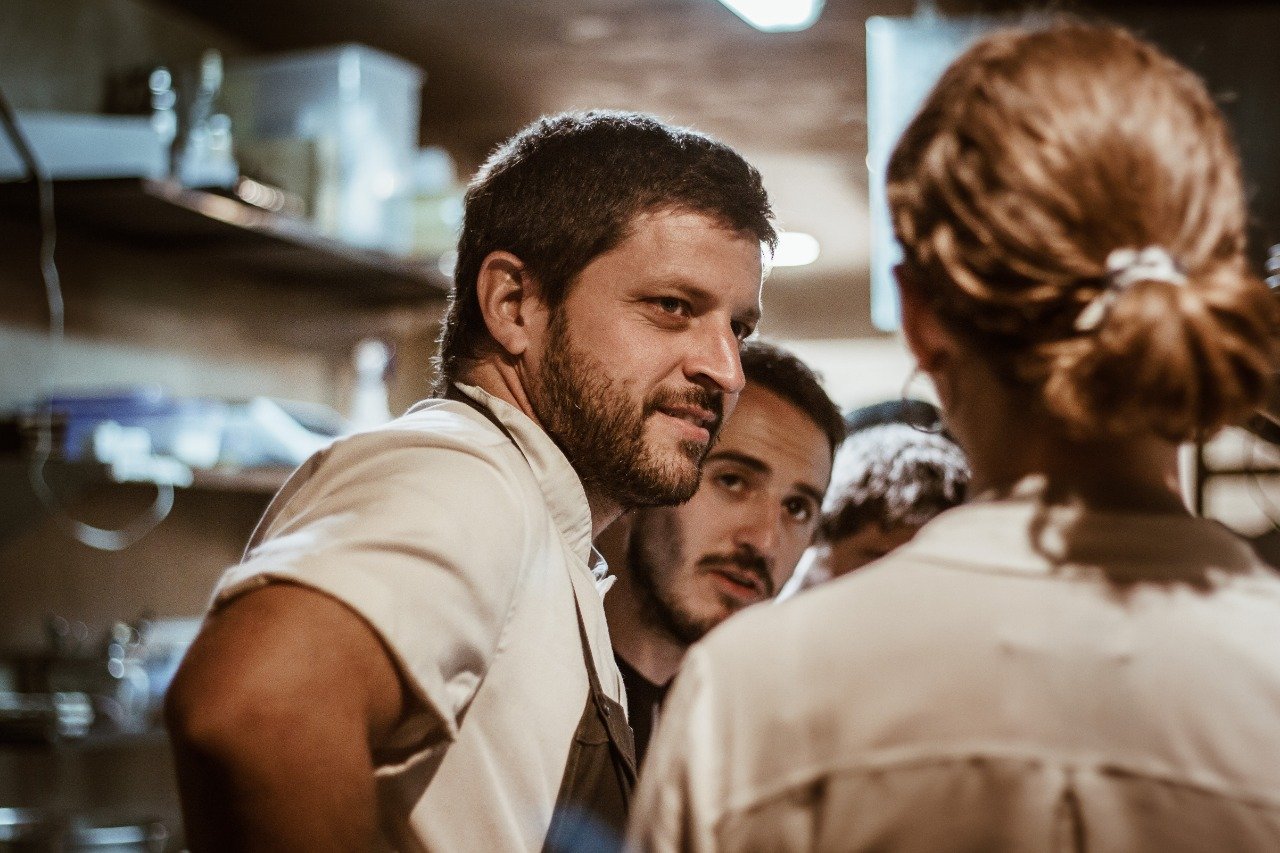
Chef Javier Rodríguez
In a world where fine dining often flirts with excess, Chef Javier Rodríguez cuts through the noise with something far more powerful… clarity. Bold, intuitive, and unapologetically flavour-first, the chef behind El Papagayo is not just redefining Argentine gastronomy… he’s rewriting the rules of what modern luxury on a plate truly means.
Ranked among the 100 Best Chefs in the World and honoured with the coveted “Two Knives – World Class” distinction at The Best Chef Awards in 2024 and 2025, Chef Javier Rodríguez belongs to a rare league of culinary disruptors. His food doesn’t chase trends… it sets them.
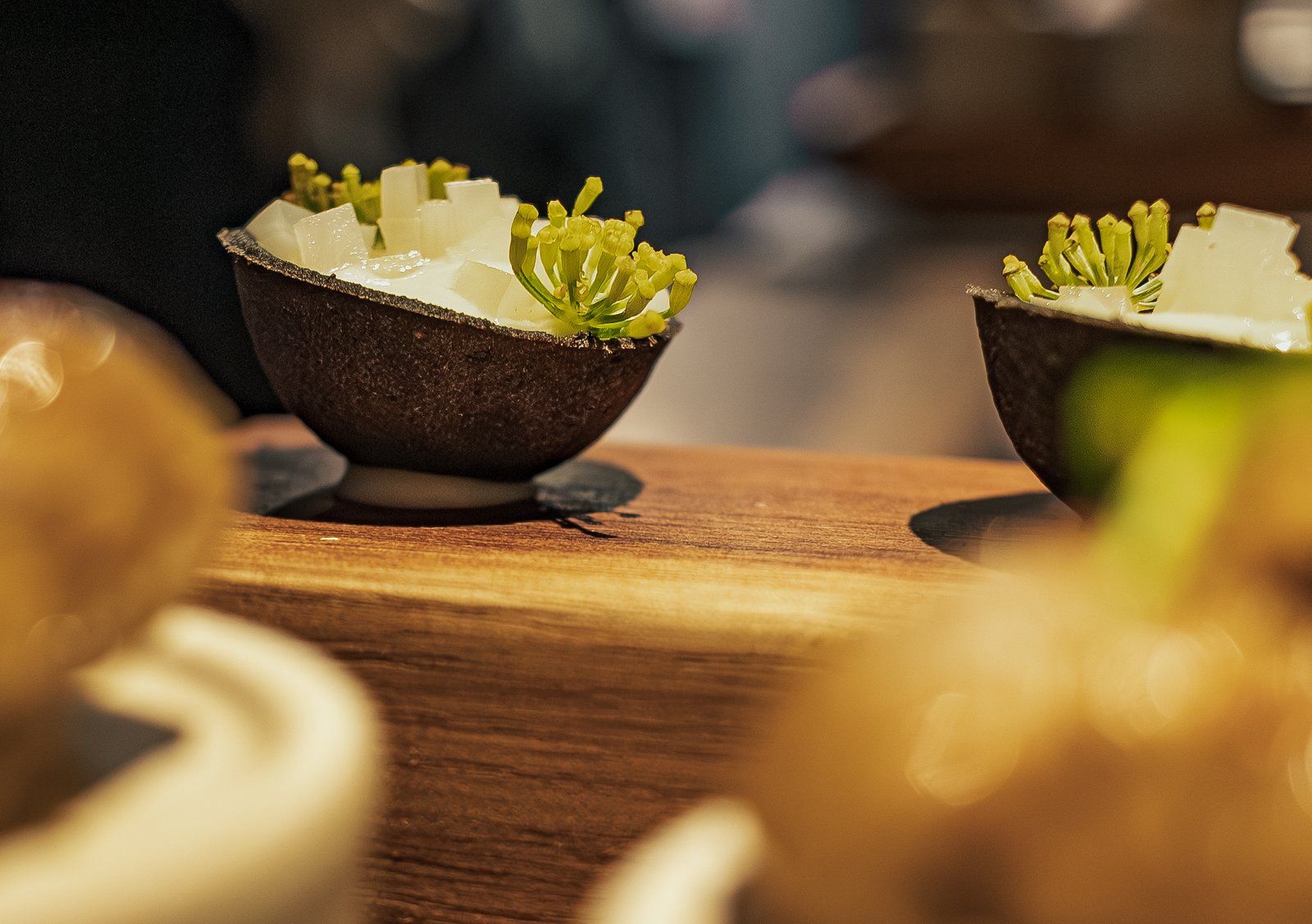
Rooted in the soul of Córdoba yet shaped by a global palate, his cuisine is a masterclass in restraint, precision, and quiet confidence. No theatrics, no unnecessary embellishments…just dishes that hit you exactly where they should: the senses.
At El Papagayo, he has transformed local ingredients into global conversations, placing Argentina firmly on the international fine dining map. But beyond the accolades and acclaim lies a deeper narrative… one of a multifaceted chef who believes that food should move you before it impresses you. It’s this philosophy that makes his work not just relevant, but revolutionary.
And now, India gets a taste of that magical culinary revolution…
For one exclusive night each in Mumbai (8th April) and New Delhi (11th April), All Things Nice presents an exclusive culinary evening with Chef Javier Rodríguez of El Papagayo, Argentina for a series of highly anticipated, curated dinners.
Expect a meticulously crafted seven-course tasting menu that pushes boundaries while staying deeply rooted in flavour, paired with globally curated wines by sommelier magician, the very charming Nikhil Agarwal… because what’s a great dish without the perfect pour?
The Mumbai soirée unfolds at JW Marriott Mumbai Sahar alongside Executive Chef Prakash Chettiyar, while New Delhi hosts its moment at Roseate House New Delhi in collaboration with Executive Chef Gagandeep Bedi. Two cities, two nights, one unforgettable culinary narrative.
Sumita Chakraborty, Founder & Editor-in-Chief, TheGlitz, caught up with the charismatic Chef Javier Rodríguez who gets candid about his two-city India tour, flavour-first philosophy, his global influences, and why, in a world obsessed with spectacle, authenticity is the ultimate luxury.
Over To Chef Javier Rodríguez of El Papagayo
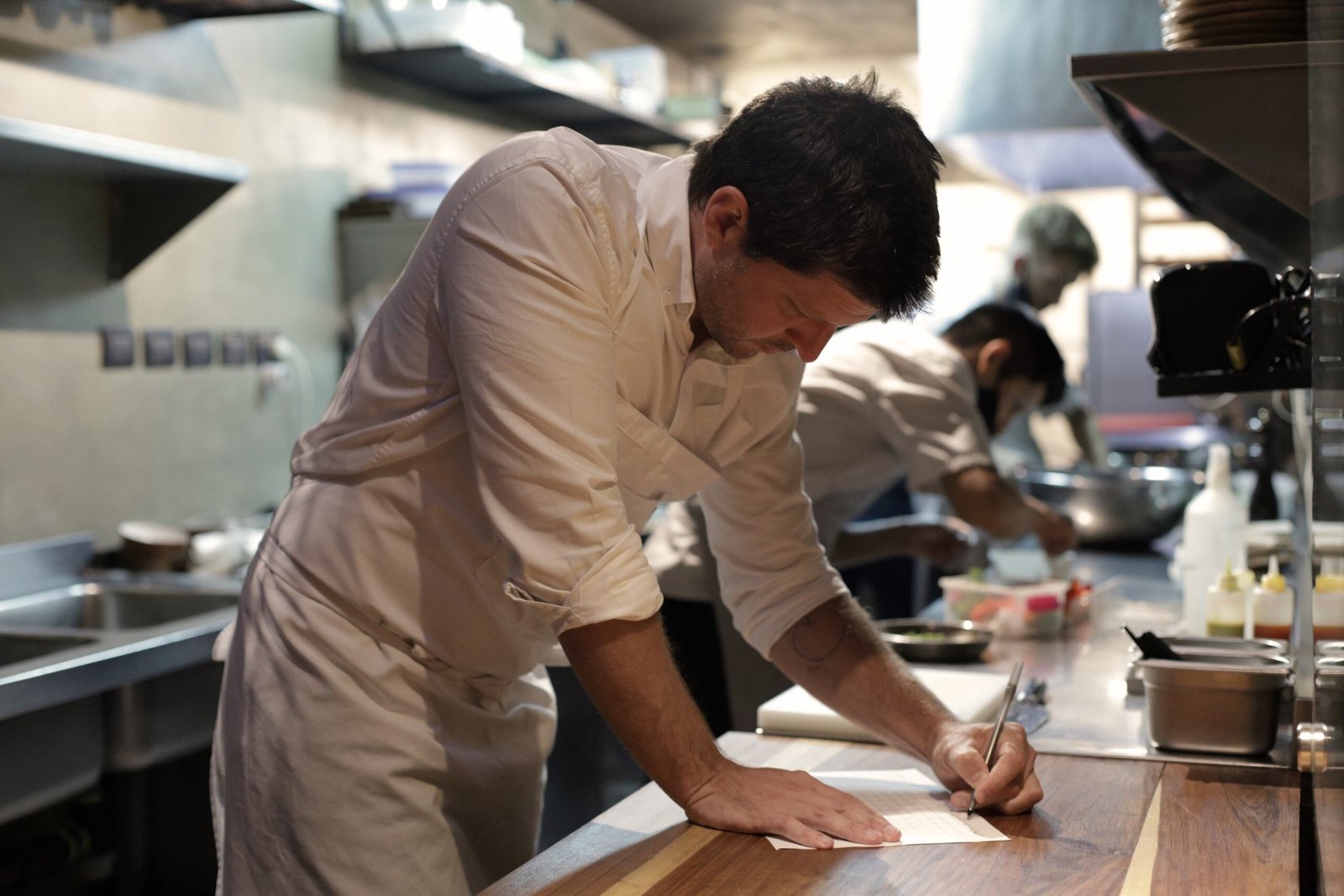
Your two-city tour in India brings a slice of El Papagayo to a new audience… how have you adapted your menu to resonate with Indian palates while staying true to your culinary identity?
Chef Javier: Although I’m a cook from Northern Argentina, where the cuisine is very authentic, I’ve also trained in different parts of the world, which has shaped my style into something adaptable, free, and global.
Papagayo’s cuisine reflects that same spirit, as it is open and able to adjust to many different palates. That’s why, when I travel, I try to stay true to my style while also making it enjoyable for a wide range of people.
With experiential dining gaining momentum in India, what, in your view, defines a truly memorable culinary experience today?
Chef Javier: I believe what makes an experience truly memorable is finding a sense of time and place. The local element is very important, and so are flavors that are identifiable to a region, but I think even more important is the moment of service and hospitality.
The places that stand out the most are those where there is genuine hospitality—something that comes from a deeply human approach, beyond whether it is strictly professional or not.
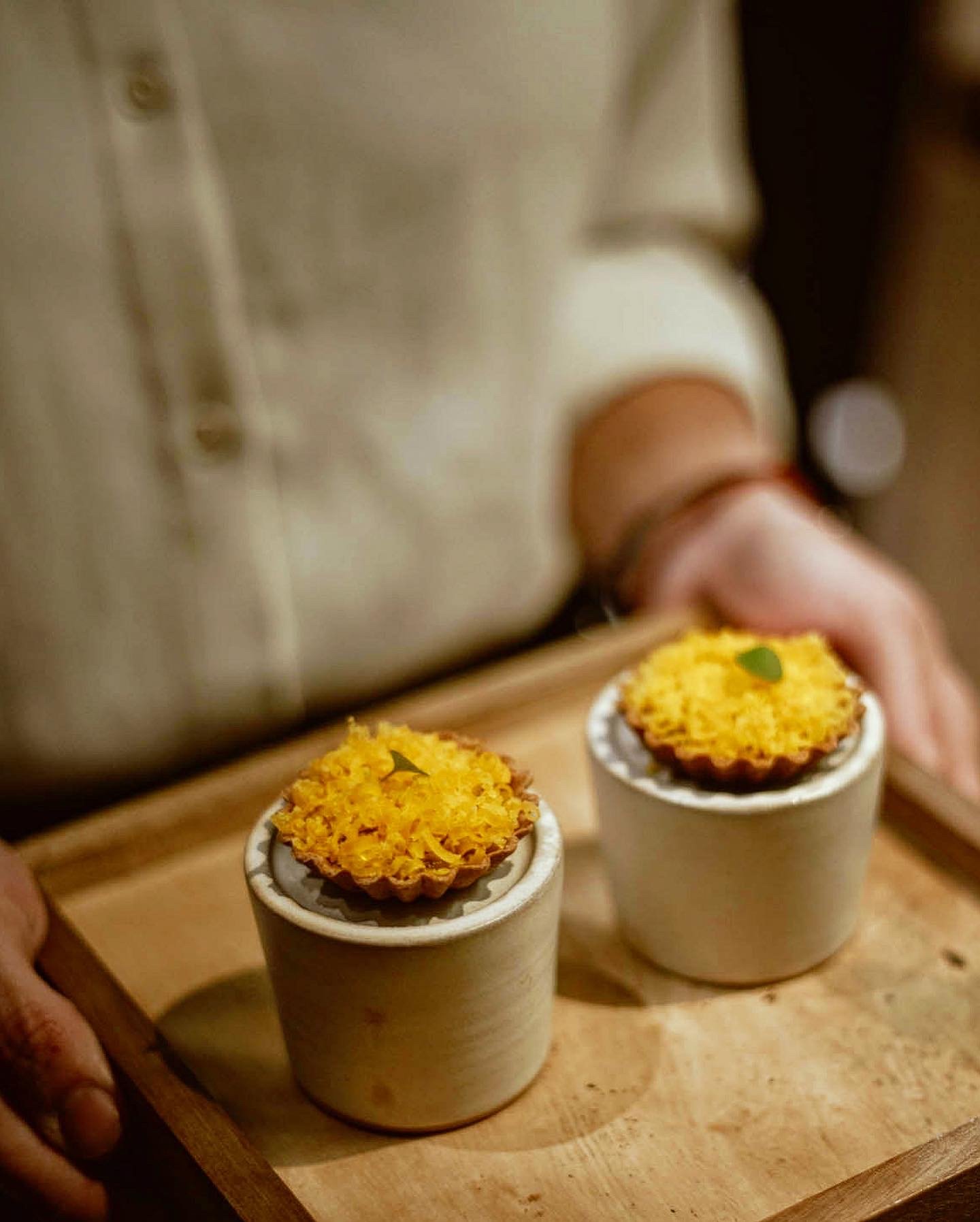
El Papagayo is known for its distinct flavours and storytelling, how important is narrative in the way you conceptualise a dish?
Chef Javier: Our dishes and menus are driven by different inspirations. Sometimes they come from memories, other times from traditions, and often from travels (I’m sure that when I return, the menu will feature, at least for a few weeks, a dish that reminds me of India). Many times, the starting point is the product itself and its seasonality.
Narrative can add layers of complexity to a dish, but it’s not something we focus on too much. We prefer our dishes to speak and move people on their own. For us, in order of importance, flavor comes first, second, and third. Without balance and depth of flavor, no narrative really matters.
When you travel for collaborations like this, what inspires you more… the local ingredients, the culture, or the people you meet along the way?
Chef Javier: All three things inspire me. I always try to take one or two days to walk through the local streets and neighborhoods—that’s the best way, at least, to get a glimpse of the culture and its people.
When it comes to local products and dishes, of course I try as much as possible, but in my own dinners I rarely experiment with them, since I don’t have the knowledge or the time to ensure a good result. Without a doubt, what stays with me the longest are the lessons learned and the friendships that come from the time shared with the colleagues who welcome me into their kitchens.
India has a rich and diverse food heritage, have you discovered any ingredients or techniques here that you would love to take back into your own kitchen?
Chef Javier: I believe Indian cuisine, along with Mexican and Chinese cuisine, is among the three most complex in the world. During my years in Singapore, I had the chance to experience a great deal of Indian cuisine, and now, on my trips to Bombay in 2024 and this visit, I try to taste as much as possible—it’s one of the cuisines I enjoy the most.
Every time I come here, I learn a great deal—about techniques, products, and, in my case, the use of spices and different cooking methods.
At home, I really enjoy cooking and eating Indian food, so I often go to markets to buy ingredients and spices to cook with later. However, I wouldn’t dare to make or try to replicate Indian dishes in my restaurant.
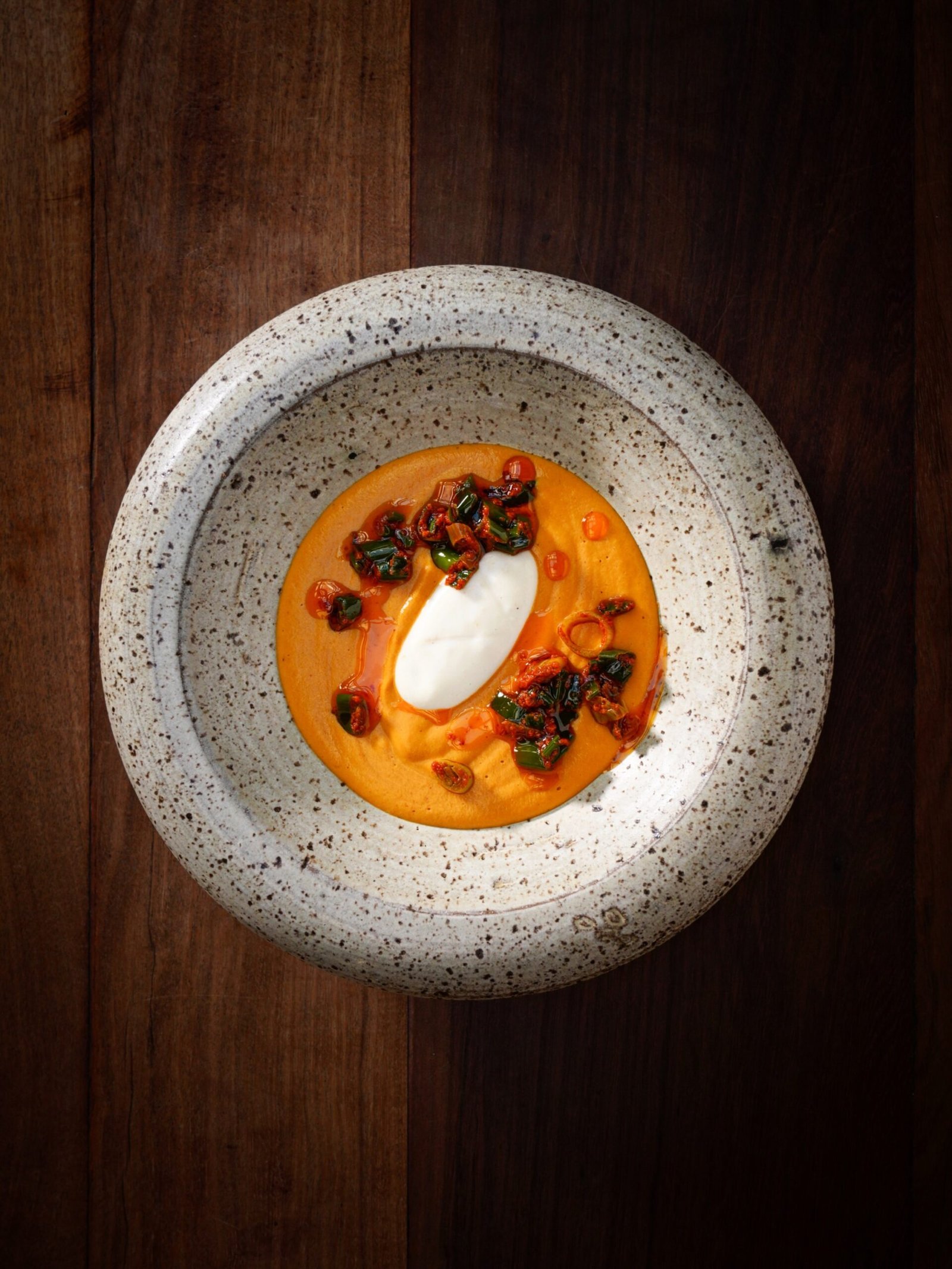
Your cuisine often balances tradition with innovation, how do you decide when to preserve authenticity and when to experiment?
In our restaurant, we play with an 11- or 12-course tasting menu that moves between traditional and modern dishes. In that context, we try to keep the traditional dishes as authentic as possible, without altering them too much. We believe the real upgrade to those dishes comes from the setting, the service, the way they are presented, and the level of refinement—rather than changing their essence.
For example, the first course is a picada cordobesa, where we serve two or three different salamis from producers in Córdoba, without altering them at all—simply presented at their best, sliced perfectly thin, and accompanied by a piece of grilled polenta with no refinement or modification whatsoever.
As for the more innovative dishes, we aim for them to act as an interesting counterpoint, creating a kind of interplay—a “rollercoaster” between tradition and innovation.
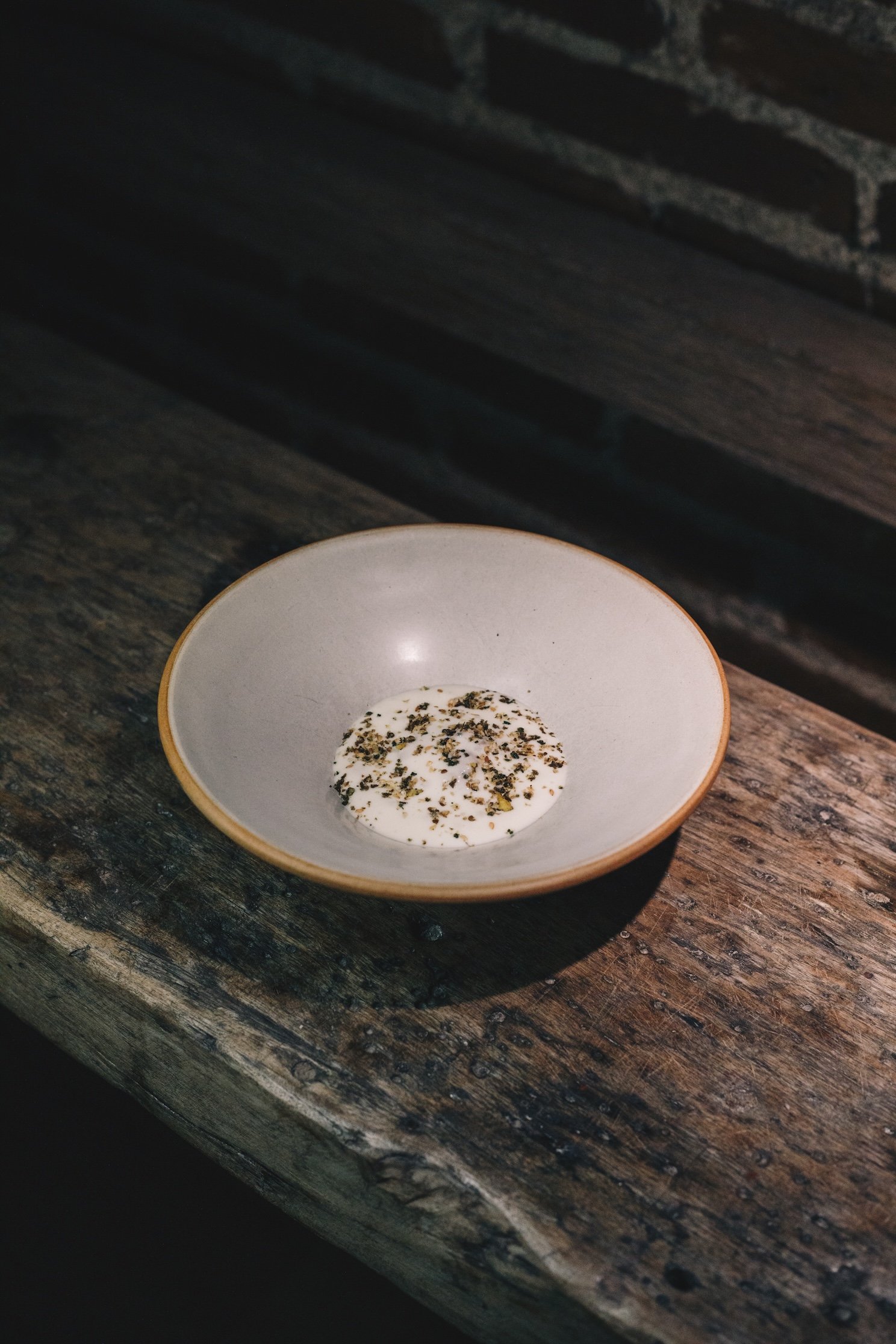
Fine dining is evolving globally, do you think the future lies in more intimate, experience-led formats rather than traditional restaurant settings?
As you say, I believe fine dining is a concept that has been redefining itself in recent years. Today, it has more to do with the human aspect and the way service is delivered. The food itself can be traditional, served in a delicate and thoughtful way.
I think fine dining is moving in that direction, rather than focusing on transformation or pursuing ever greater technical complexity. Instead, it will be defined by design, by service, by the quality of the wines, and by the quality of the glassware and ceramics. All of these elements together are what make a restaurant truly fine dining.
We should ask ourselves whether places like Elkano in Getaria or Etxebarri in the Basque Country are fine dining or not. On the surface, they serve extremely sensitive and simple cuisine, executed perfectly, with highly local products treated with great respect. To me, that is unquestionably fine dining.
As a chef working across cultures, what is the one philosophy or approach that remains constant in your cooking, no matter where you are in the world?
Chef Javier: What can never be missing in any of my interventions is total dedication and commitment in that moment. For me, it’s a great honor that people travel many kilometers to taste my food, and because of that, I give my all in every experience to exceed their expectations.
When it comes to the food, I want it to feel special and to evoke emotions through unexpected yet balanced combinations of flavors.
TheGlitz Quick Bites: Rapid-Fire with Chef Javier
One ingredient you can’t live without: Olive oil.
A dish that defines you in one bite: Humita! a Northern Argentinean corn stew.
India on a plate—what comes to mind first: Dosa Massala, can avoid to have 1 or 2 for breakfast.
Wine or cocktail with your meal: Definitely wine.
Your guilty pleasure food: I can’t live without good chocolate.
One Indian spice you’re currently obsessed with: I will start exploring black mustard seeds. I just got some from the market.
Cooking for celebrities or cooking for family—which is more pressure: For celebrities!, for family is always a joy.
A global city that excites your palate the most: Singapore, Mumbai or Mexico City.
Sweet or savoury—where does your heart lie: Hmmm… I think savoury, but I always need a small sweet bite to end a meal.
One food trend you secretly love: I’m obsessed with good coffee. My travel schedule is always dictated but the search of the best coffee shops
Event Information:
Mumbai
Date: 8 April 2026
Time: 8:00 PM sharp
Venue: Romano’s, JW Marriott Mumbai Sahar
Price: ₹8,500 all-inclusive
To book – info@allthingsnice.in | 9820698883
New Delhi
Date: 11 April 2026
Time: 8:00 PM sharp
Venue: Roseate House New Delhi ( Banquet Room)
Price: ₹8,500 all-inclusive
To book – info@allthingsnice.in | 9820698883
Website: https://www.allthingsnice.in