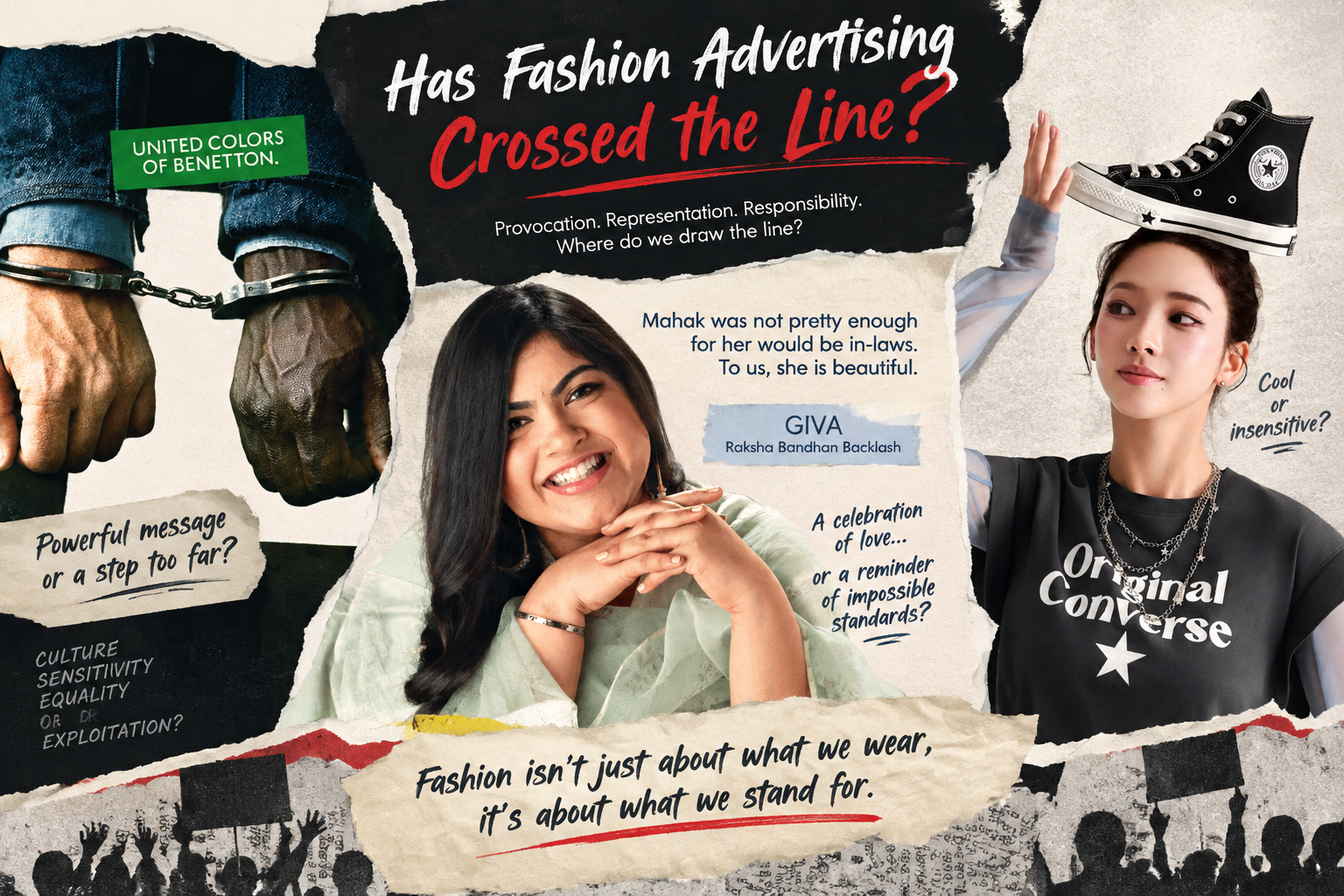
From the recent brouhaha over Converse’s controversial imagery to GIVA’s Raksha Bandhan backlash, fashion advertising seems increasingly addicted to the ‘outrage’ button. But I have a question: when did “provocation without thought” become an excuse for an ad?
By Sumita Chakraborty | Founder & Editor-in-Chief, TheGlitz
Fashion advertising has always been intellectually provocative. And frankly, I like it that way. Give me the outrageous campaign. Give me the impossible image. Give me the advertisement that makes me stop mid-scroll and say, “Wait… did they really just do that?” Fashion advertising was never meant to be polite.
But here’s the problem. There is provocative. And then there is plain demand-for-attention. There is a fine and increasingly blurry line between making people think and making people gasp.
And I have to ask: Has fashion advertising crossed the line or has it simply forgotten where the line is?
…Because somewhere between “Let’s challenge convention” and “Let’s make this go viral”, creativity seems to be treading the outrage algorithm.
Ads That Tread The Red Line
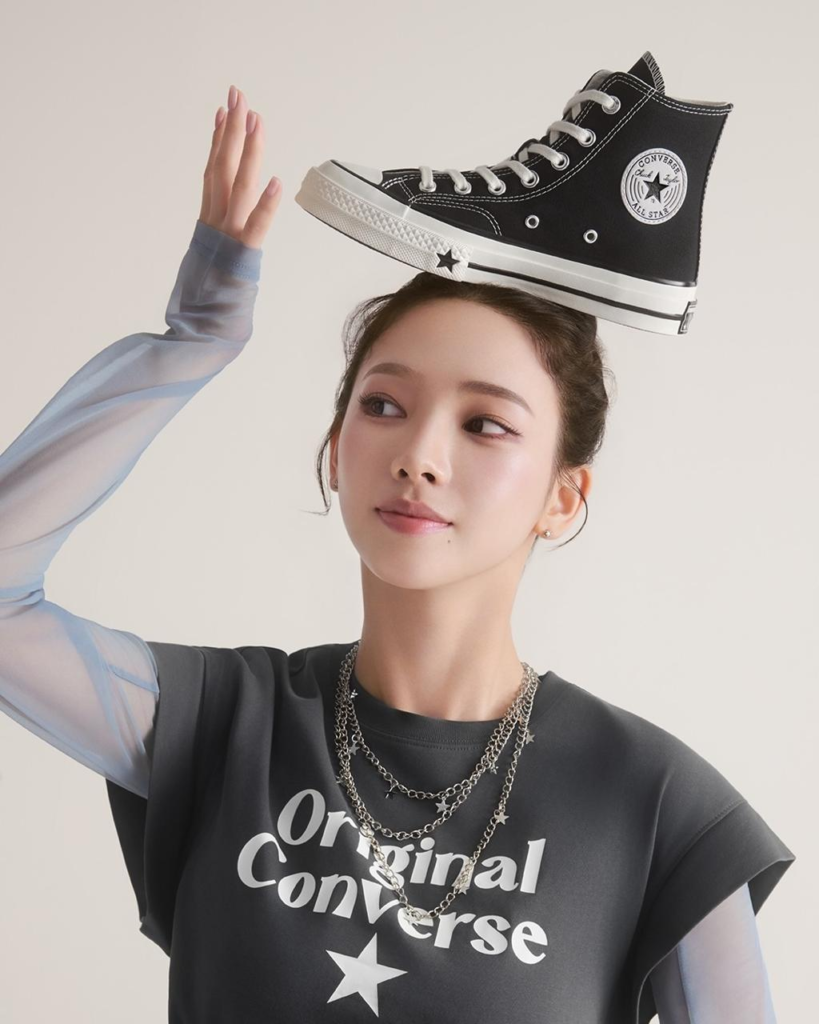
Let’s start with the freshest international storm. Converse very recently cancelled a global Chuck 70 X campaign featuring K-pop star Karina after social-media users said the image evoked Ku Klux Klan imagery and lynching. Another image from the campaign, showing sneakers suspended from a tree while models climbed a ladder, also drew criticism. Converse apologised, saying it understood why the imagery was deeply upsetting and that it had got it wrong.
And then, of course, there is Calvin Klein. In 2024, the UK’s Advertising Standards Authority initially banned a Calvin Klein poster featuring FKA twigs, saying its composition was overtly sexual and unsuitable for an untargeted medium. The ASA subsequently revised aspects of its ruling, maintaining that the image was inappropriate for an untargeted poster but acknowledging that FKA Twigs was presented as confident and in control rather than as a stereotypical sexual object.
Now, was that the creative team’s intention? We don’t know. But here’s my rather unfashionable opinion: Intent isn’t the only thing that matters in advertising. Execution matters. Context matters. History matters. And most importantly, what an image communicates to the audience matters.
An advertising campaign goes through photographers, stylists, art directors, creative directors, brand teams, regional teams, legal teams and multiple rounds of approvals. So how does an image that can evoke such disturbing historical imagery make it all the way to Instagram? Surely somebody should have looked at it and said: “Guys… definitely not?” That’s called editing. And perhaps fashion needs a little more of it.
Fashion Ads – The Indian Aspect
India isn’t exactly a stranger to advertising controversies. And perhaps our relationship with fashion advertising is particularly nuanced. We want brands to be modern, progressive and fashion-forward… absolutely. We want women to be empowered and free to express themselves… without question.
But context matters too. Tradition has its place, and so does respect for it. A festival rooted in centuries of cultural significance may call for clothing and imagery that honour the occasion. Being contemporary doesn’t necessarily mean being provocative at every turn. There is a time to push boundaries and a time to understand the boundaries that deserve to be respected. It isn’t about moral policing; it’s more about respect the occasion.
GIVA’s Raksha Bandhan campaign featuring Kriti Sanon had the internet on fire. The campaign showed Kriti Sanon in a rather bold contemporary Indo-Western look. While some viewers saw it as a playful, modern interpretation of the festival, others felt the styling and treatment were out of sync with the spirit and cultural significance of Raksha Bandhan. GIVA eventually withdrew the campaign and apologised.
And here, I think, the criticism deserves a little more nuance. This isn’t about telling a woman what she should or shouldn’t wear. Kriti Sanon is free to dress the way she wants, It’s her body, her choice. But here, it is about understanding the occasion you are dressing for.
Then again, remember the Sabyasachi mangalsutra campaign? The campaign became controversial after images showing a model in lingerie wearing the mangalsutra triggered accusations of hurting religious sentiments. The brand withdrew the campaign after the backlash.
Then there was Tanishq’s Ekatvam campaign… a story of a Muslim family hosting a traditional South Indian baby shower for their Hindu daughter-in-law. The intention was clearly one of cultural harmony. Following backlash and boycott calls, Tanishq withdrew the advertisement.
Fashion can be experimental. Advertising can be contemporary. But when a brand builds a campaign around a festival or a tradition, the thought itself cannot become an afterthought. Raksha Bandhan is rooted in family, affection and a centuries-old cultural tradition. Emotions around age-old traditions tend to be fragile and should have been handled with care.
Perhaps the question GIVA, Sabyasachi and Tanishq’s Ekatvam should have asked before going live was a rather simple one: Can we make this modern yet in sync with age-old traditions?
THE BIGGER PROBLEM: HAS OUTRAGE BECOME A MARKETING STRATEGY?
Now we’re getting to the juicy bit. Perhaps brands aren’t always afraid of controversy. Perhaps sometimes they’re counting on it.
Think about the modern advertising ecosystem. Campaign launches. Social media explodes. People complain. Influencers react. News portals pick it up. The brand trends.
Everybody says the brand has “gone too far.” And suddenly the advertisement that might have been forgotten by Tuesday has become Wednesday’s headline. That’s a lot of free publicity.
So forgive me if I’m slightly suspicious. Maybe the question isn’t: “Did the brand accidentally create controversy?” Maybe sometimes it is: “How much controversy can we create without actually killing the brand?” We all know outrage gets clicks. Clicks get conversation. Conversation gets visibility. And grabbing eyeballs is the currency every brand wants.
BUT HERE’S WHERE I DRAW MY OWN LINE
I don’t want fashion advertising to become boring. God forbid. I don’t want endless pictures of celebrities standing against beige walls wearing clothes they clearly don’t remember choosing. I want fashion to provoke. I want it to seduce. I want it to challenge. I want it to occasionally make me uncomfortable.
But make me uncomfortable for a reason. Give me an idea. Give me wit. Give me intelligence. Give me something that stays in my head longer than the outrage cycle.
Anyone can shock. Creativity is harder. And cultural provocation without cultural intelligence isn’t brave. It’s lazy. Sex without a story isn’t necessarily sensual. It’s sometimes just undressed marketing. And controversy without an idea? That’s not rebellion.
WHEN PROVOCATION GETS IT RIGHT
Some of the most memorable campaigns in advertising history deliberately made us uncomfortable yet did it brilliantly. For instance:
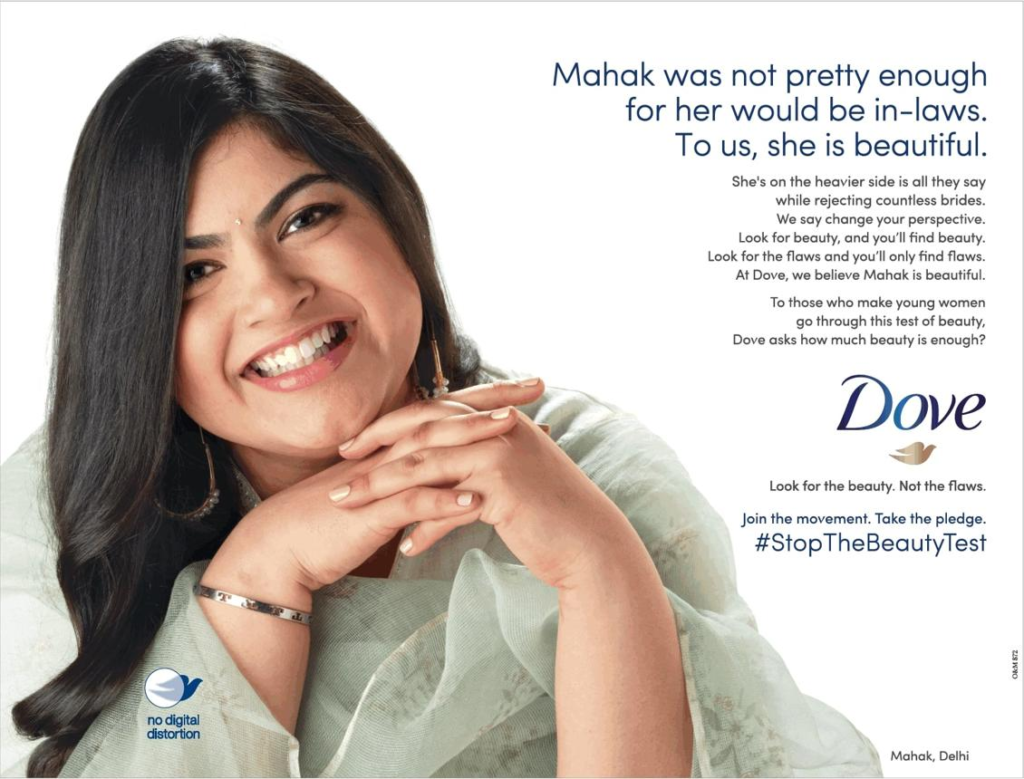
Dove #StopTheBeautyTest – Dove took on something deeply uncomfortable in India: the idea that women can be assessed, rejected or selected based on their appearance in the marriage market.
Its #StopTheBeautyTest campaign directly addressed “beauty tests” faced by women in arranged-marriage contexts and turned that social pressure into the central idea of the campaign. It wasn’t trying to shock people with an outrageous outfit or deliberately offend tradition. Instead it made people question a tradition without mocking the people who follow it.
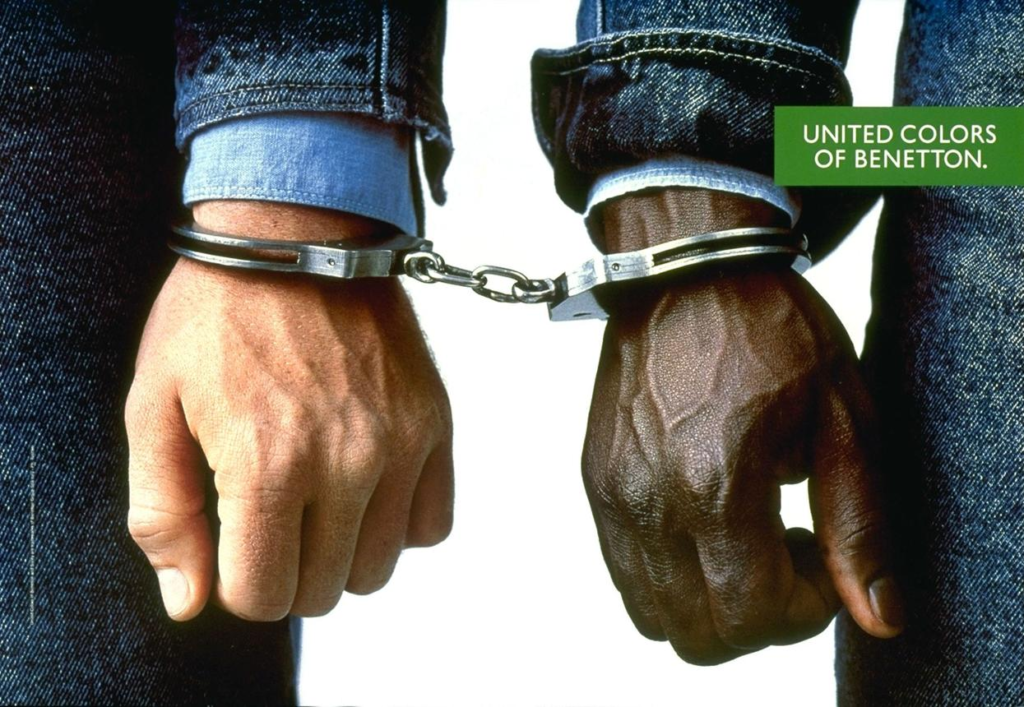
And then there is United Colors of Benetton, particularly the work of photographer Oliviero Toscani. Benetton famously used fashion advertising to confront subjects including racism, religion, AIDS, war and diversity. Some of the imagery was undeniably shocking but the campaigns weren’t simply “Look how outrageous we are!” They were deliberately using the enormous platform of fashion advertising to force social issues into public conversation.
Dove wasn’t trying to shock us. Benetton wasn’t asking us to gasp simply because it could. They were asking us to think. And perhaps that’s the benchmark fashion advertising needs today.
Don’t shock me. Challenge me. Don’t offend me simply to get me talking. Give me something worth talking about because there is a world of difference between an advertisement that creates outrage and one that creates a conversation.
The first gets clicks. The second gets remembered.
MY TAKE
Fashion ads should absolutely break rules. But breaking a rule doesn’t automatically make you revolutionary. The smartest advertising doesn’t scream: LOOK AT ME! It makes you look. Then think. Then perhaps argue. Then remember the brand. That is the magic.
So yes, fashion ads, be provocative. Be outrageous. Be irreverent. Make us gasp. But before going live, perhaps ask one tiny question: “Are we being brilliantly provocative or just blindly careless?”
That’s because, according to me, the best fashion advertising doesn’t merely create noise. It creates a conversation. So I say, ‘Don’t be afraid to cross the line. Just know exactly why you’re crossing it’.