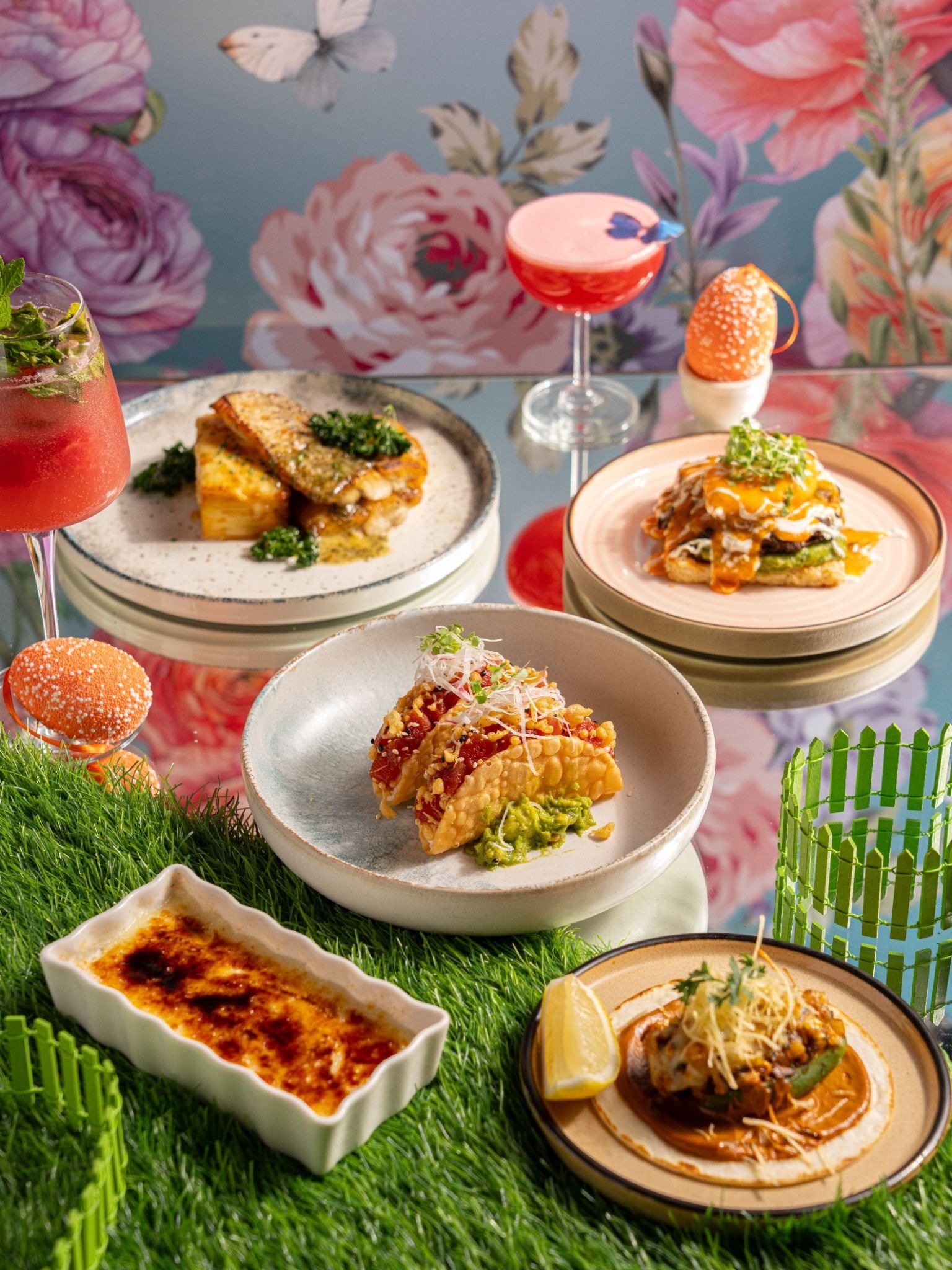
Across, Kala Ghoda is said to be where flavours embark on a culinary quest deep into the delectable world of Himalayan cuisine, only to return, time and again, to the comforting embrace of soulful food that feels just like home. Tucked away in the cultural maze of Mumbai’s Kala Ghoda, this effortlessly chic yet deeply grounded eatery had long been on TheGlitz radar as this ‘food and cocktail haven’ is celebrated for its bold, flavour-forward take on Himalayan cuisine, artfully plated with the kind of finesse that delights the palate and dazzles the lens.
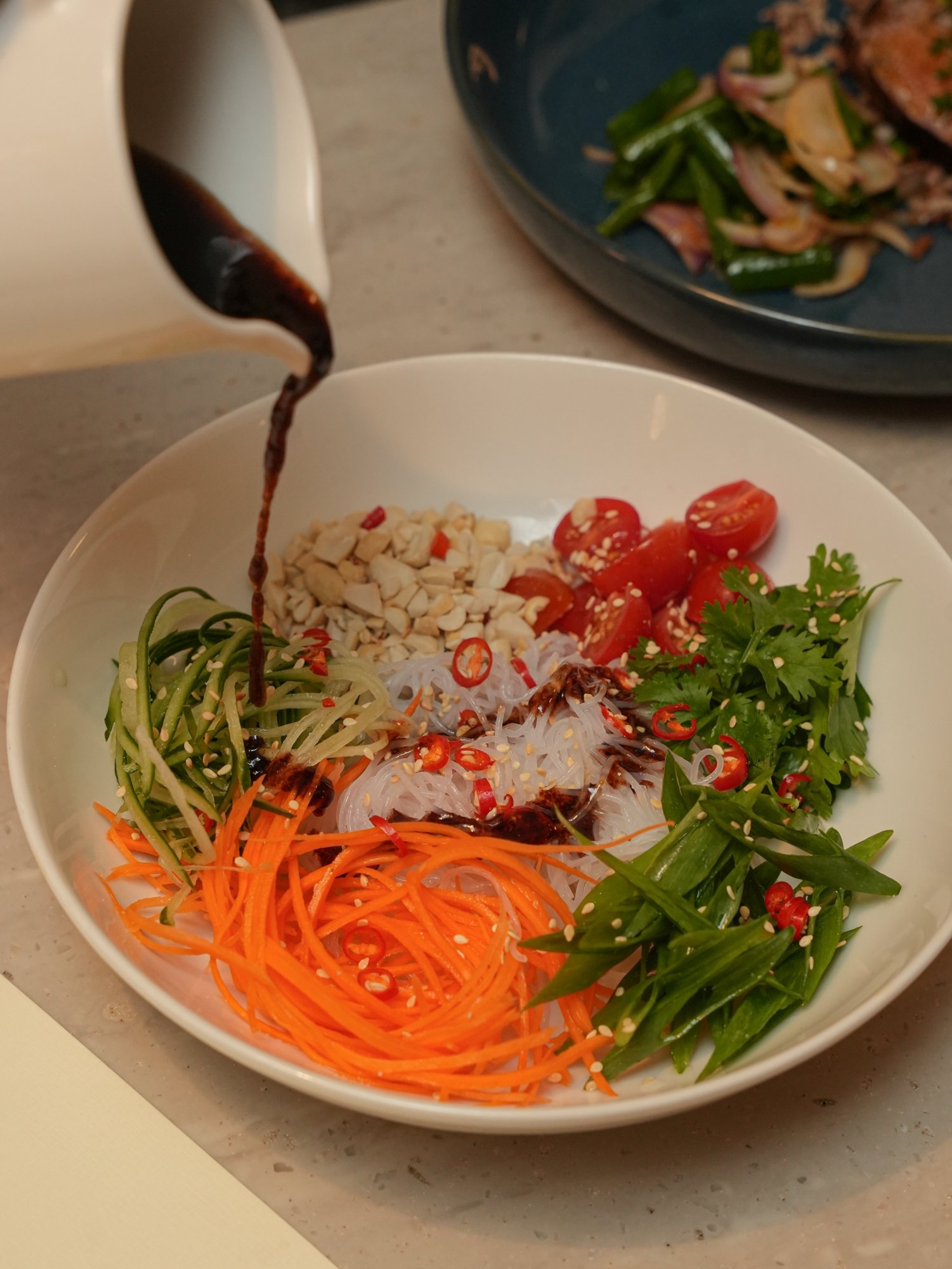
At Across, we were told, every dish is a passport stamp… rooted in tradition, elevated by technique, and finished with just the right amount of flair. With a philosophy that champions authenticity over gimmick, and soul over spectacle, Across is food for thought, quite literally.
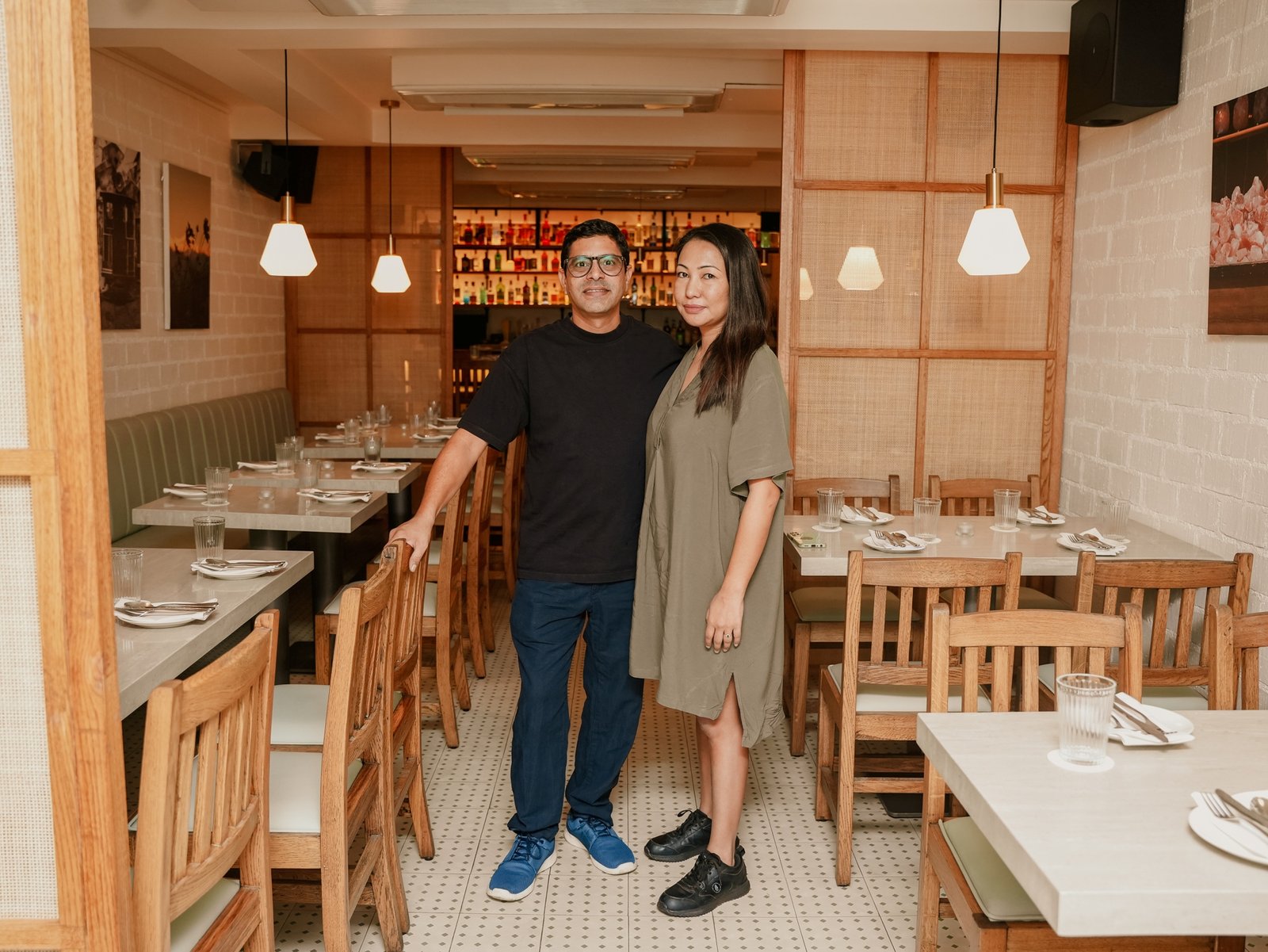
Curious to uncover the rich and flavourful ethos behind Across, Sumita Chakraborty, Editor-in-Chief, TheGlitz, caught up with the restaurant’s soulful forces, Chef Viraf Patel and Chef Prakriti Lama, who speak exclusively about how Across is elevating Himalayan cuisine with depth, nuance, and irresistible deliciousness.
Over To Chef Viraf Patel & Chef Prakriti Lama, Across, Kalaghoda

Across is a beautiful name with layered meaning. How did the idea and name for the restaurant come about?
Across was born from a desire to explore the evolution and modernity of Himalayan cuisines. We wanted to create a space that reimagines ingredients from remote, hard-to-reach regions—elements that are rare even in their own countries due to the extreme terrain. The name Across reflects our intention to span the Himalayan belt, transcending borders and politics. While geography and terrain shape cuisine, we believe food itself is inherently borderless.
Himalayan cuisine is still relatively underrepresented in India’s dining scene. What inspired you to put it at the center of your culinary vision?
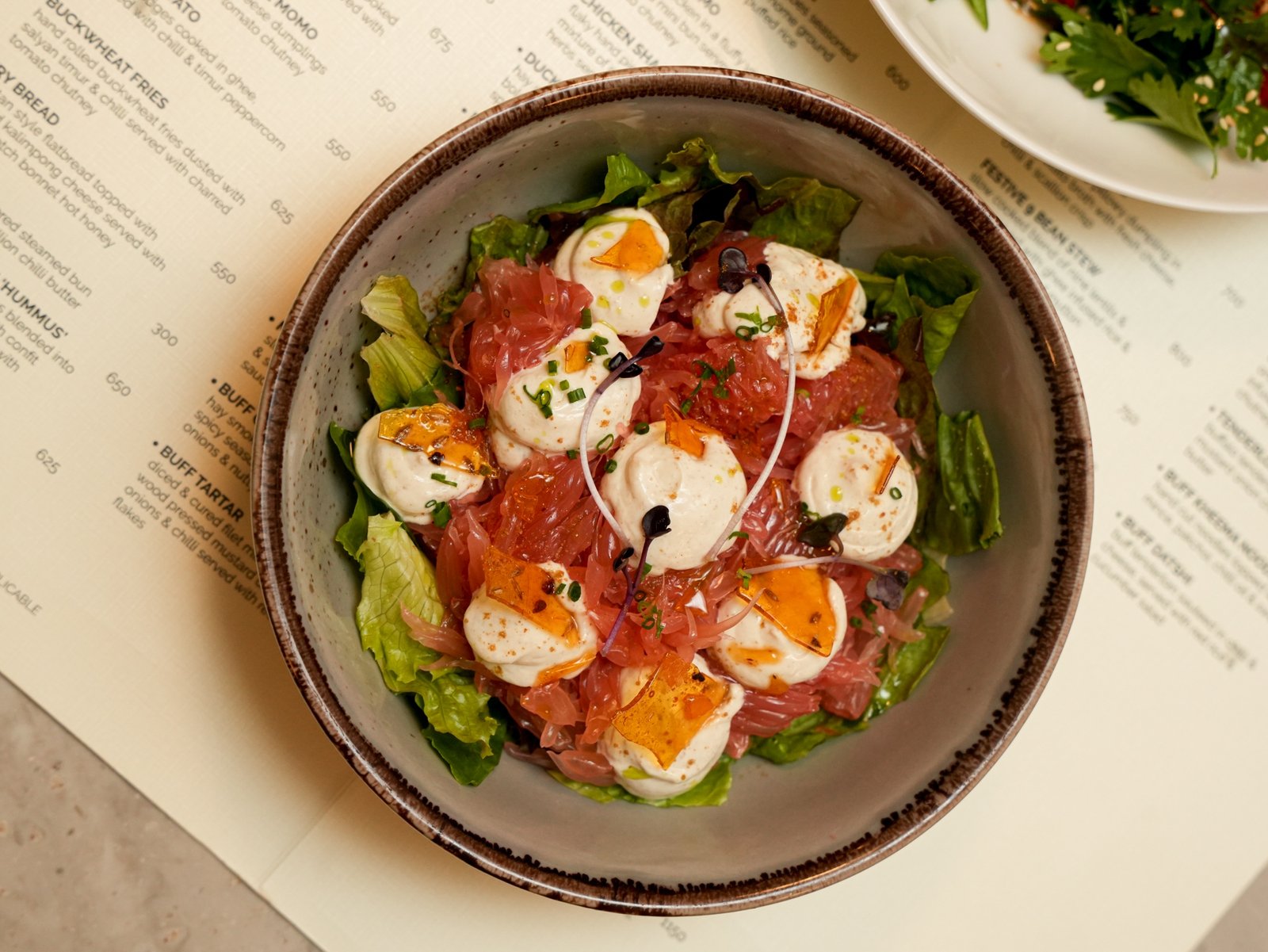
The lack of representation largely stems from the difficulty of sourcing authentic ingredients and understanding the cuisine in its original form. Over the years, we’ve travelled extensively across the Himalayan and sub-Himalayan regions, but it was our journey to the Everest region in early 2024 that truly transformed our perspective. Witnessing how communities transport essentials across treacherous terrain and create nourishing meals with limited resources inspired us to do the reverse—bring those resilient flavors and stories into the heart of the city.

Chef Prakriti, your roots lie in the Himalayas. How have your personal food memories shaped the menu at Across?
The menu at Across is deeply personal. It’s a coming together of my childhood flavours, memories from our travels, and Chef Viraf’s culinary finesse. It’s where nostalgia meets innovation—traditional Himalayan influences expressed through modern techniques that Viraf has mastered over nearly three decades of global experience.
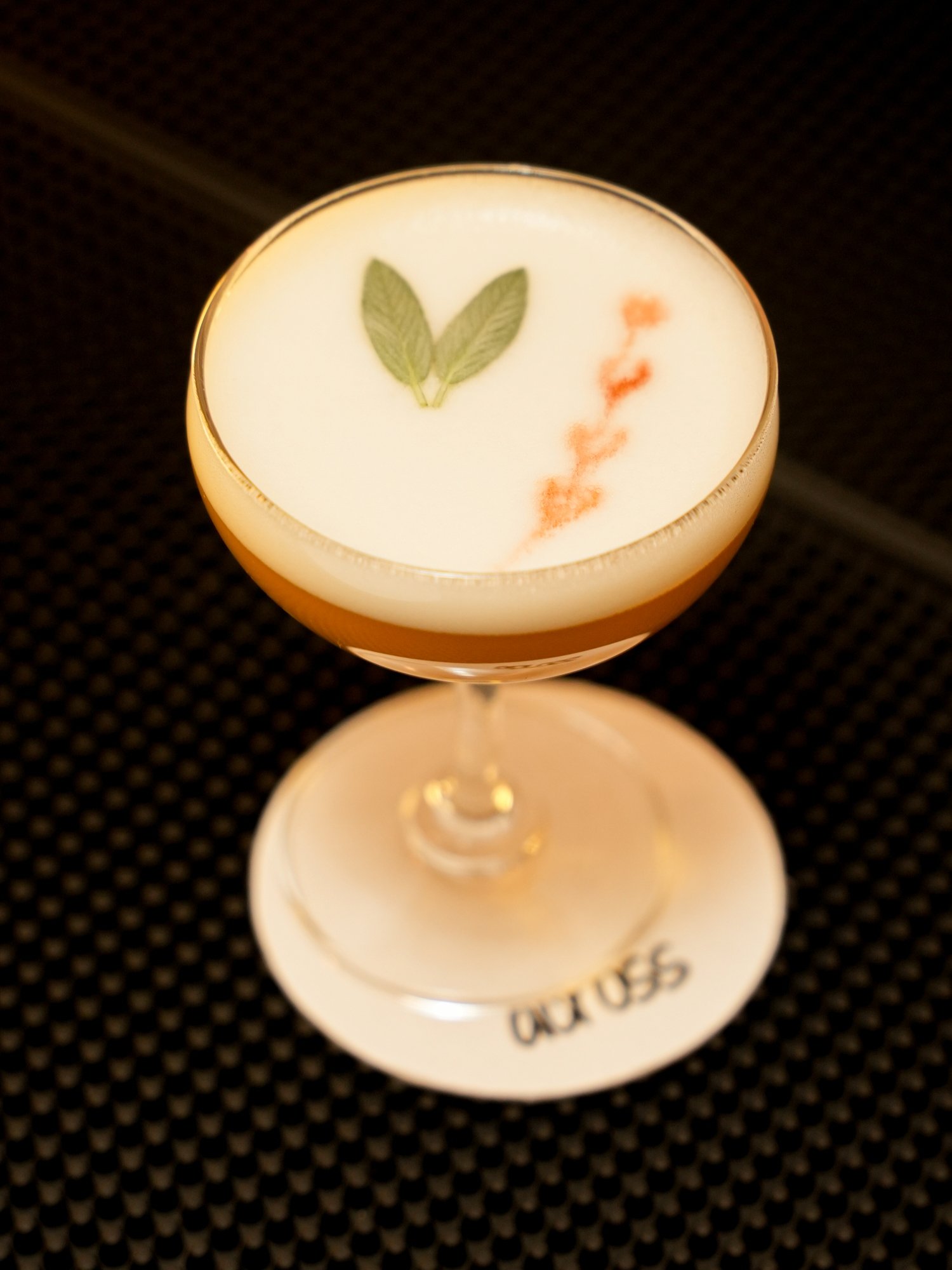
Chef Viraf, you’ve worked with many different cuisines. How did you approach interpreting Himalayan flavours while keeping them authentic?
The goal has always been to treat the cuisine with reverence. We retain the soul of Himalayan flavours while introducing contemporary techniques to make them accessible without compromising authenticity. My deep appreciation for these ingredients and traditions allows me to reinterpret them thoughtfully, preserving their integrity in both taste and texture.
The menu features dishes from Nepal, Bhutan, Sikkim and other Himalayan parts. How do you strike a balance between tradition and modernity?
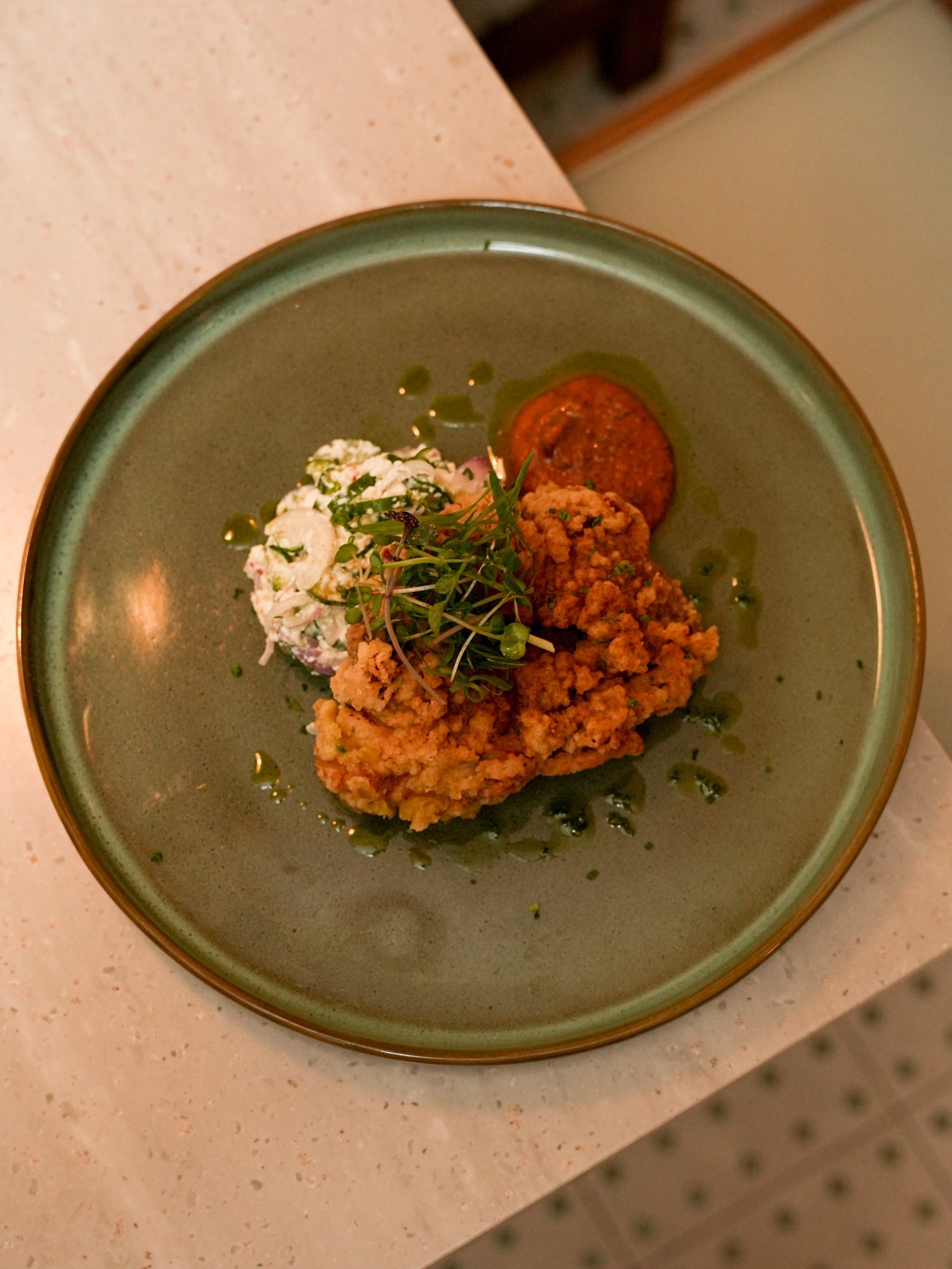
Our menu spans Nepal, Bhutan, Sikkim, and parts of the western Himalayas. The approach is simple—stay true to the roots. We focus on regional ingredients and traditional preparations, then elevate them through presentation and technique, ensuring we honor the original spirit while offering a refined dining experience.
What are some hero ingredients or cooking techniques from the Himalayan region that diners at Across might be surprised by?
Timur peppercorns are among our most distinctive ingredients—each variety from different parts of the Himalayas carries its own unique flavor profile. Our sub-Himalayan cheeses, especially those flown in from Kalimpong, have also become cornerstones of the menu. In terms of technique, we cure and dry prime cuts to echo the region’s tradition of preserved meats. Our hay-smoked duck pays homage to the Newar cooking style from the Kathmandu Valley—a perfect example of rustic methods adapted for the modern table.
Kala Ghoda is known for its vibrant art and cultural scene. How have you woven storytelling and design into the Across experience?
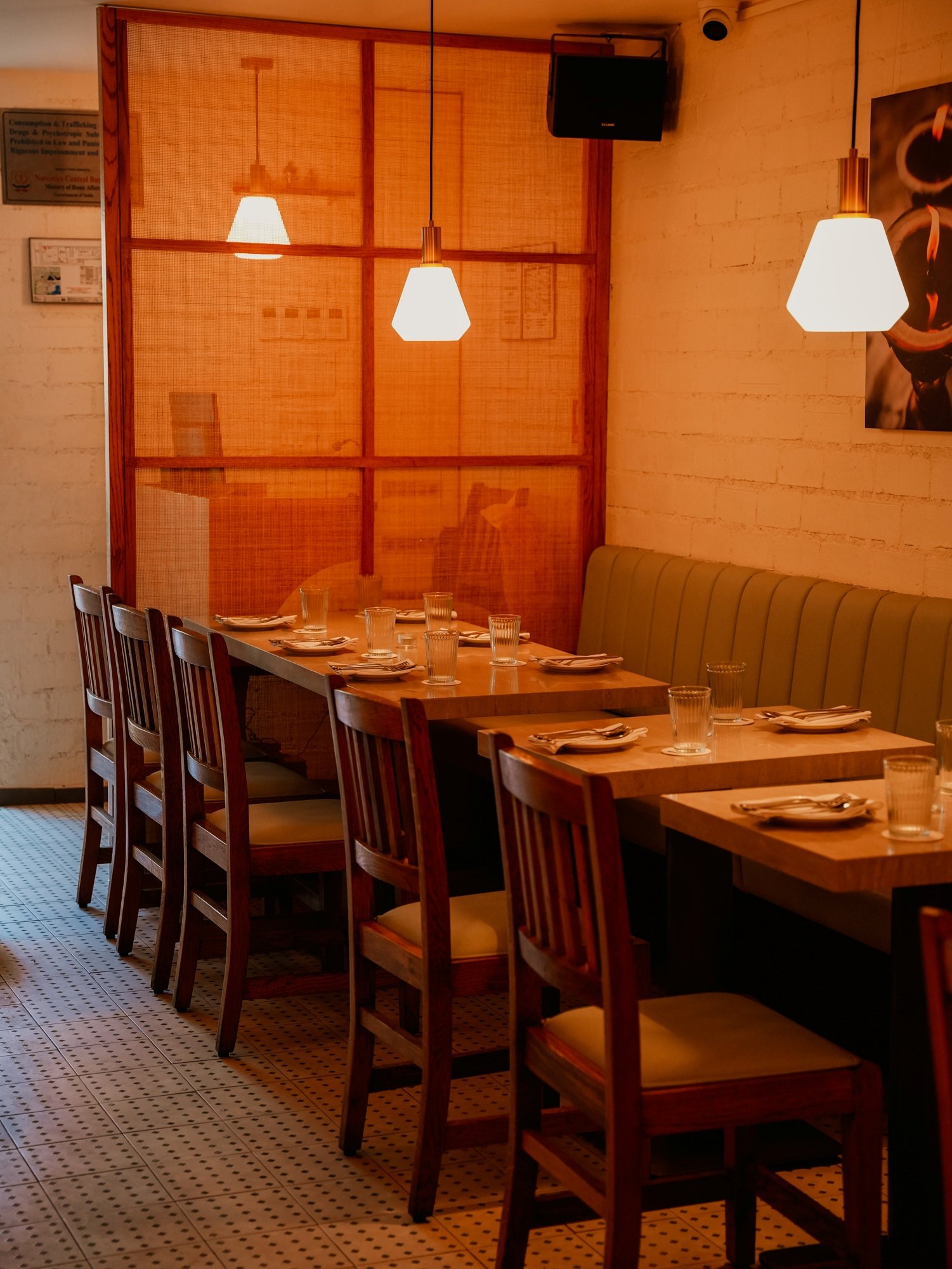
Kala Ghoda felt like the natural home for Across—it’s a neighborhood that celebrates creative expression and alternative viewpoints. Since our concept explores a vast, culturally rich region through a contemporary lens, it was important to root it in a space that supports bold ideas. The design, storytelling, and menu all echo our larger aim: to open a window into the Himalayas’ culinary future.
For someone trying Himalayan cuisine for the first time, which three dishes from Across would you recommend as an introduction?
It’s tough to choose, but I’d suggest starting with the Timur Potatoes—fried in ghee and seasoned with peppercorns from the Mustang region on the Annapurna circuit. Next, the Churpi Cheese Gnudi, our modern interpretation of a chickpea-based dish from Himachal Pradesh’s Chamba district. Finally, the Aloo Fing Duck, inspired by northern Himalayan traditions, which features yerma—a rare variety of Timur peppercorns.