
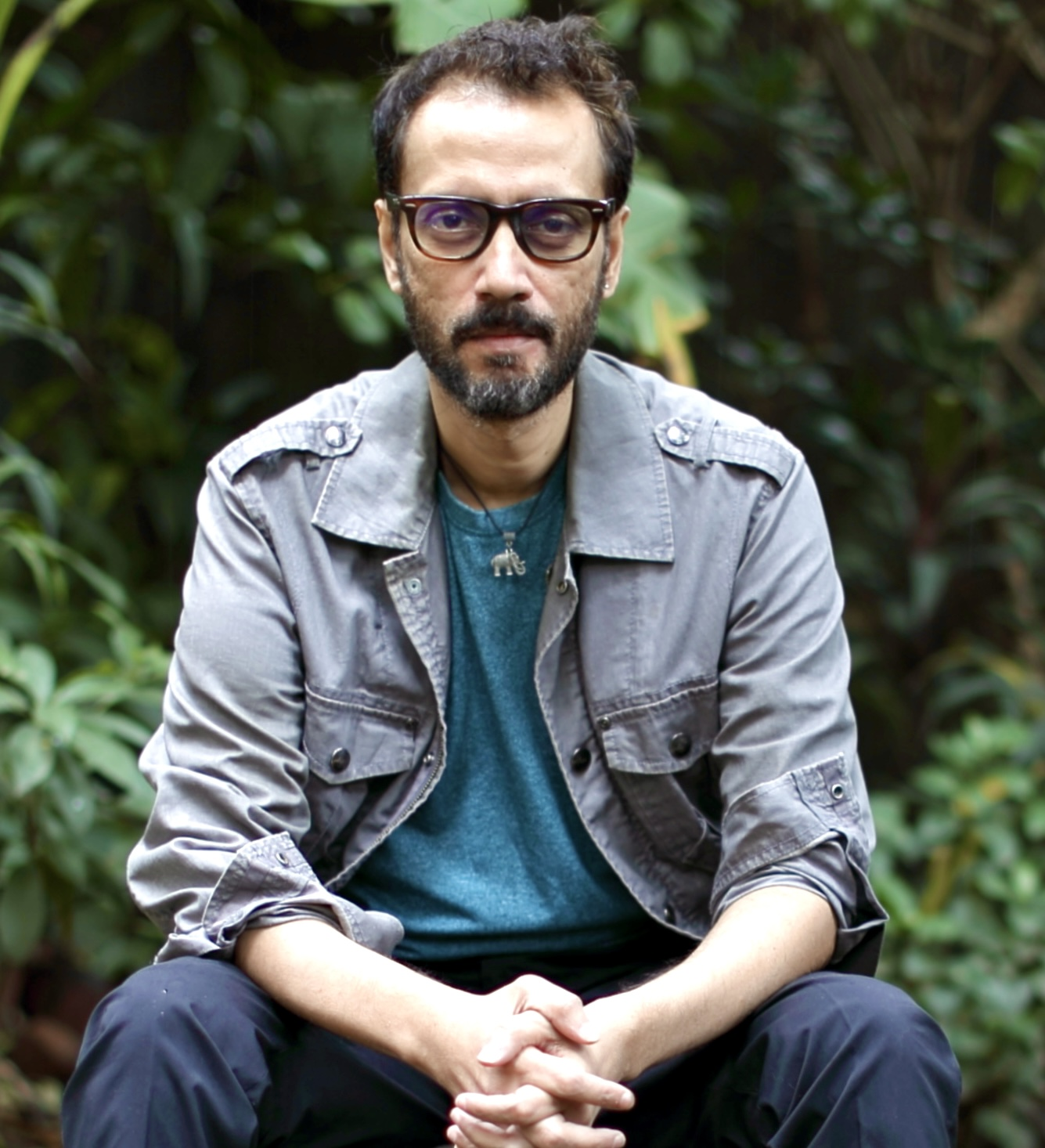
Keith Gomes, visionary & maverick filmmaker
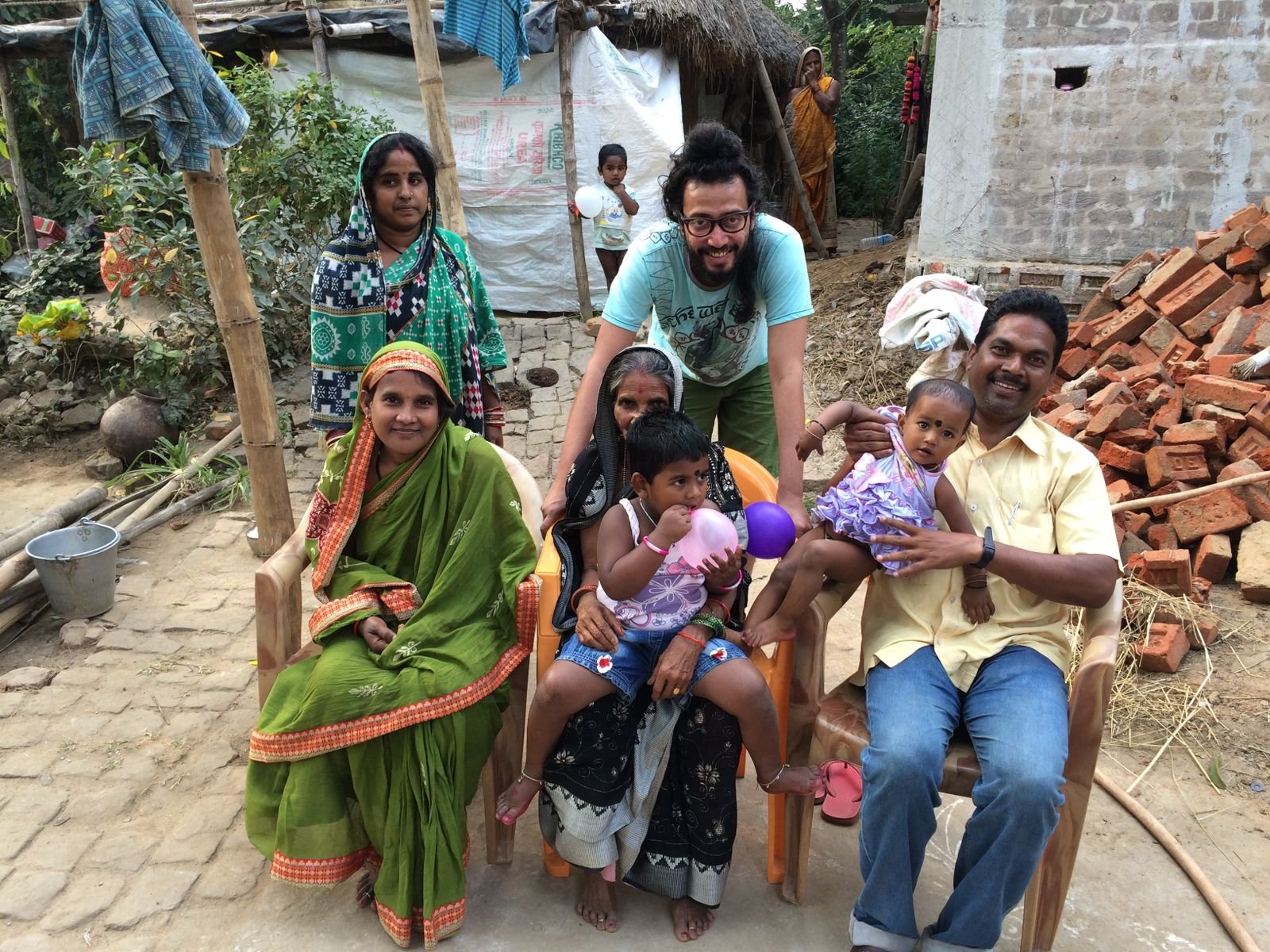
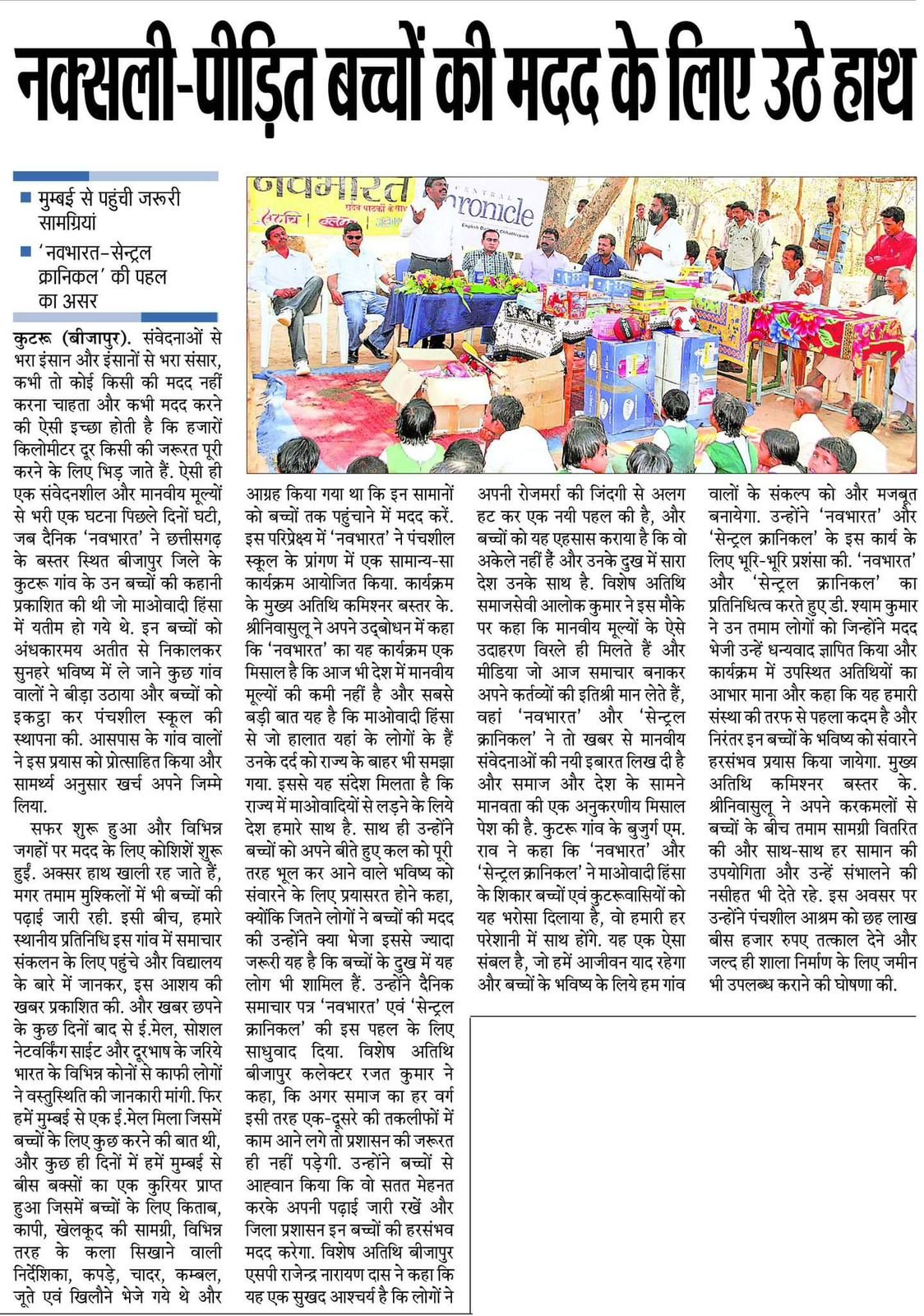
In an industry where lights, lenses, and limelight define success, Badass Ravi Kumar director Keith Gomes did the unthinkable… he stepped away from it all. A car crash that nearly claimed his life and the loss of his father became his awakening… one that took him from the plush studios of Bollywood to the humble villages of Odisha and Chhattisgarh, where he lived among tribal communities, slept in mud huts, bathed in rivers, and learned the raw truth of existence. What he found there wasn’t just simplicity, it was meaning.
Known for writing and directing powerful works like Shameless and Doobie, and for his creative contributions to commercial hits like Kick, Heyy Babyy, and Once Upon a Time in Mumbaai, Keith has lived at the intersection of two Indias — the glamourous and the grounded. His lens captures not just stories, but souls; not just cinema, but conscience.

His upcoming film, Dear Men, delves into the harrowing world of human trafficking, revealing the emotional toll of those who dare to rescue the lost. For Keith, filmmaking isn’t about spotlighting pain, it’s about giving dignity to those left unseen. Whether chronicling ragpickers, adivasis, or everyday heroes, his films echo empathy, introspection, and the courage to confront uncomfortable truths.
Yet, beneath the gravity lies humility. “Legacy is ego,” he says with a wry laugh. “Once I’m gone, I’ll turn into dust, maybe a dog will poop on me, and a flower will grow.” That mix of humour and humanity defines Keith Gomes, a man who found divinity in dirt, poetry in pain, and purpose in people.
A director, storyteller, and seeker, the maverick Keith Gomes isn’t just making films. He’s making meaning. In a candid conversation with Sumita Chakraborty, Founder & Editor-in-Chief, TheGlitz, filmmaker Keith Gomes opens up about his extraordinary journey… from Bollywood’s bright lights to the quiet forests of Odisha… and how he found purpose, empathy, and truth in the raw heart of India.
Over To The Firebrand Who Redefined Cinema Through Compassion – Keith Gomes
From the Spotlight to the Shadows
You walked away from a thriving Bollywood career to live among tribal communities in Odisha and Chhattisgarh for over five years… a move few in the industry would even consider. What was the turning point that made you choose humanity over glamour, and how did that experience reshape your sense of purpose as a filmmaker?
Keith Gomes: I had a car crash, died and woke up after three days. Immediately after, caring for my father through his cancer till he passed away, was the turning point. Nothing is certain and all that we possess is no good in the face of death. I decided to give it all up and find a new way of life and that led me to Odisha. Living in the forests, bathing in rivers and open fields, sleeping in a mud hut in freezing temperatures, no phone, no technology, just sight and sounds of nature, was mediative and spiritual.
Learning the simplicity of these village folk reshaped my thinking, taking me closer to nature and real India’s varied cultures. I had to unlearn all that I learned in a city life and keep that going. I now find god and magic in everything and clear in my own need vs want. Everything is in the ‘now’, each moment is never repeated, and I’m grateful for the ‘now’. In those moments of stillness, I learned the art of observing beyond what the eye sees. There is art and meaning even in the most inanimate creation of God. And that has become a joy.
The Power of Ground Realities

Your time building schools, distributing essentials, and working with orphans in flood-prone and underserved areas must have exposed you to raw, unfiltered realities. How did these experiences inform your cinematic lens especially your ability to humanize stories that are both socially urgent and emotionally universal?
Keith Gomes: Born in Mumbai, a city boy, having spent time in Paris and in the heartland India, I realised, first world problems are taxes and work hours along with the weather. While real India problems are still Roti Kapda Makan. City life has its own stories but heartland india has so much, from heart wrenching, inspiring stories to local folk and spiritual tales. My characters and stories come from a more relatable and earthy India.
Also my lens changed with an experience in an Odisha village. Middle of the night eating watery dal in a stall, I witnessed a whole bunch of adivasis glued to an old tv set, laughing away at a Kader Khan film. It made me realise that this is their escape. I started out my career by being a docu filmmaker, so the heart was always indie and my shorts were about societal problems, but today, I’d like to make entertaining films for those people in that stall.

Between Commercial Success and Social Relevance
You’ve worked on blockbuster hits like Kick, Once Upon a Time in Mumbaai, and Heyy Babyy, yet you’ve also created powerful shorts like Shameless and Doobie. How do you balance commercial storytelling with the need to make films that provoke thought and inspire change? Do you ever feel those two worlds clash?
Keith Gomes: It’s no clash at all, The City I was born in, Heart land is where I found heart. While in Odisha, I realised the privileges we take for granted; eating in a plate, a shower, having a bed. Meds, chemists, docs, car etc are all a luxury. I was depressed the first time I returned to Mumbai from Odisha. It took me time to accept that I cannot escape where I come from. Today, I enjoy city life and at the same time, escape and live with locals whenever I can, it not just inspires but also helps me stay grounded.
The Making of Shameless — A Wake-Up Call
Shameless was not just a short film; it was a mirror to society’s tech-induced apathy and moral decay. When you conceptualized it, what were your emotions by what you were seeing in the world around you? And what drove you to tell that story?
Keith Gomes: The core of Shameless is that we are all shameless. We make promises, say we will change but we never do, at least most. We go back to the core of who we are, unless a big tragedy shifts that core. I observed how people are rude to delivery persons, waiters, watchmen, house helps, gardeners. When I dig into to these folks, many of them come from Odisha, Jharkand. I know their way of life and circumstances back in their hometown and why they move to a city…Empathy… wish people had more of empathy and kindness. Thats the reason for Shameless.
I wrote and made it two or three years before Covid and when Covid hit, a lot of city folks started valuing delivery people.
The Human Cost of Dear Men

Your upcoming film Dear Men deals with human trafficking… one of the darkest corners of our society. What kind of emotional toll does directing a subject like this take on you personally? How do you prepare yourself, and your actors, to engage with such grim material while staying truthful to its sensitivity?
Keith Gomes: I researched a lot on the issue. I started by wanting to make a docu on the Bhedia tribe. I watched real life videos and read so many testimonials of survivors. The horrifying videos destroys your soul. Those images stay with you forever. It’s not easy emotionally. When you put yourself in the victim’s shoes, it gives you sleepless night. I’m a filmmaker, far removed but what about the people who work with these kids and what about the kids themselves. It a black hole in the head.
I was lucky to have Dipesh, who gave me first hand information as he has rescued so many kids. As for the telling of the story, I had to find a point of view, as the issue has so many layers. While many stories are from the trafficked child’s point of view, I stuck to Dipesh’s rescue, showcasing child trauma to minimum. This was done, to make the film a thriller, an easier watch (most people don’t want to watch/discuss these subjects).
I showcased the risk taken by rescue workers, who go into brothels, ganglands and mafias to rescue children. These heroes risk their lives, and they earn pittance for it. Once I was clear, the actors were clear and then it was a cake walk as I had great actors in Sayani Gupta and Gyan Prakash
Realism vs. Responsibility
You’ve often worked with real people… from ragpickers in Doobie to survivors whose stories inspire Dear Men. As a filmmaker, where do you draw the ethical line between storytelling and exploitation? How do you ensure authenticity without intruding upon lived trauma?
Keith Gomes: This question I repeatedly asked myself during the making of Doobie. These were kids living in the garbage and I played with them as part of The Ball Project. Was I exploiting their situation? I still haven’t figured it. But the kids had fun, I had fun and the NGO project had fun. It was a film about dreams and not giving up spirit, every child deserves a dream and these kids just played themselves in the film. Fortunately for Dear Men, there was no real life victim. So, I did not face that dilemma.

The Industry and Its Blind Spots
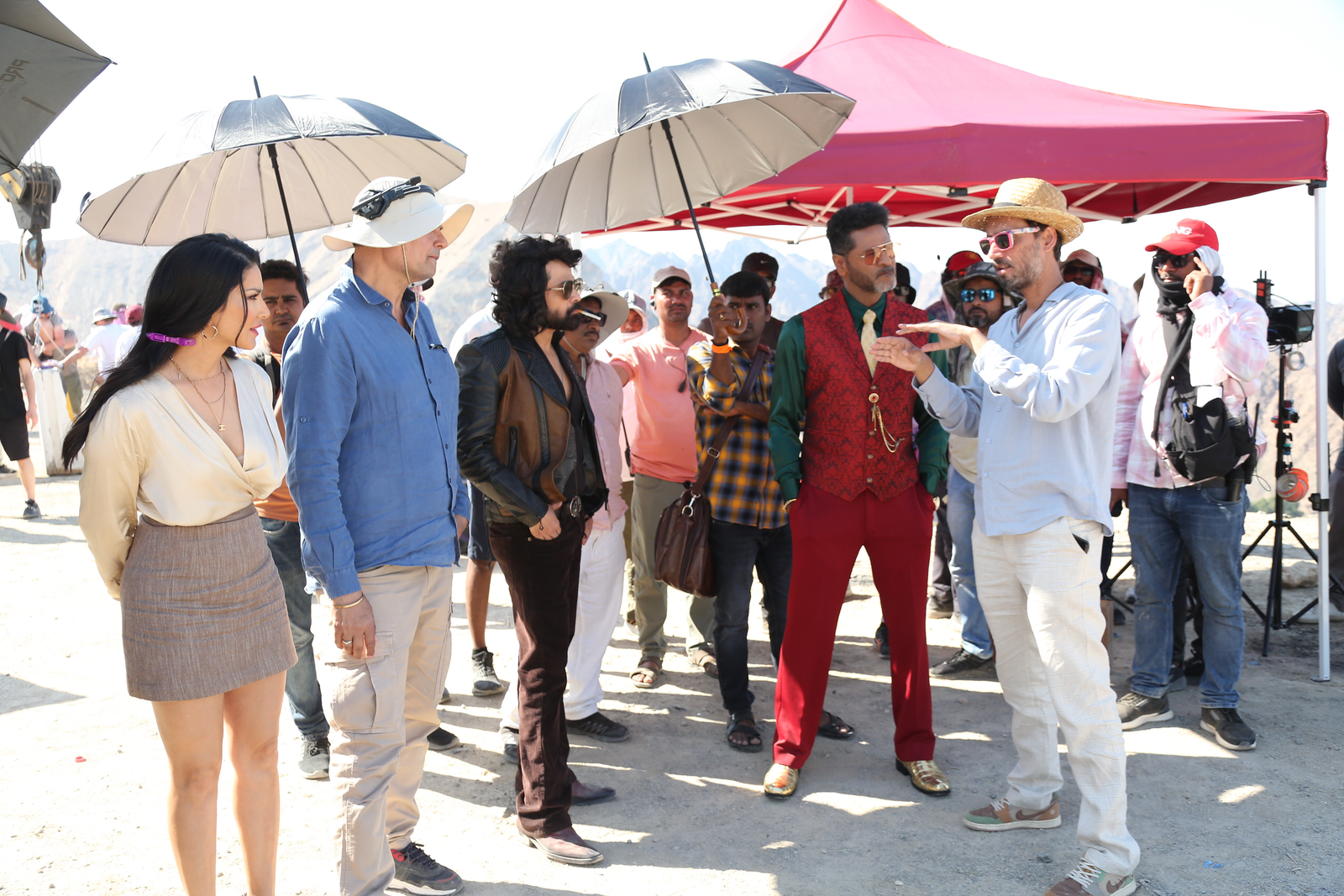
Having worked at both ends of the cinematic spectrum… from glitzy studio sets to grassroots storytelling — what do you think Bollywood still gets wrong about representing India’s marginalized communities? And what needs to change in the way mainstream cinema approaches “social” narratives?
Keith Gomes: There is nothing wrong or right, Films are to entertain people. Everyone comes to the cinema to celebrate, dance; watch paisa vasool films. Life is a struggle and not many people come to watch the same struggle on big screen. Adding realism in mainstream films is not entertaining enough. We are an escapist audience.
Yes, if filmmakers can integrate marginalised stories, social topics with mass masala, then it’s a super success. If any change needs to happen, it’s with the audience. Intelligent folks who don’t have roti kapda problems, want meaningful cinema, but when it’s made, most wait for it to play on OTT and do not go to cinema halls. If audiences go in numbers to support such films in theatres, producers will fund more of these kind of films. So we need to change.
The Legacy You Want to Leave:
You’ve created entertainment that resonates and stories that matter. When you look back at your body of work — from Doobie to Dear Men — what do you want your legacy to be? Do you see yourself as a filmmaker, a social chronicler, or a bridge between two worlds that rarely meet?
Keith Gomes: Hahahaha.. Legacy is ego. People forget when you’re alive, who cares when you’re dead. Once dead, I’ll turn into dust in the earth and probably a dog will poop on me. I hope that seeds into a flowering plant. In the ‘now’, I want to make big box office commercial entertainers.