
Chaiti Narula
In the glossy afterglow of International Women’s Day, when the flowers wilt and the hashtags fade, the real conversations begin. Beyond symbolic celebrations lies the everyday reality of women who have had to carve their space in industries that didn’t always expect them to lead.
Few embody that resilience quite like Chaiti Narula… one of the most dynamic, sharp-witted editorial powerhouses in India whose career has shaped political, fashion, and cultural narratives for over two decades. Born and raised in Mumbai, Chaiti has built a formidable reputation as one of the country’s most respected media voices, working with global networks like CNN, CNBC, and The Times Group, while also serving as Editor at India Today.
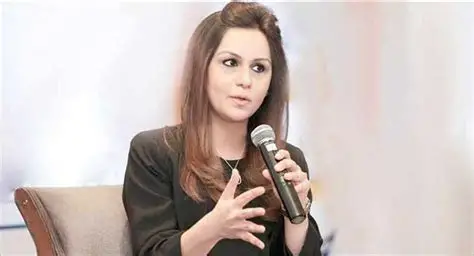
Today, as Editorial Director at French Press Global and founder of Maison French Press, she continues to champion India’s creative ecosystem… spotlighting designers, artisans, and cultural visionaries shaping the country’s evolving identity.
But behind the accolades, awards, and editorial leadership lies a truth that many women in media quietly recognise: the long road of proving you belong in the room.
TheGlitz asked Chaiti the question many women in television newsrooms have silently confronted for years:
“How many times did you have to prove you weren’t just the “pretty face” in the room?
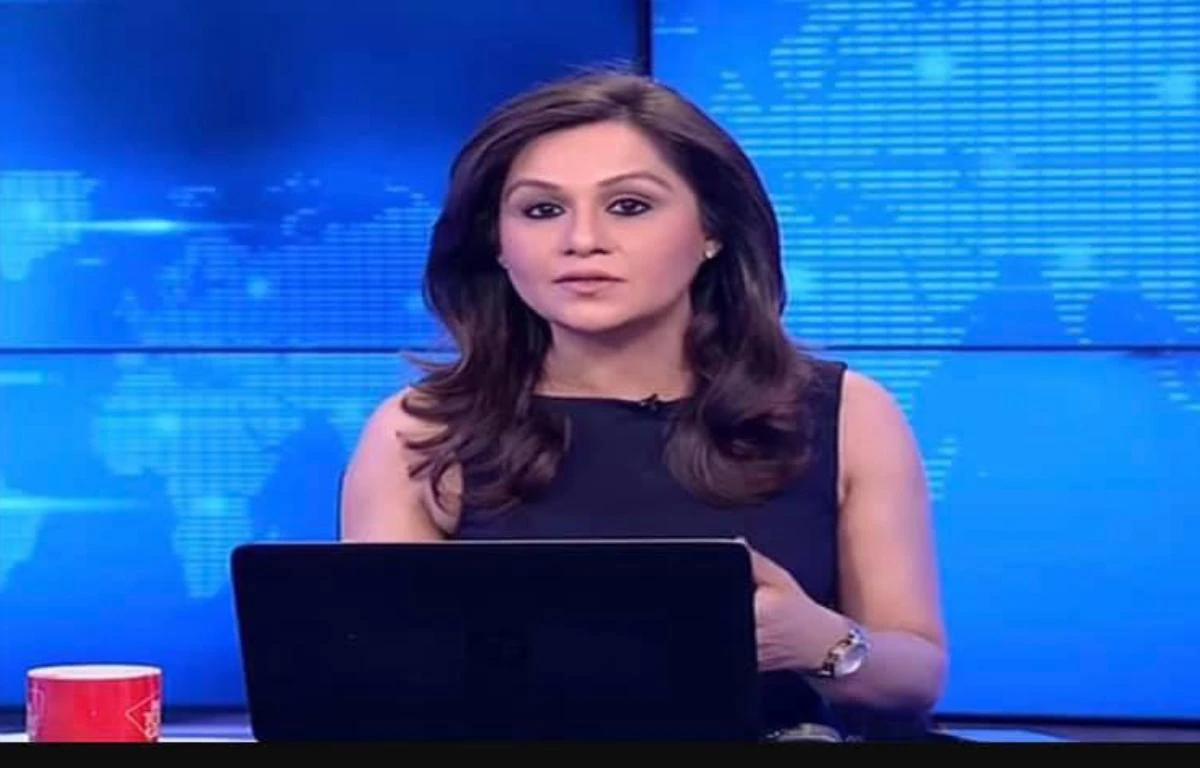
Chaiti answers:
The “Pretty Face” Stereotype
“I’ve had to prove it more times than I can count. In fact, I still remember the second television job of my career. Every single day felt like an exercise in proving that I wasn’t just a “pretty face in the newsroom.
Credentials vs Perception
“I came from a business management background, I was comfortable with numbers, tracking markets, decoding EBITDA margins, profit margins, and understanding top lines. Yet there was a visible hesitation from some of my male colleagues to accept that someone like me could analyse financial irregularities or break down business stories with the same rigour.
Surprising Shift in the Newsroom
“Interestingly, I noticed a clear difference between newsrooms. When I moved into political reporting, while male chauvinism certainly existed, political newsrooms were surprisingly more welcoming of women. There was a far greater acceptance of women as serious reporters and editors. After working in business journalism, that environment actually felt like a breath of fresh air.
The Image Economy of Television
“Business newsrooms, especially two decades ago when business television was expanding rapidly, were far more image-driven than people would like to admit today. Channels were often consciously hiring “pretty faces” because television was considered a visual medium that had to sell.
Expertise Over Appearance
“What shocked me at the time was that many people being hired as business anchors, didn’t necessarily have a background in business at all. For someone like me, who had studied journalism and then pursued a dual degree in business, marketing management, finance and advertising, it was deeply frustrating. After years of studying balance sheets, markets and corporate structures, the first thing many people seemed to care about was whether you looked good on camera.
When Fashion Entered the Frame
“Ironically, things became easier when fashion entered my repertoire alongside politics and business. Society is far more comfortable when women write about fashion. It fits the stereotype.
Beyond Fashion: The Bigger Narrative
“But what interested me was never fashion in isolation. What fascinated me was the intersection, how fashion sits inside larger political, cultural and economic ecosystems. Having worked as a political news anchor, a business editor and later as a fashion and lifestyle editor, I’ve always approached storytelling through that wider lens.
The Power of Women Supporting Women
“I would also really like to make a mention of Kalli Purie, who stands tall as the epitome of empowering women in the newsroom. I believe a major shift in my career came when Kalli entered my professional life. Having a woman super boss made a profound difference.
A Boss Who Changed the Game
“She is someone who is completely accepting of women doing everything under the sun, whether it is business journalism, political journalism or lifestyle journalism. If Kalli sees that spark in you, she pushes you hard. I am forever grateful to her for being the epitome of what a boss needs to be in the newsroom. I genuinely feel I have never had a better boss than Kalli Purie.
Changing Media Landscape
“The encouraging thing is that the industry has evolved. Today, both political and business newsrooms are filled with exceptionally strong women, reporters, editors, anchors and leaders who are shaping narratives every day. Twenty years ago, the dynamics were very different. Today, credibility, depth and expertise are finally taking precedence over superficial perceptions.
When Your Work Speaks for You
“Early in my career there was a lot of proving to do. Today, not at all. Time, work and consistency have a way of answering every doubt. The naysayers eventually fall silent when the body of work speaks for itself. Today as I’ve started French Press Global & Maison French Press… all the highs and lows have led me to this moment and for that I’m forever grateful to all my former employers.”
TheGlitz Says
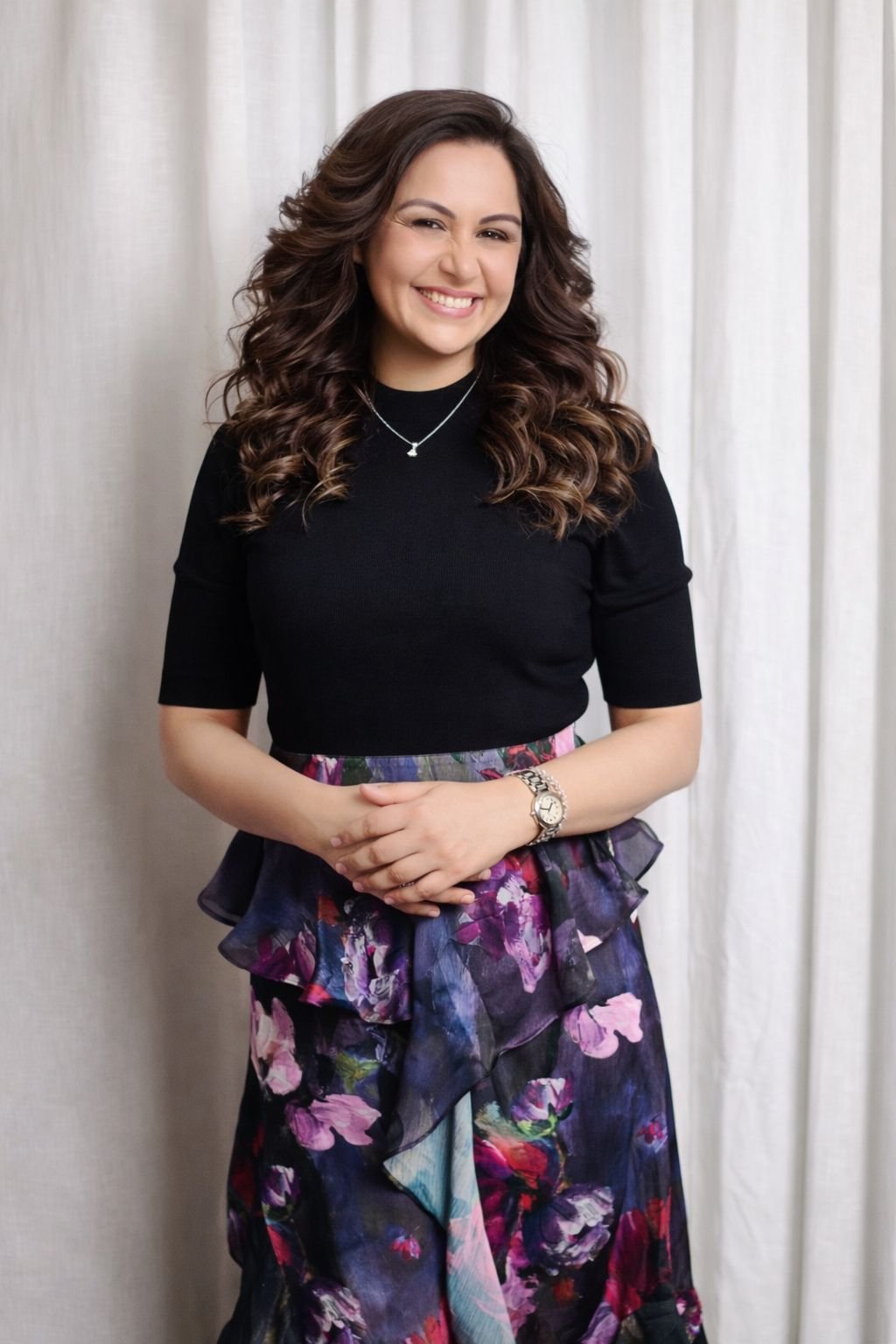
We truly believe that Chaiti Narula’s journey is not just about journalism… it’s about perseverance, perspective, and the quiet determination that reshapes industries from within. More Power to her!
And perhaps that is the real story worth telling the week after Women’s Day: not the roses, but the resilience.