
Step into the regal world of picturesque heritage property Hotel Narain Niwas Palace, Jaipur, where history, luxury, and impeccable service blend seamlessly to create an unforgettable experience. Nestled in the heart of Jaipur, this majestic hotel is a journey through time, offering a beautiful glimpse into Rajasthan’s rich heritage and royal splendor.
At the helm of this iconic property is the charismatic Thakur Prithvi Singh Kanota, Director of Kanota Resorts Pvt Ltd (which includes Narain Niwas Palace Hotel), and the proud Proprietor of the Rajmahal Palace Hotel in the picturesque Tonk district of Rajasthan.
But Thakur Prithvi Singh is a passionate advocate for preserving India’s royal traditions and a key figure in the hospitality industry. As Joint Secretary of the Indian Heritage Hotel Association, a Member of the Mayo College Ajmer management committee, and a Board of Governors member at IHM Jaipur, his influence spans across both heritage conservation and the modern evolution of the Indian tourism industry.
In an exclusive interview with Sumita Chakraborty, Editor-in-Chief, TheGlitz, Narain Niwas’ Thakur Prithvi Singh Kanota opens up about his journey in the hospitality world, his vision for the future of heritage hotels, and why Rajasthan’s regal charm continues to captivate travellers from around the globe.
Over To Narain Niwas’ Thakur Prithvi Singh Kanota

Narain Niwas is known for its regal heritage and rich history. Could you share a bit about the history of the property and what makes it a unique experience for guests visiting Jaipur?
Narain Niwas is a magnificent heritage property that embodies the regal charm of Jaipur, dating back to the 19th century. Originally the residence of Jaipur’s royal aristocracy, the property offers a rich blend of history and heritage, giving guests the unique opportunity to step into the grandeur of Rajasthan’s royal past. The combination of its regal architecture, tranquil courtyards and modern luxury ensures that guests experience both the opulence of the past and the comforts of contemporary hospitality.
Narain Niwas was made in 1928 by General Rao Bahadur Thakur Amar Singh Kanota, a garden palace. A retreat from the city (the walled city of Jaipur), although the city has grown several fold since then but the property in terms of size (12 acres) and layout still remains an oasis in the bustle of Jaipur.
It has been the home of the Kanota family for a nearly a 100 years and retains the same feeling as the family still runs the hotel front and centre.
Form and function was and always has been an important part of the design process many of the trees are over a century old and were a part of the original orchard planted by the General.

How does Narain Niwas blend traditional Rajasthani architecture with modern amenities to offer guests a truly luxurious yet authentic stay?
Narain Niwas beautifully marries traditional Rajasthani architecture with contemporary luxury. The rooms are a stunning reflection of Jaipur’s royal history, adorned with traditional frescoes and antique furnishings, while modern amenities like high-end spa services , gourmet dining and state-of-the-art accommodations ensure a seamless and luxurious stay. This thoughtful integration of the past with the present offers guests an authentic yet comfortable retreat.
The interior design and modifications are very thoughtfully selected, by Thakur Man Singhji Kanota, to make sure the cultural aspects of the architecture remain true to its roots. Which even includes the colour schemes, art work and furnishings.
What cultural experiences or activities does Narain Niwas offer to provide guests with a taste of local traditions and heritage?

Narain Niwas offers guests immersive cultural experiences that foster a deep connection to Jaipur’s heritage. From traditional Rajasthani folk performances to engaging local cooking classes where guests can learn the art of Rajasthani cuisine, the property invites visitors to explore the region’s rich cultural landscape. Additionally, guided tours of Jaipur’s historic forts and palaces allow guests to discover the city’s storied past. (We don’t offer the tours but can direct guests to operators who do.)
Traditional cuisine and international cuisine are also served in the different restaurants and café. The humble but staple of Rajasthan’s households Kair Sangri in one and the best sushi and Italian of Jaipur in another. Narain Niwas serves as a perfect escape for discerning travelers who may want to experience the city without even leaving the premises.
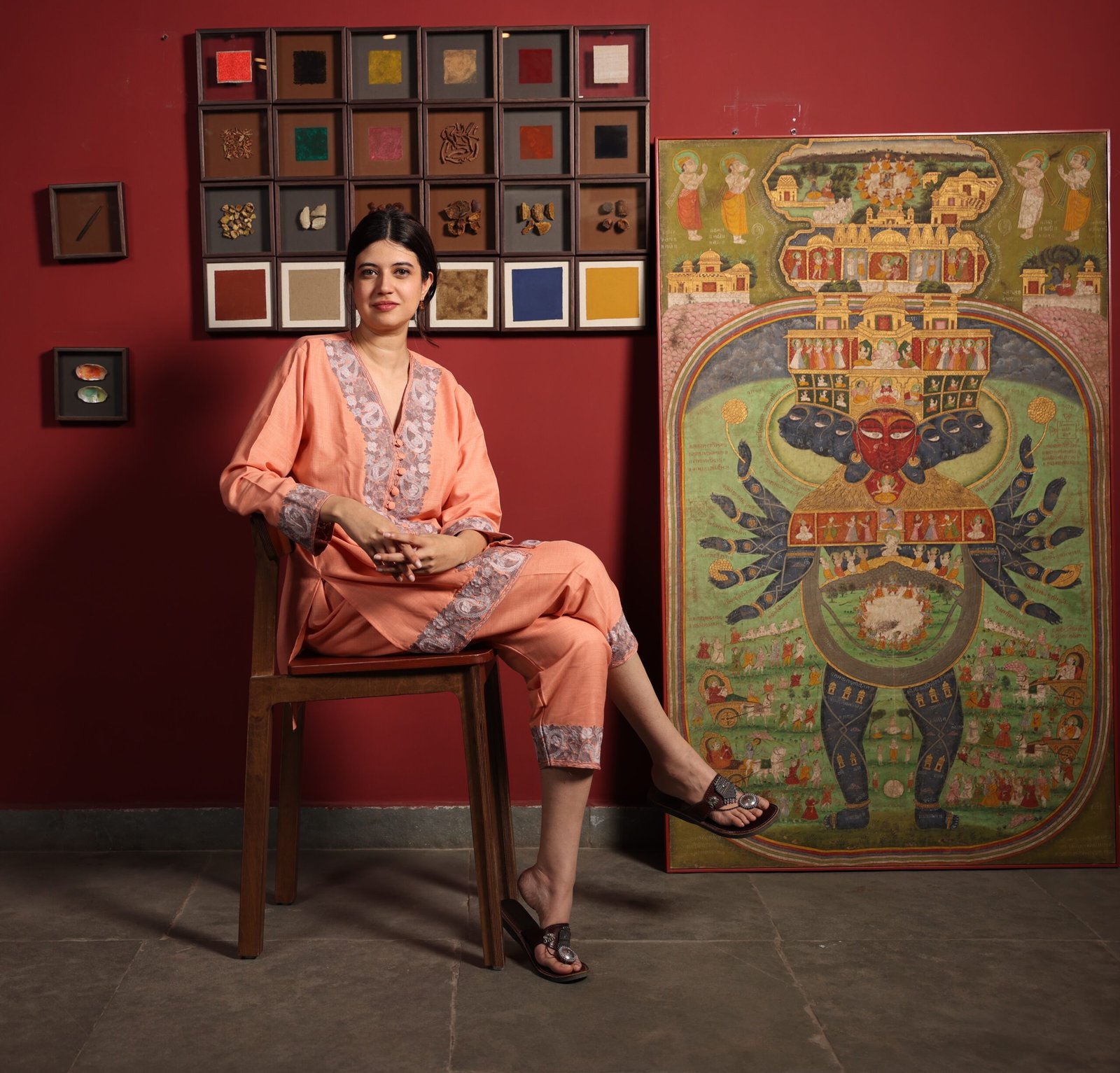
The most eye-catching would be the Kanota Courtyard, where keeping with the Rajput tradition of patronizing the arts Thakur Man Singhji wanted to create a unique space where the creative forces of the city could display their talent.
The heritage property is often seen as a retreat for those looking to escape the hustle and bustle. What is the atmosphere like at Narain Niwas, and how do you ensure guests feel like they’re stepping into a royal haven?

The atmosphere at Narain Niwas is one of serenity, offering guests a peaceful escape from the hustle of city life. The lush gardens, tranquil courtyards and regal architecture evoke a sense of stepping into a royal sanctuary. With personalized service and attention to detail, every guest is treated like royalty, ensuring a peaceful and luxurious stay in a setting that exudes historical grandeur.
With an increasing number of travelers seeking sustainable and eco-friendly options, what sustainability practices or initiatives has Narain Niwas implemented to preserve the environment while maintaining its heritage?
Narain Niwas has made a conscious effort to preserve both the environment and its heritage. The property employs sustainable practices such as water conservation systems, energy-efficient lighting and waste management initiatives. The gardens are cultivated with organic methods, ensuring that the property remains environmentally friendly while maintaining its historical integrity.