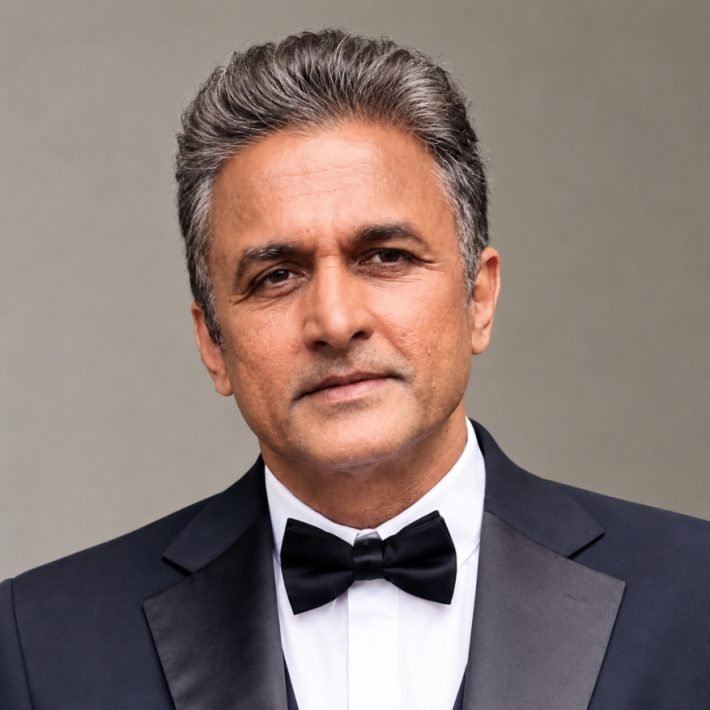

SCIFF’s Syed Sultan Ahmed, Founder & Chief Learner, LXL Ideas and Festival Director, School Cinema International Film Festival
What if the most powerful classroom didn’t have four walls? What if a film could teach compassion better than a textbook, spark conversations that linger long after the credits roll, and inspire children to become not just successful professionals but thoughtful human beings? For Syed Sultan Ahmed, Founder & Chief Learner, LXL Ideas, Festival Director of the School Cinema International Film Festival (SCIFF), who has won seven National Film Awards and showcased his films at more than 575 international film festivals, education is an ever-evolving journey where storytelling, cinema, technology and life skills come together to shape minds, hearts and futures.
A visionary educator, award-winning filmmaker, entrepreneur and global thought leader, Syed Sultan Ahmed has spent over two decades redefining what meaningful education should look like in the 21st century. Whether through LXL Ideas, the pioneering School Cinema movement, or SCIFF, his mission has remained remarkably consistent, to make learning deeply human, emotionally intelligent and relevant to the realities children face today.
Through SCIFF, films become far more than entertainment… they introduce children to stories from across cultures, diverse lived experiences and complex human emotions. SCIFF nurtures empathy, critical thinking and creativity in ways that traditional teaching often cannot.
In an exclusive interview with Sumita Chakraborty, Founder & Editor-in-Chief, TheGlitz, Syed Sultan Ahmed, Founder & Chief Learner, LXL Ideas and Festival Director, School Cinema International Film Festival (SCIFF) shares his inspiring vision for the future of education, the transformative power of cinema, the role of AI in tomorrow’s classrooms, and why human values will always remain education’s greatest lesson.
TheGlitz invites you to step into a conversation that is as thought-provoking as it is hopeful… one that reimagines learning through the lens of humanity.
Over To Syed Sultan Ahmed, Founder & Chief Learner, LXL Ideas and Festival Director, School Cinema International Film Festival (SCIFF)
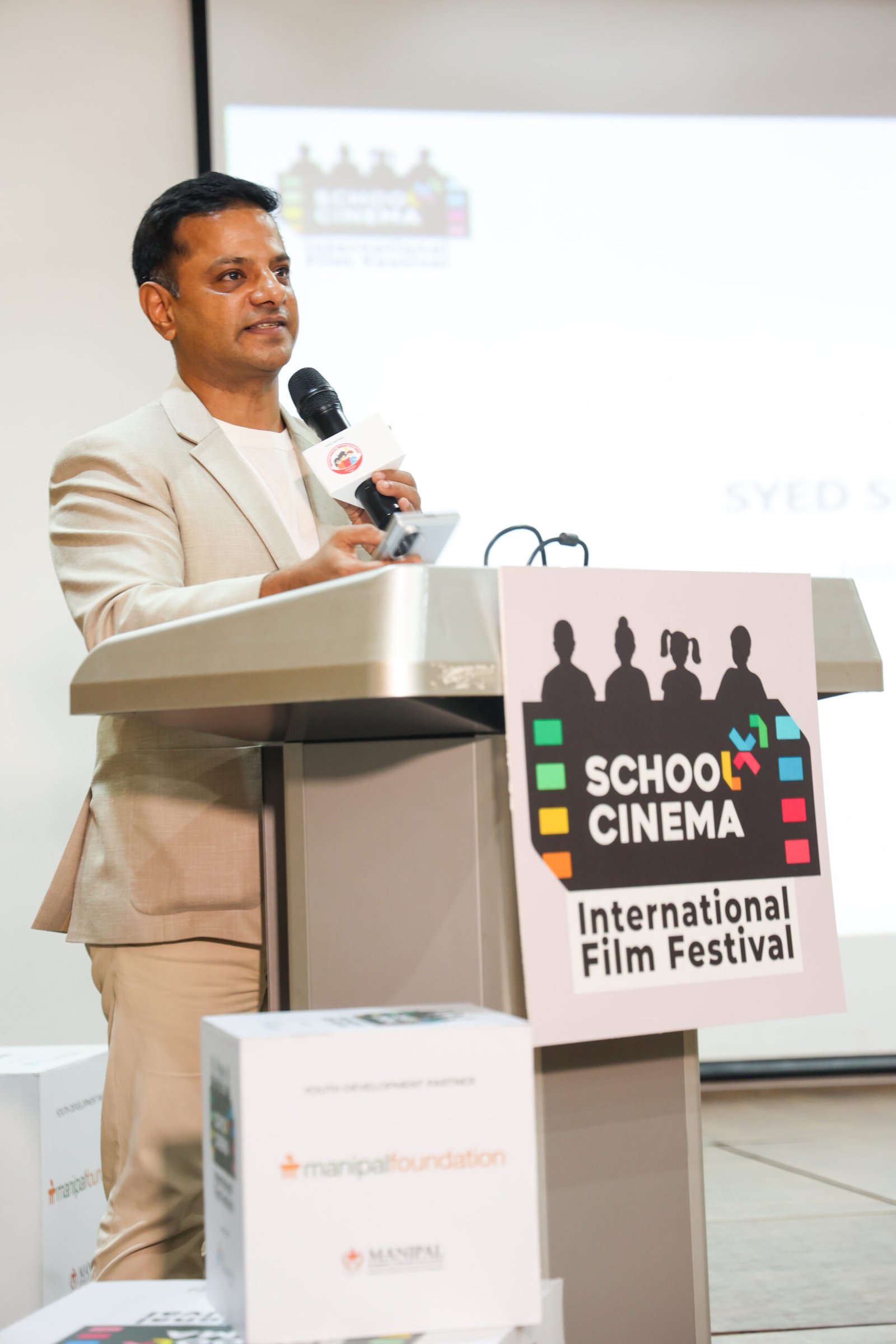
Cinema has the unique ability to educate, inspire and spark meaningful conversations. Through SCIFF, you have transformed films into powerful learning experiences for students. What inspired this vision, and how do you believe cinema can shape the next generation differently from traditional classroom teaching?
The idea came from something I have believed for a long time: children do not learn only when they are taught. They learn when they feel, observe, question and reflect.
Traditional classrooms often begin with information. Cinema begins with experience. A film can take a child into another person’s world in a few minutes. It can make them feel a conflict, understand a choice, notice an emotion and think about a consequence.
That is very powerful.
SCIFF was created with the belief that meaningful cinema should not remain outside the school gate. It should enter classrooms as a serious learning experience. Not as entertainment alone, but as a way to help children discuss life, relationships, empathy, courage, identity, responsibility and the world around them.
Cinema does not replace traditional teaching. It complements it. A textbook may explain an idea. A film can make the child feel why that idea matters.
That is where deeper learning begins.
Today’s children are growing up in an AI-driven, hyper-connected world where information is abundant but emotional resilience is often lacking. Do you believe life skills, empathy and emotional intelligence have become the most important subjects of the future, and how can schools integrate them more effectively?
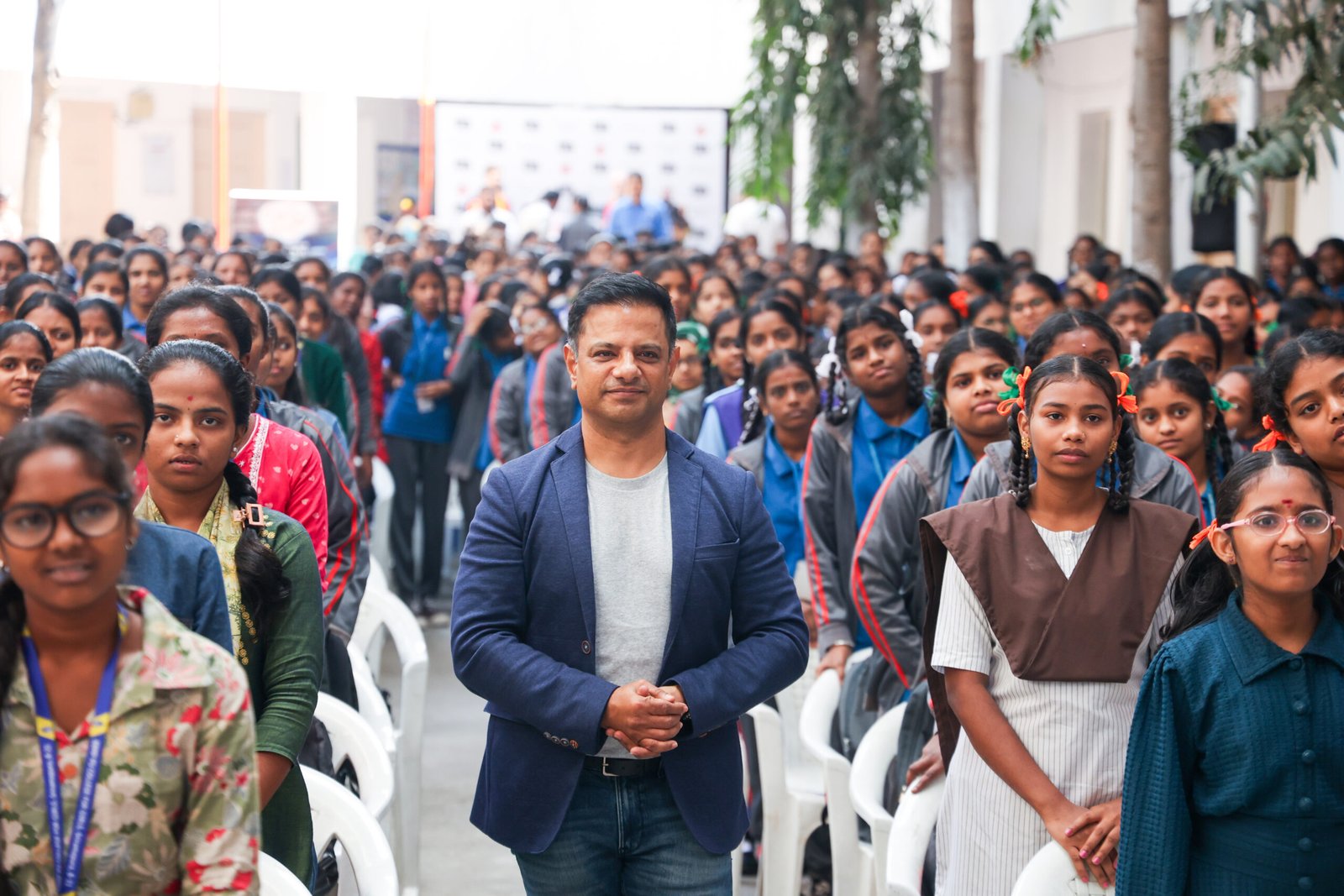
Yes. I believe life skills, empathy and emotional intelligence are no longer supplementary areas of education. They are central to preparing children for life.
Children today have more information than any generation before them. But more information does not automatically mean more wisdom. A child may know how to search, swipe, generate content and use technology, but may still struggle to handle failure, communicate with sensitivity, understand another person’s point of view or make responsible choices.
That is the gap schools must address.
Life skills cannot be reduced to one period a week or an occasional workshop. They must become part of the culture of the school. They must show up in the way teachers speak to children, the way classrooms handle disagreement, the way students are encouraged to reflect, and the way stories, sports, arts and real-life situations are used for learning.
Empathy is not built by telling children to be empathetic. It is built by exposing them to different lives, different emotions and different consequences.
In an AI-driven world, human capabilities will matter even more. The future will not belong only to children who know more. It will belong to children who can think clearly, feel deeply and act responsibly.
As Chairperson of TAISI and a Commissioner on the Middle States Executive Committee, you have worked closely with some of the world’s leading schools. What, in your opinion, defines an exceptional school today? Is academic excellence enough, or should success be measured differently?
Academic excellence matters. But it is no longer enough.
An exceptional school today is not defined only by marks, rankings, infrastructure or university placements. It is defined by the kind of human beings it helps shape.
A strong school must build academic foundations. But it must also build curiosity, courage, communication, resilience, creativity, ethical judgement and social responsibility. It must help children understand themselves, work with others and engage meaningfully with the world.
The best schools I have seen have one thing in common: they do not treat children as marksheets. They see them as individuals with different strengths, struggles and possibilities.
They also invest deeply in teachers. No school can become exceptional only through buildings, technology or curriculum. The teacher-student relationship remains at the heart of education.
So we must measure school success differently. Are children learning to think? Are they becoming more empathetic? Are they developing confidence without arrogance? Are they able to handle failure? Are they prepared for uncertainty?
Those questions will define the schools of the future.
Having won seven National Film Awards and showcased your films at more than 575 international film festivals, you have experienced the incredible power of storytelling. What makes a film truly transformative, especially when its audience is young minds?
A film becomes transformative when it stays with the child after it ends.
For young audiences, the most powerful films are not necessarily those that give answers. They are often the ones that raise questions. They make children pause and think: Why did the character do that? What would I have done? Was that fair? Could there have been another choice?
Children are very honest viewers. They know when something is preaching to them. That rarely works. What works is truth, emotion and authenticity.
A good film gives children a safe distance. They may not be ready to talk about their own fear, loneliness, anger or mistake. But they can talk about a character. Slowly, a conversation about the character becomes a conversation about life.
That is the power of storytelling. It allows children to explore courage, kindness, exclusion, friendship, responsibility and justice without feeling judged.
A good children’s film should never underestimate children. It should respect their intelligence and emotional depth.
SCIFF introduces students to stories and cultures from across the world. Why is global exposure through cinema so important today, and how does it help nurture empathy, creativity and responsible global citizens?
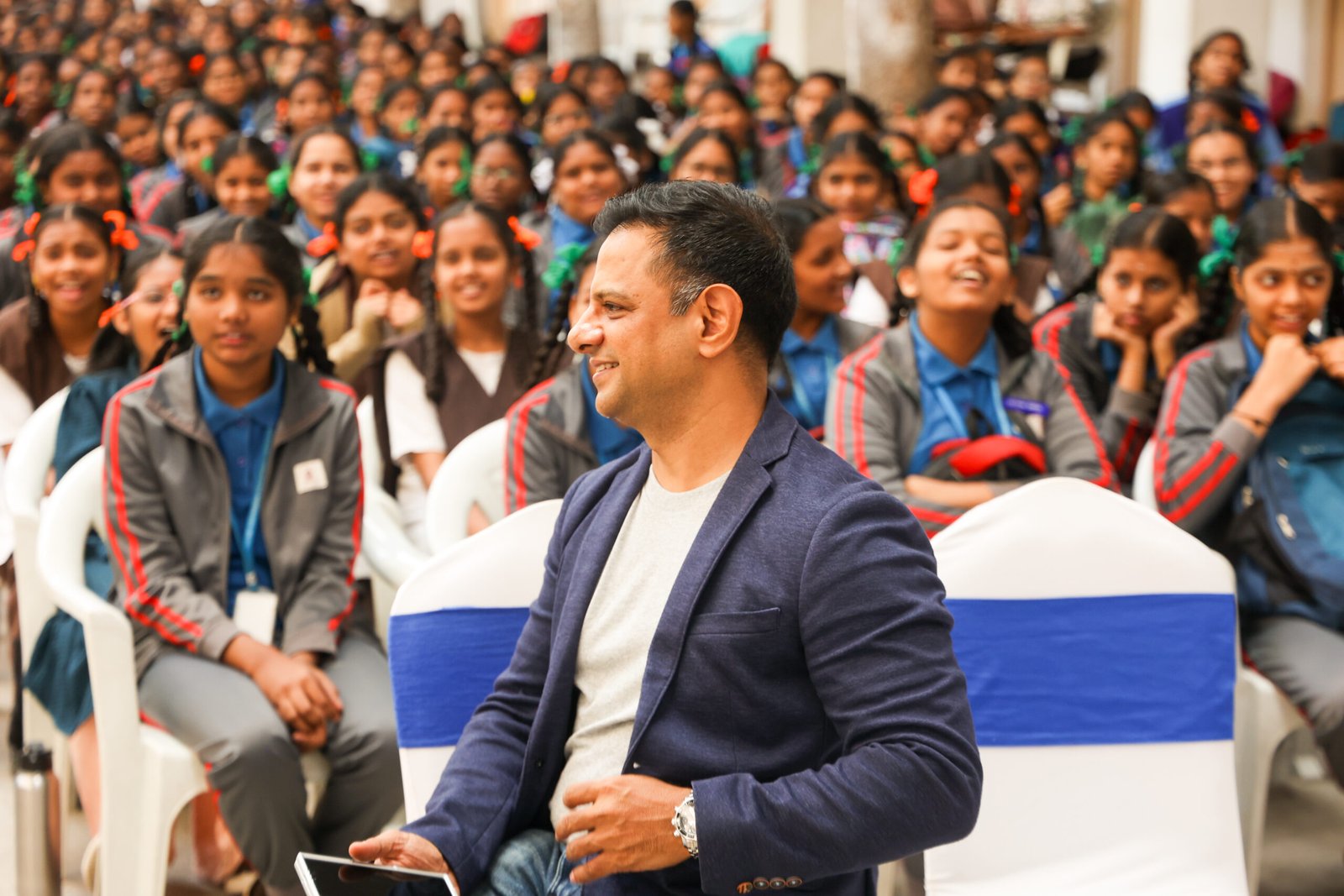
Children today are connected to the world, but connection is not the same as understanding.
They may know global brands, trends, celebrities and countries. But that does not mean they understand the lives, emotions and realities of people elsewhere.
Cinema can help bridge that gap.
When a child in India watches a film from another country, they begin to see that children everywhere experience friendship, fear, hope, pressure, joy, conflict and dreams. The language may be different. The landscape may be different. But the human emotion is often familiar.
That recognition builds empathy.
Global cinema also expands imagination. It exposes children to different cultures, storytelling styles, visual languages and ways of seeing the world. It helps them move beyond stereotypes and recognise that their reality is not the only reality.
At SCIFF, we see cinema as a bridge between classrooms and the world. It allows children to visit countries they may never travel to and understand lives they may never otherwise encounter.
Responsible global citizenship begins with the ability to see another human being with respect. Cinema can help children learn that beautifully.
You have spent over two decades bridging education, entrepreneurship, cinema and innovation. Looking ahead, how do you see technology, artificial intelligence and immersive media reshaping classrooms, and what role will human values continue to play in the future of education?
Technology will change classrooms in significant ways. Artificial intelligence, immersive media, adaptive platforms and digital content will change how children access information, practise skills and experience learning. Schools cannot ignore this shift.
But we must not confuse access to information with education.
AI can help children find answers quickly. Education must help them ask better questions. Technology can personalise content. Teachers personalise care, confidence and meaning. Immersive media can create powerful experiences. But reflection still needs human guidance.
The danger is not that children will use technology. They already are. The danger is that they may use it without judgement.
As classrooms become more technologically advanced, human values will become even more important. Empathy, ethics, patience, creativity, responsibility and critical thinking will not become less relevant. They will become more necessary.
The future classroom must combine the best of technology with the best of humanity.
Children must learn to use machines well, but they must not become machine-like themselves.
If you could leave today’s educators, parents and students with one message about preparing for the future, what would it be? In a world where careers, technology and society are constantly evolving, what qualities do you believe will remain timeless and indispensable?
My message would be simple: do not prepare children only for success. Prepare them for life.
Careers will change. Technology will change. The way we work, communicate and learn will keep changing. But some qualities will remain timeless: curiosity, empathy, resilience, discipline, integrity, creativity and courage.
Parents and educators often ask what children must know for the future. That is important. But we must also ask who they are becoming.
Can they handle failure? Can they listen to another point of view? Can they work with others? Can they make ethical choices when no one is watching? Can they adapt when life does not go according to plan? Can they use their knowledge to create value for others?
These questions matter.
The future will not belong only to the most informed. It will belong to the most thoughtful, adaptable and humane.
If education can help children become that, then we would have prepared them not just for the future of work, but for the future of life.