Sahas Disan, 11, Samarth Disan, 8
What does freedom look like at eight and eleven? Perhaps it looks like a mountain disappearing into the clouds, a backpack packed with courage, frozen toes, tired legs and the stubborn belief that the next step is always possible.
As India celebrates its 80th Independence Day, brothers Sahas Disan, 11, and Samarth Disan, 8, offer a wonderfully unexpected reflection on what freedom can mean. While the nation pauses to celebrate a historic journey towards freedom, these two Bengaluru boys have been busy discovering their own… the freedom to dream audaciously, to test their limits, to step outside the familiar and, quite literally, to climb higher.
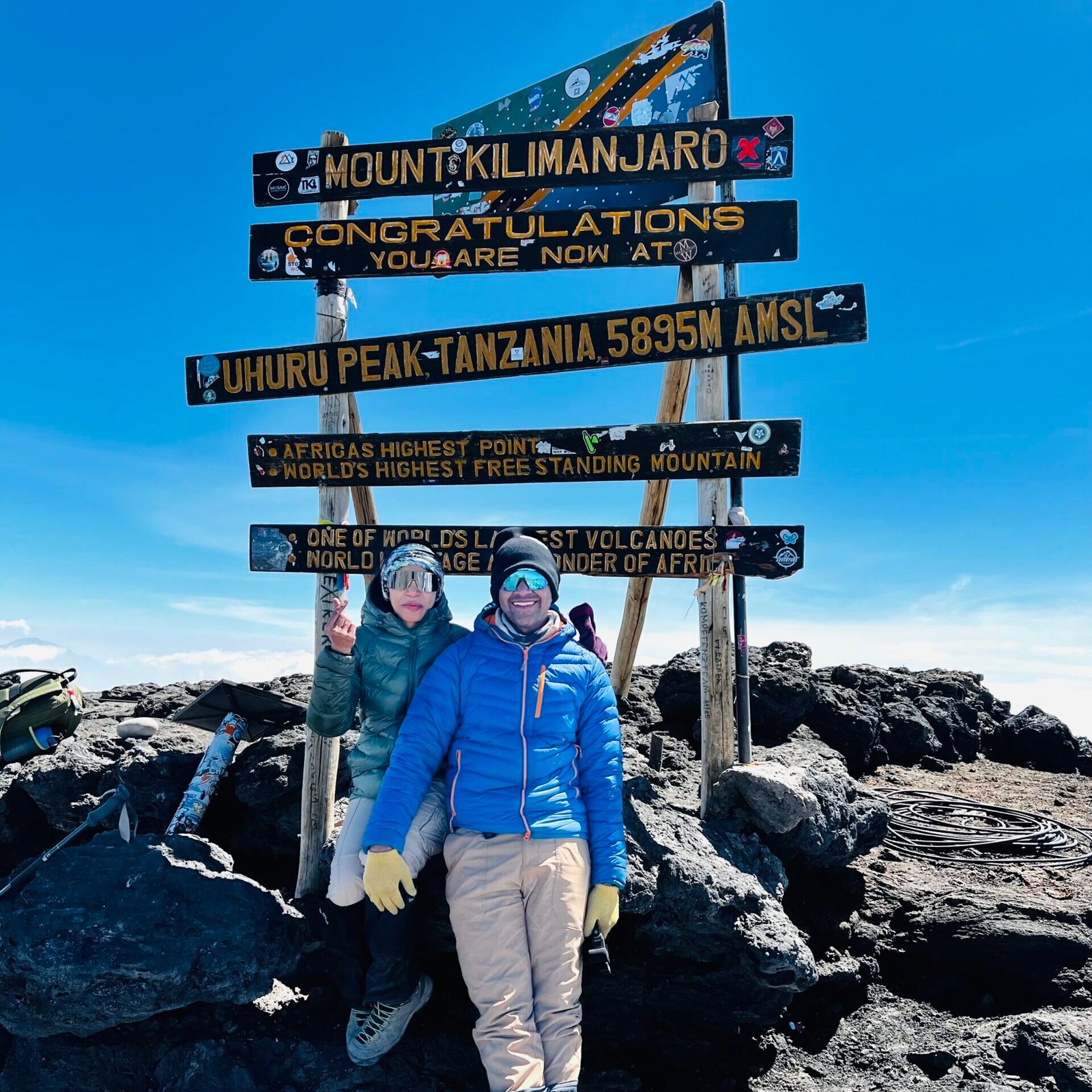
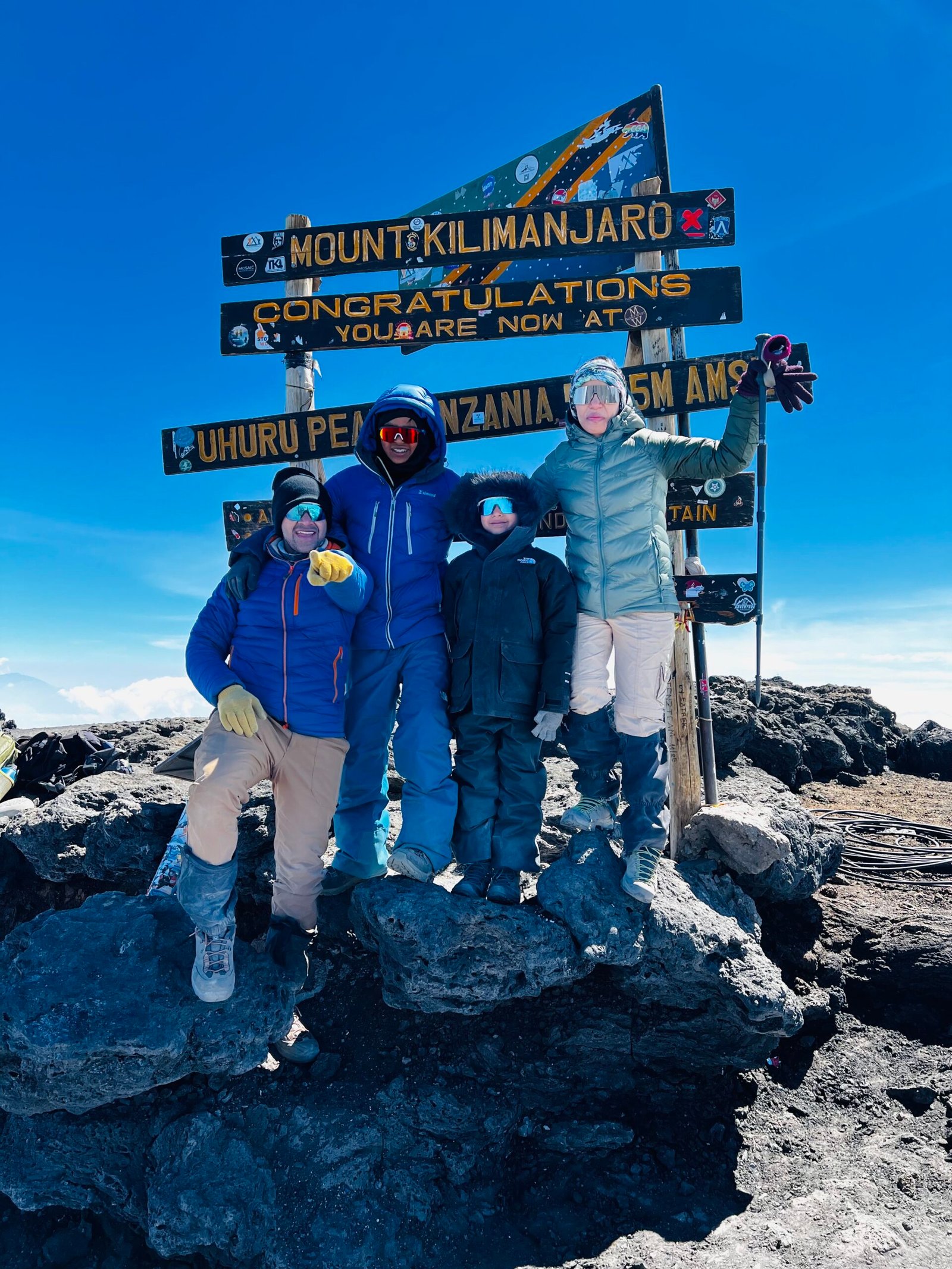
At 5,895 metres, Mount Kilimanjaro’s Uhuru Peak is no ordinary playground. The brothers spent seven days trekking nearly 60 kilometres along the Lemosho Route, moving through forests, moorlands, alpine desert and rugged terrain, before making the final summit push in temperatures that plunged to -20°C.
There were headaches, nausea, exhaustion and moments when even putting one foot in front of the other demanded everything they had. Yet they kept going — not because they wanted to “conquer” the mountain, but because somewhere along the way, the mountain taught them something more valuable: respect, humility and the courage to know one’s own limits.
And perhaps that is where their story meets India’s story of freedom. Freedom isn’t simply the absence of boundaries; it is the courage to imagine what lies beyond them. It is having the confidence to take the road less travelled, the resilience to keep going when the journey becomes difficult and the wisdom to understand that independence also comes with responsibility. For Sahas and Samarth, it meant training relentlessly, listening to their bodies, encouraging one another and knowing when to push forward — and when to respect the mountain.
Their journey also carries a wonderfully personal definition of freedom. Samarth says he wanted to “write my own story.” Sahas speaks of wanting to explore more of the world.
And there were lighter moments too: Linkin Park songs on the trail, guides singing Jambo, a local trekker breaking into dance when the cold became unbearable, and even the delicious reversal of roles when their parents kept urging the boys to eat a Snickers for energy — only to be met with a firm “NO.”
This Independence Day, while we celebrate a nation’s freedom, 11-year-old Sahas and 8-year-old Samarth remind us of another kind of freedom — the freedom to dream without measuring the size of the dream against your age.
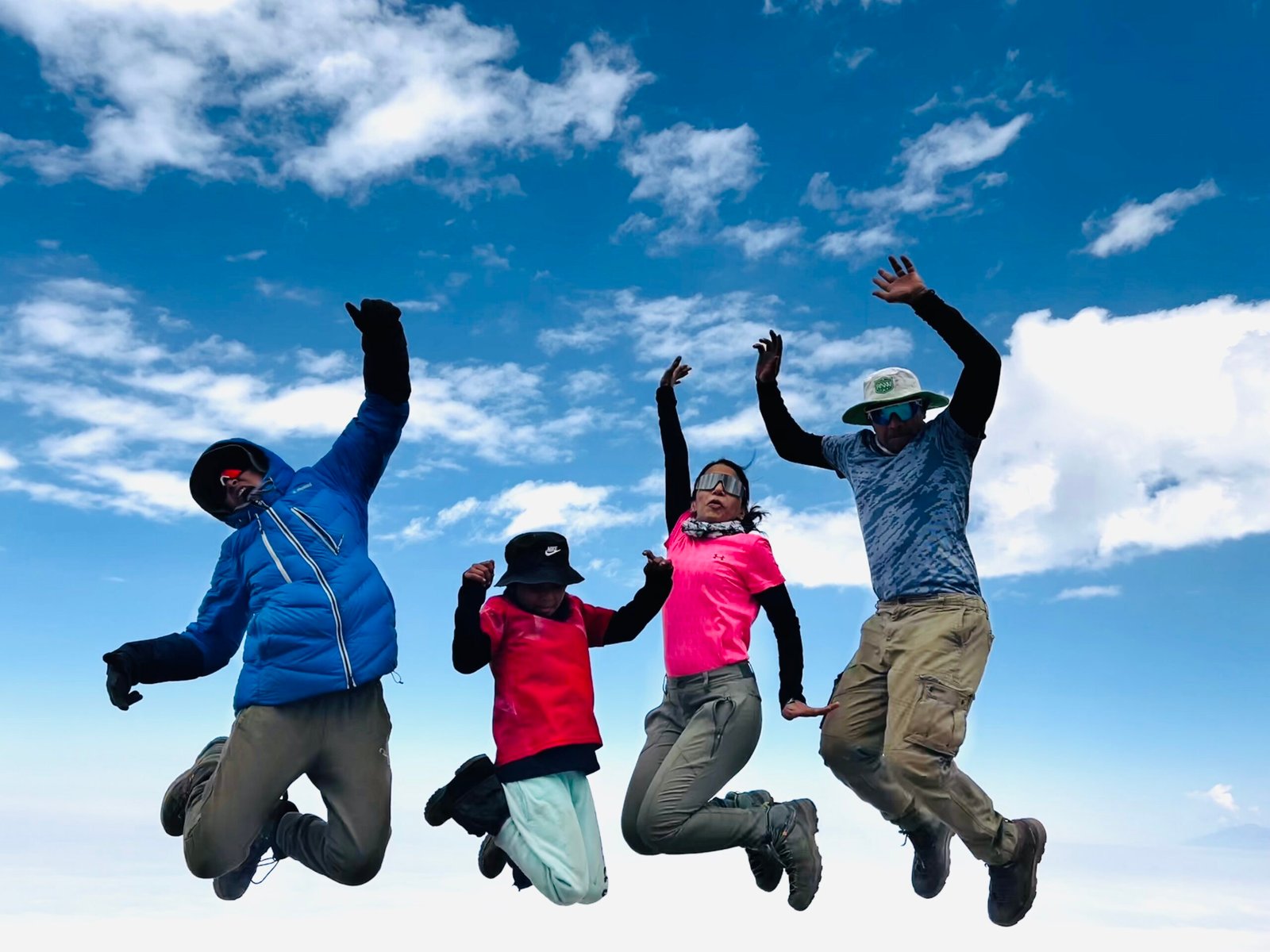
In an exclusive interview with Sumita Chakraborty, Founder & Editor-in-Chief, TheGlitz, Sahas and Samarth Disan talk about the exhilaration of reaching Uhuru Peak, the hilarity and hardships of climbing together, the songs that kept them going, the lessons their parents taught them about preparation, and why the greatest souvenir from Kilimanjaro may simply be the courage to take the next step.
Over To Sahas & Samarth Disan
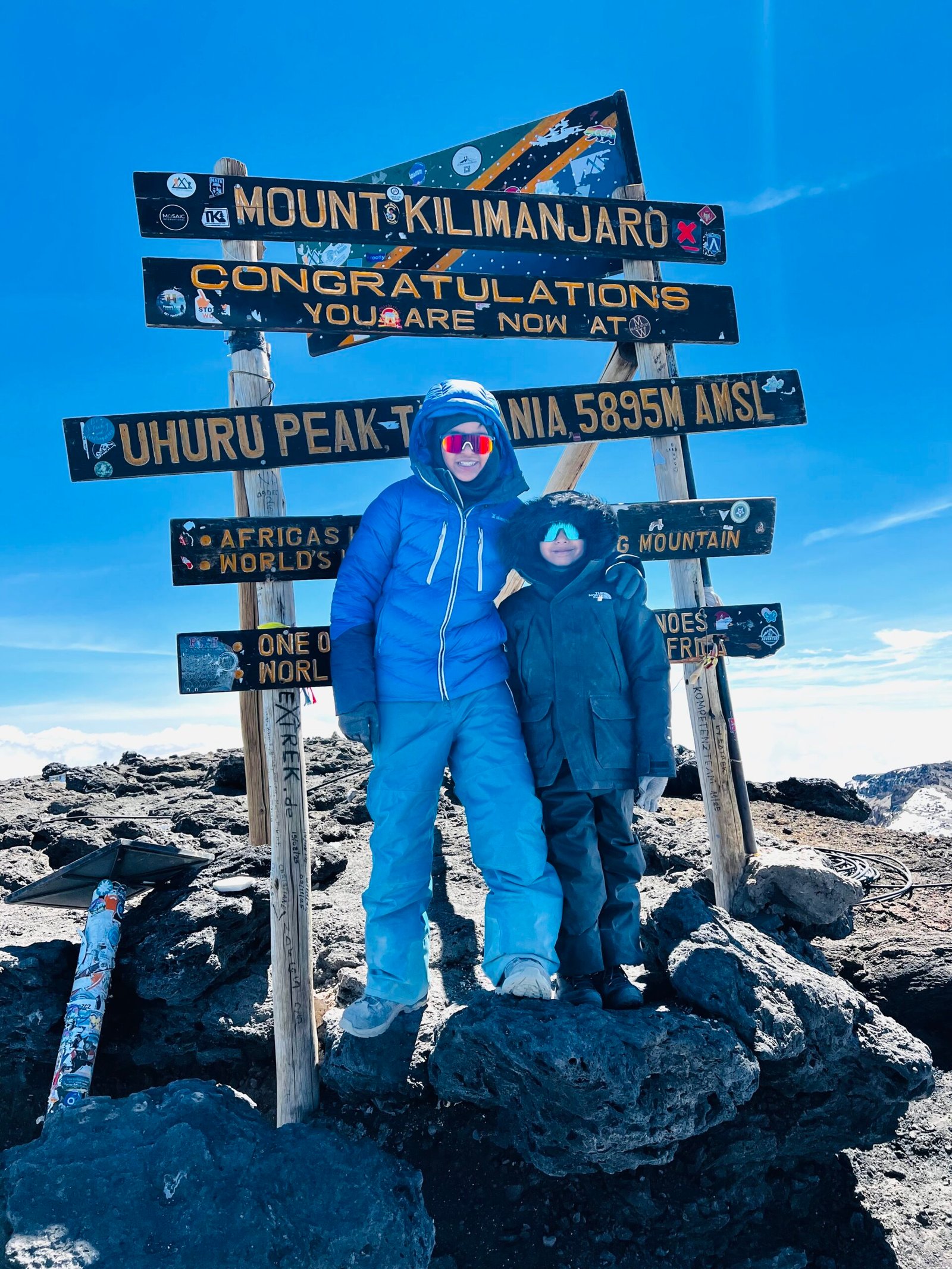
Kilimanjaro is 5,895 metres high — when you were standing at Uhuru Peak, what was the very first thing you thought about? Was it “We did it!” or something completely different? Even before that, what made you decide to do the climb at such a young age? What did your parents say?
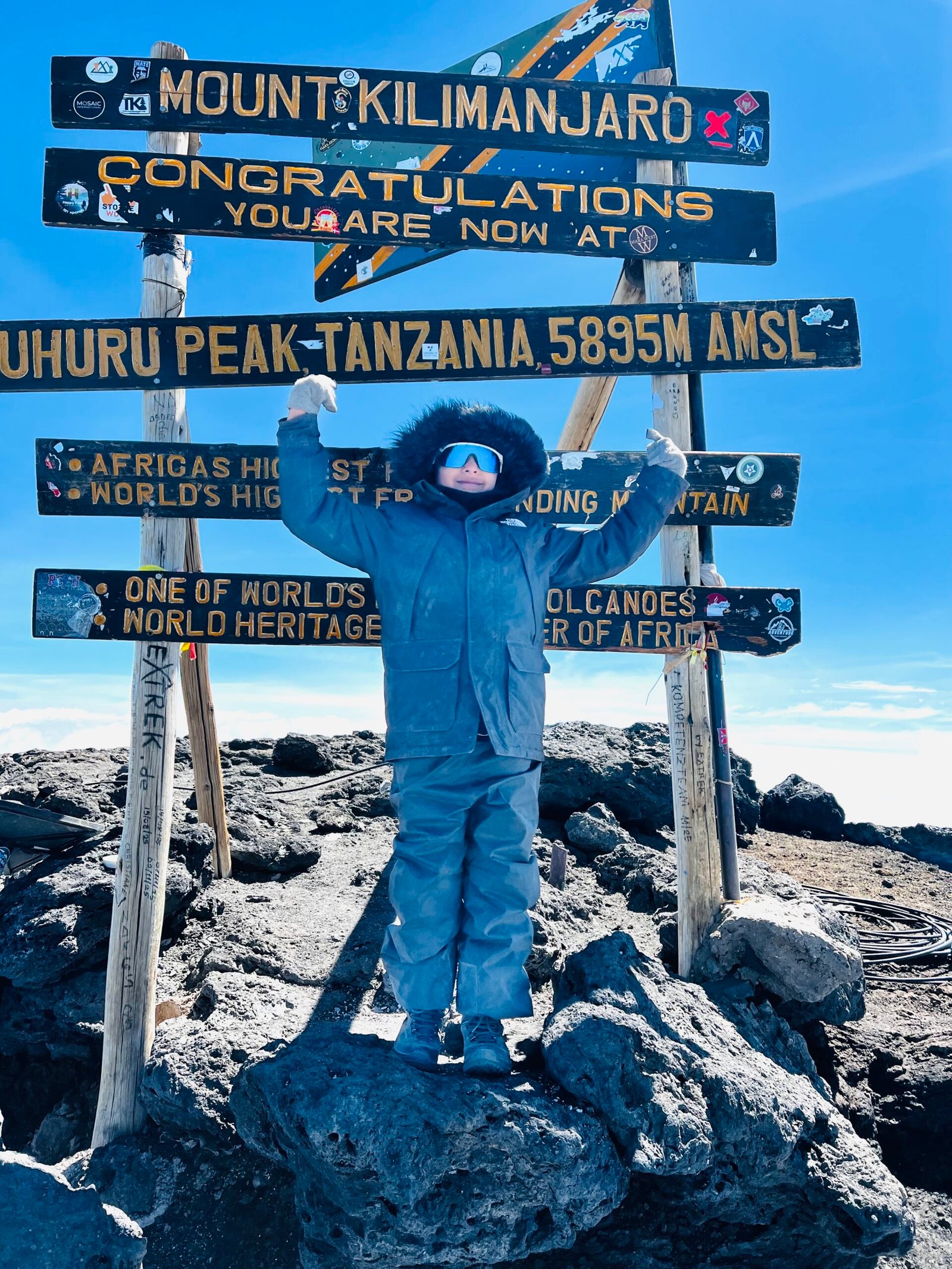
Sahas: Oh, it was a gush of feelings as we summited to the top: Absolute delight, feeling of relief! But I think, to be honest, for some time it was a feeling of nothingness!
I have seen my parents prepare for Everest Base Camp, Ironman, Marathon and Hyrox events. Their perspective of fitness was fun and adventure. I was thrilled to follow some of those! Our parents were absolutely proud. To be honest, there were surprises that we were able to pull through!
Samarth: What did I feel? Well, honestly, it was the joy of not having to climb anymore! But of course, proud that our effort paid off! I wanted to do the climb because I wanted to write my own story. Doing something of this magnitude, I knew it would be a story that I can tell a lot of my friends! What did my parents say? Haha, even at the top, our parents lifted and threw me up in the air and said, ‘Oops, we don’t want you experiencing any further altitude than this!’
You spent seven days walking nearly 60 km through forests, moorlands, rocky terrain and freezing temperatures. What was the funniest, strangest or most unexpected thing that happened on the mountain that you still laugh about?
Sahas: There was one local person who would help us set up tents and food. He was so funny, with his dance moves and songs, whenever he felt too cold or didn’t understand our English. Also on the last day, the way my dad tied off climbing down the slope as if he was skiing through the scree and he had gone off in a completely different route!
Samarth: We now wonder that it was the only time our parents kept requesting, ‘Eat this one chocolate, please (snickers),’ and we were like, ‘NO.’ Reversal of roles perhaps!
Sahas, you said you learnt that mountains should be approached with humility, while Samarth, you learnt to take one step at a time. Did Kilimanjaro teach each of you something different — and did you teach each other anything along the way?
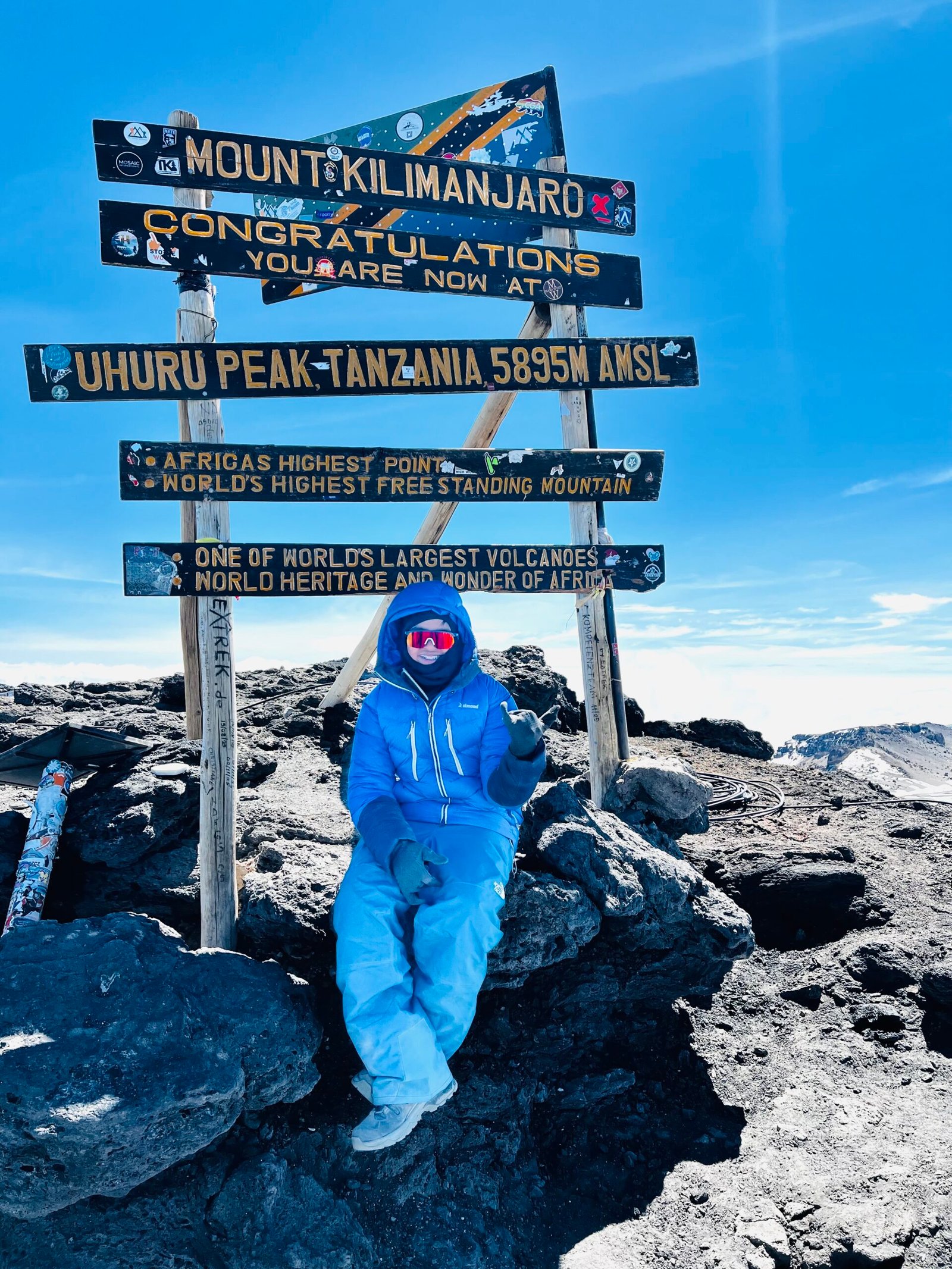
As we walked and walked, there was plenty of time to talk, to share jokes, to sing songs, and to fight on silly things. But we also figure we could help each other and encourage each other too!
There must have been a moment when one of you wanted to stop. What did you say or do to encourage each other when the going got really tough?
Simple words like “Anna, you can do it” or singing a song that we knew the other liked. A whole lot of Linkin Park songs. Our guides kept singing the Jambo song; it always brought energy back even when going got tough! We still sing that too! Perhaps that’s our souvenir!
You prepared for two months with Nandi Hills, stair climbing, treadmill sessions, strength training, Pranayama and tennis. Did training ever feel like a chore, or did knowing what you were preparing for make it exciting?
We initially took it easy, perhaps skipped a day or two. It was boring for sure. But our parents said that is exactly the biggest battle we will fight. In fact, boredom and tiresomeness together is not something we have experienced at all.
As we got closer to the date, it got real, and our parents also pushed us to train harder. They came along too; it was more fun. We had a points system for every activity we did, and we had a poster on our room doors that displayed these. That made it fun!
Sahas, you read Into Thin Air before the expedition, while both of you trained seriously for the climb. Now that you’ve experienced high altitude for yourselves, what surprised you most about the difference between reading about a mountain and actually being on one?
Jon, the author, had put a lot of emotions into the story, and I was wary. But actually climbing, I realised everyone has their own emotions going in and experiences the mountain differently. Even within our own family, there were days when I felt absolutely fine, but my mom wasn’t, or another – my dad wasn’t!
But the biggest takeaway from the book and from climbing is that we always need to be listening to the body keenly. It knows!
You’ve already discovered that mountains aren’t really about “conquering” them but about respecting them. So what’s next for the two of you — another mountain, another adventure, or perhaps a completely different challenge?
Samarth: I have seen ’14 Peaks’, and I would love to do one of those soon! Hopefully I can. I am good at tennis and soccer – I need to a choose one of them and become a professional too!
Sahas: I would like to experience different things; I would like to explore more. Maybe the Amazon Forest, maybe Alaska, or maybe just watch the Wimbledon final live. There is fun in exploring!