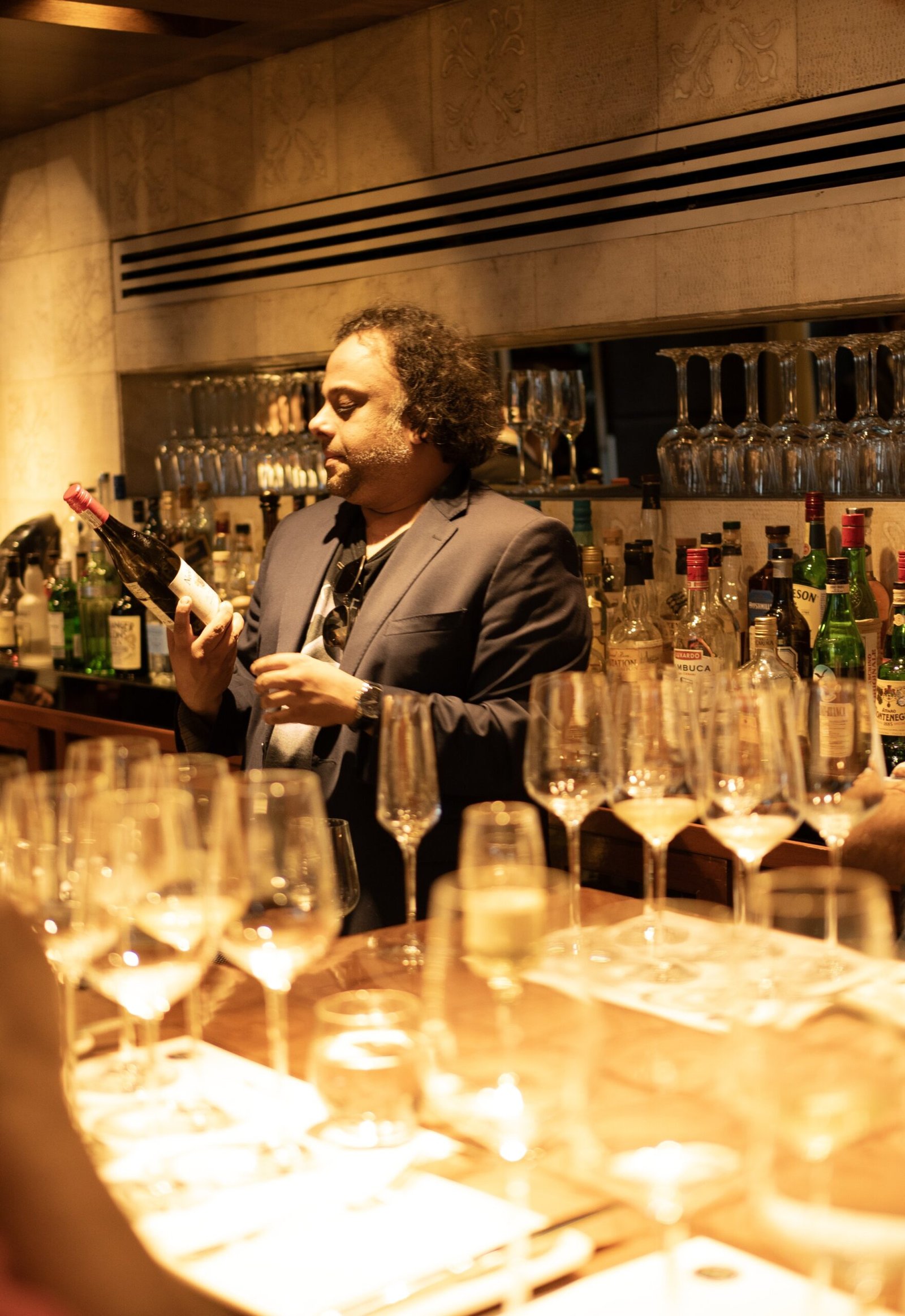
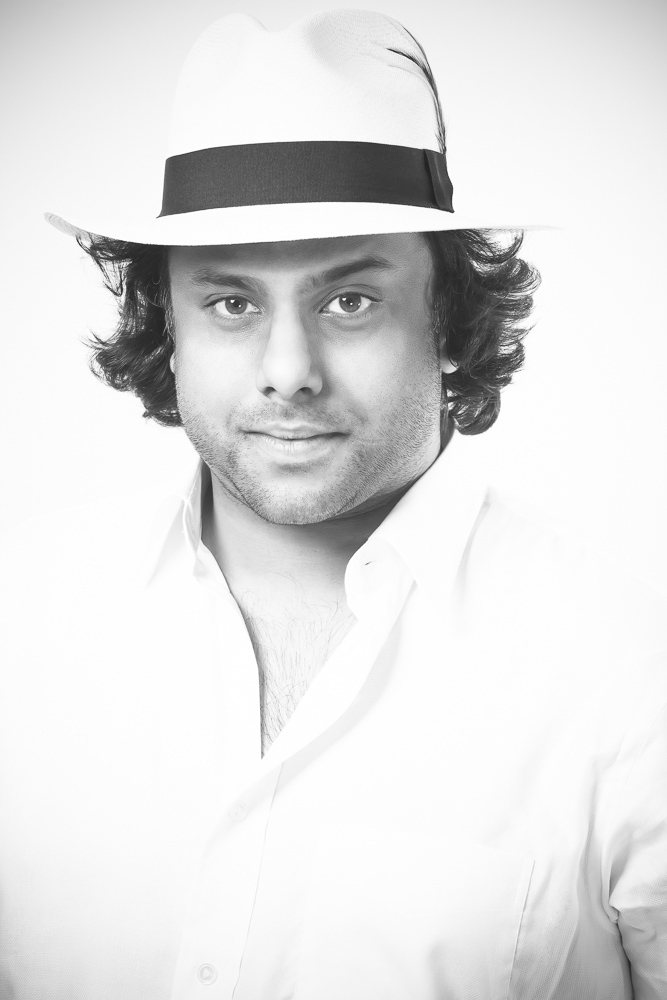
Nikhil Agarwal, All Things Nice
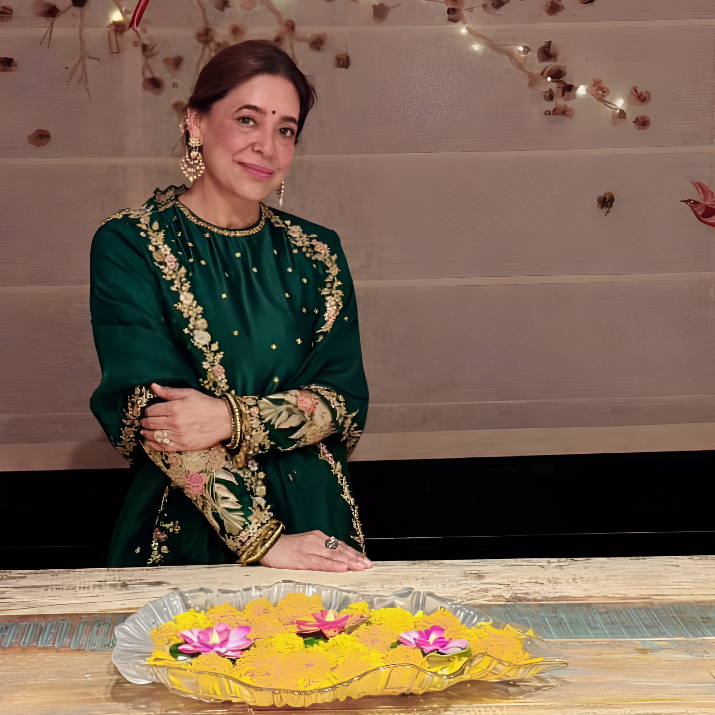
In a country still swirling, sniffing, and slowly discovering the beautiful language of wine, the very charismatic Nikhil Agarwal, extremely charming and articulate, has quietly been decanting a revolution… one glass, one experience, and one impeccably curated evening at a time.
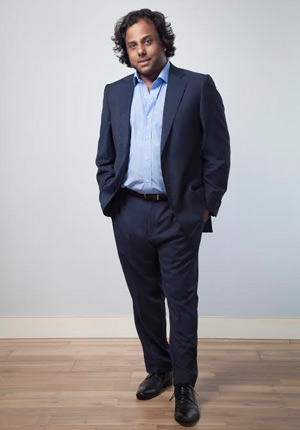
Founder of All Things Nice, one of the forces behind The Wine Cellar, ProWine Mumbai and Anggel’s Share, Nikhil is not just any other sommelier who just works in wine… Absolutely not! …He is someone who lives it, breathes it, and more importantly, translates wine for India’s evolving palate.
The man was clearly born to uncork greatness. With over a thousand experiential events… from intimate Michelin-starred chef collaborations to industry-defining showcases like The Indian Wine Consumer’s Choice Awards, his world is less about pouring wine and more about pouring perspective.
An international judge across prestigious platforms like Decanter Asia and the Hong Kong International Wine & Spirits Competition, Nikhil brings both global authority and local instinct to the table. But what truly sets him apart? He doesn’t romanticise wine… he demystifies it. In his world, you don’t need to know your Bordeaux from your Burgundy… you just need to know what you like.
Part connoisseur, part curator, part cultural translator… Nikhil Agarwal isn’t just shaping India’s wine conversation. He’s ensuring it finally has its rightful place in the global wine map..
In an exclusive interview, the dynamic Nikhil Agarwal speaks to Sumita Chakraborty, Founder & Editor-in-Chief, TheGlitz… about his carpe diem spirit, his passion – wine, of course, his companies and events, where the pours are generous, the opinions sharper, and the aftertaste… unmistakably bold.
In Conversation with Nikhil Agarwal, Founder, All Things Nice
You’re operating at multiple touchpoints… from All Things Nice to The Wine Cellar to ProWine Mumbai, Anggel’s Share and beyond. But let’s start at the beginning… why wine?
Nikhil Agarwal: Why not wine? I mean, it’s certainly better than selling ball bearings!
But on a more serious note, my journey into wine is deeply rooted in the way I grew up. I was raised in a home that entertained a lot… there was always great food, people, and conversation. I spent a lot of time in hotels and restaurants from a very young age, and that environment naturally became a part of who I am.
I also loved travelling. Even as a teenager… around 15 or 16, I would backpack across Europe during my summer vacations, staying in hostels, observing people, and soaking in different cultures. Food and beverage were always central to those experiences.
At the same time, I knew I was someone who enjoyed being around people. I’ve always been comfortable striking up conversations, making connections… and the restaurant or bar world felt like a natural fit for that.
So how did you start?
Nikhil Agarwal: I asked the pastry chef at Indigo if I could go behind the bar. I remember asking Rahul Akerkar (Founder, Indigo) too… I was quite young then, so of course, that didn’t happen. But I knew instinctively that this space… food, beverage, people… was where I belonged.
Things really shifted early in my career. One day, I happened to overhear a colleague on a call with Sula Vineyards, which at the time was still an up-and-coming brand, although Sula Satori was already quite popular. My friend said she didn’t want to work for a wine company… and almost impulsively, I grabbed the phone and said, “I do.” I didn’t even know who was on the other end.
They asked me to come in for an interview the next day, and I got the job.
I joined Sula as a sales executive, but within five days, I was given the opportunity to help build their wine import division. At that time, there was very little buzz about wine in India, and even less understanding of how to import and distribute it across states. I was around 21 or 22… it was my first real job… and suddenly I was dealing with producers and export directors from across the world.
We’d receive samples, conduct tastings, decide what to bring into India. I even travelled to places like Bordeaux. It’s very hard not to fall in love with wine when you’re immersed in that world. I remember sitting across the table from Pierre-Emmanuel Taittinger (of Champagne Taittinger fame) who by the way told me, “The essence of good life is make lots of love and drink my champagne.” I remember thinking… that’s the kind of life I want.
Over time, it all came together… my love for travel, people, and food and beverage. I went on to work with companies like Moët Hennessy and Diageo, and I was also involved in the Sommelier India Wine Competition. I later studied wine in London, did well, and received a scholarship to Australia… which only deepened my engagement with the industry.
By the time I was 30—I’m 47 now—I knew I was ready to start something of my own. That’s how All Things Nice began.
I was completely enchanted by the world of wine, but I also saw a gap. At that time, there were very few wine dinners, very few curated events… people were still discovering wine. I realised there was an opportunity to build experiences, to work with hotels and restaurants, to help them create structured wine programs.
Within a month of starting All Things Nice, I sent out a simple mailer announcing the company. My first client was Mr. Mariwala, Distributer, AutoHangar, Mercedes, who gave me a corporate event for the Mercedes S Guard launch. I remember earning more from that one event than I did in an entire month at my job… and that’s when I knew I was on the right path.
Today, the ecosystem has grown. Alongside All Things Nice, we have The Wine Cellar, we’re involved with ProWine Mumbai, and we also have an import company… Angel’s Share, which brings wines and spirits into India for hotels, restaurants, retail, and duty-free.
We also run All Things Nice Consulting, where we work with international brands and even governments… the Chilean, Australian, and US trade bodies, to help them understand the Indian market, which can be quite complex from the outside.
Each of these entities operates independently, with dedicated teams. That’s important to maintain clarity. But at the same time, I don’t mind a bit of overlap… if I’m hosting a wine dinner and showcasing wines we import, why not create a seamless ecosystem where the consumer can also access those wines later?
At the end of the day, it all connects through a deeper understanding of the industry… consumer behaviour, pricing structures, regulations, and experience-building.
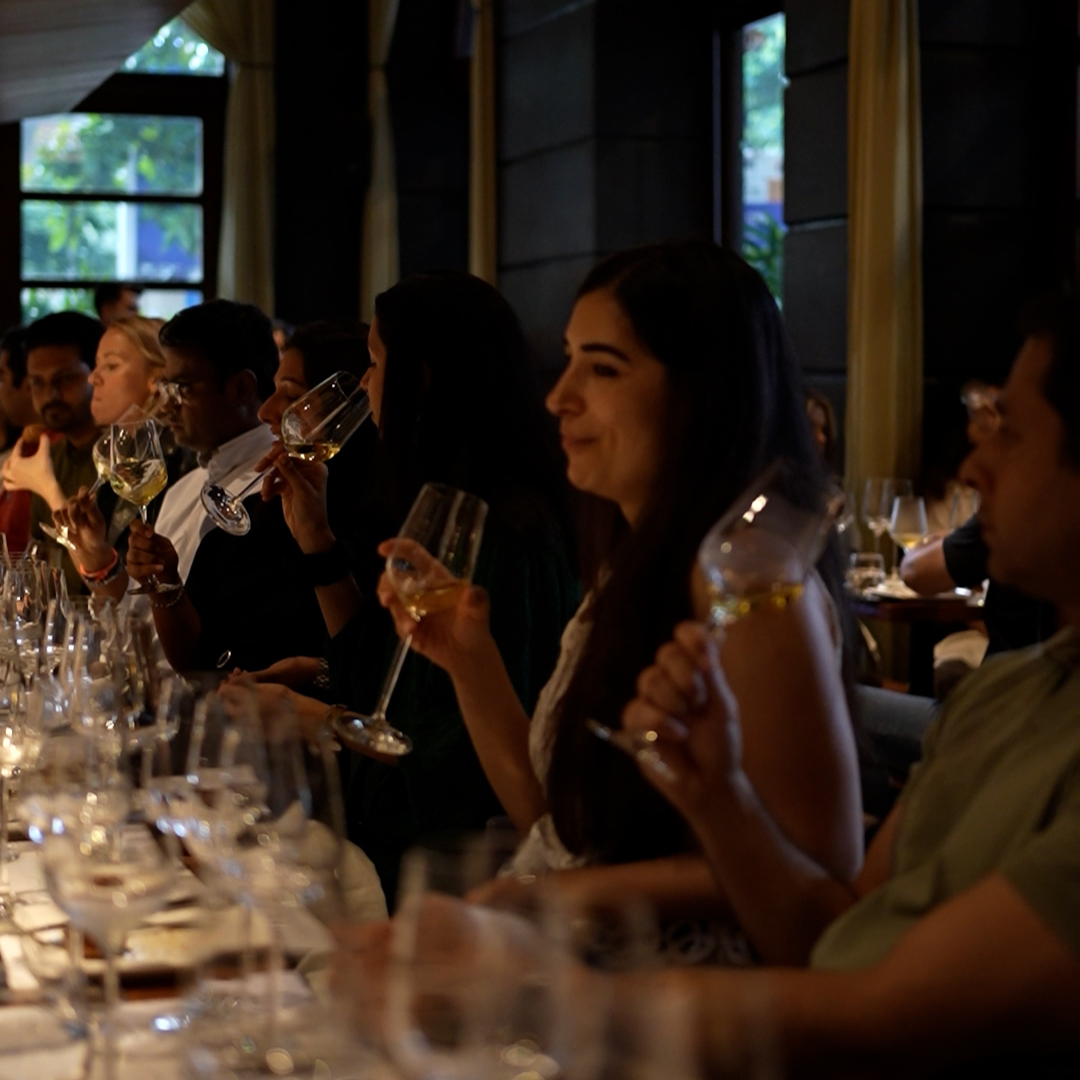
And honestly, I still get the same excitement. Whether it’s working with Michelin-star chefs, curating wine pairings, or hosting multiple events in a week… I thrive on it. It’s complex, yes, but it’s also incredibly rewarding.
How do you manage so many things at the same time?
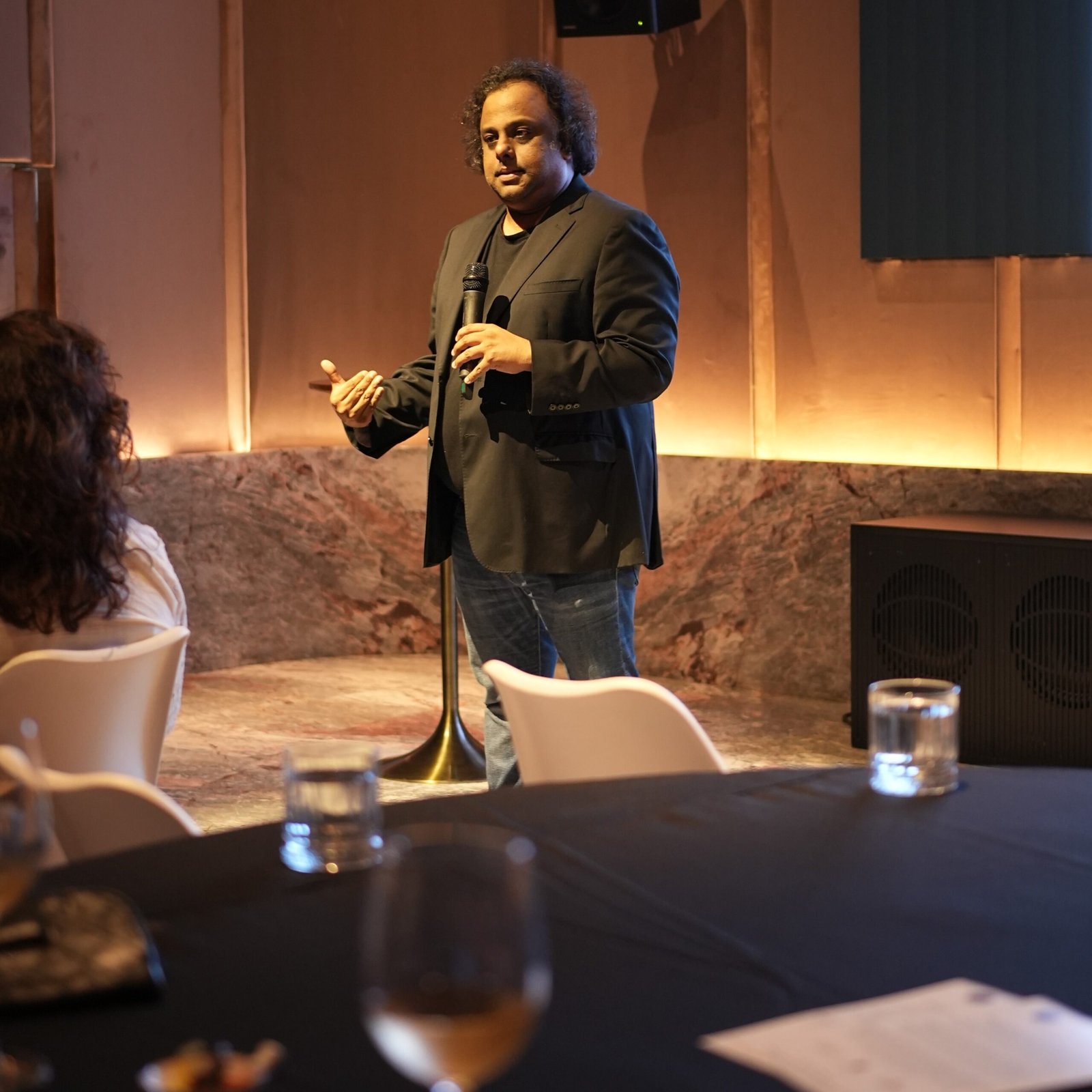
Nikhil Agarwal: If there’s one thing that keeps it all running smoothly… it’s systems. I’m obsessive about structure. Excel sheets are my world. Everything is documented, everything is tracked. You create a system, follow it, refine it… and that’s how you scale.
Because in this business, passion is important. But precision? That’s what sustains it.
As a sommelier and a connoisseur, what do you see as the biggest bottleneck for premium wine and spirits in India today—regulation, distribution, or consumer mindset?
Nikhil Agarwal: I think the consumer is actually quite open—they’re willing to try anything. The biggest challenge, especially when it comes to wine consumption in India, is really the duties and taxes imposed on international wines and spirits.
That’s where the real bottleneck lies.
Now, you might say, “But what about domestic production?” And yes, India is producing more locally, and when it comes to spirits, we don’t really have a consumption issue. In fact, India is one of the largest consumers of spirits in the world—especially categories like whisky and rum.
Where we truly falter is with wine.
Wine consumption is still limited, and a large part of that is because imported wines become significantly more expensive due to high taxation. That naturally impacts accessibility and, in turn, slows down growth in the category.
So while the consumer is curious and evolving, the ecosystem—particularly pricing driven by duties—remains the biggest hurdle.
Indian wine is still relatively young compared to global markets. Where do we stand today—and what are the real challenges?
Nikhil Agarwal: Let’s put things into perspective. Countries like Chile have been making wine for over 400 years. South Africa… over 360 years. Europe? Thousands. And India? We’re looking at a 30–40-year history.
So yes, we’re young… but we’ve come a long way. And I’m genuinely proud of what some Indian producers are doing today, especially those focused on quality.
That said, it’s not enough. You can’t have five strong producers trying to convert an entire country into wine drinkers… it’s simply too vast a task.
One of the biggest issues is the lack of cooperation between states. For instance, Karnataka treats wines from Maharashtra as imports. Add to that the varying costs of selling across states… it becomes incredibly difficult, especially for smaller, family-run producers who don’t have deep pockets or large-scale backing.
Even large players have struggled. It’s not an easy business. But immense respect to those who are committed to building high-quality Indian wines.
The real reasons wine hasn’t fully taken off in India?
One—too few producers.
Two—distribution challenges.
Three—pricing, especially for imported wines, which are significantly more expensive.
Wine is typically a more regular, lifestyle-driven drink. But when a decent international bottle costs ₹1800–₹2000, you’re asking a consumer… who may not fully understand wine yet, to take a financial risk just to experiment. And in India, the value-for-money mindset is very strong. People don’t want to waste money.
The Indian luxury consumer is evolving fast—but is their understanding of wine keeping pace with their spending power?
Nikhil Agarwal: I think we need to look at that question differently. Take my father, for example… he enjoys wine. Does he understand wine deeply? No. But does it matter to him? Not at all. He knows what he likes, and that’s enough.
Not everyone needs to be a connoisseur. Just because you enjoy butter chicken doesn’t mean you need to know how it’s made.
So when we talk about “understanding wine,” we need to define what level of understanding we’re expecting. If a consumer knows what they like and dislikes, they already know enough.
Of course, there’s a growing segment of enthusiasts who do understand wine at a deeper level… and that’s exciting. We’re seeing wine clubs in Goa, Hyderabad, Bangalore, Ludhiana. People are attending tastings, spending money to learn, and expanding their palate.
Earlier, wine events in cities like Mumbai were limited to a certain audience. Today, people are coming from everywhere. That’s the real shift.
India isn’t one market… it’s many. There will always be a segment that is deeply interested, and another that simply enjoys wine without overthinking it. And both are valid.
Even globally, not everyone is an expert. The average French or Italian consumer isn’t dissecting malolactic fermentation… they’re just enjoying their wine.
So yes, spending power is increasing. Interest is growing. And understanding? It’s evolving—on its own terms.
Do you see Indian wines rising to true international acclaim?
Nikhil Agarwal: Absolutely! But we have to compare apples to apples.
Some Indian wines are fantastic. Take Sula Vineyards’s The Source Grenache Rosé, for example. At around ₹1150, in a blind tasting, it could easily outperform rosés from globally renowned regions that cost three times as much.
India does particularly well with white wines… Sauvignon Blancs, Chenin Blancs… there’s real quality there.
Now, can Indian wines compete with the very best in the world? That’s subjective. Taste is personal. But can they compete with many international wines? Absolutely.
And they’re already gaining recognition. Indian wines have won awards at global competitions, including in London. Interestingly, markets like Japan have developed a strong affinity for Indian wines.
Indian cuisine also plays a big role here. As Indian restaurants gain prominence globally… even at Michelin-star level… it makes sense to pair them with Indian wines. You’ll find Indian labels being served in high-end restaurants internationally.
Domestically too, places like Masque proudly include Indian wines in their pairings. The Taj group actively promotes Indian wines as part of its hospitality philosophy.
We’ve had a strong start… but we still have a long way to go. There’s potential in regions we haven’t fully explored yet, like Himachal. Nashik is doing well, Karnataka even better in some ways.
Producers like Fratelli, Grover Zampa, and smaller boutique wineries are doing interesting work. Even sparkling wines like Chandon Brut Rosé are excellent.
So yes, we’re on the right path. We’re not there yet… but the trajectory is promising.
Do you have a personal favourite Indian wine?
Nikhil Agarwal: I don’t have brand loyalty as such… but I’d happily open a bottle of Sula’s Grenache Rosé at home anytime. It’s easy, enjoyable, and consistently good.

You’ve built a reputation around exclusivity and curation. What are three defining milestones in your career?
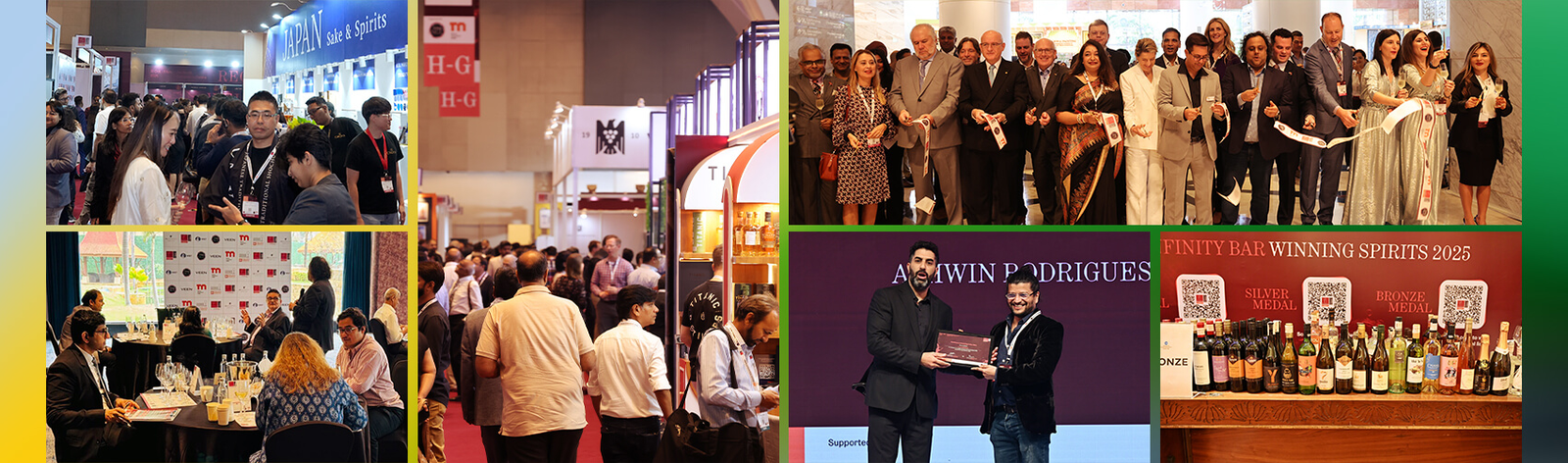
Nikhil Agarwal: One of the biggest milestones was deciding, along with our partners at Messe Düsseldorf— to host ProWine Mumbai just as COVID was receding.
It was one of the toughest phases of my career. For three months leading up to it, I was constantly anxious… waking up at night, worried about whether we’d get it right, whether COVID would return, whether we’d let the industry down.
This was something that had never been done before in that context… and it had to be perfect.
But taking that call… to go ahead despite the uncertainty—that was a defining moment for me.
Another key moment was when we realised that India was truly ready for wine… that it was no longer going to remain something only for the elite. We believed it would become more democratic, more accessible, and I think we’ve been right. The market has expanded significantly, and with free trade agreements coming into play, the ecosystem is only going to become more favourable for what we set out to build years ago.
But if I had to point to a defining decision, it would be this… there was a time when we were offered a very large, multi-year contract to promote a brand that I personally didn’t believe in. It was a lot of money, and saying no wasn’t easy.
But we did.
…Because at the end of the day, we didn’t want to be the face of something we didn’t genuinely stand for. We’ve never spoken about a product we don’t like. We’ve never taken on a client we don’t believe in. And that decision… walking away from that kind of money, was a turning point.
In hindsight, it defined us.
…Because what followed was trust. People began to recognise that if we were backing something, it came from a place of authenticity. And in this business, that’s everything.
For me, it’s always been simple… if we create an experience or endorse something, we have to believe in it completely. Someone might come to an event and not like it… and that’s fine. But at least we know we put it together with honesty and conviction.
That clarity… is what builds everything.