AI is Rewriting Cinemas Future
Something’s shifting in how stories get made, and it’s happening faster than most of us realized. Artificial intelligence has slipped into filmmaking the way sound once did, or colour, or CGI. Quietly at first, then suddenly everywhere. A filmmaker sits down with an idea. The characters that used to live only in their head can now appear on screen in days, not months. Entire worlds take shape from descriptions. Scenes that would’ve required armies of artists and impossible budgets now emerge from collaboration between human vision and machine capability. This isn’t some distant future. It’s happening right now, and it’s putting tools that once belonged only to major studios into the hands of anyone with a story worth telling.
The shift is real and it’s powerful. Films get made faster. Independent creators can finally compete. Stories that would’ve died in someone’s notebook are finding their way to screens. But perhaps the real question is: amid all this speed and capability, are we overlooking something essential?
The Heart of the Matter
Most AI-generated films today have a problem. They’re stunning to look at, surreal dreamscapes, haunting atmospheres, visuals that push every technical boundary, but they feel hollow. Projects like The Frost and Zone Out prove what the technology can render, but they forget what cinema actually does. You watch them once, think “wow, that’s impressive,” and then nothing stays with you. Even visionaries like Shekhar Kapur, experimenting with AI through his Warlord project, keep circling back to the same concern: technology can generate images, but can it generate feeling?
That’s the gap. That’s what’s missing. And that’s exactly where OnnStudios decided to start.
The unique Journey of Vishwamitra
Rather than chasing spectacle, OnnStudios asked a simpler question: what if AI wasn’t the story, but the tool that helped tell better stories? Specifically, stories from India’s vast mythological tradition – tales that have shaped culture for millennia but often feel locked away in academic texts or distant from how people consume content today.
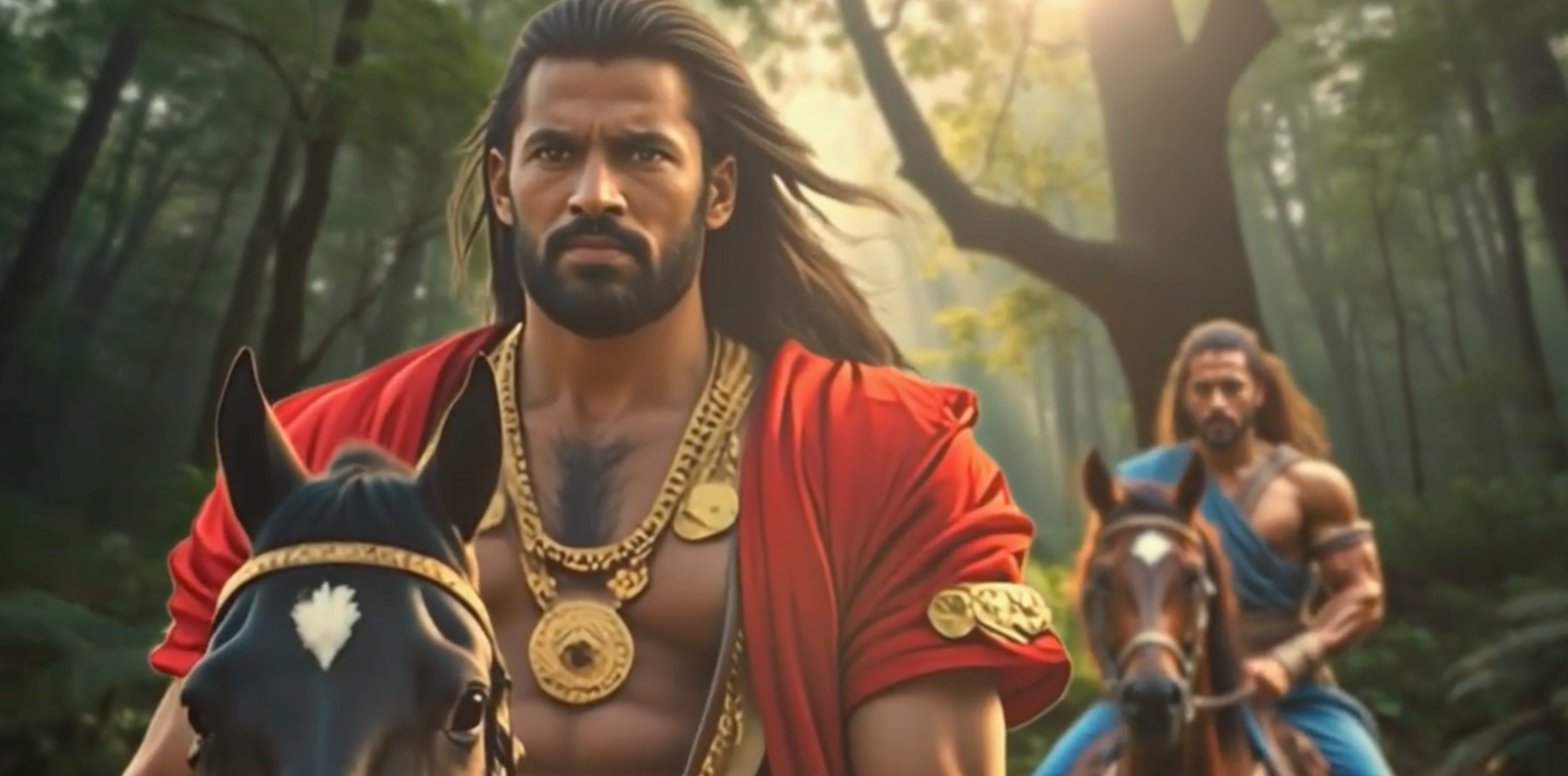
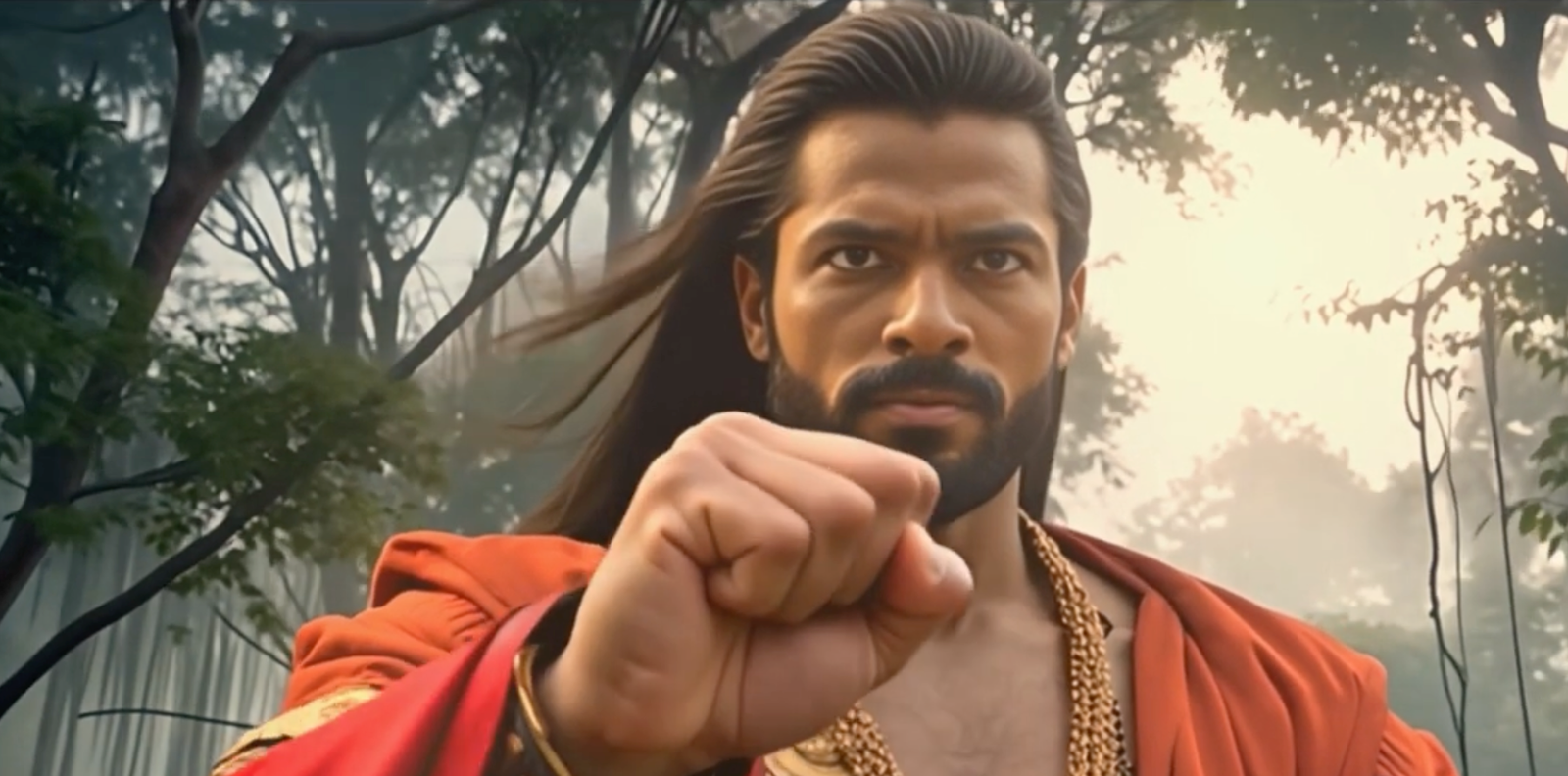
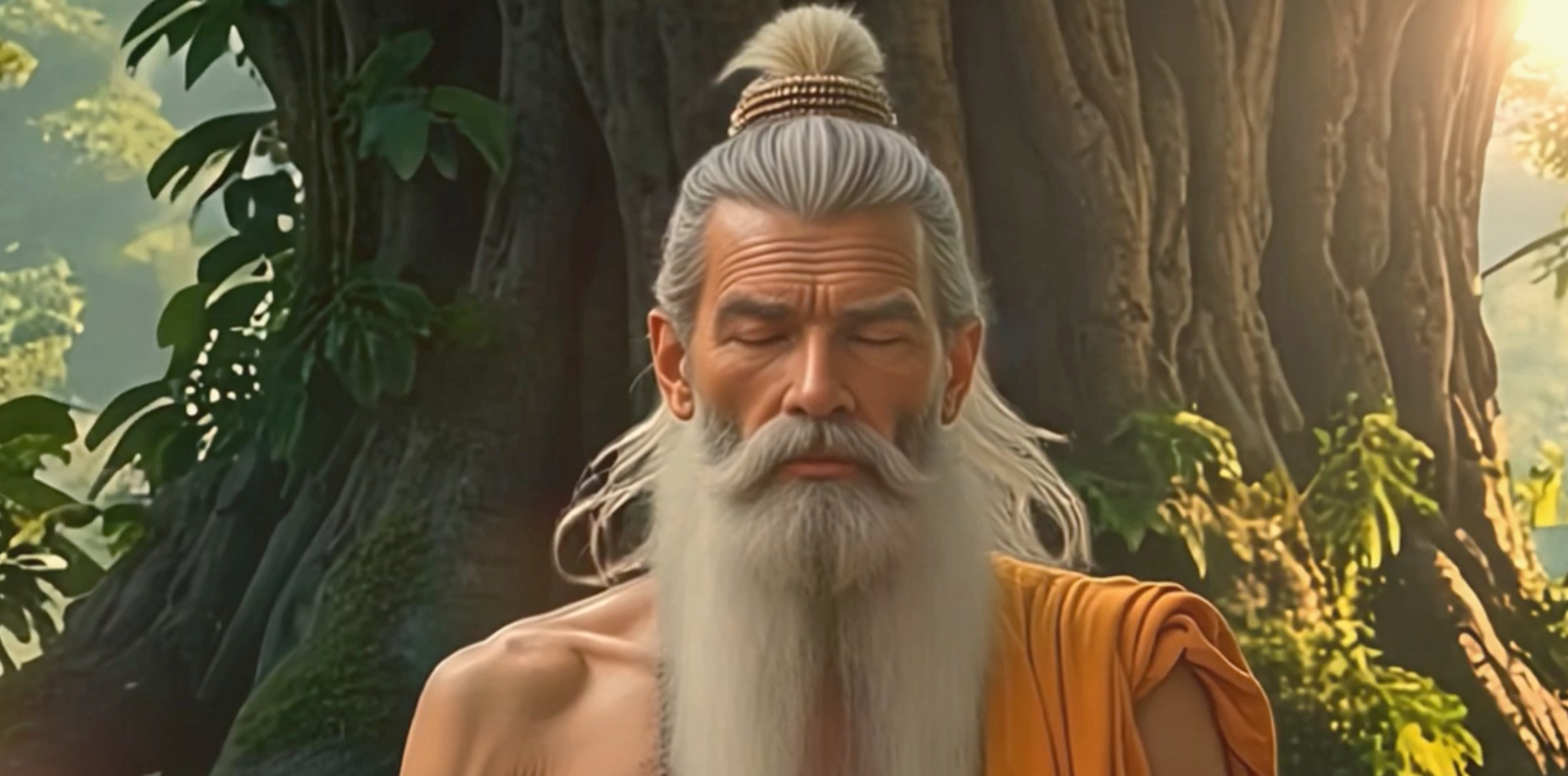
Their work with the Vishwamitra narrative shows what happens when you flip the script. The sage’s ancient journey, his struggle, transformation, his relentless pursuit of truth, came to life not because AI made flashy visuals, but because every technological choice served the emotional core.
Characters weren’t auto-generated; they were guided until their eyes carried genuine wisdom. Backgrounds weren’t randomly rendered; they were crafted to make you feel the weight of what the sage sacrificed. The AI did the groundwork. Human judgment made sure every frame meant something.
Then they did something unexpected. They used AI to compose music, an original piece that threaded through the narrative. Most AI-generated songs sound mechanical, lifeless. This one didn’t. It became a bridge, connecting ancient storytelling to modern ears, proving that when you guide the technology with intention, it can add genuine depth. Not just to what you see, but to what you hear, what you feel, how the whole story breathes.
Why This Matters
Cinema has always moved forward through disruption. Each wave of technology changed not just how films looked, but who got to make them. AI is doing the same thing now, except the change is more dramatic. More voices. More interpretations. Stories that felt untouchable, whether because they required massive budgets or specialized skills, are suddenly within reach.

But access alone doesn’t solve everything. When thousands create content, who decides what people actually see? The tools themselves are neutral. What matters is how we choose to use them, and what we choose to say.
OnnStudios is making a bet on something specific: that AI works best when it amplifies human connection rather than replacing it. The way they see it, machines can manage the technical grind, leaving creators free to focus on what truly matters: the emotion, the moment that draws you in, the feeling that lingers long after the story fades.
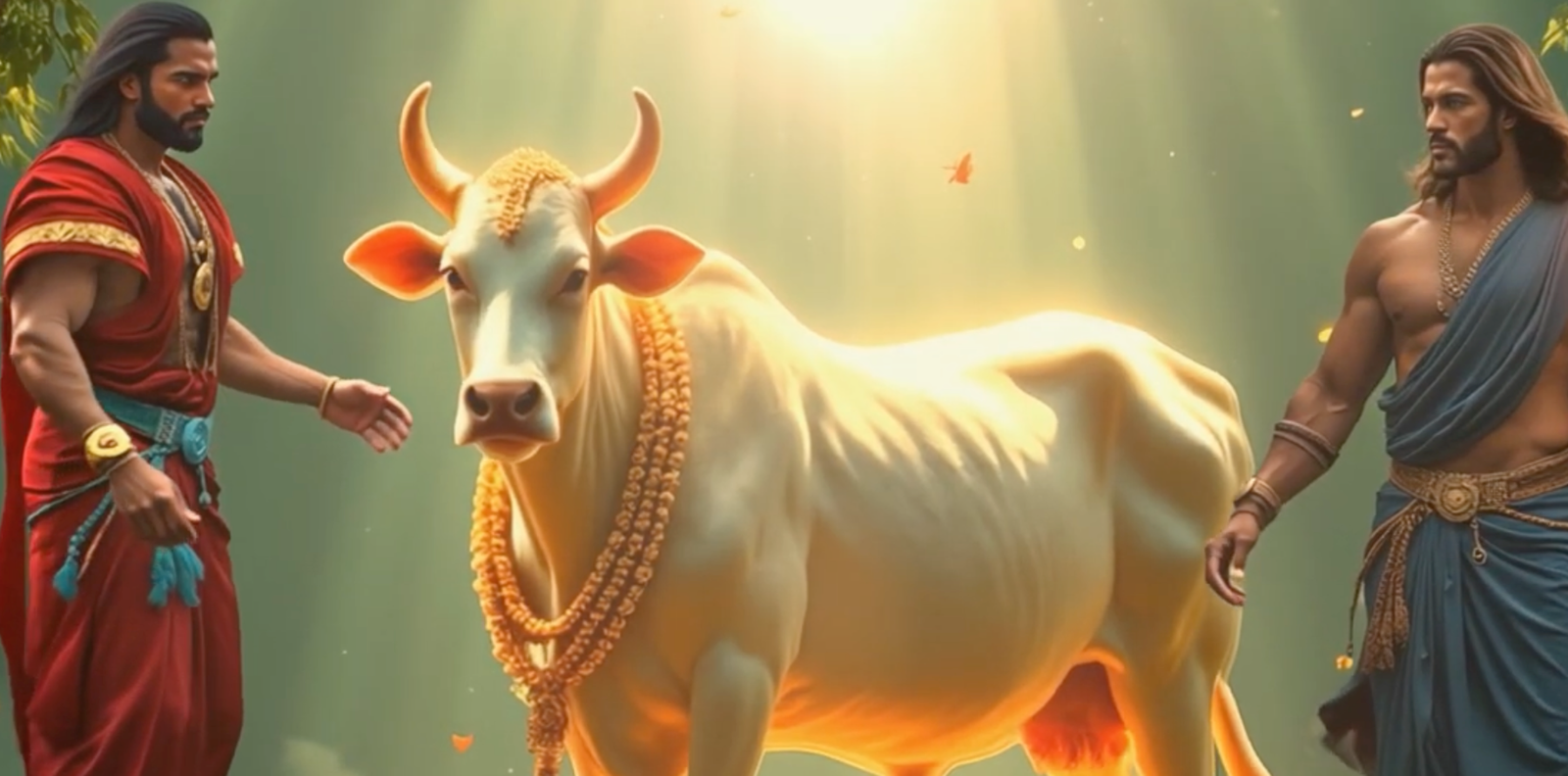
And Vishwamitra is just the beginning. The studio has more epic narratives in the works, each one exploring how technology can serve timeless stories rather than overshadow them. There’s more to come, and it’s worth paying attention to.
Here’s what hasn’t changed: when the lights go down and a story begins, you’re not looking for technical perfection. You want to feel something real, to see a bit of yourself in it, to connect with something greater than the everyday. Ancient sages understood this. Modern audiences still crave it. And now, if we’re thoughtful about it, AI can help bridge that gap – not by replacing the human touch, but by making sure more human stories reach more human hearts.
The real revolution isn’t what the technology can do; it’s what we choose to do with it.
For more stories like this, stay tuned to TheGlitz