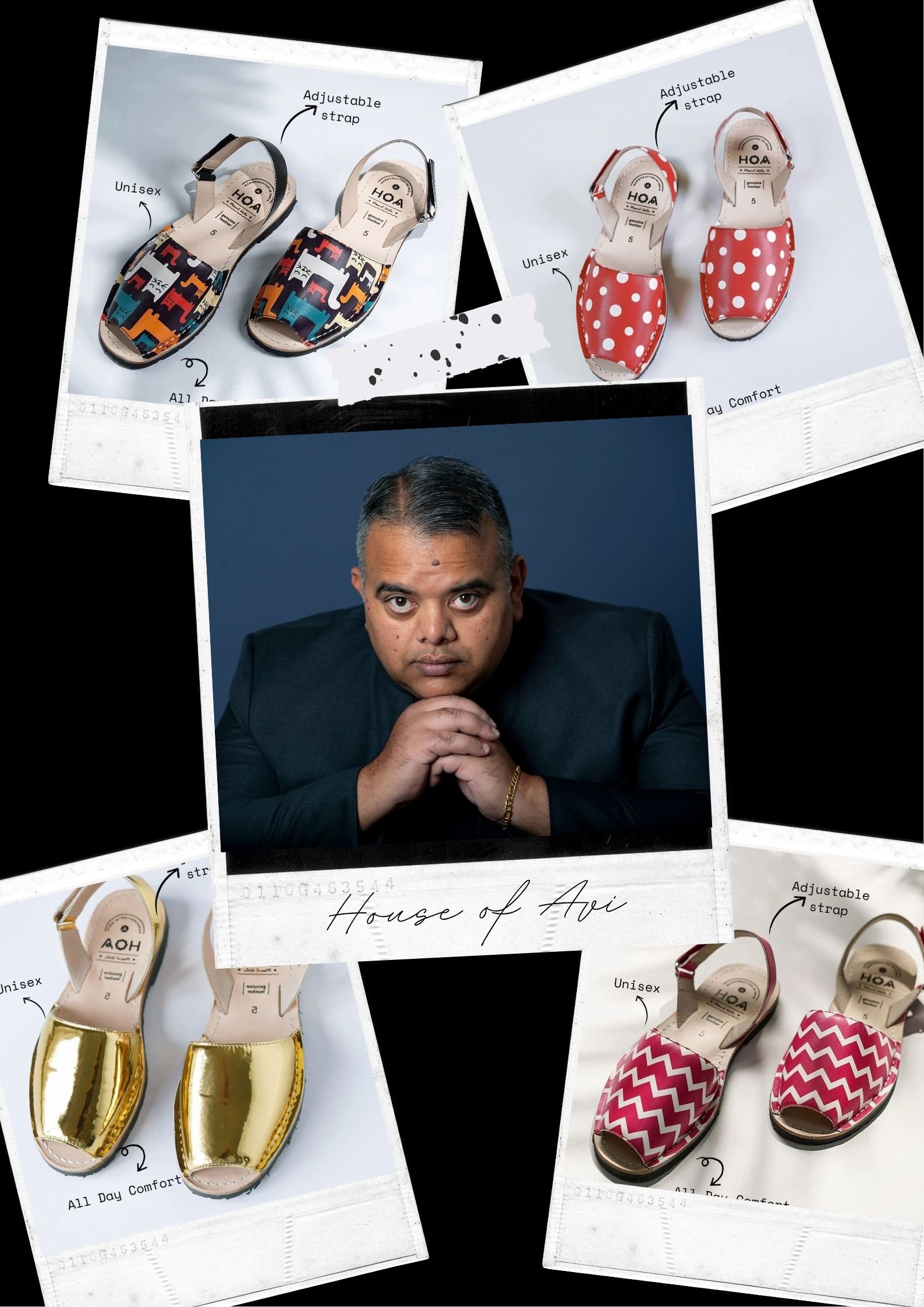
Avi Kumar, Founder & CEO, House of Avi
“One size fits all?” Seriously? Well, Avi Kumar, Founder and CEO of House of Avi would like to beg to differ. In fact, as the Founder and CEO of House of Avi, he has spent the better part of his entrepreneurial journey proving that fashion’s favourite phrase is also one of its biggest fibs. A rebel with a ‘shoe-lution’, Avi isn’t here to walk in the industry’s footsteps… he’s here to leave his own footprint… or rather footwear.
While much of fashion remains obsessed with fitting people into boxes (and size charts), Avi is busy kicking down those rigid doors. Equal parts disruptor, dreamer, and designer of change, he has built House of Avi on a simple but radical belief: if the shoe doesn’t fit, the problem isn’t the person… it’s the shoe.
…And he’s not just talking the talk. From challenging archaic sizing norms to championing a movement rooted in inclusivity, craftsmanship, and democratic design, Avi is giving the industry a much-needed sole-searching moment. …Because for him, style isn’t about fitting in… it’s about making sure no one is left out.
Indeed, as Founder and CEO of House of Avi, Avi has emerged as one of the most compelling voices challenging the industry’s long-standing obsession with conformity, exclusivity, and outdated size standards. What began as a deeply personal struggle to find stylish, well-crafted footwear that truly fit evolved into a larger mission: creating a brand that serves the millions of consumers luxury fashion has historically overlooked.
In an industry often driven by trends and optics, Avi is championing something far more radical… democratic design. Through House of Avi, he has built a movement that places inclusivity, craftsmanship, and human-centered innovation at its core, proving that exceptional design should adapt to people, not the other way around. From introducing an unprecedented size range spanning US 4 to US 20, to creating globally inspired collections rooted in Indian artisanal excellence, he is challenging conventional thinking at every level of the fashion value chain.
Yet Avi’s ambition extends far beyond footwear. He envisions a future where style is no longer dictated by arbitrary standards, where accessibility and luxury coexist, and where every individual… regardless of size, shape, or circumstance… can experience the confidence that comes from feeling seen.
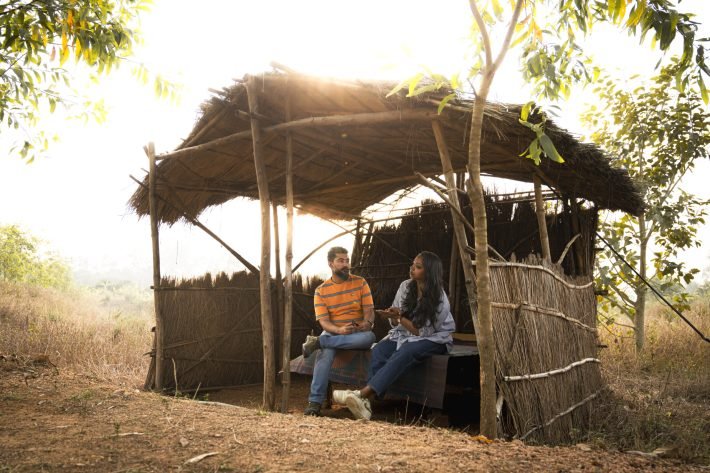
…And if his words are any indication, this is only the beginning. In an exclusive interview with Sumita Chakraborty, Founder & Editor-in-Chief, TheGlitz, Avi Kumar, Founder & CEO, House of Avi, talks about breaking size barriers, championing democratic design, and building a brand that puts people before fashion conventions.
Over To Avi Kumar, Founder & CEO, House of Avi

House of Avi was born from a deeply personal experience. Can you take us back to that defining moment and tell us how a challenge you faced abroad eventually evolved into a brand that is now challenging industry norms in India?
It really did start with a moment of pure frustration that stayed with me. I was looking for a pair of high-quality sandals that actually fit comfortably and felt right. Instead, I faced the reality that so many people face every single day: a total lack of options, restrictive size brackets, and a feeling that the industry simply hadn’t designed its products with me or people like me in mind.
That challenge stayed with me because it exposed a massive gap between luxury design and human reality. When I looked at the market in India, I saw a young Dolly Aunty and middle-aged Shabnam Bhabhi in almost every household. Two women who struggled with ill-fitting footwear.
I also saw an incredible landscape of rich craftsmanship but a fashion infrastructure that was still blindly copying rigid, westernized mass-production standards. House of Avi was born to bridge that exact gap. We took the frustration of being overlooked and turned it into a mission: to leverage world-class design and premium craftsmanship to serve the people like Dolly Aunty and Shabnam Bhabhi, the mainstream industry chose to ignore.
You describe House of Avi as a “movement” rather than just a footwear brand. What are the biggest misconceptions the fashion industry still has about inclusivity, and why do you believe the concept of democratic design is long overdue?
The biggest misconception in the fashion industry is that inclusivity is a “trend” or a CSR (Corporate Social Responsibility) checkbox to be ticked for good PR. Brands often think inclusivity just means casting a diverse model in a campaign while still manufacturing the exact same limited, exclusionary products behind the scenes. That isn’t inclusivity; it’s optics.
True inclusivity requires democratic design and the fundamental belief that beautiful, premium, high-performance design should not be a privilege reserved for a narrow segment of society. For decades, the industry dictated who got to look stylish based on arbitrary size charts.
Democratic design flips the script: the product must adapt to humanity, not the other way around. It is long overdue because people are tired of being told they don’t fit. They want to be seen, respected, and served with the exact same level of luxury and care as anyone else.
Most footwear brands continue to cater to a narrow size spectrum, effectively excluding millions of consumers. Was there resistance when you decided to launch with sizes ranging from US 4 to US 20, and what has the consumer response revealed about this overlooked market?
There was immense resistance, primarily from traditional manufacturing and supply chain partners. The standard factory model is built on predictable, narrow size brackets because it’s cheaper and easier to scale. When you say you want to build lasts and molds ranging all the way from US 4 to US 20, the traditionalists look at you like you’re crazy. They tell you there’s “no market” for it.
But the consumer response has proven them entirely wrong. What this overlooked market revealed is that the demand wasn’t missing; the supply was. We’ve had consumers reach out who have literally spent their entire adult lives unable to buy a premium, stylish pair of comfortable footwear. When you provide someone with their first-ever pair of beautifully crafted, luxury footwear that actually fits, it’s emotional. It proves that this isn’t a niche market—it’s a massive, deeply grateful community that has been starved for choice.
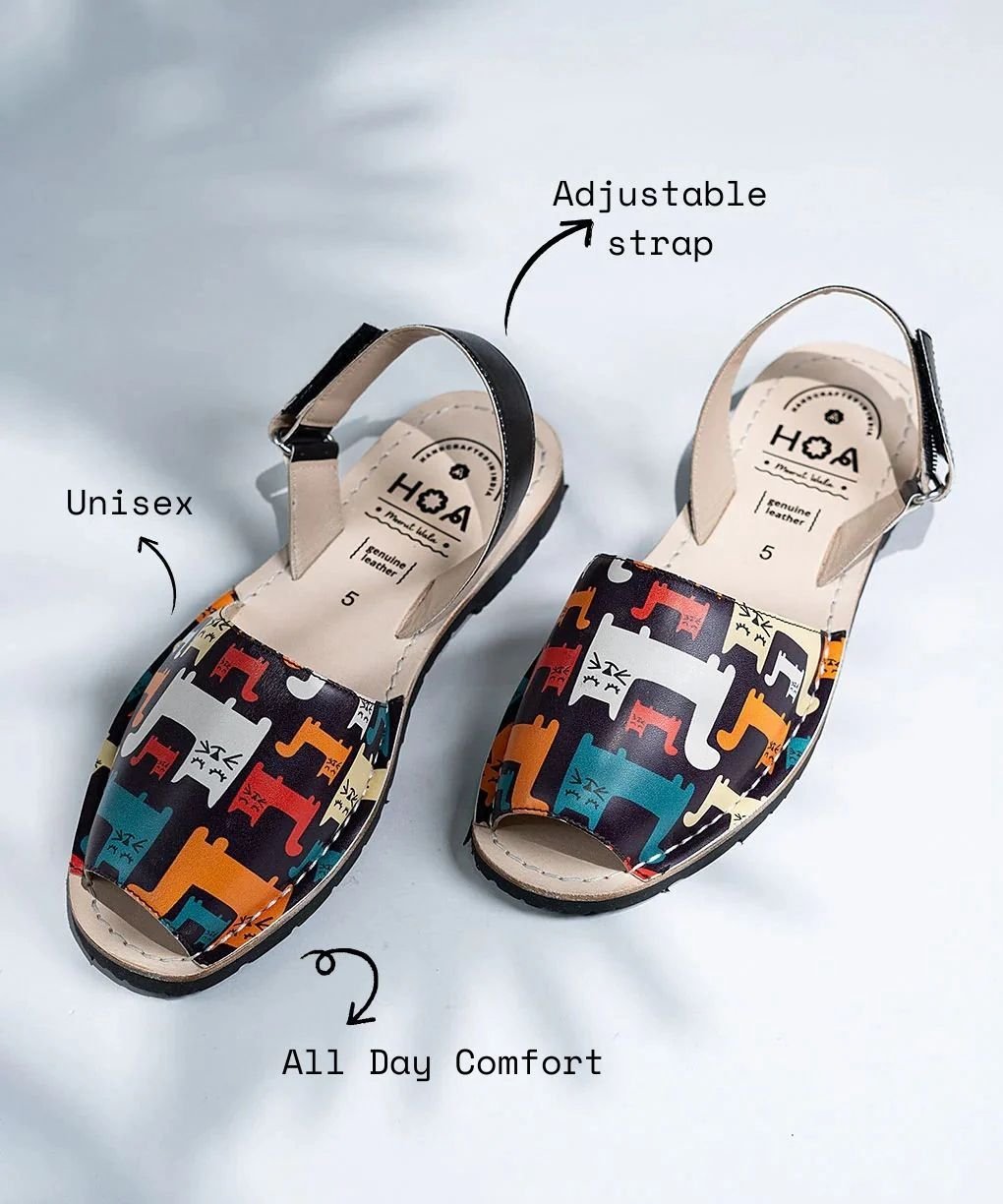
The Avircaazz collection introduces an entirely new category by blending Spanish-inspired design with Indian craftsmanship. What inspired this fusion, and how do you strike the balance between global aesthetics and local cultural relevance?
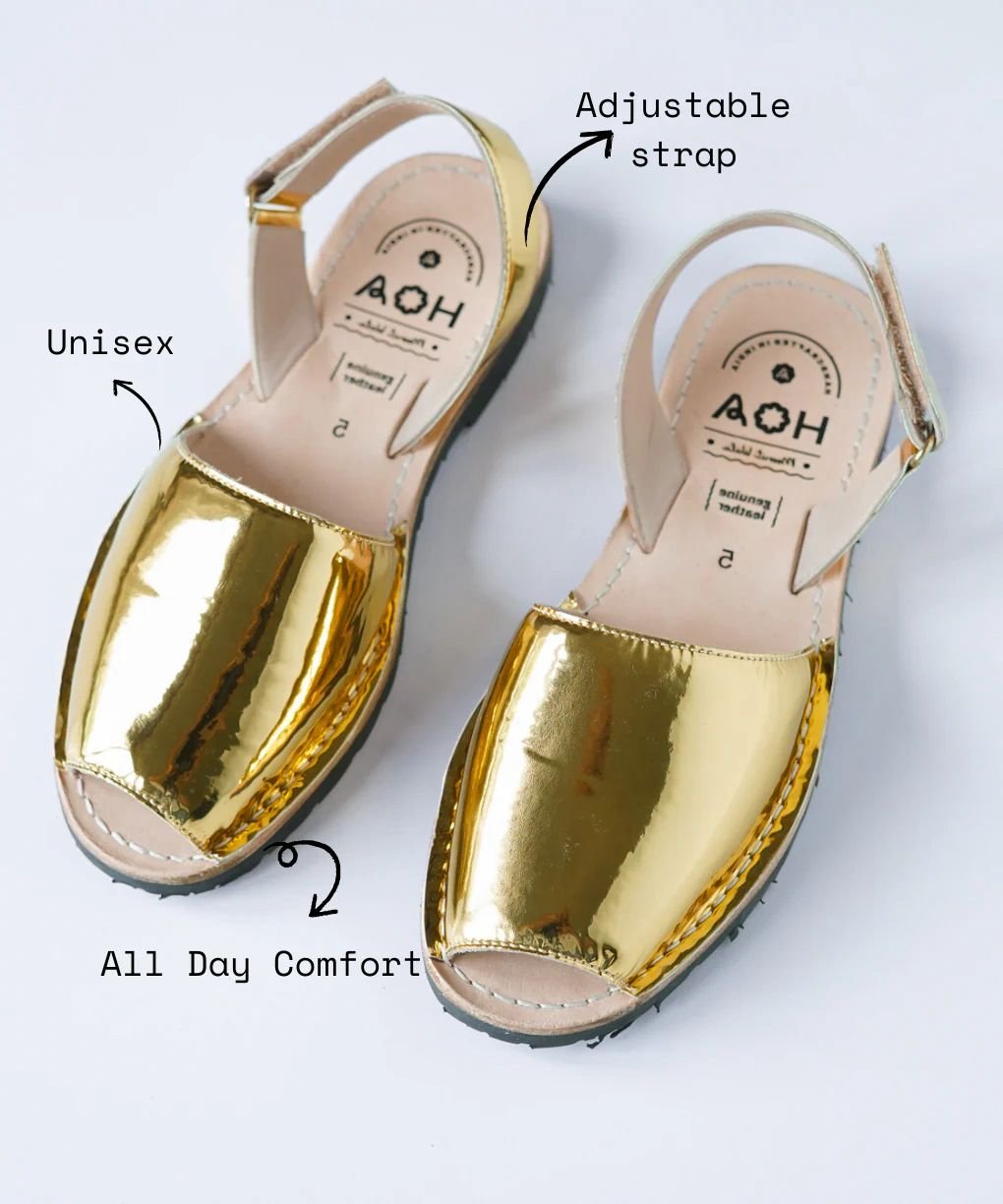
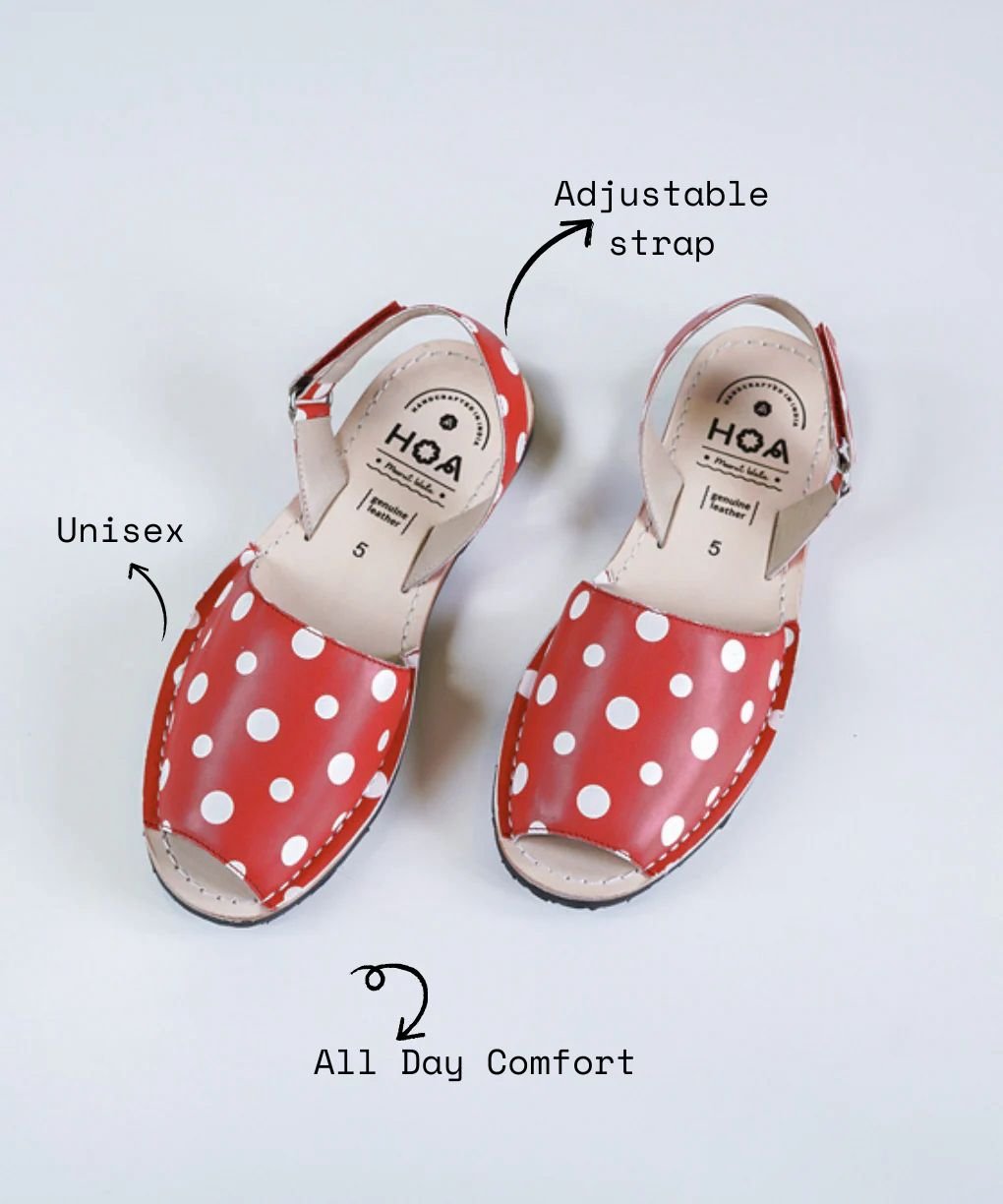
The Avircaazz collection is incredibly close to my heart because it represents a true cultural dialogue. I’ve always been captivated by Spanish design aesthetics, the bold structures, the effortless sophistication, and the sheer vitality of the style. On the other side, India possesses some of the most profound, unmatched artisanal craftsmanship in the world, with techniques passed down through generations.
The inspiration was to see what happens when those two worlds collide. We don’t just copy a global look and stick an Indian label on it. Instead, we use the precision of global, Spanish-inspired silhouettes as the canvas, and then we breathed life into it using the mastery, texture, and soul of Indian craftsmanship. Striking that balance means respecting both sides: ensuring the footwear feels worldly and contemporary enough for any global fashion capital, while remaining deeply rooted in the artisanal integrity that makes it unique.
In an era dominated by fast fashion and disposable trends, House of Avi champions craftsmanship, durability, and artisan-led production. How important is it for modern brands to create products with longevity rather than simply chasing seasonal relevance?
Chasing seasonal relevance is a race to the bottom. Fast fashion has conditioned people to view clothing and footwear as disposable, which is disastrous for both the environment and human dignity. At House of Avi, we believe that true luxury is defined by longevity.
For a modern brand, creating products that last isn’t just an environmental responsibility; it’s an emotional one. When an artisan spends hours hand-crafting a piece of footwear, that product carries a story, a human touch, and a level of care that a machine in a hyper-factory can never replicate. We want our collections to be investments. We want a customer to buy an Avircaazz shoe knowing it will look, feel, and perform beautifully years from now. Longevity is the ultimate rebellion against a disposable culture. Our special TPR soles will go on for years. Literally.
Your association with Guinness World Record holder Tanya Herbert sends a powerful message about representation and the ‘forgotten customer.’ How important is authentic representation in building a modern fashion brand, and do you think the industry is finally beginning to embrace inclusivity in a meaningful way?

Authentic representation is everything. Partnering with Tanya Herbert wasn’t a marketing gimmick; it was a profound alignment of values. Tanya represents the ultimate ‘forgotten customer’—someone whom the global footwear industry completely turned its back on. By working with her, we wanted to show the world that no matter your size, you deserve exceptional design, comfort, and luxury.
Is the industry beginning to embrace this meaningfully? I’d say it’s split. There are small pockets of genuine disruption—usually driven by independent, founder-led brands like ours who are willing to take risks. But the legacy players are still largely paying lip service. They change their marketing imagery, but they don’t change their manufacturing lines. True change only happens when a brand puts its money where its mouth is and actually changes its product architecture to include everyone. HOA did exactly that.
Looking beyond footwear, what larger legacy do you hope House of Avi leaves behind? Is your goal to build a successful brand, or to fundamentally change how the fashion industry thinks about size, accessibility, and who deserves to feel stylish and seen?
Commercial success is great because it gives us the capital to scale our impact, but it is not the end goal. The legacy I want House of Avi to leave behind is a fundamental pivot in the psychology of the fashion & footwear industry.
I want us to be the brand that people speak about when they talk about shattering the old myths. I want future designers and major fashion houses to look at House of Avi and realize that inclusivity is viable, democratic design is necessary, and serving the full spectrum of humanity is a beautiful, powerful thing.
If we can change the industry standard so that the next generation of consumers never has to feel excluded, humiliated, or invisible because of a size chart—then we’ve built something that matters. That’s the legacy. Everyone deserves to feel stylish, confident, and seen.
My next collection is once again being designed with. A particular social movement at the centre of it. This one is global. This one will break the camel’s back….. wait and watch. Coming soon.