
Jumeirah Burj Al Arab celebrates 25 years of redefining what it means to indulge in luxury. Since its grand opening in 1999, this sail-shaped symbol of extravagance has not only become a global icon of architecture, but also a beacon of modern Arabian hospitality, attracting jet-setters and dreamers alike to its plush shores.
With its iconic silhouette piercing Dubai’s skyline, Burj Al Arab has set the gold standard for unparalleled opulence, a hotel experience that remains the epitome of fantasy, forever. TheGlitz raises a toast to the iconic Jumeirah Burj Al Arab on it’s 25 the anniversary.

The Iconic Jumeirah Burj Al Arab
As we raise a glass to a quarter-century of Jumeirah Burj Al Arab’s boundary-pushing excellence, there’s no denying how deeply embedded this hotel is in the story of Dubai’s evolution from a glittering oasis to a world-class hub of luxury. From its momentous inception to its future-focused journey, the Burj Al Arab isn’t just a hotel—it’s an experience, a conversation starter, and a symbol of a brand that never stops evolving.
Thomas Meier, the Chief Operating Officer and Interim Chief Executive Officer, shared a toast to the legacy: “As we celebrate 25 years, we reflect on our tradition of excellence, inspired by the warmth of Arabian culture. This spirit of hospitality and cultural exchange lies at the heart of our vision, to create destinations that are not just beautiful but spaces where the world connects.” And with new openings in the pipeline—from the stunning Jumeirah Red Sea in Saudi Arabia to the breathtaking Jumeirah Le Richemond in Geneva—Jumeirah is only just getting started.
What truly sets the Burj Al Arab apart, though, is its spirit of daring imagination and bravado. For 25 years, the hotel’s helipad has served as an unlikely canvas for some of the most audacious stunts ever staged in the name of luxury. Take, for instance, 2013, when His Excellency Nasser Al Neyadi became the first skydiver to land on the helipad. Or when tennis legends Andre Agassi and Roger Federer squared off in a high-altitude match in 2005, sending tennis balls into the stratosphere. Let’s not forget Anthony Joshua and Seb Eubank’s gravity-defying face-off in 2017, or David Guetta’s electrifying charity set in 2021 that merged music, philanthropy, and a stunning Dubai skyline.
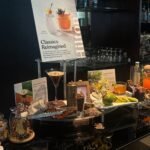
But it’s not just about daring feats; the Burj Al Arab remains a paragon of lavish comfort and service. The hotel’s butlers pamper guests in suites so sublime they blur the line between dream and reality, while its fleet of bespoke Rolls-Royce cars ensures that the journey to decadence is as stylish as the destination. Skyview Bar, perched high above the city, once served the world’s most expensive cocktail (AED 27,321, to be exact), inspired by its dizzying perch 27 stories above the ground. If you didn’t know luxury could have an altitude, you’d learn it here.
Jumeirah Burj Al Arab – The Turtle Cause

Yet beyond the glitter and glamour, Jumeirah Burj Al Arab continues to champion its role as a responsible neighbour. The Dubai Turtle Rehabilitation Project (DTRP), nestled within the hotel’s grounds, has been instrumental in rescuing and rehabilitating thousands of endangered sea turtles. As Jumeirah sets sail towards a more sustainable future, the Burj Al Arab serves as a shining example of how luxury and environmental responsibility can coexist.
So, as we count down the days to this milestone anniversary, let’s remember that Jumeirah Burj Al Arab isn’t just a hotel. It’s a legend, an art piece, and a living testament to the power of dreaming big—and then doing it all over again. Here’s to 25 years of defying gravity, setting trends, and making luxury look easy. After all, in the world of Jumeirah, excellence is just the beginning.