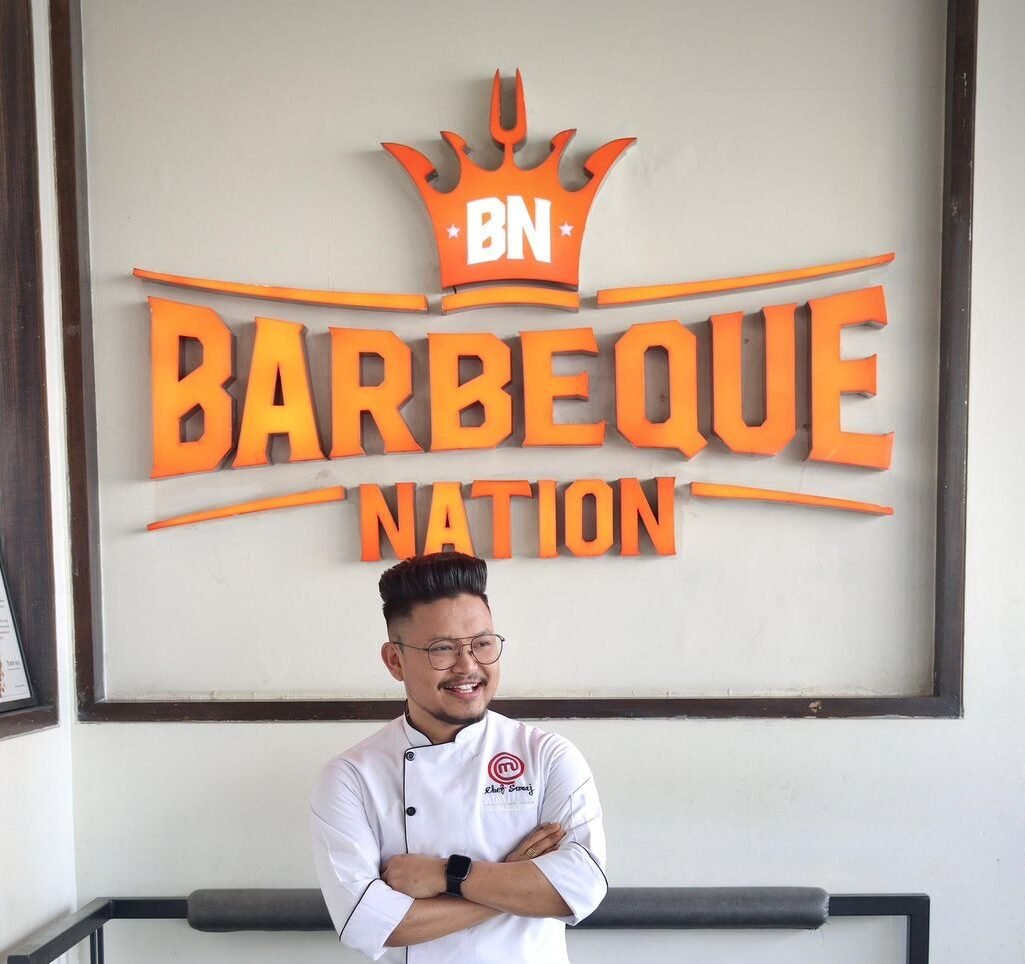
Rooted in memory, refined by mastery, and guided by quiet intuition, the immensely talented Chef Suraj Thapa cooks with both heart and heritage. Born and raised in Bengal with Nepali roots, his cuisine is a soulful bridge between cultures, kitchens, and generations… where royal nostalgia meets contemporary finesse. A MasterChef India Season 8 finalist, Chef Suraj has become known for his rare ability to reinterpret classic flavours without disturbing their emotional core.
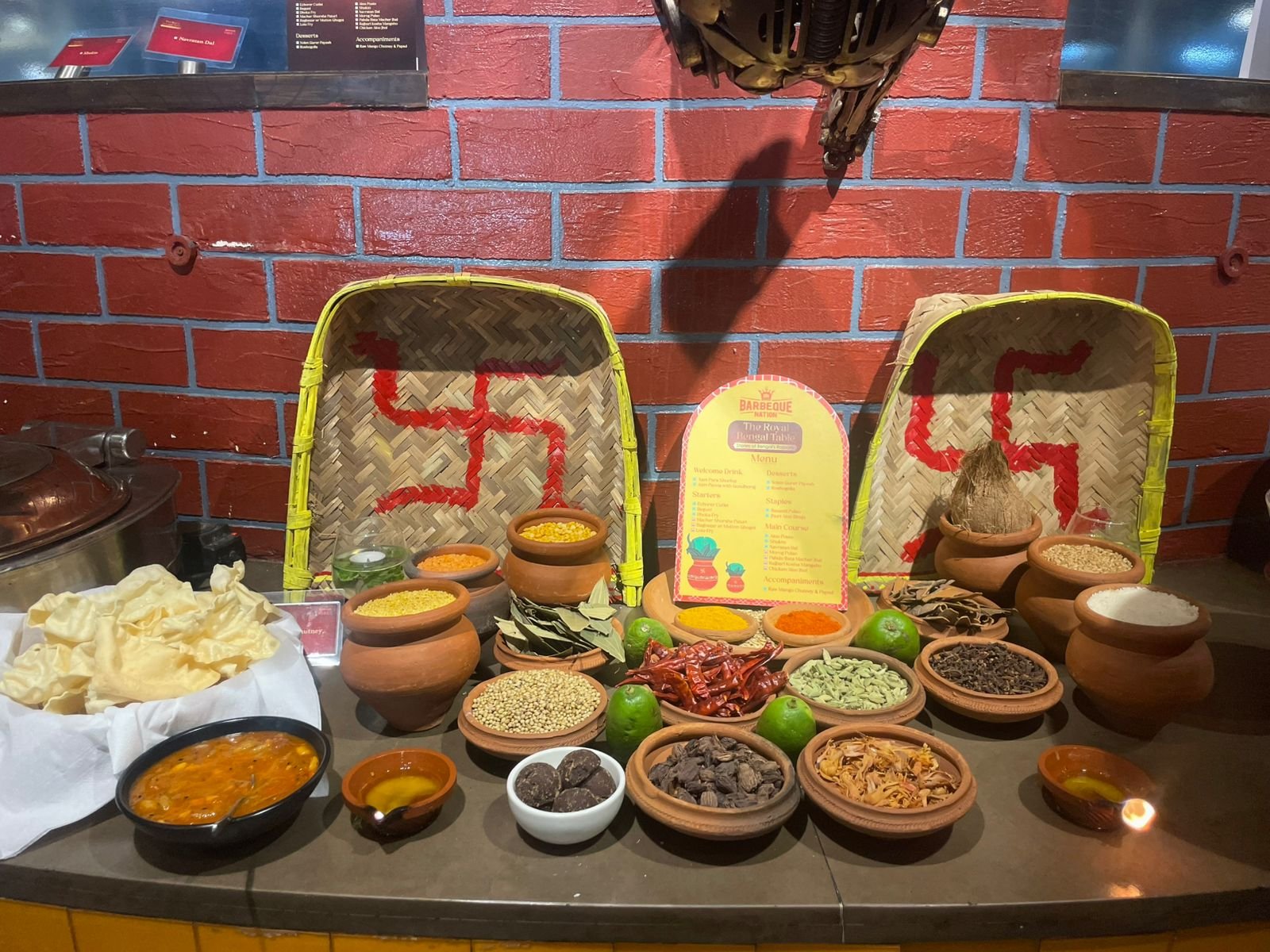
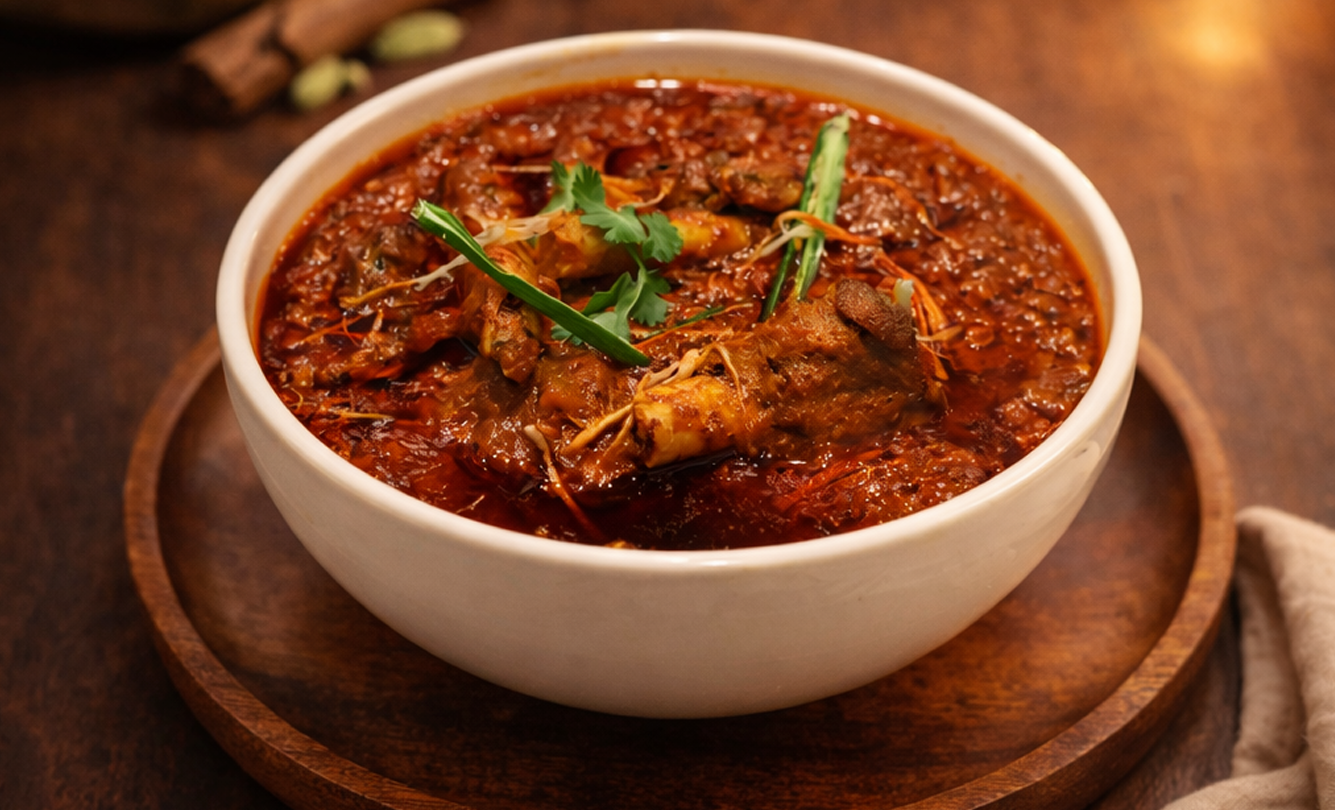
At Barbeque Nation, Sarjapura Road outlet, Bengaluru, his Royal Bengal Table pop-up isn’t just a menu… it’s a time-traveling feast inspired by the opulence of Bengal’s Rajbaris, where restraint is as powerful as richness, and balance is the true luxury. From the subtle poetry of Aloo Posto to the bold gravitas of Kosha Mangsho, and the nostalgic embrace of Nolen Gurer Payesh, every dish reflects Chef Suraj’s philosophy: food should tell stories, stir memories, and still feel deeply personal.
With an instinctive respect for tradition and a modern chef’s confidence to reimagine it, Chef Suraj Thapa stands out as a custodian of regional cuisine who cooks not for applause, but for connection. Here, in an exclusive interview with Sumita Chakraborty, Founder & Editor-in-Chief, TheGlitz, Chef Suraj Thapa opens up about his fab pop-up at Barbeque Nation, Sarjapura Road outlet, Bengaluru held from February 25 to March 1, 2026, heritage, nostalgia, and the soulful storytelling behind The Royal Bengal Table.
Over To Chef Suraj Thapa
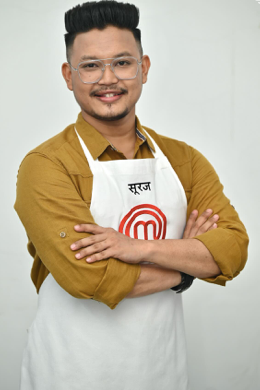
As a MasterChef India Season 8 finalist, how has your journey on the show shaped your approach to reviving heritage cuisines like this Rajbari-inspired feast?
Chef Suraj – “I’m Nepali, but I was born and brought up in Bengal, so representing Bengal through my food feels very personal to me. During MasterChef India Season 8, when I made a French dessert, I gave a Bengali touch to it, with Gondhoraj lemon ganache and a poppy seed sablé. That same thought process inspired this menu at Barbeque Nation — classic ideas but rooted in the flavours of Bengal.”
Bengali cuisine is deeply layered and subtle. How did you adapt these nuanced flavours to fit Barbeque Nation’s indulgent, live-grill format without losing authenticity?
Chef Suraj – “Barbeque Nation is known for offering a wide variety of flavours—from starters to main course and desserts. Keeping this in mind, I curated the menu to showcase the diversity of Bengali cuisine. On one hand, we have Aloo Posto, which is subtle and simple; on the other, Rajbari Kosha Mangsho, which is bold, rich, and packed with spices. It’s about presenting the full spectrum of flavours on one table.”
From Beguni to Kosha Mangsho, every dish tells a story. If this pop-up were a narrative, which dish would you call the hero… and why?
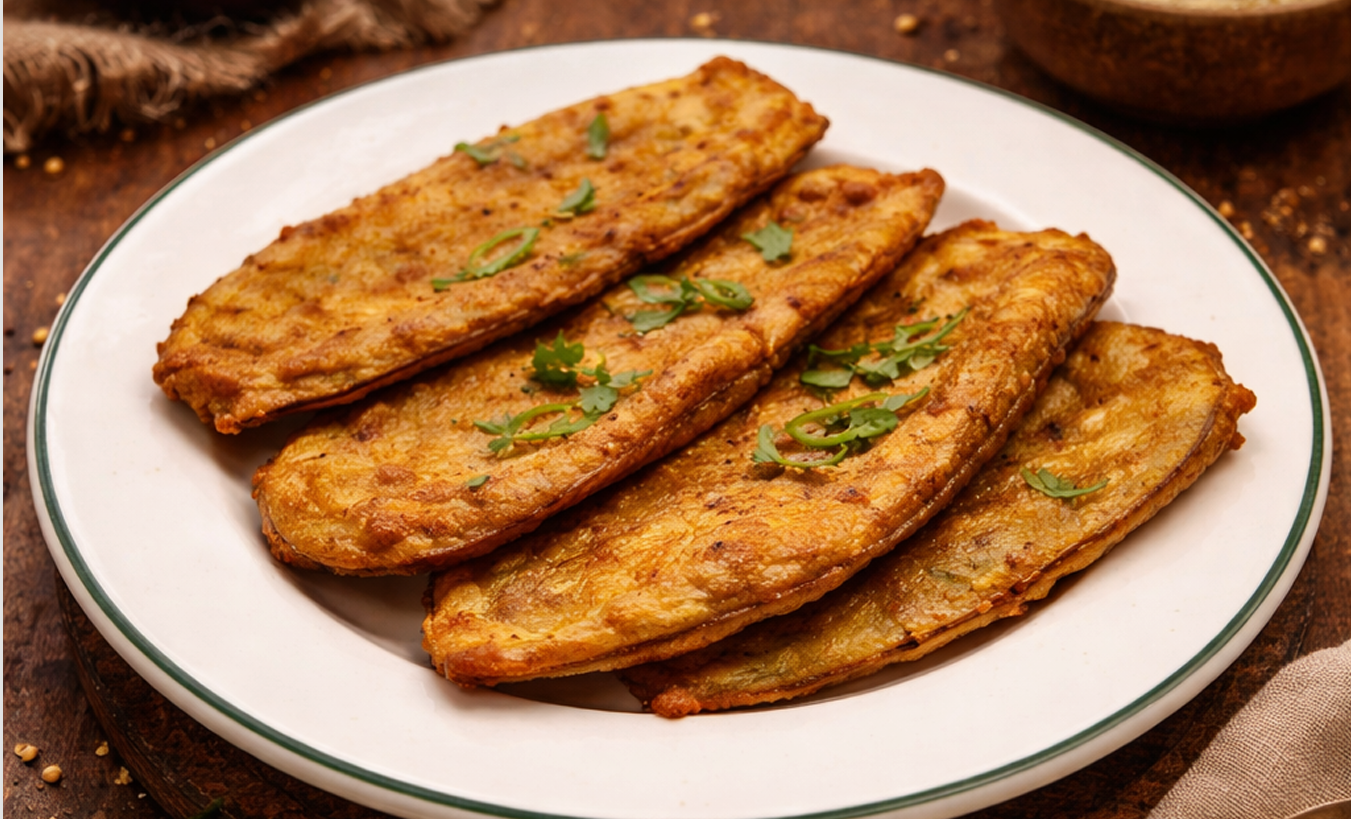
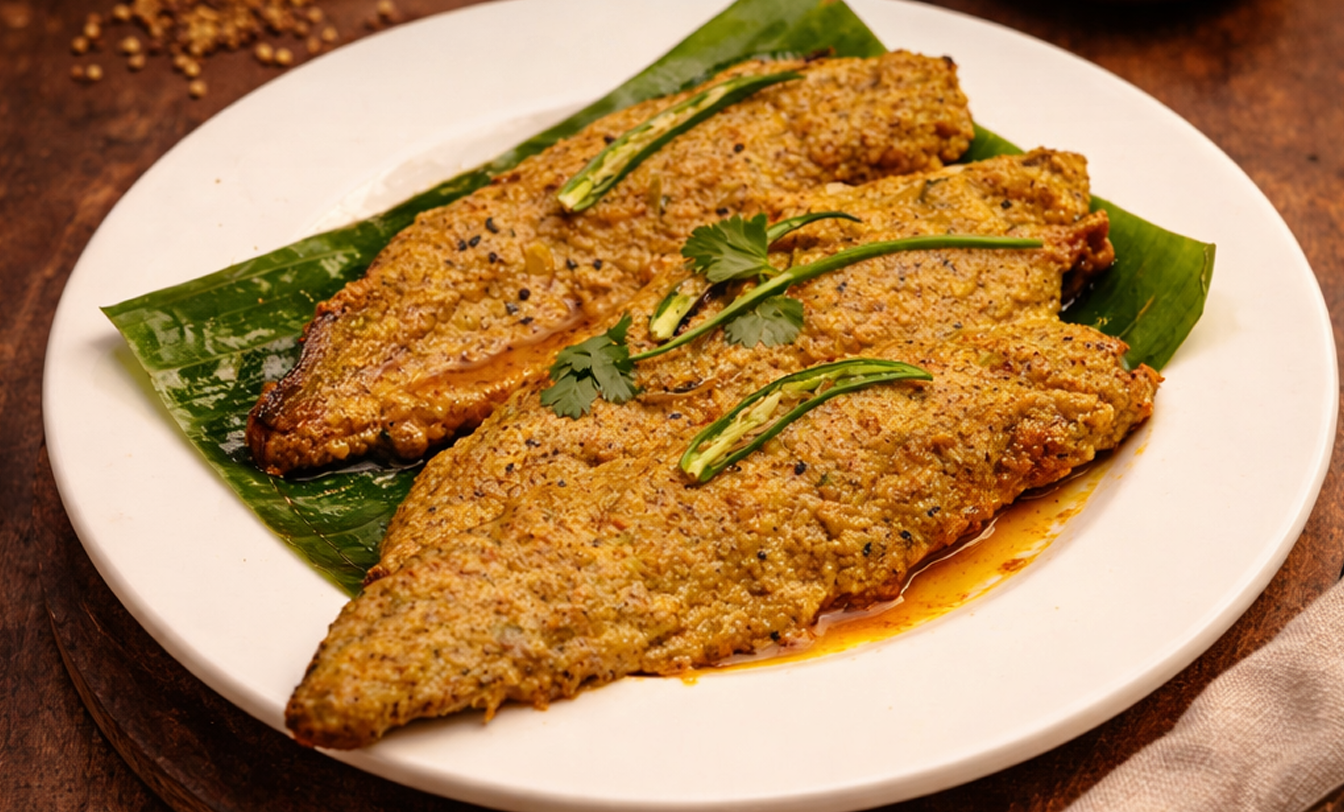
Chef Suraj – “I would call Macher Paturi the hero of this menu. It beautifully captures the essence of Bengali cuisine — the subtle creaminess of poppy seeds balanced with the sharp pungency of mustard seeds and mustard oil. It’s delicate yet bold at the same time, and that contrast is what makes it truly special.”
Royal Bengali food is known for balance rather than excess spice. What were the biggest challenges in recreating that refined restraint for a contemporary buffet audience?
Chef Suraj – “As we know, Rajbari cuisine is all about balance — it may feel subtle at first, but it’s deeply layered and full of flavour. One distinctive element is the gentle touch of sweetness we often add, which helps balance the spices and create a more rounded, harmonious dish.”
Nolen Gurer Payesh is an iconic dessert with deep emotional resonance. What does this dish personally mean to you, and why was it essential to end the feast with it?
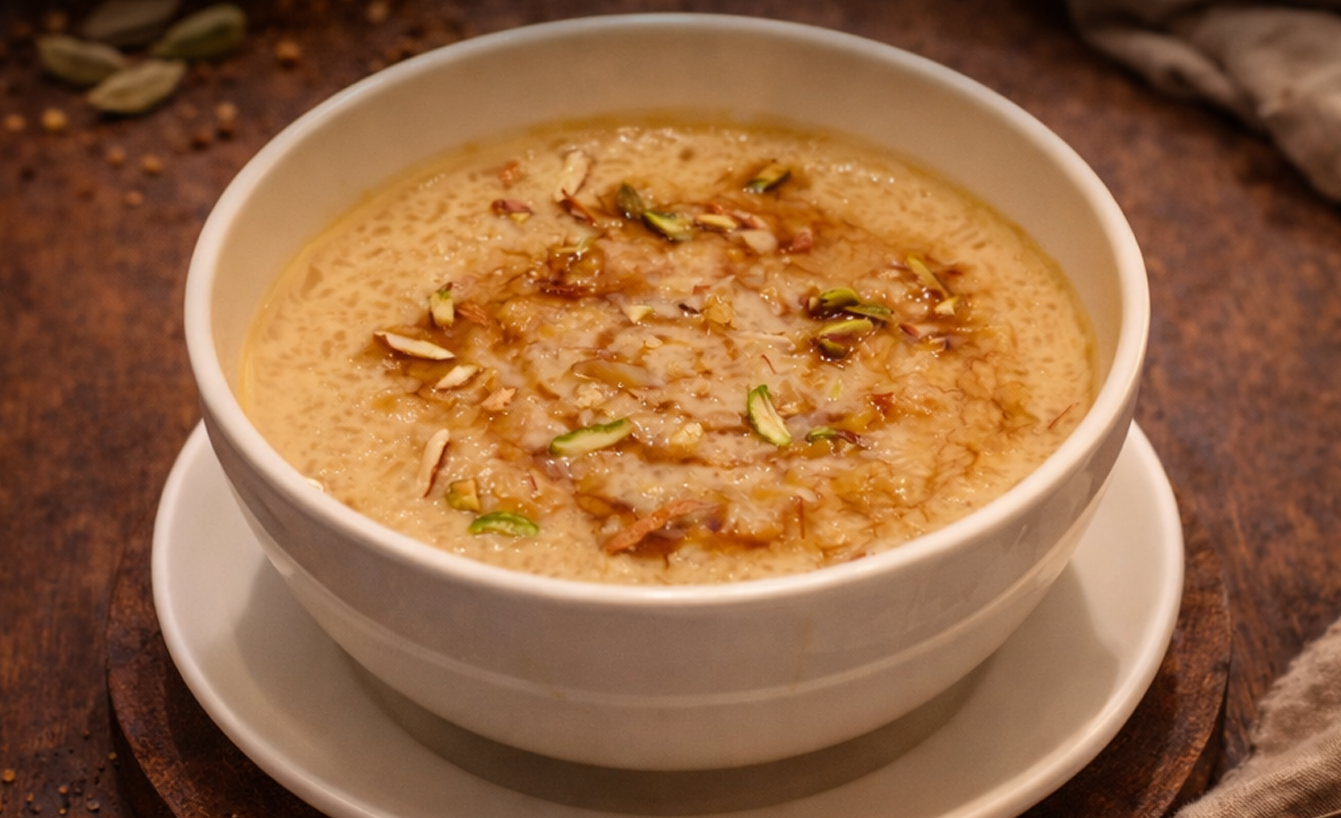
Chef Suraj – “For me, Nolen Gurer Payesh is pure nostalgia — it reminds me of winter, family, and the comforting aroma of fresh nolen gur. I wanted to end the feast with it because after all the rich flavours, as well as this dessert brings warmth, emotion, and a true taste of home.”
This pop-up celebrates nostalgia and grandeur. Looking ahead, do you see yourself exploring more regional royal cuisines through similar chef collaborations?
Chef Suraj – “Absolutely. This pop-up celebrates nostalgia and grandeur, and I truly enjoy bringing regional stories to the table. India has such a rich legacy of royal cuisines, each with its own history and character. I would love to explore more regional royal traditions through similar collaborations and reinterpreting them in a way that feels authentic yet relevant to today’s diners.”
How would you describe your pop-up at Barbeque Nation?
Chef Suraj – “I would describe my pop-up at Barbeque Nation as a celebration of Bengal’s royal culinary heritage. It is a menu that brings together nostalgia, layered flavours, and traditional techniques, while still being approachable and enjoyable in a buffet format. For me, it is about telling a story through food, where every dish reflects the warmth, richness, and elegance of Rajbari cuisine.