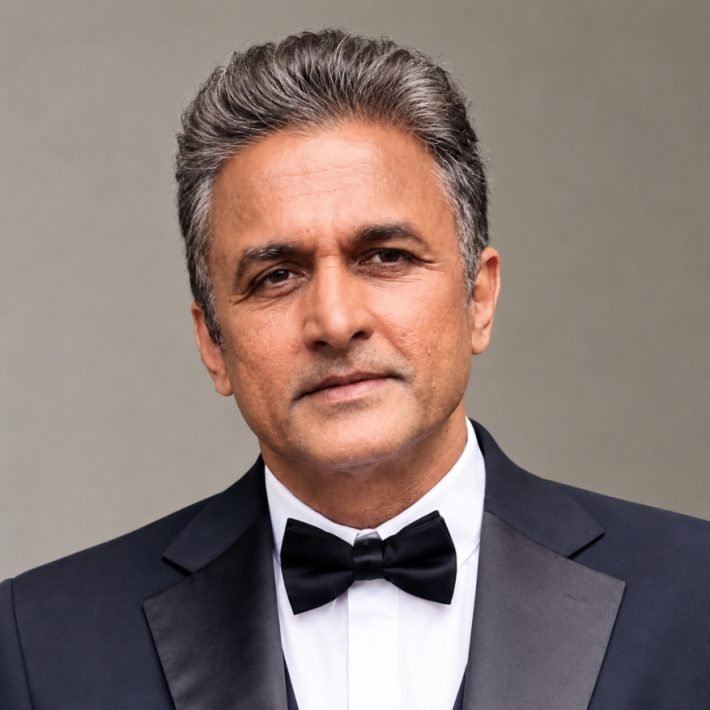
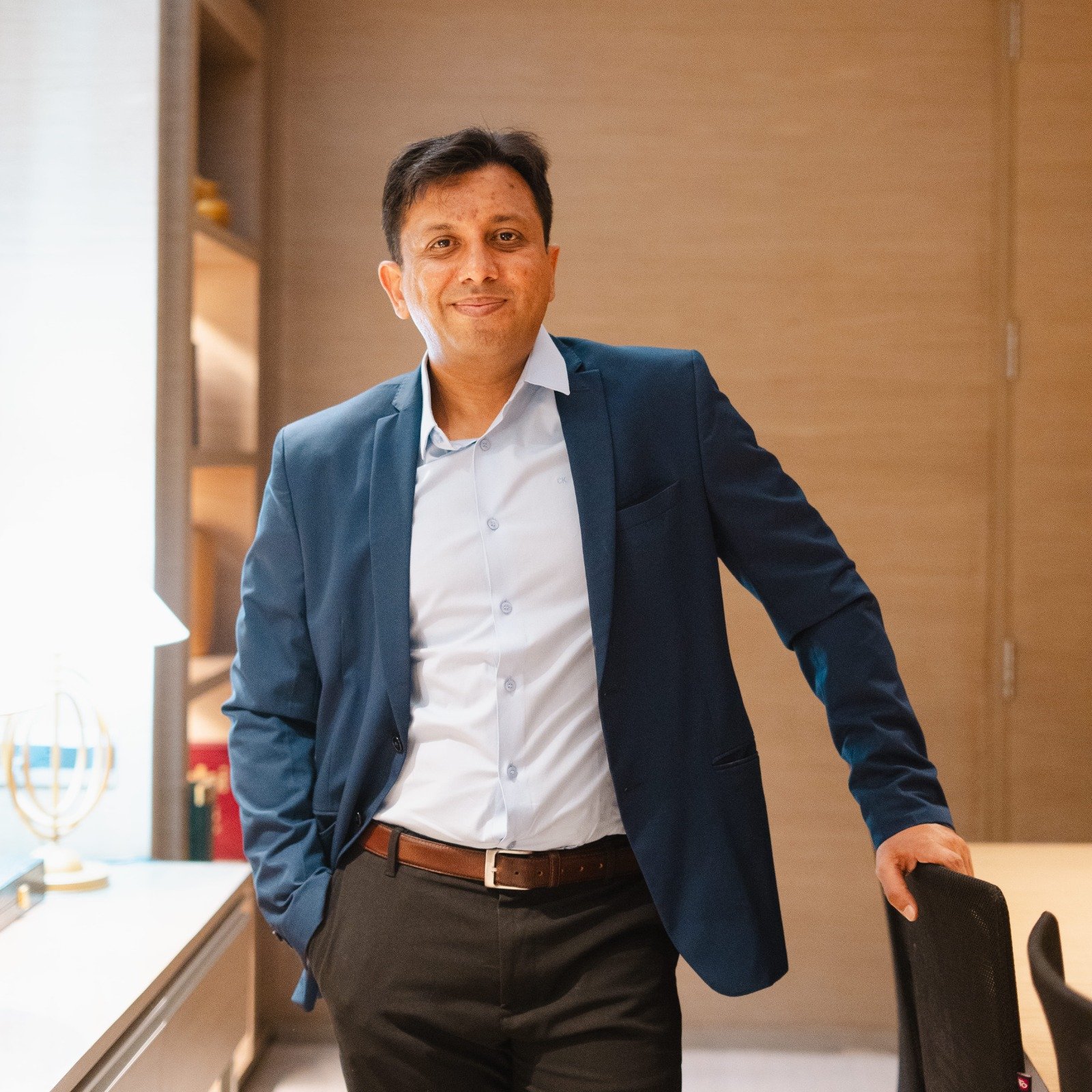
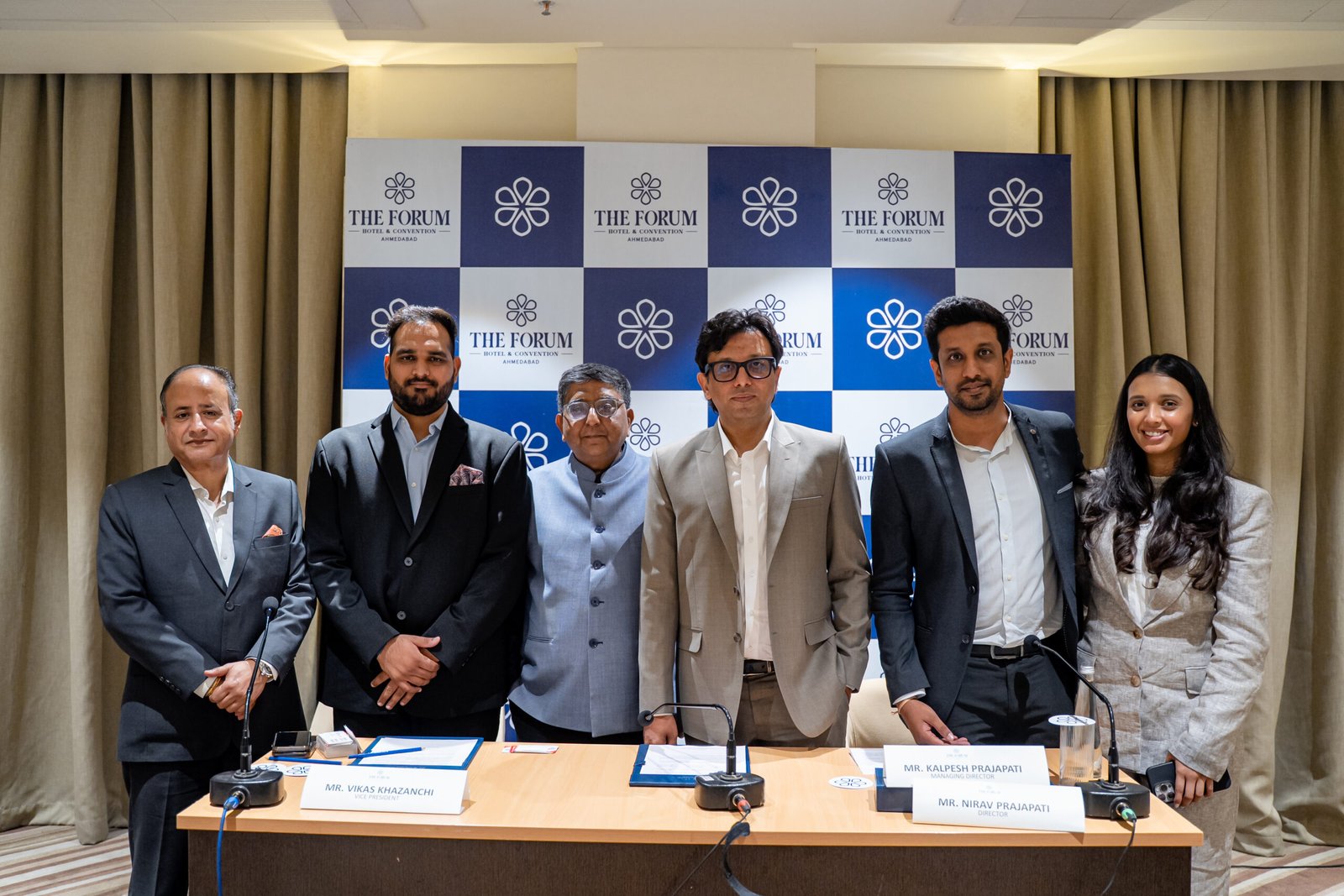
Kalpesh Prajapati, MD, The Forum Hotel and Convention Centre, Ahmedabad
In an era where luxury is being redefined by authenticity, mindfulness, and meaningful experiences, few hospitality leaders embody this transformation as seamlessly as Kalpesh Prajapati, Managing Director, The Forum Hotel and Convention Centre, Ahmedabad. A visionary entrepreneur with a deep understanding of evolving guest expectations, Kalpesh Prajapati has built The Forum into more than just a hospitality destination… it is a thoughtfully curated ecosystem where business, leisure, culture, and comfort converge.
Under his leadership, The Forum has emerged as one of Ahmedabad’s most dynamic hospitality landmarks, blending world-class convention facilities with a warm, emotionally resonant guest experience. His approach reflects a new generation of hospitality leadership… one that values purpose over excess, personalisation over standardisation, and sustainability over short-term gains. With a keen eye on global trends and a firm belief in India’s unique ability to shape the future of luxury hospitality, Kalpesh Prajapati continues to champion experiences that are rooted in culture, driven by innovation, and designed to create lasting memories.
In this exclusive interview with Sumita Chakraborty, Founder and Editor-in-Chief, TheGlitz, Kalpesh Prajapati, MD, The Forum Hotel and Convention Centre, Ahmedabad, shares his insights on the rise of quiet luxury, the growing importance of emotional hospitality, sustainability as a business philosophy, and why India’s luxury hospitality sector is poised to lead the world in the decade ahead.
Over To Kalpesh Prajapati, MD, The Forum Hotel and Convention Centre, Ahmedabad

Luxury hospitality today is moving away from excess and towards intentional, experience-led travel. How do you see the idea of “quiet luxury” shaping the future of Indian hospitality?
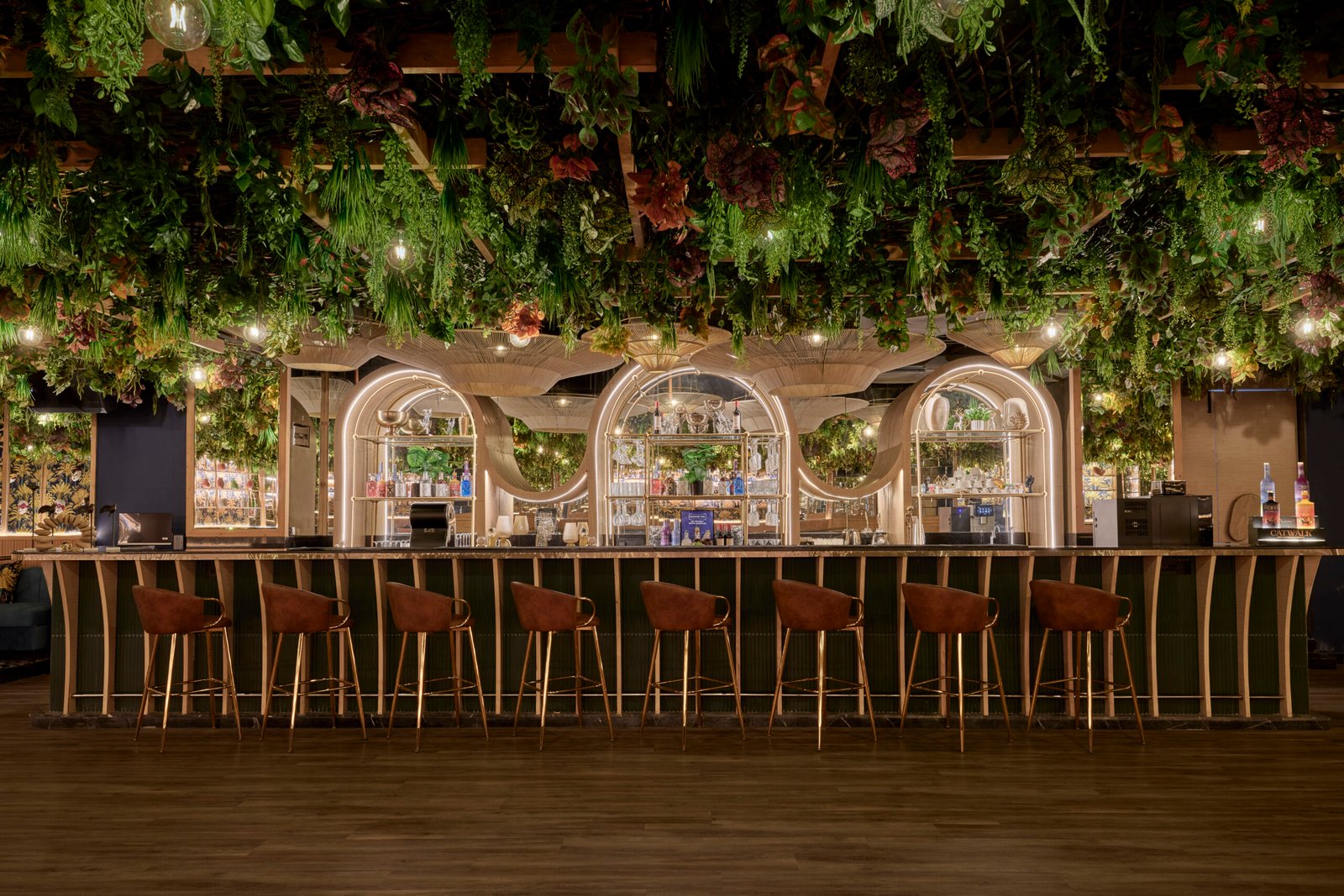
Luxury hospitality is witnessing a clear shift from spectacle to substance. Guests no longer want to be impressed; they want to feel at ease. Today, luxury is increasingly defined by restraint rather than excess. Indian hospitality is finally maturing into this space. At The Forum, every aspect – from the design and service to the overall experience – is intentional and thoughtfully curated, never loud or overstated.
The Forum Hotel and Convention Centre has emerged as a modern hospitality destination in Ahmedabad. How do you balance business functionality with emotional, lifestyle-driven guest experiences?
The Forum is built for both the boardroom and the bedroom, and neither comes at the expense of the other. At the end of the day, a business traveller is still a human being. Even when guests are here for a conference or a work trip, they want to feel comfortable, cared for, and perhaps even inspired by their surroundings. The experience should be more than just room, meeting, and checkout. Every functional space has warmth designed into it, and that is non-negotiable for us. While the convention side operates with efficiency, the hotel side is driven by soul.
Today’s travellers increasingly seek spaces that feel calm, private, and deeply personalised. How is your property evolving to meet this new generation of mindful luxury travellers?
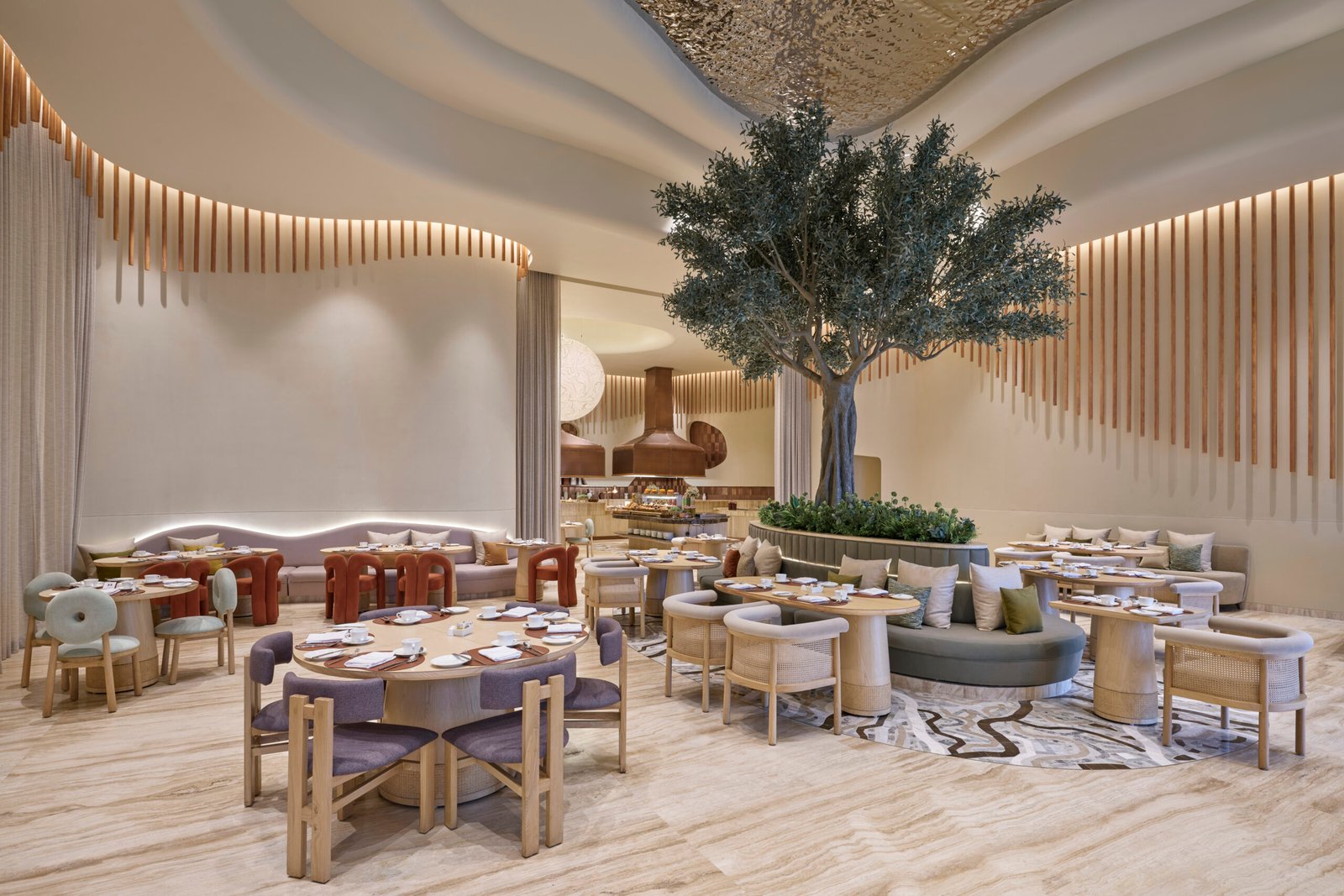
Today’s guests have seen the world, and they often notice what is missing rather than what is added. Personalisation has become the new premium – not amenities or square footage. We have made significant investments in staff training, focusing on understanding and anticipating guests’ needs rather than simply serving them. The goal is to ensure that every experience feels thoughtfully curated rather than rehearsed.
Sustainability is becoming central to luxury hospitality. What conscious practices or long-term sustainability initiatives are most important to you personally as a hospitality leader?
At The Forum, sustainability is operational, not decorative. It is reflected through responsible sourcing, waste reduction, and climate-conscious design. More importantly, sustainability is embedded into our decision-making processes rather than being limited to communication. I believe long-term thinking is the only way to build something that truly endures.
Modern travellers want to feel connected to the destination they are visiting. How does The Forum Hotel incorporate Ahmedabad’s culture, identity, and local sensibilities into the guest experience?
Ahmedabad remains an underestimated destination, and The Forum is here to help change that perception. The city’s UNESCO-recognised heritage, rich textile legacy, and extraordinary food culture all play a role in shaping the hotel’s identity. We believe guests should leave with a sense of the city, not just a memory of the hotel. That local sensibility is woven into our design, menus, and overall guest experience.
Hospitality today is as much about emotional connection as infrastructure. What, according to you, truly defines memorable hospitality in 2026?
Infrastructure is the baseline; emotional memory is the goal. The most important question is whether the guest felt seen. In my experience, the most memorable moments in hospitality are rarely the grandest ones. Having spent over two decades in this industry, that is one truth that has never changed.
Looking ahead, how do you envision Indian luxury hospitality evolving over the next decade — especially with growing conversations around wellness, sustainability, and slower travel?
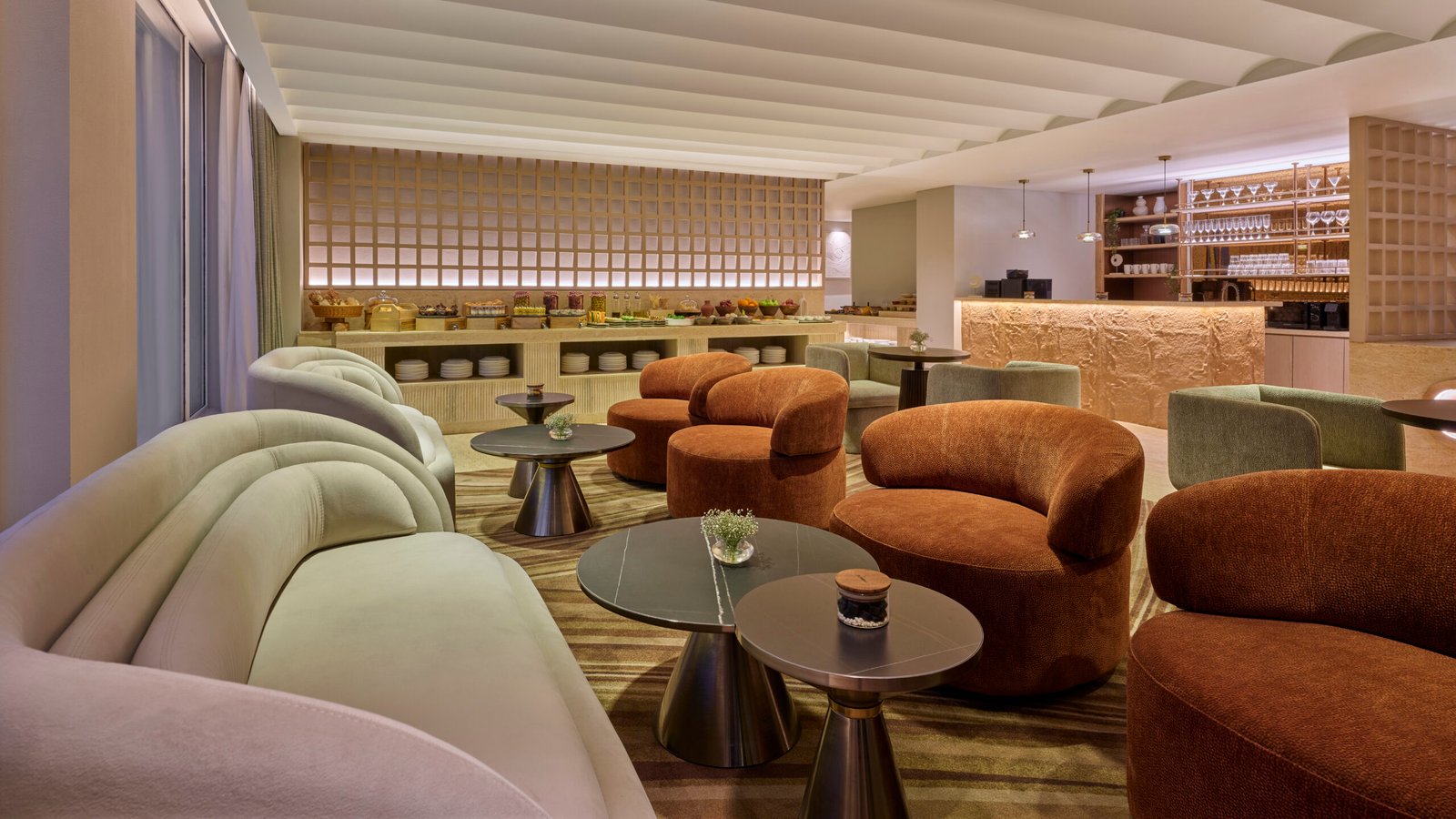
The Indian luxury traveller today is more informed, more widely travelled, and less easily impressed than ever before. This presents an opportunity for India to lead globally rather than imitate international models. Wellness, slower travel, and cultural rootedness are not passing trends—they represent the future of luxury hospitality. India already possesses the heritage and warmth required to lead this evolution; what remains is the confidence to fully own it.