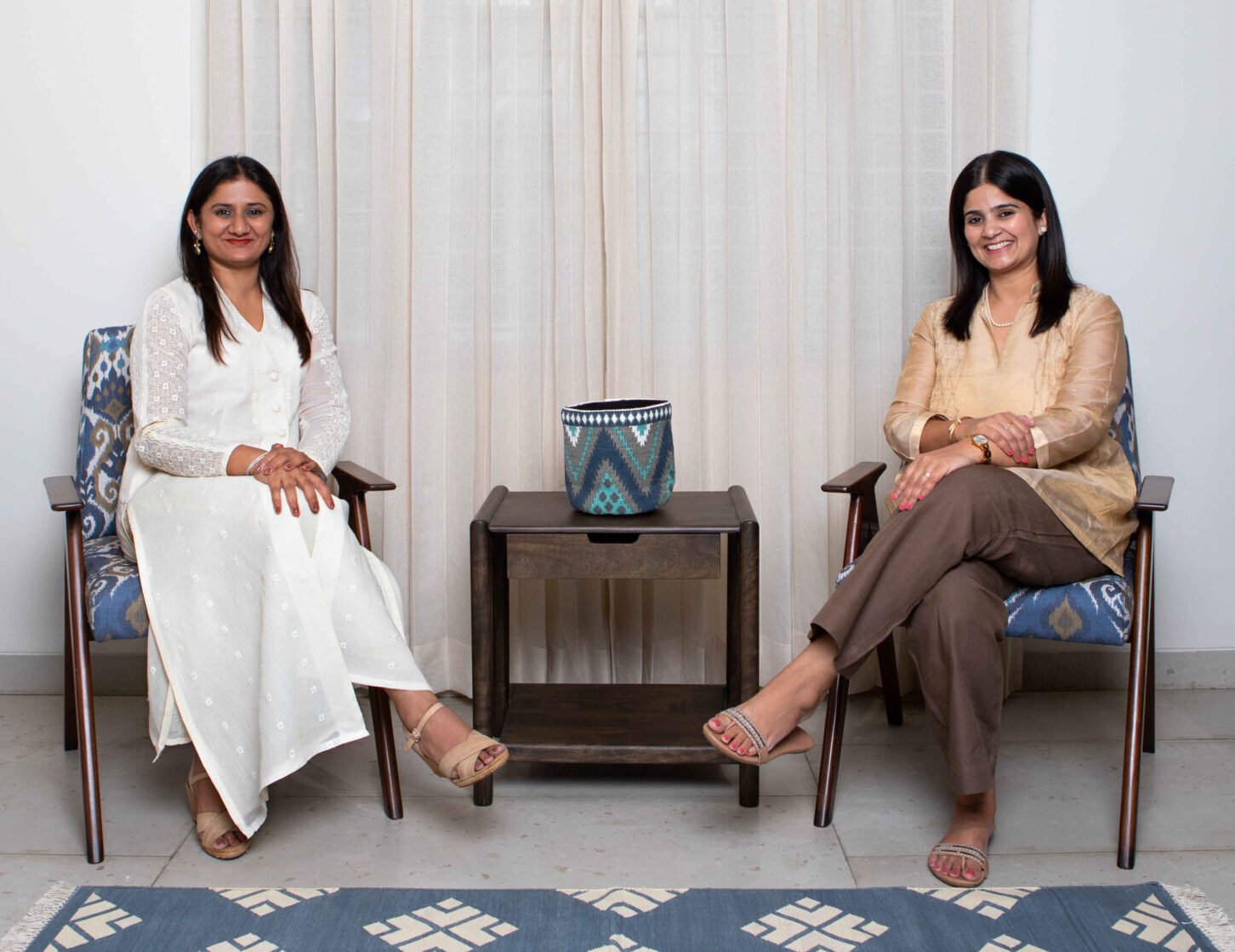
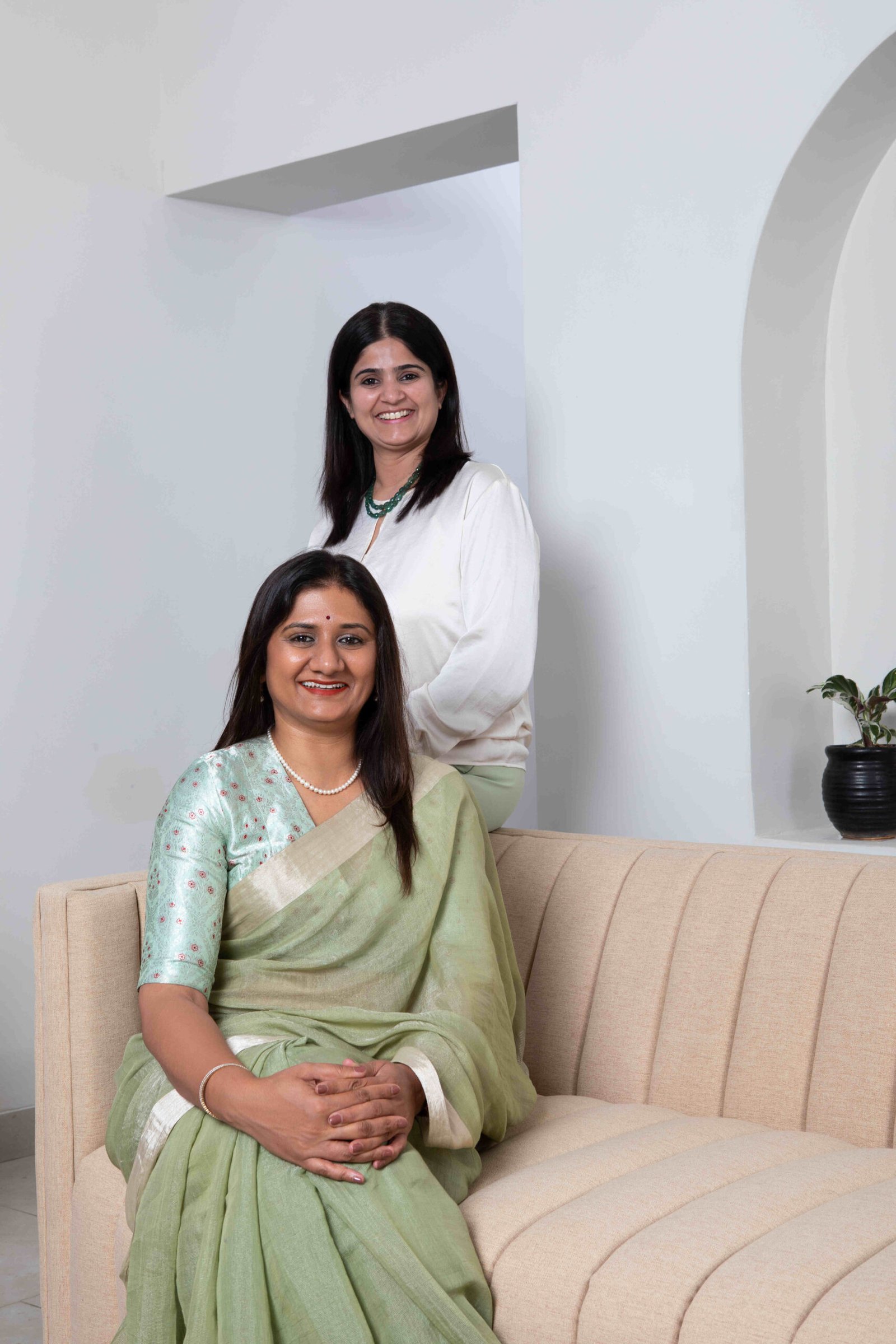
TheGlitz ‘Super Women’ Mangala Patil & Varsha Yashvant, Founders, Vaasa, are multi-faceted. Mangala Patil’s journey from a doctor to a businesswoman has been an insightful learning curve. Mangala Patil avers, “I have tried to showcase my creativity whether it is through furniture curation, selecting the right fabric or showcasing biophilia in my store ‘Vaasa’.”
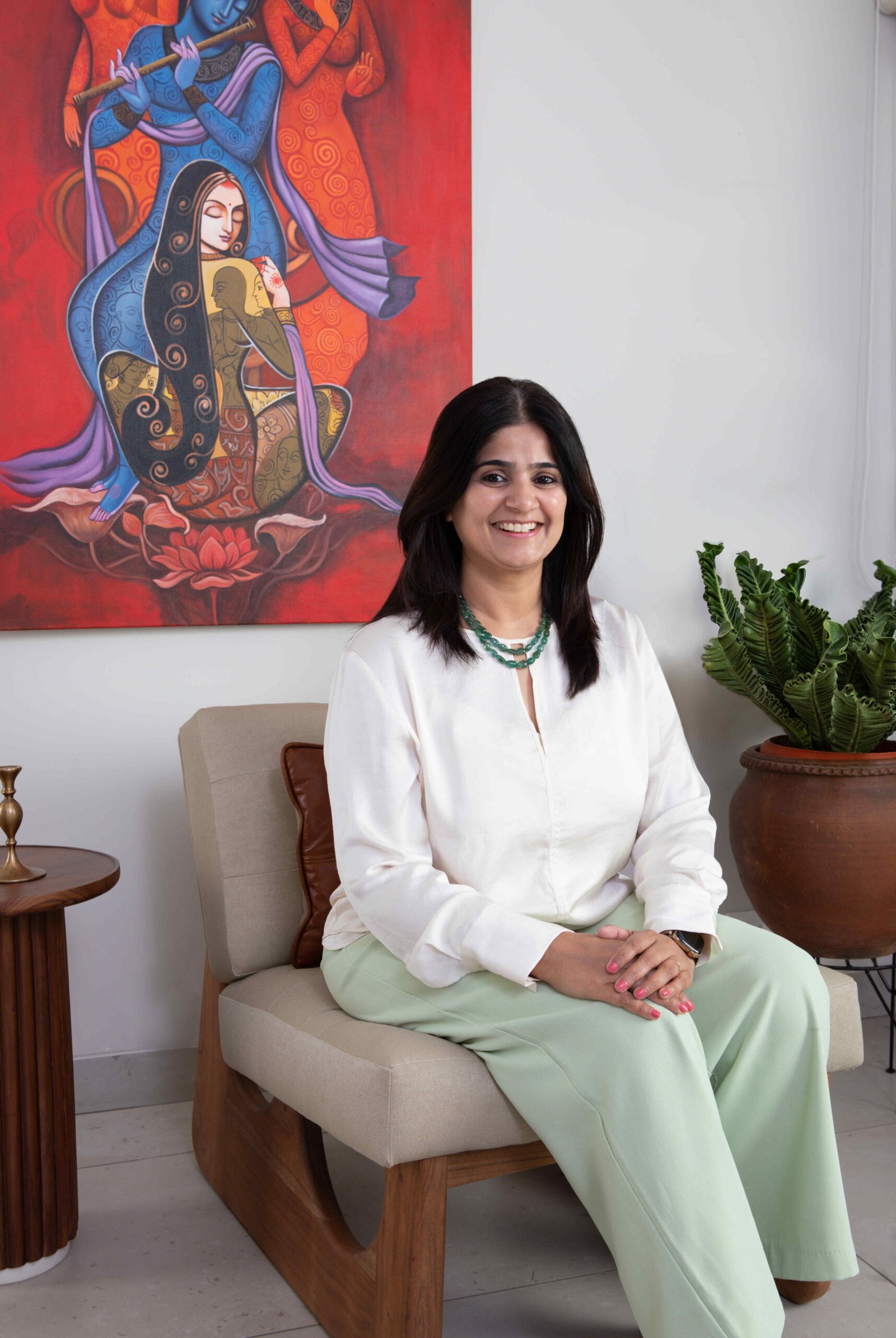
Varsha Yashvant is a techie by profession but she ideated about the brand only after she moved to Bangalore from Rajasthan. Varsha avers, “Vaasa – takes its name from the Sanskrit and Kannada word that translates to one’s place of living. I am also a mother and so is Mangala. Juggling our roles as mothers and new entrepreneurs, we started our Vaasa journey during the pandemic when plans were laid out to turn our passion into reality. The seed of the idea of doing business together was always there as we both share an amazing rapport. But the process to build our brand began after I moved to Bengaluru from Rajasthan.”
Here, Varsha Yashvant and Mangala Patil tell TheGlitz what inspired them to chuck their jobs and become entrepreneurs.
Over to Varsha and Mangala
Your journey has had many momentous milestones. Could you both tell us about the life-changing milestones that have moulded you to be what you are today?
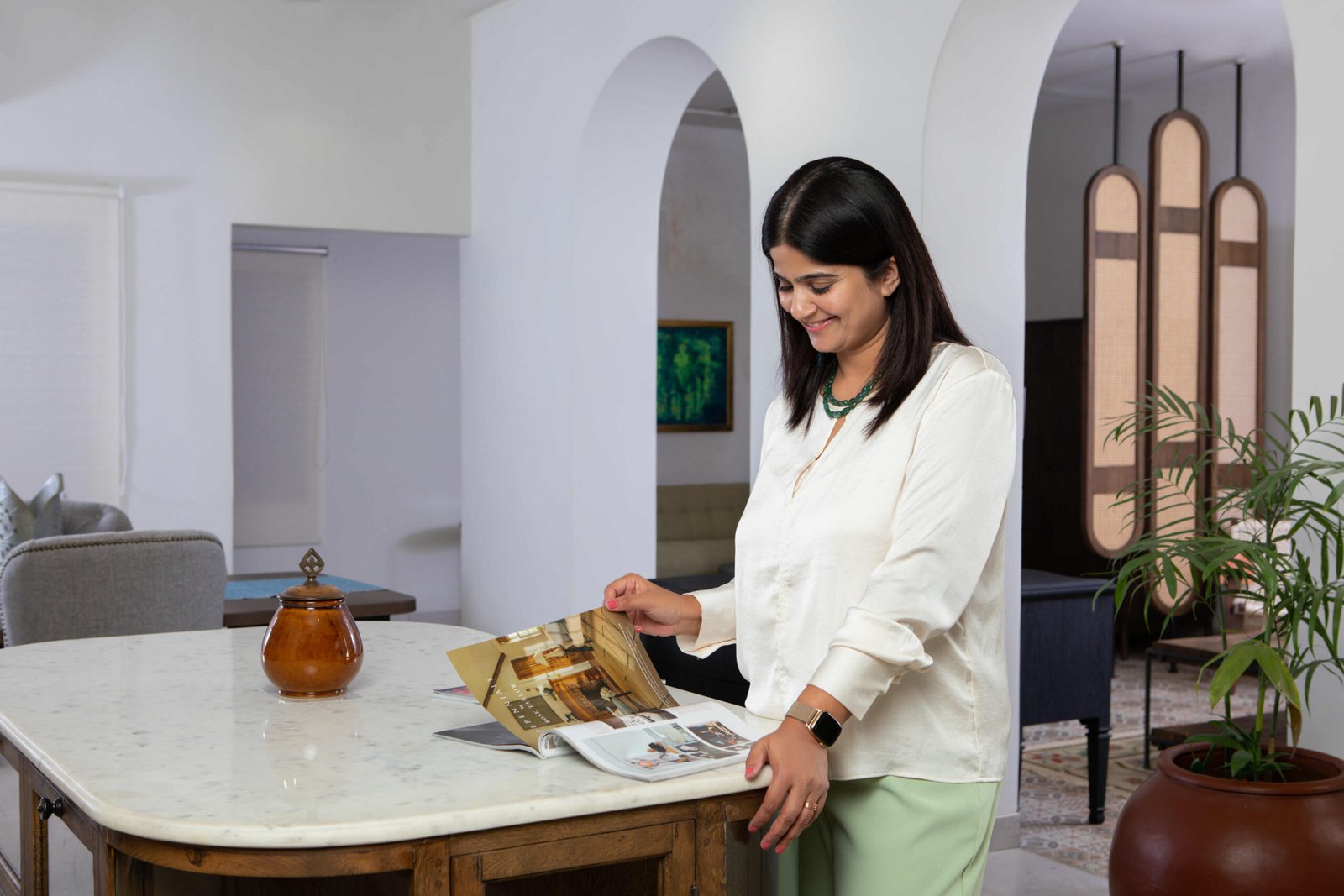
Varsha: “After graduating from Symbiosis, I started working with GE as a happy techie when I was 22. But life had something else in store for me and I moved to Rajasthan and lived there for nearly 15 years. Jaipur was no Silicon Valley, but it was an amazing new world of history, architecture, forts and palaces, natural beauty, great craftsmanship in gems & jewelry, textiles, and of course, furniture! Rajasthan ignited the entrepreneur within me. That change in my mind from being a job seeker to wanting to go out on my own was an important milestone in my life. Having my two beautiful girls in my life is yet another memorable and momentous milestone. I feel a sense of duty towards them to set an example of an independent woman trying to make her mark in a tough world. …Hope they are inspired to achieve far greater things.”
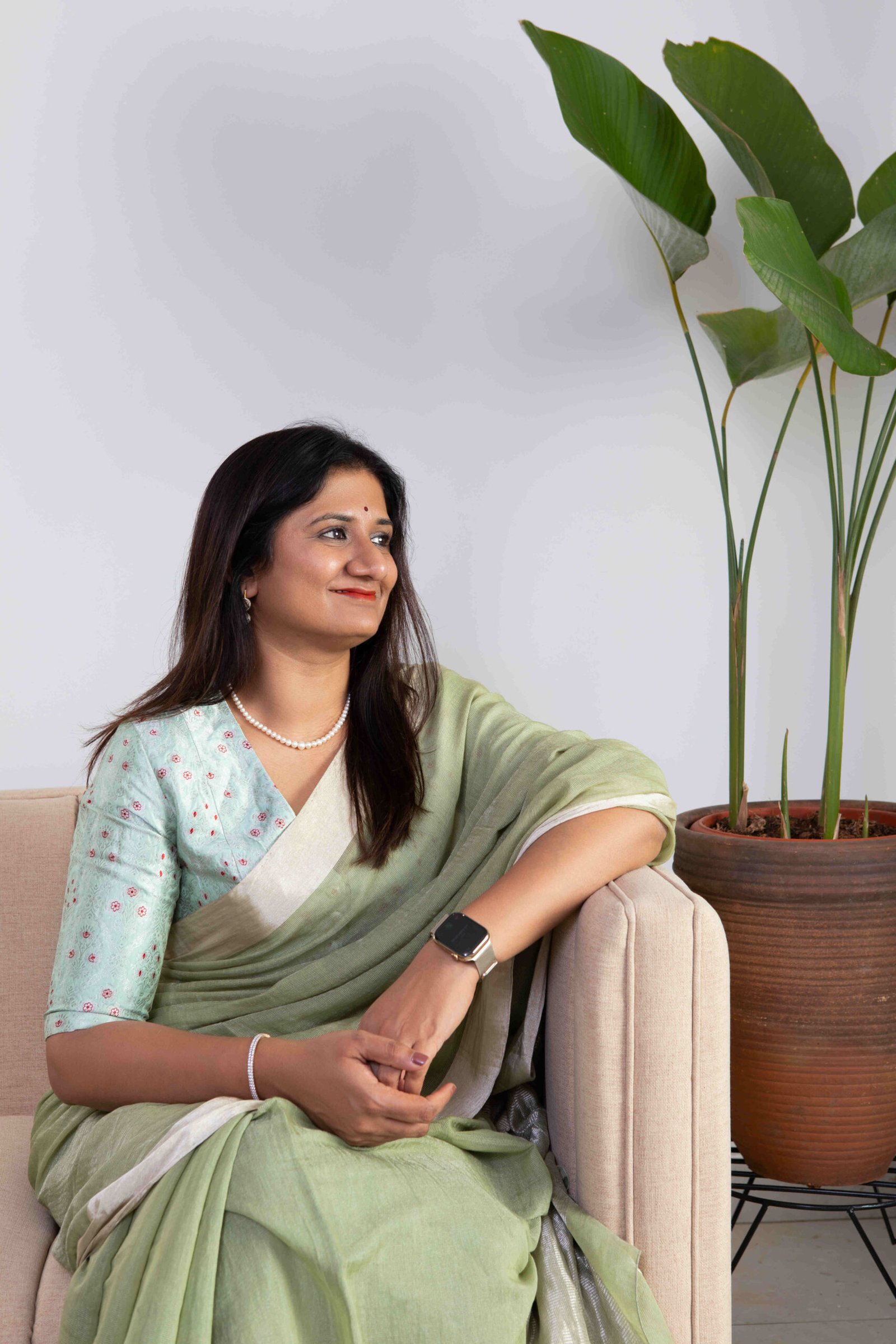
Mangala: “Life has been smooth so far. My day-to-day experience and learning have brought me to this. And it continues…. In specific to Vaasa, my relationship with Varsha and how we have been supporting pillars to each other on all fronts has brought me (us) here.”
What are the setbacks you have faced? How did you tackle these setbacks or challenges? And what lesson have you learned from it?
Varsha: “There have been a few setbacks like managing home and work and the guilt of putting the career before anything else. I tackled the setbacks by working on setting up my priorities, walking the tightrope between home and work, never losing hope, learning from mistakes and being resilient as it empowered me to bounce back from setbacks. I must add that that was possible only because of the all-around support for all my endeavours from my family, especially my father and husband.”
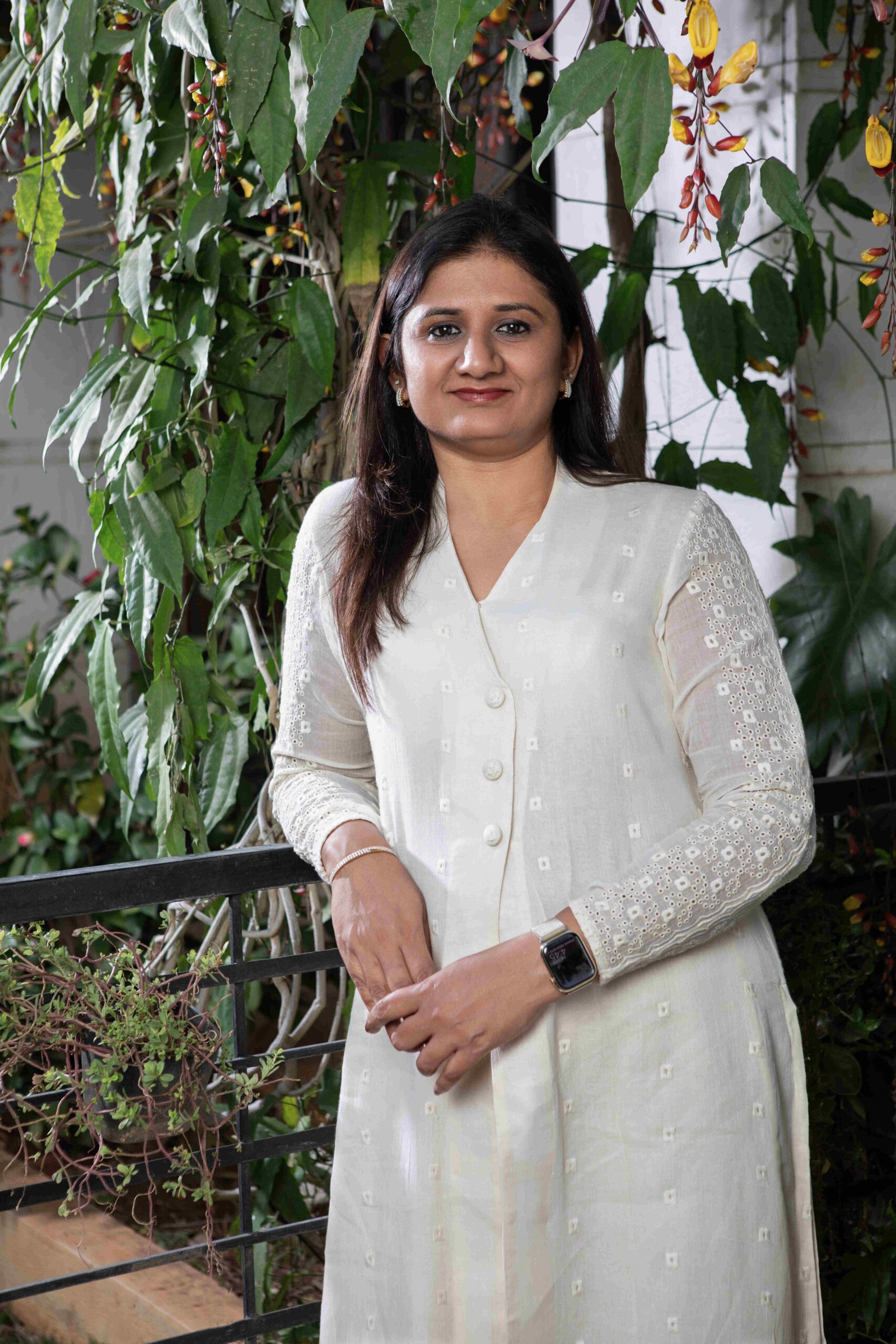
Mangala: “It was challenging being a working mother. Being a doctor… I gave up my practice to be with my kids (no regrets there). I have cherished it thoroughly. The challenge here was social criticism – being judged for not working. It took some time but I overcame that through my willpower and …that I was following my instincts, love for family, happiness and comfort level. …And now being an entrepreneur, I face the challenges of a working mother, but I’m more mature and my kids are very proud and supportive.”
When you look back, what are the three qualities in you that have helped you become what you are today?
Varsha: “I think of others’ well-being over my own – this is what I have learned by watching my father throughout my growing years. I truly admire him for being so selfless and committed to the welfare of people around him. I have become more calm and accommodating …and this definitely helping me handle all kinds of situations in a better way.”
Mangala: “Patience, maturity/calmness (there’s been a lot of improvement on this front and scope for more) and my helping nature.”
Who are the people who have been the wind behind your wings?
Varsha: “My parents, mother-in-law and my husband for always being there. …Any opportunity I get to pamper and make them feel special, I grab. We are a large family and I would be ungrateful if I didn’t thank all the elders, my sisters and brothers for being a great support in my life.”
Mangala: “It is difficult to name all of them, but it’s my big fat family and friends.”
Lastly, if there was a quote to define you, what would it be?
Varsha: “Always go with what you’re passionate about. Everything cannot be measured on a realistic scale.
Do more of what makes you and those around you, a little happier…and go ahead and make those little choices.”
Mangala: “BEAUTIFUL BEHAVIOUR CAN CHANGE THE LIFE.”